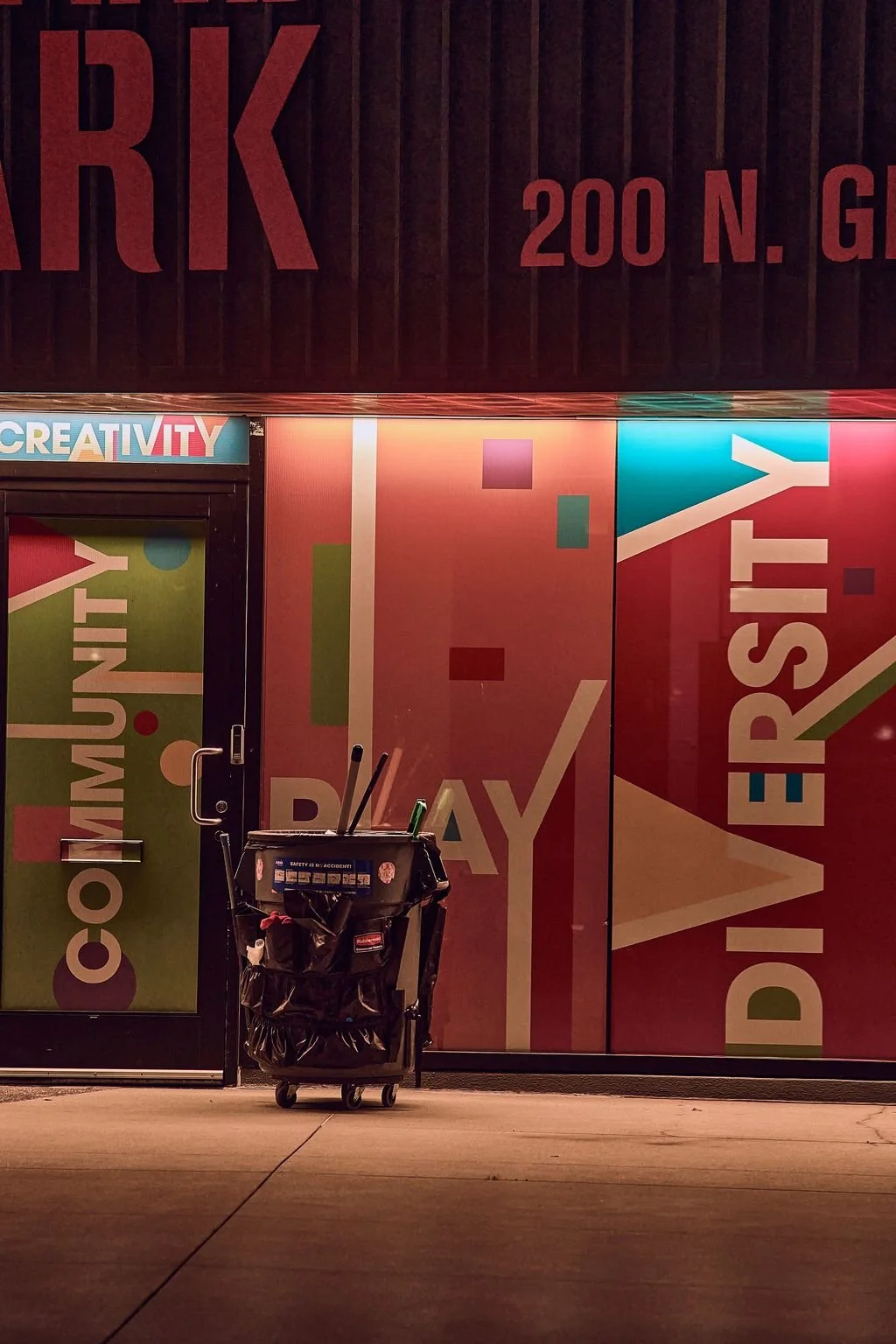
Grand Ave Street Photography DTLA
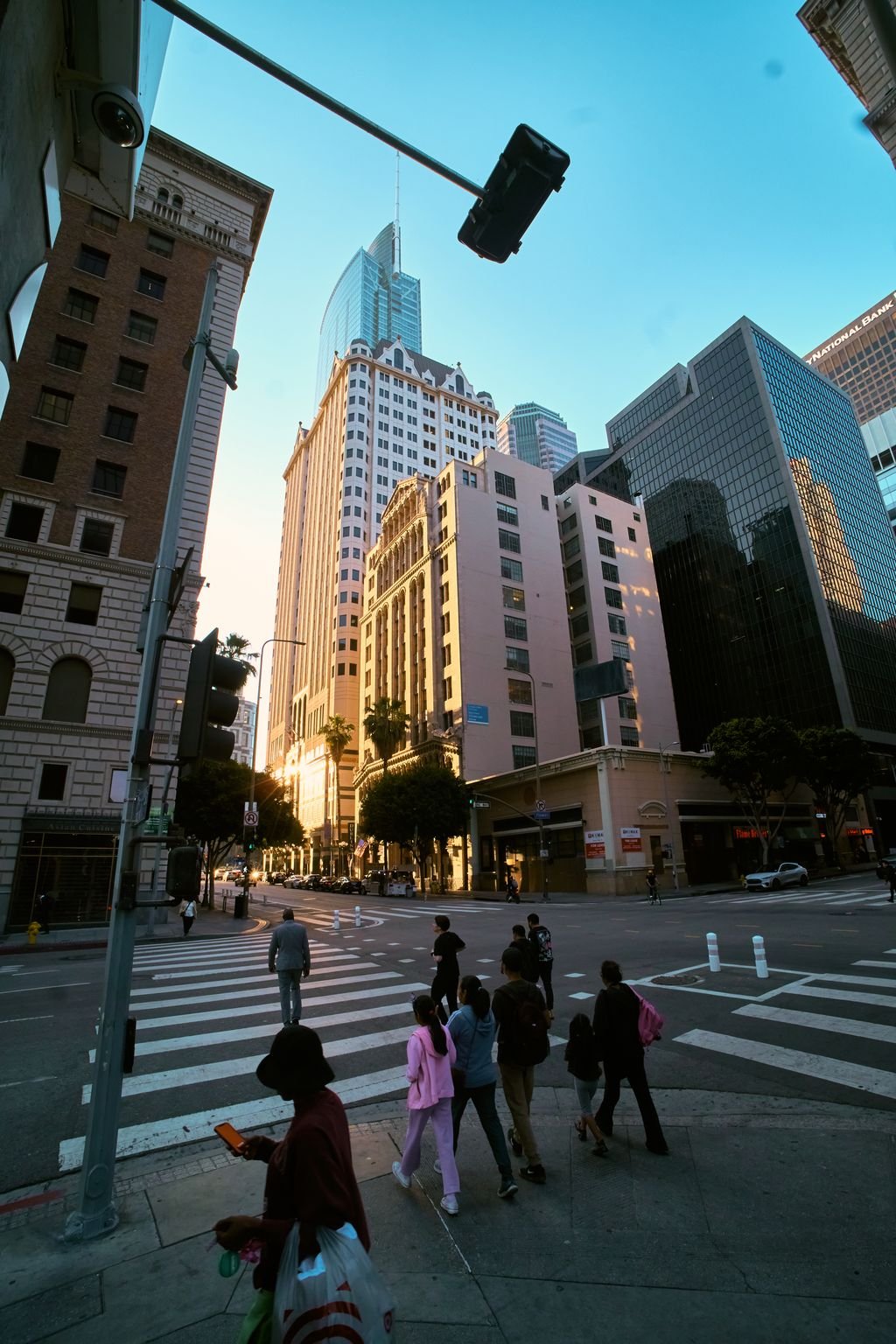


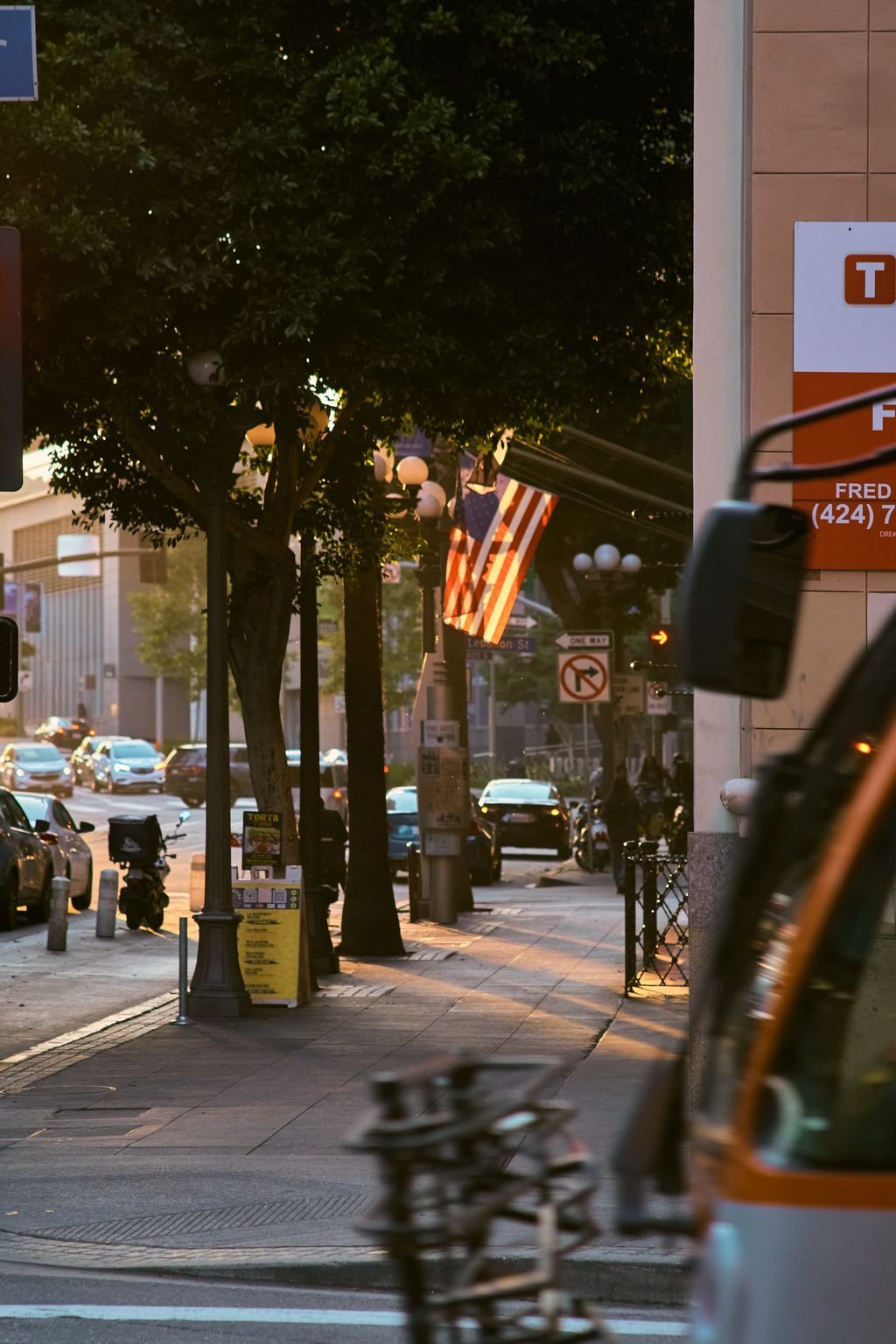

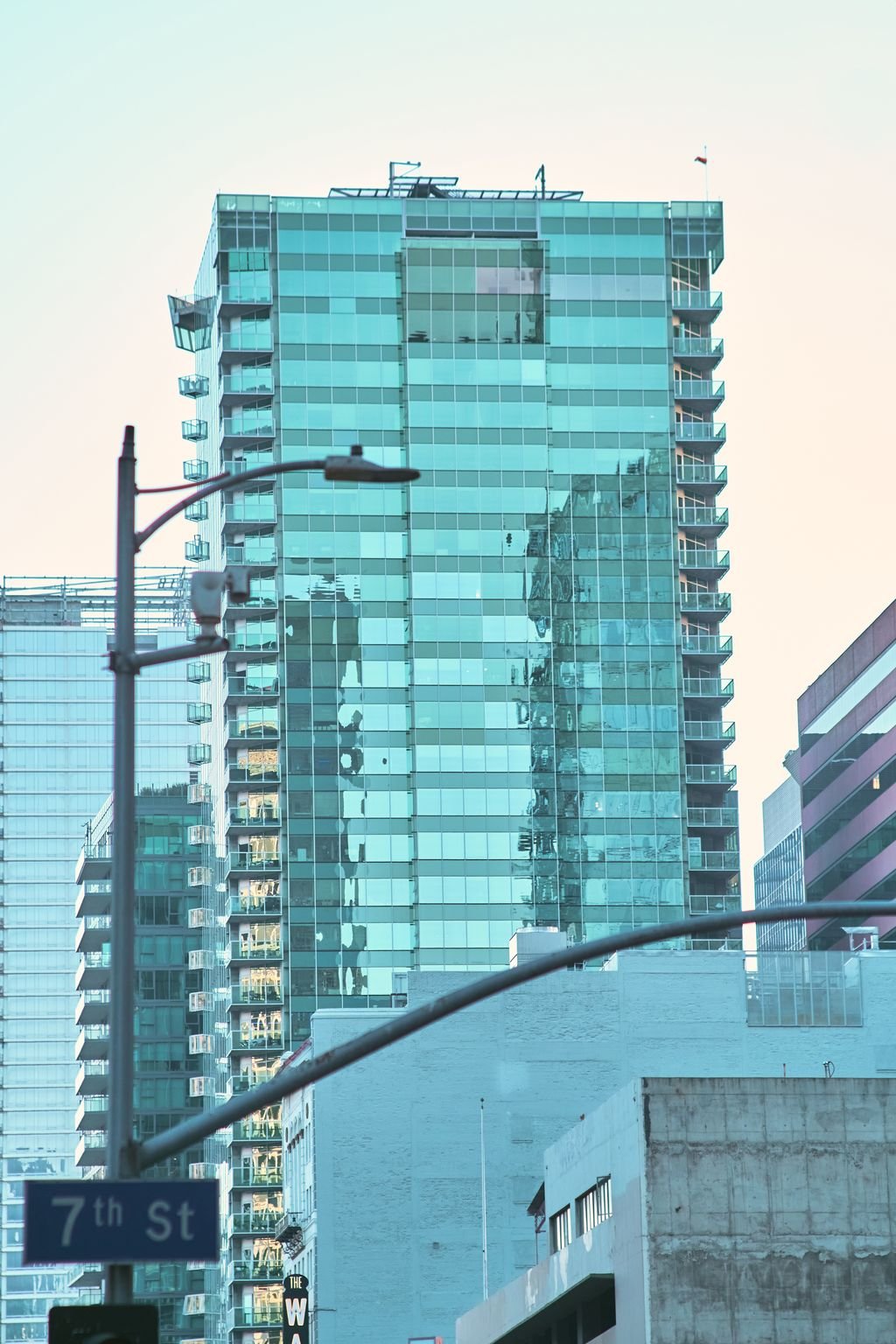


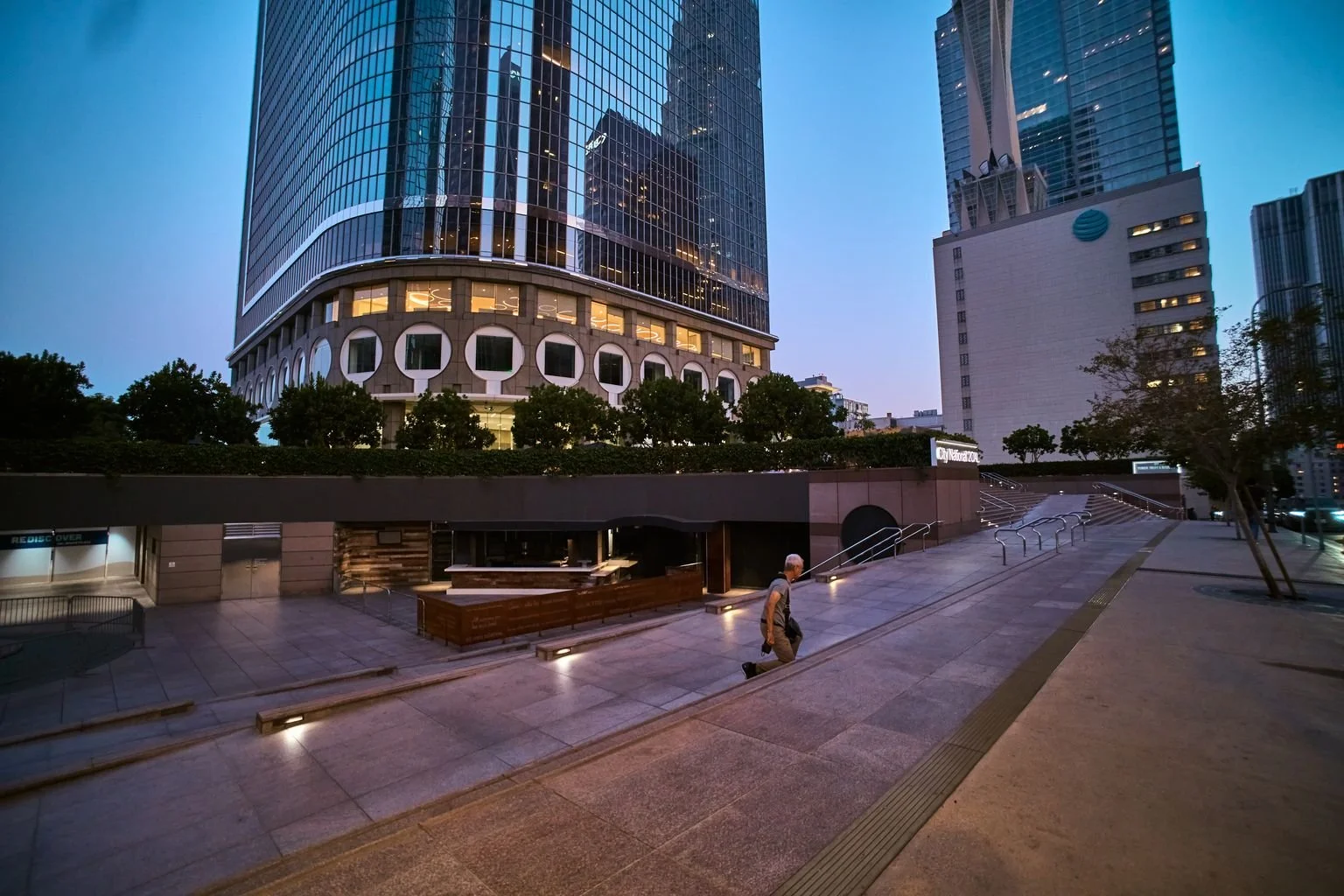


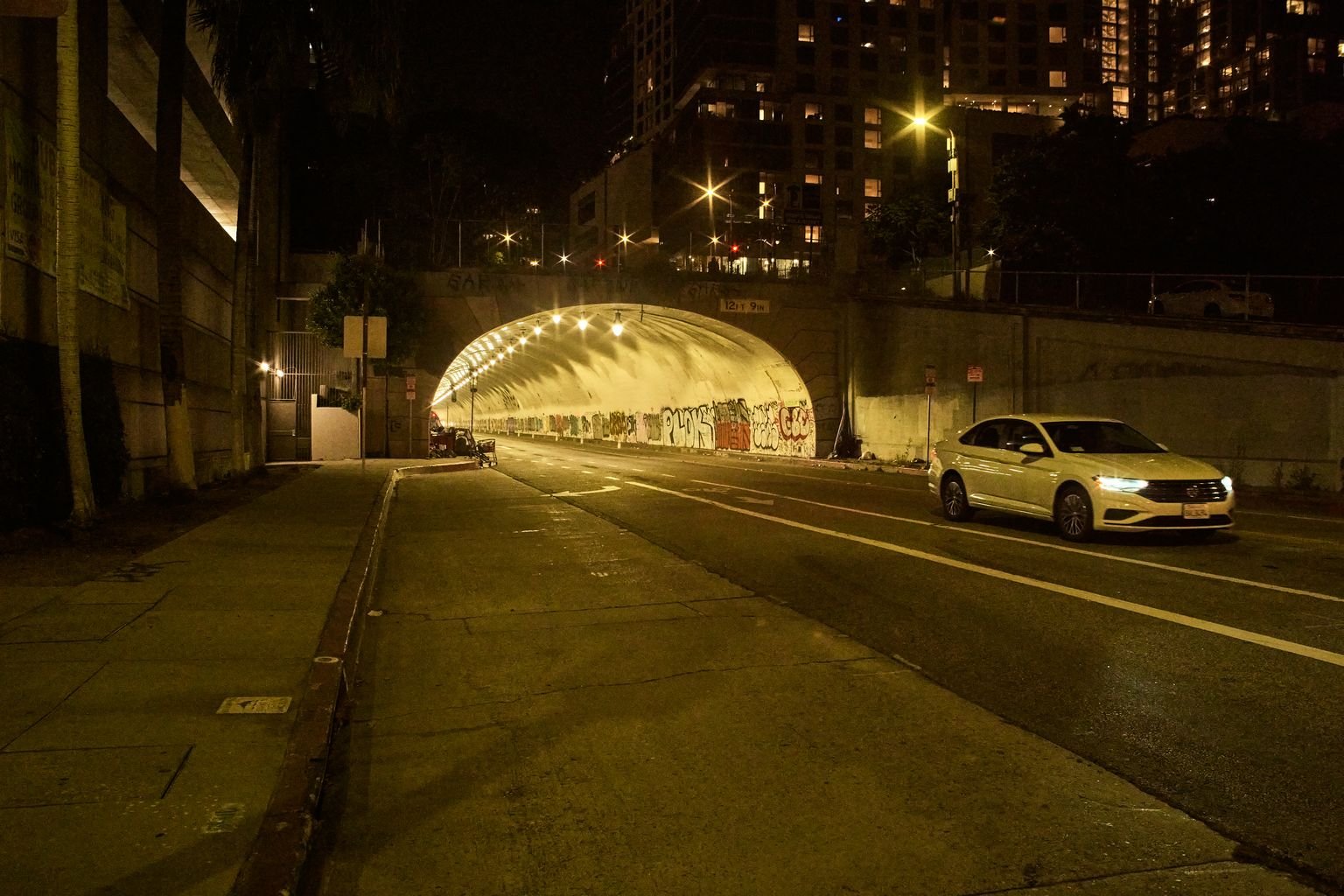
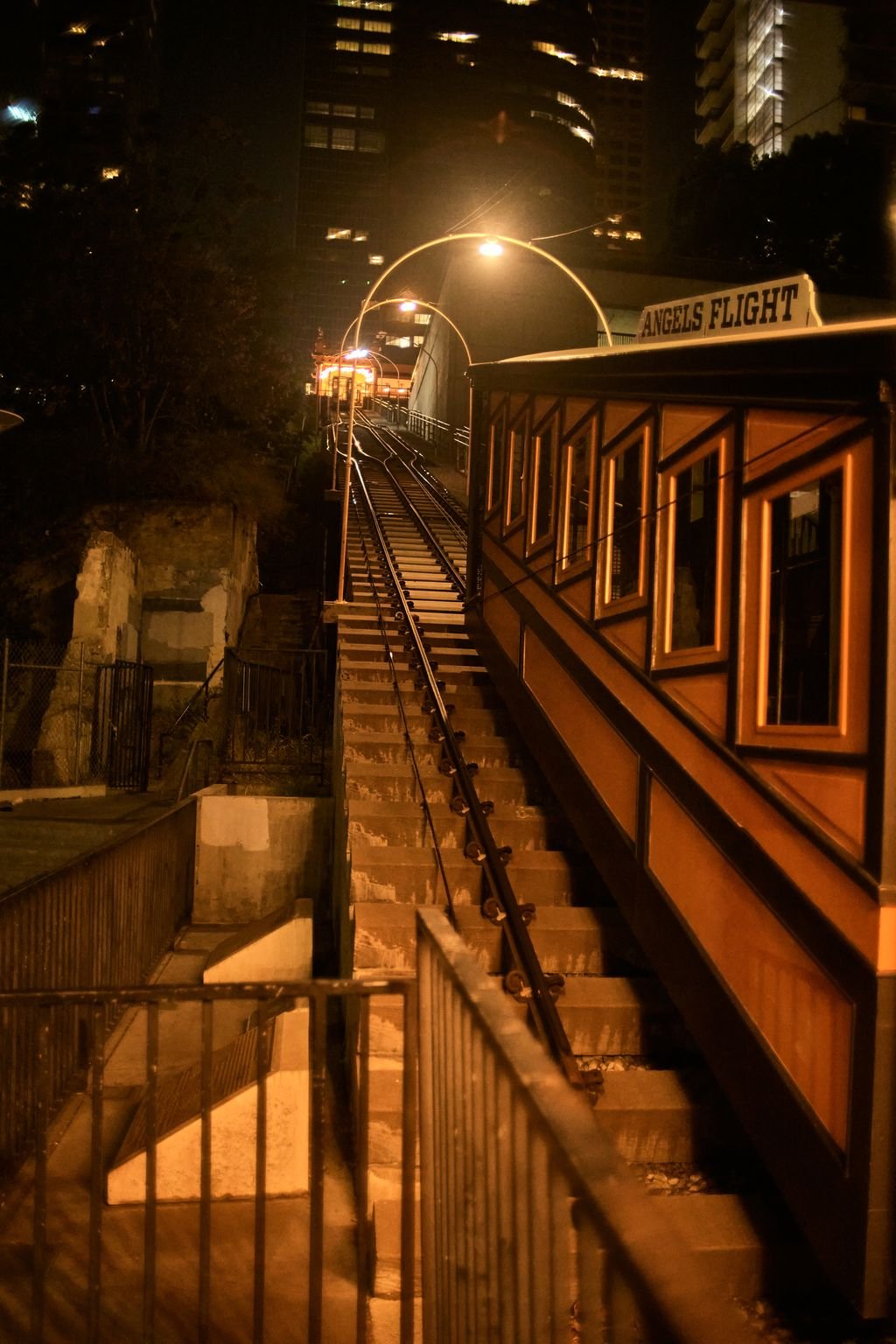
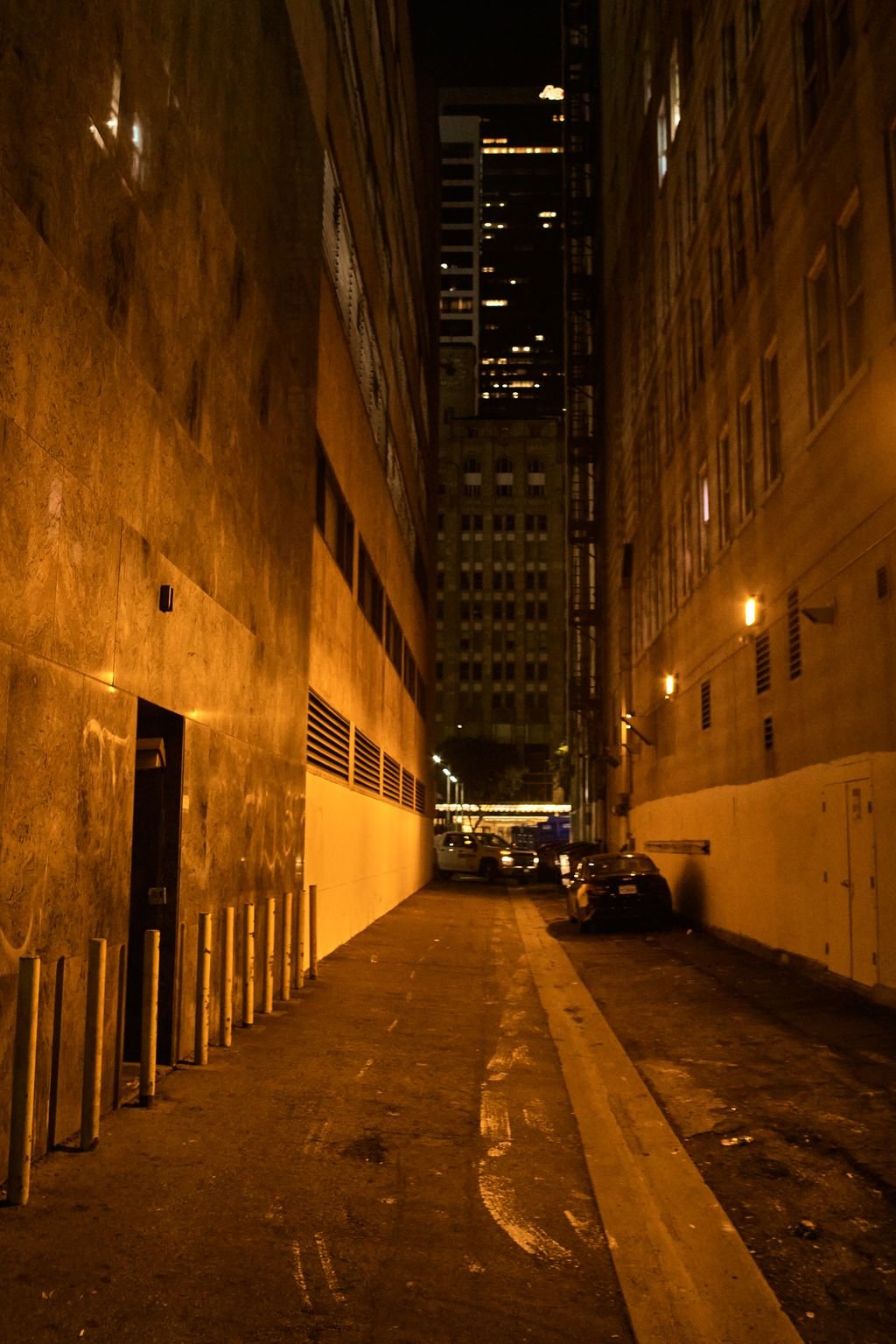


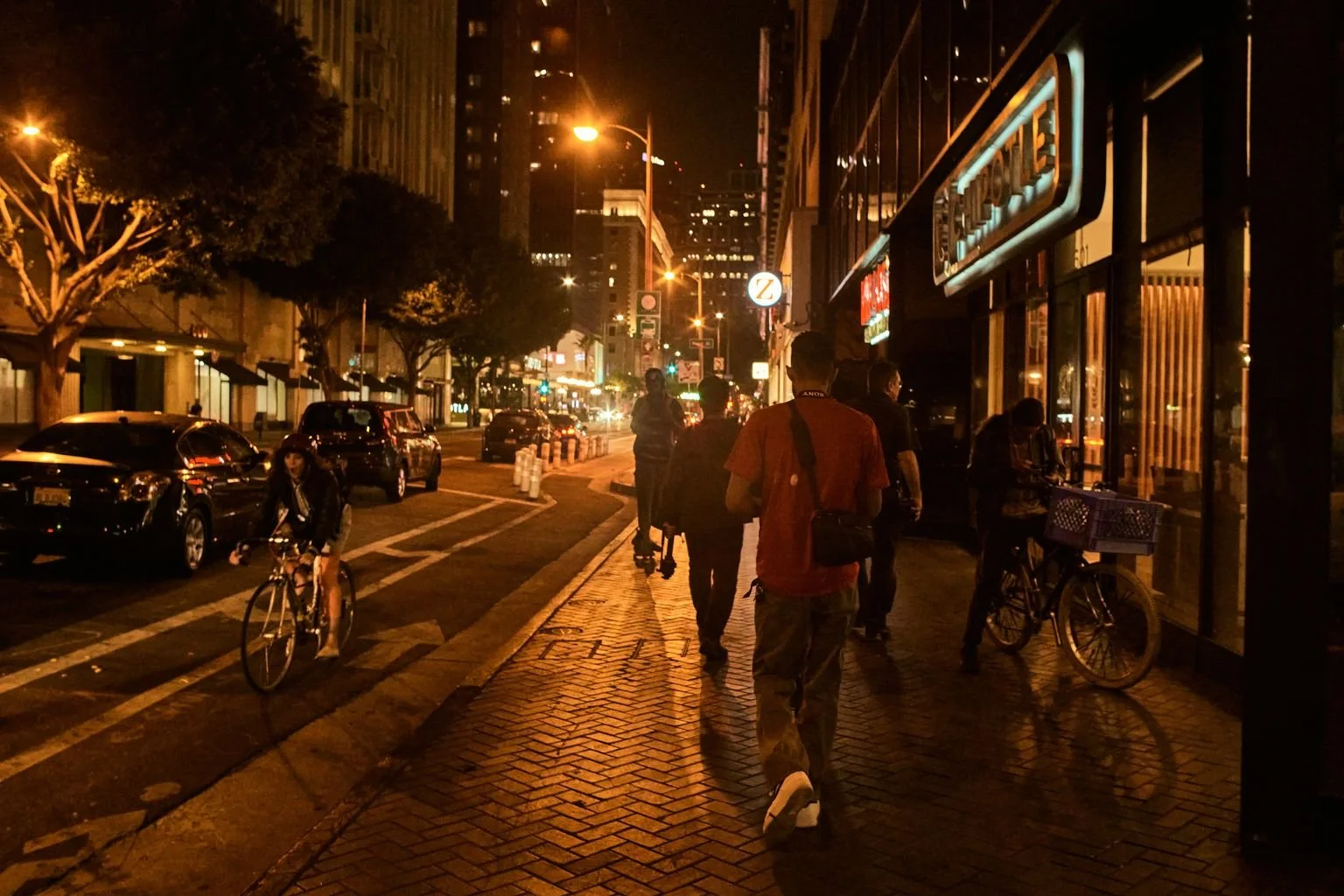


I took the Sigma FP, an old Vivitar Close Focus 28mm f2, Soligor 135mm f2 and a Laowa 15mm f4. I caught the sun as it shone through the buildings by Figueroa and 7th before joining the group behind the Central Library, up through Grand Ave, Grand Park and back again. Here are some of my favorites from the night. One of the highlights for me was while walking down Grand Ave, we saw some well dressed folks taking photos in the center lane of the street. Not wanting to intrude, we just kept taking photos around, when they invited us to photograph them. Those were a lot of fun and of course I made sure to send the photos to our wonderful models. While looking at the rest of the photos, it was fun to see which were more interesting to me. There are moments where a figure completes the composition of buildings and streets or a car slides into frame in mid turn that I feel make for a more interesting, captured moment.
Camping in Idyllwild
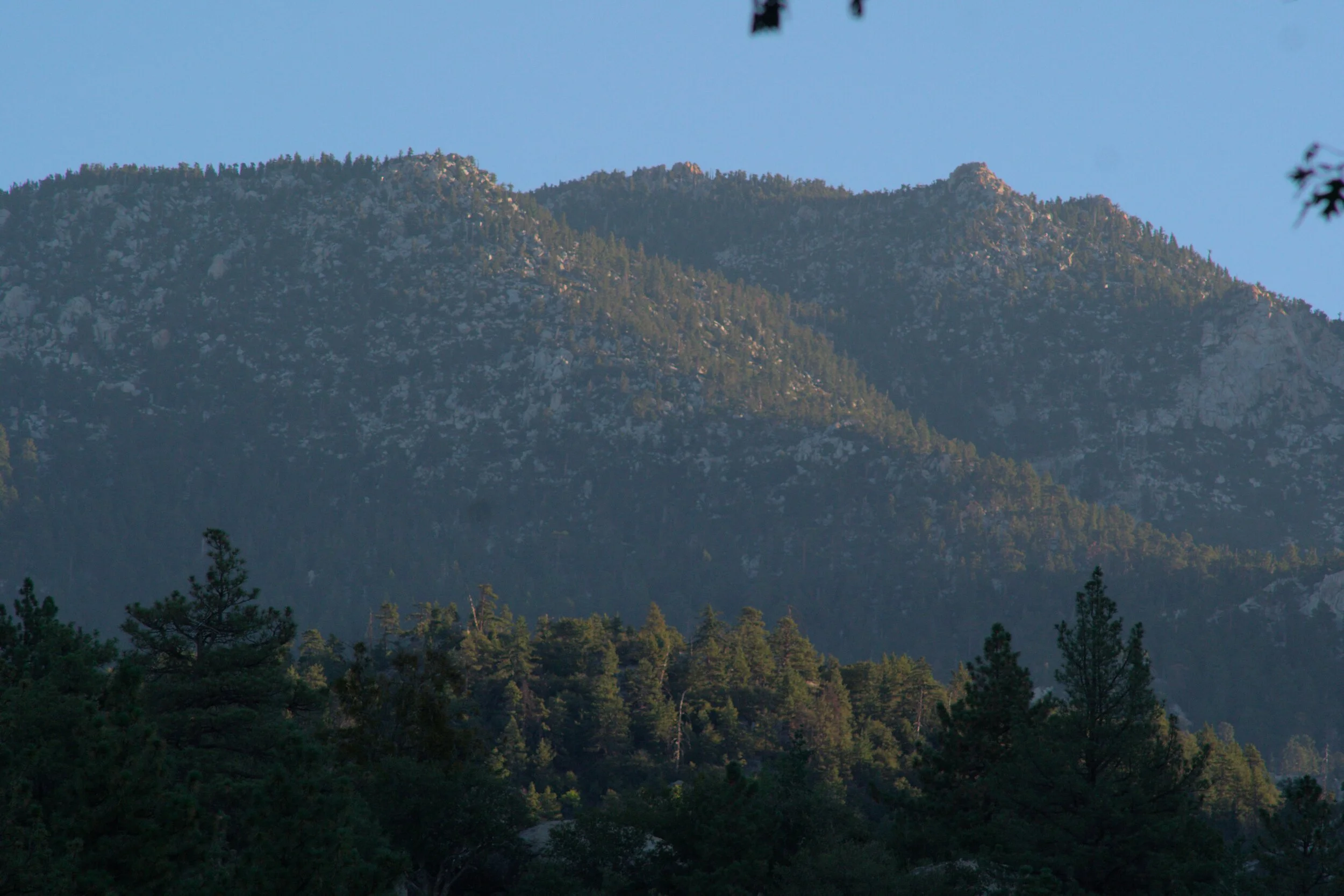
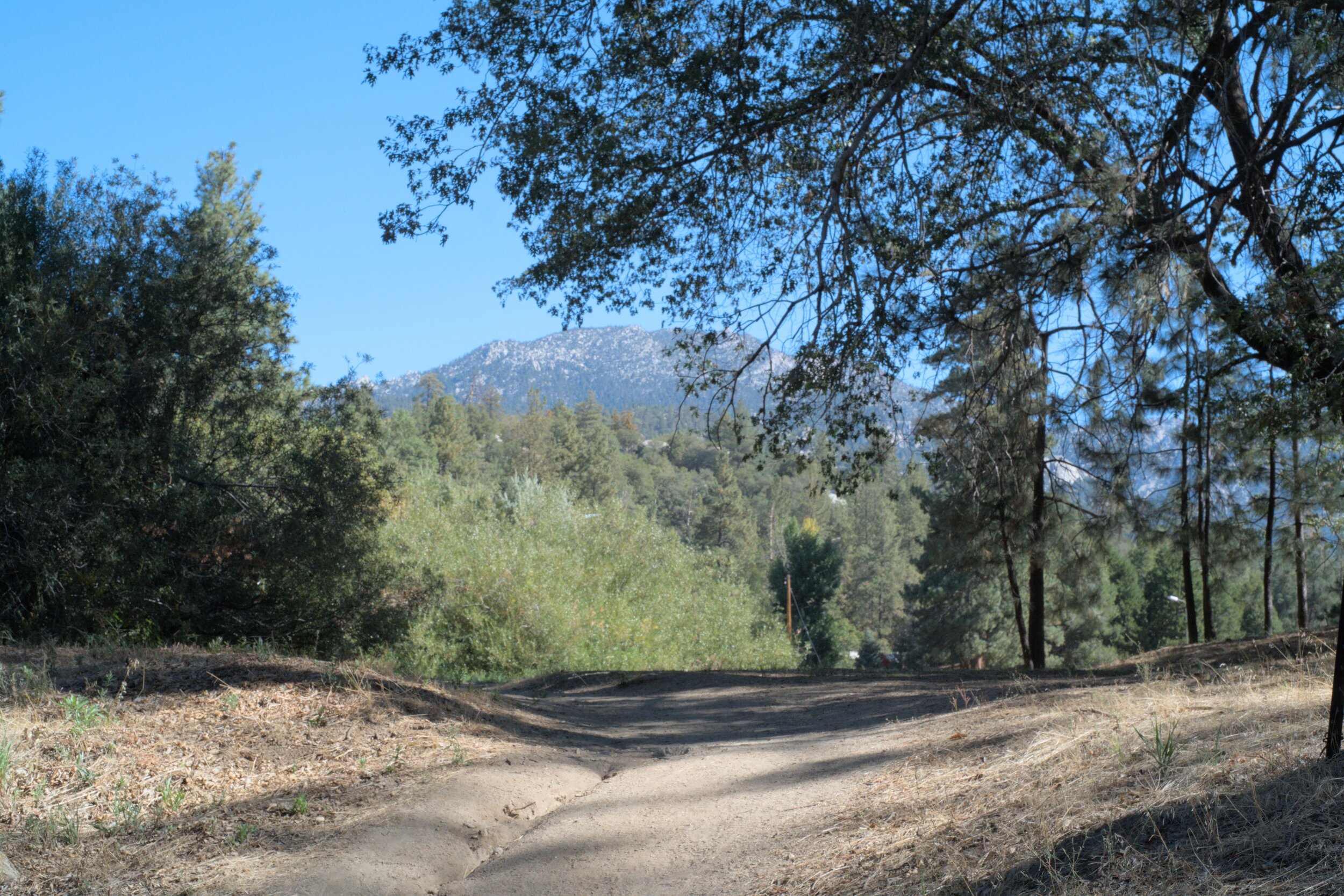
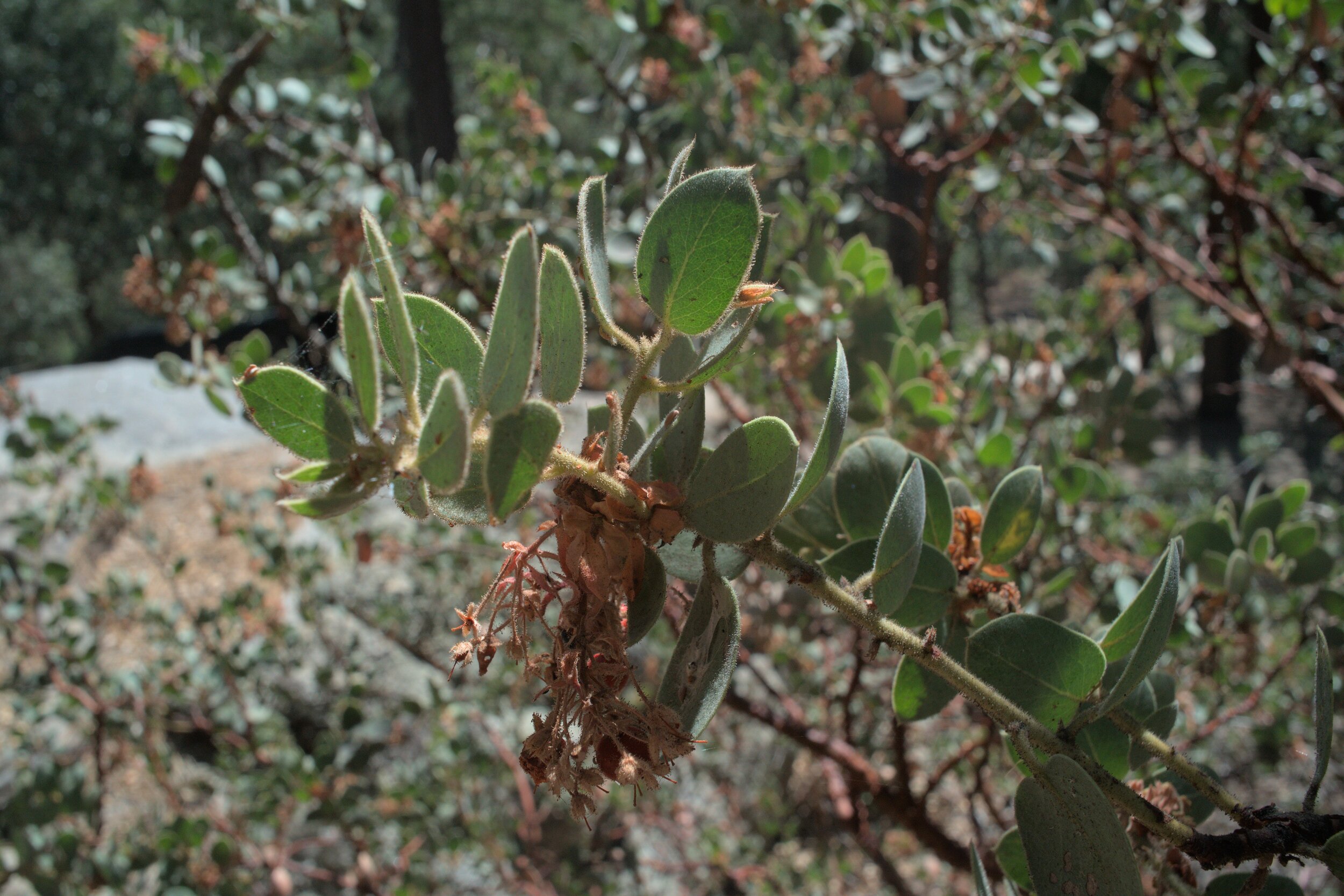
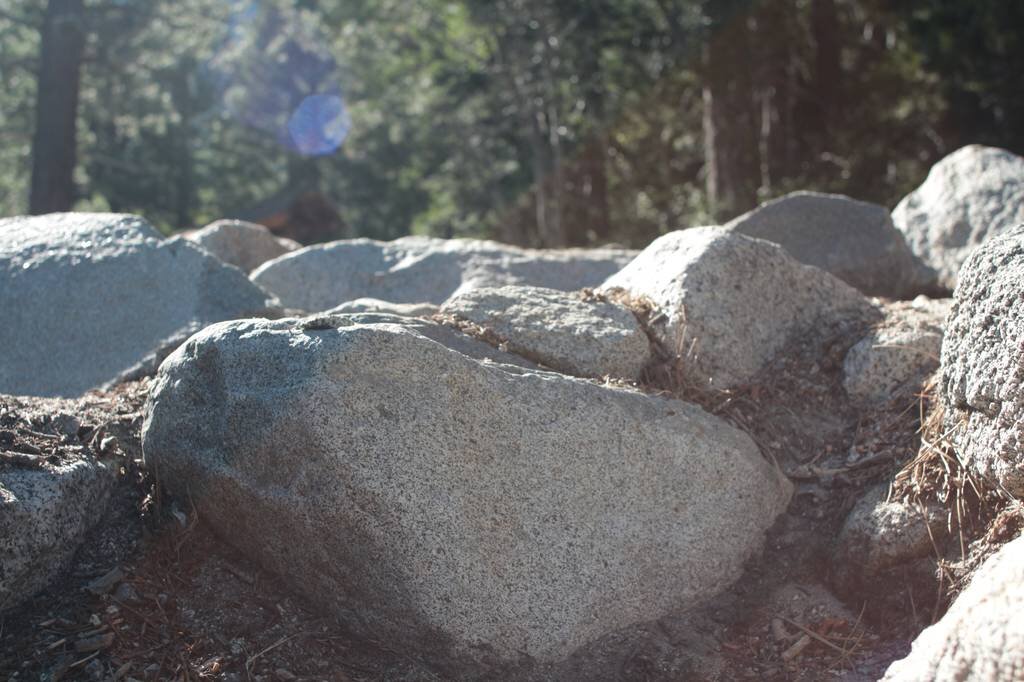
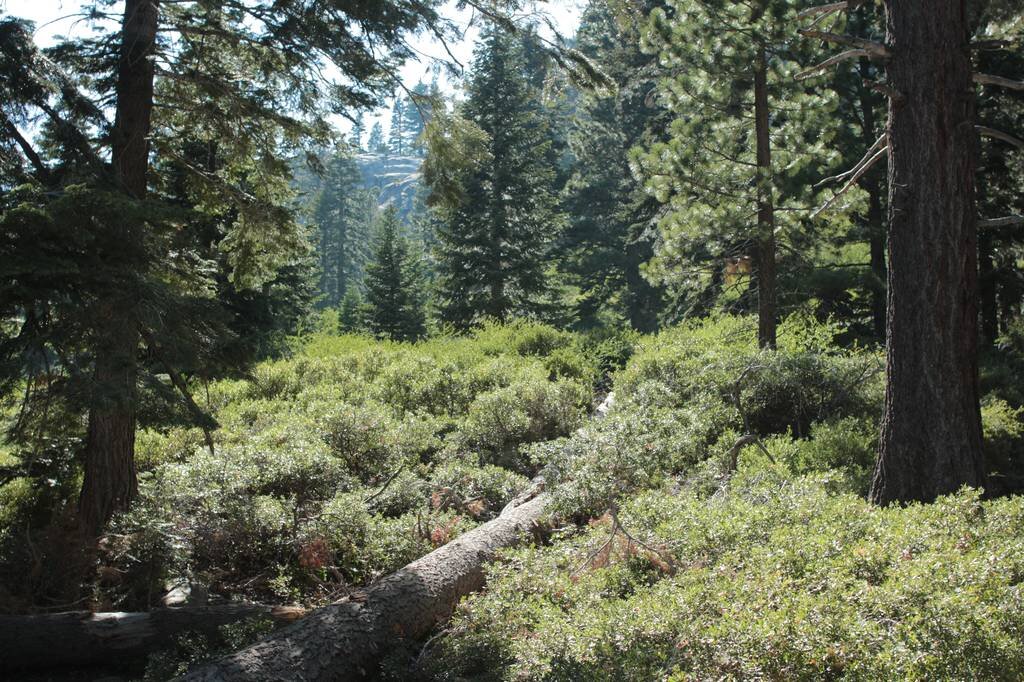
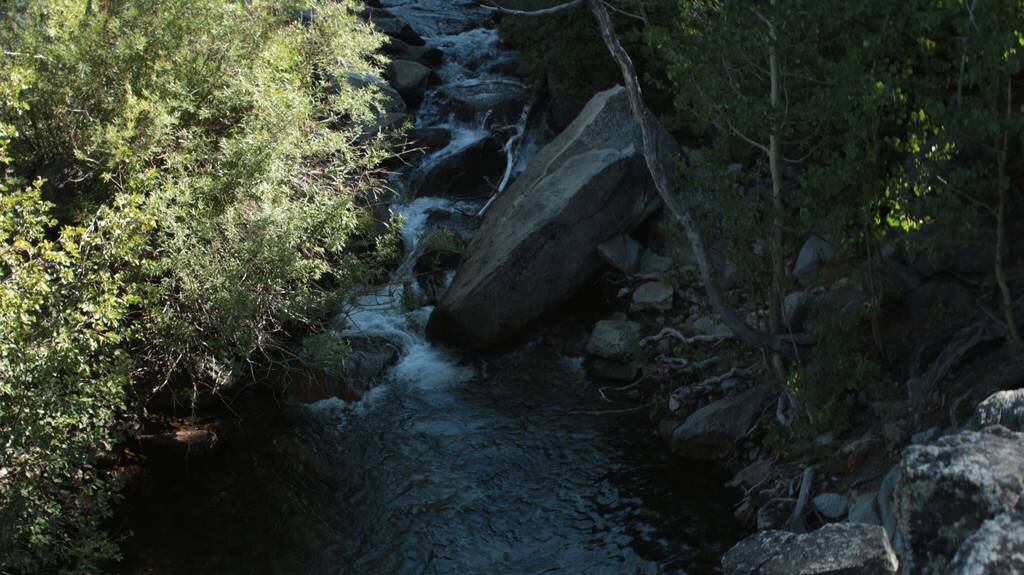
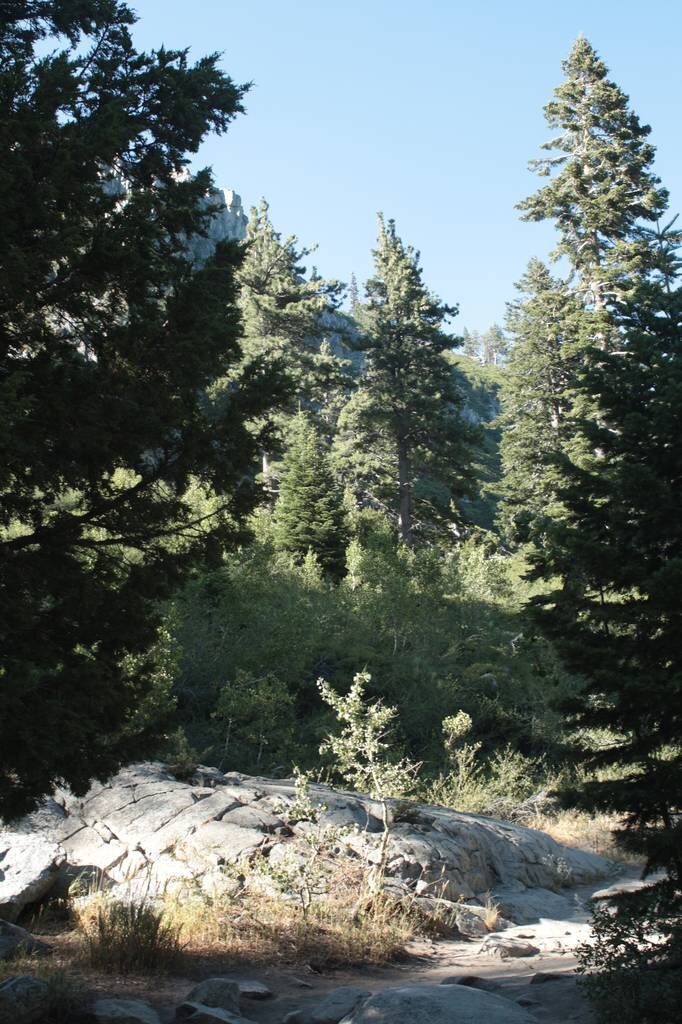
After filming for about 5 weeks, in every free moment I could manage, I took a break and went camping. I wanted to try out the Sigma FP for stills as I had been using it for filming “Ramkali”. I also ended up using Dark Table for all the color work afterwards. I shot with no color profile and made my adjustments after the fact. It was actually quite impressive to see what could be pulled out of these images with some simple editing.
The stars in the clear night sky were beautiful. I used a combination of Laowa 15mm f4, Vivitar (Komine) Close Focus 28mm f2, Zeiss 50mm 1.4 and a Zeiss 300mm f4. Focus is more challenging off a screen in the bright sun. Other than a few missed shots due to that, I really enjoyed it.





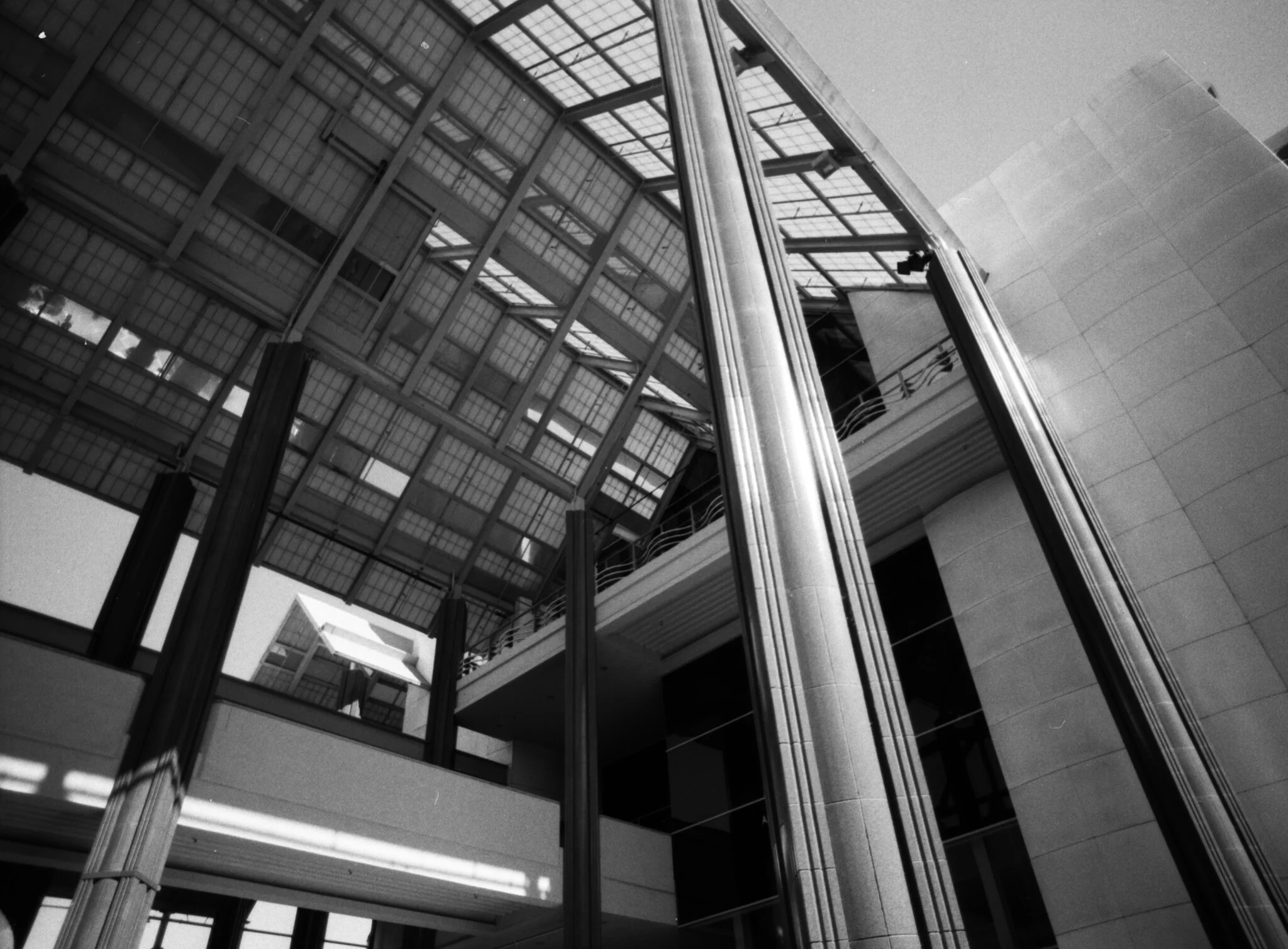
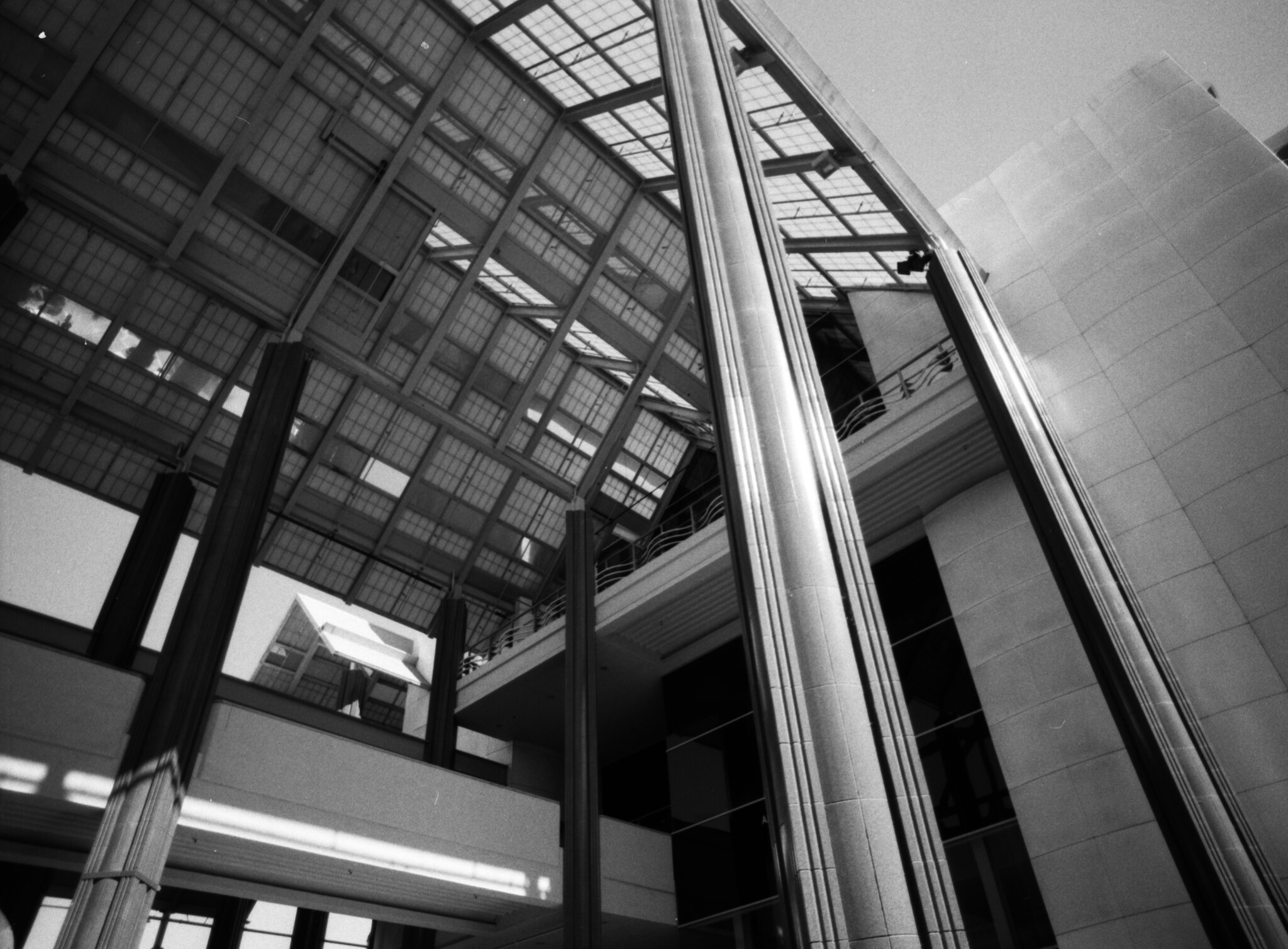
LACMA with Mamiya 645
I took my Mamiya 645 out with a 35mm f3.5 lens to LACMA.

I took my Mamiya 645 out with a 35mm f3.5 lens to LACMA.
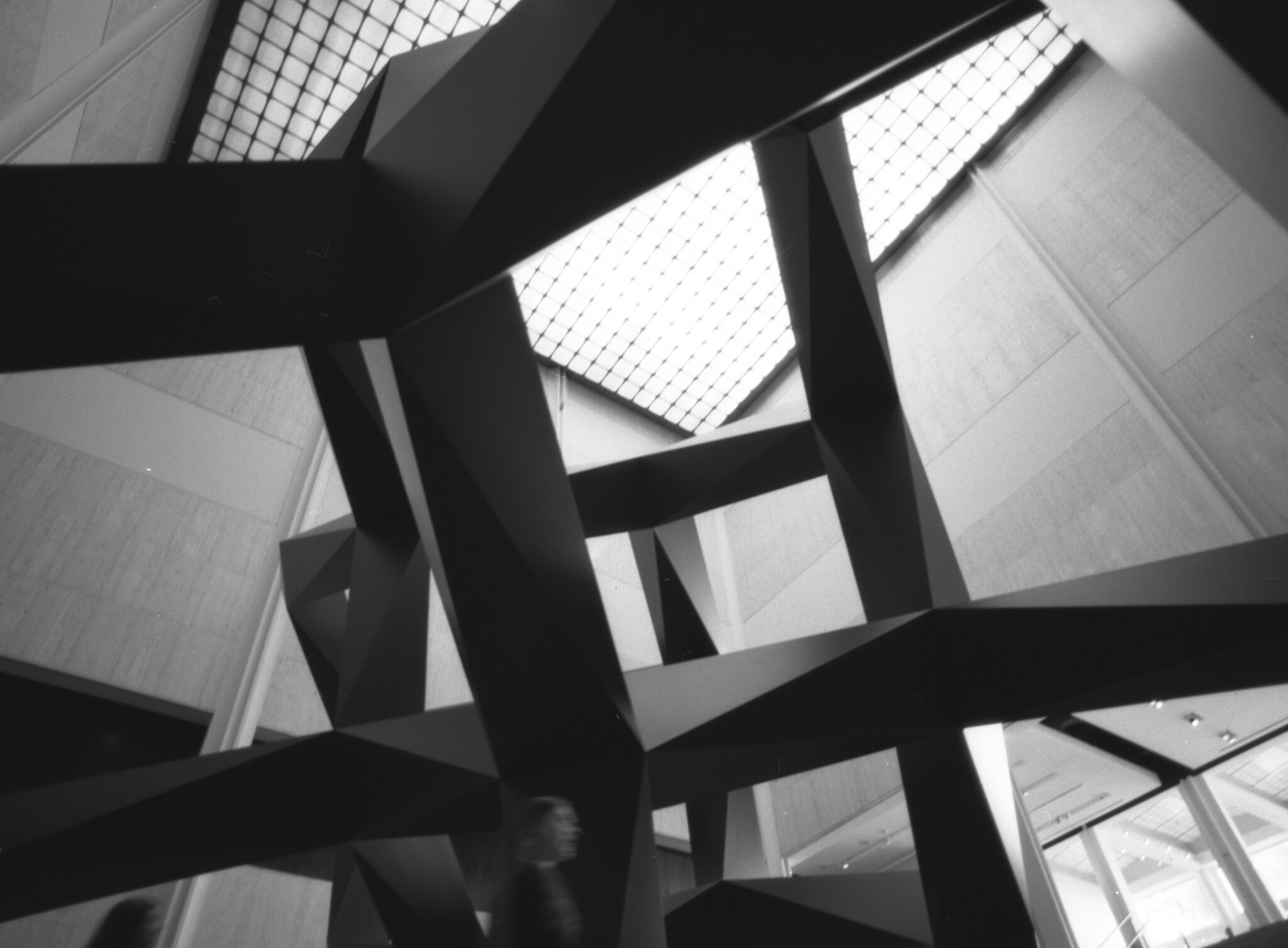

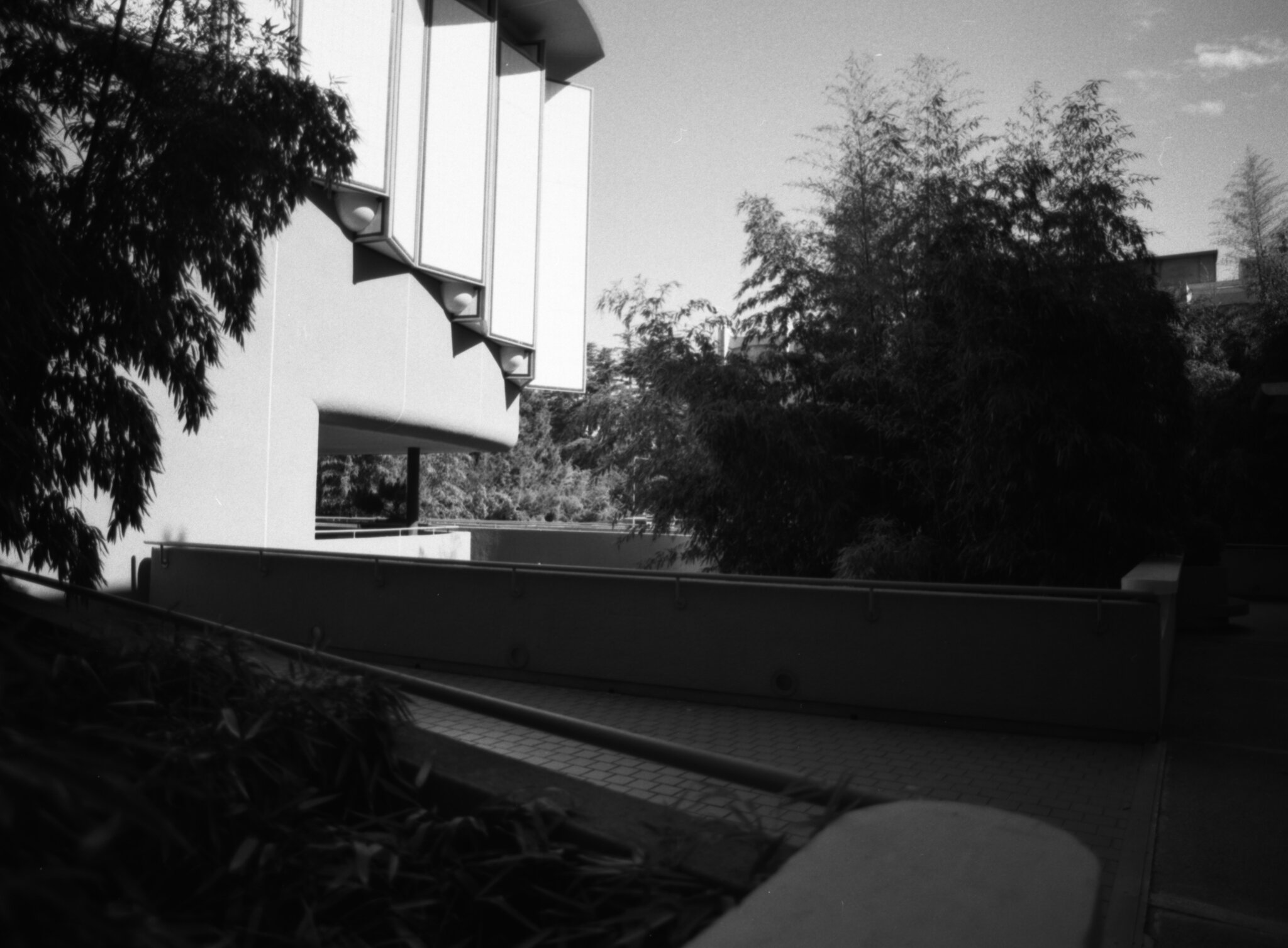
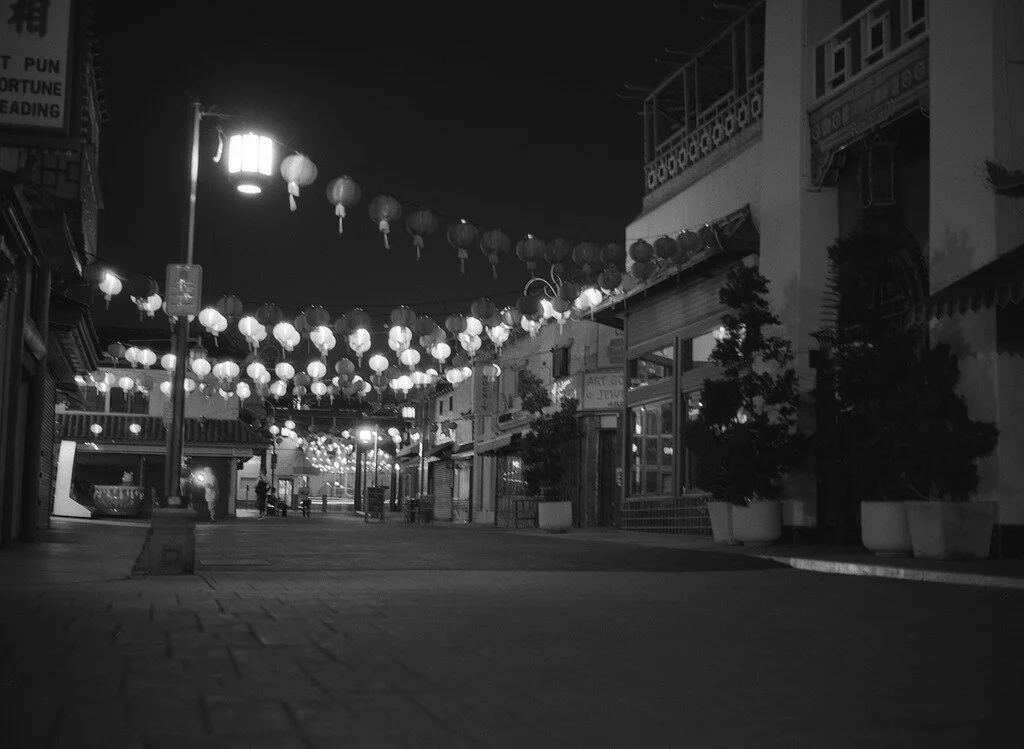
Chinatown, Los Angeles with the Mamiya 645
Mamiya 645 medium format camera, first roll of black and white film shot in Chinatown, Downtown Los Angeles

I really like adapting old manual lenses to my digital camera. I've been playing around with a nice Mamiya medium format lens. That lead me to be more interested in other medium format lenses. I saw a great deal on a set with a Mamiya 645 camera, ready to use with 2 additional lenses, and went for it. Unfortunately the aperture blades don't work, so I shot this wide open on the 70mm f2.8 LS lens, that I previously owned, which also, I can only shoot wide open. 3 out of 3 lenses with issues so far. Still, the lenses are really good, so I went to Chinatown in Downtown Los Angeles one evening and stayed on for a few hours of the night. I walked around with a terrible tripod, and a wonderful Mamiya 645 medium format camera, taking a shot here and there and just enjoying getting into a slightly deeper thought process than when I shoot digital.After getting the film developed, I scanned the negatives with an Epson v550 scanner, which worked beautifully. Below are my favorite shots from the roll.

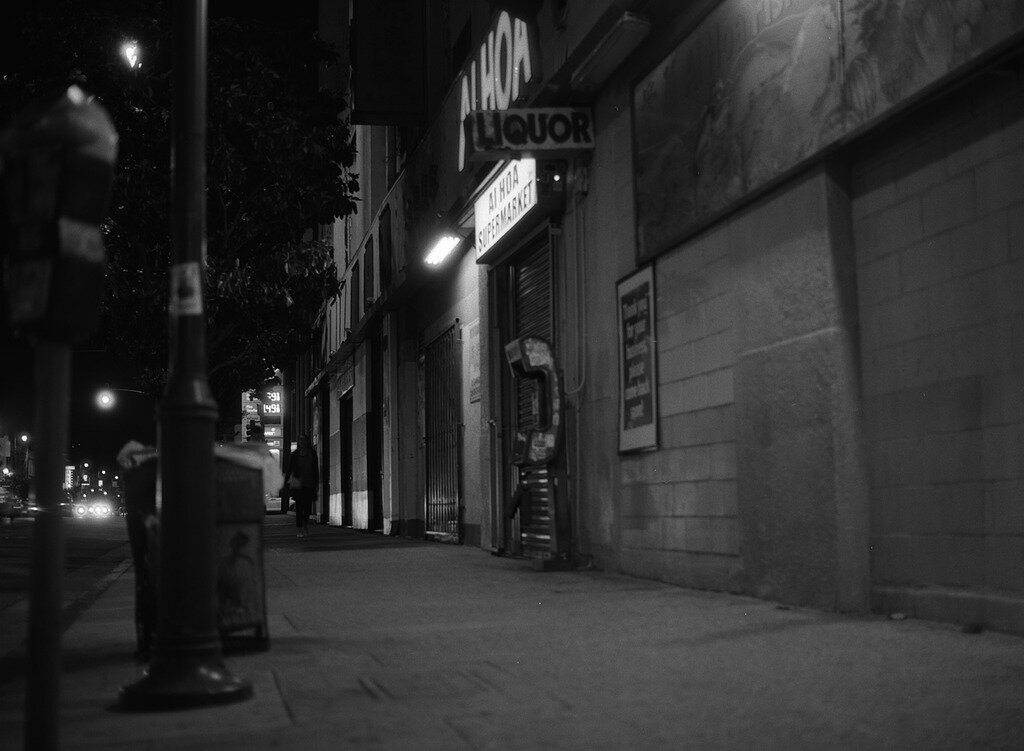
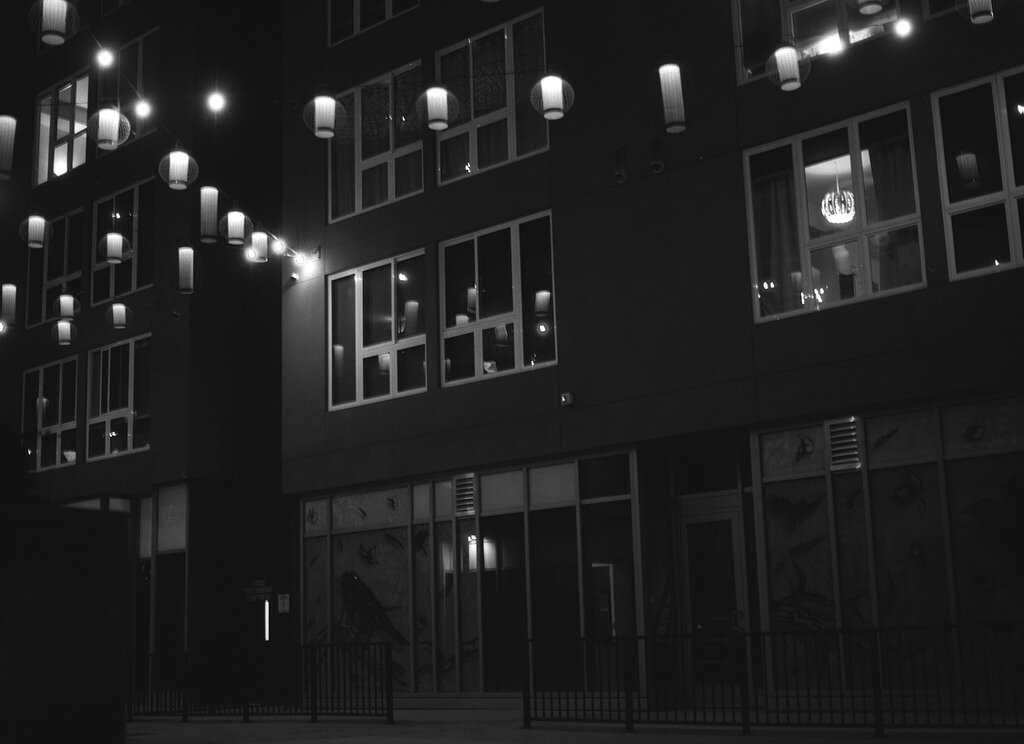


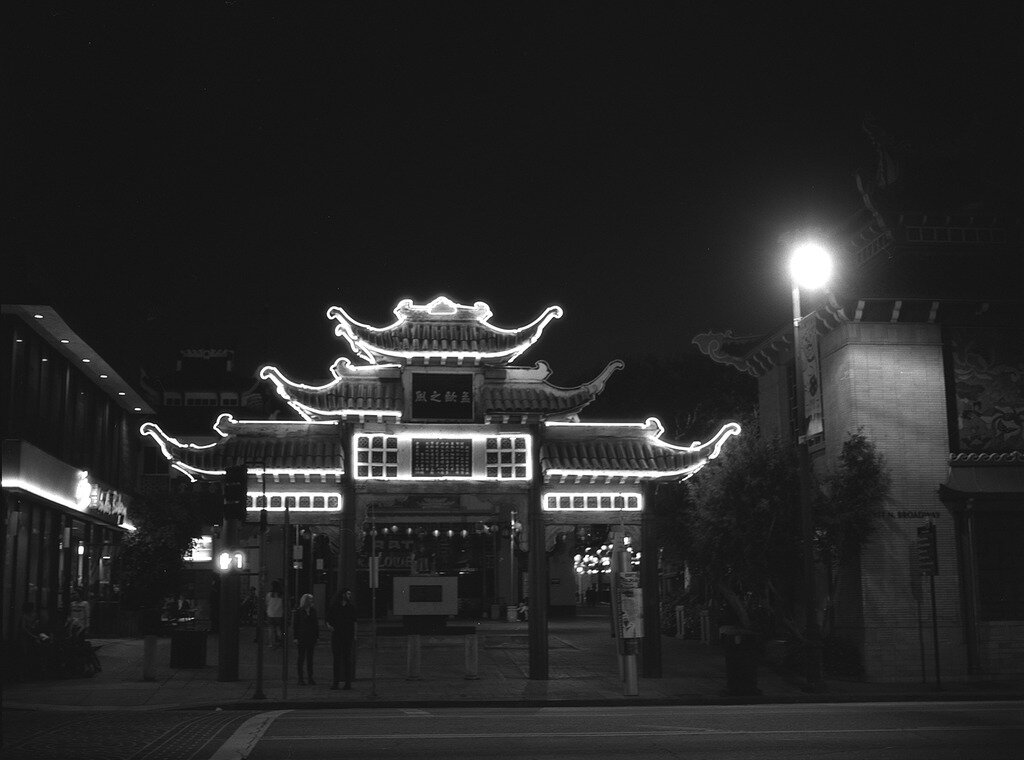
I really enjoyed the process and felt like I could do with exploring black and white a lot further, before I think about color.
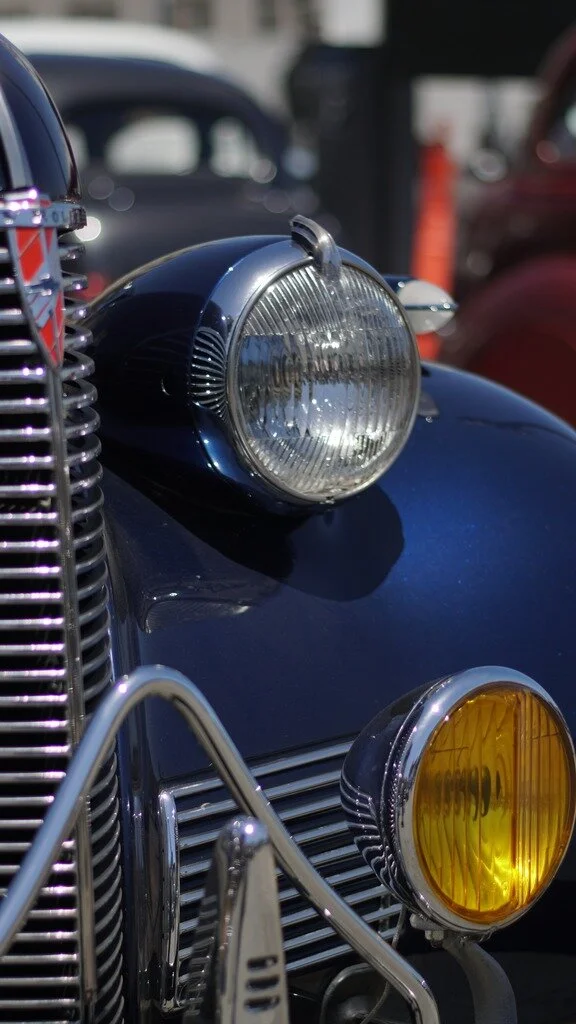
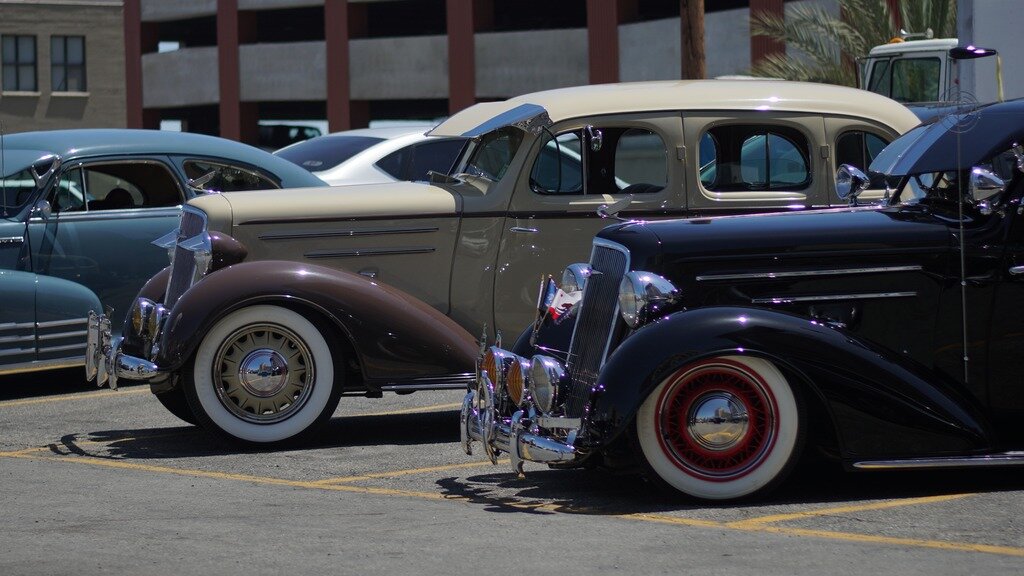
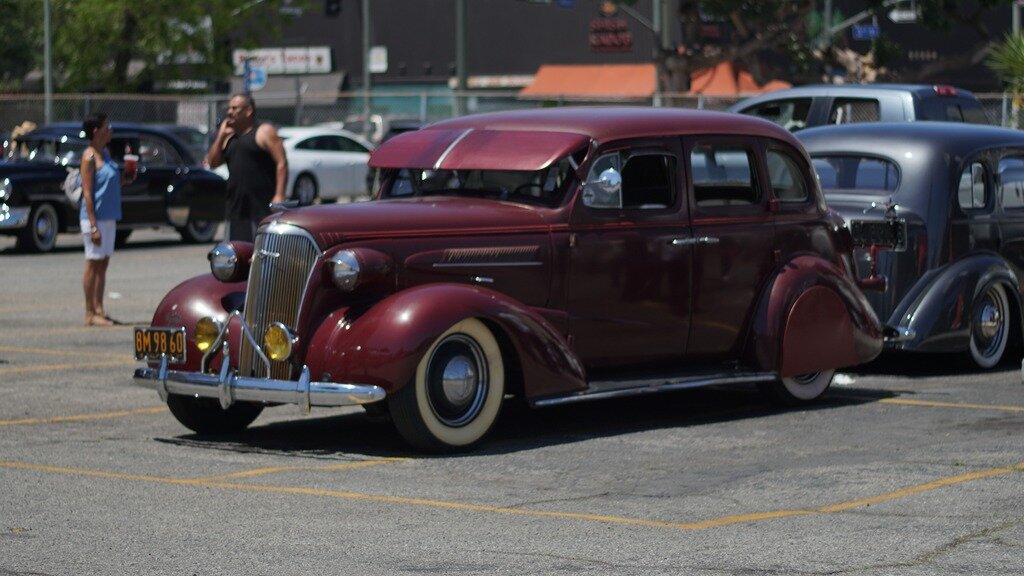
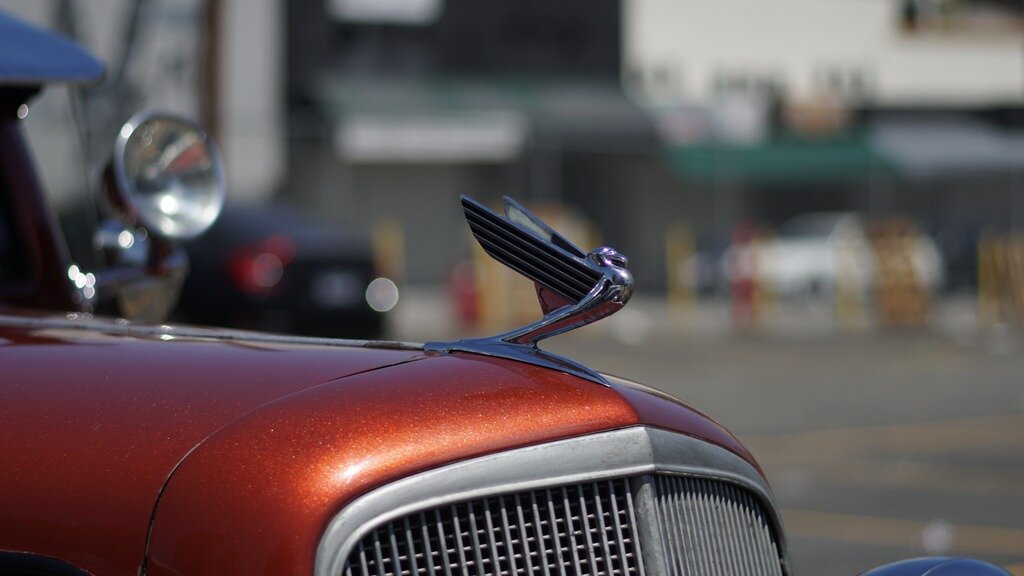
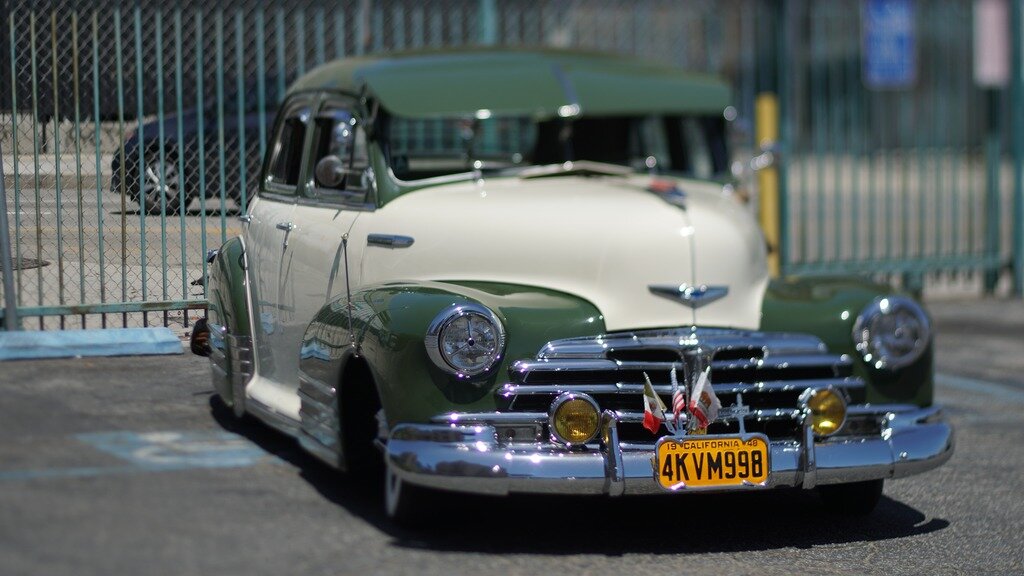
Classic Car Lowriders in Downtown LA
Mamiya 645 70mm f2.8 lens on sony a6500 shots of classic car lowriders in downtown LA.

I was in Downtown Los Angeles, on a random weekend with the family to meet up with a friend. I try to bring my camera with me, as I don't get much other time to shoot photos. It's fun to just grab the camera with a single lens and see what comes of it. This day, I brought a 645 medium format Mamiya 70mm f2.8 Leaf Shutter lens, which I used on a Sony a6500 with a cheap tilt adapter. I think the lens has some issues, so I could not use it in manual mode to close down the aperture. I could only manage to switch the aperture wide open, or completely closed. I went with wide open and just increased my shutter speed and reduced ISO to 100. As we were walking around, we saw a whole caravan of beautifully customized classic cars made into low riders. Most of them parked in a lot to one side, so we walked ove and admired the cars, and I took a few photos. The tilt adapter allowed me to place some out of focus areas in portions of the frame. The minimum focus distance and the decreased field of view on a crop sensor camera forced me to move a fair distance back to get shots. Shooting cars wide open limits what I can keep in focus, so I had to work around these limitations, but I really like the lens. There is some chromatic aberration, which I could fix in post, but I love the rendering. It makes me want to try some more medium format lenses. Particularly as I use a lot of manual vintage lenses on this camera, so it is fun to explore options.



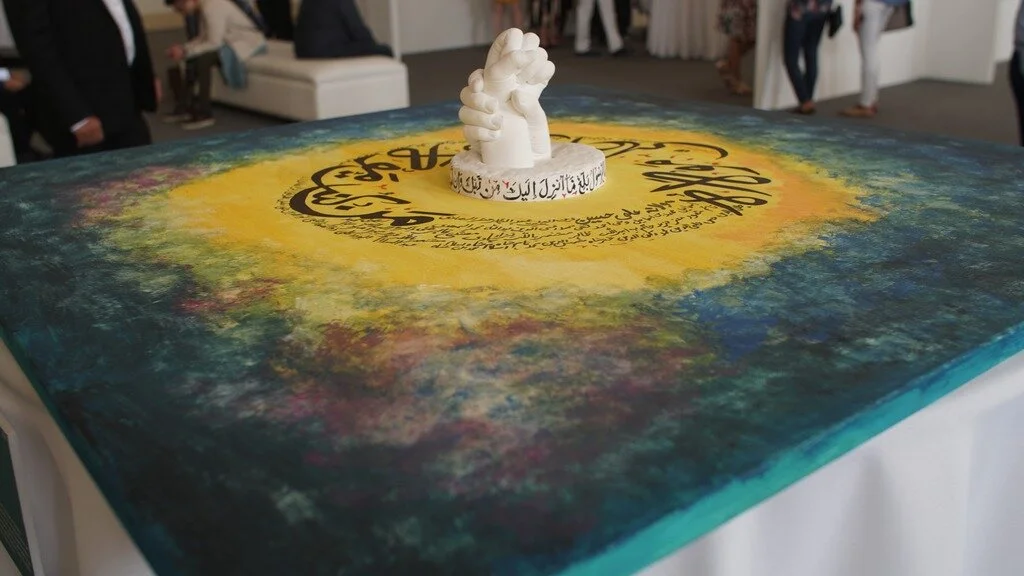
National Jubilee Arts Festival Los Angeles


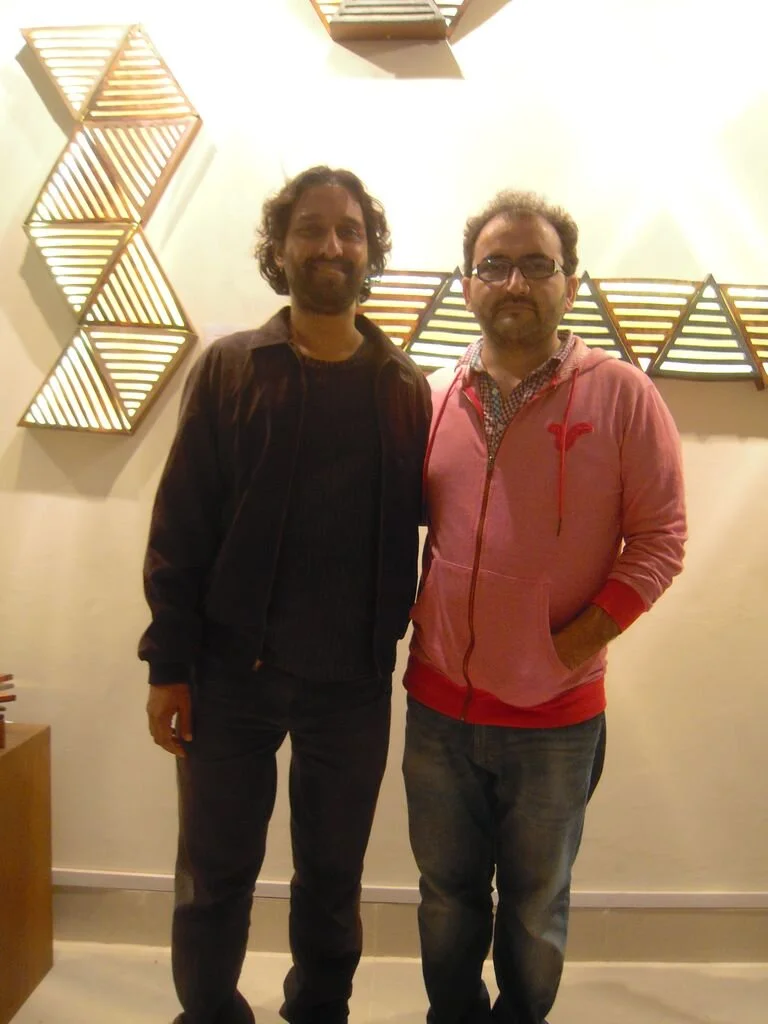
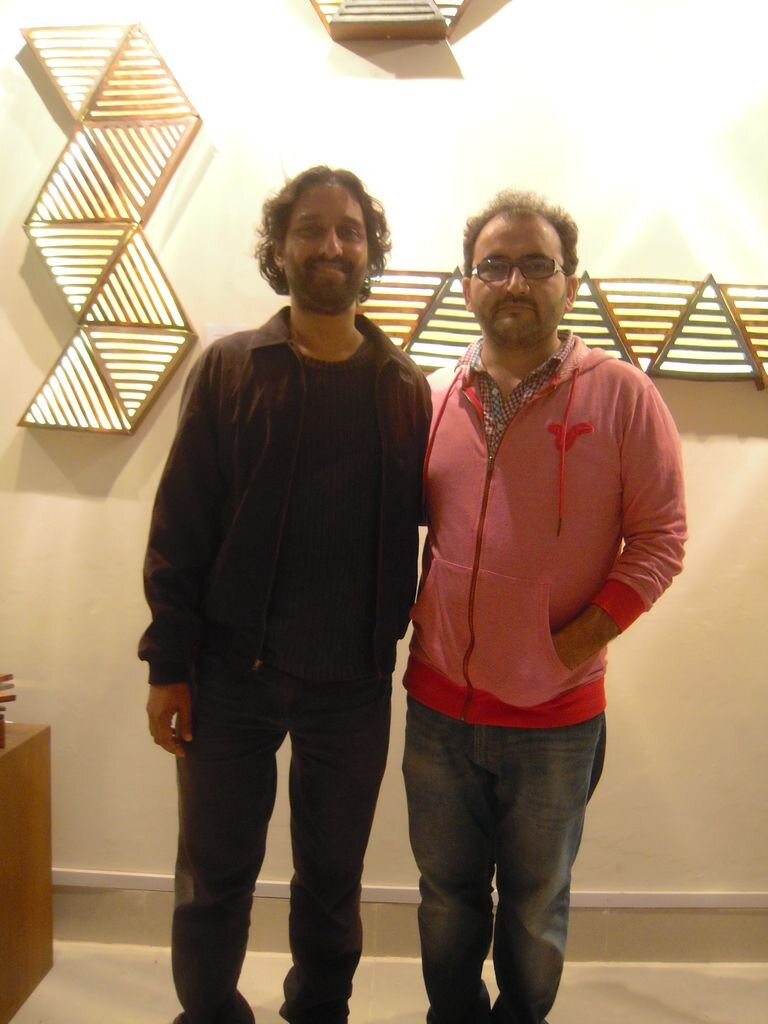
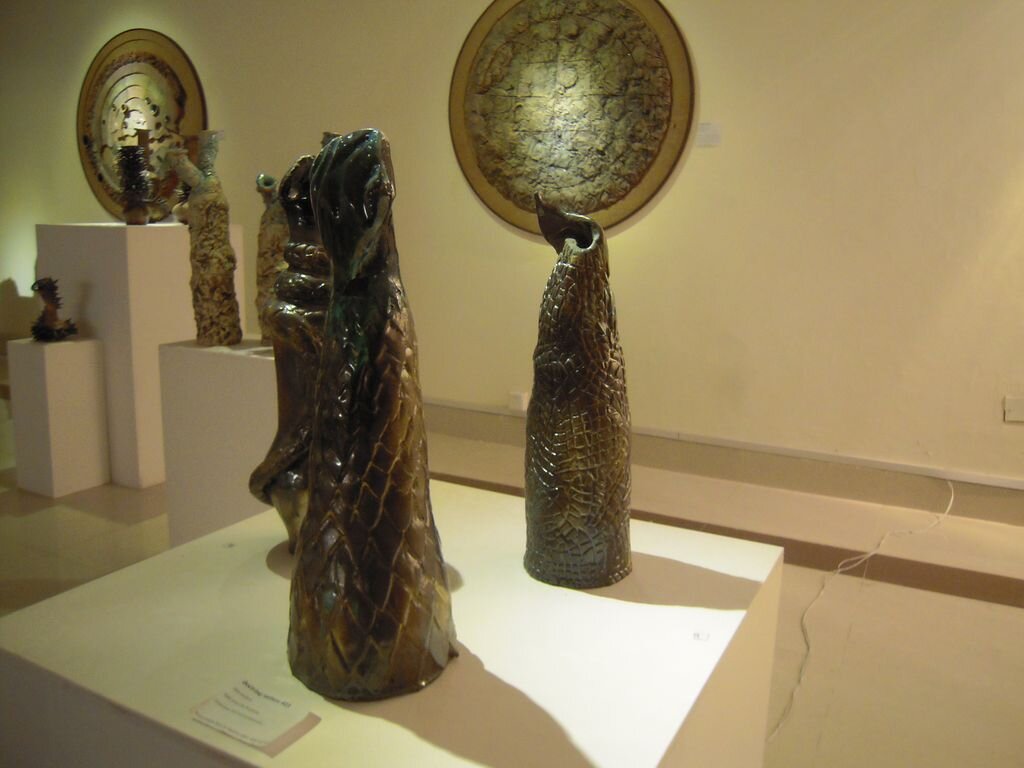
Last week, I had a chance to attend the National Jubilee Arts Festival in Los Angeles as a judge. I judged visual art and performances. Above, you can see some photos from the gallery. What a beautiful event, in which a community came together to celebrate and encourage art making. My friend Karim Gowani asked if I'd like to judge some of the art and I'm glad I did. It was very inspiring to see the outpouring of volunteers and members of the Ismaili community celebrating their values through art. Judging was certainly challenging, as there was a lot of beautiful work. What I enjoyed most was talking to artists and people just there to enjoy art and support while I walked around the gallery. Thanks to Shamim, Farzana, Karim and all the other wonderful volunteers and artists who worked so hard to put it all together. I hope this is the first of many. Good luck to all those who passed this round and on to the next in Lisbon, but I hope that regardless of how a piece 'scored' that it is the thought and the process of creating that really matter.
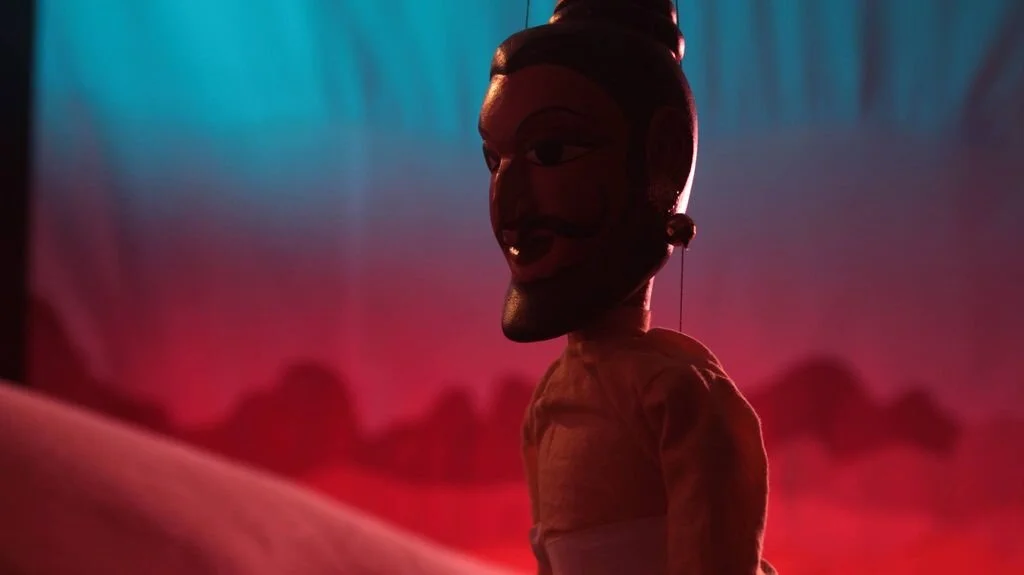
Kathputli Colony Loss and Hope

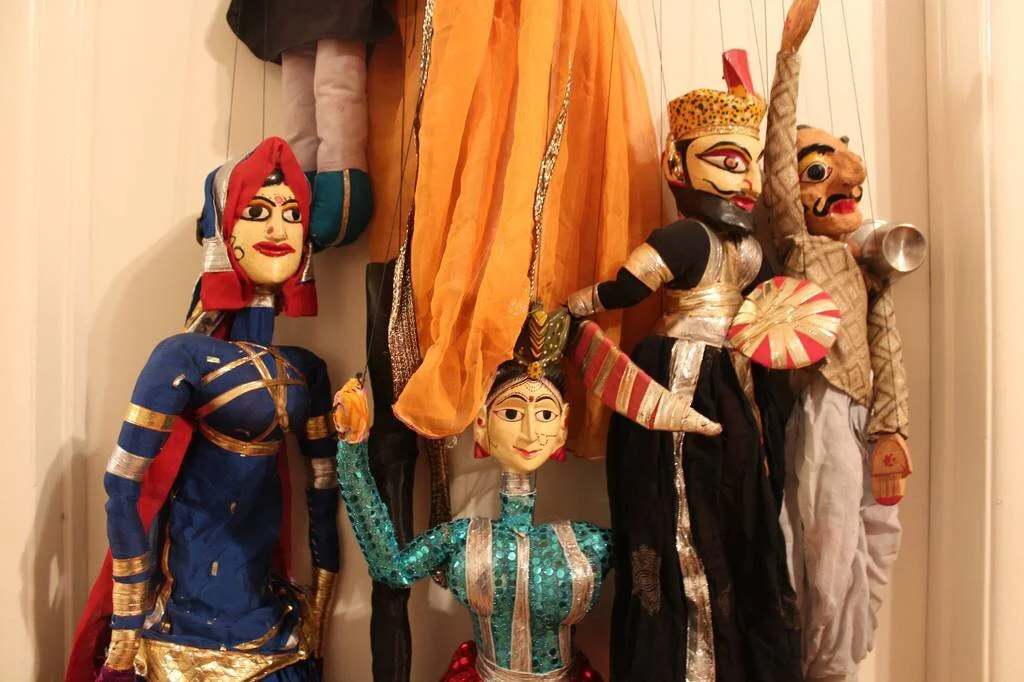
I feel at a loss. Yesterday, I read the news that residents of Kathputli Colony in Delhi, India were bulldozed out of their homes. This is a colony of artists that migrated to this unwanted space about 50 years ago. Traditional puppeteers, magicians, acrobats, fire breathers and other performers and artists have made their home, in difficult conditions, without the benefits of government services and utilities. Hesitantly, I just called Puran Bhatt. I hesitated, because I don't know what I can offer and can only imagine how many people he has spoken to already. So I called him, and his response was suprising. He spoke to me, his voice hoarse and the connection unstable over the phone. He told me that what was, was as it had to be. They did not need any funds. He has moved into the transit colony. His hopes and the hopes of his community are just that their children will be given ownership of their own homes as promised. Any support in ensuring that happens is all that he asks. Besides that, he hopes that his children and those of his community can receive modern skills training in computers, so that they can both build upon their traditions and survive in the future.These artists have weathered the changing economies that have erased much of their already modest incomes. Yet they have continued to perform, and even innovate in the art forms handed down through generations in their families. Though these same artists are paraded out to showcase Indian culture at large events and for visiting dignitaries, they have not seen the financial rewards that should accompany the rich representation of culture that is readily being foresaken for short term financial gain.
 So, before speaking to Puran, I was at a loss for what to do. As usual, it is the artists themselves who have provided those answers. They inspire me with their resiliance in the face of challenges that I can't fully imagine. They inspire me to continue the uphill battle of raising funds for 'Risalo', my puppetry film in collaboration with Puran Bhatt and his team.Despite not being able to get a visa to India, I worked with Puran Bhatt, from the Kathputli to create the puppets for the film over phone and email while working directly with musicians and other artists in Pakistan. My wife was in India, and she visited him and picked up the custom puppets he created along with premade puppets from Rajesh Gurjargour in Udaipur.I worked with scores of artists to put together the music, puppets and backgrounds for the film. I brought these back to Los Angeles, pieced together work, built more skills, struggled to find full time work to replenish or at least stay afloat, while writing proposals, applying for grants and seeking support to bring a small group of puppeteers from Delhi to Los Angeles to shoot the film despite political, geographical and financial barriers that keep us apart.
 So how can you help? Hire these traditional artists and create new opportunities. Support projects that include these artists. Share skills that could be relevant to their future. For my part, I am working to raise funds to complete 'Risalo'. In addition, I have been creating youtube videos with lessons on animation techniques in Urdu/Hindi and English.Here is a documentary on the Kathputli Colony called Tomorrow We Disappear.
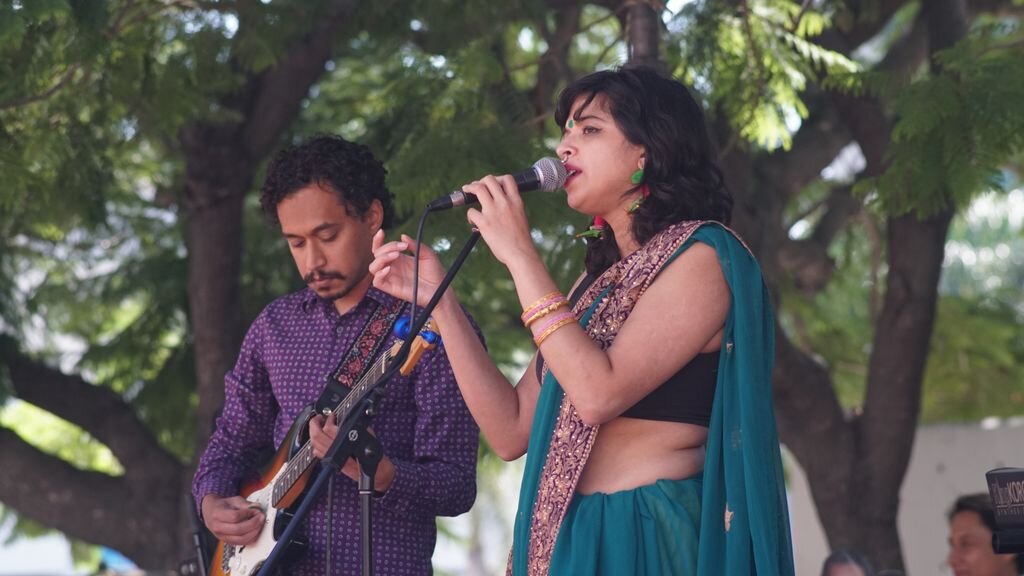
Doctors and Engineers at Nisei Week
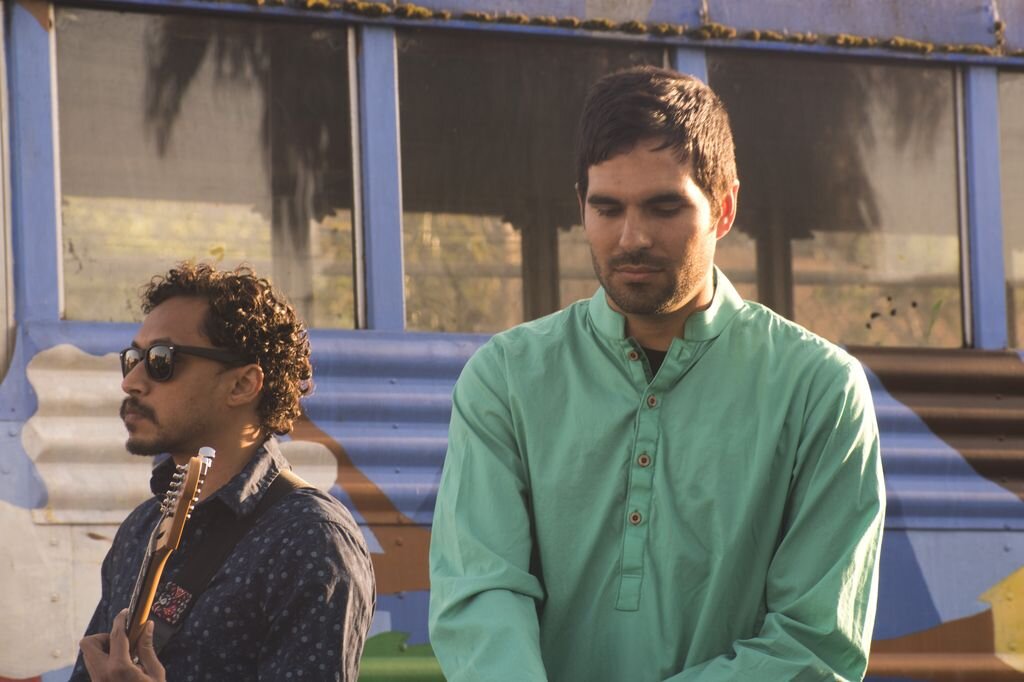
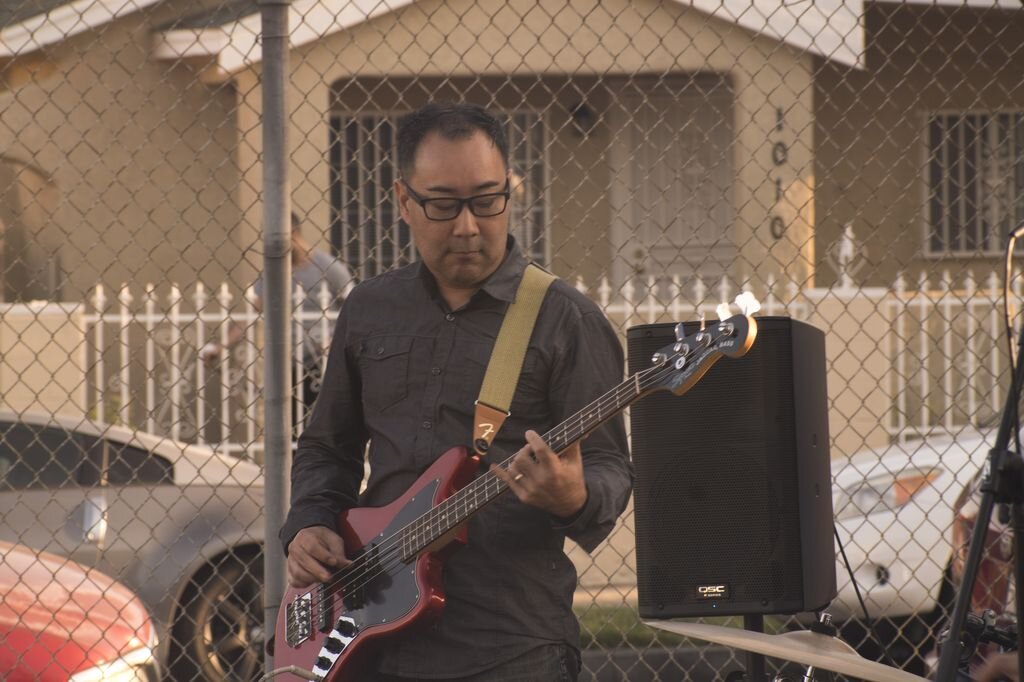
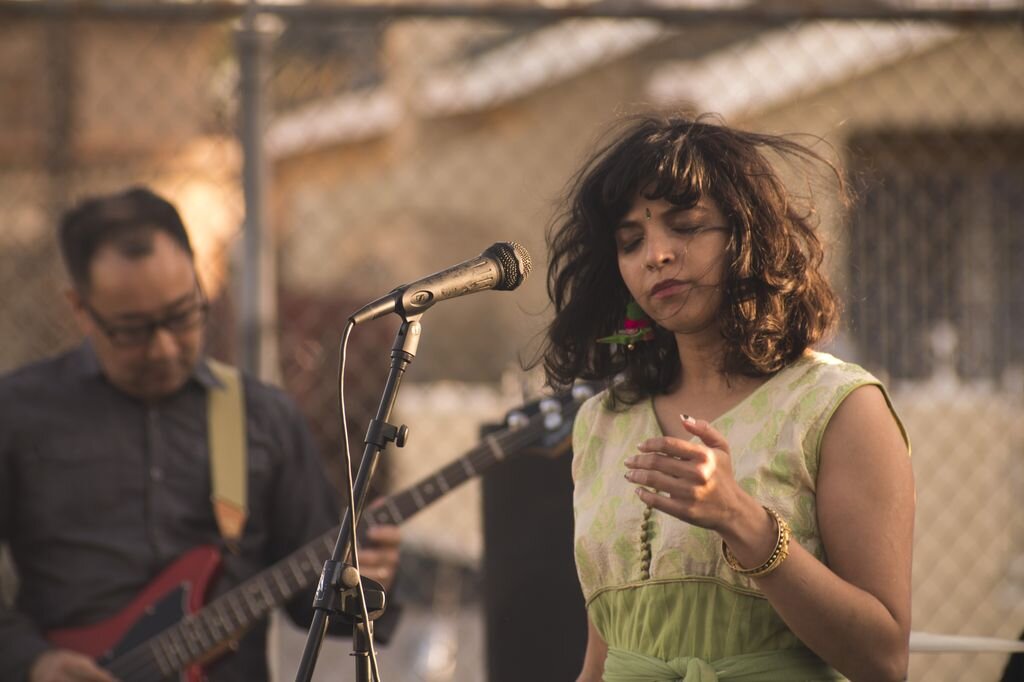
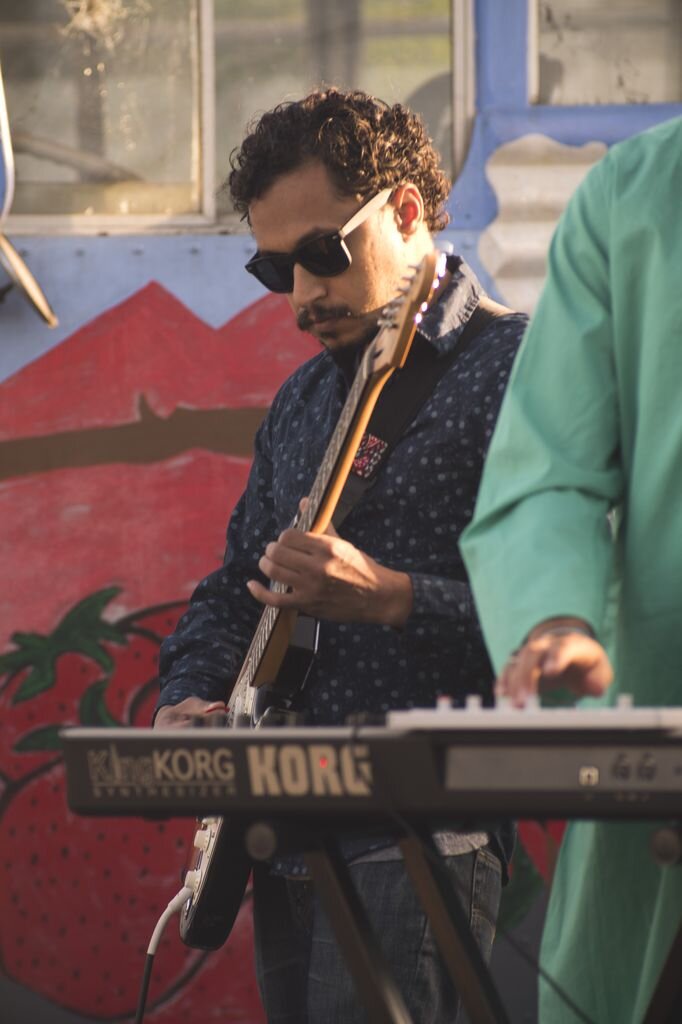
I went to see my friends Doctors and Engineers perform at Nisei Week. As always, they pack a lot of energy into their live performances. They are definitely a band to see live.

I went to see my friends Doctors and Engineers perform at Nisei Week. As always, they pack a lot of energy into their live performances. They are definitely a band to see live. The Nisei Week celebrations were a lot of fun with floats, music and food, in Little Tokyo, here in downtown Los Angeles.


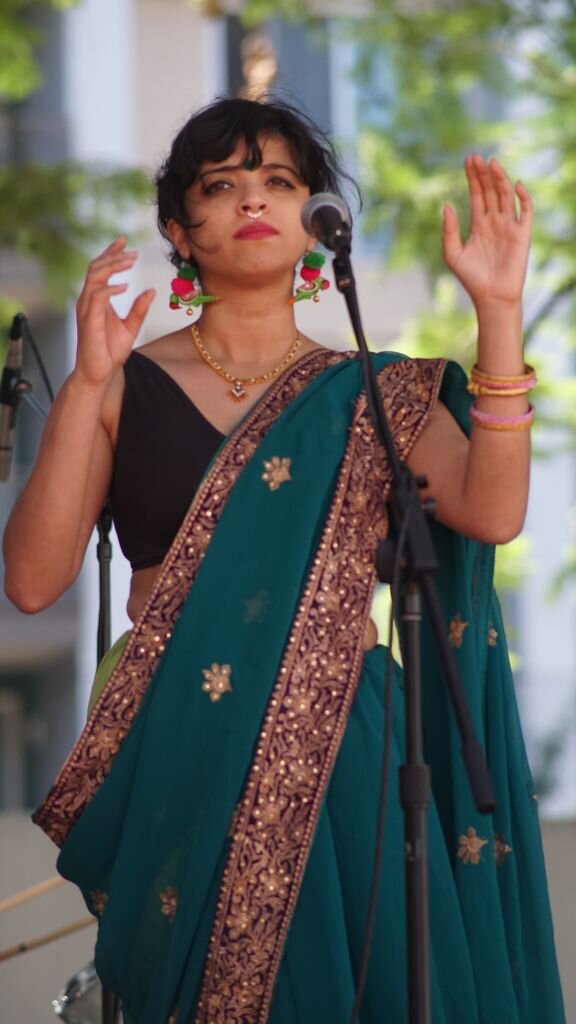


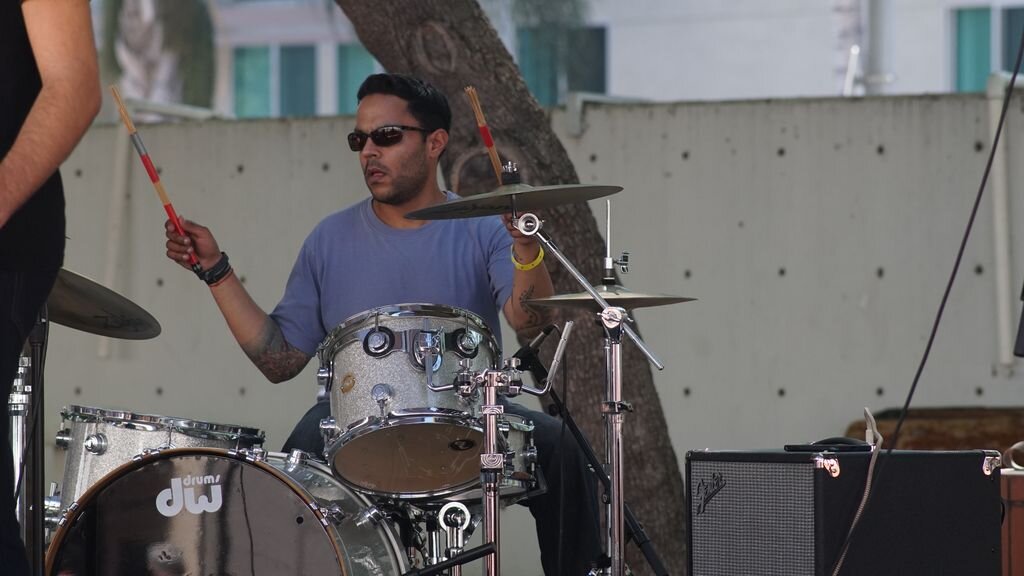
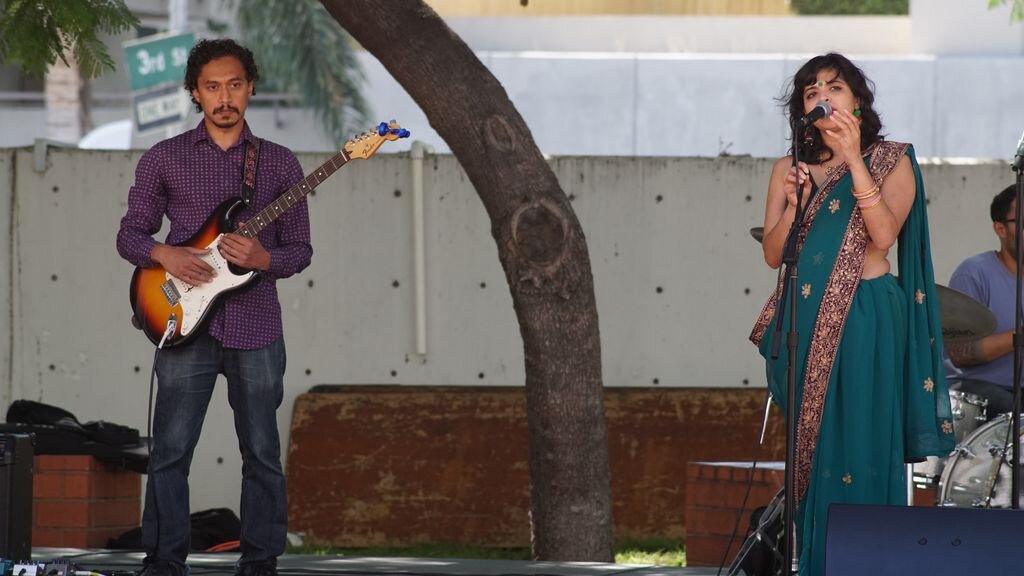
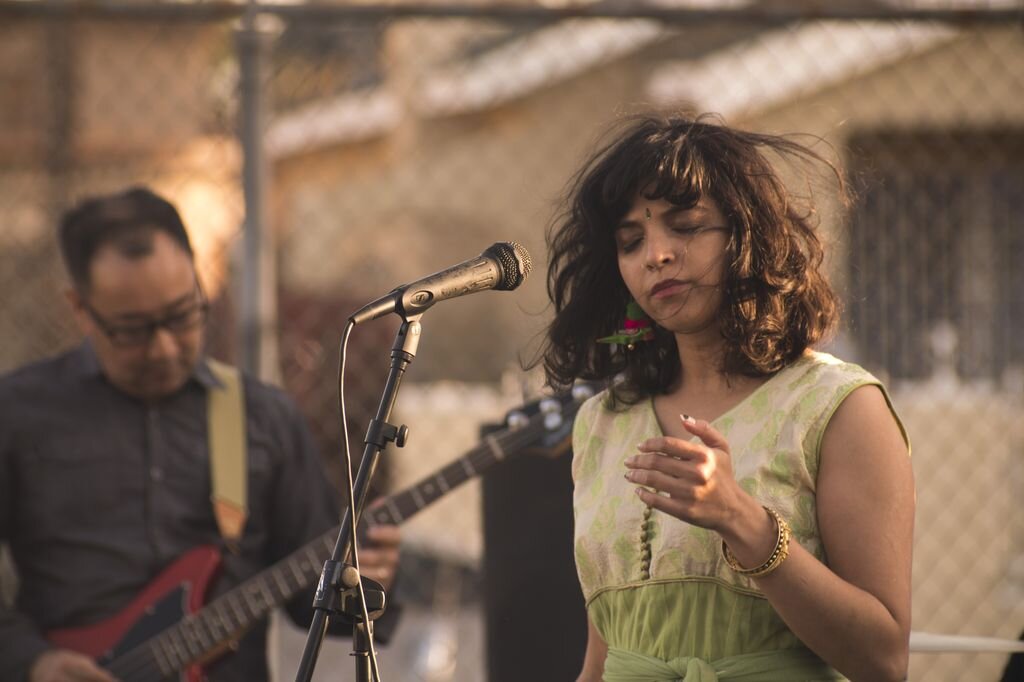
Doctors and Engineers at the CSU Fundraiser
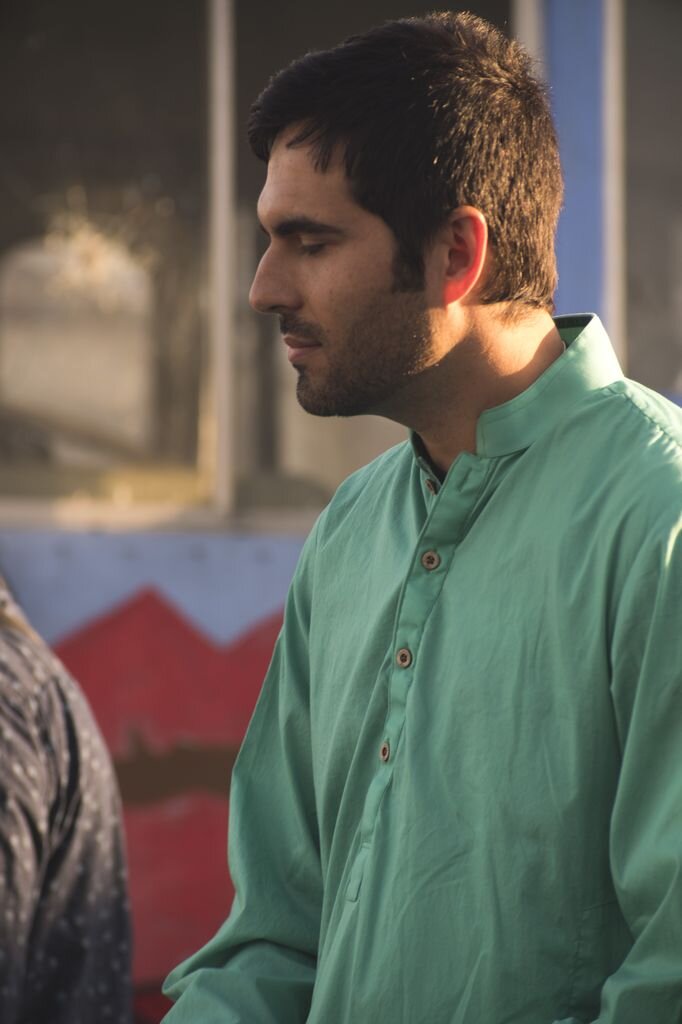
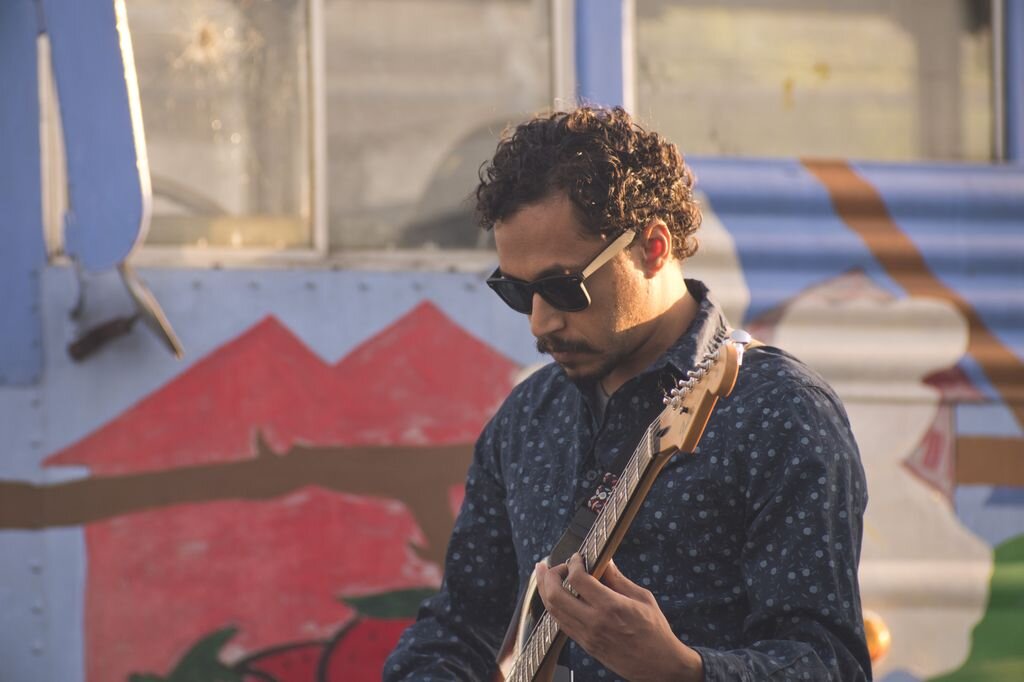
Photos of Doctors and Engineers at the Community Services Unlimited fundraiser.

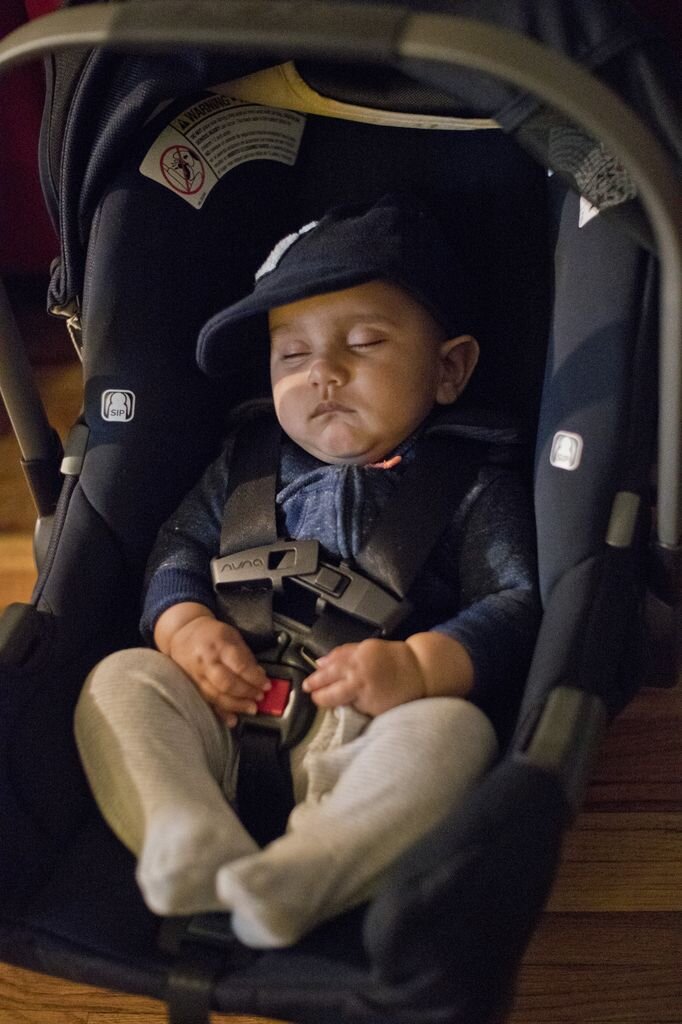
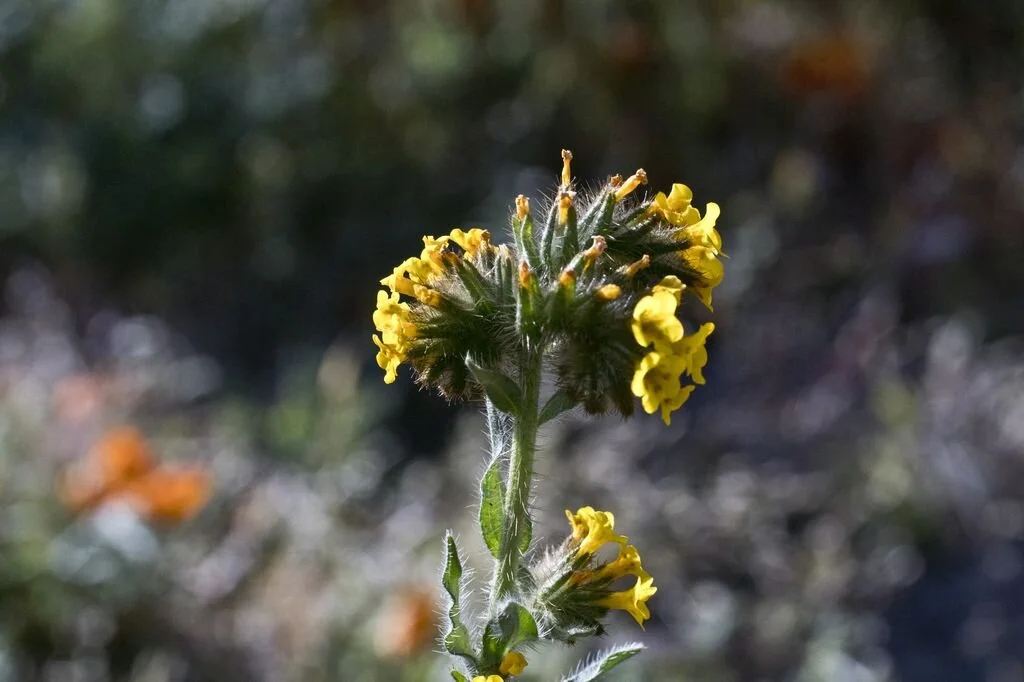
Here are a few photos of Doctors and Engineers performing at the Community Services Unlimited fundraiser. Most of the day I was supporting rHope and a little chubby fella with a cool hat. I managed a few shots with a vintage Tokina 80-200mm f2.8. It is an amazing lens to get some nice shots of the stage from a distance.




Antelope Valley, California, Poppy Fields
Poppy Fields photographed with vintage lenses on an Sony a6500.


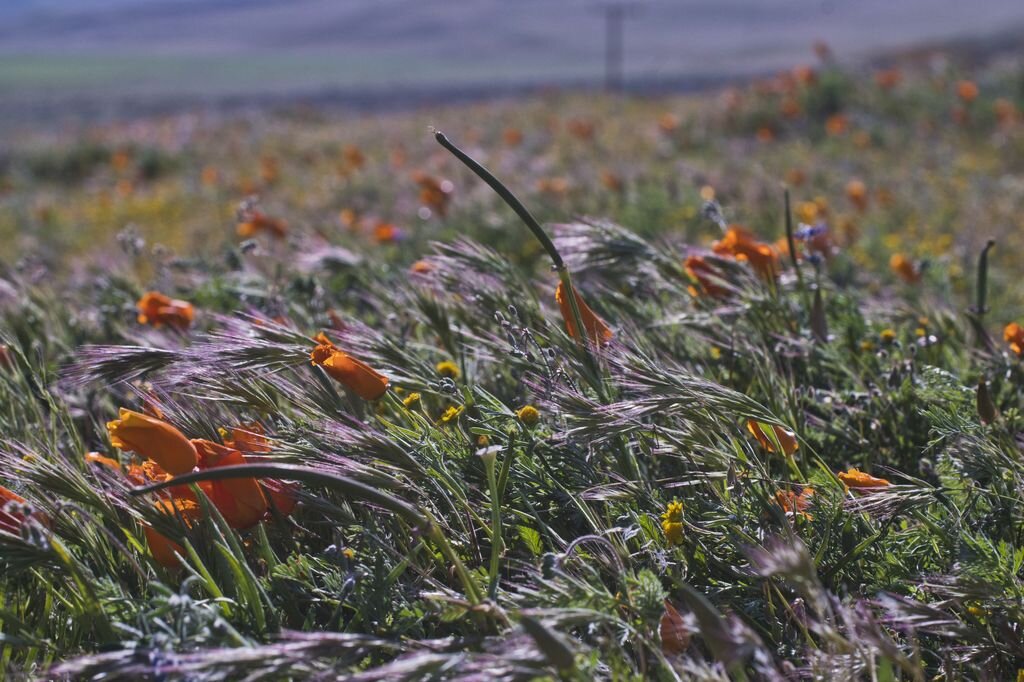


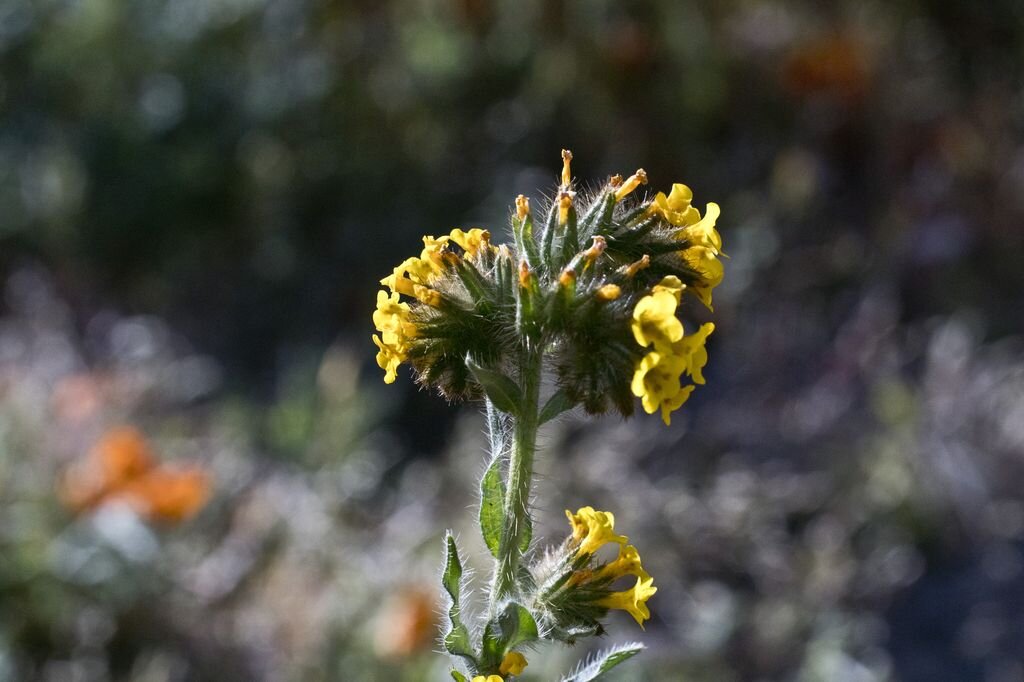


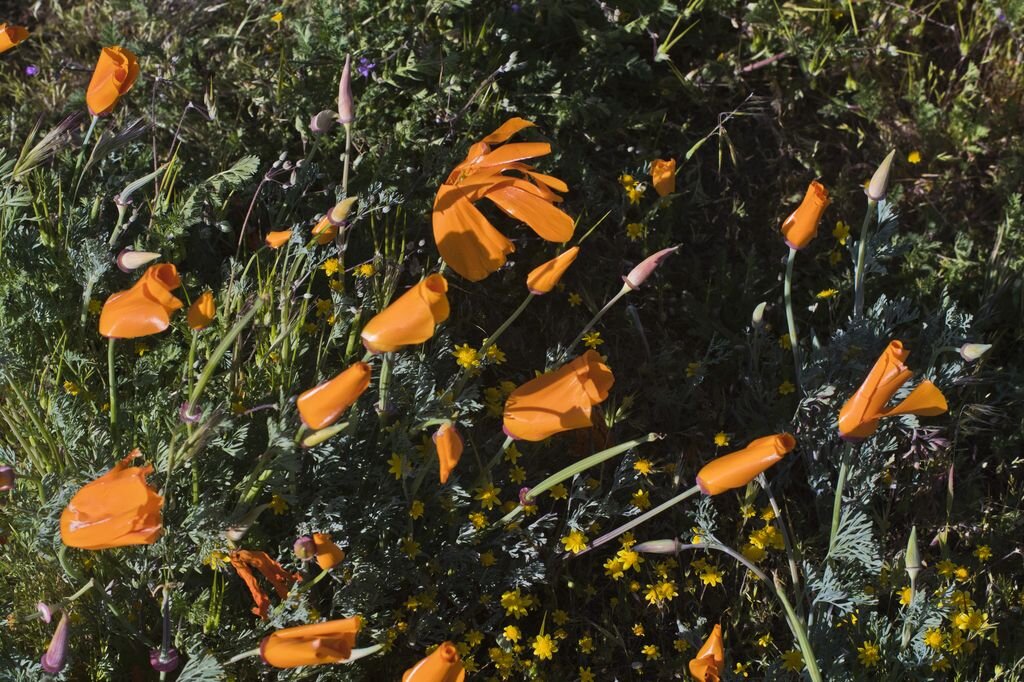
I visited some poppy fields in Antelope Valley a few weeks ago and photographed them with vintage lenses on a Sony a6500. The wind was very strong, so I played with higher shutter speeds to freeze time. I got a few nice macro shots with a Vivitar 90mm f2.8 and most of the others were shot with a Vivitar 28mm f2.0 and a Rokinon 14mm f2.8. I did a bit of minimal color and contrast adjustment using Camera Raw in Photoshop.
SANA Conference 2016

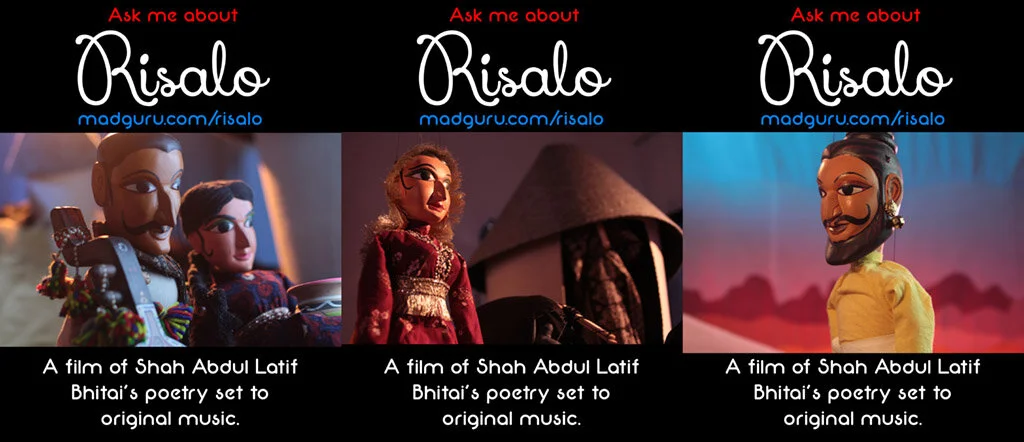
In order to raise awareness and try to garner support for my puppetry film; "Risalo", I went to the annual SANA conference for the first time. This year, it was held in Detroit. So after work on friday, I came home, grabbed my bag, got a ride to the airport from my wife. I flew out over night. I must have managed about 3 hours of sleep by the time I got to Detroit. From there, I made my way past the long line of hotel and rental car buses, before I came to a lonely spot where the public bus arrived hourly. Eventually the bus came and I was on my way. Then I was at the stop for the next bus and well, you get the idea. It took a while to get to the convention center, but that's how you do it low budget, grass roots artist style.


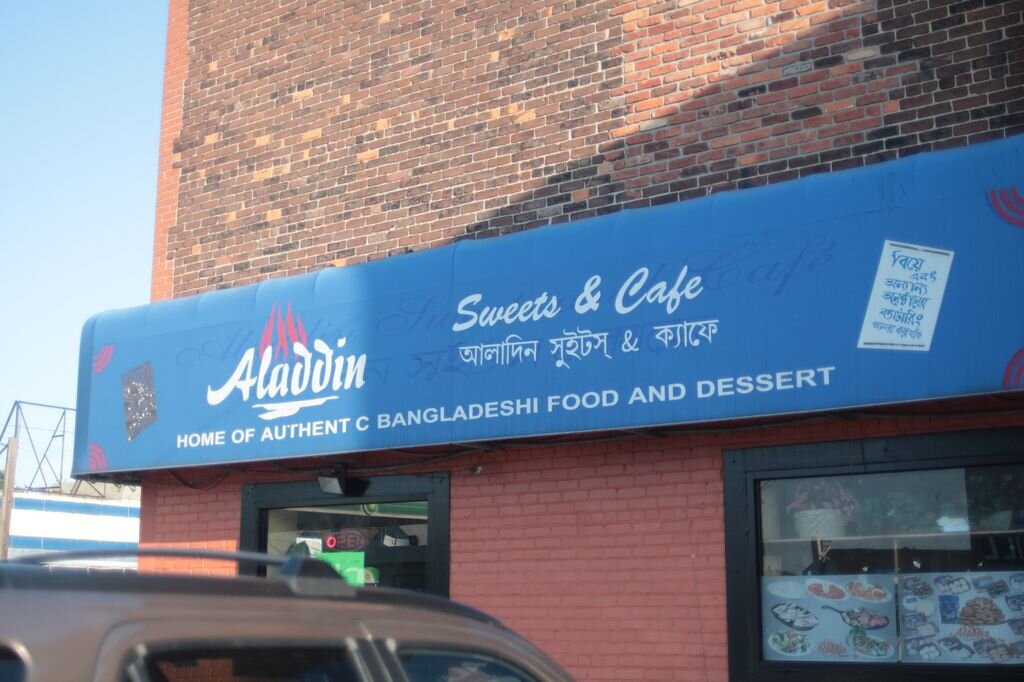


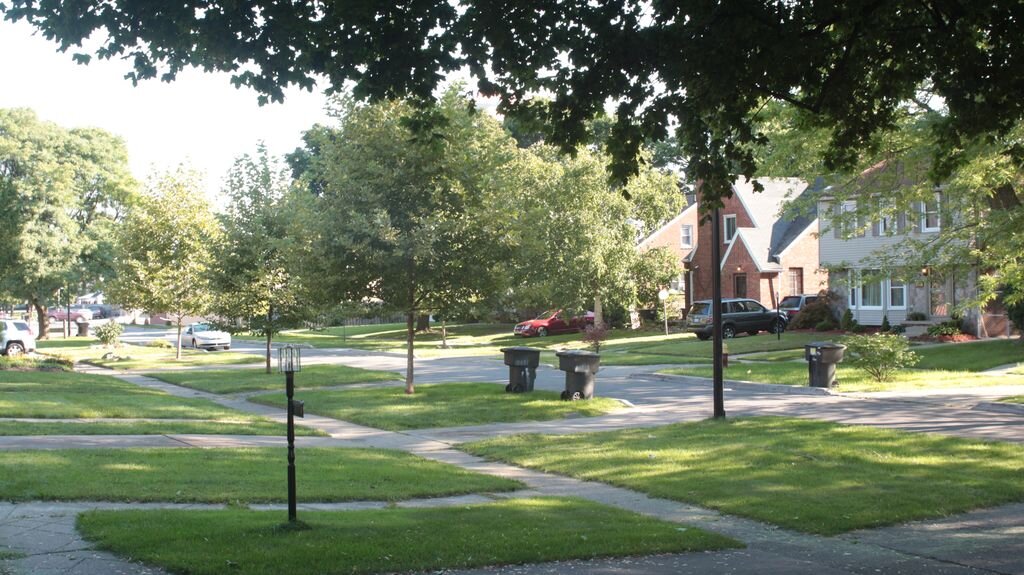


I had created some t-shirts, inviting people to ask me about "Risalo" with some information about the poet as that was particularly relevant to this conference. I purchased a ticket and told them about my project. They introduced me to the president of the organization (SANA) Jamil sahib, who graciously agreed to give me a spot to speak on a panel on sunday. Throughout the day, I attended panels, learned about efforts by Sindhis abroad, doing work to help Sindhis in Sindh. I spoke to a few people, briefly about my project. People were surprised that such a project was being worked on.The next day I was given some time on a panel to share a brief introduction and a 3 minute video on my efforts to create a film based on the poetry of Shah Abdul Latif Bhitai, the great Sindhi poet. The audience was gracious and throughout the night, a few people came up to me to encourage and connect regarding the film. There is a big divide, between those who grew up in Sindh who are still deeply attached versus the younger generation that was raised in the US. The younger generation is bright and caring, but through no fault of their own, is not connected to Sindh. What does that mean for the future of an organization that was started in the face of persecution of Sindhis and threats to the people and culture's future? Based on my own experiences teaching in Sindh, I know how important education funding and quality is to a young population, eager to learn, despite the corruption and lack of resources. There are serious environmental and political issues.All of these are issues that different people are trying to work on and still there is plenty of room for more efforts. At the same time, that very thing that guides a group of people, to strive for better things, the intelligence and beauty of their culture is in danger of disappearing. This is where I feel "Risalo" can be of benefit in not only supporting traditional artists, but in bringing that wisdom and pride in something truly positive in the culture to those in Sindh, as well as all people around the world.I have already done so much work on this project, recording music in Sindh for more than just this 1hr and 15min film. So much of the work has been completed on that initial shoe string budget, raised via Kickstarter and my own meager funds. Now I need help to raise the funds needed to shoot the film. I know of no other project that is working with this culture in this way. I work day and night before and after going to my job daily to piece this film together, but I can't do it without financial help. I hope that the conference will lead to some funding support from the Sindhi community, though nothing has materialized as of yet.Each night, at the conference, I enjoyed delicious food and live music at night after a day of panels. Some friends of my mother's from college were in attendance, so it was sweet to spend some time with them as well. I really appreciated that there were real Sindhi folk musicians like Allan Faqir Jr, Deba Sahar. On the final day, I met one of my backers on Kickstarter. I did not know him, but his name was on a panel, so I made a point to meet him and express my thanks. I was really glad to know that he is following the updates I send out and appreciates my efforts in bringing this film to life.After the panel, I spent some time with Mohammad Punhal, who is a photographer and aspiring filmmaker from Hyderabad, studying in Green Bay on a state department scholarship, learning filmmaking. We were joined by Soh Suzuki, my new friend and host in Detroit thanks to a connection from my friend Preeti Sharma. Soh was incredibly kind to give a traveling artist like myself a comfortable place to sleep while in the Detroit/Dearborn area. I was so glad to meet this fellow artist and activist. He was working an early morning shift at a bakery, yet despite that he made time to help me.I can't thank him enough. It's hard to convey to people how challenging it is to be an artist, working freelance, constantly looking for work, trying to support a growing family and struggling to do meaningful cultural work on the side. A few thousand dollars may not be much to some, but for people like myself and so many others, we just don't have the extra funds. So when people like Soh open their doors, it makes a huge difference in my ability to do this work. I met a fellow Adnan as I was walking out the convention to catch a bus home when it was still daylight. Detroit is in a horrible situation, and waiting for buses at night is just a terrible idea. During the day it is a bit sketch, but I wasn't going to risk it at night. That's why I was leaving to go back to Soh's place that evening. Adnan Siddiqui had heard me share my project and gave me some appreciation and encouragement. Then he offered to drop me back later so I could stay for dinner that night and talk to more people about my project. For me that was a huge help. My point is that I feel humbled and grateful for every bit of help on this journey. The need is very real.After the conference, Soh took Mohammad Punhal and I out around Detroit for the day. It was nice to just talk and walk around. I am so glad that I got to meet these new friends on this trip. I also met a lawyer named Charles, based out of Chicago, who invited me to lunch with him when I got there, as I was flying out from his city. He was very interested in folk music and the efforts I am making to support it.
Risalo Photo Updates August
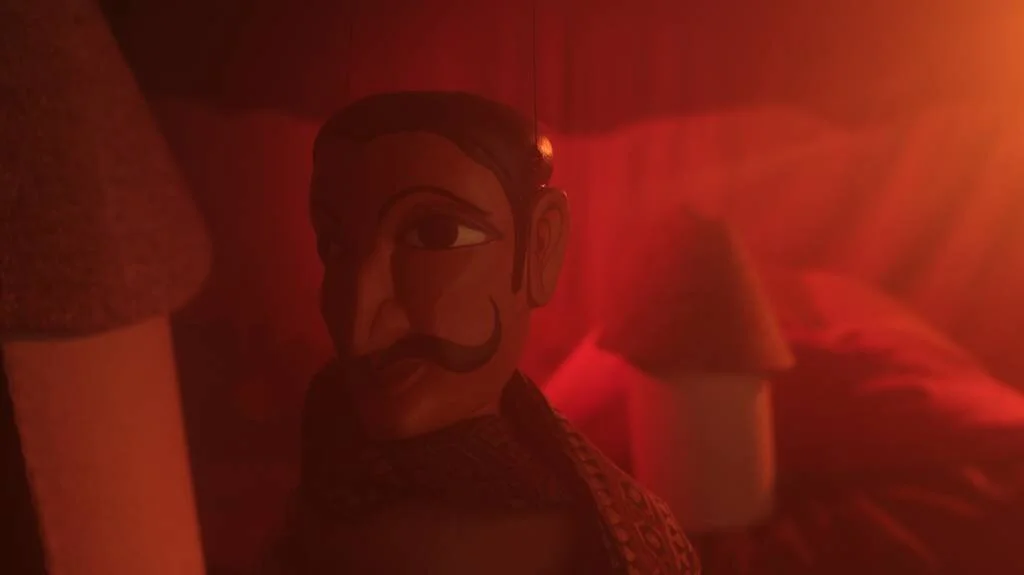
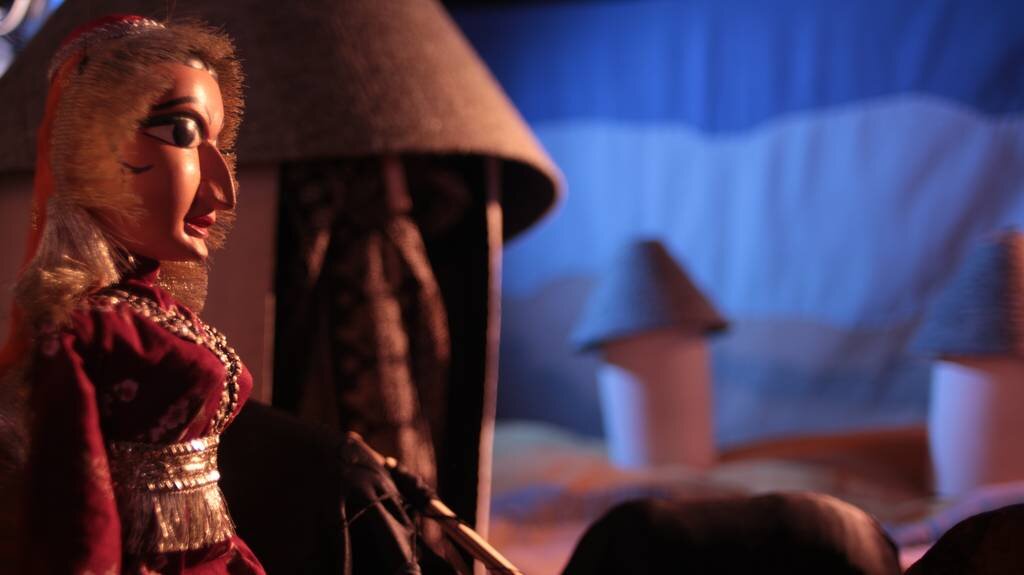
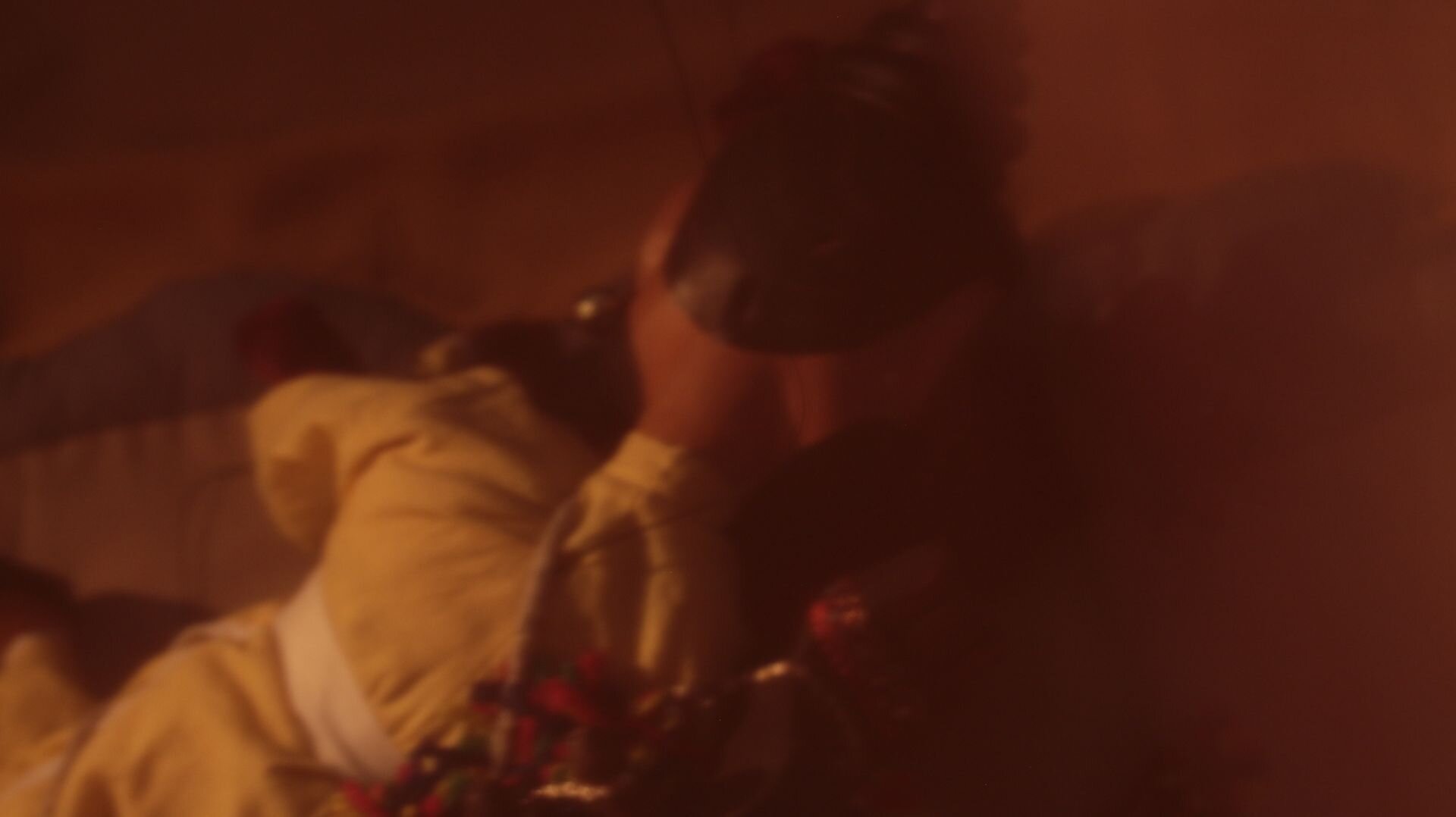
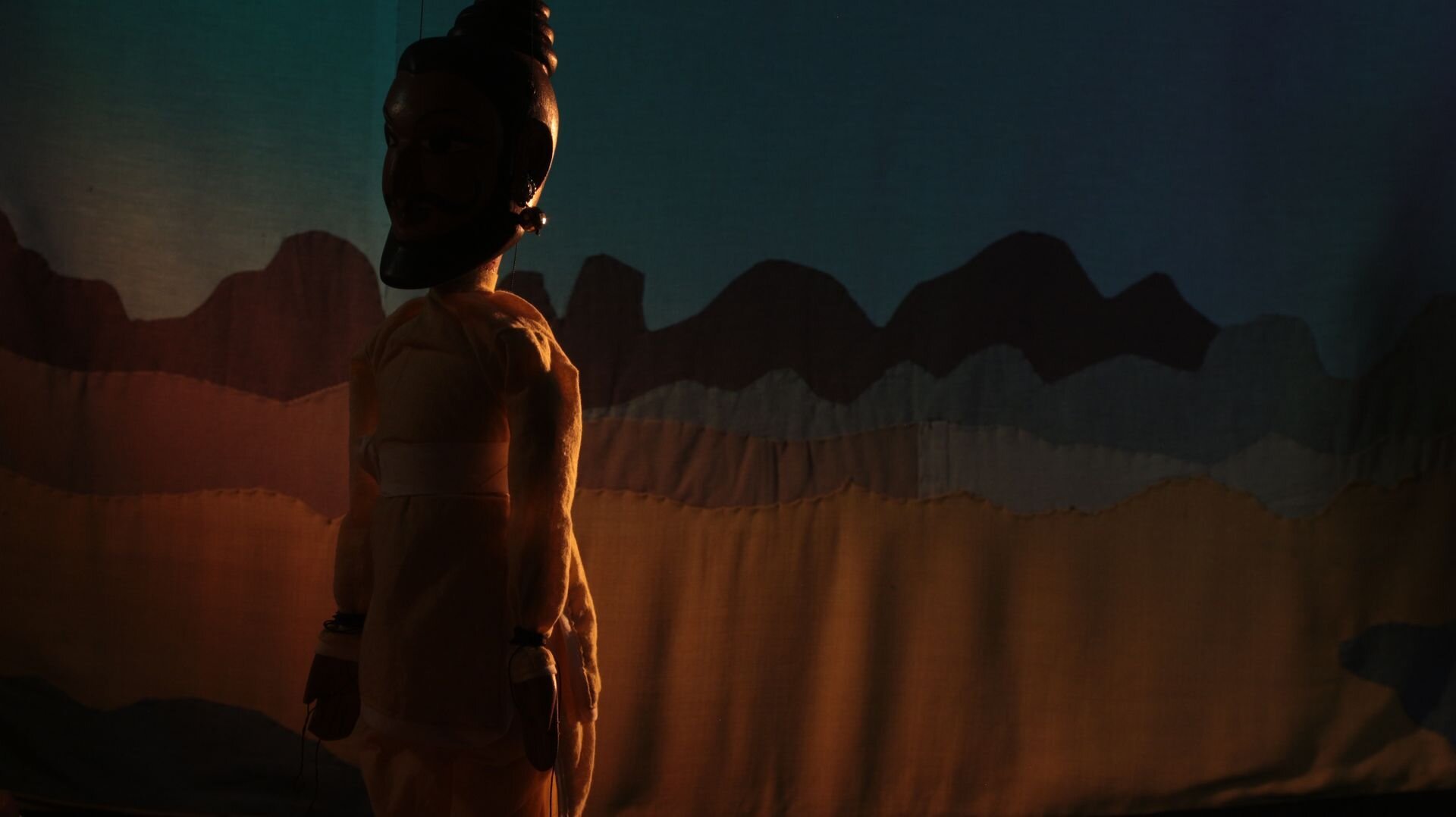
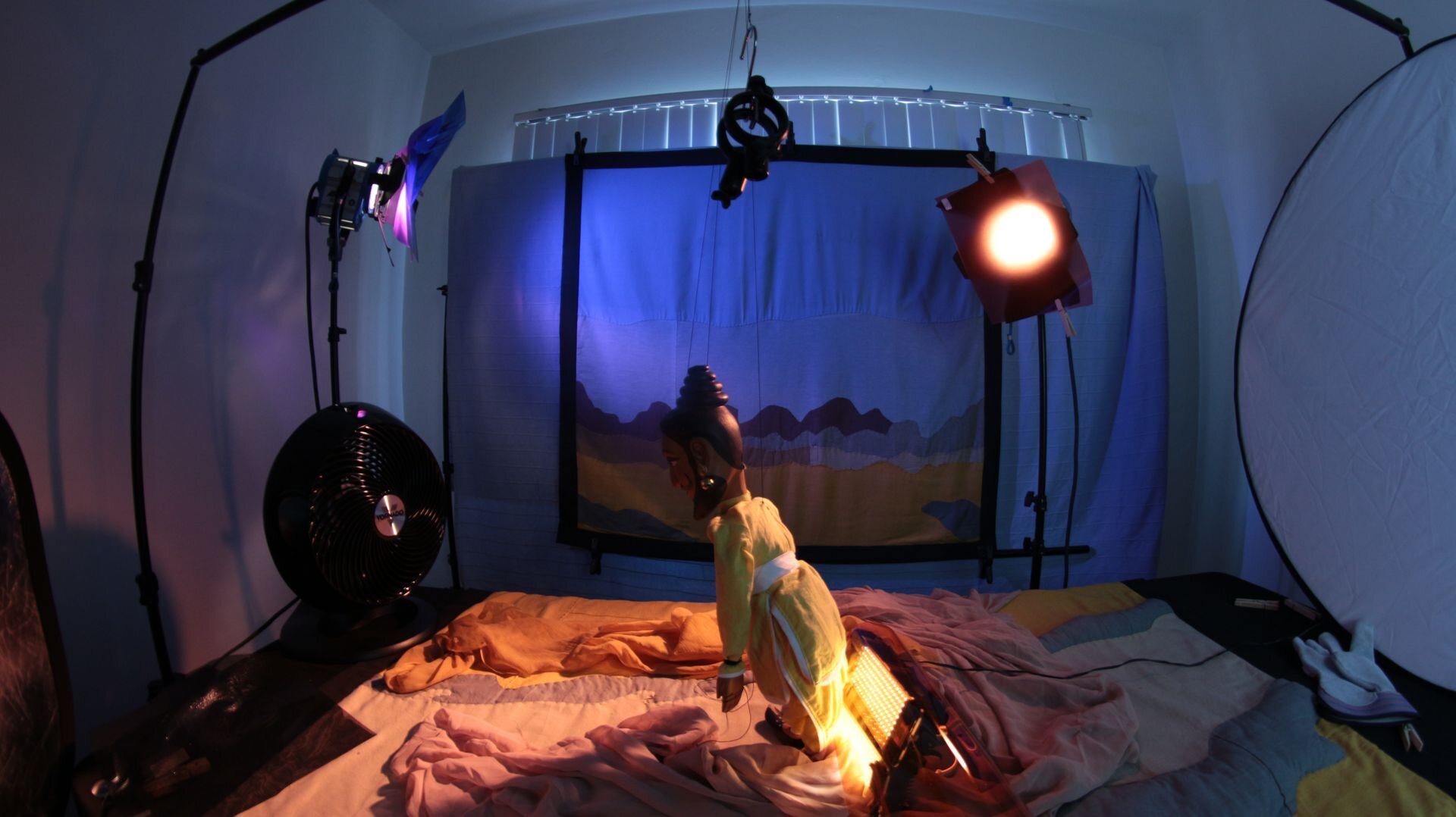
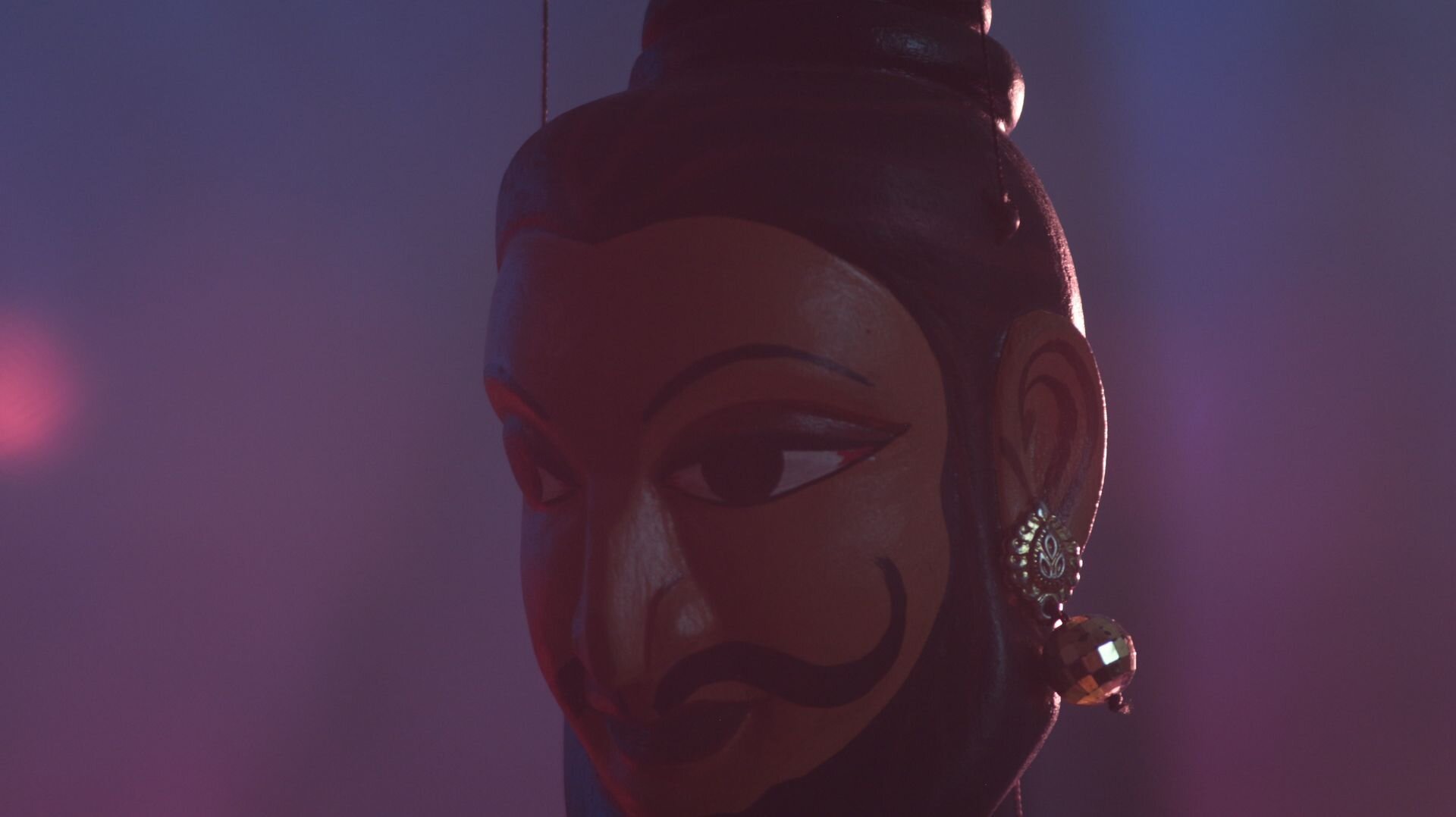
I've continued to take photos to test out and plan scenes for my puppet film "Risalo"

I've continued to take photos to test out and plan scenes for my puppet film "Risalo". Here, you can see lighting for a burning village, regular village, early morning in the desert and one small glimpse of a sandstorm.



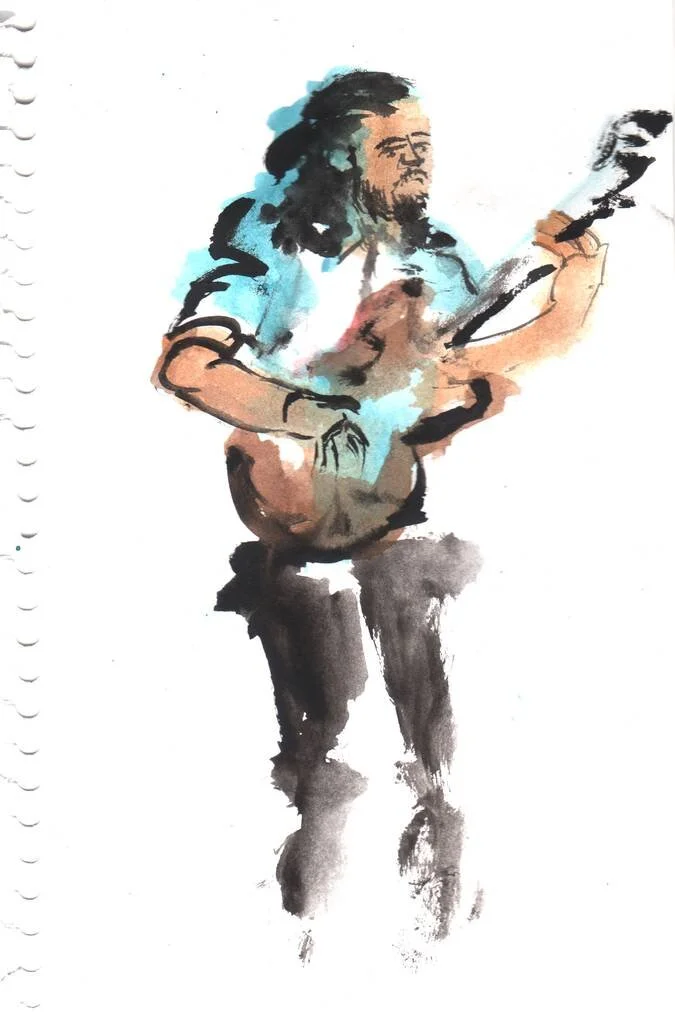
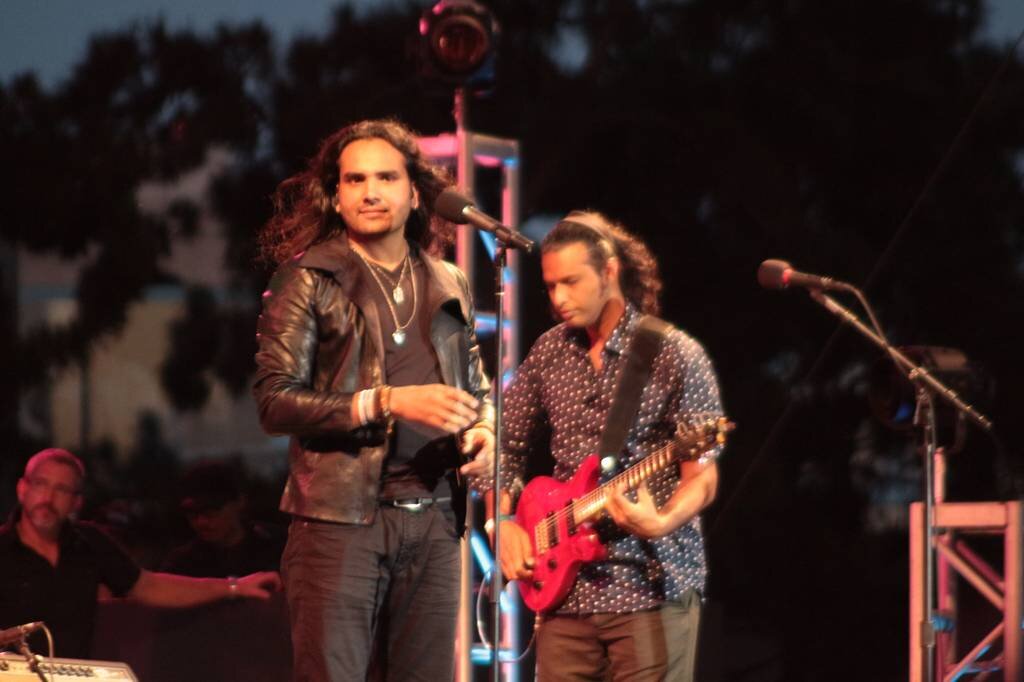
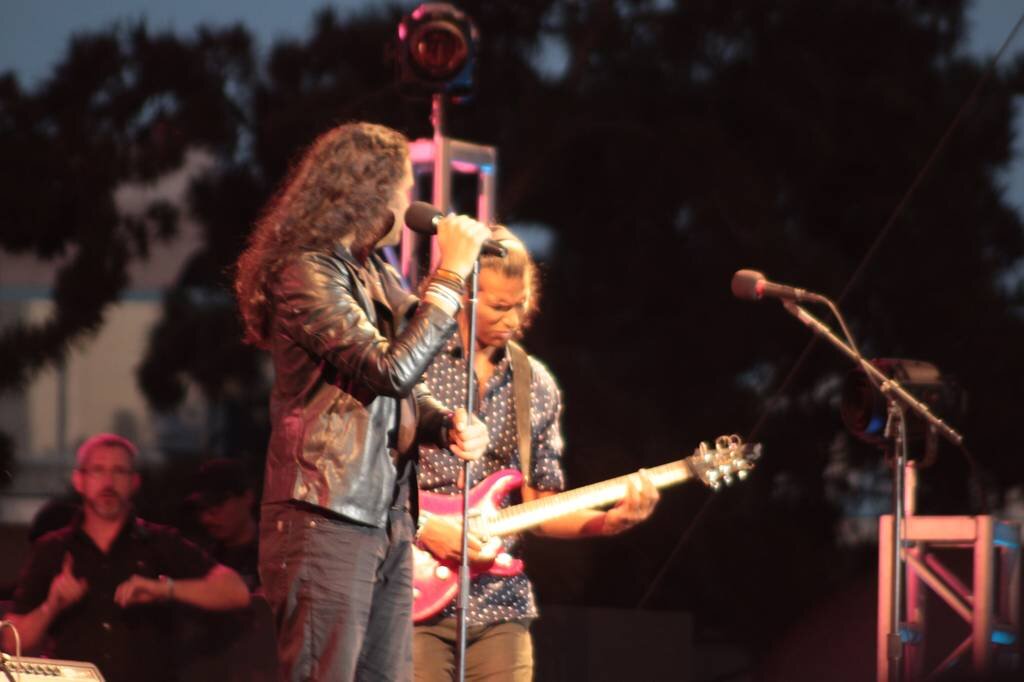
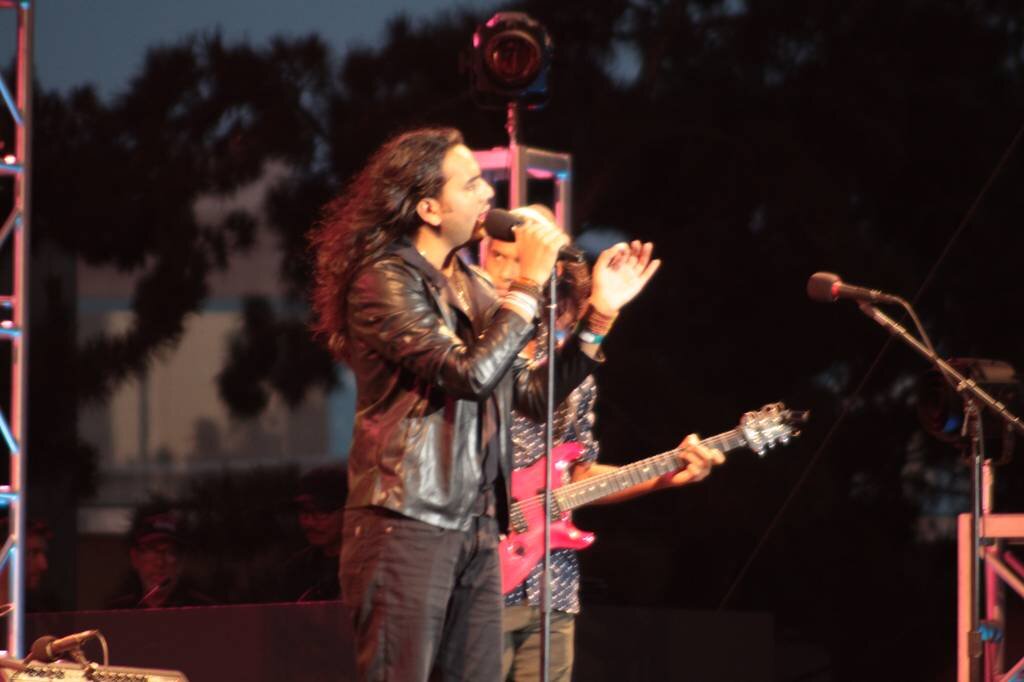
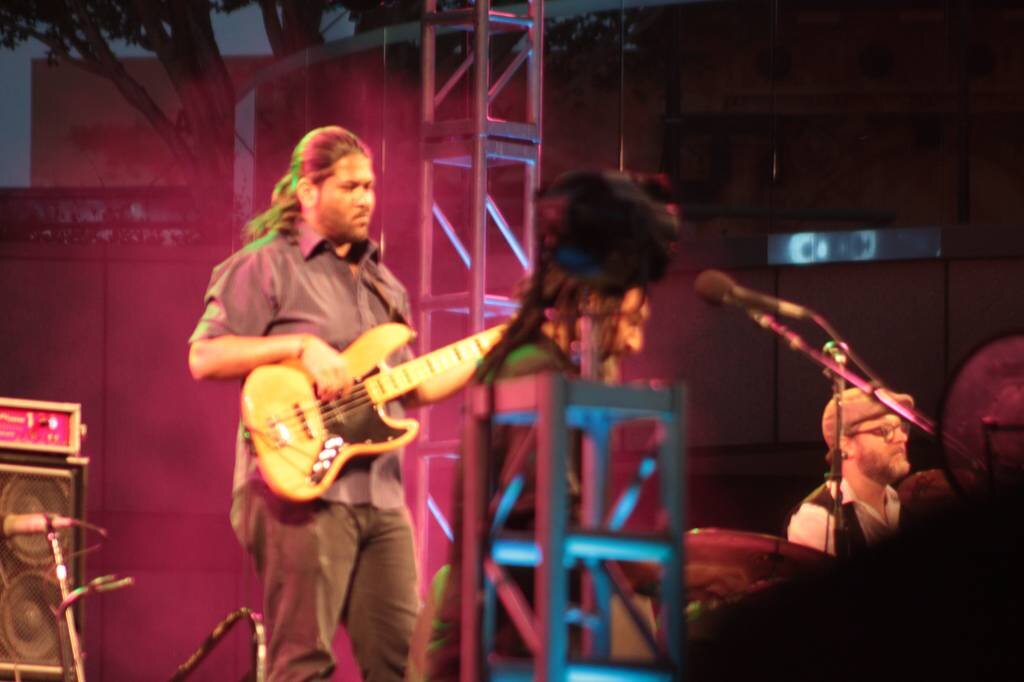
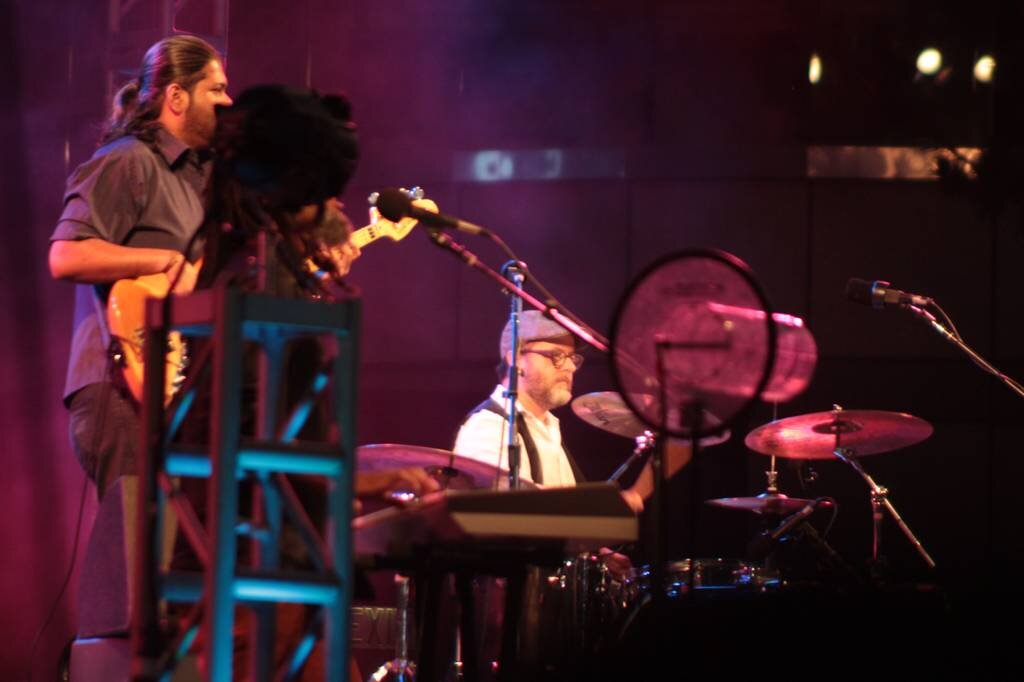
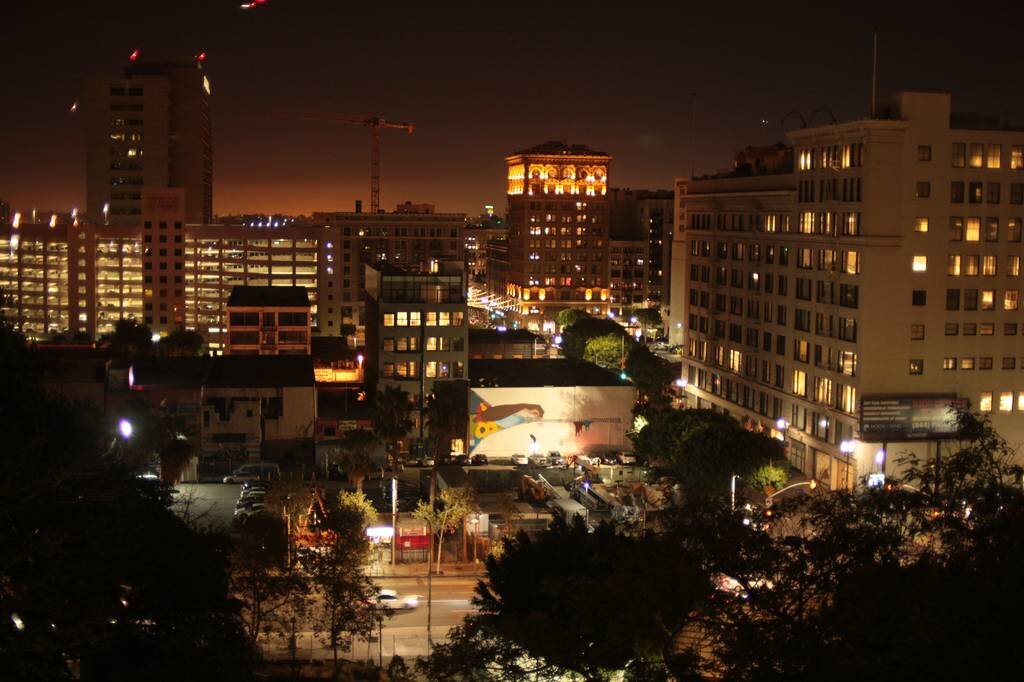
Fuzon and Fareed Ayaz and Abu Muhammed Qawwal Party at Grand Performances
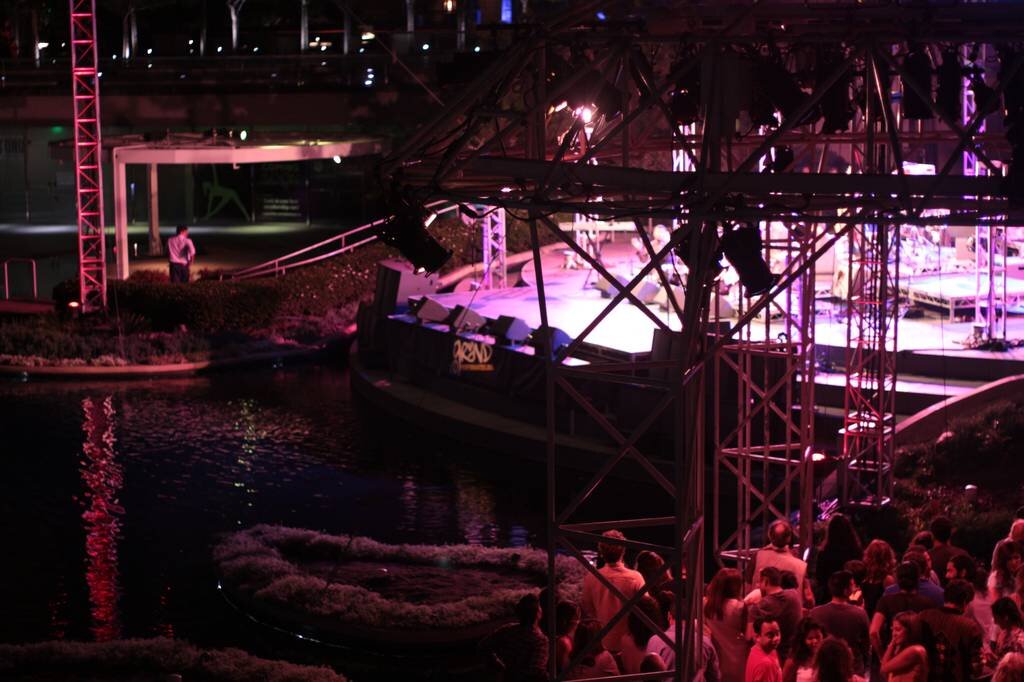
What an amazing show. I got to see two incredible musical acts at one of my favorite music venues in Los Angeles; Grand Performances

What an amazing show. I got to see two incredible musical acts at one of my favorite music venues in Los Angeles; Grand Performances. Thanks to all the hard work that made it possible. It truly is a treat to be in a city where you can enjoy world class musicians from around the world at free concerts, in perfect weather. Next time I need to stop down the lens. Some of the Qawwali photos are glowing a bit. As always, good practice for my puppet film; "Risalo".I drew a few sketches of Fuzon and took some photos of the performances. You can see my sketches of Fareed Ayaz and Abu Muhammed Qawwal Party from a few nights ago here.







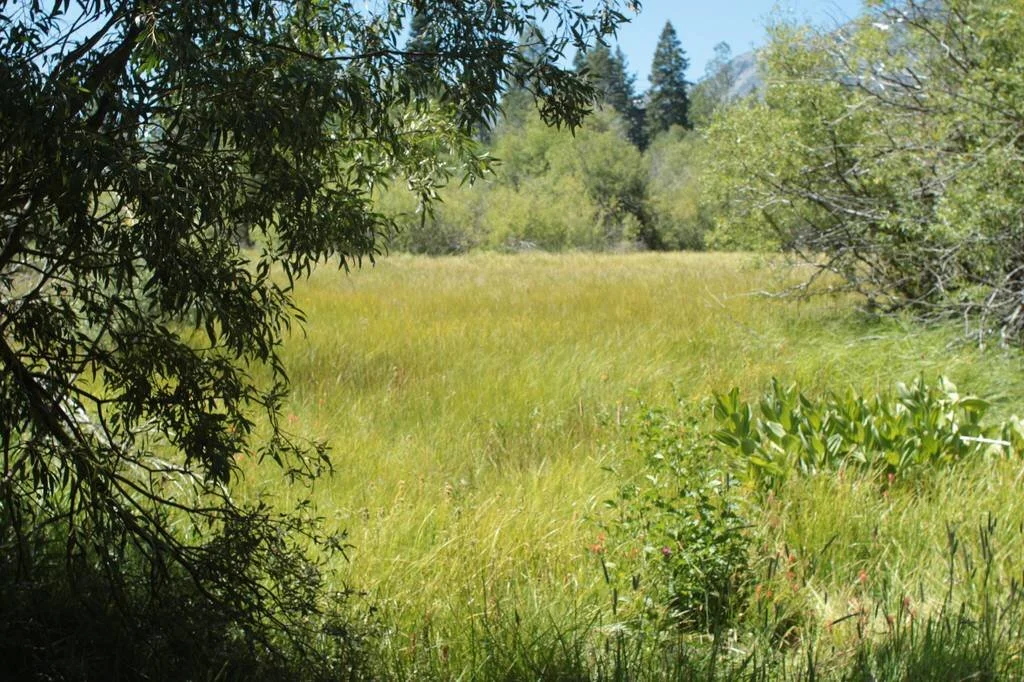
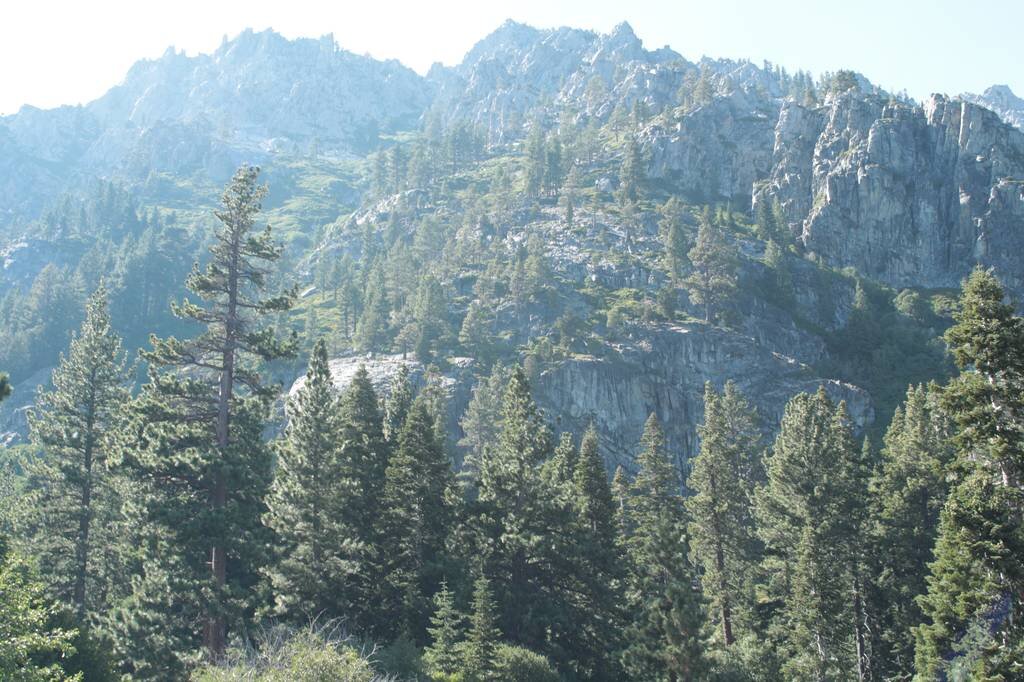
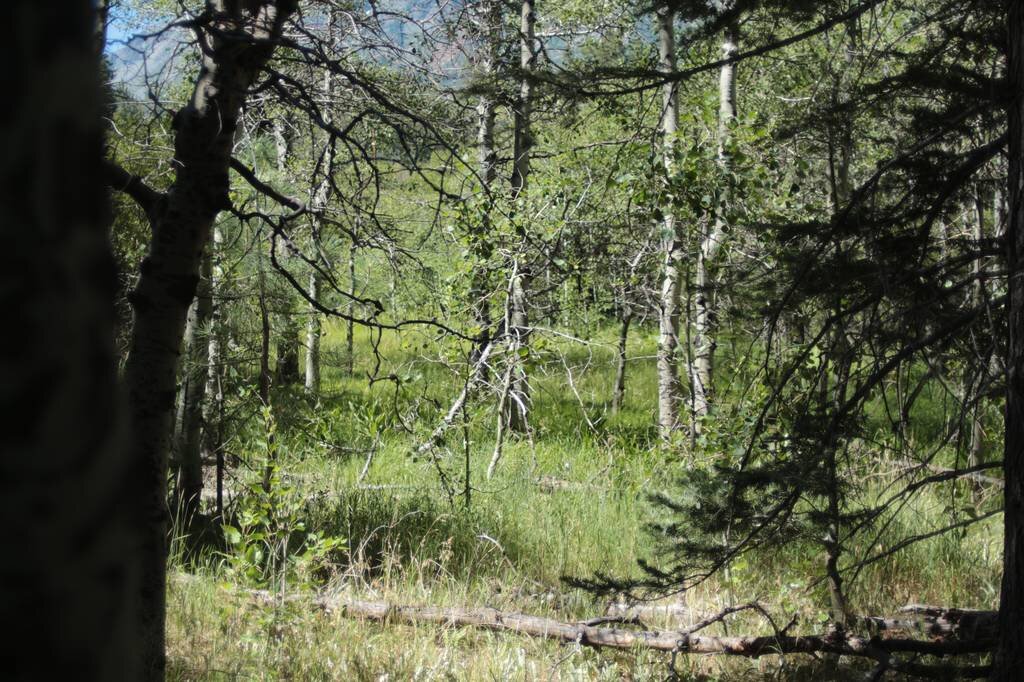
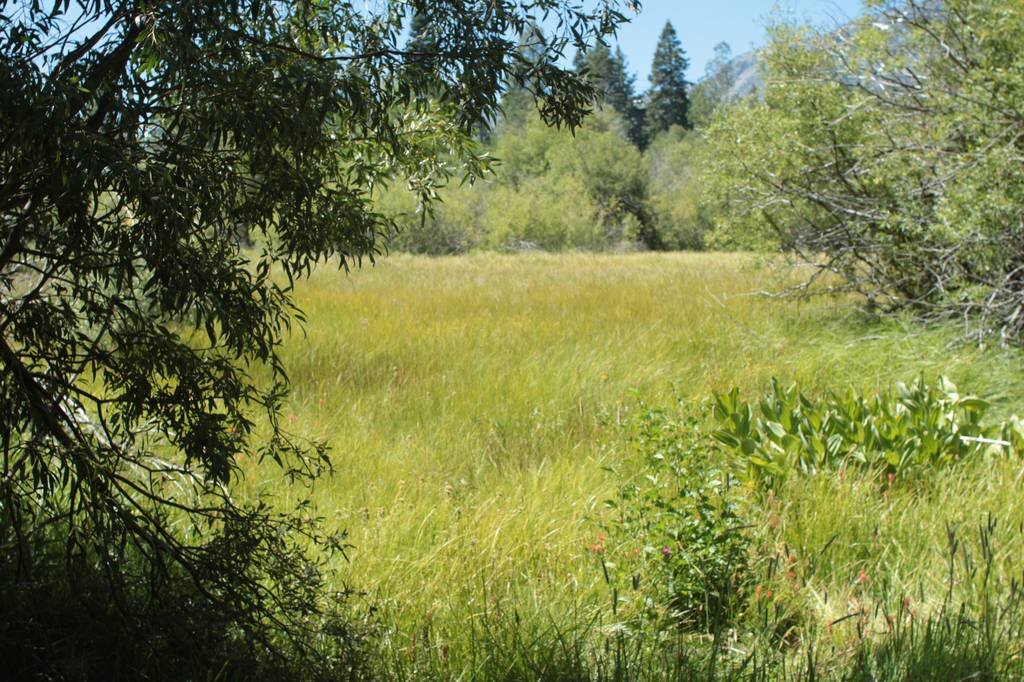
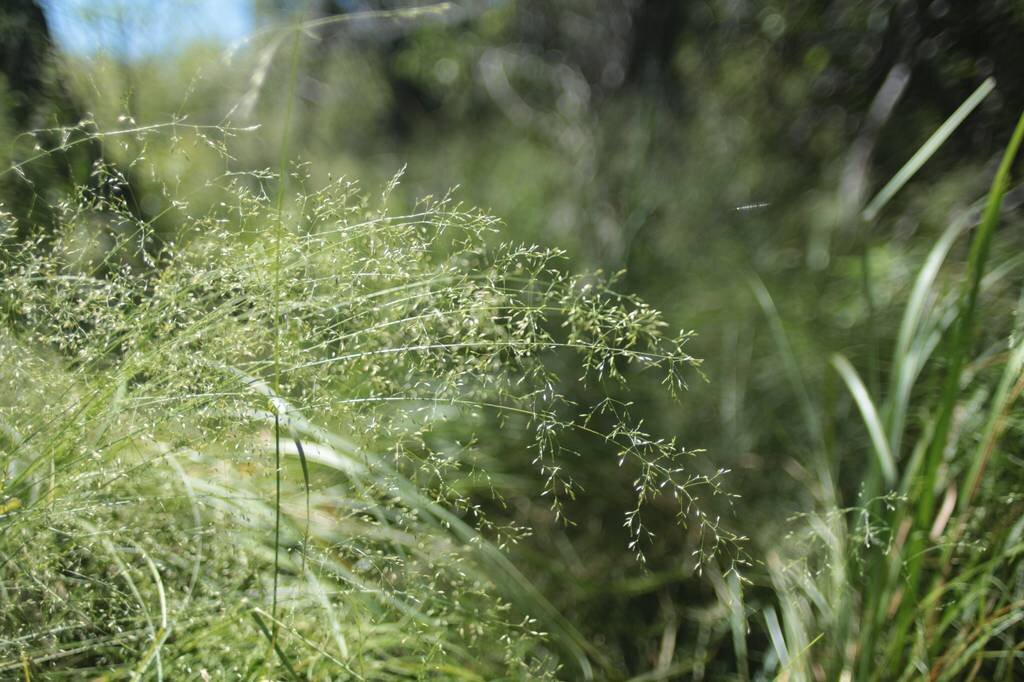
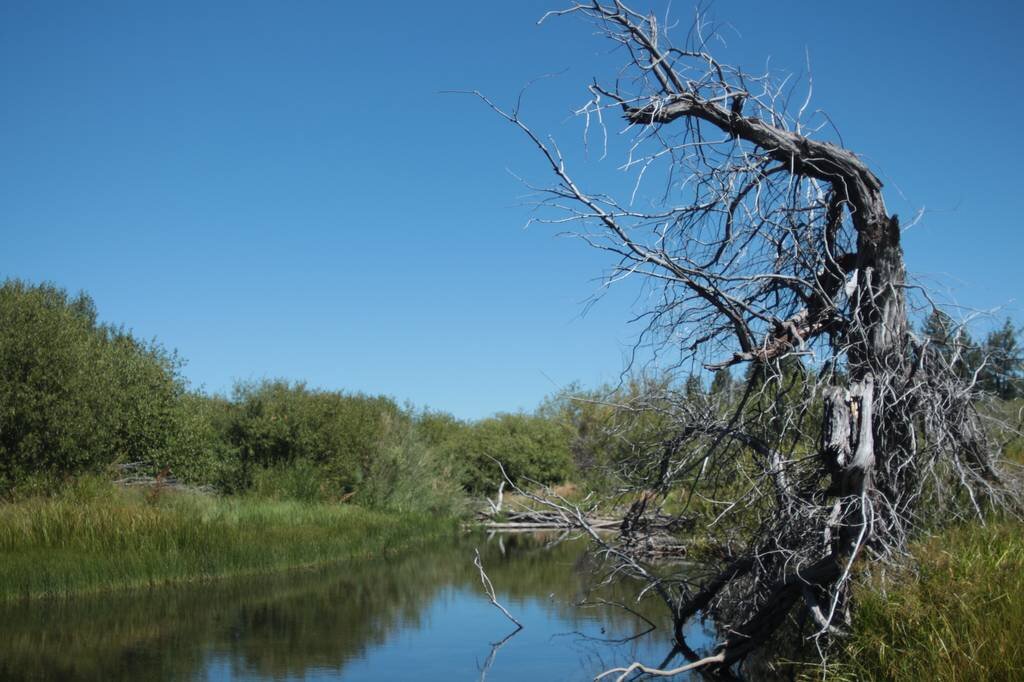
Vivitar 28mm f2.0 Komine lens tests
Nature photography with this vintage lens (Vivitar 28mm f2.0 Komine lens tests).

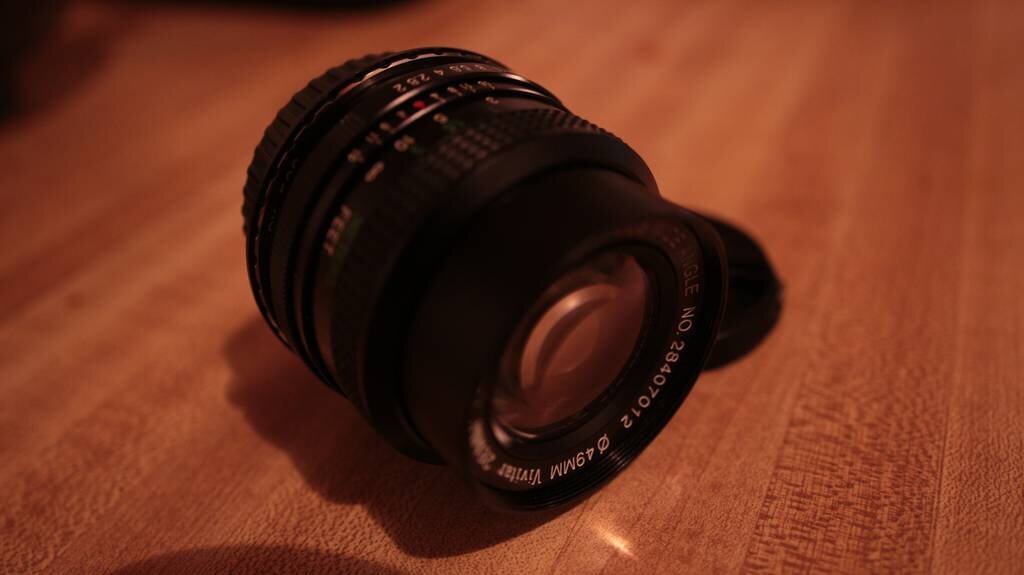
Recently, I've been enjoying experimenting with vintage lenses. I admit, I became a bit obsessed with finding all these great ones on ebay, but what good are these unless you use them? I've been using them for test shoots for my puppet film "Risalo", but it is always fun to take them out into the real world and play. So, here are some recent photos taken on my simple Canon T4i using the Vivitar 28mm f2.0 lens. I like these vintage lenses. I have a newer Sigma lens, that is all plastic and I really don't care for it, compared to these metal lenses that just seem to be built way better.This one is a bit rarer than most. Thanks to the internet, I was able to research and figure out which one to get. Lenses can be different depending on the year they were made and which factory they were made in. This particular one was made by Komine for Vivitar. Basically, it is a great fast, sharp 28mm lens with wonderful bokeh. I love how easy it is to focus and 28mm gives me a good wide view for photographing in a crowd, or even some landscapes. I guess this would be about a 45mm lens equivalent on my crop sensor camera.








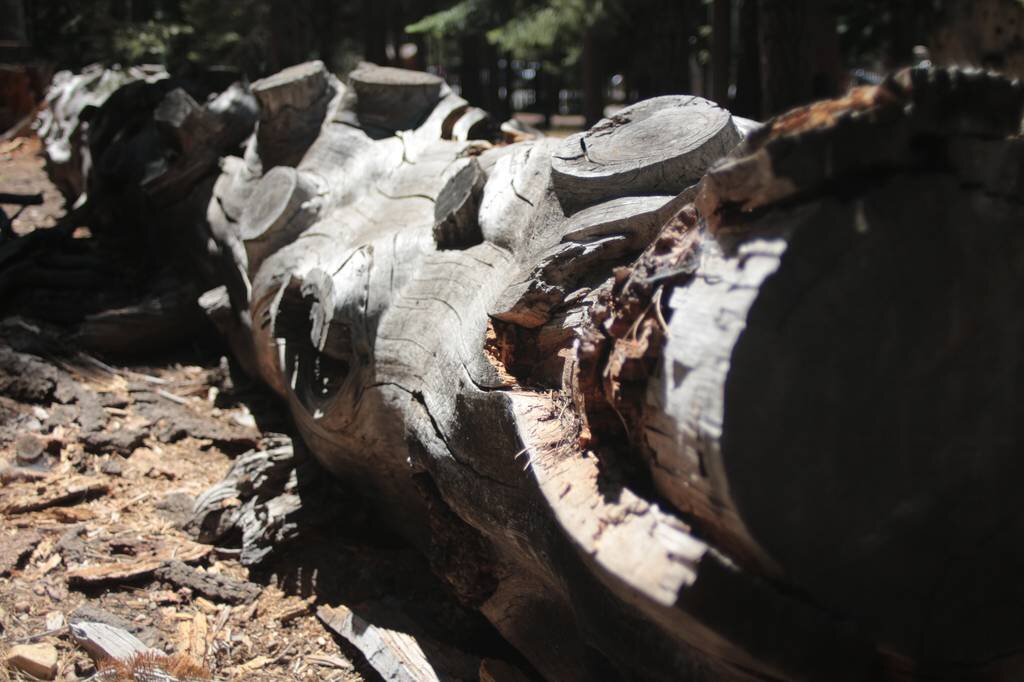
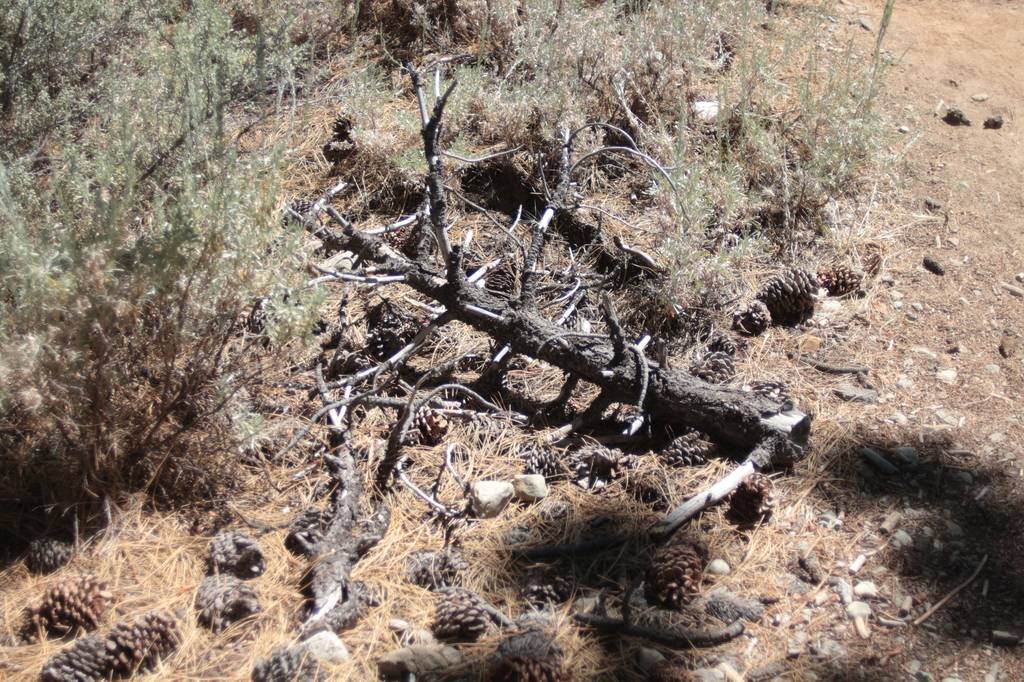

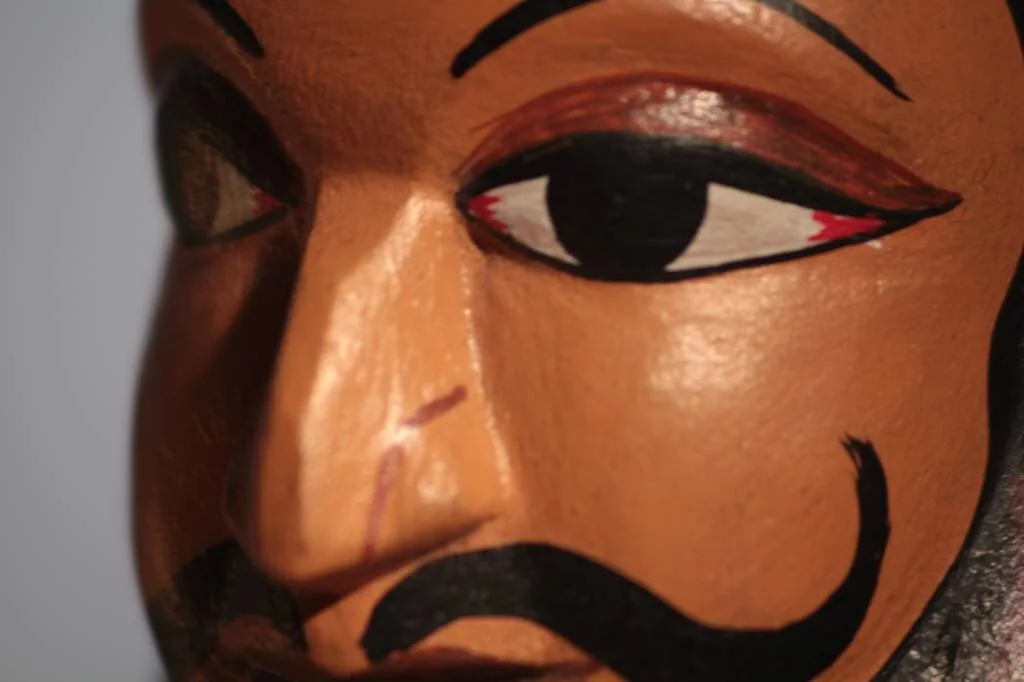
Risalo tests - Beginning with lights
Test photos, vintage lenses, diy sandbags to make the indie puppet film; "Risalo".

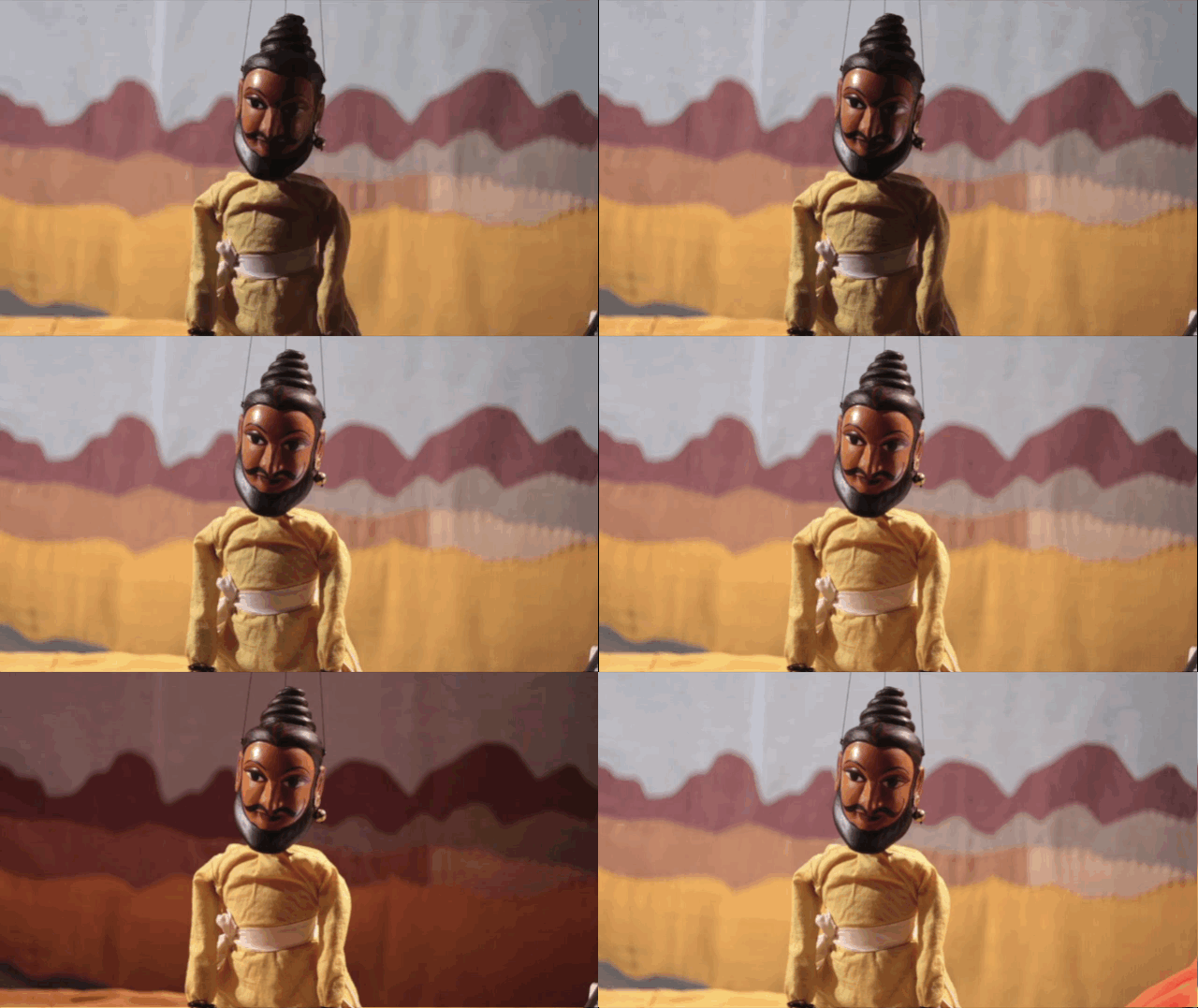
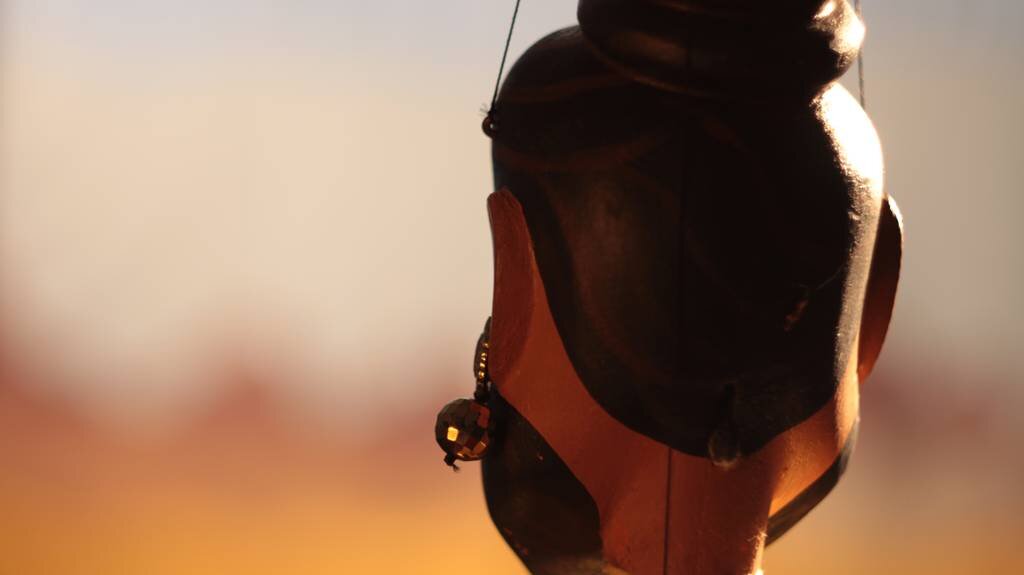

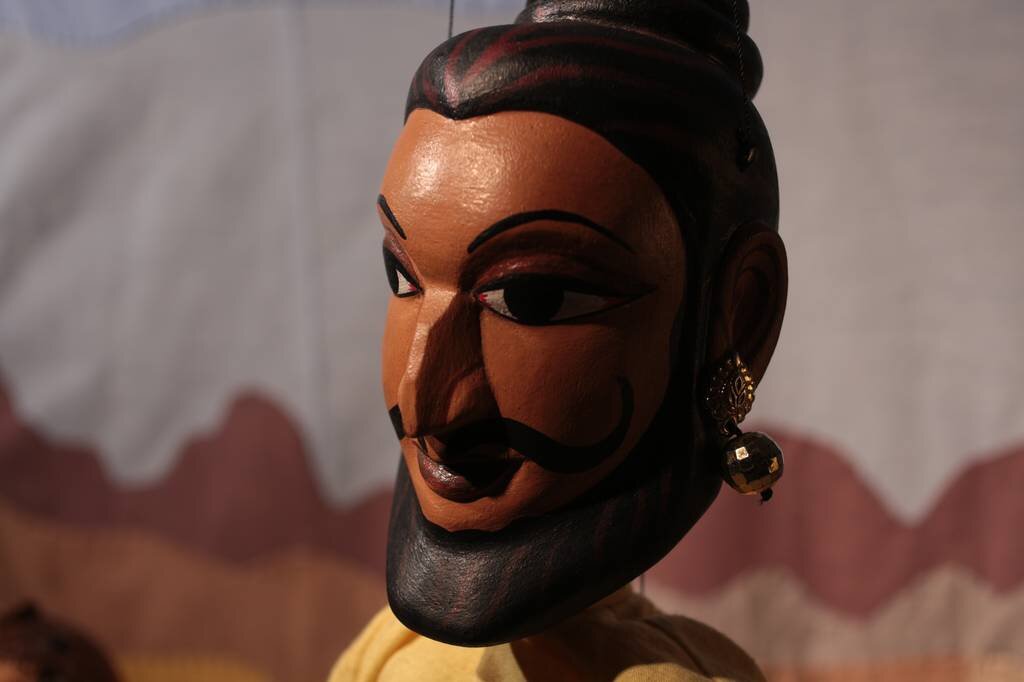
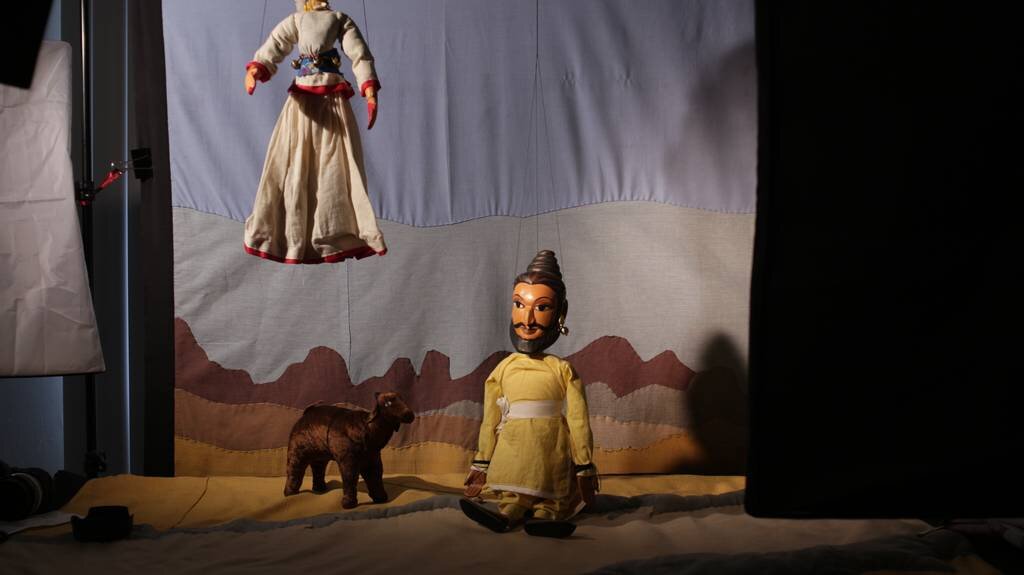


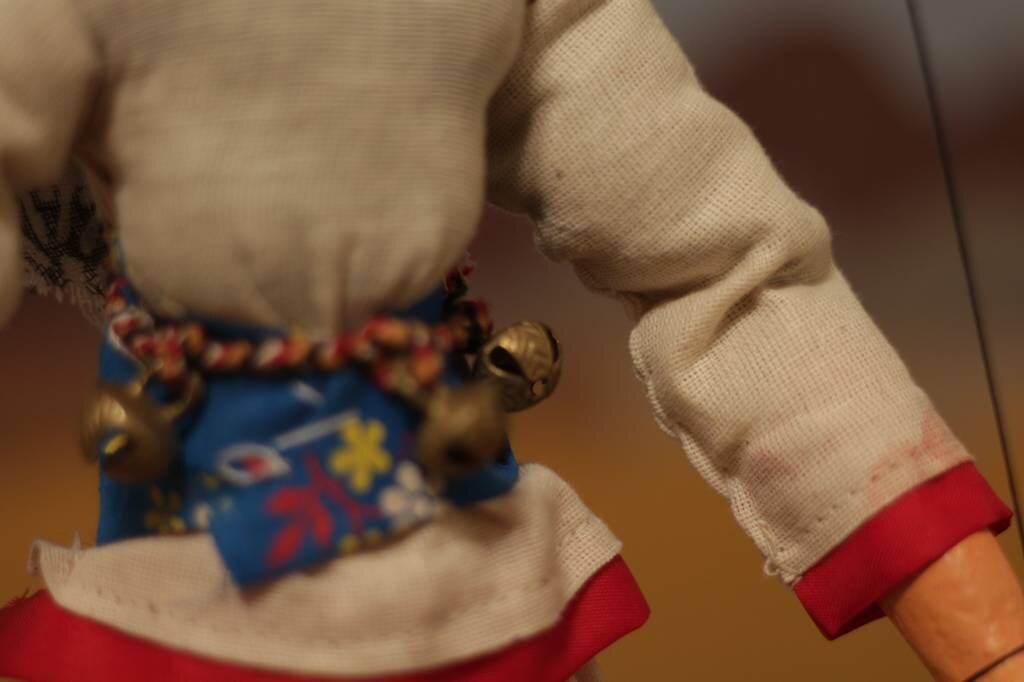


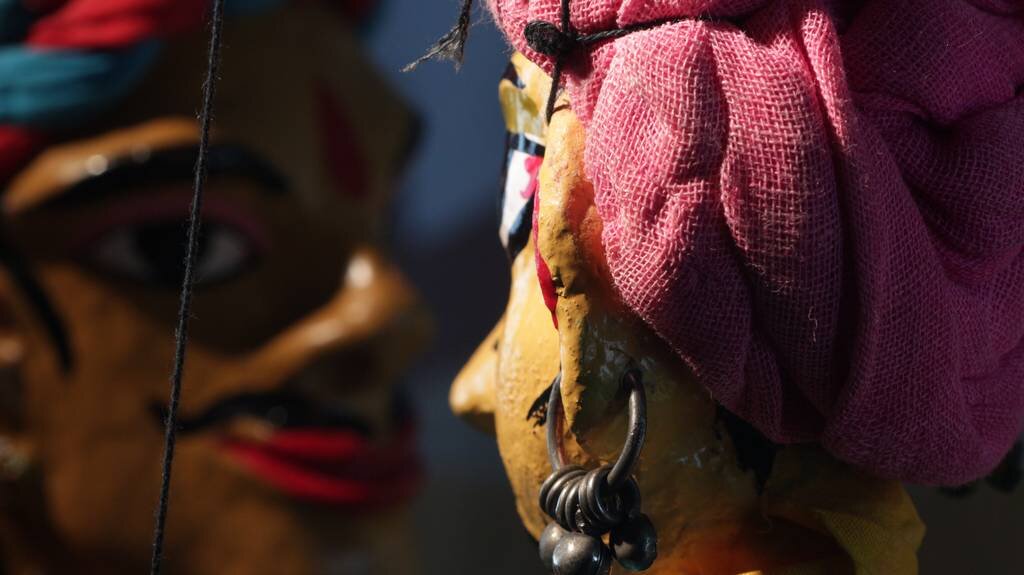


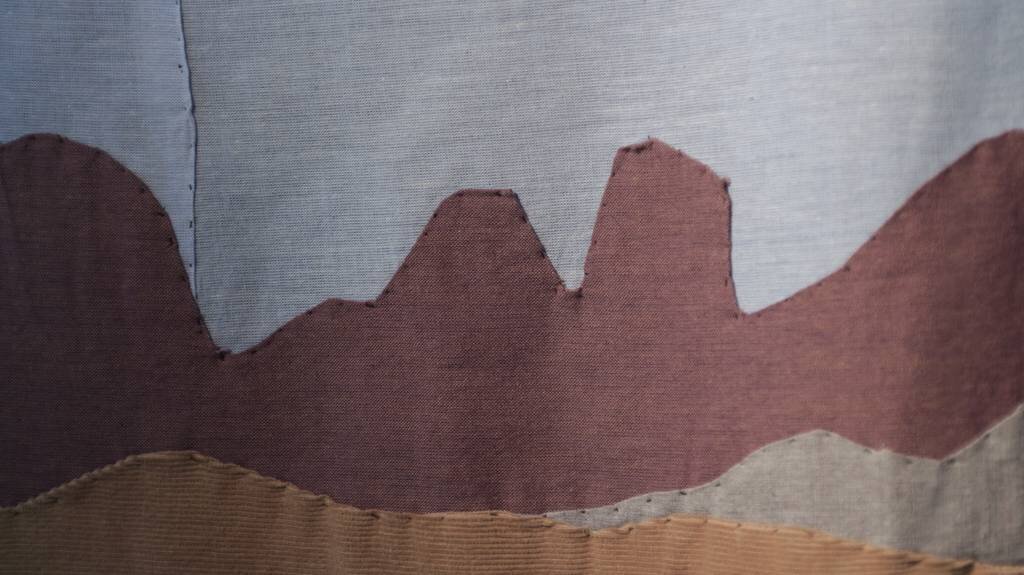
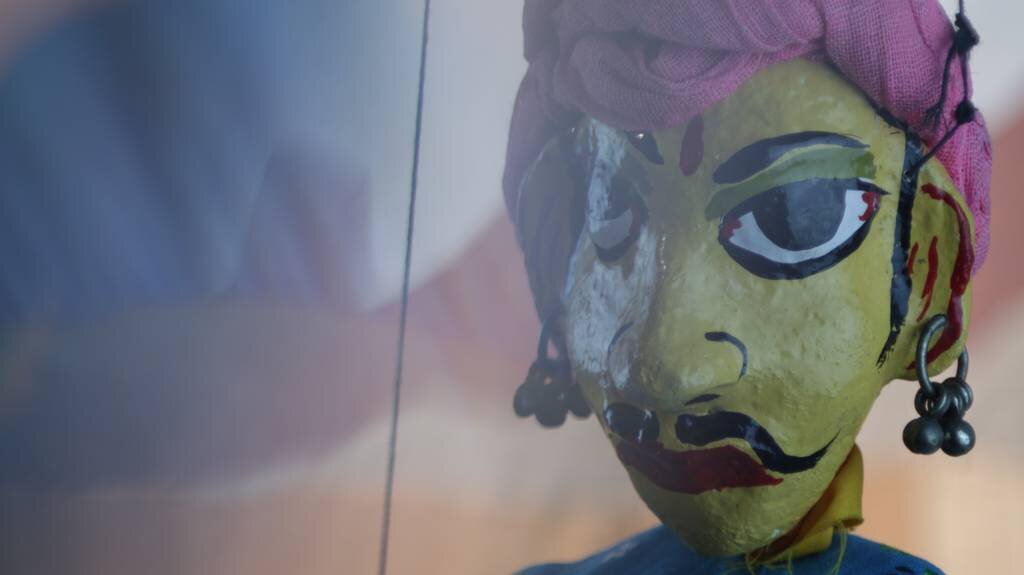

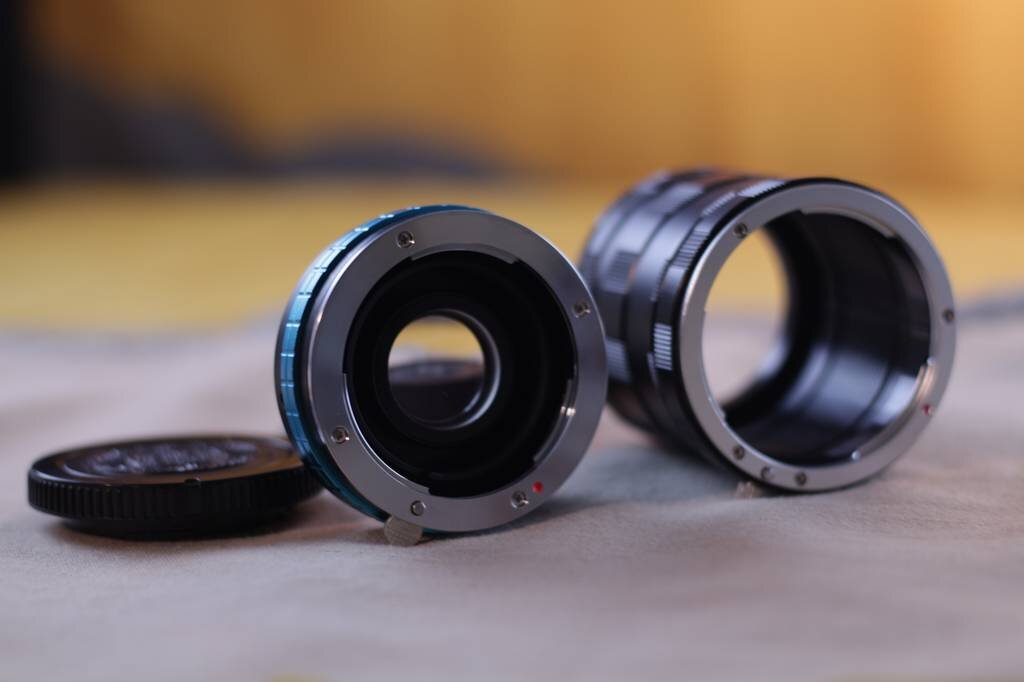
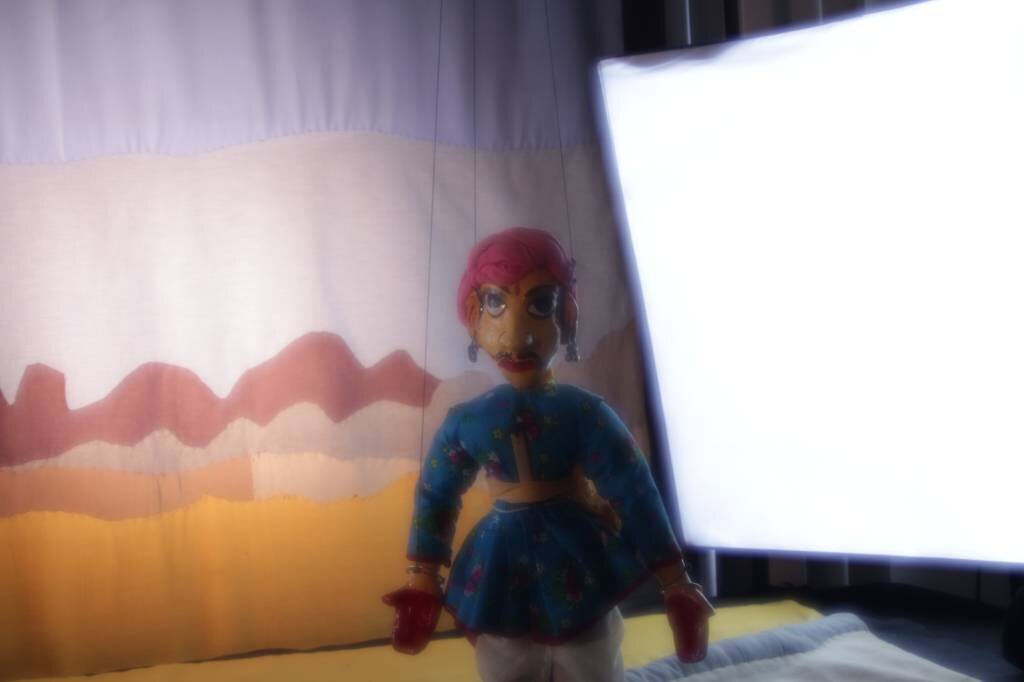


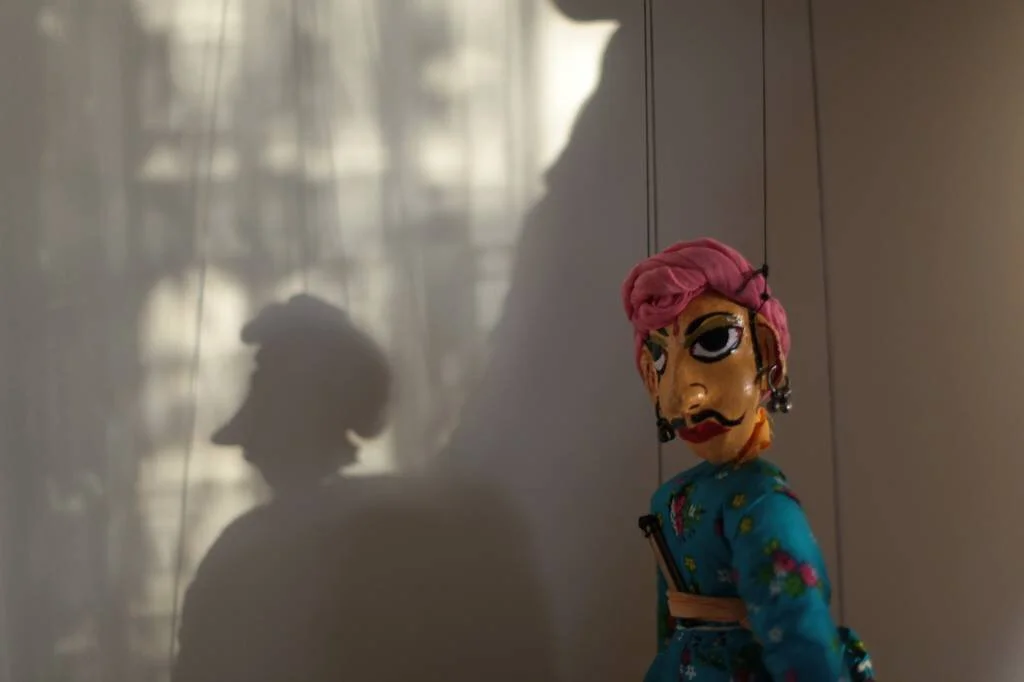
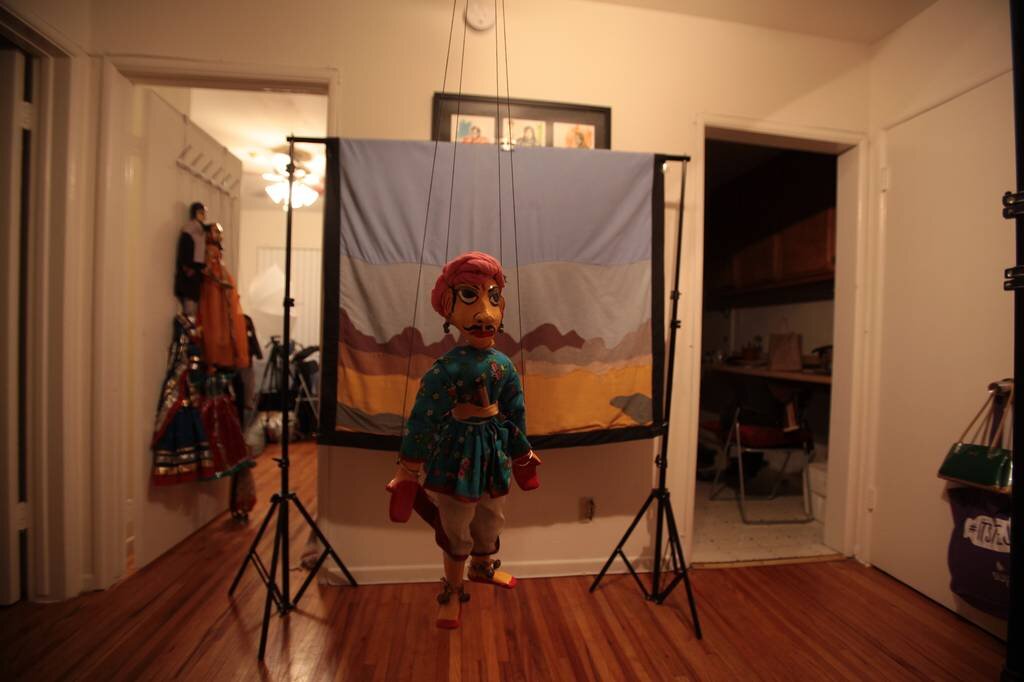
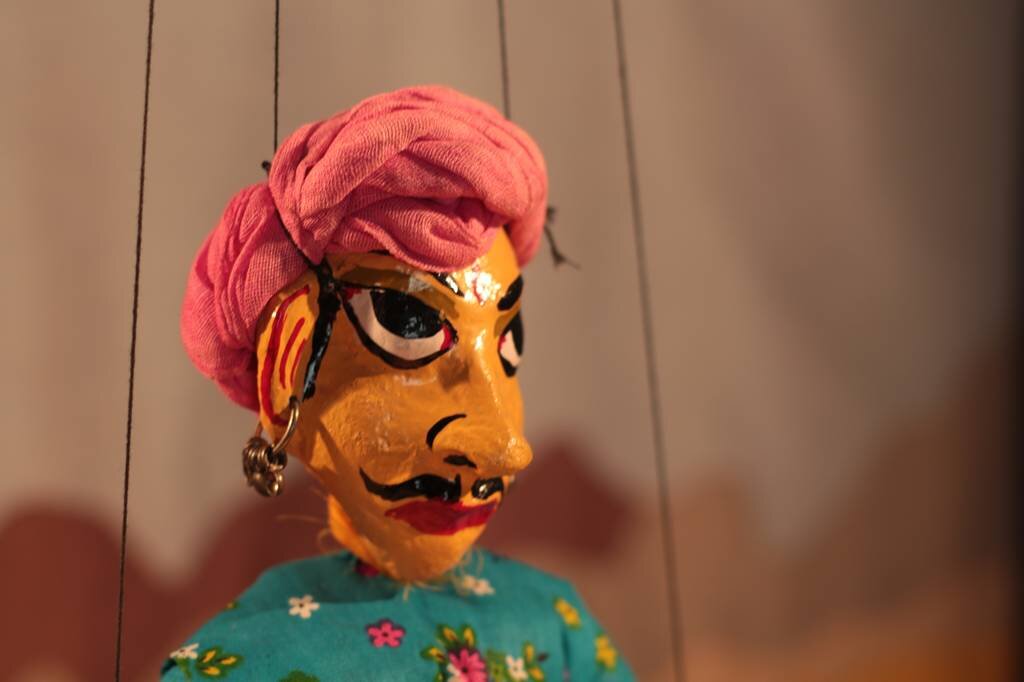
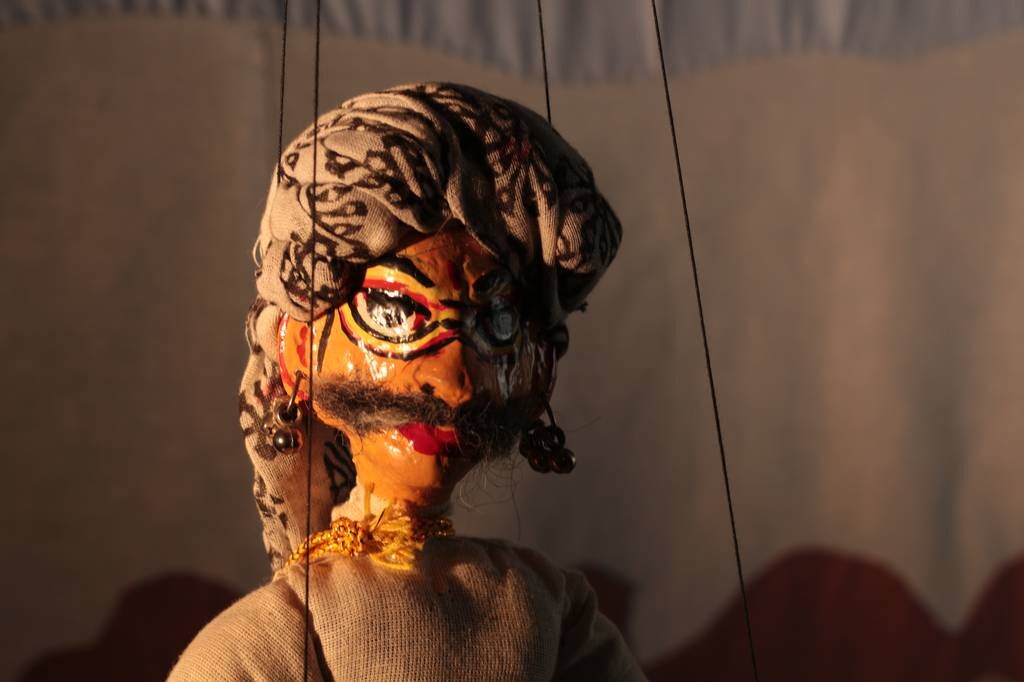
These are photos of some tests from last month for my puppet film "Risalo". It is fun experimenting with lenses, cameras, lights and these beautiful puppets. Thanks to my friends Peyton Skelton, Michael Levine and Raja Gopal Bhattar for the light kits. I had a couple of soft boxes some arri frenels, small leds and some photo lights. Coupled with stands, my own and borrowed, I have a little setup going. I've been researching and picking up some vintage camera lenses off of ebay. If you are good with manual aperture and focus lenses, you can get some fantastic lenses for a pretty good price. I do some quick web searches to read up on lenses to see sample photos and get some thoughts on them from other photographers before purchasing.This way, I've been able to pick up some f2.8 lenses for Pentax, Nikon and an M42 mount which I could use on my little Canon t4i with simple adapters. I tried my old Minolta lens, which worked great on my friend Gagan's Sony A mount, on my Canon with an adapter with some glass in it to make it work. It looked terrible. Wide open, I got a lot of glowing, which defeated the whole purpose for me. I also tried out a little macro tube, but did not find it particularly useful for video. Thanks to Amazon, I was able to get a refund on those.Besides a few kinds of lenses that don't work so well adapted to Canon, there are many varieties to choose from that use simple metal adapter rings with no glass. This is what I want. The idea is that if a a type of lens has a distance greater than that of Canon lenses to the sensor, then an adapter can be made for it. Minolta, Sony, Canon FD, MFT and some others do not work at all or require adapters with glass to compensate for the distance to the sensor and I don't think that works well at all.I've started reading a nice book on lighting called Painting with Light, by Anton. Getting the tools is only a part of the process. The real work is in shaping the light and creating with it. I'm mostly very busy with my job, and it takes time to test, study, order a few selective items and test some more. It takes time to make progress, as I also alternate between working on animated portions of the film, applying for funding and a whole host of other tasks.I've started separating the lights, using angle and barndoors. I have one light illuminating the backdrop, and a key on the character, with other lights added as a rim to pull the puppet off the background and some fill, whether from lights or reflectors. I found that I needed to create more contrast and interest. I took an orange dupatta cloth, which I plan to use for set dressing and held it at a safe distance from the light on the backdrop. That created a really nice bit of contrast and added a great deal of richness to the scene. I put in an order for some simple gels to start working with color.For the lights, one important task, was to create sandbags so they don't fall over. Again, I approached this in the usual DIY, frugal, independent filmmaker way. I picked up 150 lbs of sandbox sand from a hardware store for $15 total, some gallon ziplock backs and some empty sandbags for film off of Amazon. A few tedious hours for each batch and I had put together 12 12-15 lbs sandbags to keep all the lights and people/puppets safe on set.
Cameras and Lenses
Testing various cameras and lenses with a little stage setup and puppets for the indie puppet film, "Risalo".


I'm working on funding, and various other aspects of "Risalo" before I can put together the puppetry shoot, so I have a lengthened schedule. To take advantage of this, I want to refine the storyboards or animatic for the film with another draft. This time I want to incorporate lighting and the actual sets. This is another important step in the process of testing out all the set pieces and polishing them. To this end, I've been borrowing camera gear and some lights from generous friends.Creating space for the camera and stage setup is not too difficult in my studio space. Once I get lights added to the mix, it will be much more difficult to fit everything. I shot tests with a Canon Markii (full frame camera), a Sony A33 and my own little Canon Rebel T4i. I worked with several lenses, a Canon 50mm 1.8, Canon 16-35mm 2.8, Canon 70-200mm 2.8, Rokinon 16mm 2 and a Minolta 50mm 1.7.

I found that wider lenses like 16mm to 35mm tend to create too large a field of view. Everything looks tiny and your shot choices are quite limited as the edges of the set quickly become visible. Those same lenses give fantastic depth when shooting out on a trail or in other larger spaces. They also work great when you are in a crowd and can't get far enough away to frame things that are relatively close at human scale. When you get to puppet scale, with the size of my backdrops, it makes the world appear too small.Working with the 50mm lenses was a lot of fun. They have wide apertures, so they let in lots of light. The depth of field looks beautiful too. You get really nice bokeh and sharp in focus areas. The camera has to be closer to the puppets to get it all, but I can be a foot or three away and compose some nice shots. I can't get extreme closeups of the hands and parts of the face, but I can see these lenses being used a lot.


The 70-200mm was great to test with. It is a large and heavy lens, but it let me get an idea of what kind of framing I could create up to 200mm. You can't focus if you are too close, but if you go back a couple of meters, you can frame some nice shots closeup. It is heavy and can be difficult for moving shots, but a lighter lens around 135mm or so may be perfect for some of these kinds of shots.
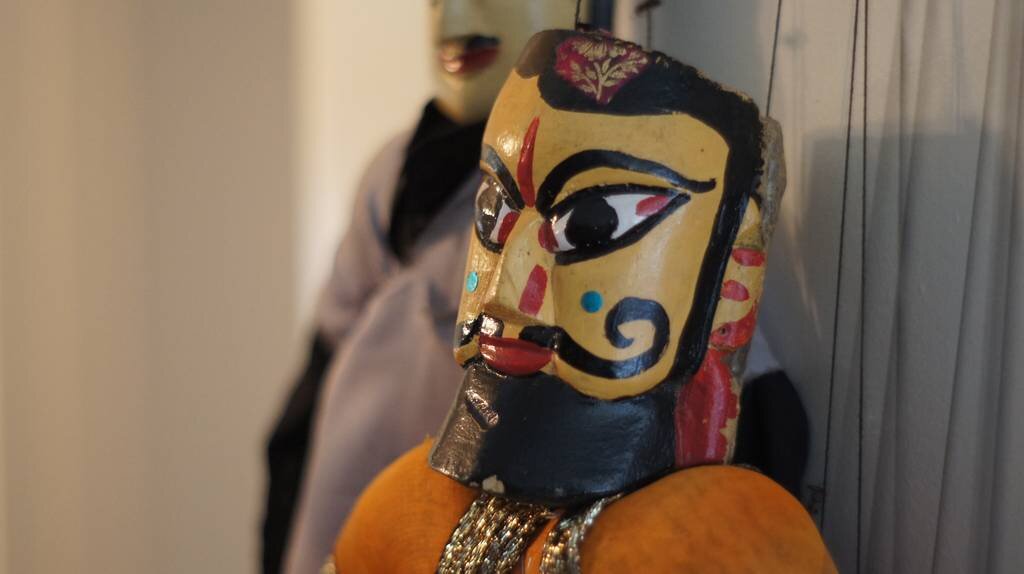
All the lenses were really good quality. Thanks to my friends, I got to try out a good range of focal lengths. That was the main purpose of these tests. I also started to play with imperfections. I started reading about vintage lenses, which are much cheaper in general and can be of really nice quality. Some tend to flare more or have other imperfections that can be utilized to artistic effect. I ordered a few lenses, which I will experiment with further. I want to try a macro extender to try and focus at a closer distance to the puppets with the lenses that I have. I felt like I could create really sharp images with the 50mm lenses, and perhaps with some lighting, I can get sharper images out of the other lenses as well. It can be difficult to manual focus in the viewfinder. It is also challenging to arrange the shot, and not really be able to see it clearly through the camera as you move things, being a one man crew. So, I think I will get a mini hdmi cable so I can see what I am doing on a monitor, especially as I am beginning to work with lights.

 I also tested with some amazing Zeiss CP2 (Cinema) lenses. One was an 85mm and the other 28mm. They are far more expensive than all the gear I am testing combined, but it was a treat to try them. The focus and aperture rings on them are great for shooting films. I don't think I will need to change aperture mid shot for this project, but for a live action scene moving from one light setup to a drastically different one, it would be essential. Some of the older lenses have aperture rings that can be declicked to get a smooth rotation as well. The other thing with the lenses I am testing versus cinema lenses, is that regular lenses come in all variety of sizes and lengths. This is not ideal for putting them into a rig to shoot a film, while the cinema lenses of a given line are all one size, built specifically to be put in those rigs.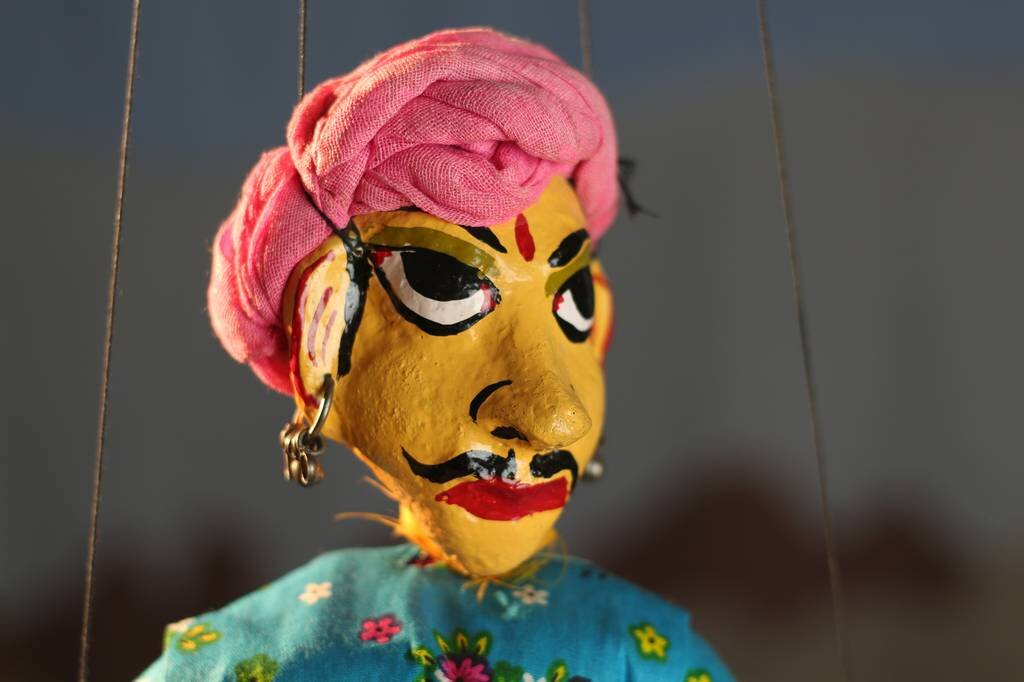
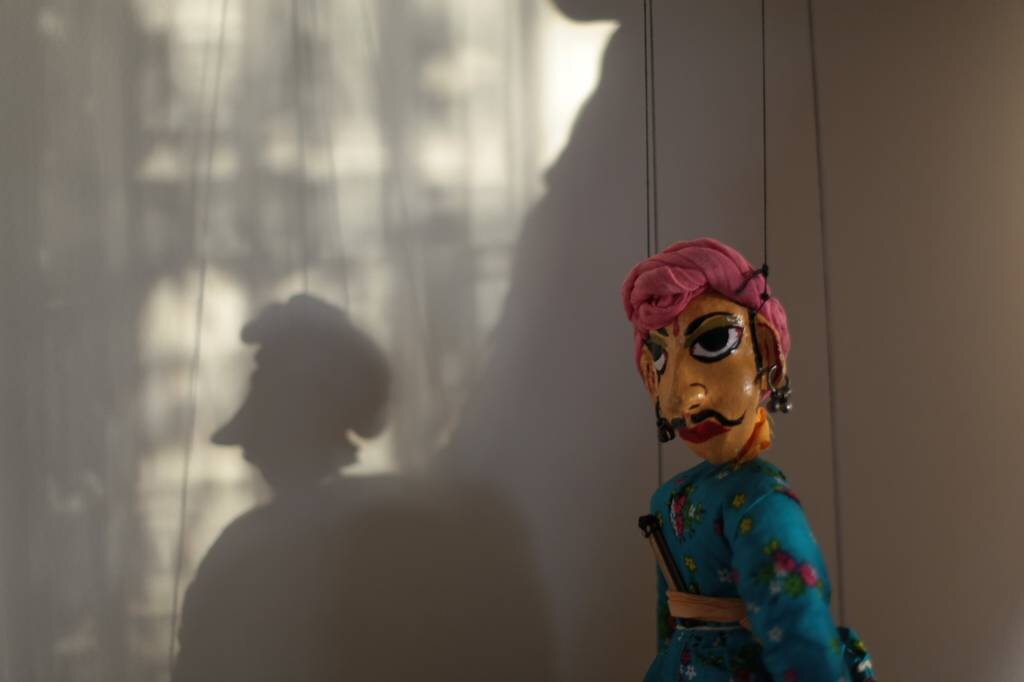
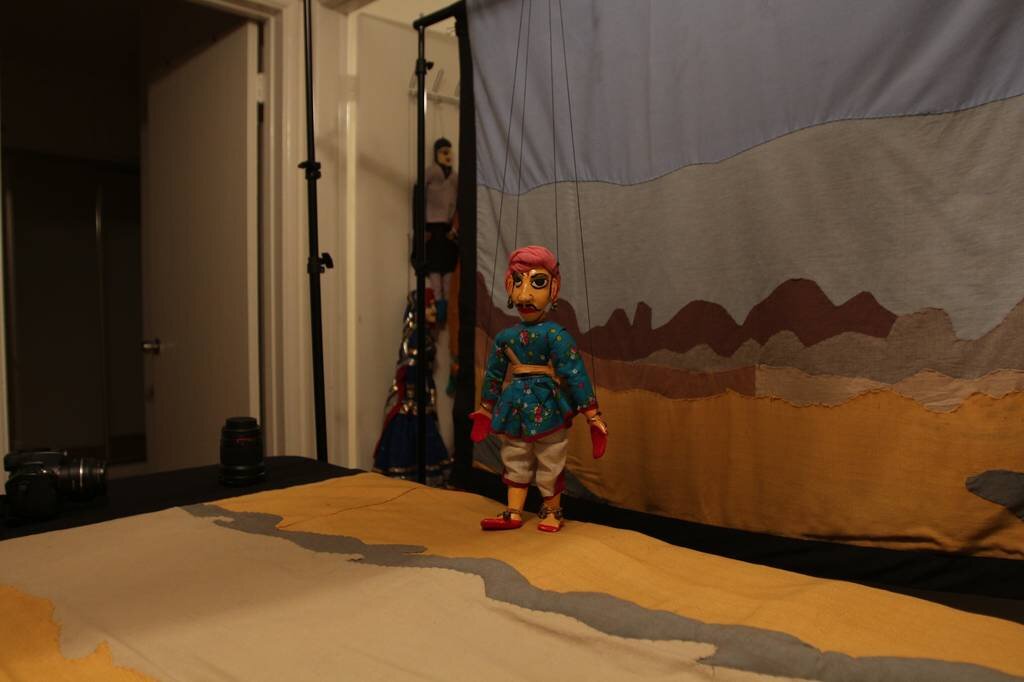
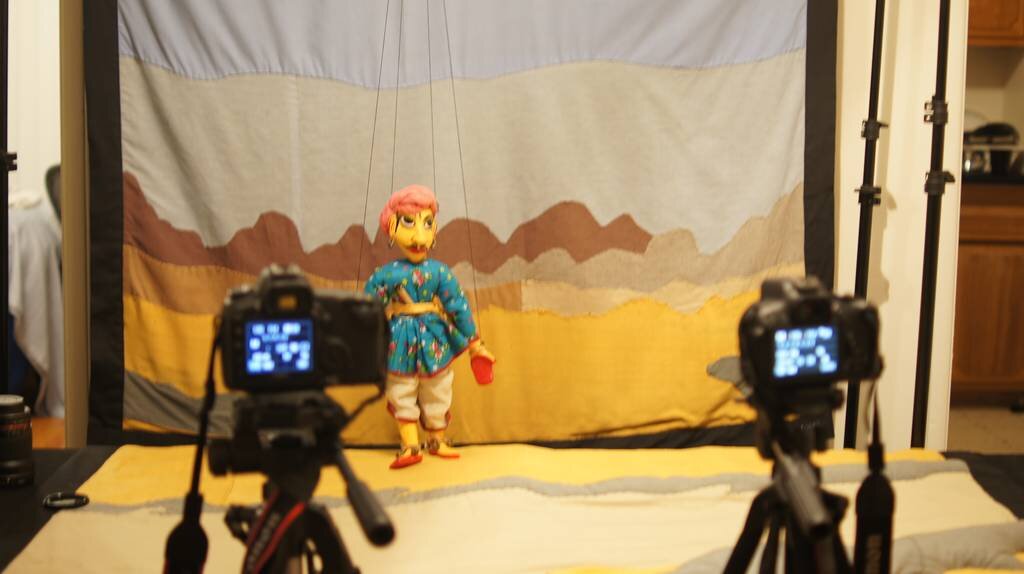
I picked up several light kits from friends as well, so I've spent the last few days arranging and rearranging and re-positioning the stage setup to keep the apartment livable and get enough space to set things up. It is challenging to work a few hours before and after work when I get time on this. Being able to keep things setup or more or less setup in one safe spot will help save a lot of breakdown and setup time and let me focus on trying to create the lighting setups I have chosen in reference images with the puppet sets. After coming back from Pakistan, it has taken time and effort to keep things going, but I've already received all kinds of generous support from friends who have entrusted me with their fantastic gear, to make this film. That was a point where I was really stuck in Pakistan. I knew friends of friends who were in the thick of the production world, but it was out of my reach to afford to rent gear and get any real help in the shoot. So many friends helped with places to stay, moral support, introducing me to people and providing access to whatever they had at their disposal. I think of all of this support as I continue to chip away at this beautiful project.Thanks to Gagan Malik for the Sony camera and lenses. Thanks to Arturo Aguilar for the fantastic Canon lenses and Mark ii camera. Thanks to Snehal Patel for the CP2 (Zeiss Cinema Lenses). Thanks to Peyton Skelton and Raja Gopal Bhattar for some lights, which I will talk more about in upcoming posts. Thanks to my father for the beautiful Minolta 50mm lens, which worked beautifully on Gagan's Sony a33. Thanks to Melisa Acoba for lending me her Holga. While I did not shoot any film, I've researched each piece of gear and there are lots of "imperfections" that could be really interesting, whether using the Holga or other means.
Studio
A space to regroup and rebuild.

It has taken almost 3 months of crashing at friends places since returning to Los Angeles with suitcases full of puppets, backgrounds and all the other material to make "Risalo". I finally setup my studio in the apartment we moved into last week. This journey has taken lots of twists and turns, but now I have a space to regroup and rebuild. It feels good.


Day in Gujrat
y then it was time for my presentations, so I went to the multimedia lab and shared some of my professional work and then my short film “Gul” and the design process behind it.


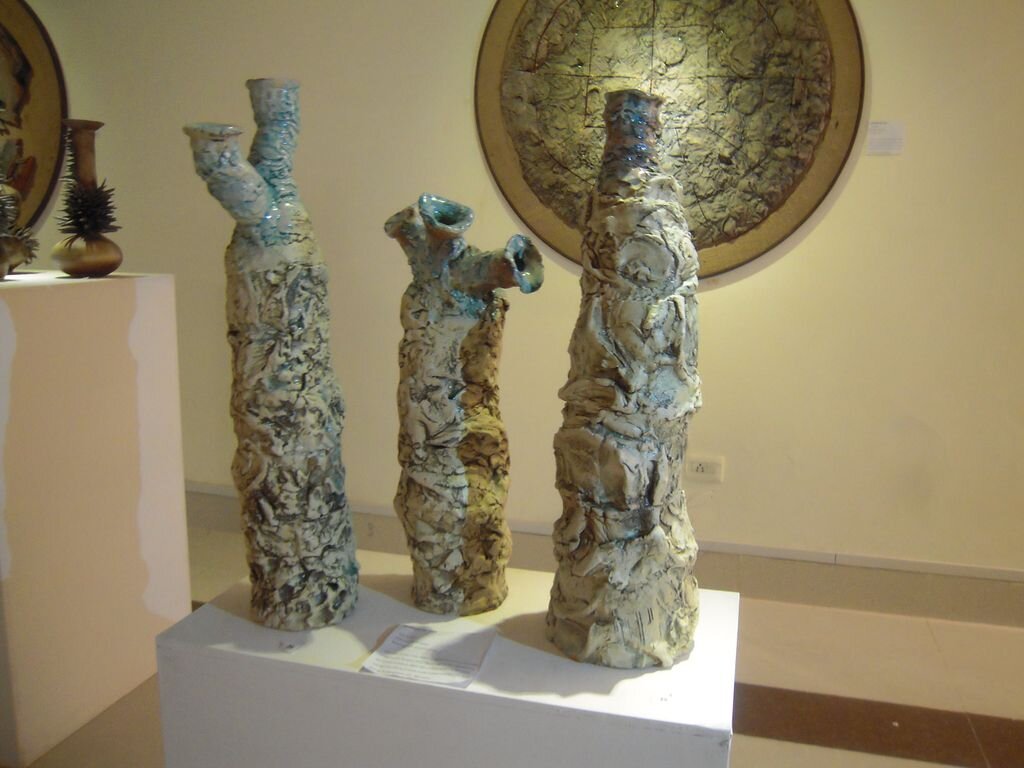


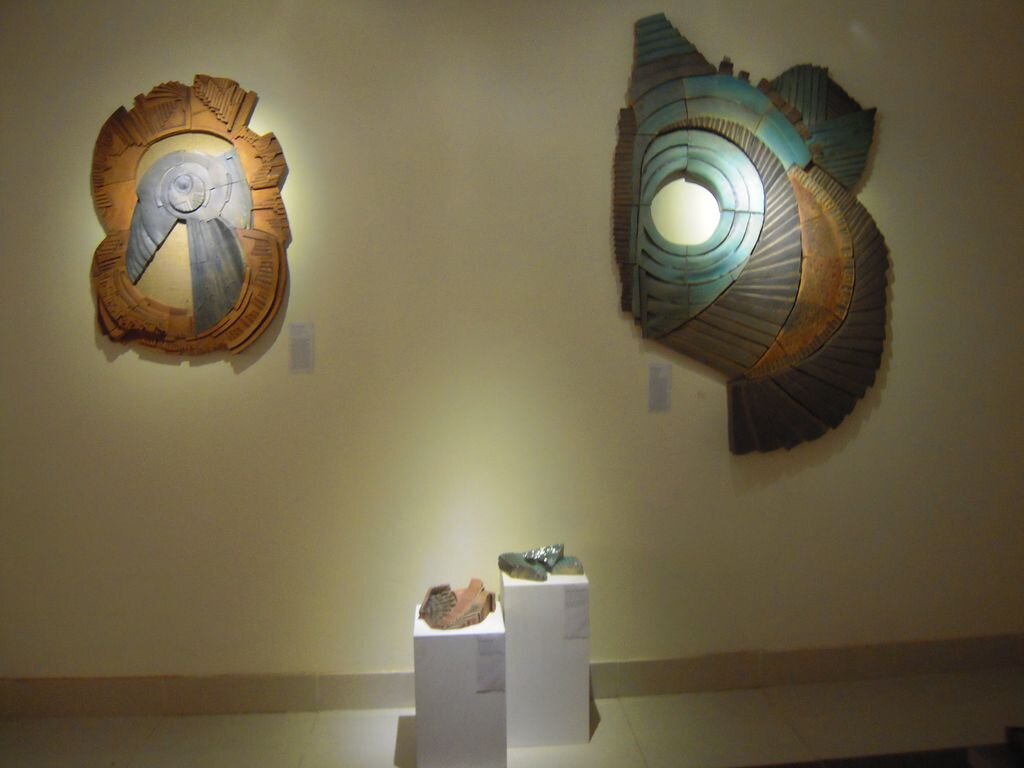
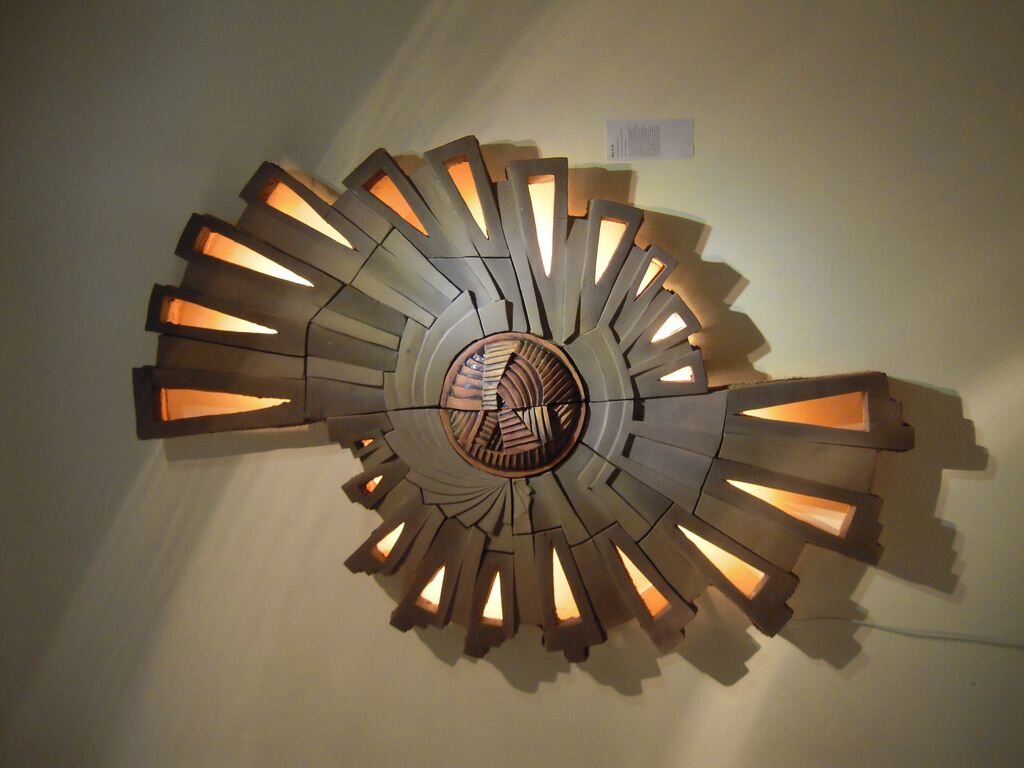

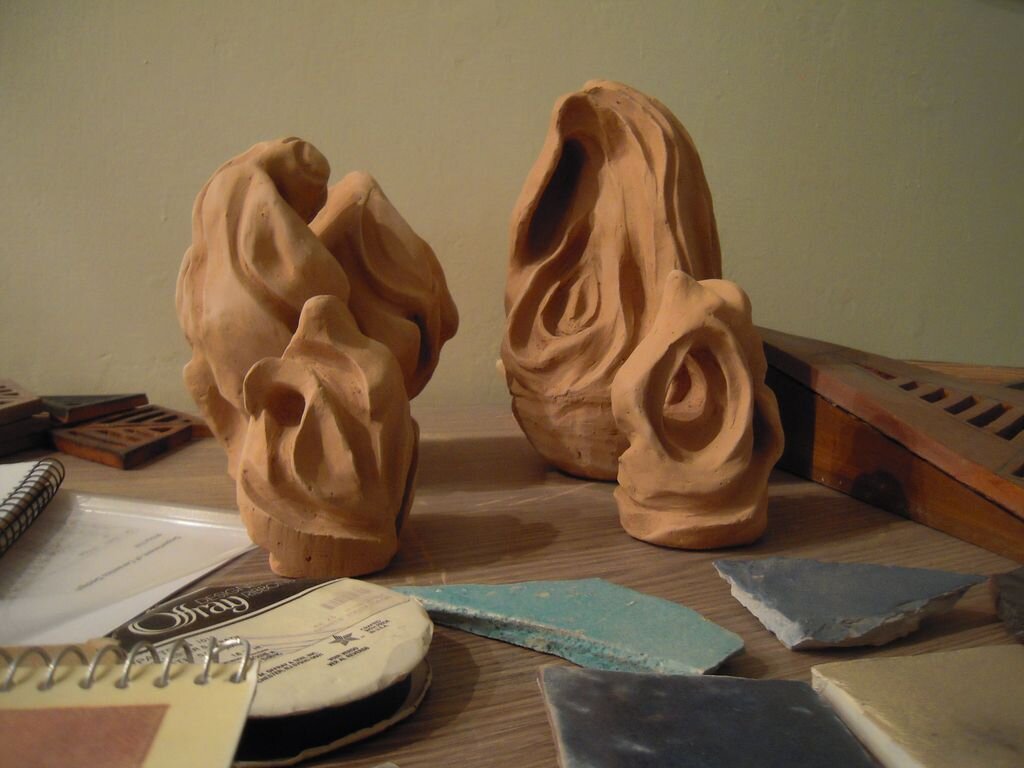

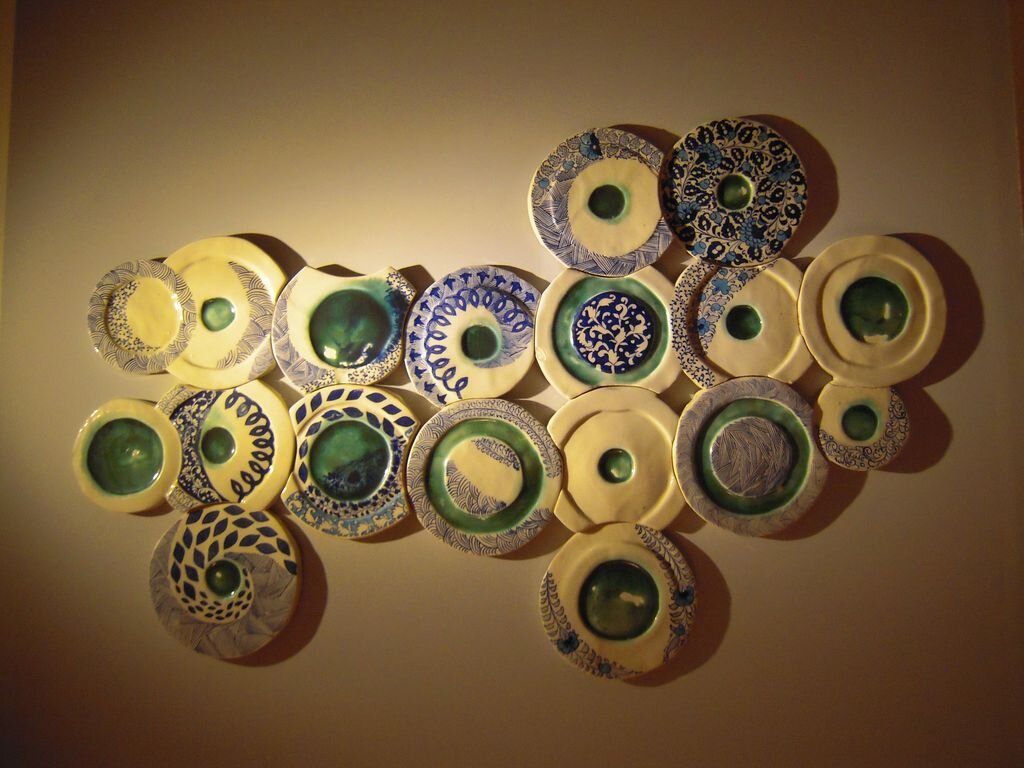
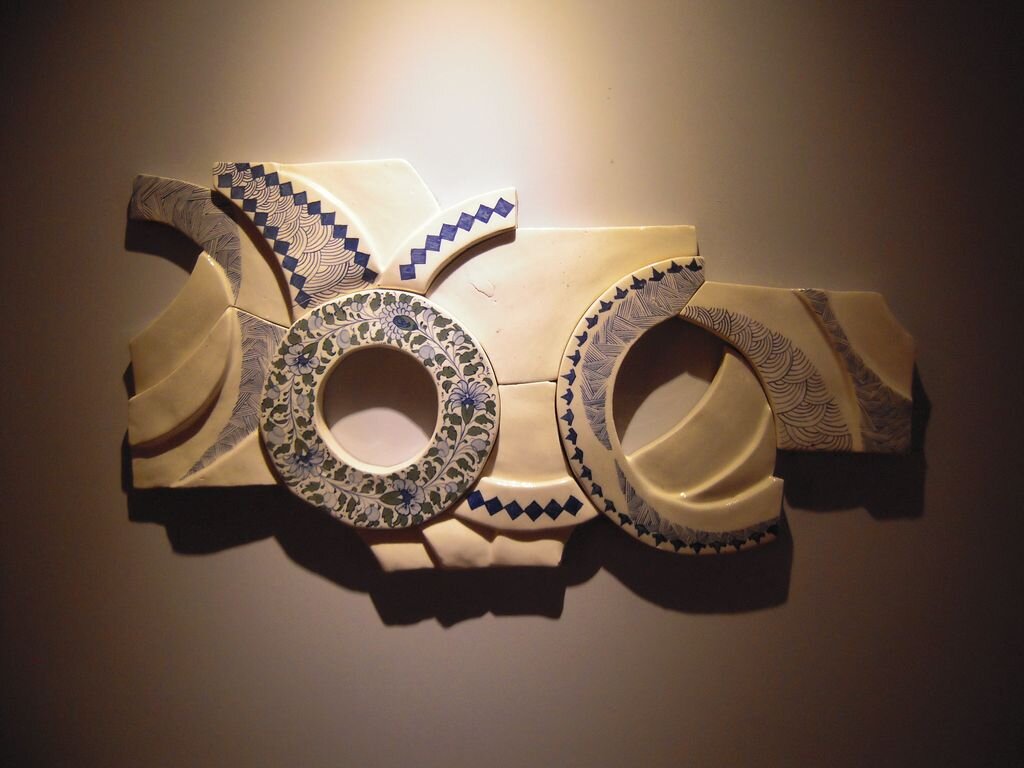
I woke up in the comfortable Gujrat University guest room. The view outside was beautiful. The sun was still low across the fields, and a thick fog lay over everything. I took my time getting ready, and by about 10 am, went to meet my friend Anwar for breakfast at the canteen.Afterwards, we walked over to the fine arts department, where I got to visit with a few more staff members and check out some of the various majors. There is an FM radio station, as well as pottery, ceramics, printmaking, industrial design (complete with 3D printers), multimedia and much more. It was fun to see some of the work these students are doing.By then it was time for my presentations, so I went to the multimedia lab and shared some of my professional work and then my short film “Gul” and the design process behind it. The part I enjoy most in this presentation, is sharing the process of taking a vague concept and developing it through clear visuals into a finished piece. It is a lot of fun to have a conversation with the students to learn about their own interests and to see what aspects of what I am sharing interest them most. I had a lot of fun sharing with them.Speaking to some of the faculty, I heard a lot more about the usual administration issues. The problems are very real and quite serious with all of the institutions I have come across. I have faced a number of challenges in my work that really made it hit home for me, how corrupt the system here is. So in that sense, it is understandable why people vent and certainly have legitimate things to complain about. However, it does not make sense to do that with someone who just arrived. Almost everyone I met, after a brief introduction, went into what a mess things were and how impossible it was to get what they would like to do done in this environment. That’s great, but not really appropriate to dump on a guest. This happens a ton wherever I have been. When it is a friend sharing something with me, that is different, but so many places that seems to be the very first and only thing people share, is all the horrible crap they are dealing with and how things are so awful and hopeless.It is not that what they are complaining about is untrue. I think a lot of it is very accurate, however, when I look around and see all of these young students here to learn and quite clearly being taught well by these same professors, I feel like they should share more of that with me instead. After lunch, Anwar showed me some beautiful displays by the industrial design and ceramics departments. The work looked beautiful, and it was quite clear that the staff really do care about their students. From there, I got a high speed ride into town to the local bus stand. I hopped on a little wagon (van) for Rawalpindi as there was no direct bus to Peshawar from there.We had only gone a few miles, when the wagon stopped by the side of the road. There was some kind of issue, so another one was called and eventually we all piled into it and were on our way. I kept dosing off and being jolted awake by the sudden starts and stops. There was an older man next to me who kept mumbling things that were hard to understand. At one point hey yelled out to the driver to let him off at Mundra. Eventually we got there, and the driver pulled over. This guy starts asking everyone whoever wanted to get off at Mundra should get off. He kept asking who it was over and over. Finally someone said, you are the one who asked to stop here. He seemed to have forgotten but since so many insisted that it was him, he relented. He was kind of entertaining like that, announcing stops from there on and giving advice to people on where to get off and which route to take the rest of the way. It was all pretty funny.Eventually, I hopped off in Islamabad and got on a van for Peshawar. It took a while for passengers to fill up, but after an hour we were on our way. It was dark and my suitcase was wedged on top of my lap. I stared out the window at blobs in the shadows, between dosing off for a few moments and looking for signs to see how close we were to Peshawar. Once at the station, I called my friend who came and picked me from the Daewood stand down the street. We drove past a ton of secured areas that had been attacked by suicide bombers in the past, including the school bombing last year. This city has been through a lot.We met up with some more friends of Abdur Rahman’s at a studio, then went out for some food. The restaurant was closing, but we were in luck, they had one prepared chicken left. It was seasoned more or less with just salt, green peppers and lemon. It was really delicious and much more subtle on flavors than spicier food in Lahore.From there we head back and I went to sleep.
Gujrat University
I got a call early in the morning that my ride to Gujrat University had arrived.

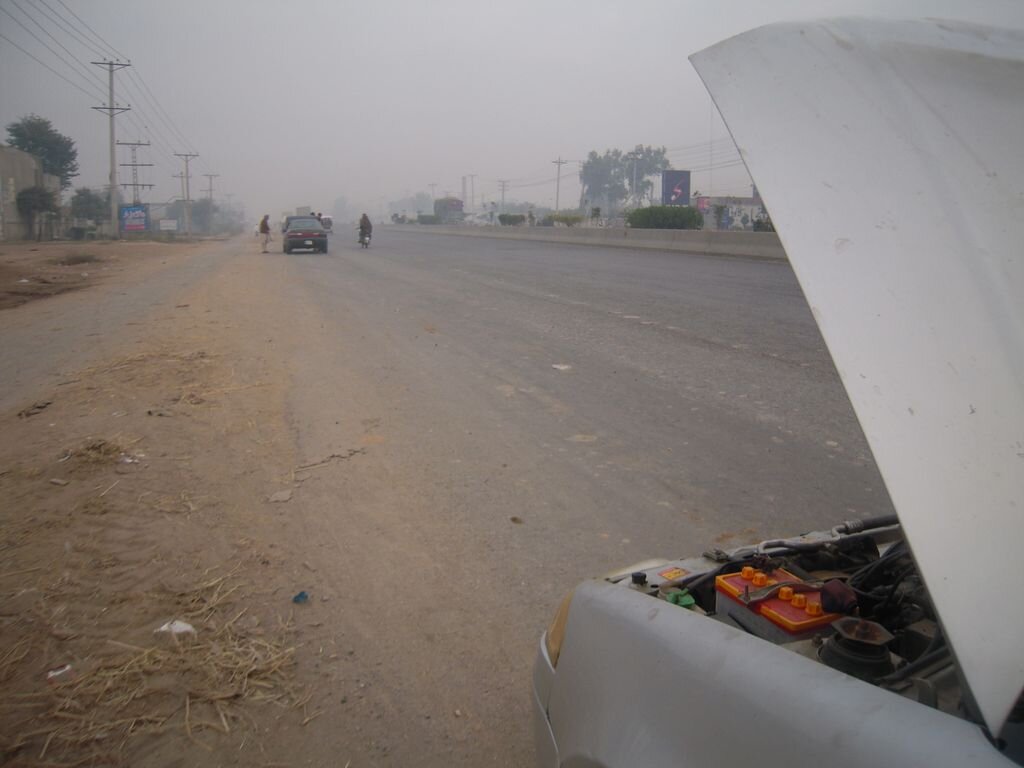


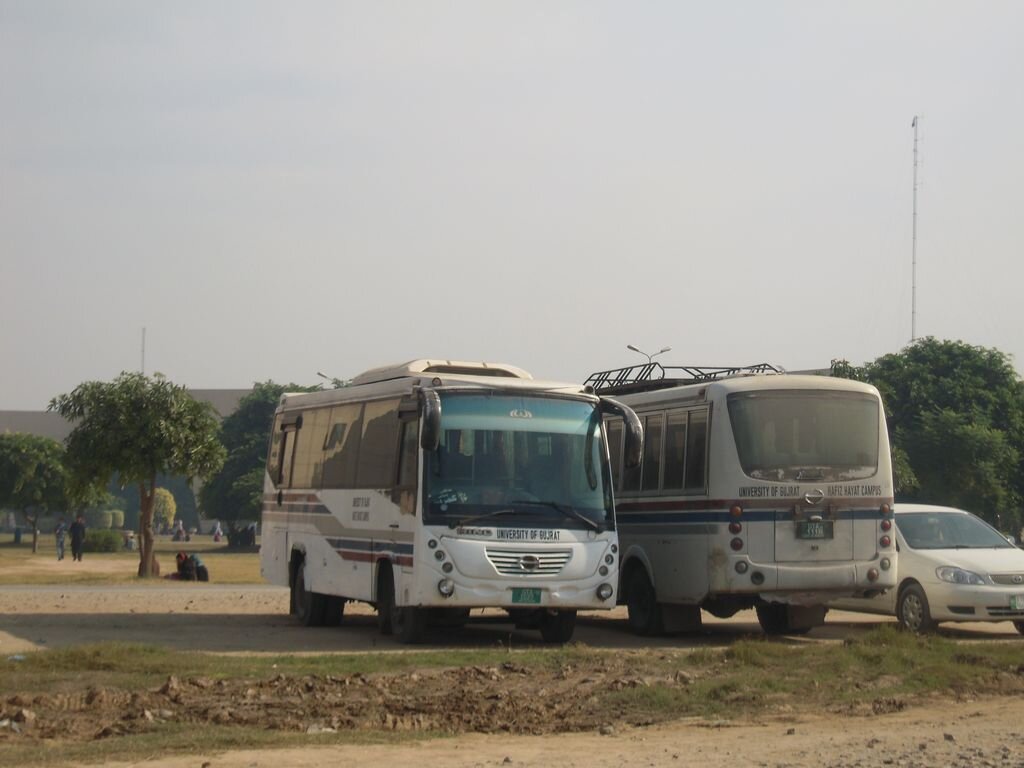
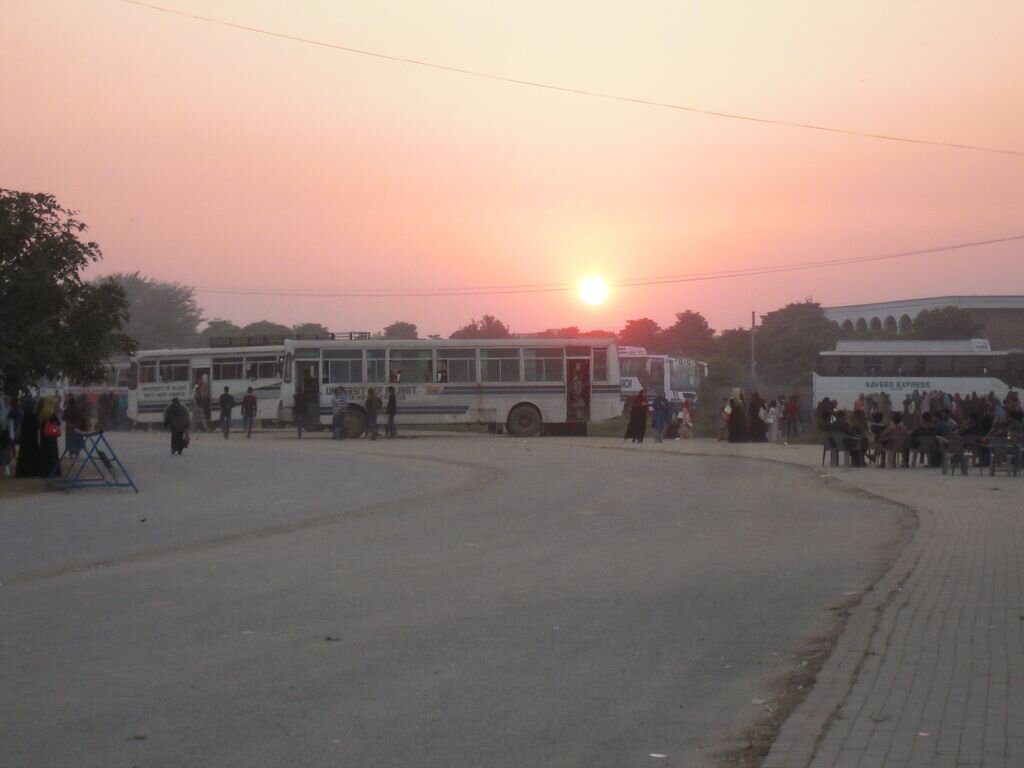


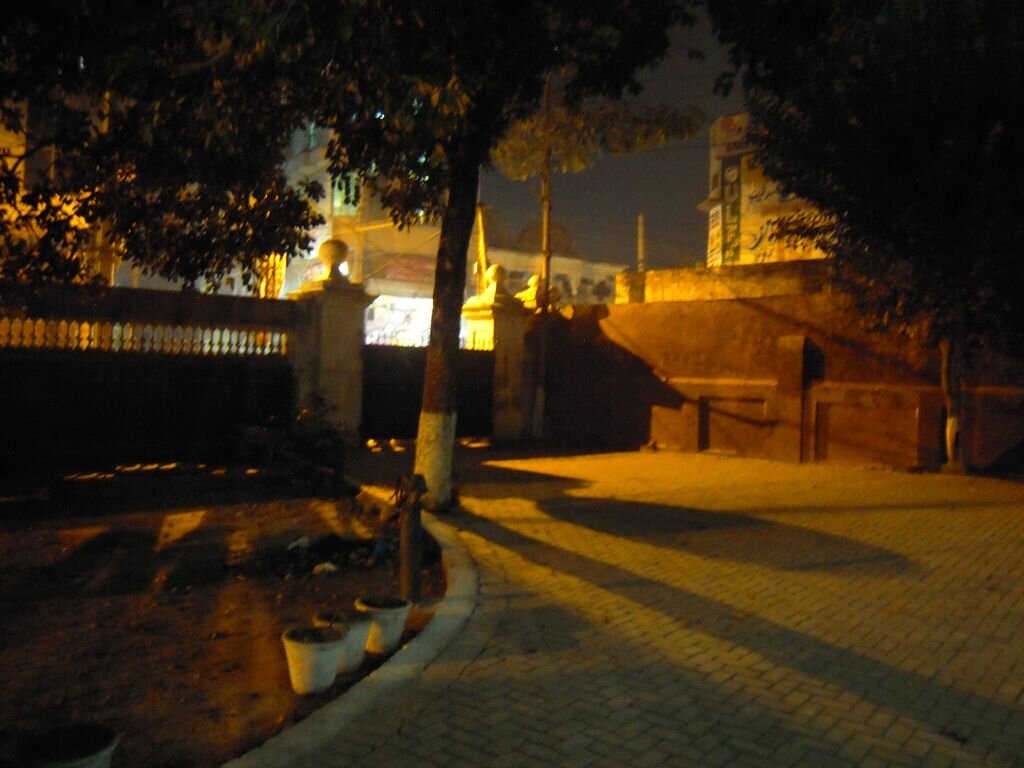

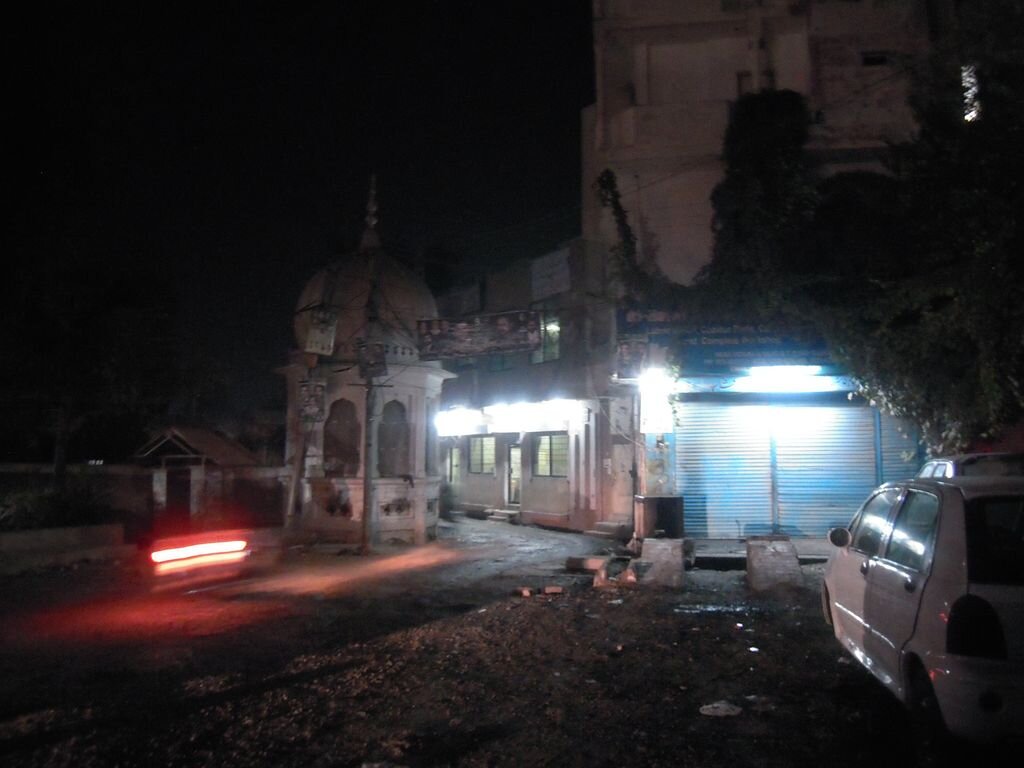

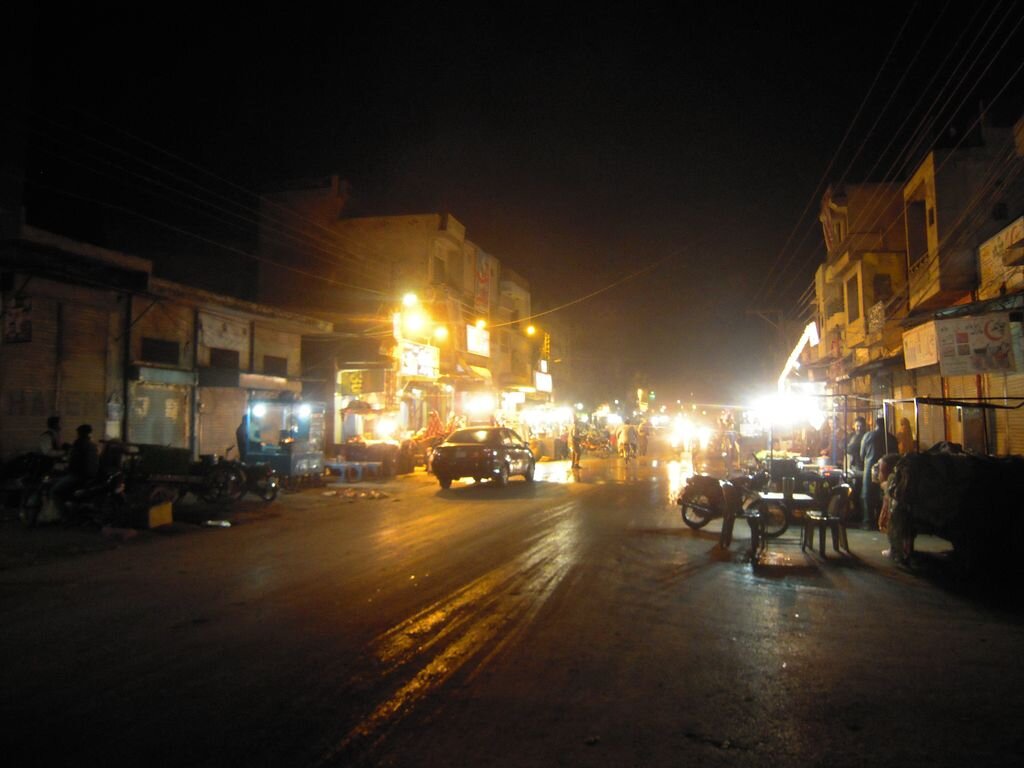
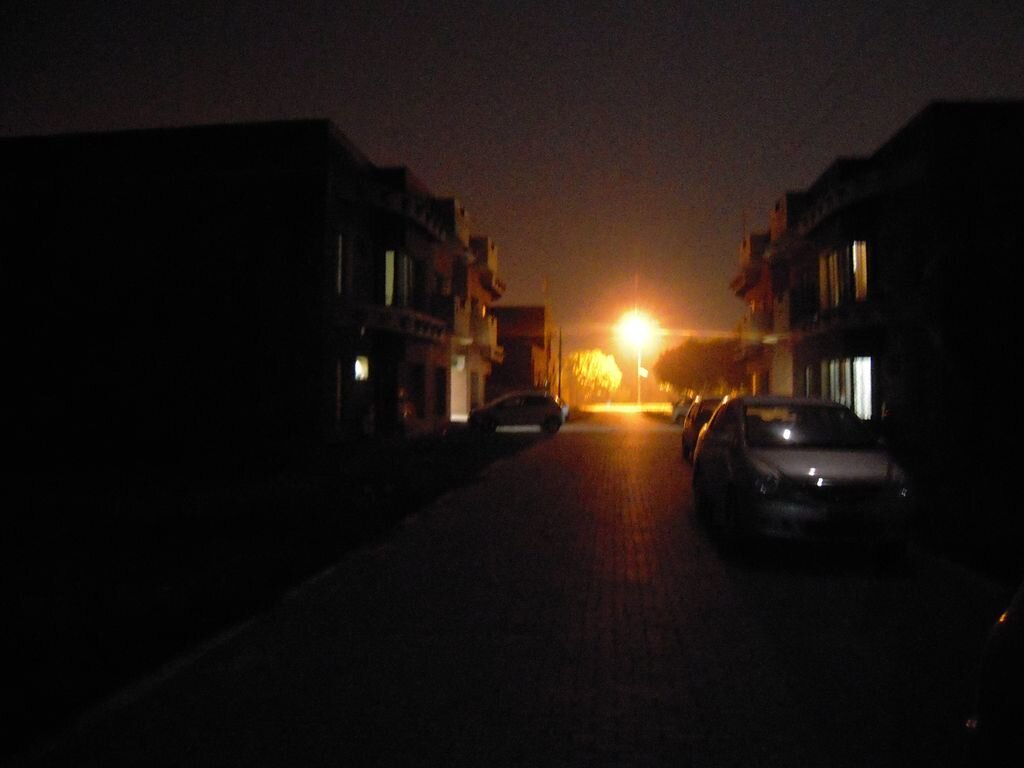
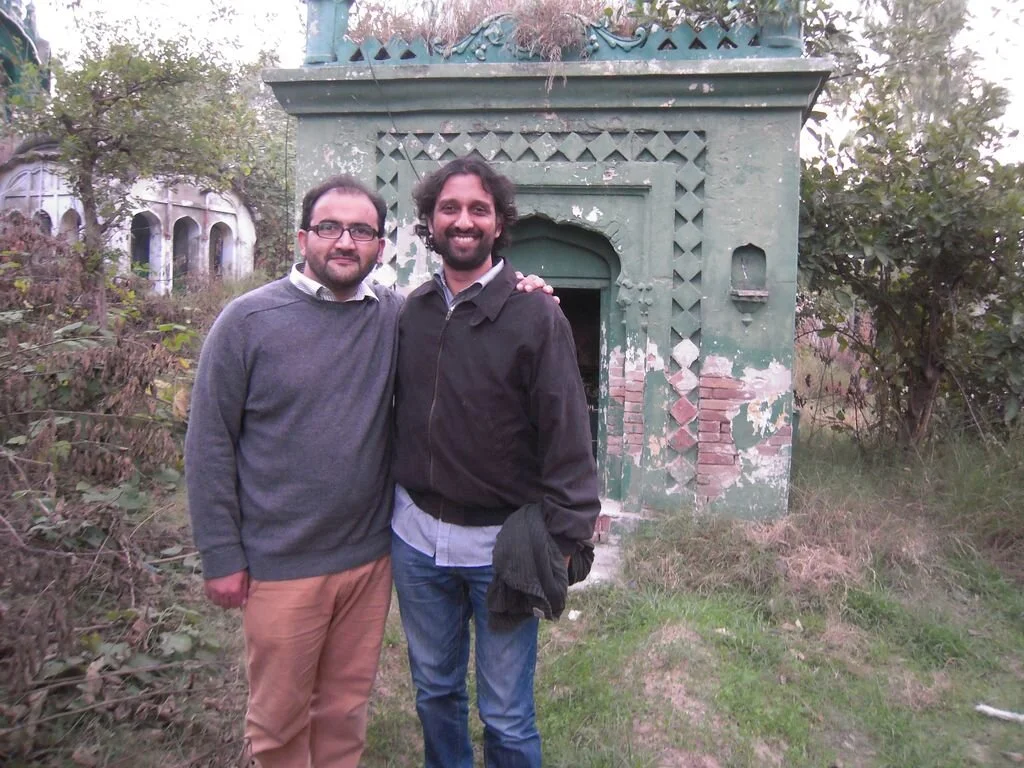
I got a call early in the morning that my ride to Gujrat University had arrived. I finished getting ready and head out to meet Fayaz in an empty lot off the main road, since the place I am staying is in a narrow lane and there are no street names or house numbers to speak of.We had been driving for a bit when a breaking sound came from the engine and we pulled over. Luckily, there was a motorcycle repair shop by the side of the road. After a bit of back and forth, they patched up the car. Like most cars on the road, it was just barely held together enough to run, so we were on our way again. I watched the landscape change and a few small towns and farm land lead us to the outskirts of the city of Gujrat (in Punjab, Pakistan). The campus had beautiful buildings and wide open spaces with lots of greenery.I met up with Anwar, a lecturer there and had been a student when I met him at CEAD in Jamshoro, Sindh years ago. I got to meet some of the staff and walk around a bit. We grabbed some breakfast at the canteen before I gave a lecture on my work. It was fun to share. We scheduled another lecture for the next day, then went out for lunch.In the evening we visited the tomb of the man who bequeathed this land for education. It was overrun by grass. After that, we visited some old buildings in the city.
Books
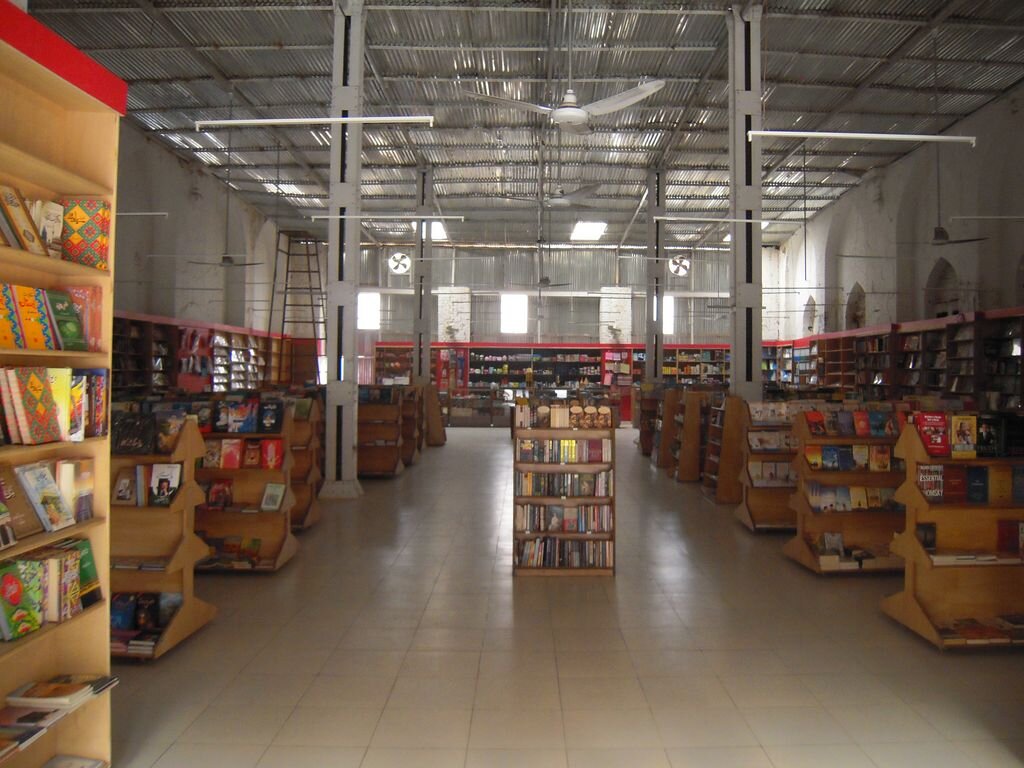
I spent the rest of the day hanging out with my friend Kabir, sifting through stacks of old books at the Sunday book fair and then heading over to Ferozsons book store.


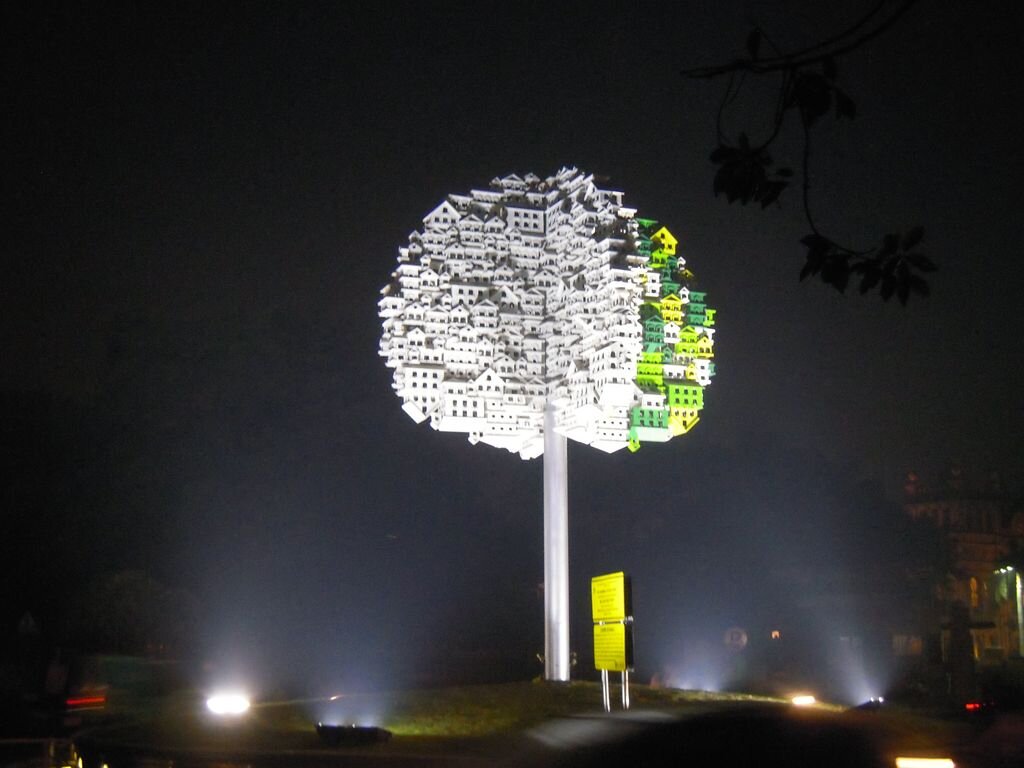
I spent the morning at the Landa Bazar, looking for some cloth for a river bank for “Risalo”. I have been here so many times over the course of this project. It is great to see the finished backgrounds, neatly framed in cloth. Umar has done a beautiful job of helping to design these backgrounds and hand stitching and figuring out the many challenges to bringing the designs to fruition.I took one of the finished backgrounds to the bazar to match some colors. Most of the people selling cloth in large heaps could not be bothered to talk to their customers, but as I looked through the stacks at one stall, I chatted a bit with the owner as Umar and I have come there quite a bit. I opened up the background and showed him what we had been up to with all these pieces of cloth that we had purchased here. He was really happy to see it and told the neighboring shopkeeper all about it and called him over to have a look. They really appreciated the hard work that went into piecing it together. It was fun to share.I spent the rest of the day hanging out with my friend Kabir, sifting through stacks of old books at the Sunday book fair and then heading over to Ferozsons book store. They have opened the whole back area of the store again, having rebuilt it after an electrical fire years ago. I grabbed some ice cream at Chaman, then sat down with some book collectors and sellers. Over tea, it was interesting to learn about big estates in Lahore that housed huge libraries that ended up being sold for their weight in paper, rather than the true value of all these antique books that had made their way into the hands of a private collector from all over the world.
Latest Posts
- animals
- animation short film concept art
- california
- china
- condo
- costa rica
- culver city
- dance
- dance performance
- data darbar
- desert
- downtown
- festival
- figure drawing
- film festivals
- ger
- hasan abdal
- hate crime
- human rights
- humanrights palestine israel conflict activism
- India
- jamshoro
- kyrgyzstan
- la zoo
- lahore
- landscape
- landspcape
- life drawing
- live music
- live music performance watercolor sketch
- los angeles
- los angeles forest
- mogolia
- mongolia
- montezuma
- motel
- music
- music show
- musicians
- naadam
- nadam
- nankana sahib
- Orange County
- painting
- pakistan
- palestine
- panja sahib
- photo
- photography lahore pakistan travel people
- photos
- post natyam
- protest
- risalo
- sindh
- sketch
- sketches
- students
- sufi
- travel
- ucla
- USA
- uzbekistan
- uzbekistan people travel photography
- venice beach
- volunteer
- watercolor
- watercolors
- wrestling
- Yorba Linda
- zoo