How to keep things going?
How to keep things going?

 First thing in the morning, I put together emails for Rajesh, the puppeteer in India with designs for custom puppets as well as reference guides. That took a few hours, then I went back to Sindhology to ask about a musician I could not find the name of in a video I had, and to pick up some recordings that Zulfikar sahib had picked up from Maka sahib who had a record label called AA from which I found most of my current day musicians.The musician ended up being Gulzaib Panhwar who sang a beautiful rendition of Rano. Zulfikar Ali Gopang sahib had recorded that piece at a performance, it turns out, at Mehboob Ali Shah sahib’s place, which I had visited on Friday.I came home and knew that I had to get this Sindhi verse matching task going. People were helping, but they were also understandably busy, and it could take weeks or months and even then there was no guarantee I would be any further along if I just waited. I called Mehboob Ali Shah sahib to see if we could meet. He agreed to meet me the next morning to help me. As this is part of my work for “Risalo” I offered to pay for his efforts. It’s a tricky thing to offer pay. Many who are helping me are helping me out of their kindness and a desire to push Shah Latif’s words out into the world. If I offer to pay people in certain cases, it will offend them. At the same time, I would not think less of anyone if I paid them, as it is their right to be paid for their work. Mehboob sahib said we could simply discuss it when we met.I slept a bit easier, knowing that there was some positive step toward this challenging task.
Shooting the Sunrise
Shooting the Sunrise


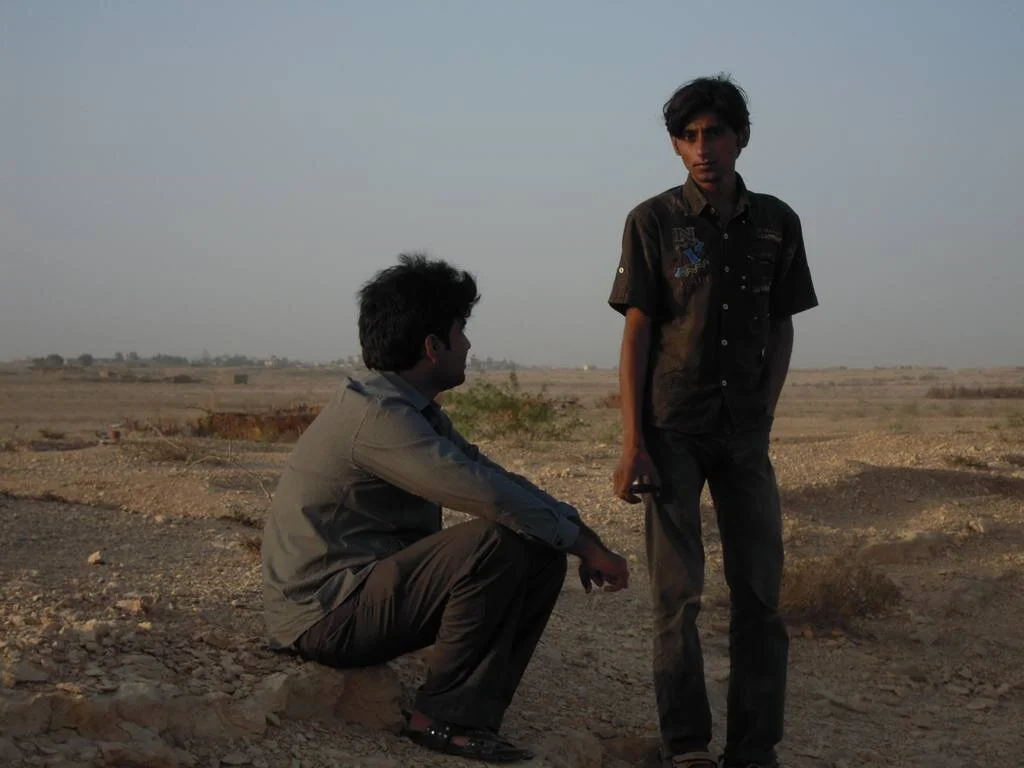
I woke up at 5 am and called Abdullah. He was up and getting ready too. I got ready, and he picked up a friend of his then me. By about 5:30am, we were just past Mehran University, off a dirt road with some rocky hills. As fate would have it, the direction the sun was rising from was where all the buildings we had left behind stood.My other still camera had been stolen, which had some nice time lapse features which I had planned to use for the sunrise. The cheaper, used replacement I had picked up also turned out to have a time lapse option. I had gone through all the buttons and settings of the camera the day before to prepare. I set it up just behind a hill to capture the sunrise. I ended up moving it 3 times as we figured out the exact location of the sun.Meanwhile, I took my other camera and shot footage of rocks, shrubs, and other details. This is all for one of the scenes in “Risalo”. As I did all of this, my two friends were chatting, giving suggestions where they could help and watching curiously. I explained a bit if what I was trying to do as I fiddled around, up and down hills. Off in the distance we were being serenaded by relentlessly barking dogs from small tent settlements. They were warning us to stay away from the livestock under their protection. We kept an eye on them too, because we really did not want them to visit.The sun began to rise around 6am. I shot lots of bits of footage based on what I had storyboarded and also based on what was in front of me. Afterwards, we dropped off Abdullah’s friend, and my gear. Then we head to Javaid Solangi’s place for breakfast. I got to meet Javaid’s father, but Javaid, famous for his ability to sleep through anything was not able to wake up. That was fine, Abdullah and I were tired too. We enjoyed some breakfast and tea, before he dropped me back at the hostel.I tried to sleep, but could not. Instead, I just lay down to rest and fiddled a bit with the footage I had shot before and what I had shot that day. I spent the day, relaxing in the heat, working on bits, resting and biding time.I spent the day finishing a few more puppet designs. It took a lot of drawing, reference gathering and redrawing, but I needed to finish these designs to send off to Rajesh in Udaipur to get made. He had sent me some photos of puppets he had, amongst which I could get a few background characters I needed, but the main characters needed to be custom made to my designs.That night, as every saturday night, the amazing hostel cooks were off. These guys work very hard, and I look forward to each meal thanks to them. I called in an order to a little fast food place, then studied a book I had picked up on various Sindhi musical instruments. The food arrived, and I ate my zinger (the word for all chicken burgers here it seems) with fries and a little can of mirinda (orange soda).
Designing in the heat
Designing in the heat


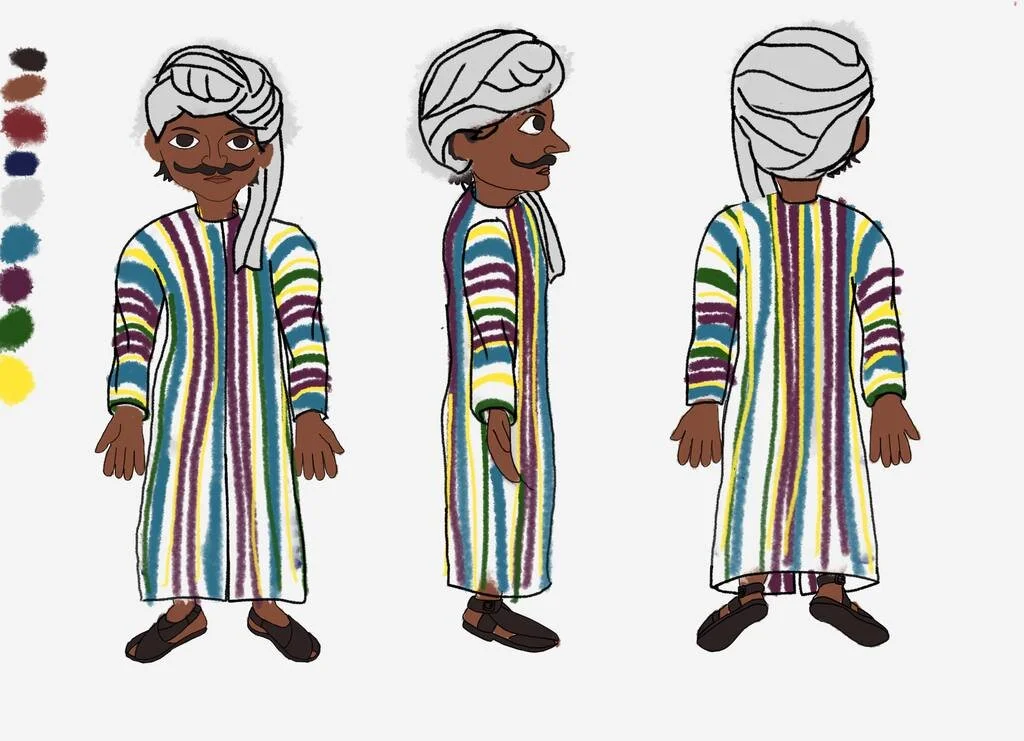
I spent the day working on some more puppet designs to send to Rajesh, the puppeteer in Udaipur, Rajasthan, across the border in India. It’s hot here, so I work for a bit, drink lots of water, take a nap and repeat to get through the day. By evening, I was good and ready to sleep or so I thought. I ended up staying up late.Abdullah had graciously agreed to take me out to some area where I could shoot some video of the landscape during a sunrise early in the morning, without all the trash that people have defiled this land with in more inhabited areas of Jamshoro. I tried to sleep around 9pm, but ended up falling asleep just after 1 am.
Meeting Mehboob Ali Shah
Meeting Mehboob Ali Shah


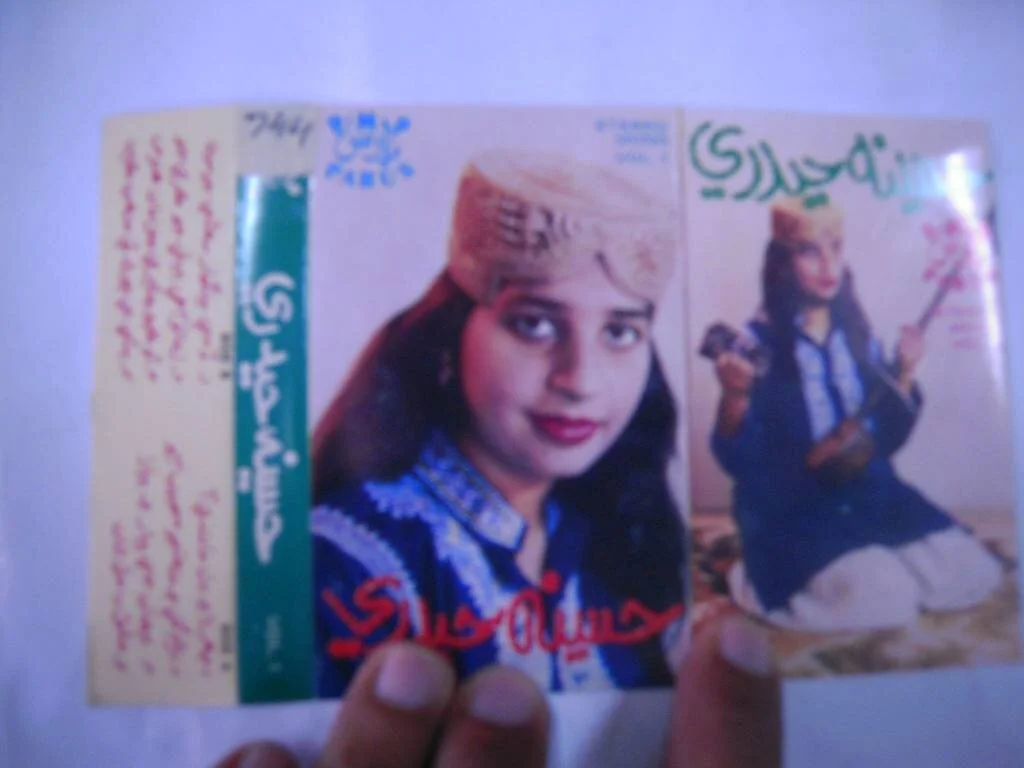
I went back to Sindhology, and was requested to pick out the tapes I would like to hear from the register. I was asked if I can read the register in Urdu and at times Sindhi. I could, even the Sindhi enough to pick out names of artists. I had been looking at tape covers to figure out which had female singers, but these tapes are a treasure and impossible to purchase these days. People have been known to lift selections and so you are not allowed to directly access the collection. Instead, you pick out tapes from the register and go from there.I went through the register and picked out every female sounding name I could find from the remaining collection as well as a few that were specifically tapes on Shah Latif’s poetry. I was struck by how few tapes there were with his poetry.It was a bit tiring to listen to portions of each of these tapes I selected, but I felt I needed to hear as much of what has been done before as I can, to properly play with the material. Most of these singers had long passed on or were probably far too aged to perform at this point, so I really could not look to this collection for contemporary artists. However, the music of that era, when the public better supported their artists was also something I could not find today, and in it a richer variety of Sindhi music than could be seen in current CDs.I finished up, then head back to the hostel. I called Mehboob Ali Shah sahib, whom Zulfikar Ali Gopang sahib had recommended I speak to regarding Shah Latif’s poetry from a Sufi perspective. He agreed to meet me. I called Abdullah, one of the circle members who had been gracious enough to give me time. He too was interested in going, so he picked me up on his motorcycle and away we went.We arrived at Mehboob sahib’s home. The gate was open. On motorcycle, we stood outside and a man invited us to enter. Inside was an open sitting area. The sun was setting. Mehboob Ali Shah sahib came out to greet us and we sat and spoke. With each meeting, though there is a task to be finished which has brought me there, I do not want the interaction to be just focused on getting things done. I would lose a great deal if I did not take the time to share a bit of what I am there for, but then listen to whatever is being offered.I decided that we could focus on sur Sorath, the story of Bijal the musician and Raja Rai Diyach, the king who had everything monetary but no peace or happiness. This way, with each expert I met, we could try and tackle different sections of the material, in the hopes that it could be pieced together with all of this generous support.Mehboob Ali Shah sahib is the son of another revered local poet and scholar named Sardar Ahmed Shah Lakyari, who has a tomb in Saeedabad. He too was devoted to the verse of Shah Latif. He studied it and shared its vast richness while also writing his own poetry. His son, now older as well carried on that tradition. Such was their devotion, not to some mythical figure of what Shah Latif might be, but to the true essence of the words that have brought many to revere him.Before discussing sur Sorath, Mehboob sahib shared an introduction of Shah Latif’s poetry, to sort of set the stage and context of what it was that we were discussing. He shared a beautiful quote regarding Shah’s own thoughts on his verse which mentioned that this was not poetry, but ayats (scripture) to bring your heart closer to the beloved.He also spoke of how the verses themselves were written by Latif according to his own spiritual needs. They were there for any who found value in them and were given freely for those who wished to apply them for themselves, or discard them to keep seeking whatever it was that they needed. The point being, that there was no ego regarding the necessity of everyone to follow what Shah Latif needed for his life. These verses were needed by him to navigate his life and but there was no compulsion or expectation that others need follow him.I also heard views on the selection of folk stories as a vehicle to sharing Shah Latif’s thoughts. Mehboob sahib said that he selected stories based on various criteria. Partly based on where he had travelled and also based on how that story contained the elements needed to convey his thoughts. Sorath, he shared was about asking or begging for that which one needs. This became a perfect vehicle for Shah Latif to express that dynamic between asker and receiver and how the roles are often reversed.He went on to share some beautiful chosen verses, which he read in Sindhi, then graciously translated into Urdu for my benefit. It turned out that several of those verses were among ones I had chosen and so I was able to find the original verses to several that I had chosen for my script.The whole time, there was a peace about the whole discussion. Mehboob sahib has a rich voice and he has a way of conveying the depth of what he is sharing through stories and examples that become easy to understand. This is how he deconstructs Shah Latif’s verses, to offer even a non Sindhi speaker such as myself, a taste of the beauty therein.I was struck by his sagacity. His adorable grandson was there with us. He was probably almost a year old, walking about and starting to speak in his own baby language. Mehboob sahib woud be in the middle of discussing a deep point, when the little one would stumble into his lap or ask a question. It was heartwarming to see how Mehboob sahib turned to the child with such love, to answer his question or acknowledge his presence and give him some love before going right back to sharing the depths of philosophy and poetry. To me, this seemed to exemplify the application of what was contained in Shah Latif’s verses.He shared such a wealth of knowledge with Abdullah and I. It was dark and we had been pouring over books with flashlights for most of the session. After several hours of sharing, we said thanks and goodbye as we head out.We rode back to Javaid Solangi and some of his friends. I was kind of floating on the appreciation of both Shafqat Qadri sahib and Mehboob Ali Shah sahib’s sharing of their wealth of knowledge with me on Shah Latif and his poetry. These moments help keep me pushing to get this project made.After some time hanging out with Javaid, Abdullah and some other friends of theirs, they insisted on making sure I had some food before they dropped me off. We grabbed some food, then I was dropped to my hostel.
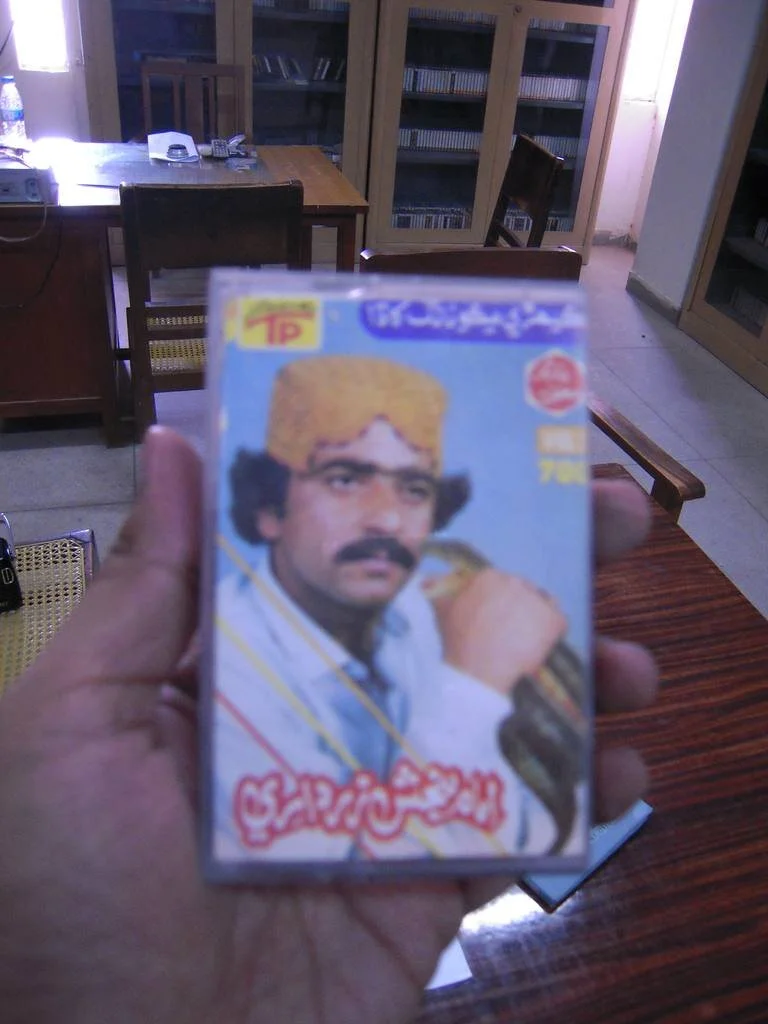
Audio Tapes at Sindhology
Audio Tapes at Sindhology


I went back to Sindhology with my new tape player in hand and spent the morning sifting through 30+ year old audio tapes, focusing on female singers and noting down the qualities of each voice. The beauty of many of these recordings for me lies in the complex layering of acoustic instruments with so much variety and beauty.The singers voices vary, but I was struck by the lack of emotional resonance in delivery of poetry. What I mean is that while the voices are beautiful and interesting and rich in variety, the bit that I most looking for was missing for my purposes with my film “Risalo”. The tone of voices was mostly consistent, rather than emphasizing particular words and emotions. There was almost no one who even sang Shah Latif’s poetry. I am told that the Sindhi of Shah Latif is difficult even for native Sindhi speakers. The language is old, with usage of many terms that may be unknown to most today, and yet rich with depth and meaning. Few singers can even begin to present this richness in their voices.I went through a more than half the collection in this session. I’ll return for more. I stopped at lunch time, to go eat some food at the hostel, rest and work on drawings for other aspects of “Risalo”.Zulfikar sahib had suggested another person I should meet who was an expert on Shah Latif’s poetry, but came to it from a Sufi background instead of the more academic background of others who were helping me. Each was invaluable in their insights and help, but each also had the potential to offer varying points of view which are invaluable.I spent the evening with some students from the study circle who graciously gave me time. It was good to have a break from my own mind.
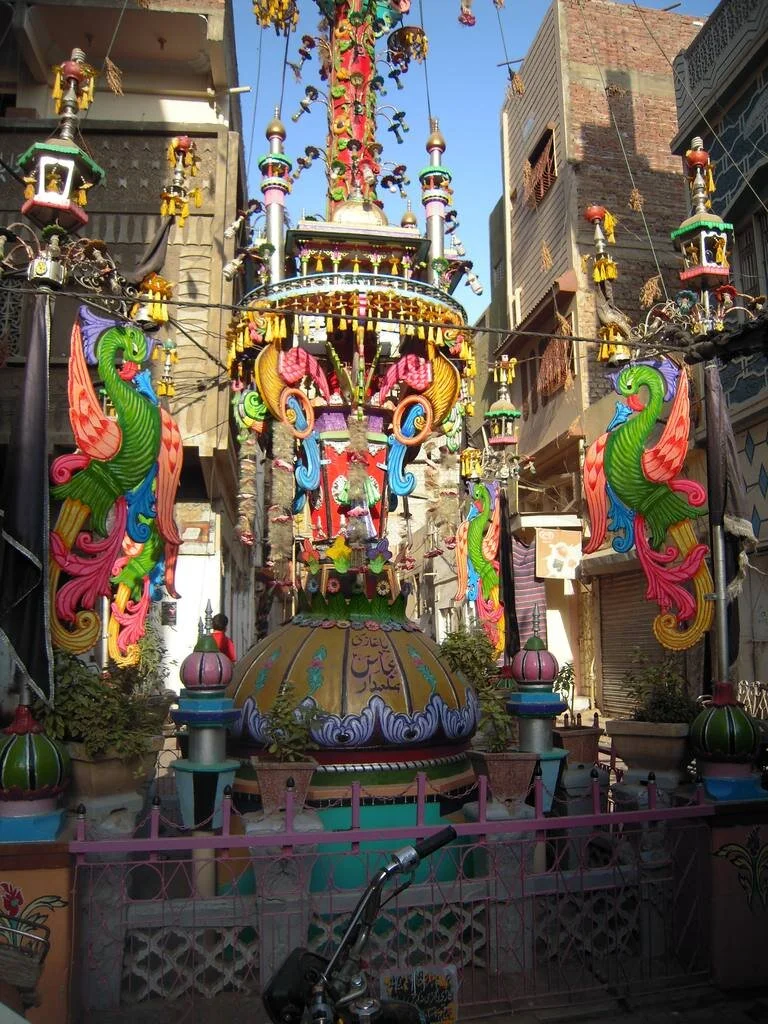
Hisam to the rescue
Hisam to the rescue


So, I've been struggling to find people who are experts on Shah Latif's poetry, who can help me get the original Sindhi verses for the Urdu translated ones I am working from. Each Sindhi edition is different and so the task requires someone who really knows it well.My friend Hisam took me over to the Sindhi department in the University. I had looked up the outdated page for the department online to find possible contacts. It turns out that he knows people there, so we head there to talk to them.I'm always humbled by how nice people are and encouraging towards the work that I am doing, and willing to help, despite being very busy. I got some info on an original Sindhi edition of the Shah Jo Risalo that might better match the translation I am working from. Cacca sahib even checked out a copy from the library in his name to let me try it out.I also dropped off a few sheets of the script to the head of the department who kindly offered to have a look. I would love to take care of this myself, but really, I can't do this without the help of all of these generous people, who so love Shah Latif that they are willing to take time out of busy schedules to help me with a project to promote his work.That whole process just made me feel a lot better after the past week. Afterwards, I visited the fine arts department, where I had taught about a month ago. It was nice to see the students and faculty friends. Hisam's brother got me from there and I dropped off a few things in my room before heading with him to the paathak, where I catch the bus for the city (Hyderabad). I went along the bumpy bus ride to the city, then got off where I needed to catch a rickshaw to get to the Sindhi Adabi Board bookshop. Everywhere I go, people offer tea or sodas, so I end up drinking quite a bit of both. I looked at the books, picked a few out then sat down to talk to one of the people at the shop. I found a copy of the book I had gotten from the professer at the Sindhi department, so I picked it up. I also grabbed a book of Urdu translations of another famous Sindhi poet named Sachal Sarmast as well as a book on Sindhi folk musical instruments.We had some tea and chat for a while, before I head down the street to find a tape player. Along the way, I stopped at the Oxford bookstore. I am always surprised at the amount that prices are discounted at the publisher stores. It makes these great books very affordable.I made my way to a mess of electronics shops. I kept asking people for tape players and they directed me all over. Finally I found one, but I really did not like the shop people, so I kept walking. Eventually, I found it at a few other places down the road, and picked it up from a spot where the people were eating their lunch. I had a funny chat with an eccentric old man and the shopkeepers while they ate. It gave me a chance to sit and rest a moment. Then they showed me the tape player. There are not that many options, so I went ahead and bought it.For musicians, I still need to figure out the female voices I need to reach out to, and listening to the tapes in the audio library seemed to be my best bet at finding the voices I wanted. Since they don't have a working tape player, I picked one up.From there, I walked further to say hello to my friend Majeed Sumroo at his office. He was just about to head out when I saw him at the entrance of his building. He insisted that we grab some tea or soda, so we went over to a shop, sat down, enjoyed a couple of sodas and caught up. It is always great to see him.From there, I said hello to the poet/book seller nearby, then hopped on the bus to get back to Jamshoro. I even saw some camels right before the bus arrived. On the bus, I ran into a guy who works at the hostel general store. We caught up a bit, then decided to hop off and take the University bus the rest of the way, as it would take us to the hostel doorstep.I got back, then head over to the weekly Shah Latif circle. We waited for our scholar friend Shafqat Qadri to drop by and lead the discussion. I did not understand 90% of it as it is in Sindhi, but it is a cool thing. I just sat and read my Urdu translation. Afterwards, I grabbed some dinner, then Shafqat sahib opened up his mind and vast knowledge to me and we sat until 3am finding the Sindhi verses that correspond to the Urdu ones I chose. We managed to get through about half of one of the stories. He used 4 or 5 different copies of the Shah Jo Risalo, and combed through the text meticulously to find the best match. I could not ask for better help in this task. He also pointed out some other beautiful verses along the way, including some fantastic ones that were not included in Sheikh Ayaz's Urdu translation that I read.The boost of progress did wonders.
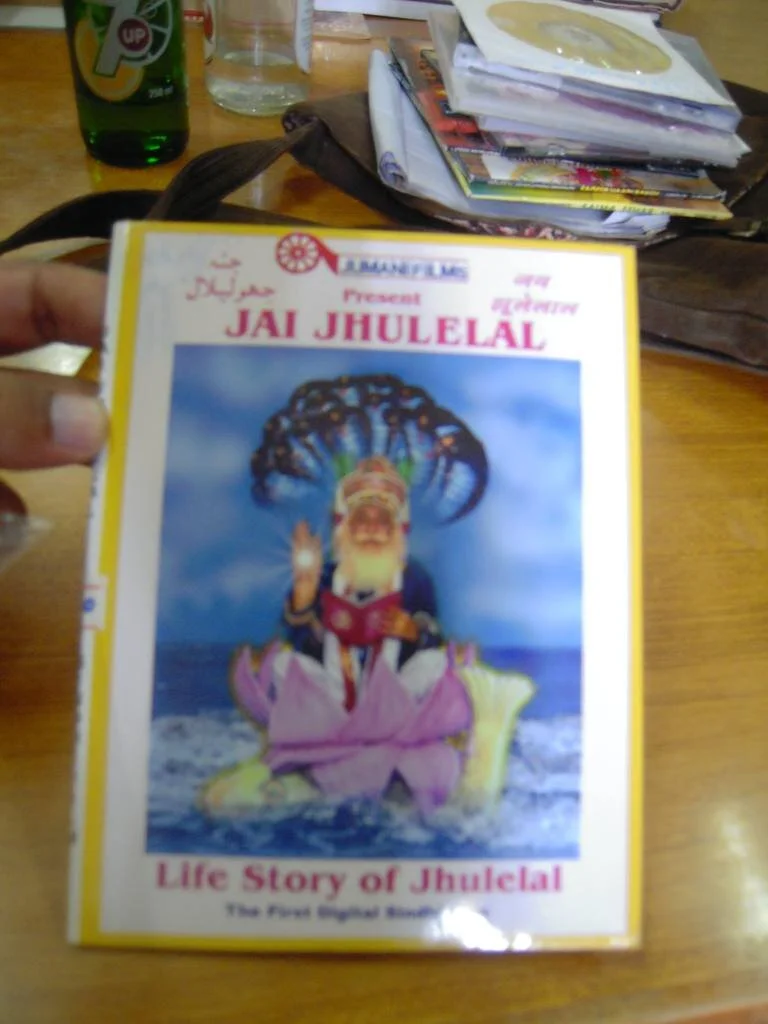
Second visit to Sindhology Audio Archives
Second visit to Sindhology Audio Archives


This time, I got to check out the DVDs and CDs that had been gifted to the archive. Many were from the Indian Sindhi community. It was interesting to see a glimpse of Sindhi culture from India and around the world, but there was not much in the way of music that could be relevant to my film.All the real folk music I have seen is still very much here in Sindh. Things I have seen and listened to from Sindhis outside of Sindh tend to be pop and never up to the quality of what I see here, except for some folk musicians in Rajasthan and Gujrat who also sing Sindhi music.I just don't see the appeal of a lot of the watered down pop singers when you can support the real deal.Since the library collection consists mostly of audio cassettes and records, I need to buy a tape player as the institution does not have a working tape or record player apparently.Oh, the hoops...
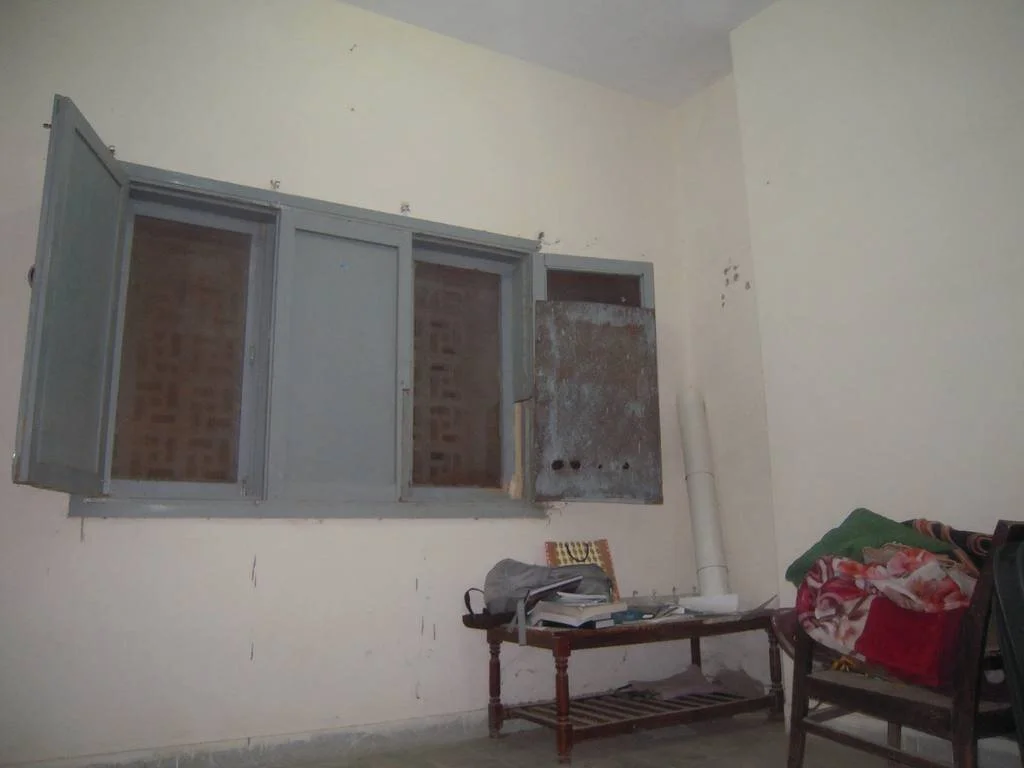
Visit to Sindhology Audio Library
Visit to Sindhology Audio Library

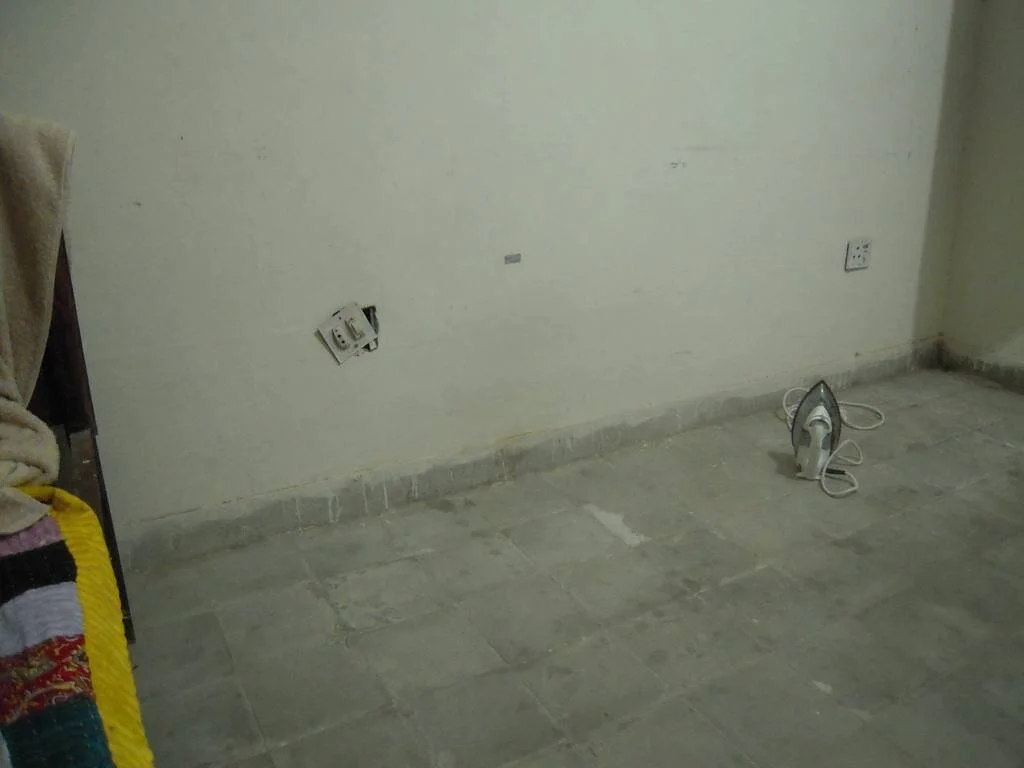
I visited the audio archives at Sindhology. I did not get to hear anything in the collection. I’m not sure why. I mentioned it several times while there, but nothing seemed to happen. Instead, I shared the recordings I had been studying on my laptop and learned a bit more about each of the musicians I had already chosen.The rest of the day was spent drawing and looking for people who might be able to help with the Sindhi script which involves taking the Urdu translated verses and finding the corresponding original Sindhi verses of Shah Latif’s poetry.Photos of my room...


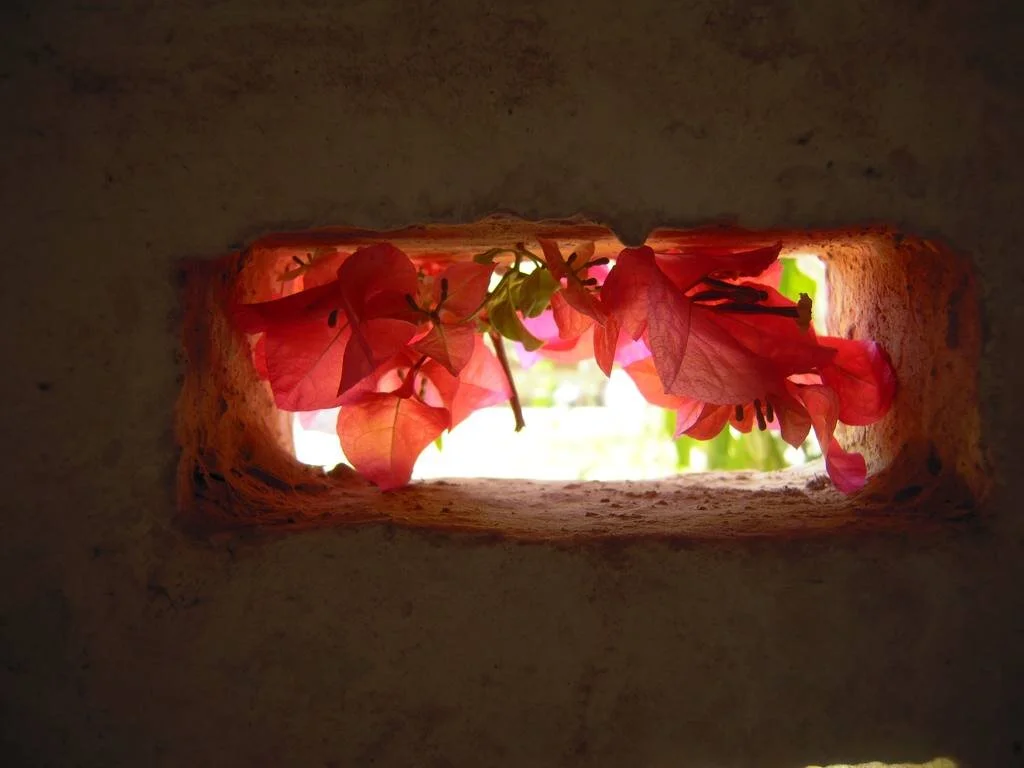
Biding time
Biding time

Sometimes you find beauty in the simplest places. Here in the hostel I am staying at, someone placed these pink, translucent flowers in a spot in the grill with beautiful results.Just biding my time, doing some drawing and planning for next steps on “Risalo”. Reaching out to people for help with the Sindhi script.


I went and spent some time with the super talented Najib Rashdi. It was fun talking art and eating some delicious watermelon. Perfect for a hot day.
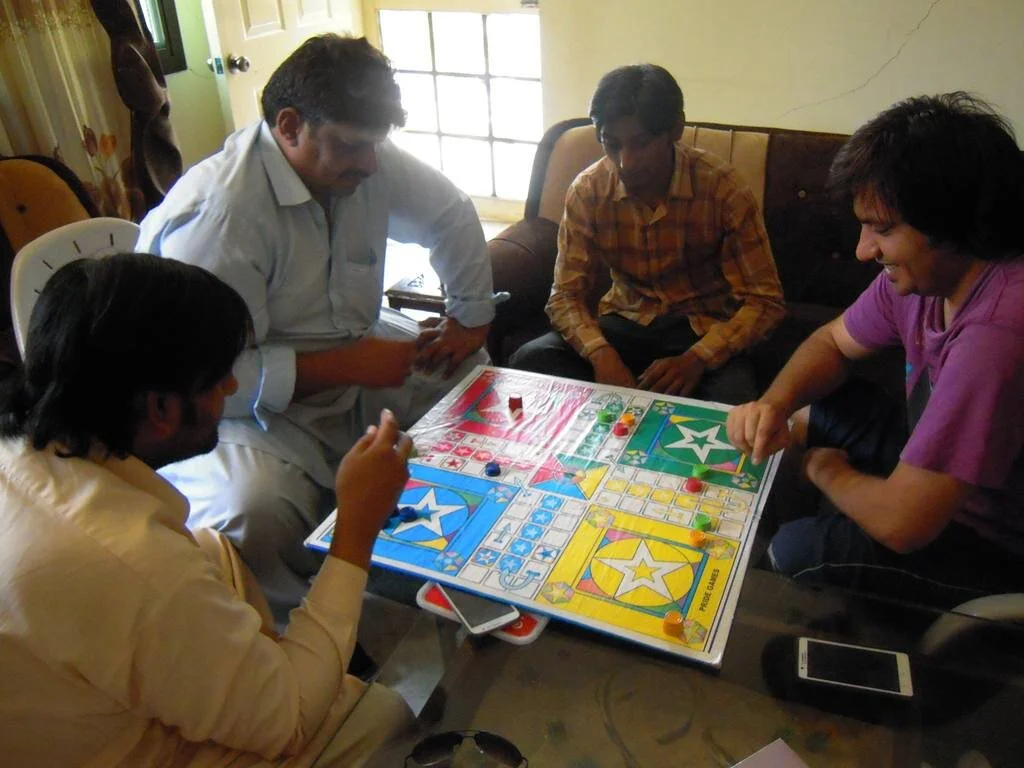
Bystander at the Ludo Championship
Bystandar at the Ludo Championship

 I listened to the rest of my music collection and noted down the best voices I found. There is no lack of musical talent in Sindh. The various traditions are rich and beautiful.I spent the day contacting friends to see if they knew of other people that might be able to help Javaid Solangi and I work out the Sindhi verses for the script for “Risalo”. There are some possibilities, but I really need to keep things moving.I spent the afternoon at Shahid sahib’s home and caught the guys playing a game of Ludo. I hung out and mostly talked to Javaid. It was a welcome respite from being holed up in the dorm room with my own thoughts.Just before sunset, I walked back to the dorm to write down a few musicians’ names. Tonight is quite a bit hotter than the night before. I think I will listen to some music to take me away from here for a bit and slather on some wonderfully poisonous Mospel.
Last workshop at CEAD
Last workshop at CEAD
I taught the last session of my classes at CEAD. The students wanted me to stay another week, but this is it for now.Afterwards, I hung out at the dorm and started listening to my Sindhi music collection to find voices that I feel could fit well with the sections of “Risalo”. Some voices seemed to clean, others to muddled. While each of the voices is beautiful, I want to find voices that have the rich texture that only folk music has, while maintaining the emotional impact of the poetry and also making sure it works on an audio basis even for people who can’t understand the words for longer sections of poetry.It felt good to listen to such rich voices. I wrote down names and possible Surs (chapters) that could go well with them.
hanging in there
hanging in there
Another day, another class taught. I came back and did some work, waiting, hoping to hear news of this other Latif poetry expert who might be able to help transcribe the original Sindhi verses based on the Urdu translations I selected.Shahid sahib picked me up and we head to a spot to shoot the sunset. I need some sunrise and sunset footage of landscapes here, but without the insane amounts of trash and plastic bags littering every inch of land. For that, we had to drive a bit away. We both took cameras. It was fun to get out to one of the not quite developed spots. Soon it too will be covered in plastic bags.For now, I found some spots where I could capture the stones and sand hills. It was fun to just get out and do something as opposed to struggle and fail. Though I have allotted time for this work, the time is not meant to be spent just waiting and not doing work. The more I wait, the less time remains to do the actual work. I am trying my best to use the time as best as I can.Afterwards we grabbed some faluda ice cream, which makes me happy. We had some dinner at his place afterwards along with Javaid Solangi. It was good to just hang out and feel like a human being instead of feeling like I am in limbo.
typing woes
typing woes

 Shahid sahib picked me up early for class, and I ended up figuring out the Sindhi keyboard issue before my class began. Things were looking up. I got Solangi sahib’s phone number.There was a weekly meeting and discussion on Shah Latif’s poetry at Shahid sahib’s place, in the evening so I head there. I understood the first part of the discussion in Sindhi, but once we started on the passage of the day, I was completely lost, so I just read my Urdu translation to myself and bided my time.At the end we all said goodbye, then Solangi sahib and I went inside to start typing. I thought this would be great. We could more or less paste passages, relieving Solangi sahib of a lot of the tedious work. Once we got started though, we hit many more road blocks. For one, each addition of the poetry includes and excludes different Surs (chapters), so we found a pdf version with the chapter we needed.Then we noticed that there were different numbers of verses and a different order. This is apparently common. So how do you find the corresponding verses? The original Sindhi language is old and challenging for people today. The Urdu verses are a poetic translation of the meaning. We spent hours trying to find the first verse. I really appreciate the enormous help, but I also felt very disheartened at how difficult each step is. We could not find it, but Solangi sahib called an expert friend who knows the verses and is familiar with this translation. That he offered to give us two hours of his time the next day, was hugely generous. That Solangi sahib is still undeterred and willing to trudge on with this is also incredibly kind. Everyone is busy with their lives and responsibilities. Who am I to come here with my weird projects, and yet people help me.I had already spent two months on finding puppeteers. The only reason it took so long, is because my first puppeteer contact did not want to connect me to any other puppeteers in Multan, so I instead of going there right away, I needed to find another contact. None of the arts organizations that I was able to speak to had any numbers and the one that did, does not give them out. What a mess.I can’t tell you how many leads I have followed. I filled a notebook with contacts and leads trying in every way I could to find puppeteers. Then when I found them, there was the challenge of sifting through people who were real puppeteers, and those just looking to make a bit of money as I was paying people to show their work. There was the whole dance of trying to not get cheated and get the info you need. It was physically and mentally draining, and none of this had to do with the enormous task of adapting the source material, which I had undertaken before even coming here.So, every step of the way, I struggle to make plans and backup plans, and find the right people, with help from so many friends, and yet despite that, I hit so many brick walls along the way. The creative aspect was understandably challenging, but so many of these other steps really should not have taken this long or been this challenging, but that is how my work in Pakistan has been. I am tired of reading the news back in the US, here in Pakistan and around the world about all the horrible tragedies and crimes that make my “suffering” pale in comparison.The puppeteers and Jogis often tell me that their prayers are with me. For that and all the people trying to help, I am endlessly grateful. I couldn’t sleep most of the night, as I weighed options, tried to figure out ways to keep moving forward and reminded myself that this can be done and is worth doing.
woo typing
woo typing


Second day of class, was not so impressive. The students are not particularly good at drawing and don’t seem to be interested in working to improve on it. They seem interested enough in the work I present, but art isn’t something you listen to and absorb, you listen and apply it.My job is to teach, so regardless of their effort or output, I give it my best. You never know where someone might catch hold of an idea and leverage it in the future, so I would rather not count anyone out.Unfortunately, whenever I teach, I end up getting roped into longer sessions that make it impossible to do other tasks during that time. I wanted to teach from 9am to 11am so I could go to the Sindhology research library every day for research, before it closed at 3pm daily to find musicians and musical styles for my film. What ended up happening is that I teach from 10:30am to 2pm and get back around 3pm due to lunch in between and how slow the students are to knock out a few sketches. This is how the weeks go by.That evening, I was trying to get ahold of Shahid as we were supposed to meet at his place down the street in the evening to work with his friend on Sindhi typing. I tried for hours with no response. I walked to his home and he was not there.Finally, I gave up disheartened, and sat down for dinner. Just as I was finishing dinner, his friend Javed Solangi came looking for me. I felt very grateful. We went over to Shahid sahib’s place and started working.There were many technical issues. I was searching for a Sindhi language keyboard install for Mac. We managed to find some PDF files of the Sindhi text. We were hoping to copy and past as much of the verses we needed as possible as typing with all the pronunciation etc is laborious and very time consuming, but there were issues in pasting and I could not find the keyboard.Solangi sahib was typing away on a PC and cross referencing the Sindhi book I bought for the short intro of the film. He kept at it, as I tried to get things going on my mac as pasting seemed to work better on it, but I needed additional Sindhi characters that are not in Urdu.Hours went by, and it was time to go home and sleep. He finished the first Sur or chapter, then dropped me home. We did find a Mac install, but it would need some additional troubleshooting which I would try in the morning.
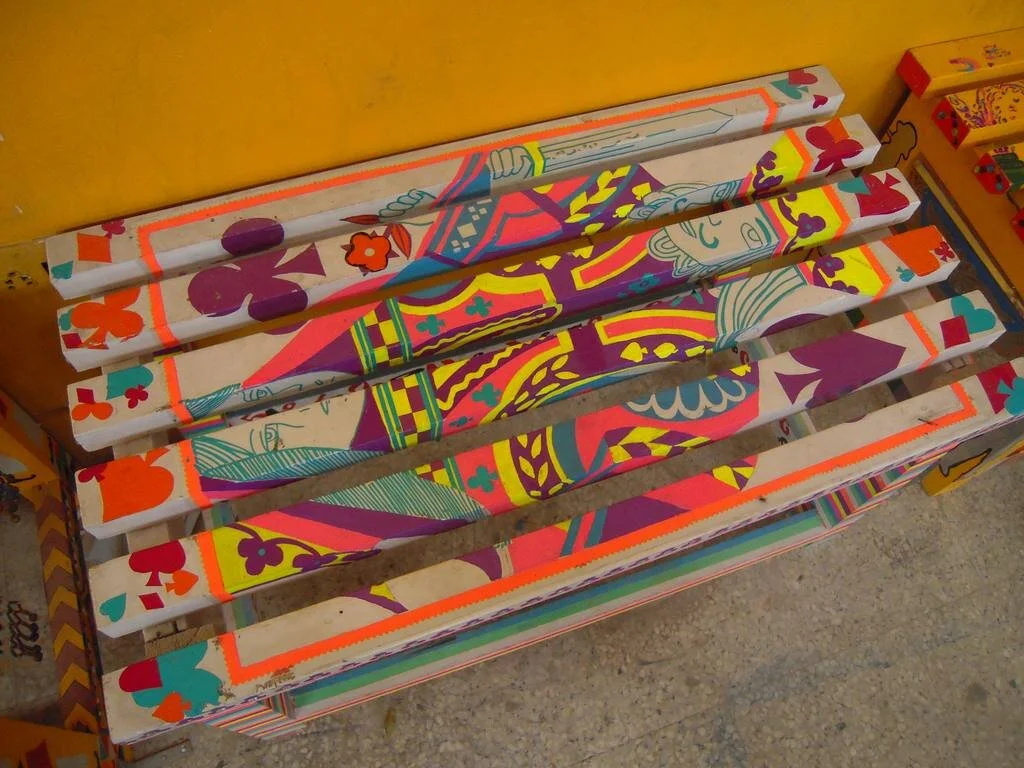
First day of class at CEAD
First day of class at CEAD


I started my first day of workshops at CEAD. Shahid sahib picked me up and we were off. The class was filled with 3rd and 4th year students. There is a lot of beautiful art in the courtyard, created by students, including these truck art themed benches. I gave the usual intro to my work, and process behind my short film, along with suggestions on how to use local culture to support it, and present it in new ways in your work to set yourself apart. As usual, students are pretty unresponsive in the beginning, which makes it a bit of an uphill battle to get through the class.You just have to trust that you are giving them something useful. I assigned some character designs for homework, then met the VC and with Shahid visited a friend of his who was interested in what I was doing and willing to help me transcribe the original Sindhi verses that correspond to what I had put together based on the Urdu translation of Shah Jo Risalo for my film “Risalo”.I went home and rested.
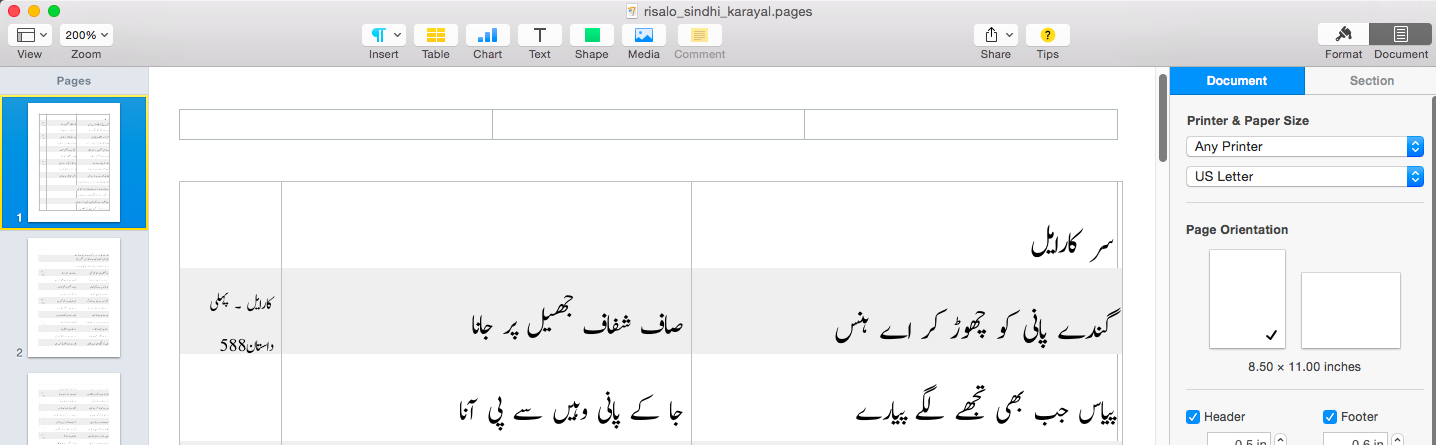
Typing up the Risalo script
Typing up the Risalo script

It was Sunday, and I had just started typing the Urdu verses for the script the night before. I spent the whole day typing verses and notating cross references. Thankfully the page numbers I had written from the previous edition were almost the same, just 8 pages off, so it was not difficult to find the verses.I typed the whole thing up with a few naps in between. The electricity would go frequently, and through the sweat, I kept typing until it was done. Afterwards, I had some dinner and went to sleep.

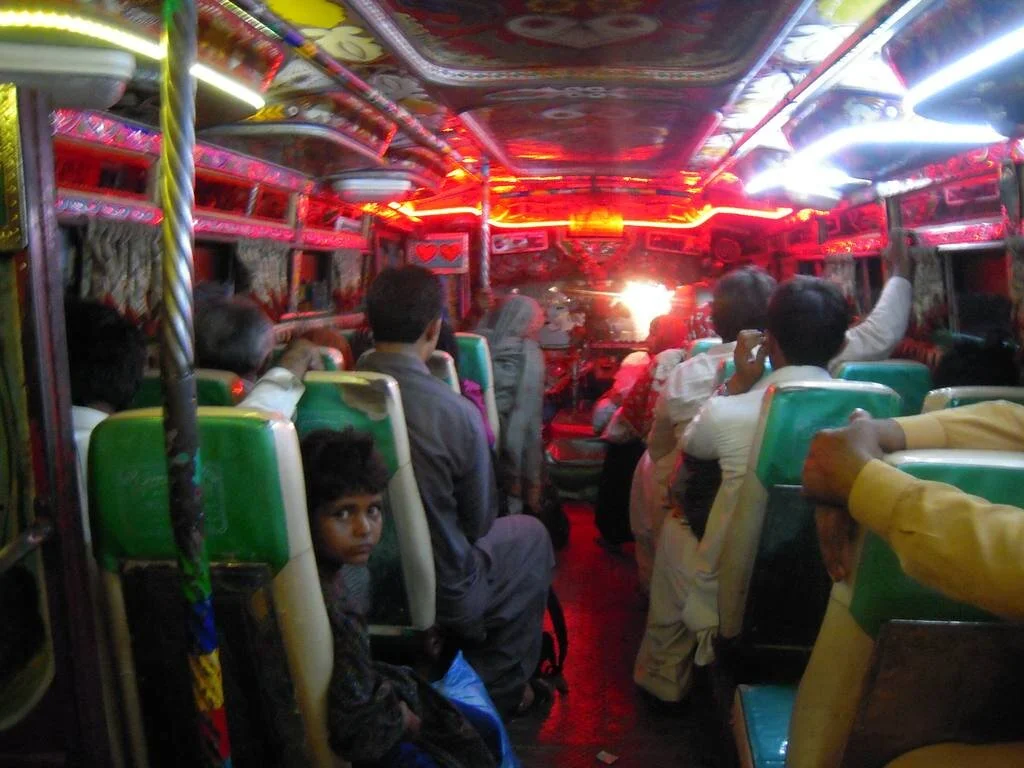
Meeting in Hyderabad and Funkadelic Bus
Meeting in Hyderabad and Funkadelic Bus


I had made plans to visit my friend Ustad Amb Jogi at Radio Pakistan in Hyderabad to discuss the music for “Risalo”. It takes a while to get to Hyderabad from Jamshoro via bus, so I thought I would try a rickshaw. Not a good idea.The rickshaw took at least as long, and went much slower. We stopped for gas for 20 minutes, then to make repairs, got stopped at a check point and the driver had no papers. It was quite a ride. Eventually, I got there and it was great to see Ustad Amb Jogi. After the roughness of the past week, he was a much needed friend.We grabbed some delicious lunch at a dhaba near by. The fish, karalai, and more fish were really good. I am even more strict on the bottled water thing now, after that last experience in Umerkot. I just don’t have the time or energy to deal with that.After lunch, we head back to the radio station, where we sat down and discussed the vision for the music. Ustad sahib gave me a bunch of names that came to his mind. Basically, we need to find people that can do the task of reading and performing poetry in a form and order that I have put together and fit into my budget. There is a lot to do, but having Ustad Amb Jogi on board is a huge relief.Afterwards we set aside the work talk and just caught up. It made me really glad to hear how with his generation in the family, they had gone from centuries of being wanderers like gypsies and had now settled down and focused on educating their kids. Many artists, including these Jogis and the puppeteers I met in Multan have had to face these drastic changes in their sources of income due to changes in how society consumes entertainment. Ustad sahib lacks literacy, but from a young age he focused his energy on becoming the best musician possible.Afterwards, I walked down the street to Hyder Chowk, to look for a few books I needed for “Risalo”. My copy of the Urdu translation was left somewhere, during all this crazy travel. Thankfully, I kept good cross referenced notes, so I can find all the stanzas of poetry I referenced, but I need that book. I checked one store, and they claimed that no one had that book. That seemed odd. I walked over to the book selling street carts in front of the building and the book seller assured me that he could get me several options.He offered me tea, then walked off to get the books for me from nearby shops. I waited, and watched the mad traffic around me. He came back with a few books. The same translation had been published by a different publisher as well, but I really wanted the same one so that I could reference the page numbers I had noted to find the bits of poetry I had chosen for the film.I also wanted a proper Sindhi version, as Ustad sahib and I had discussed the need for a script for both all the Urdu text and the Sindhi original verses so that singers could start learning them and working on it. That was my next task. After a couple of rounds of searching, I remembered that the publishers of that book were in the building upstairs across from me. I did not want to cut the book seller out of his commission either, but I needed to see the books myself to make a selection, so I let him know and walked up to the book shop telling him that I would just pay him whatever commission he would charge for the books. He was very nice and we had met briefly once before.Shah Latif’s poetry, upon which my film “Risalo” is based is huge. There are so many books on his work. Some contain partial verses, some contain a ton of commentary and explanation. I found the Urdu translation I was looking for easily enough. Next I needed to find a copy of the original Sindhi version that best matched the translation I was working from in terms of containing all the verses I needed.Since I don’t really read Sindhi, it was challenging. I found huge tombs filled with commentary and smaller sections of verses. I kept looking until I found an edition that was almost entirely verses and decided to pick up those two books. I got a sweet 40% discount from the publisher, then walked out with these huge books to the book seller on the street.He was very nice about it all. He did not want to take any commission for books he had not sold me, on principle. We sat down and drank some tea together. We got to talking about a few other books, and I ended up picking up a couple from him that sounded interesting, including a book of his own poetry, which I will need someone to read to me.I picked up a cheap, used digital camera from shopkeeper who seemed intent on not selling anything. I think because I was wearing traditional clothes, he assumed I was just looking and not going to buy. Weird, but hey, I pass as a local. What an honor to be treated like crap like a regular old local. At least the price wasn’t raised. I did not have the heart, or frankly the funds to buy a camera like the one I had, so I got this one.I hopped on a crazy neon bus to head back to Jamshoro. The bus would stop every few moments and start shaking. The lights would go out. One time, a woman panicked and tried to get off the shaking bus. The conductor spent about 10 minutes calming her down, reassuring her that we would get back.The inside of the bus was more decorated than most. We chugged along and somehow made it to Jamshoro by nightfall. I hopped on a rickshaw from there to get the rest of the way home. The rickshaw driver was a wirey guy, with jamming tunes. It was actually a lot of fun after all that other mess. Once we got there, I thanked him for the musical ride and head inside to rest.
Umerkot to Jamshoro
Umerkot to Jamshoro
In the morning, Hosh Mohammed sahib dropped by and I had some breakfast. Every morning these kids bring me tea from their homes and replenish the water in the little out house/bath house for me. Sand is always blowing around in the wind so I get filthy pretty fast. Bathing over and over is pretty common. Hosh Mohammed was so kind, that he had taken my filthy clothes and had them washed and returned them in the morning.I can’t thank all the people I have met in Umerkot enough for their kindness. Though I did not have the information I needed, they tried their best to help me, and I am thankful to Fatah sahib for connecting me to them. From a work standpoint, this leg of the trip really messed me up, so spent most of the previous night awake trying to get my focus back. It has been a grueling trip. I have been very fortunate to have good people trying to help, but there is, as expected, so much that I must do for myself, and in regards to my work, coming to Umerkot was a foolish decision. I really felt like I needed to track down these puppeteers if there was a chance, but communication with my friend was impossible, and so was finding these mysterious puppeteers. I ran out of time and energy that is really needed for creating the project. Now I needed to regroup and pick myself up.Hosh Mohammed head to work. I got ready then called to see if the mandir visit was still on. There had been a death in the family, so that was off. I grabbed my bags, and walked through the dust storm, about a mile to the intersection, just like everyone else there does several times a day to go to work or school. I rode a qinqi to the bus to head back to Jamshoro.Along the way, my camera got picked from my pocket, and I lost all my photos of the previous week. I really need to get my stuff together, because it is really hard to keep a project going like this. Hoping for some willpower and the always welcome support of friends.I returned to the hostel and my friend Hisam encouraged me to go wash up and have some food. A good friend can certainly help cheer you up. I spent the afternoon writing, looking at family and friends on facebook to escape for a while and just resting.
Day in Umerkot
Day in Umerkot
I sat around for most of the morning and afternoon resting and counting the hours. I felt pretty miserable about the trip. I really appreciated the kind people, but I had come for work, and I felt stressed that all I had done was over extended myself, fallen sick and grasped at straws based on half bits of information to try and find something that there seemed to be no sign of in the areas. I felt very foolish.Thankfully my stomach was feeling much better, and I felt less weak. I got tired of sitting around and decided to go to the city. My friends were at their jobs, so I walked about a mile in the perpetual dust storm in the area to get to a qingqi, that took me into the city. I passed Shakil sahib’s print shop on the way and made a mental note of its location before reaching Allah chowk, where I had arrived. I head over to the fort and checked out the museum which had been closed the previous time I went. It has some beautiful miniature paintings, calligraphy and a few displays. All the other architecture in the city is contemporary, roughly put together buildings with nothing much to say about them, so it was nice to see a glimpse of history. It is nice to see all the Hindu women walking around town with their traditional clothes, and bangle covered arms. There were several mandirs around too, but based on experiences in other cities in Pakistan, I would rather go with someone local to not cause any security fears.I walked over to Shakil sahib’s print shop as he had invited me to drop by the day before. He was out, but I sat for a while with the kids who work there. I had met them the previous day as well.I waited for about 45 minutes, then decided to be back on my way. About ten minutes later, the younger boy from the print shop rolled by on a motorbike (I am amazed at how little these kids are) and said Shakil sahib was calling me over. He drove me through back alleys to a tuition center that Shakil sahib had recently opened.We sat down and chatted for a while. He kindly got some fruit for me. He asked if I would like to do a little art lesson with the children and I said yes. I ended up showing the kids how to draw a little boy out of simple shapes as I have done in the past, as they followed along. Then I transformed the kid into a hygiene free little monster which gave us a chance to laugh and talk about the importance of hygiene. I would say that the kids were ht hilite of the day, and I felt a bit human again, like I had something to do.Shakil sahib’s cousin agreed to take me to the large local Shiv mandir the next day when the winds were quieter in the morning before I caught my bus to leave. Shakil sahib himself took me to visit a Hindu friend of his, with whom we sat and talked for a while.Afterwards we went back to the room, where some friends were waiting for dinner. Everyone was speaking in Sindhi, so I just sat on one said and killed time playing carom on my phone as I find myself doing over and over these days. Eventually more friends arrived and we enjoyed an amazing feast. I went to sleep shortly after that. My friend Sugarr sahib was out on his second night at the dargah celebrations, performing with his music teacher until early in the morning.
Sadiq Faqir Dargha
Sadiq Faqir Dargha
In the morning, I took some medicine that I had kept with me and ate some fruit. I felt pretty down, after the struggles of getting to Multan and the bit of relief in finding people, regardless of the challenges ahead who were puppeteers, and now I wondered why I was in Umerkot. The people were incredible. They are the example of kindness and friendship. I was beyond honored to be in such wonderful company, but my problem was that I was running out of time to do work, in just searching for what I needed to do it.I rested for most of the day, then Sugarr sahib took me to the musicians. They were performing at the dargah of Sadiq Faqir that night. I didn’t think I had the energy to stay up late for the music, but I needed to at least see the mela in case there was a chance of meeting someone or seeing something that could be related to any traditional puppeteersSugarr sahib took me all the way out there. We watched some beautifully decorated horses racing. Afterwards, we walked through the mela or fair. There were rides and a sort of side show along with stalls filled with food and sweets as well as toys, but the toys were more mass produced, plastic toys, so no luck there.Afterwards, I caught a bus back into town, where Sugarr sahib’s brother was so kind to pick me up and take me back to where I was staying. I felt pretty defeated and wondered what I was doing. I planned to leave the next day, but some other visitors dropped by and asked me to stay for a dinner the next night. I agreed, as they were so kind to me.
Latest Posts
- animals
- animation short film concept art
- california
- china
- condo
- costa rica
- culver city
- dance
- dance performance
- data darbar
- desert
- downtown
- festival
- figure drawing
- film festivals
- ger
- hasan abdal
- hate crime
- human rights
- humanrights palestine israel conflict activism
- India
- jamshoro
- kyrgyzstan
- la zoo
- lahore
- landscape
- landspcape
- life drawing
- live music
- live music performance watercolor sketch
- los angeles
- los angeles forest
- mogolia
- mongolia
- montezuma
- motel
- music
- music show
- musicians
- naadam
- nadam
- nankana sahib
- Orange County
- painting
- pakistan
- palestine
- panja sahib
- photo
- photography lahore pakistan travel people
- photos
- post natyam
- protest
- risalo
- sindh
- sketch
- sketches
- students
- sufi
- travel
- ucla
- USA
- uzbekistan
- uzbekistan people travel photography
- venice beach
- volunteer
- watercolor
- watercolors
- wrestling
- Yorba Linda
- zoo