NYC Part 3
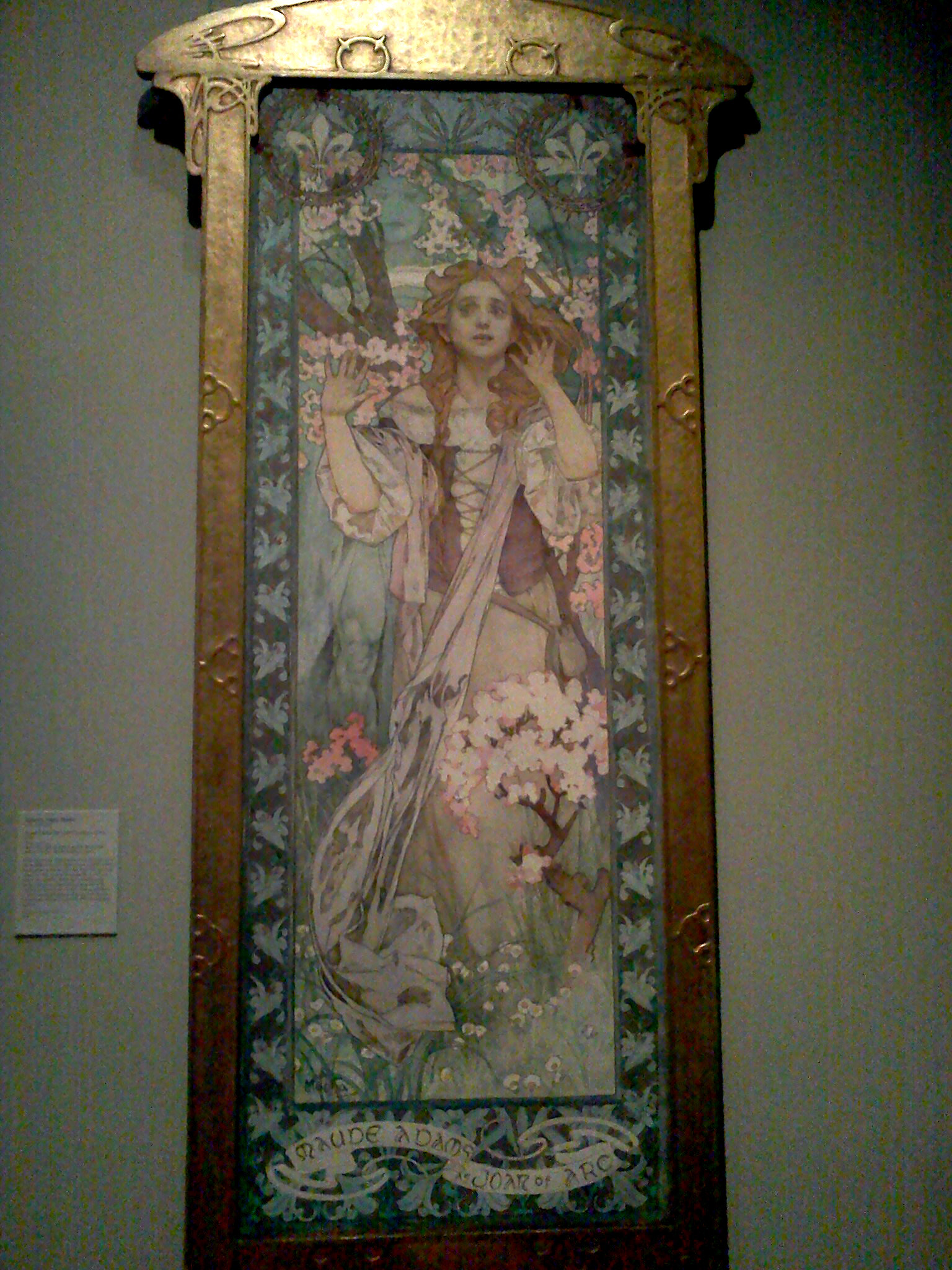
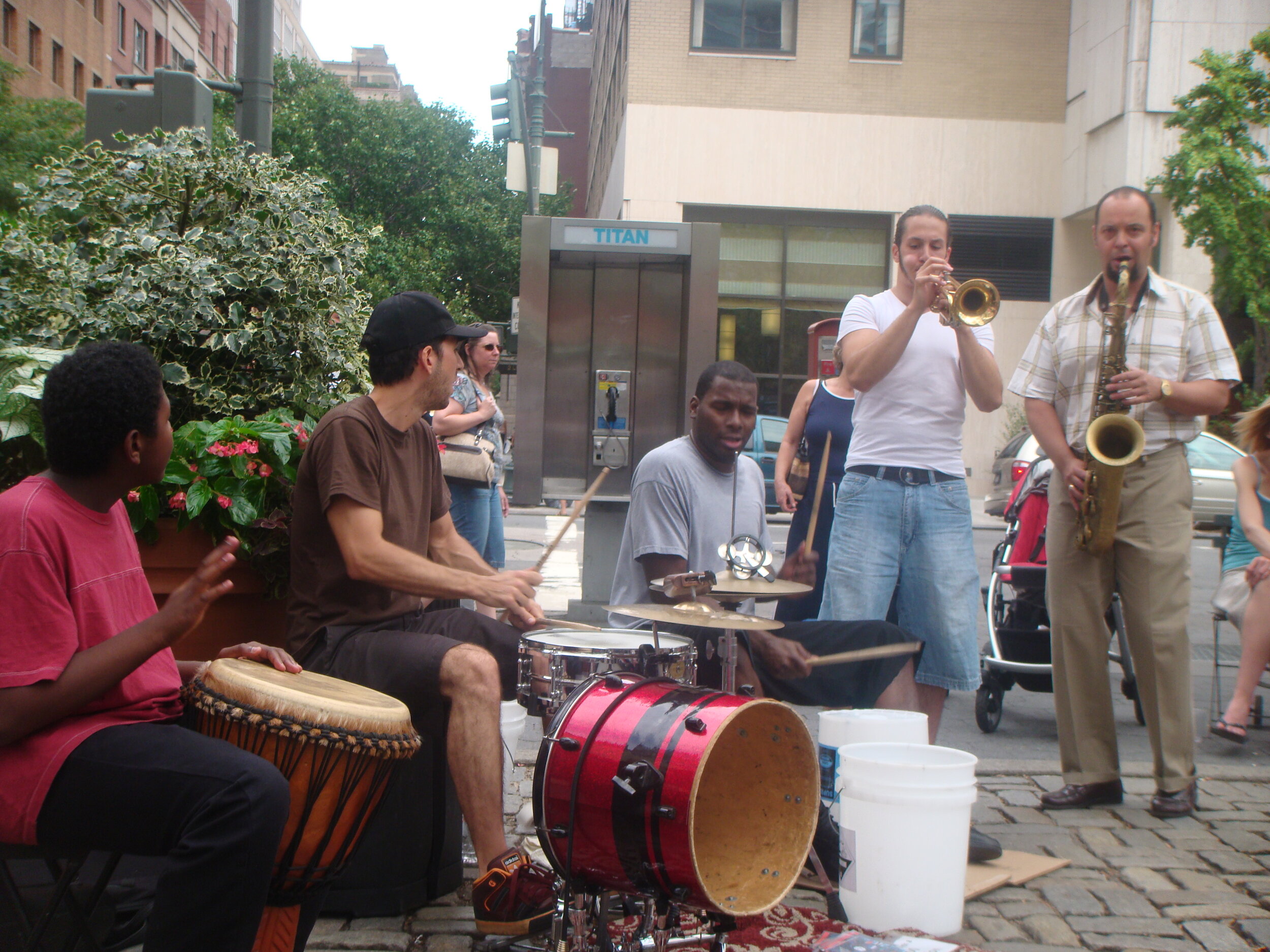
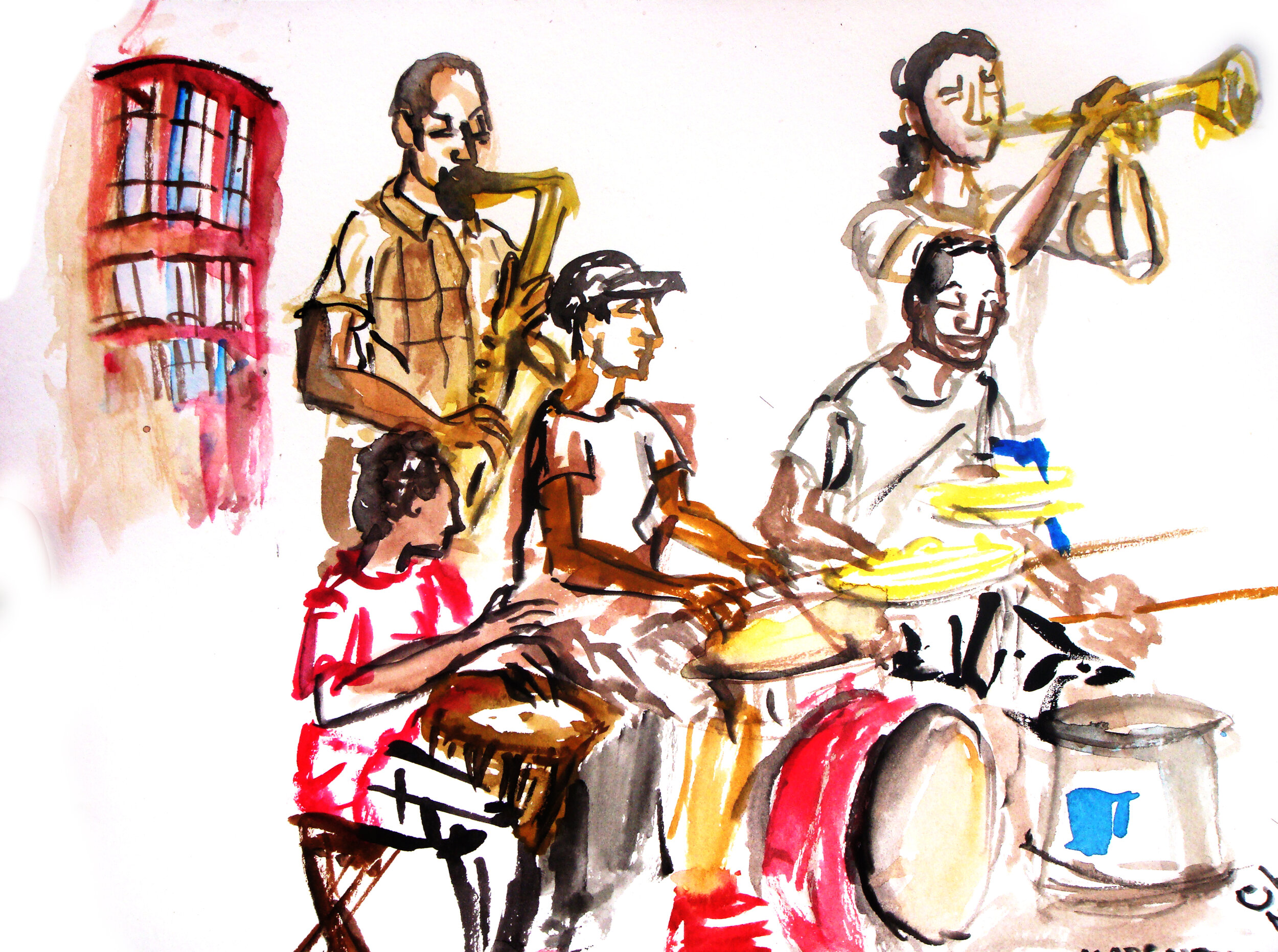
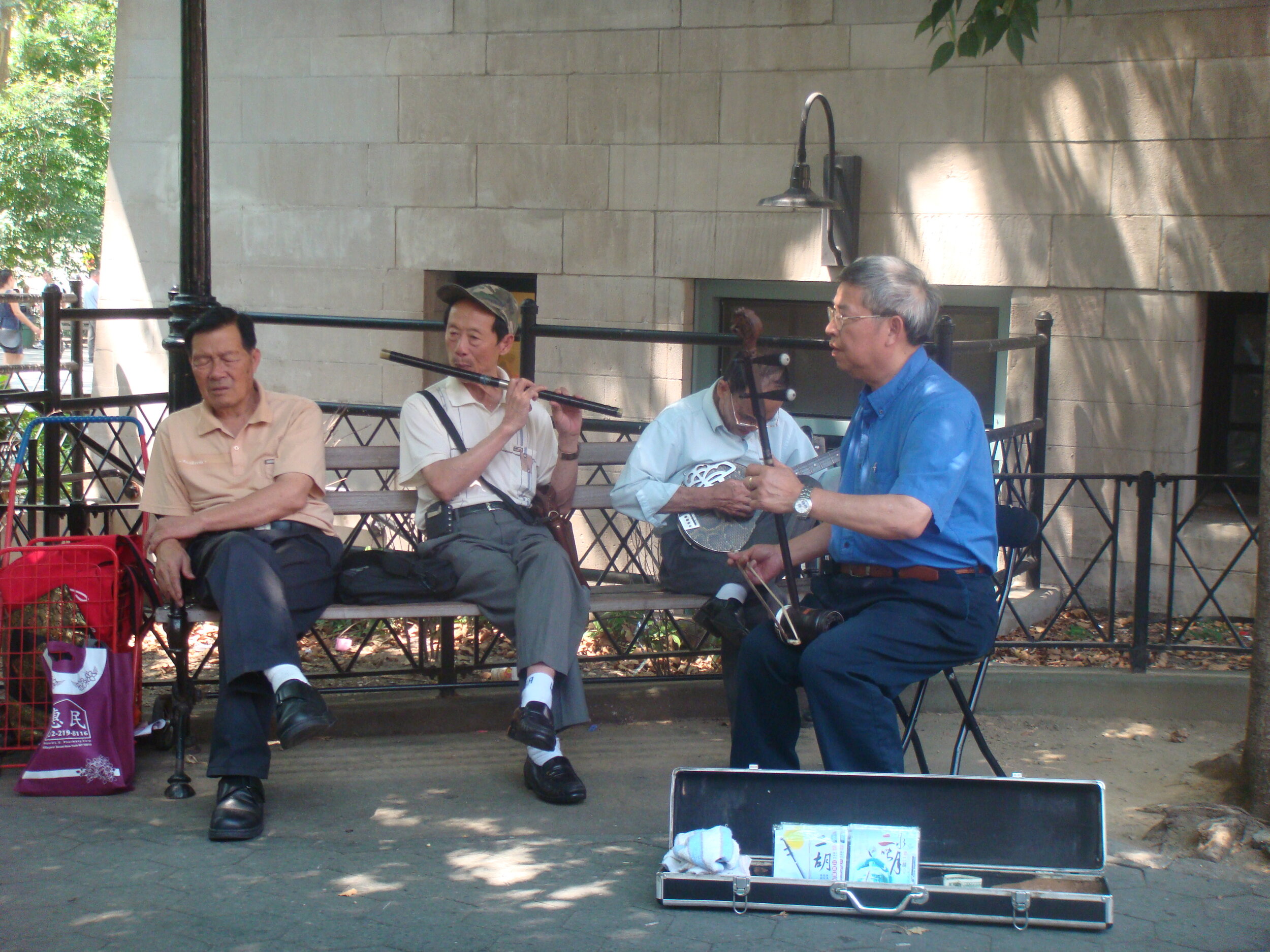
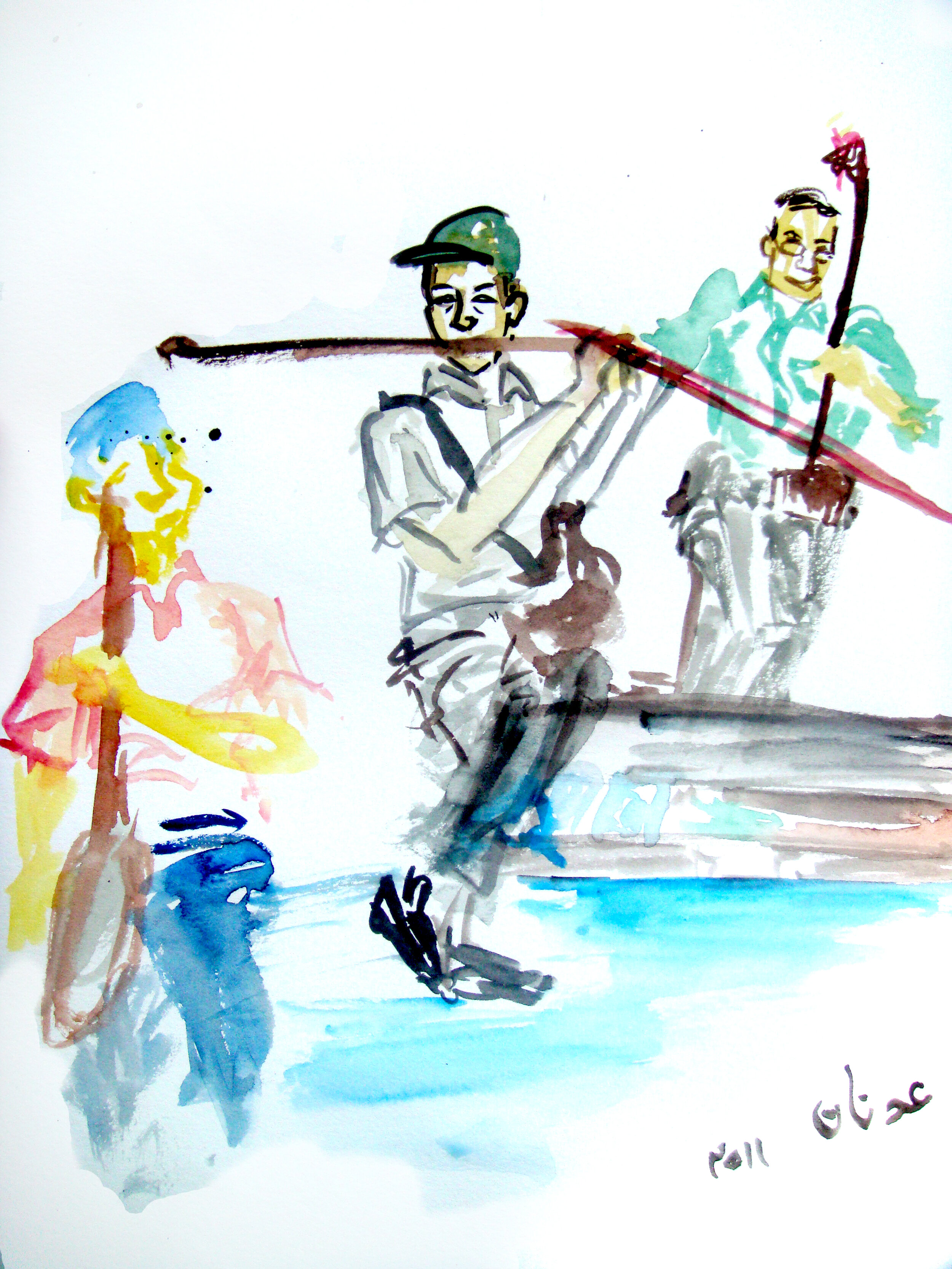
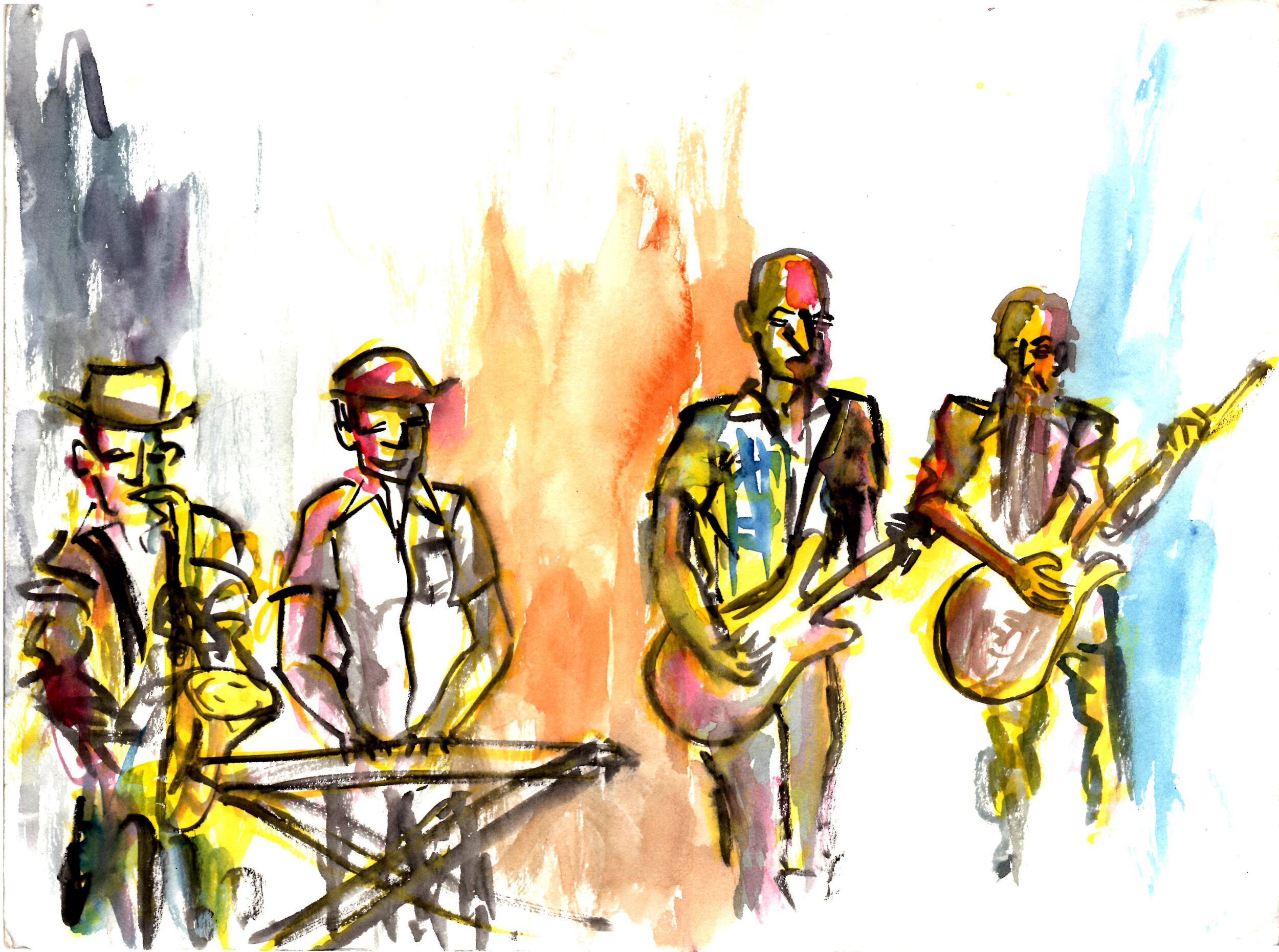
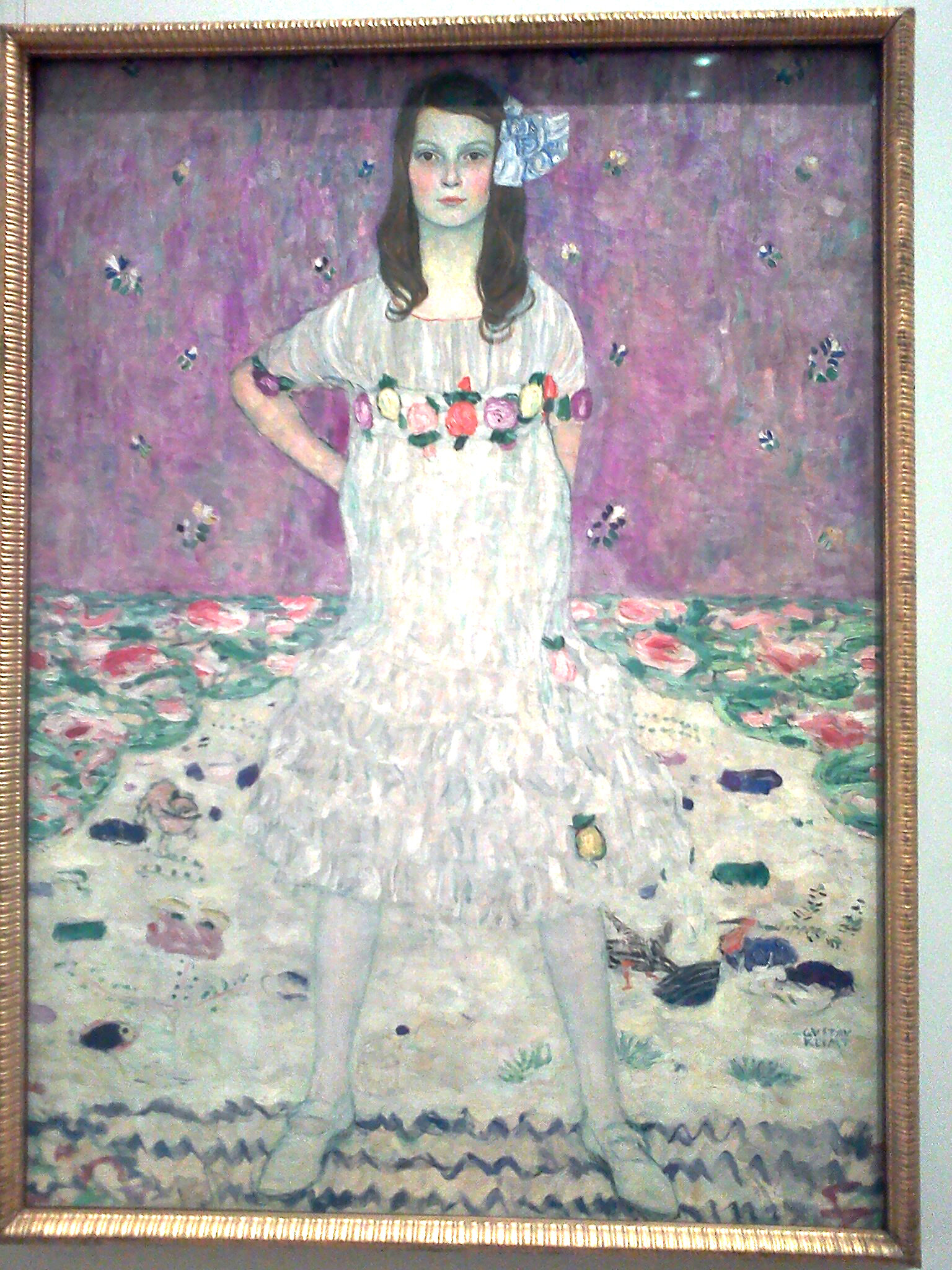
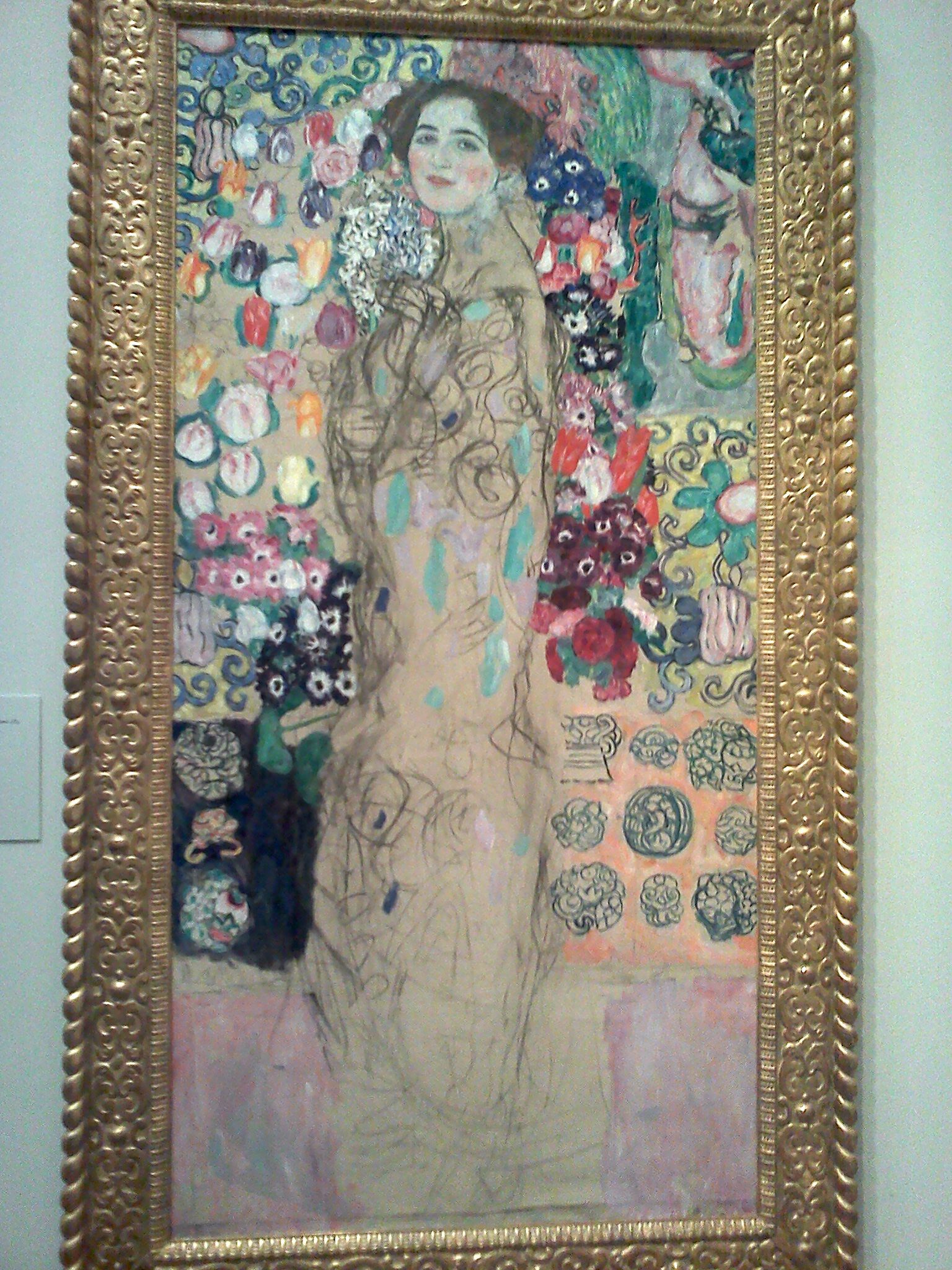
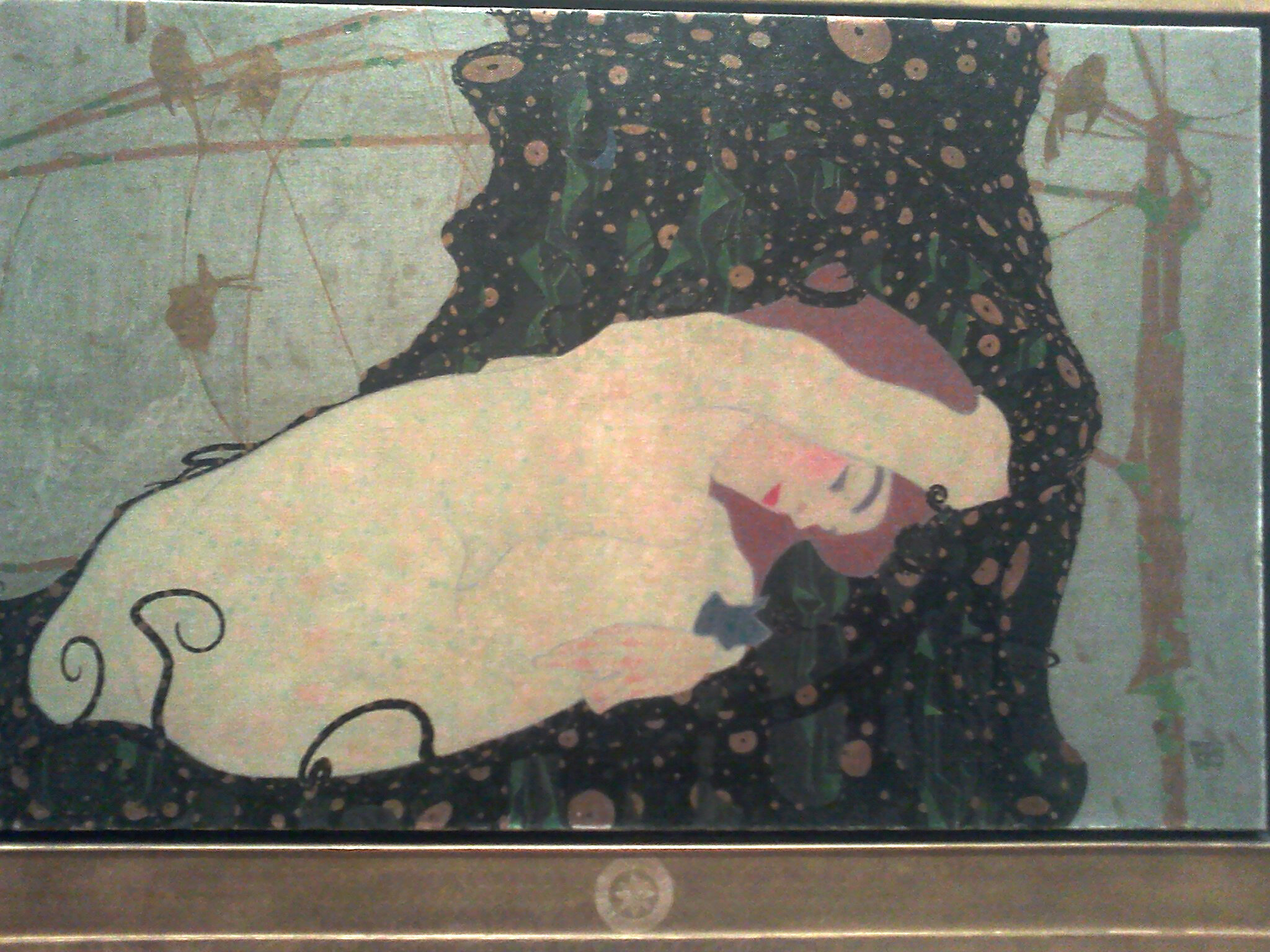
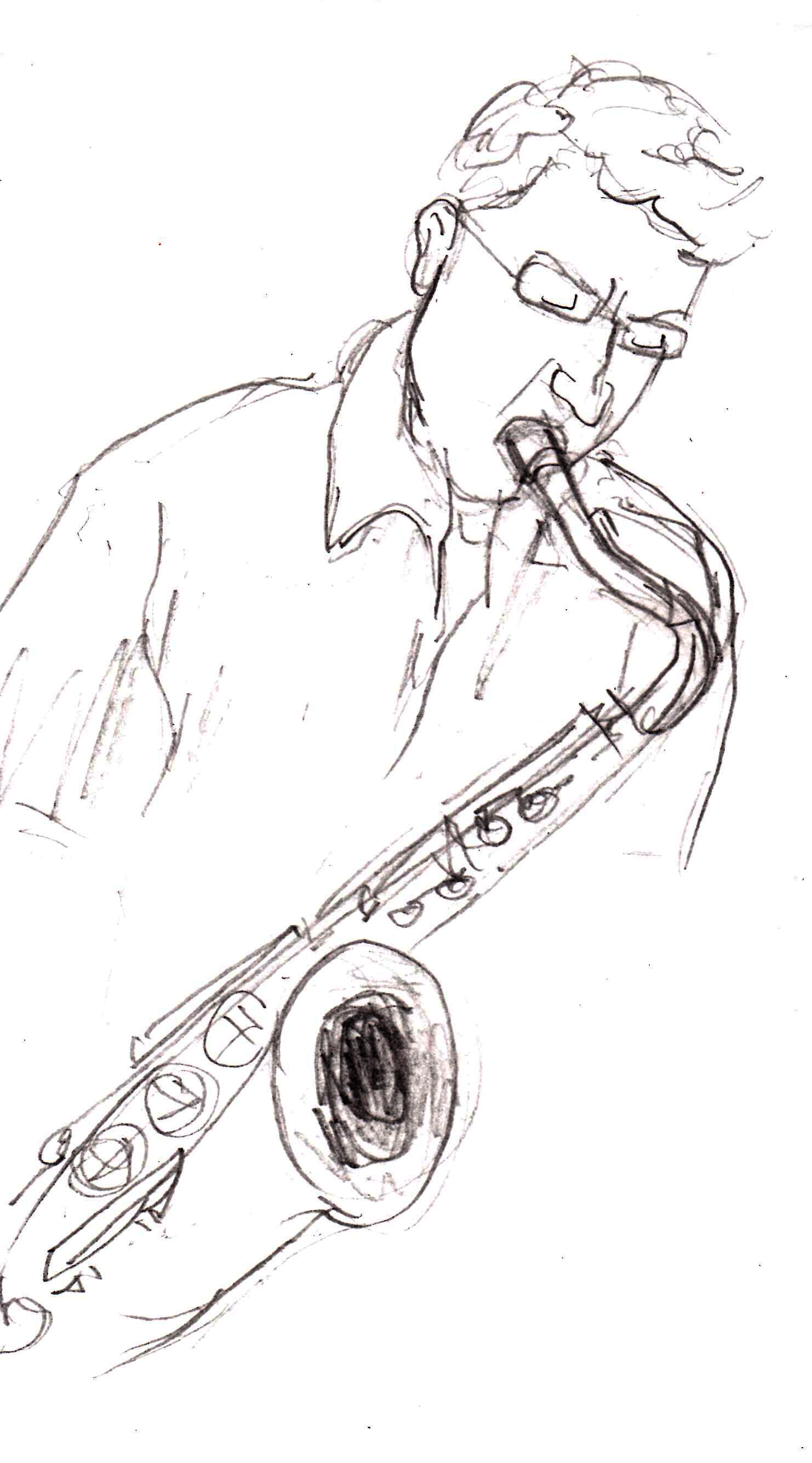
After 9 days, with lots of walking, exploring, eating, art and music, the trip came to an end. Here are a few quick watercolor sketches I did on different days. I saw some elderly musicians in the park in Chinatown and contributed the sketch below to their change box. I met a great band near the Lincoln Center and gave them the sketch you see below. I also had the pleasure of enjoying some jazz music one late night at a place called Small's and did a few sketches there. Some of the art highlights of the trip include these incredible Gustav Klimt, Egon Schiele and Alphonse Mucha paintings I had a chance to see in person. Besides that I picked up some great little prints by Chinese artists which will serve as some inspiration for a future work I am planning out at the moment.Thanks to my friends who gave me a place to crash. It sure makes travel easier and more fun!
NYC Part 2
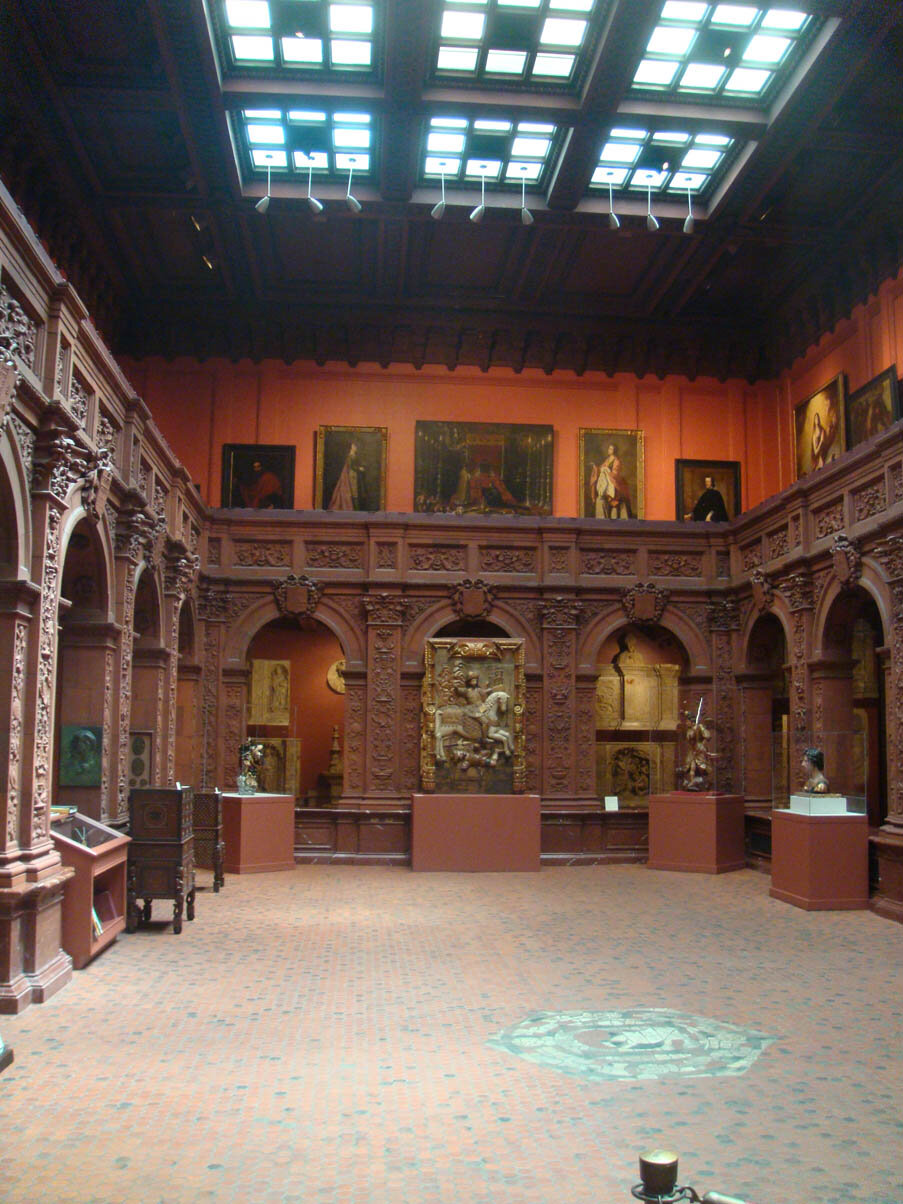
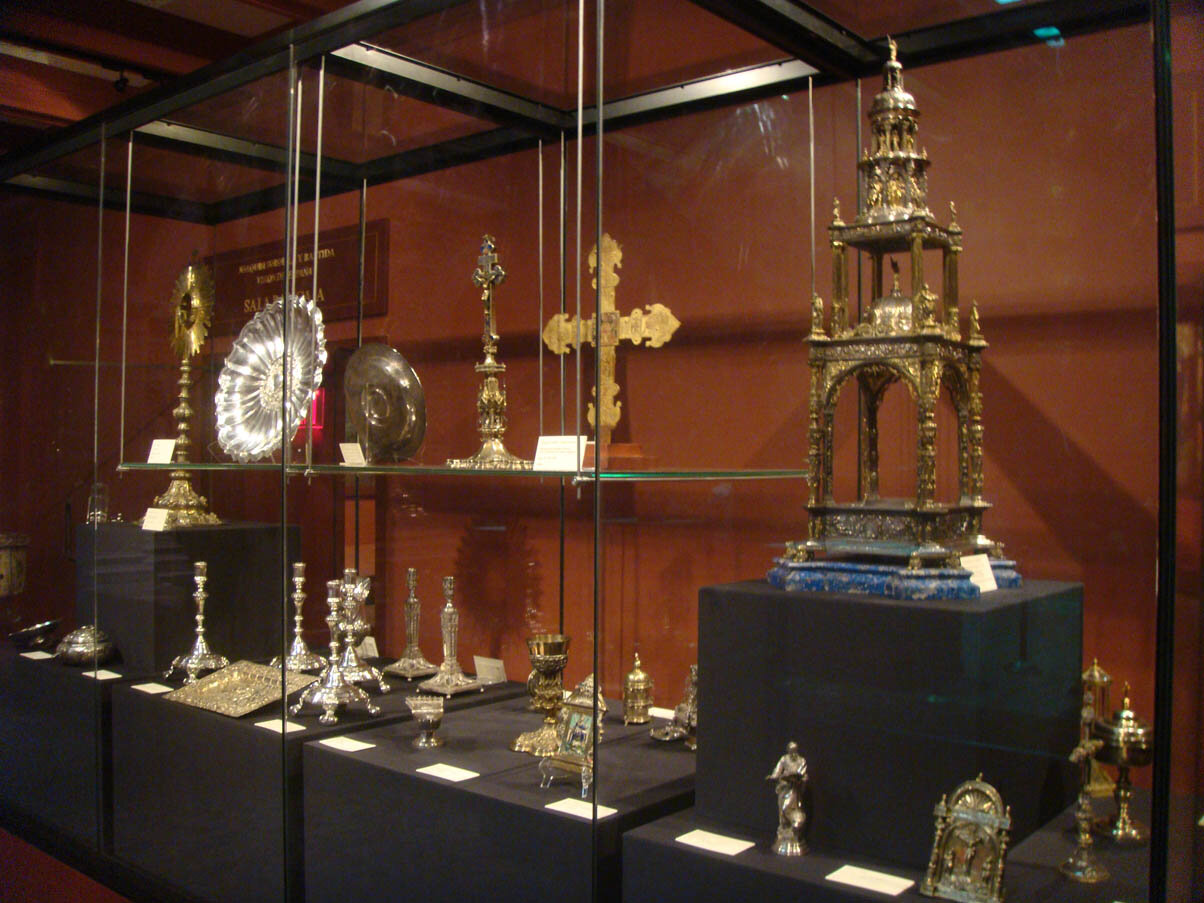
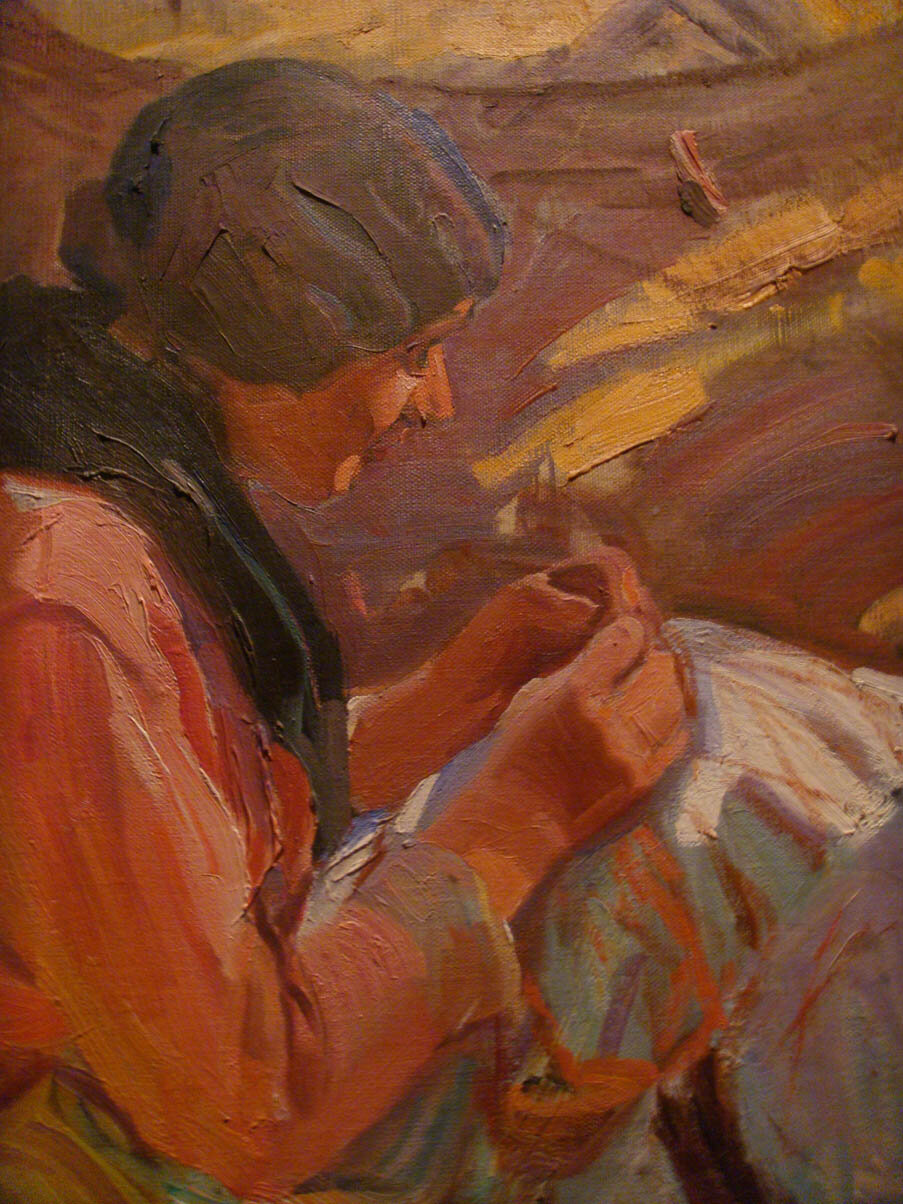
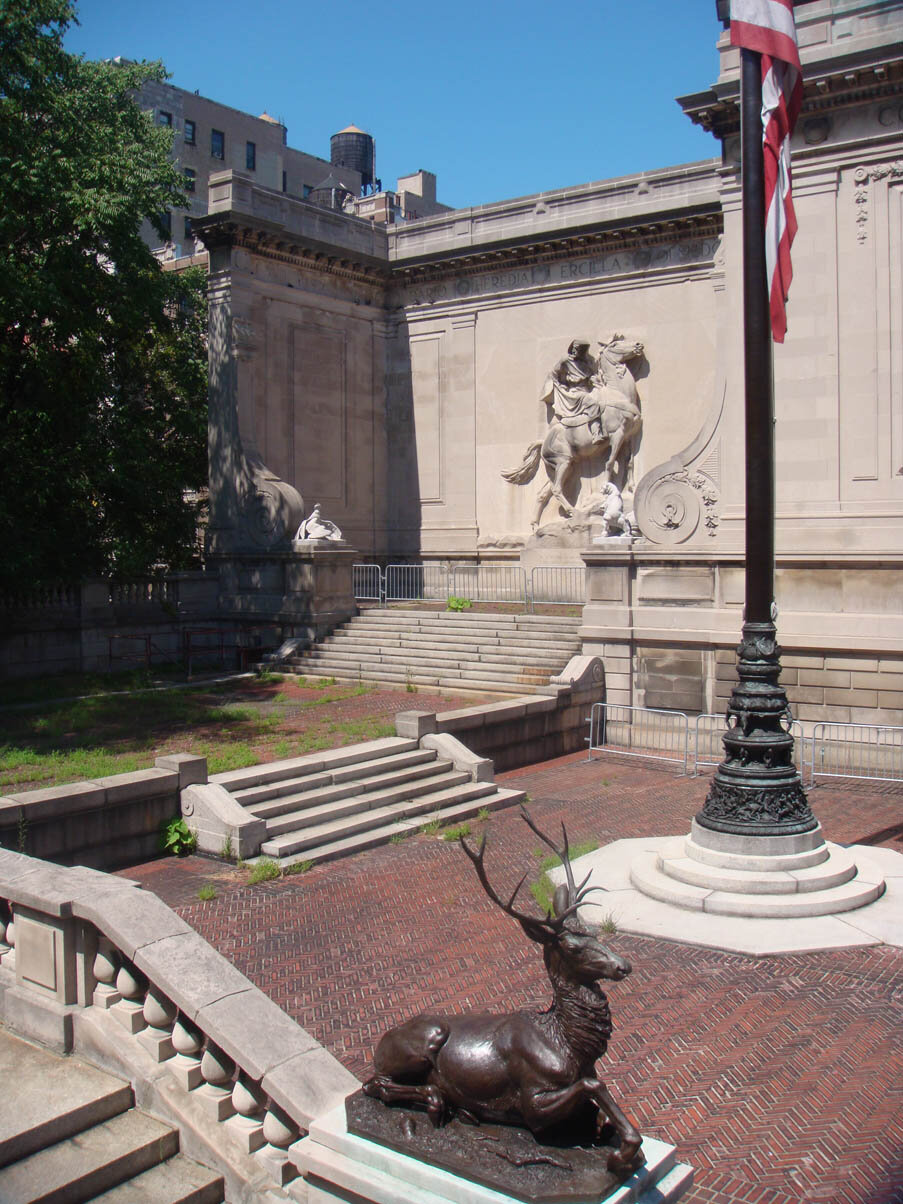
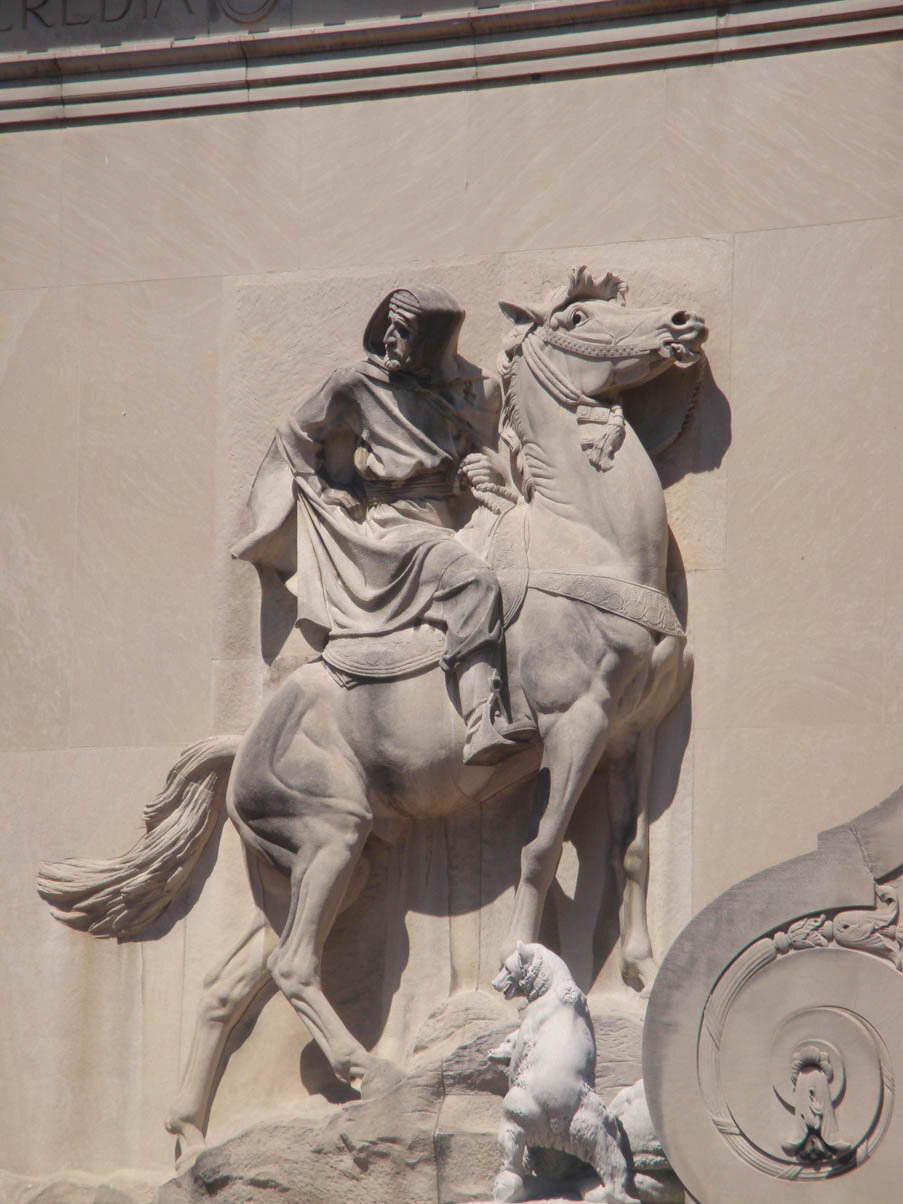
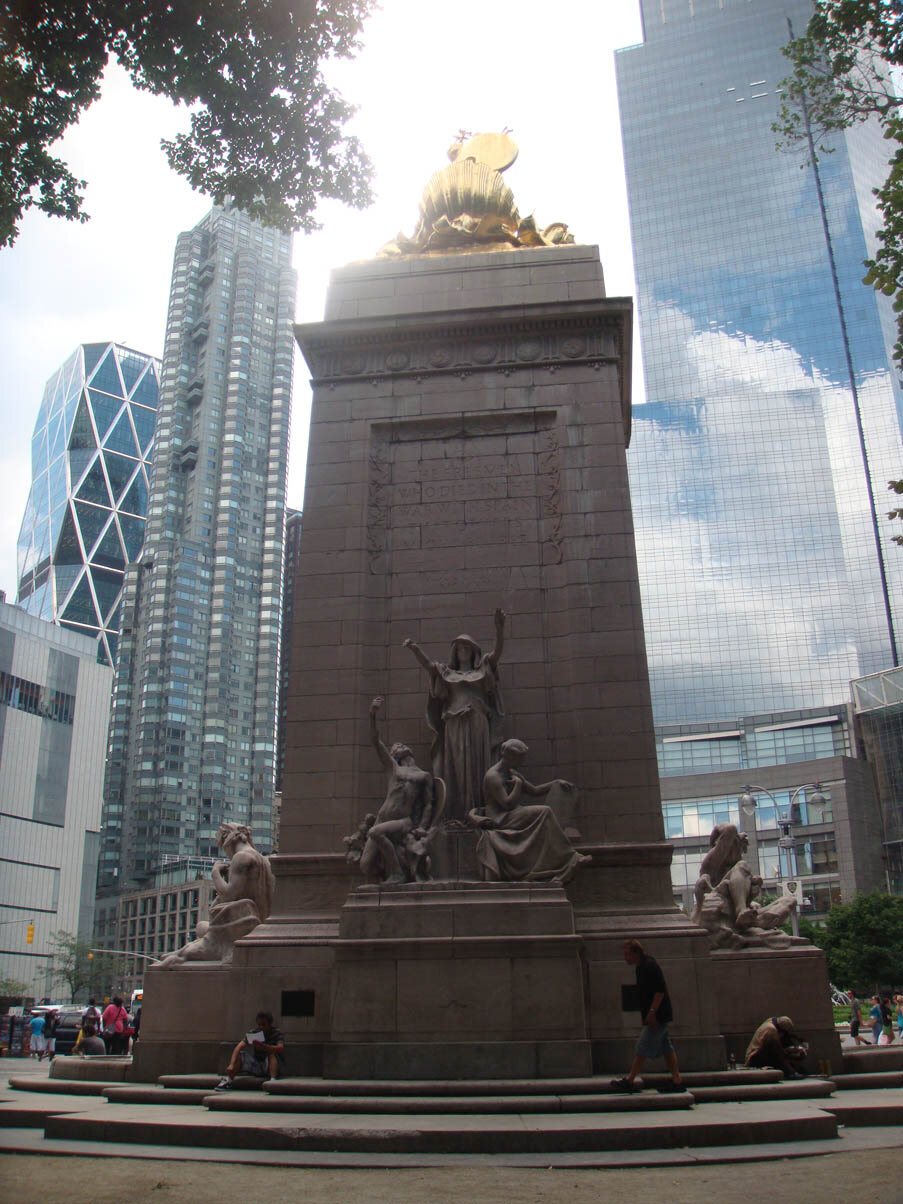
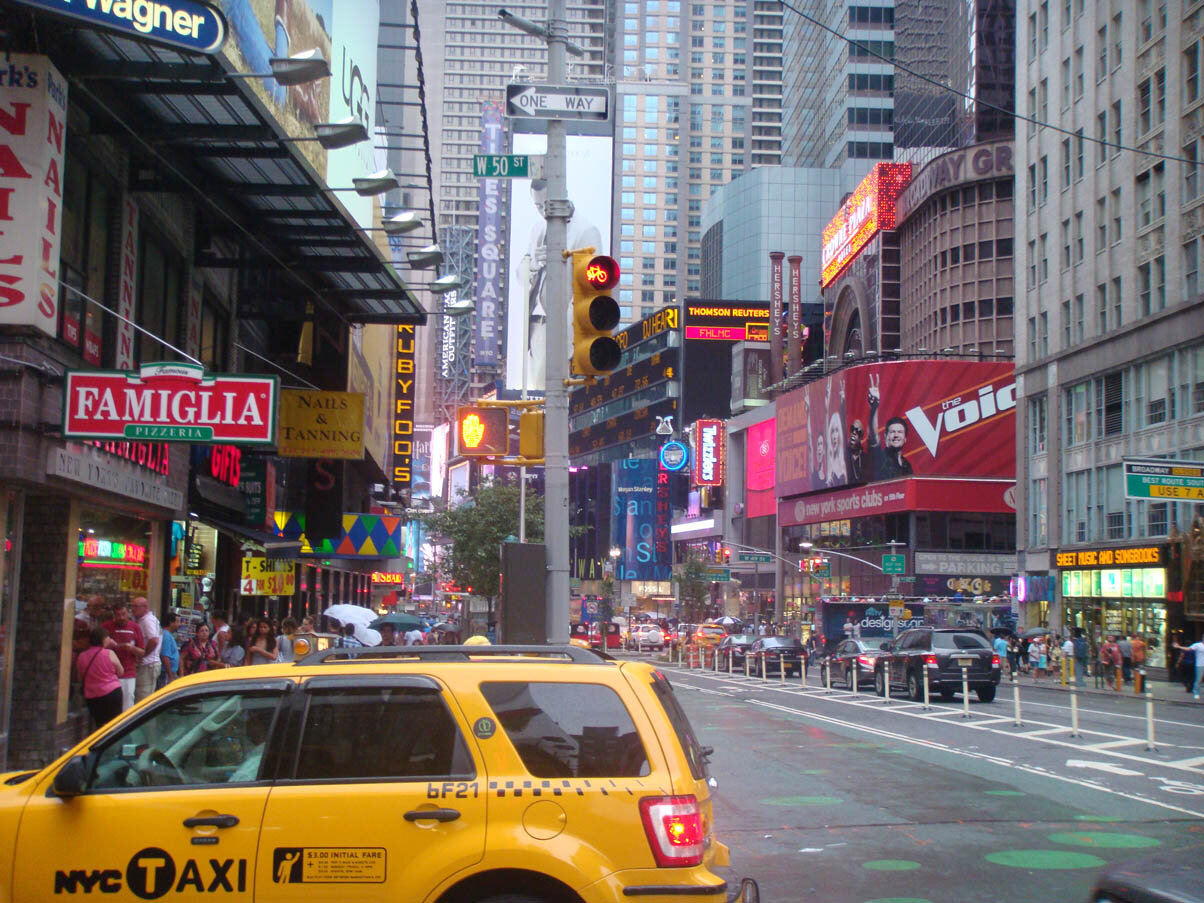
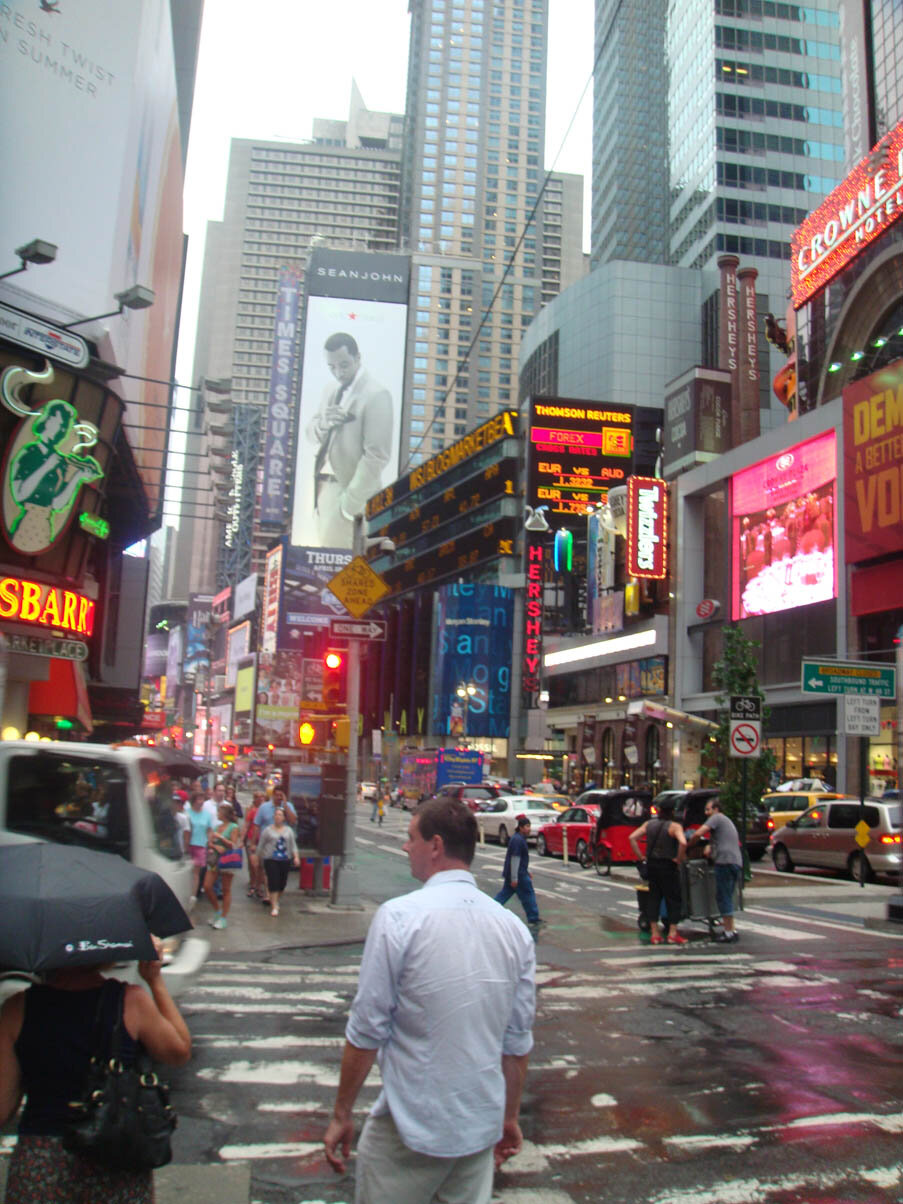
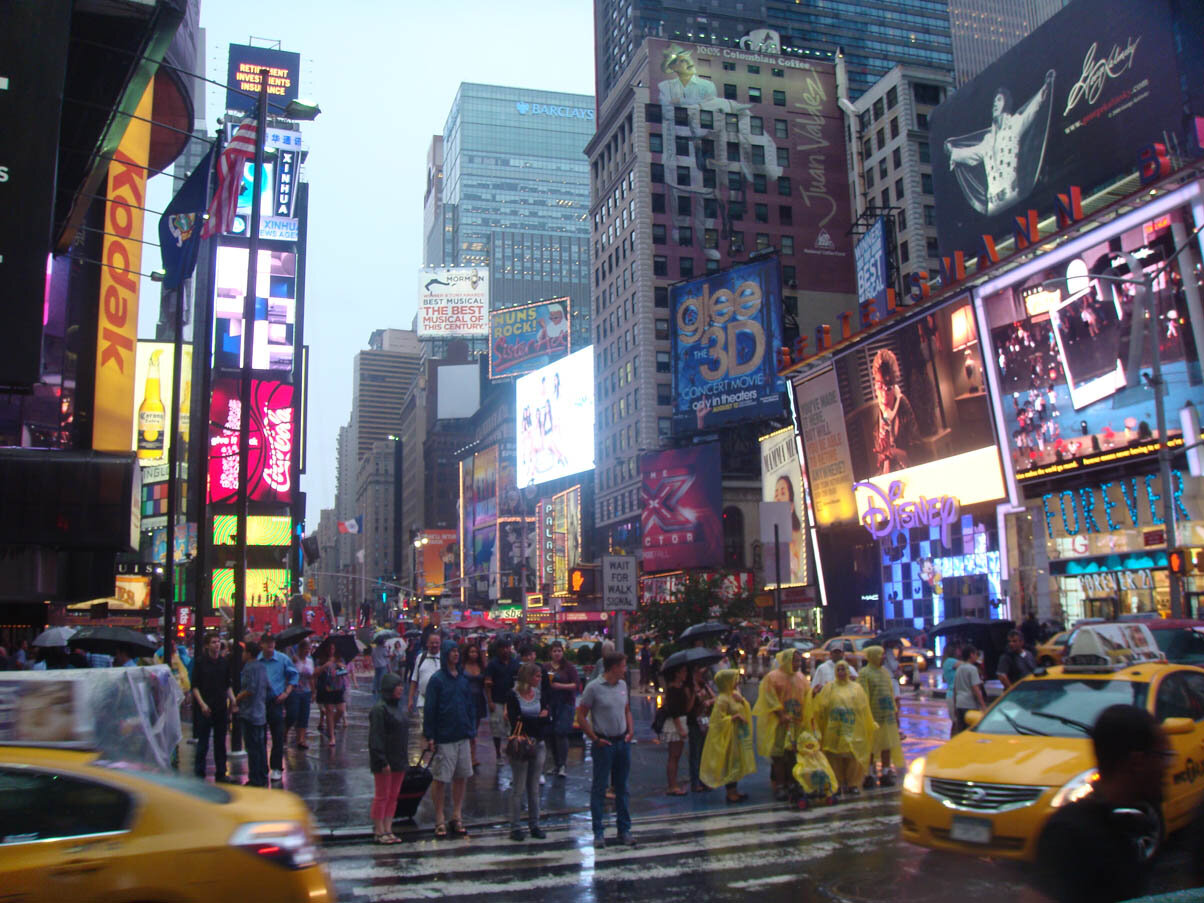
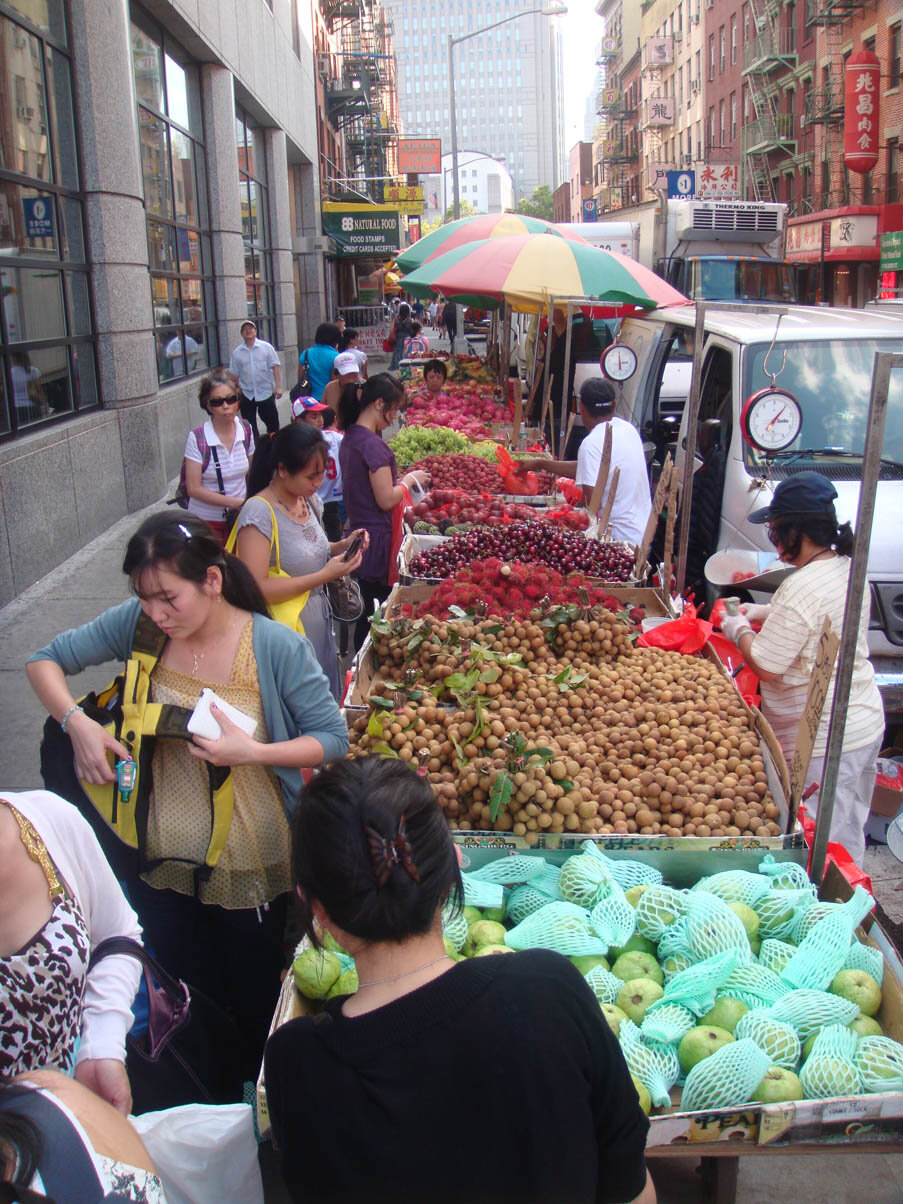
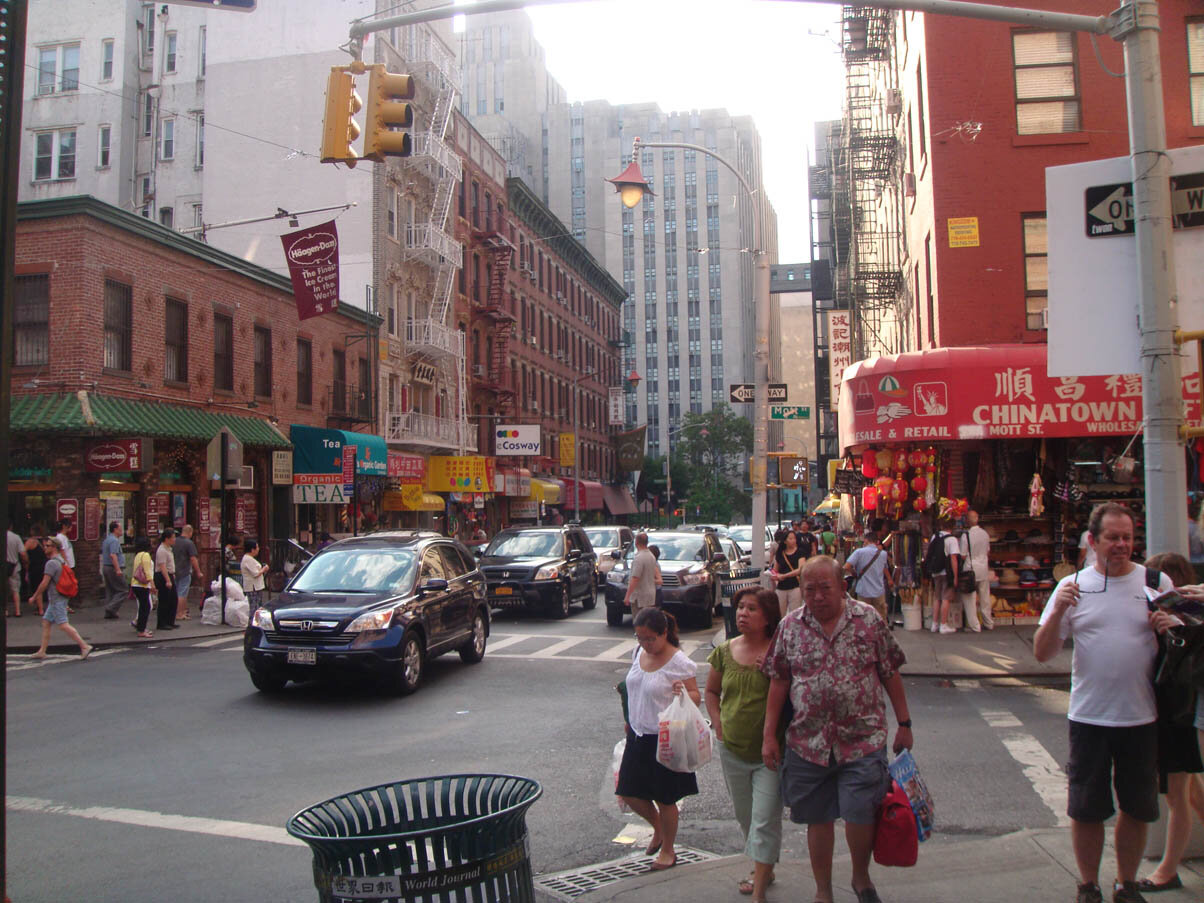
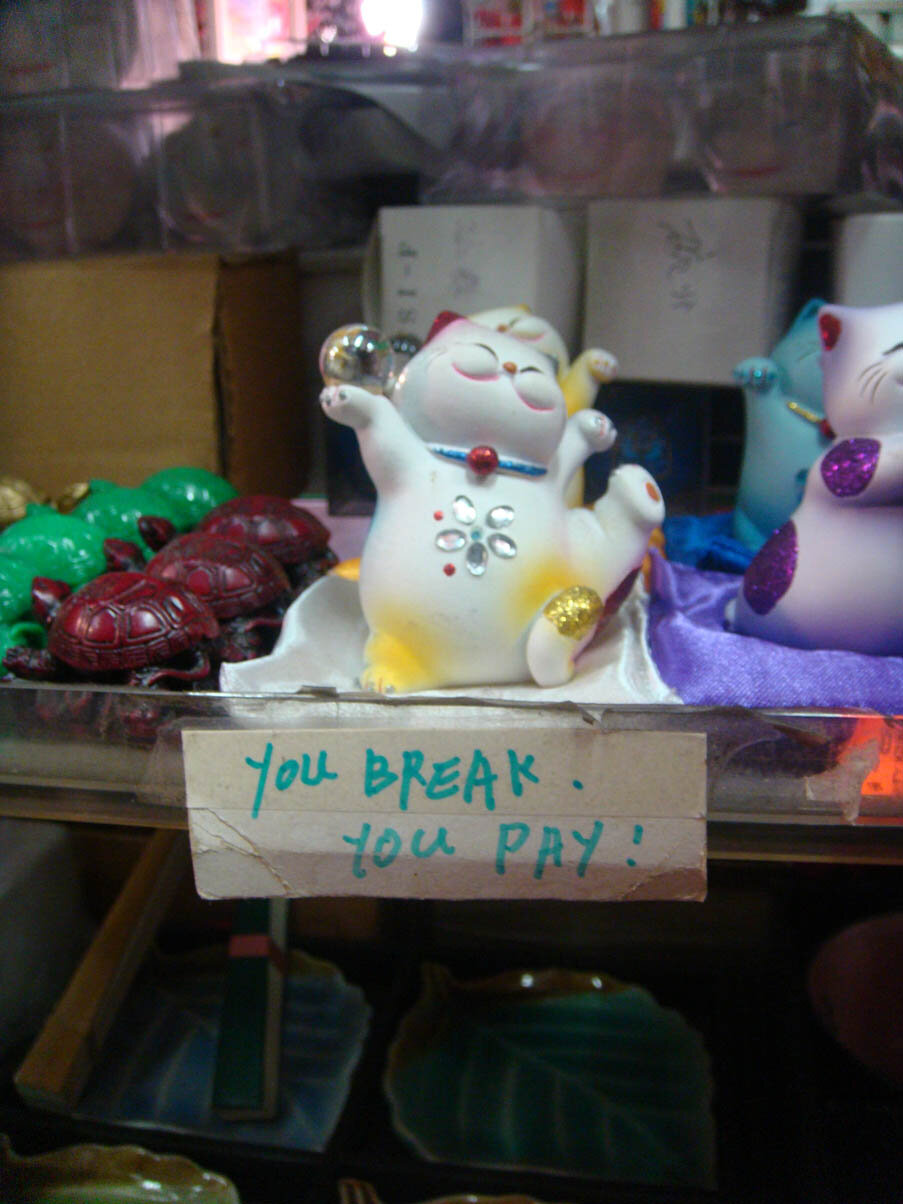
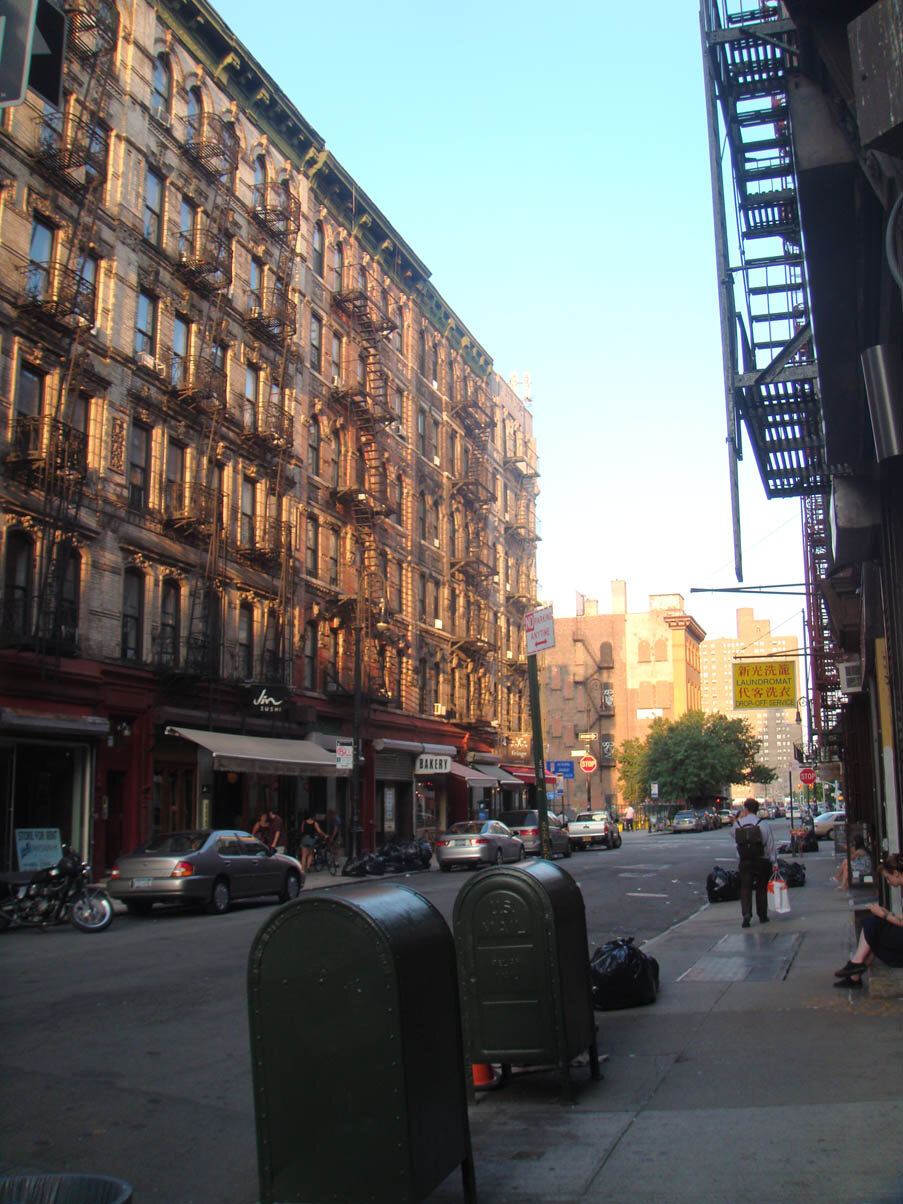
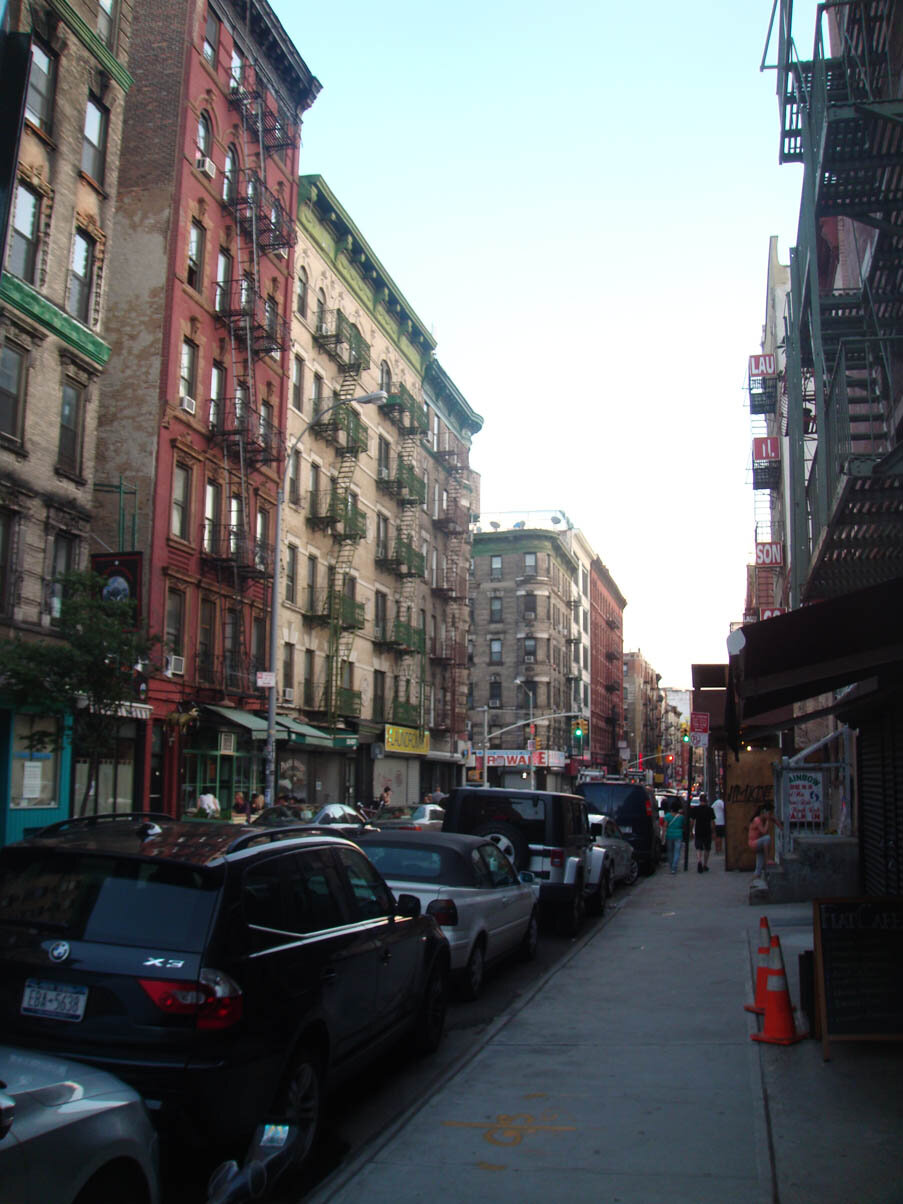
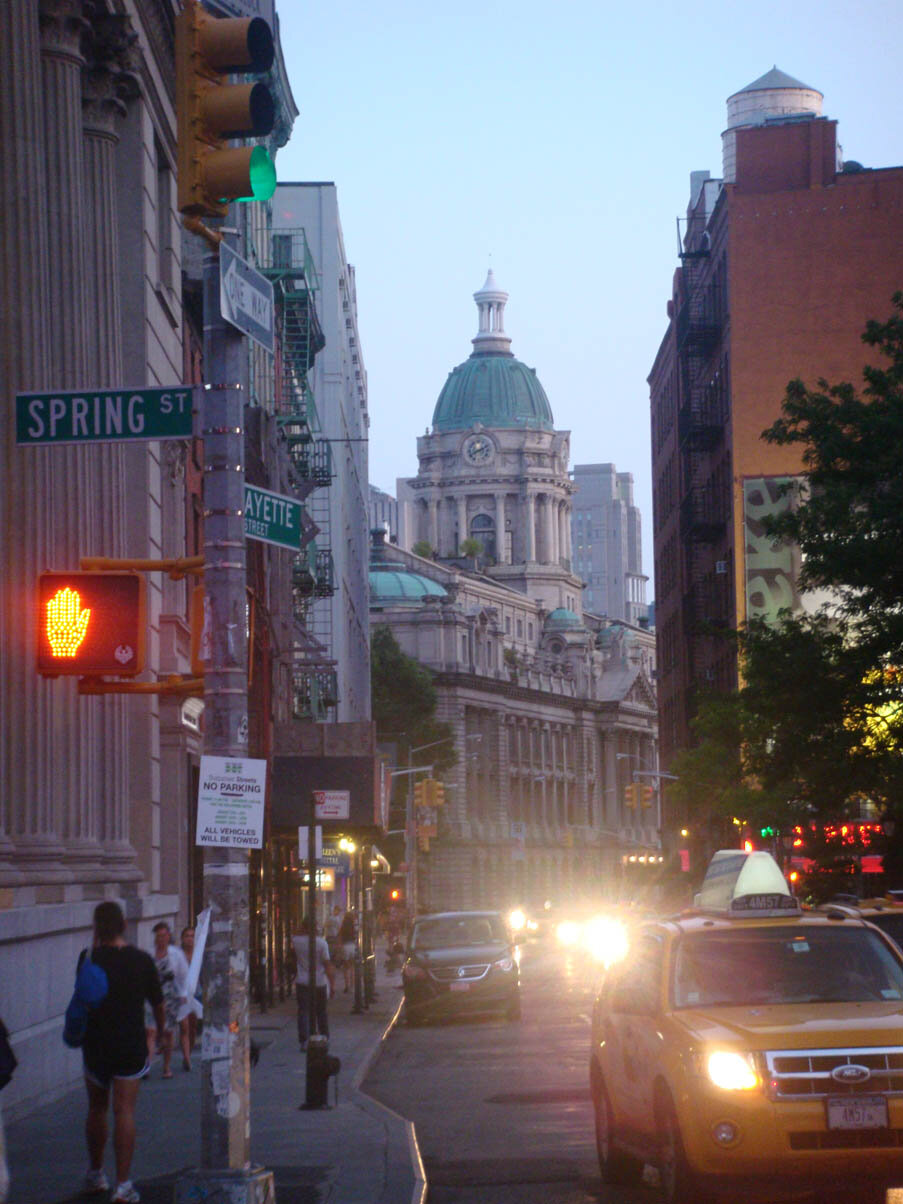
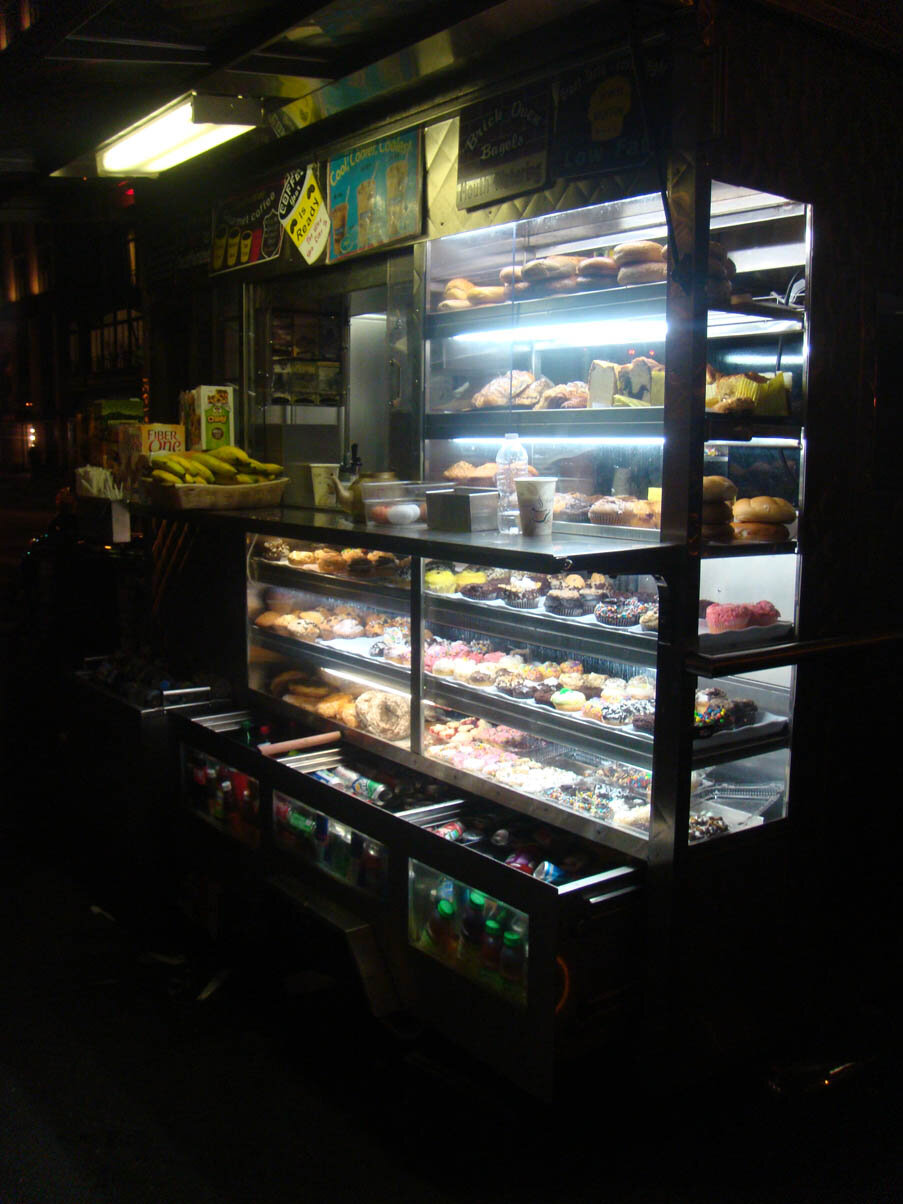
I went to Lexington and had some Kashmiri chai. One day I head over to Jackson Heights in search of an excellent Pakistani painter Moazzam Ali whom I had heard might be living in the area. I called a number that may have been his at one point and even went to a building where he might have lived, but no luck. I guess it might have been a more interesting story if I had actually found him. I did talk to some desi sounding dude on the phone a few times that I called the phone number I had. Each time he just said it was a wrong number and refused to talk any further. I had better luck at the amazing Hispanic Society of America Museum. I went there to see some original paintings by the great Spanish artist Joaquin Sorolla y Bastida. He did an almost life size series of paintings depicting Spanish culture from his time. There was a special room set up specifically for these incredible pieces. You can see some details in the photos below.Timesquare was interesting as was Rockefeller Center, and my buddy Ashish who joined me for the second half of my trip. There was fresh fruit in Chinatown, graffiti, food stands, rain, beautiful sunsets on little Italy and all kinds of exciting life and activity in this concrete, steel and glass city.
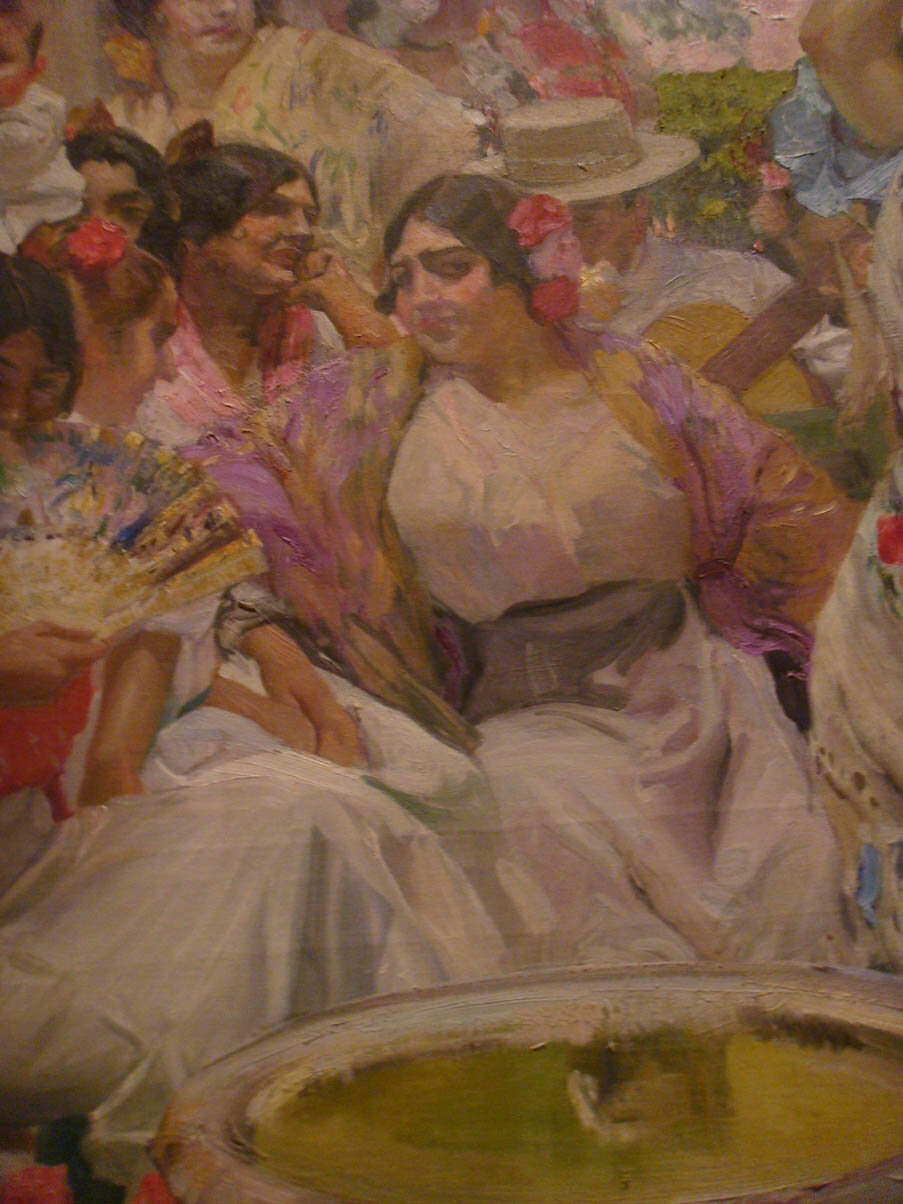
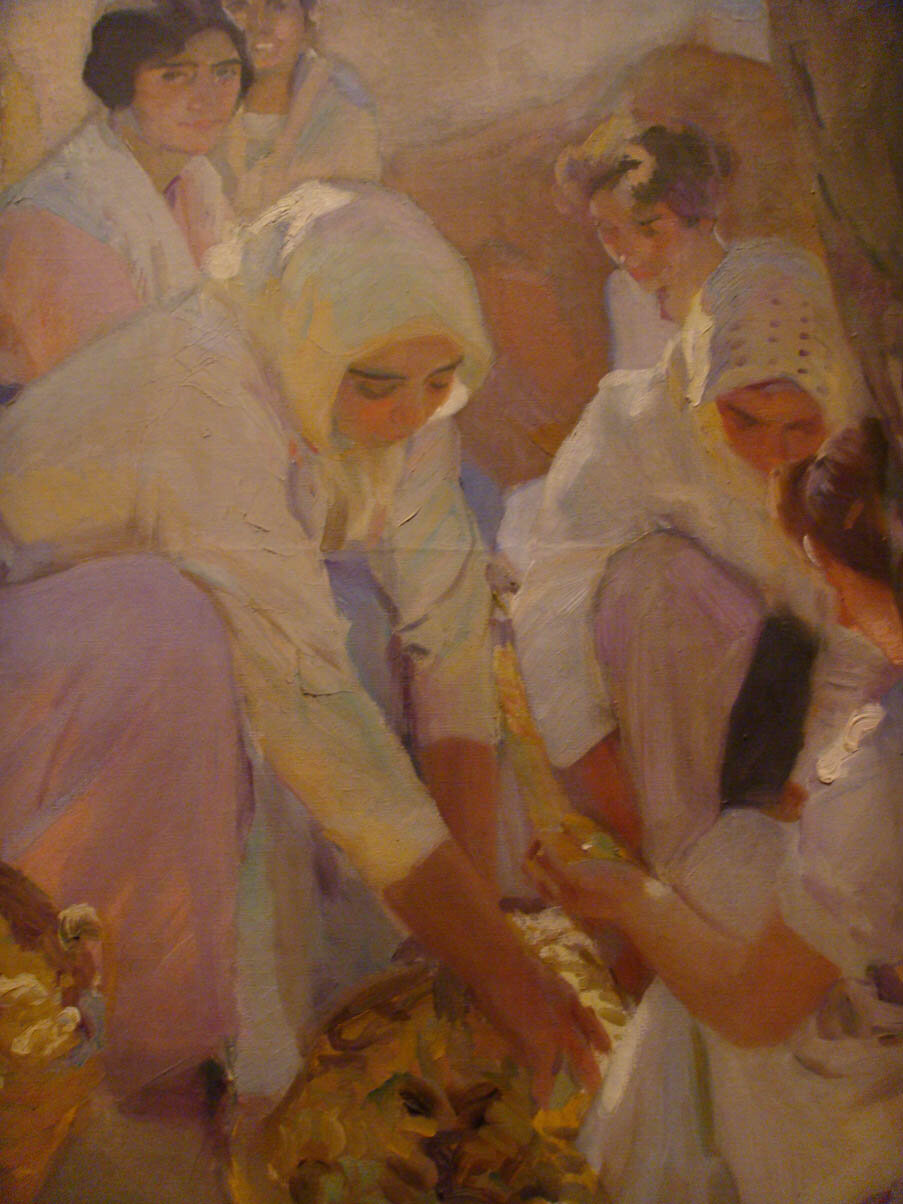
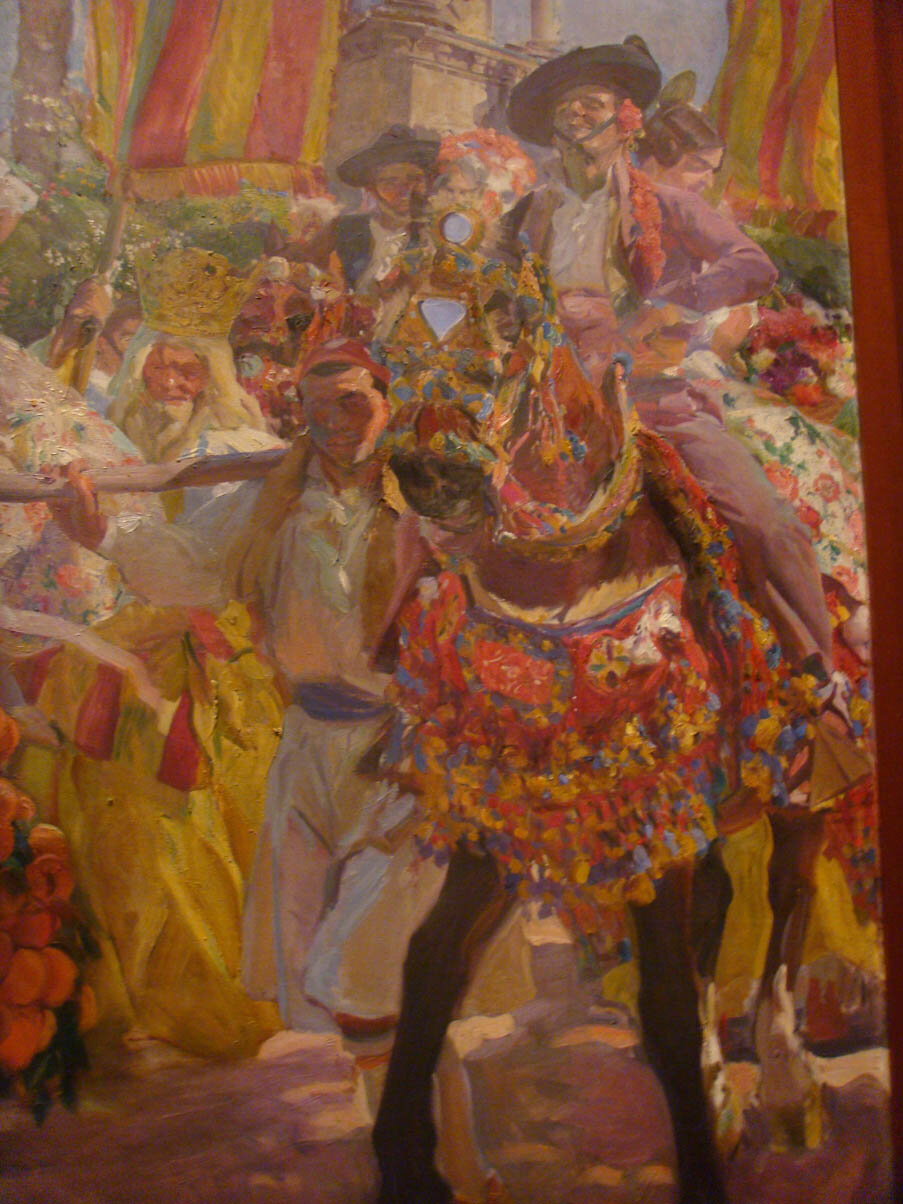
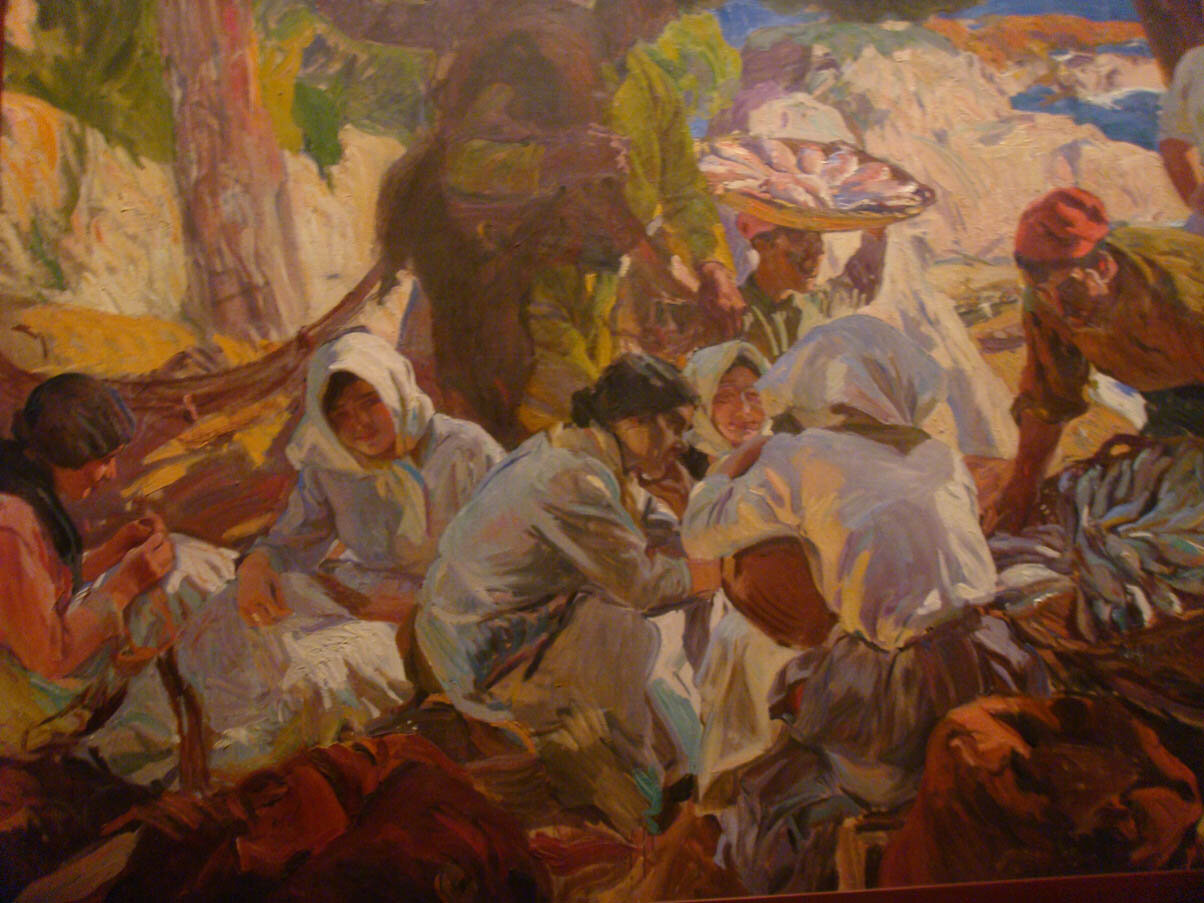






NYC Part 1
A trip to New York City for some artistic unwinding and inspiration.
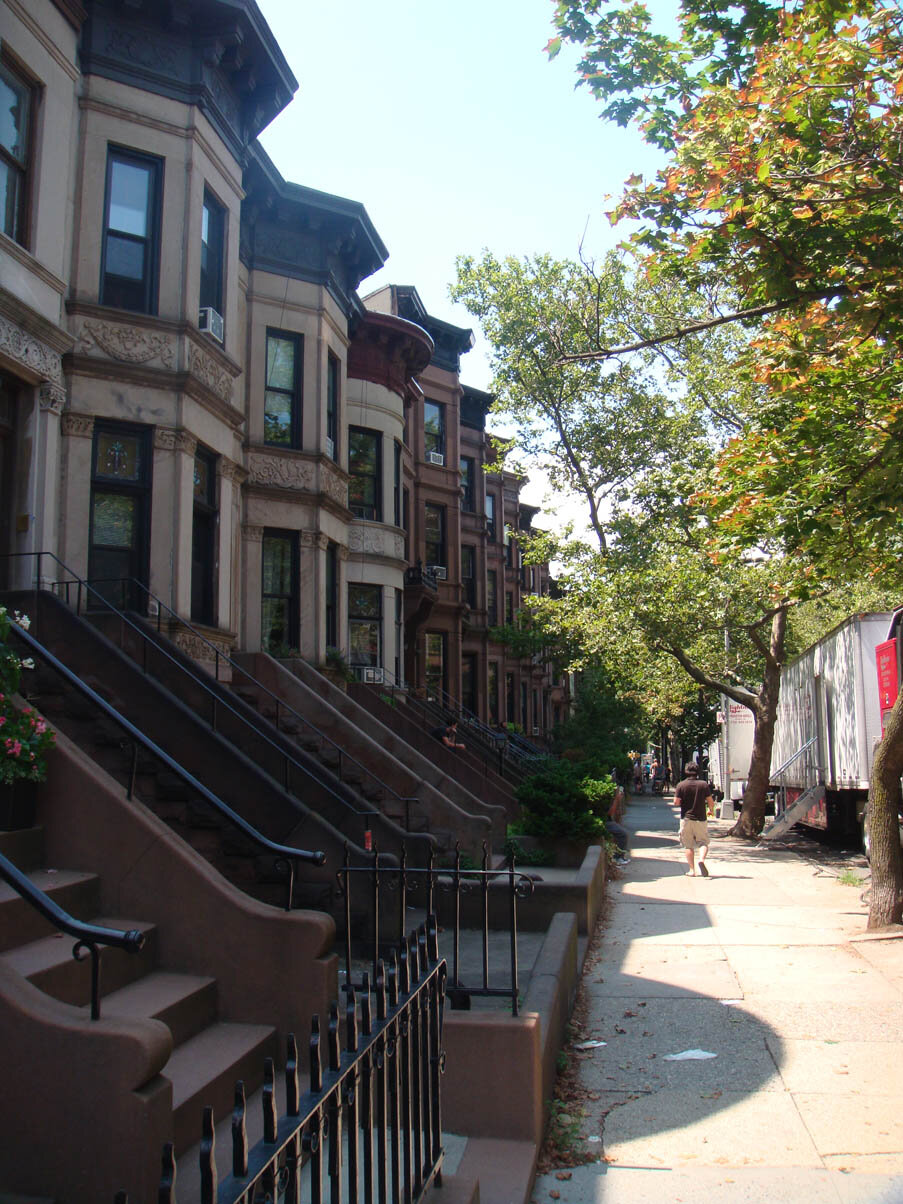
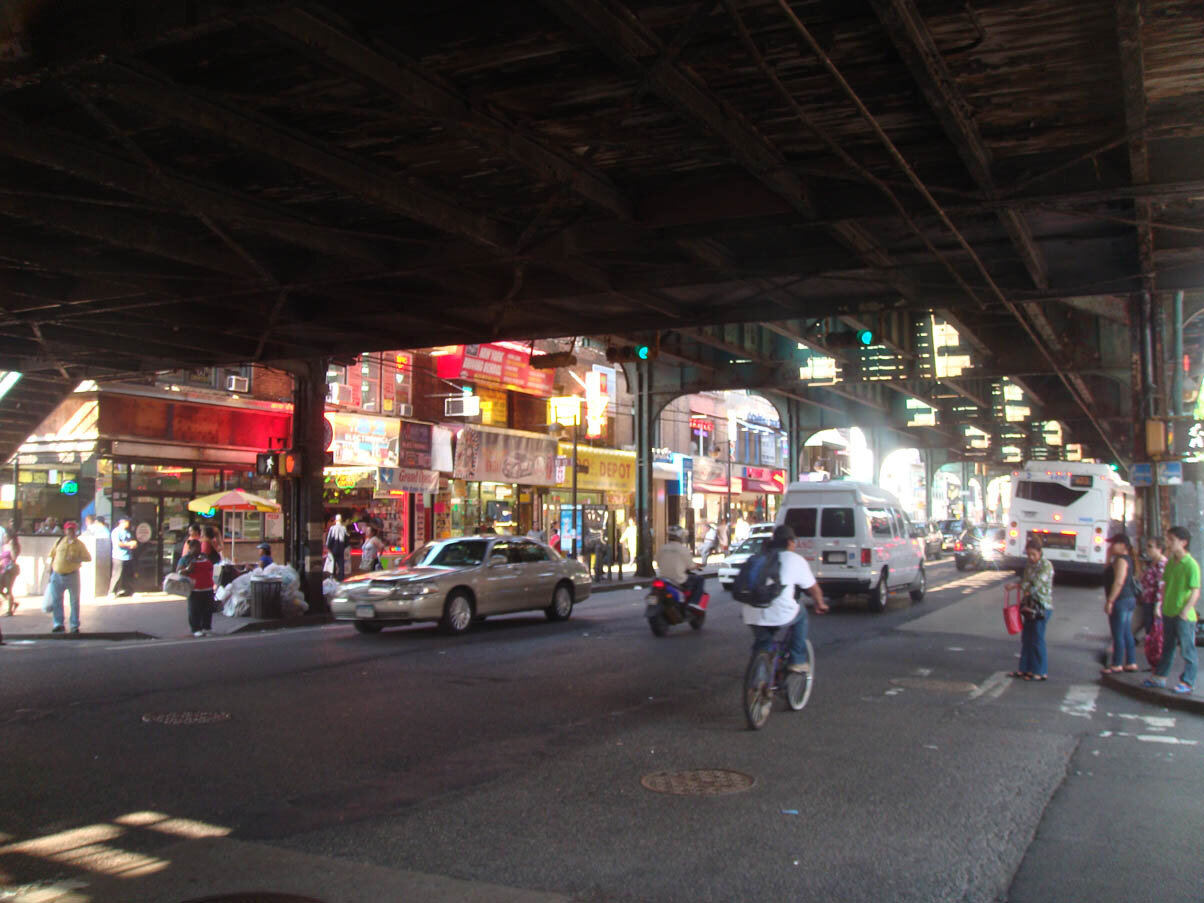
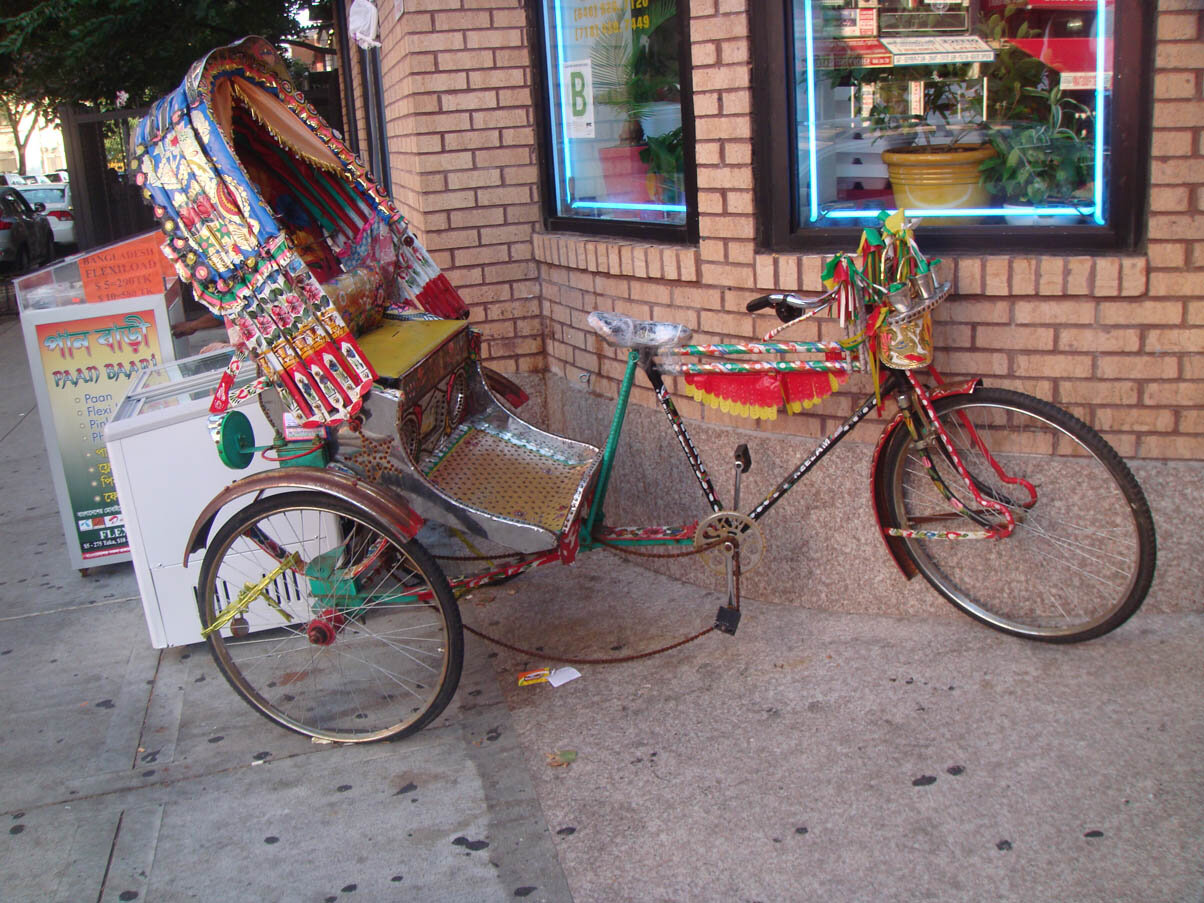
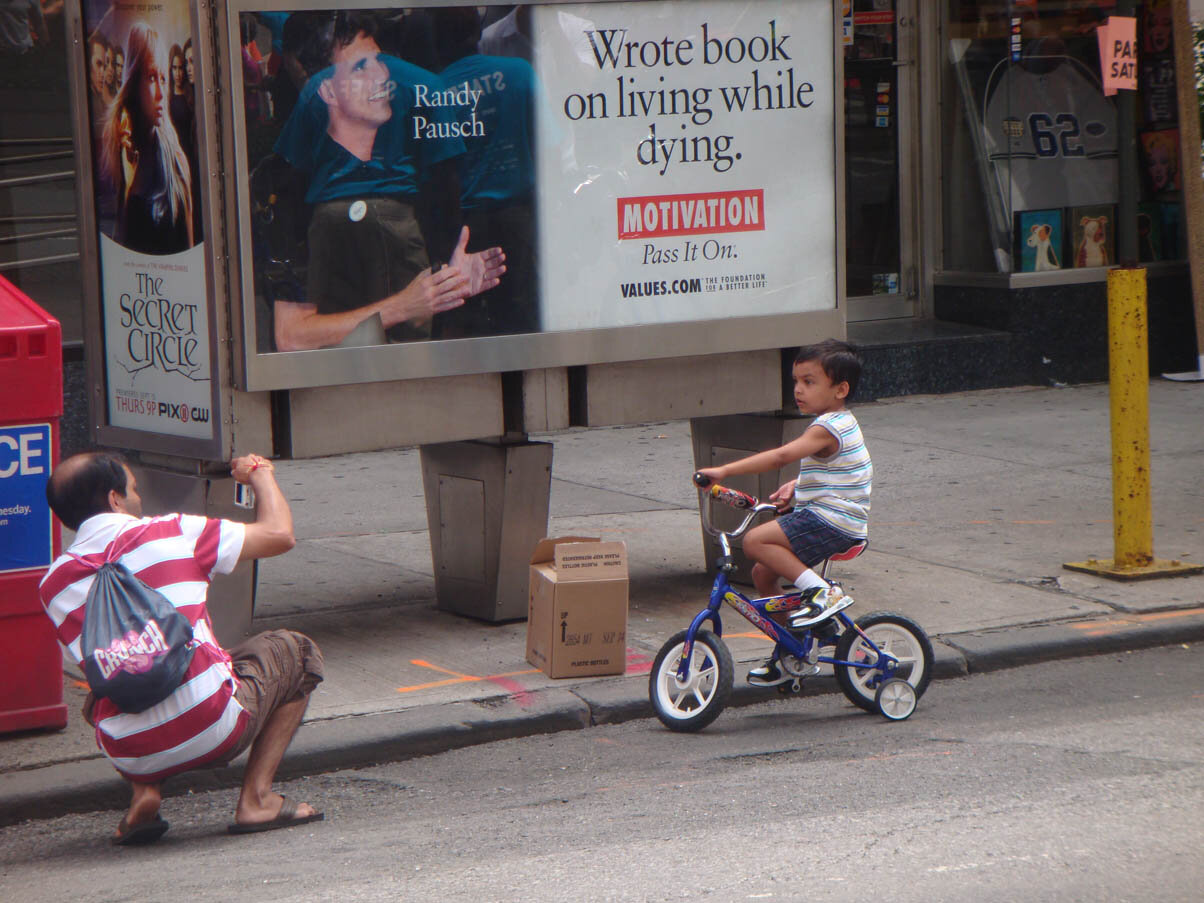
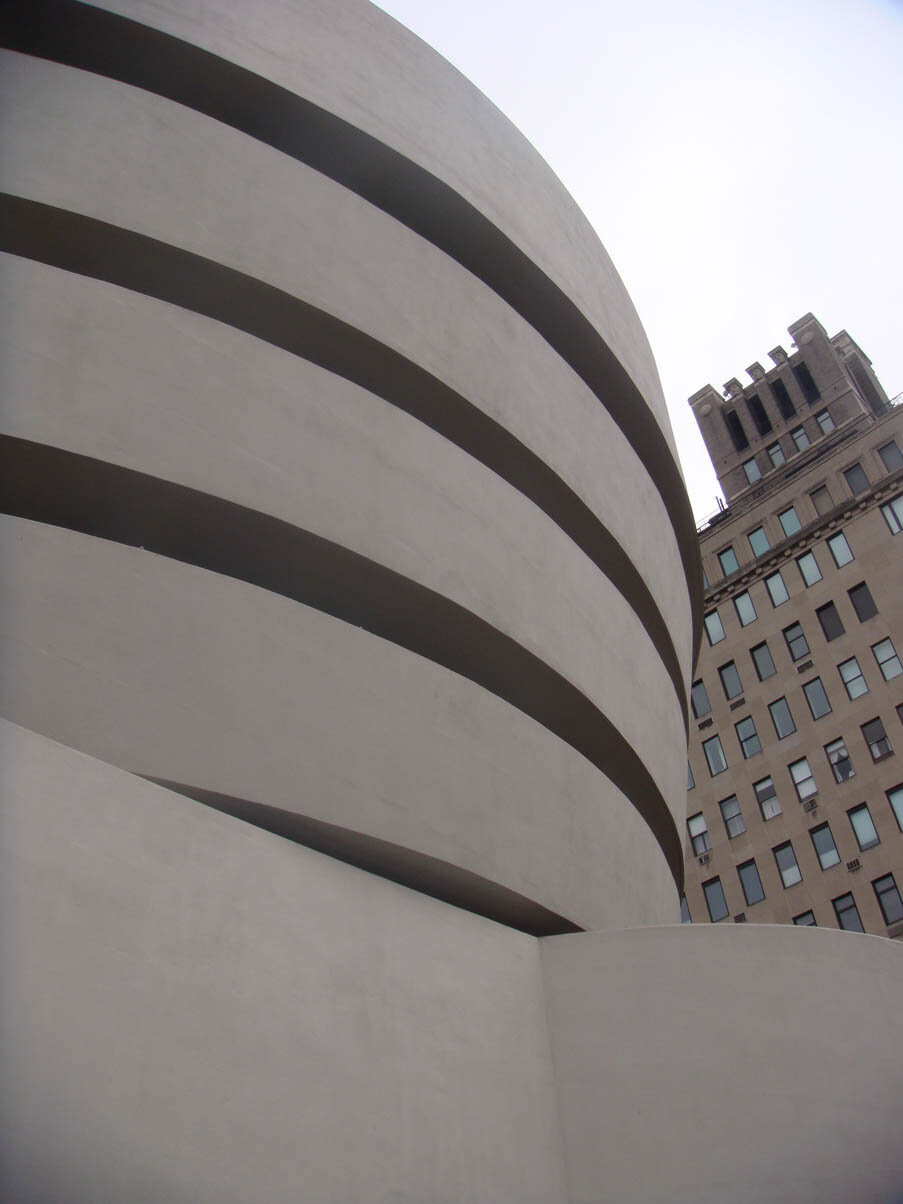
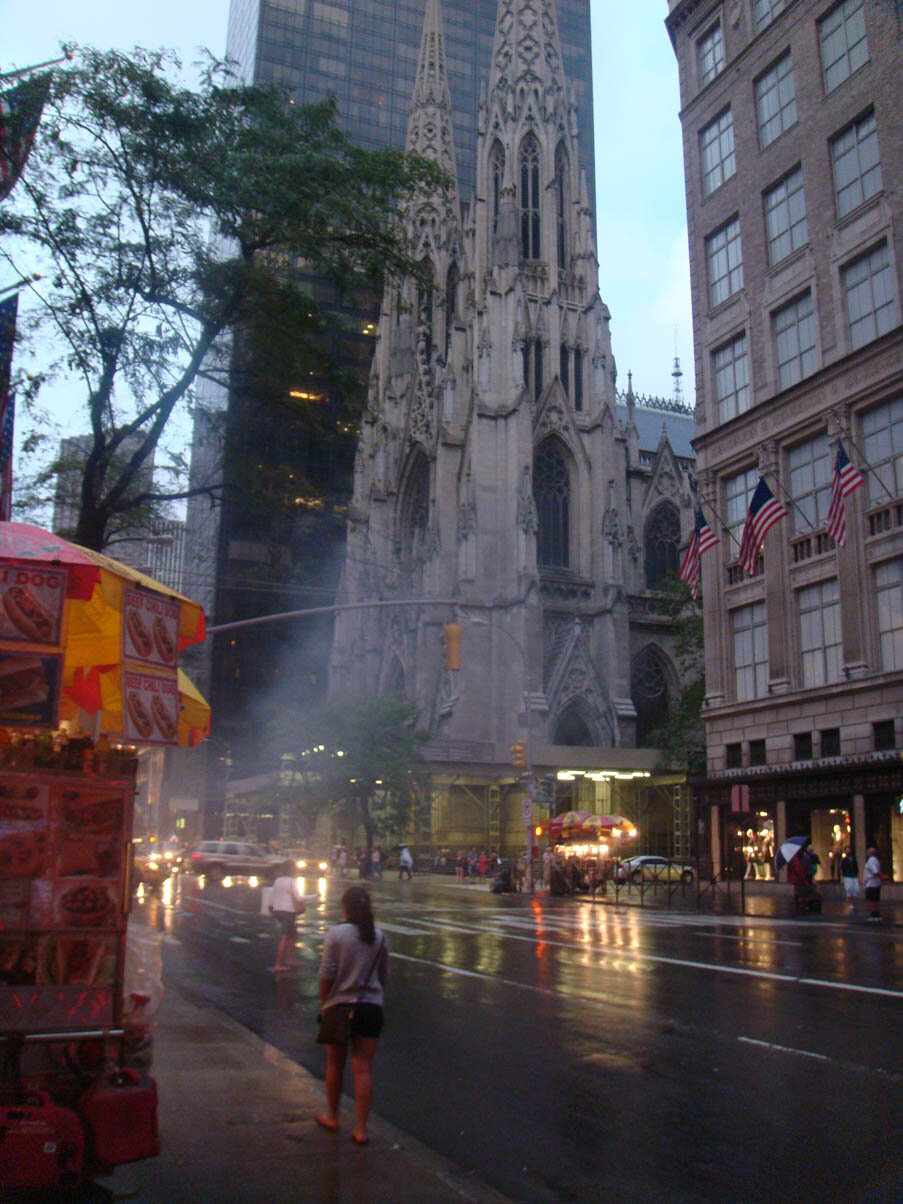
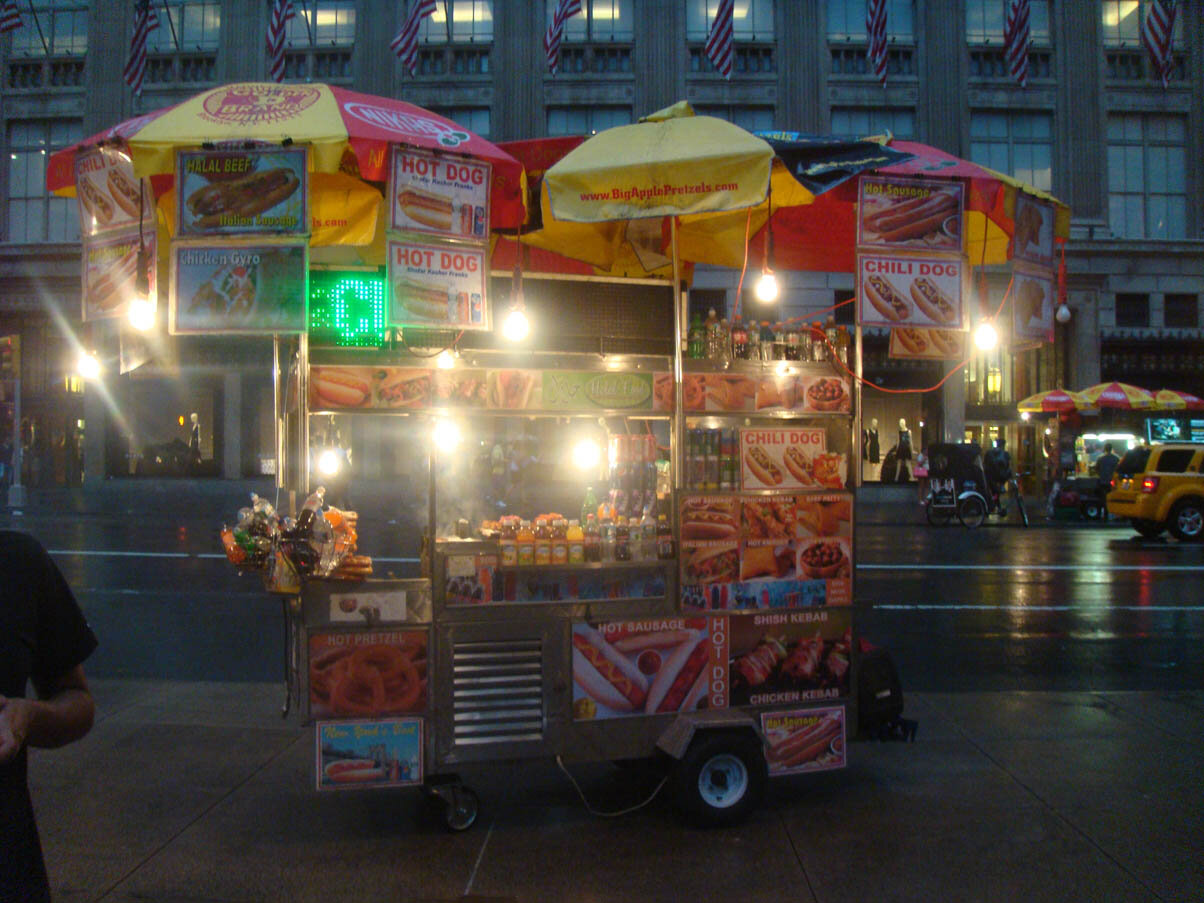
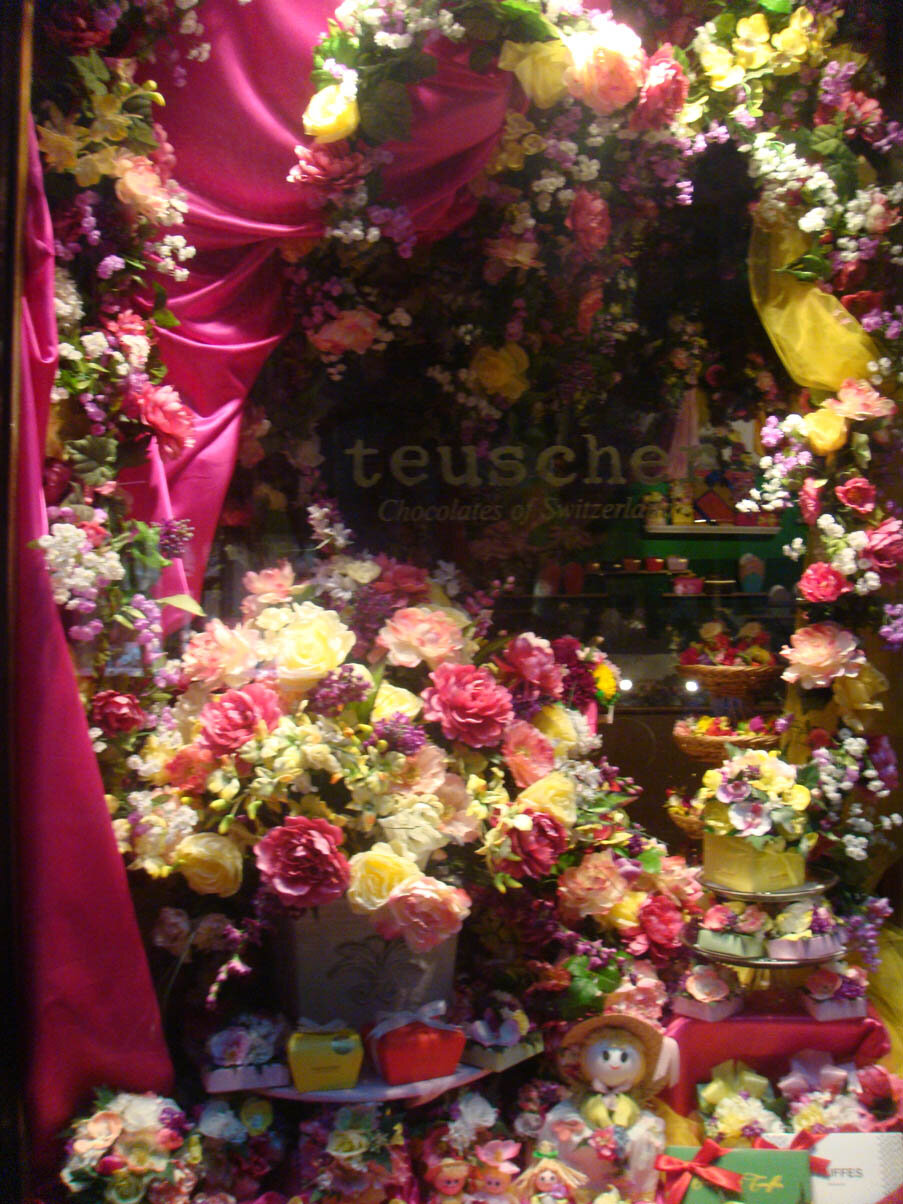
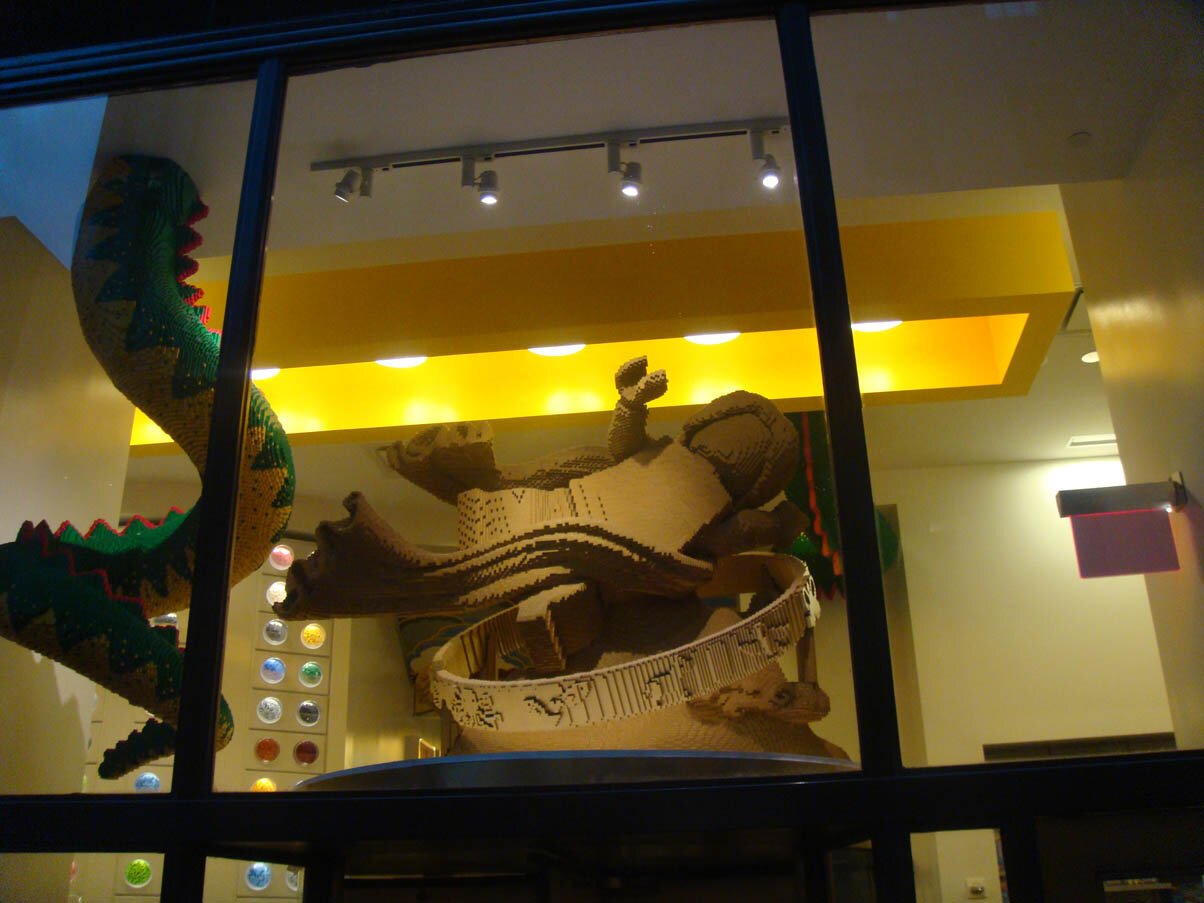
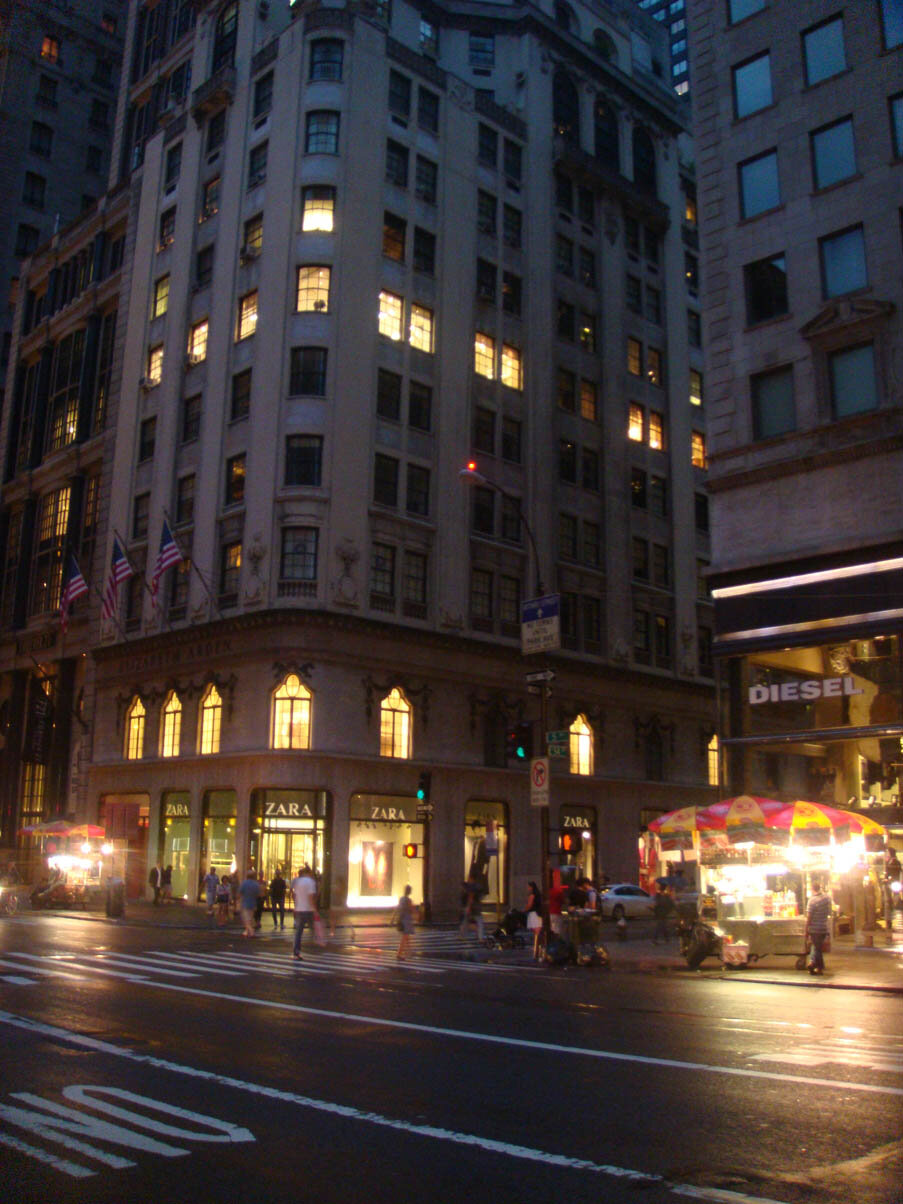
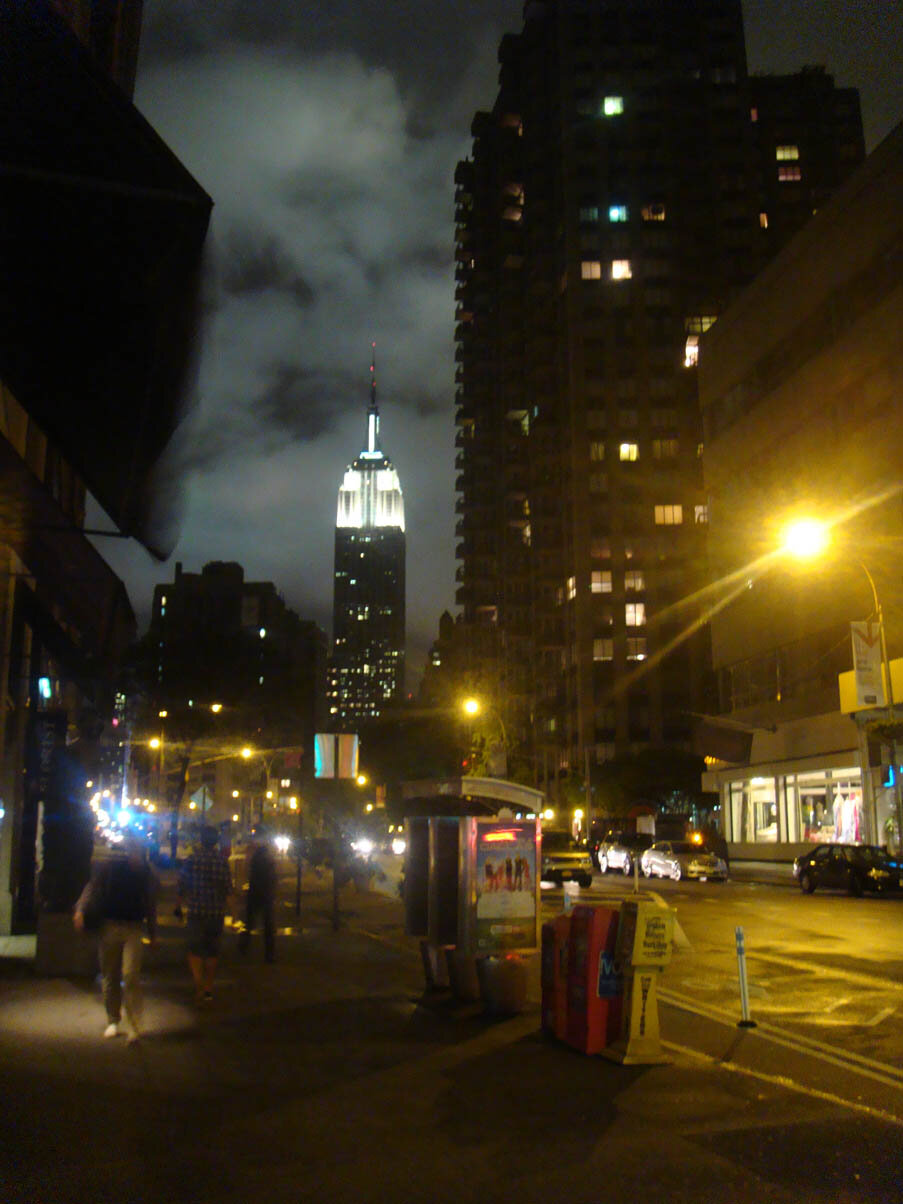
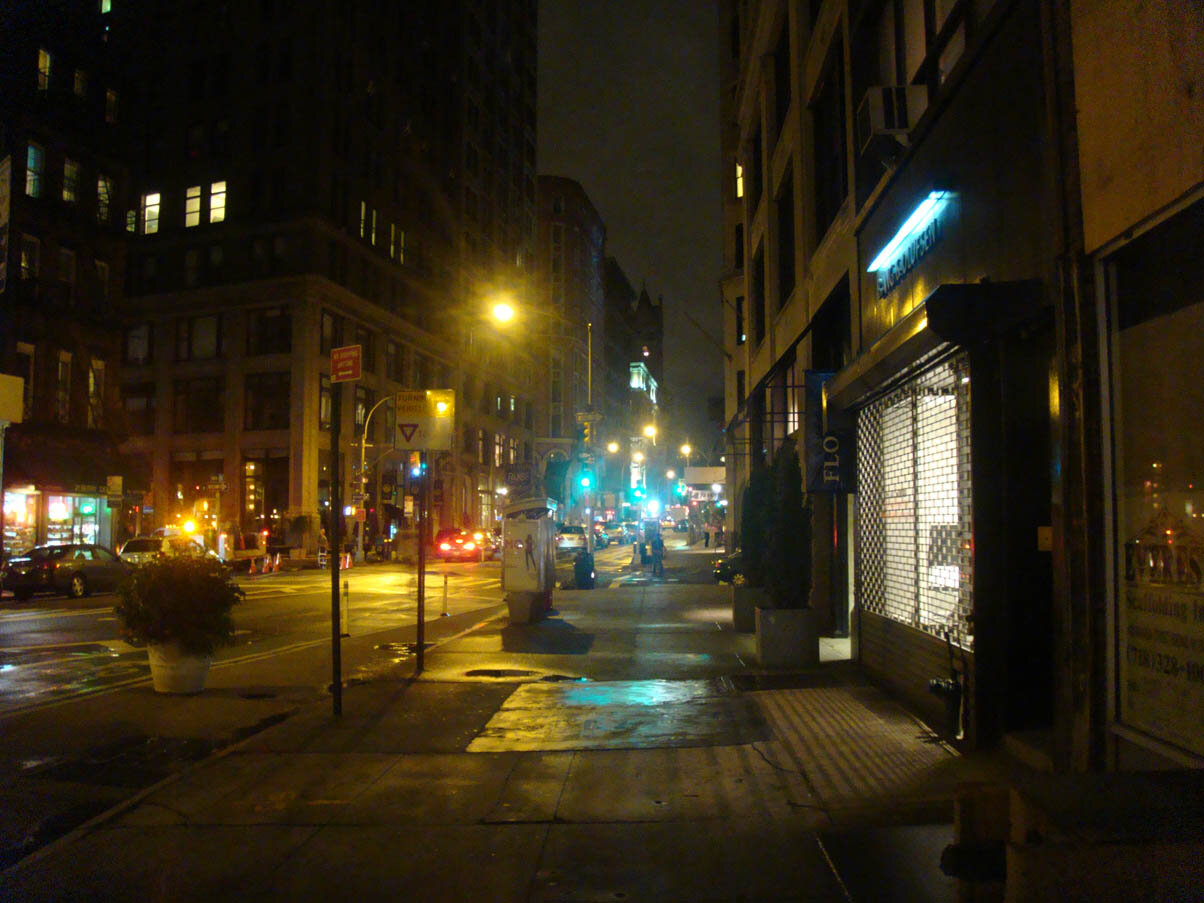
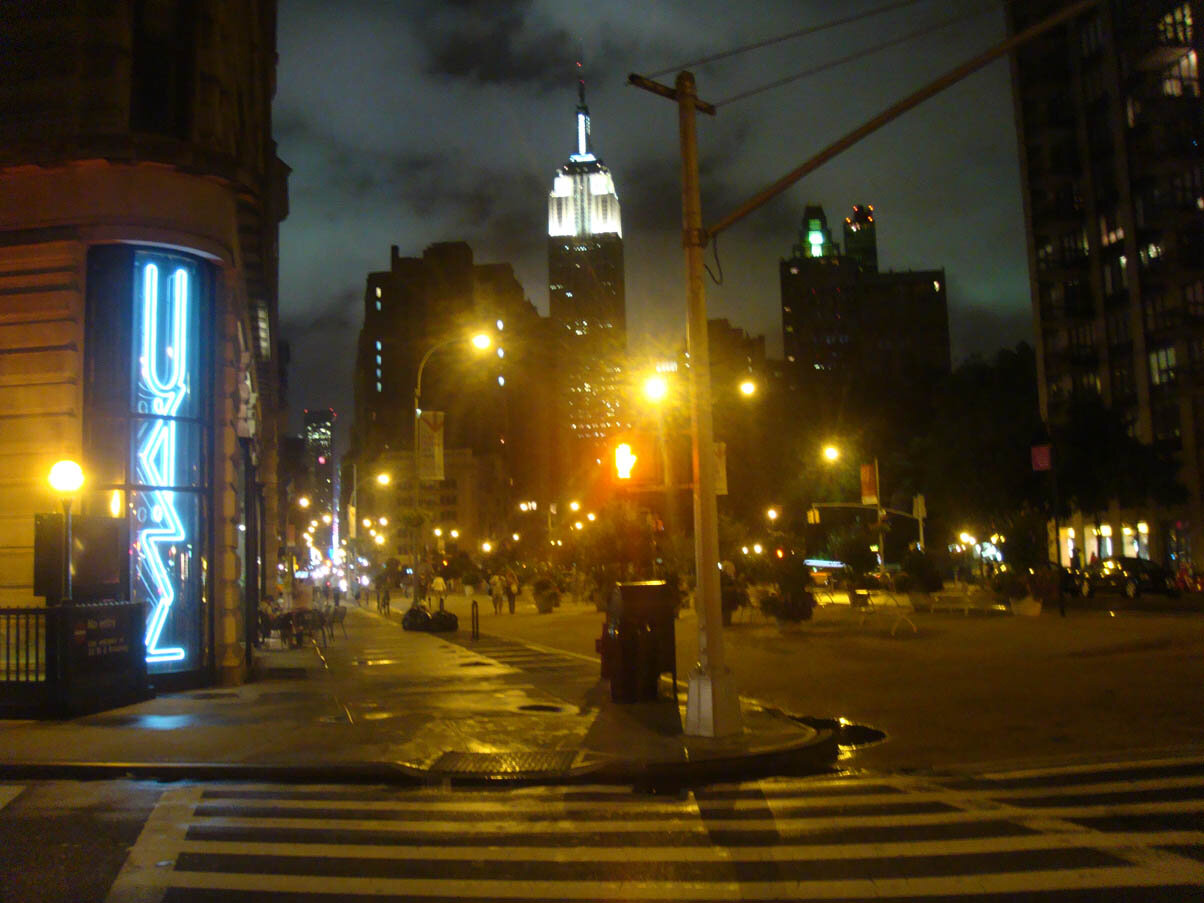
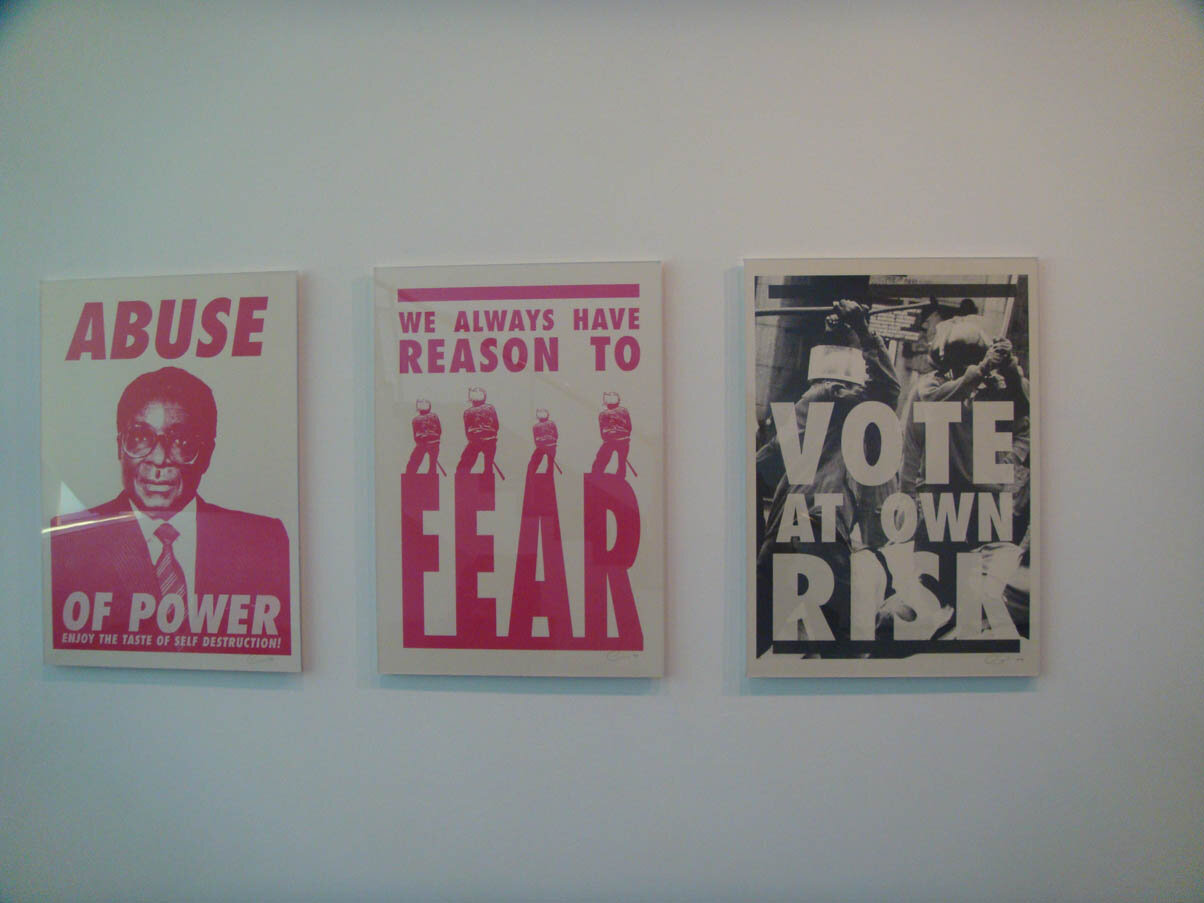
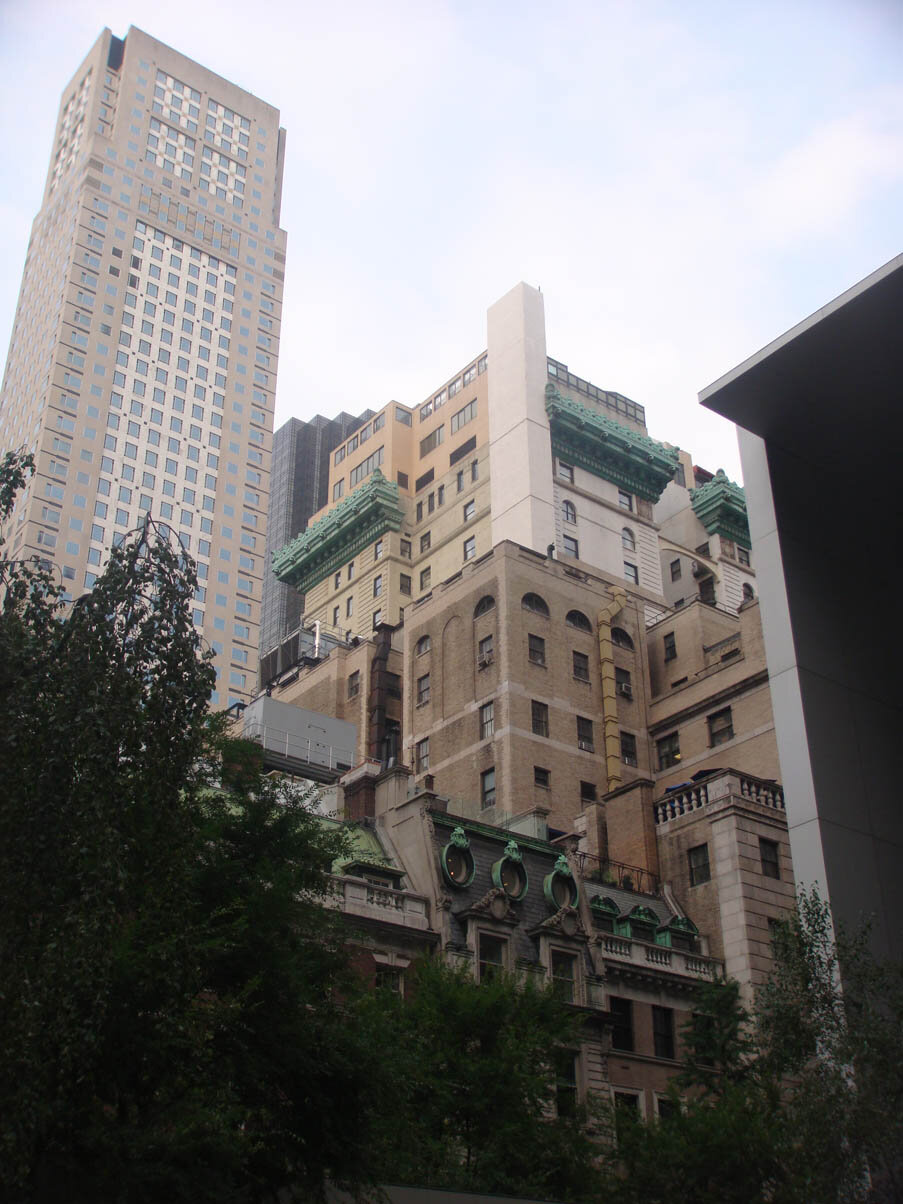
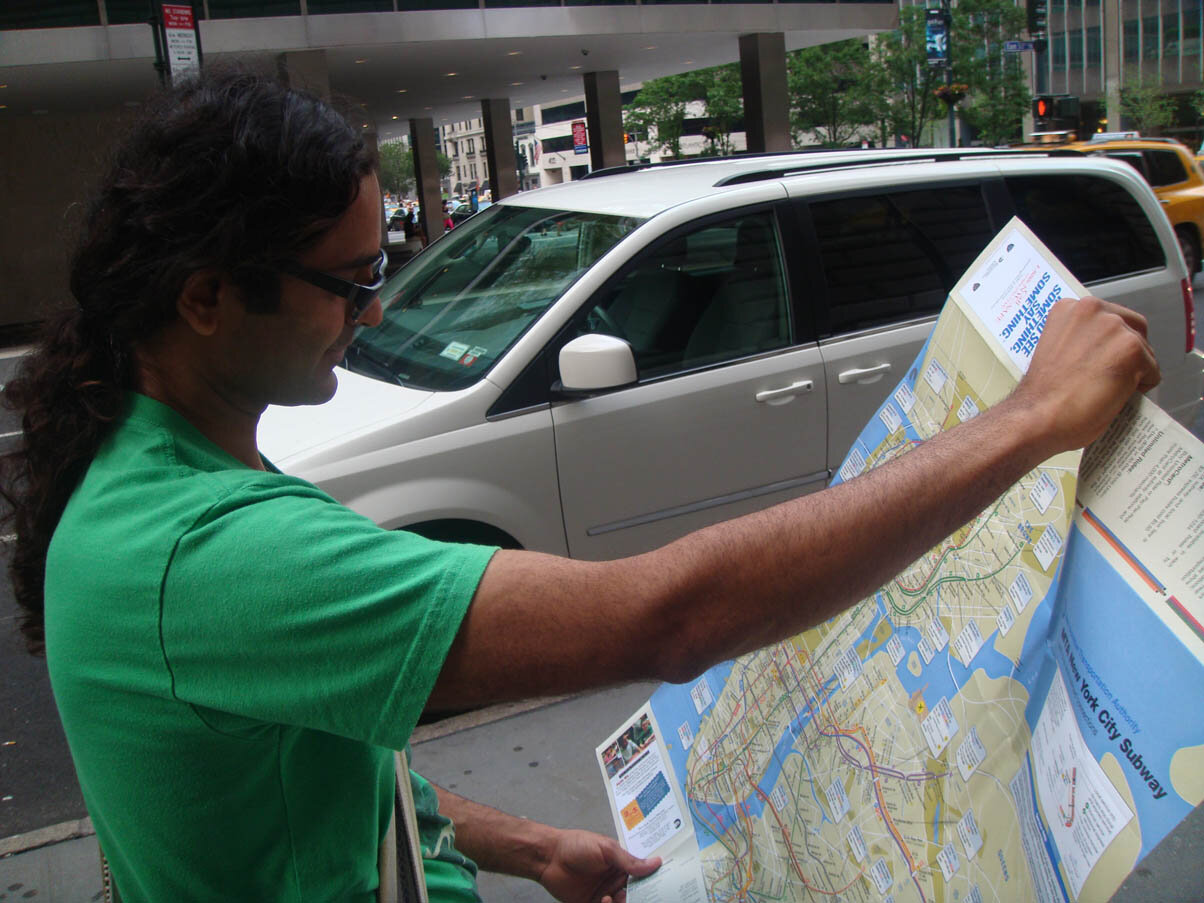
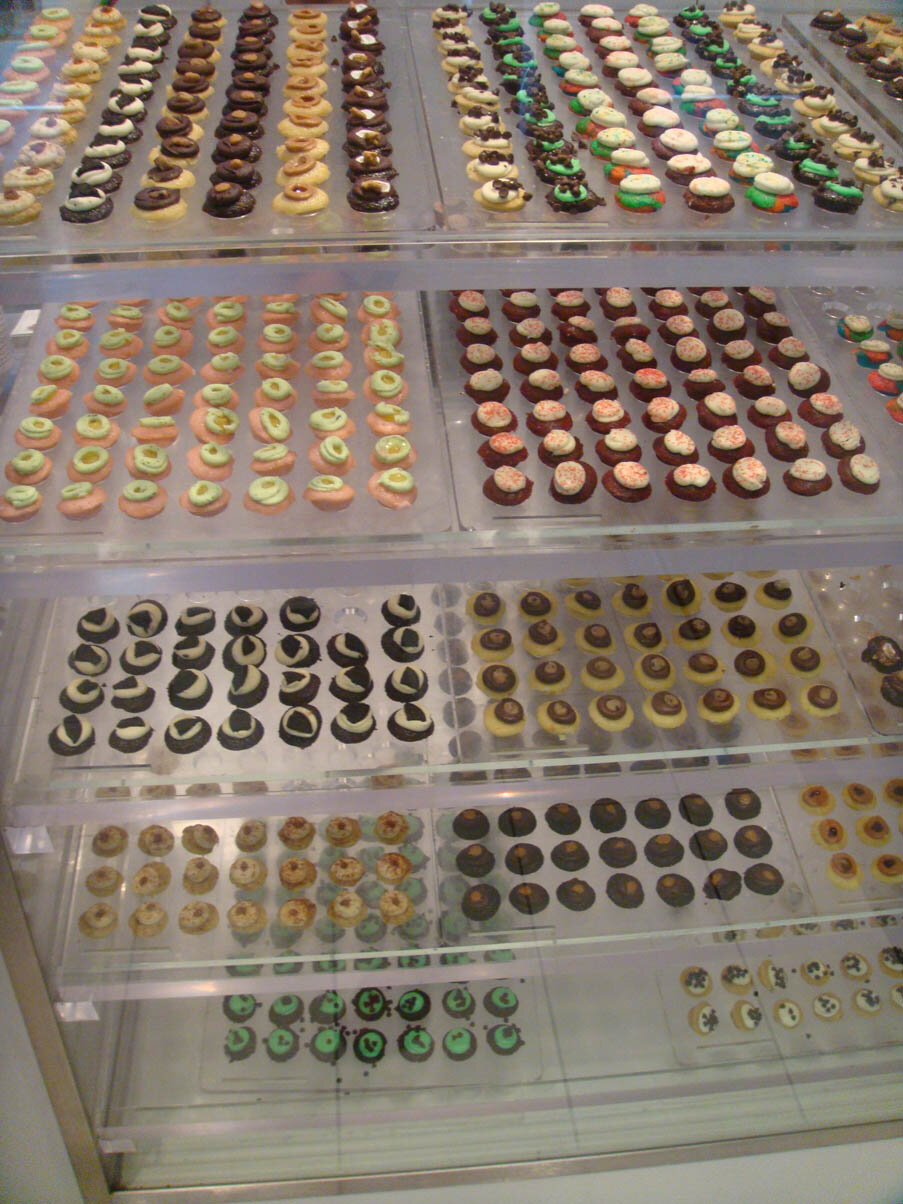
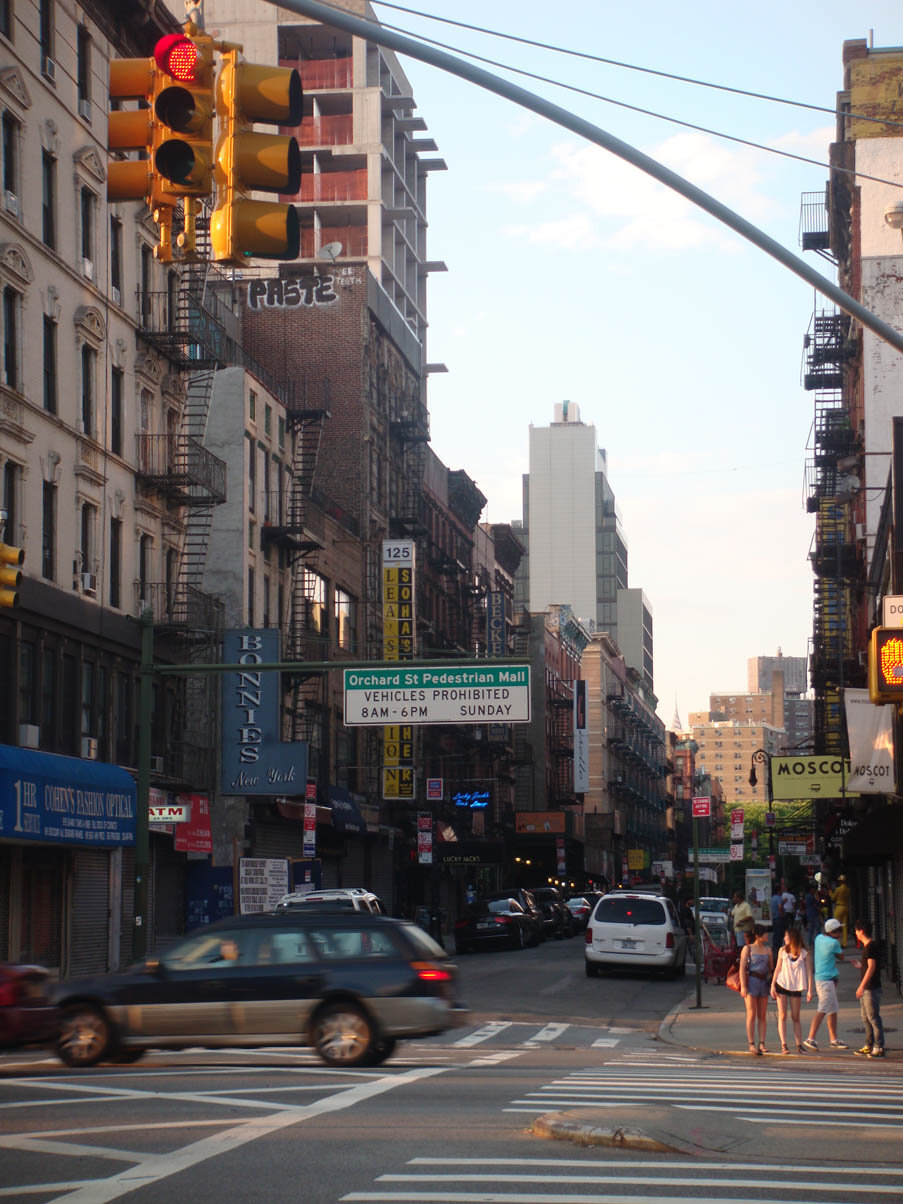
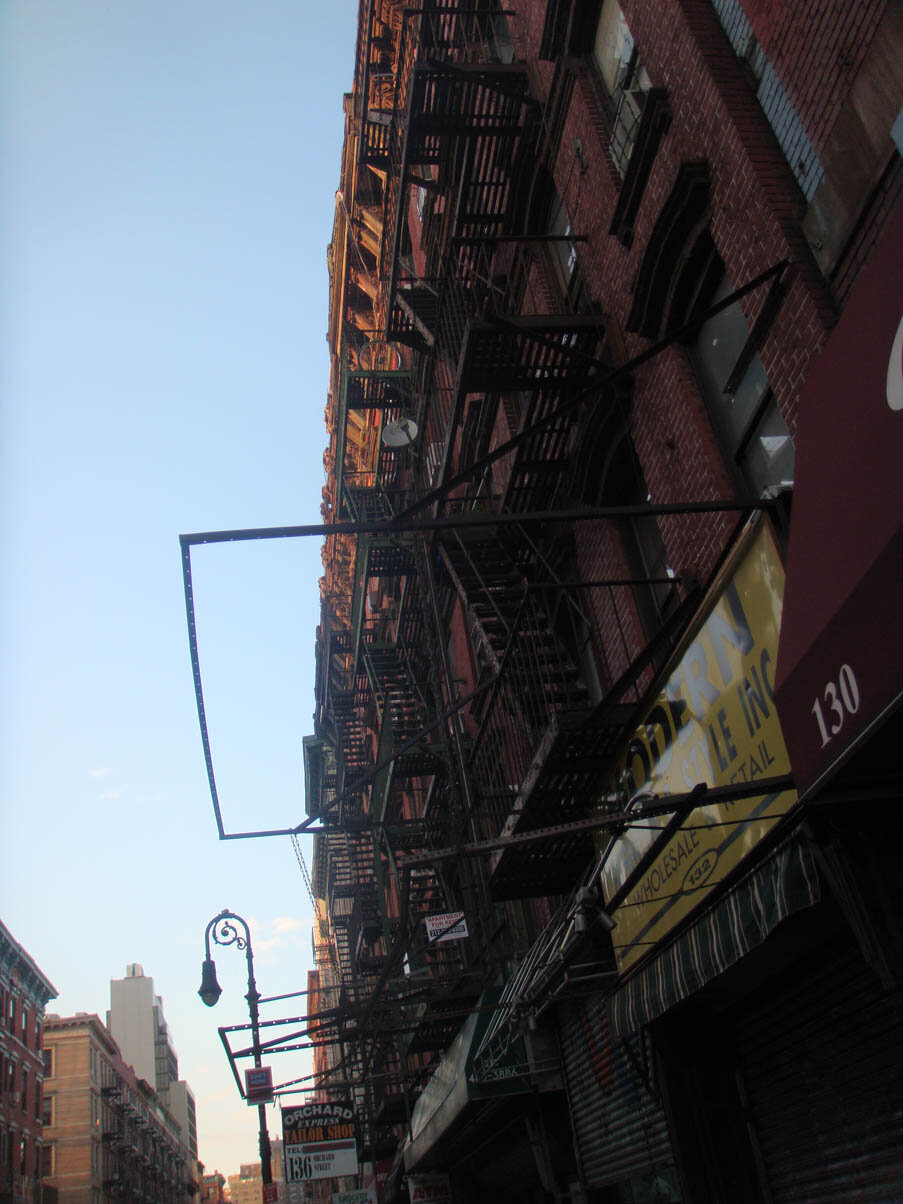
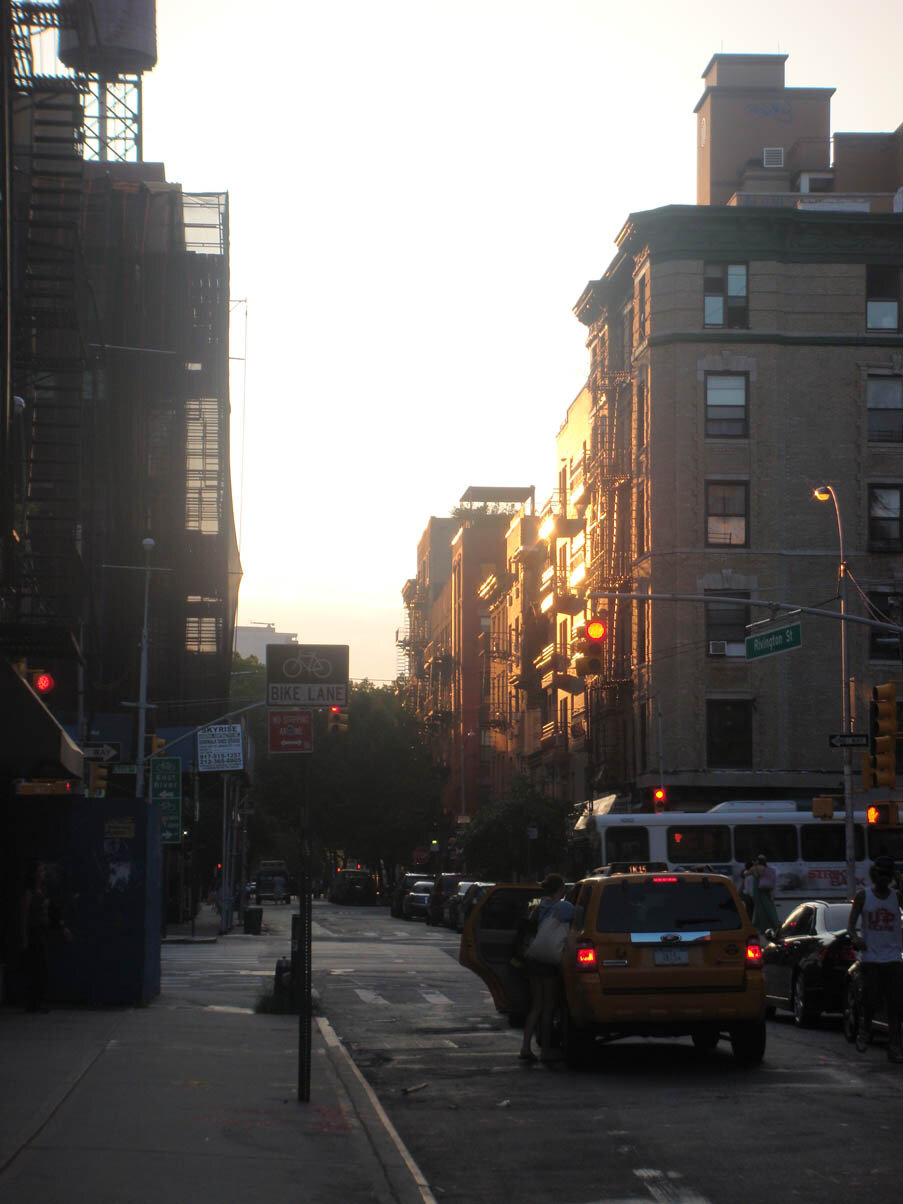
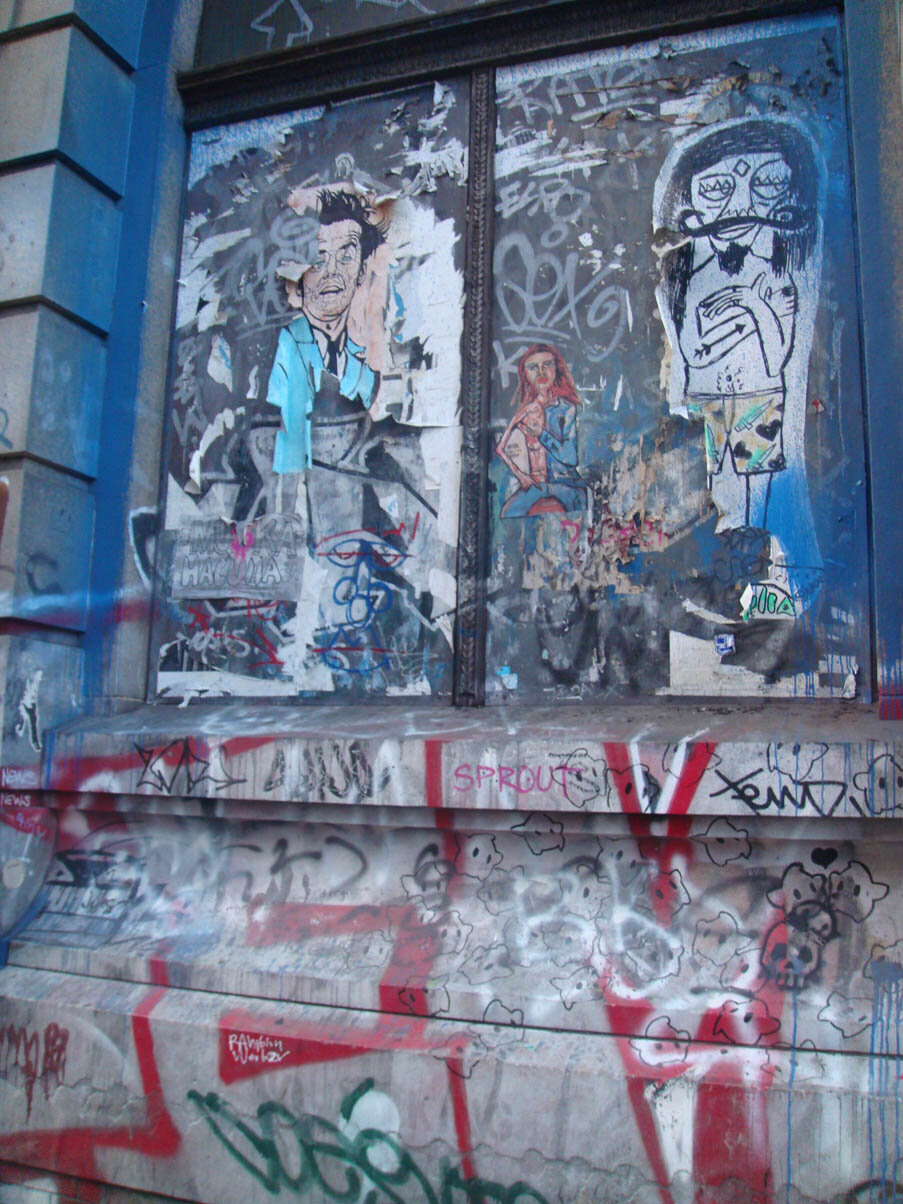
After finishing up at Imageworks on Arthur Christmas, I looked forward to working on my own art for a bit, but it was obvious I needed to take a break and do some exploring and living before getting right back to the computer and drawing board. With the help of a few kind friends in and around New York City, I decided to go spend some days there. Over the course of nine days, I wandered around different parts of the city. From lower Manhattan to Upper and Brooklyn to Jackson Heights, Hoboken, NJ and many places in between. It was great to break away from my routine and be in a place just to be. I wasn't on my way anywhere, I didn't have anything specific I needed to do. I was just there to enjoy the experience and see what I saw.I took a lot of photos, and I'll add some to the blog. The city is a fascinating place. There is so much art and culture everywhere. There is a rich diversity of people, places and things to do.I saw beautiful churches, synagogues, some mosques and some of the best art museums I have ever been too. Really, the art collections in NYC put the permanent collections in LA to shame. Of course the LA weather can't be beat, but what's a bit of sticky sweat for some great live music and art? It was a great break. I suppose I might be odd in that my idea of a break from work is to walk morning to night and explore until exhaustion and beyond for days, but for me, that reinvigorates my excitement to go back and create. That infusion of life is just what I need to inspire a bunch of time in front of a computer or drawing board to interpret and create afterwards.Here's a first set of photos from the trip.


Journey to Sindh
A journey to Sindh to seek out folk musicians to record music for a short film turns into much more. The people and culture of Sindh made this journey.
 Earlier this month I added a 5 part writeup with galleries on each page, of my journey to Sindh back in the summer of 2008 to record music for my short film Gul(flower). What fascinates me about storytelling, is not just sitting in a room and creating art, but rather the process of connecting to people, enriching the story of your own life and then expressing something about it.Sindhi is a province in Pakistan, rich with culture, heritage and incredible people. The hot desert, delicious food, a strong connection to Sindhi language and heritage and beautiful, colorful traditional clothes and art make it a fascinating place.I hope to explore more of it someday, but you can get a glimpse of my travels and some of the things I saw in Hyderabad and Jamshoro here.
The Music of Gul: A Journey Part 5
So, we had our musicians. Now I just needed to find a place to record and we would set a date that worked for everyone and do it. There were still many variables, but one important part had been handled. It takes a lot to slow down, let alone stop my friend Fatah sahib. At that time he fell ill with malaria. I didn’t really know what to say. I mean, here’s a man who really put himself out there for me, fallen terribly ill. He could not speak and all contact was cut off. I was staying with the students and then with Mangi sahib, who opened his home to me at this time. I was almost out of time, and I needed to get a place to record during this time.
1. Going to Sindh - 2. Emperors New Clothes and Sites - 3. Fun Days and Tipping Point - 4. Time Running Out - 5. All Good Now?
It’s all good now...right?
So, we had our musicians. Now I just needed to find a place to record and we would set a date that worked for everyone and do it. There were still many variables, but one important part had been handled. It takes a lot to slow down, let alone stop my friend Fatah sahib. At that time he fell ill with malaria. I didn’t really know what to say. I mean, here’s a man who really put himself out there for me, fallen terribly ill. He could not speak and all contact was cut off. I was staying with the students and then with Mangi sahib, who opened his home to me at this time. I was almost out of time, and I needed to get a place to record during this time. Unfortunately, Fatah sahib had not included me in on the the process, so I had no direct contacts to recording, much as I had argued to have these conversations in Urdu.
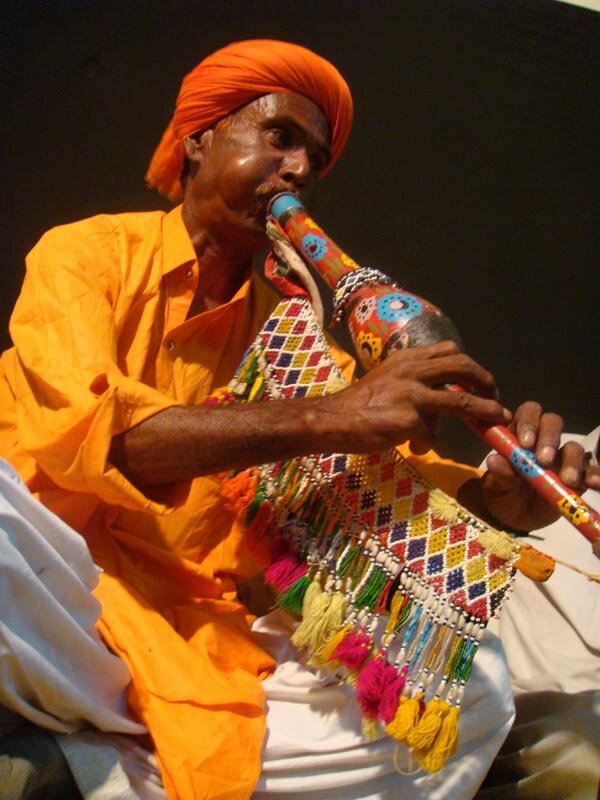
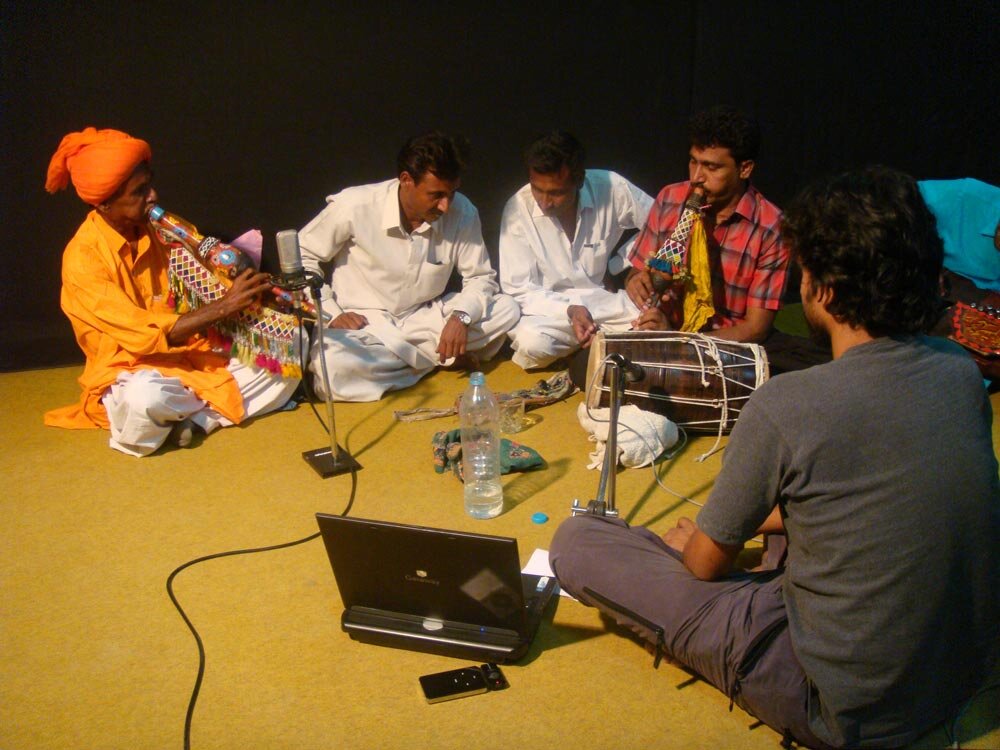
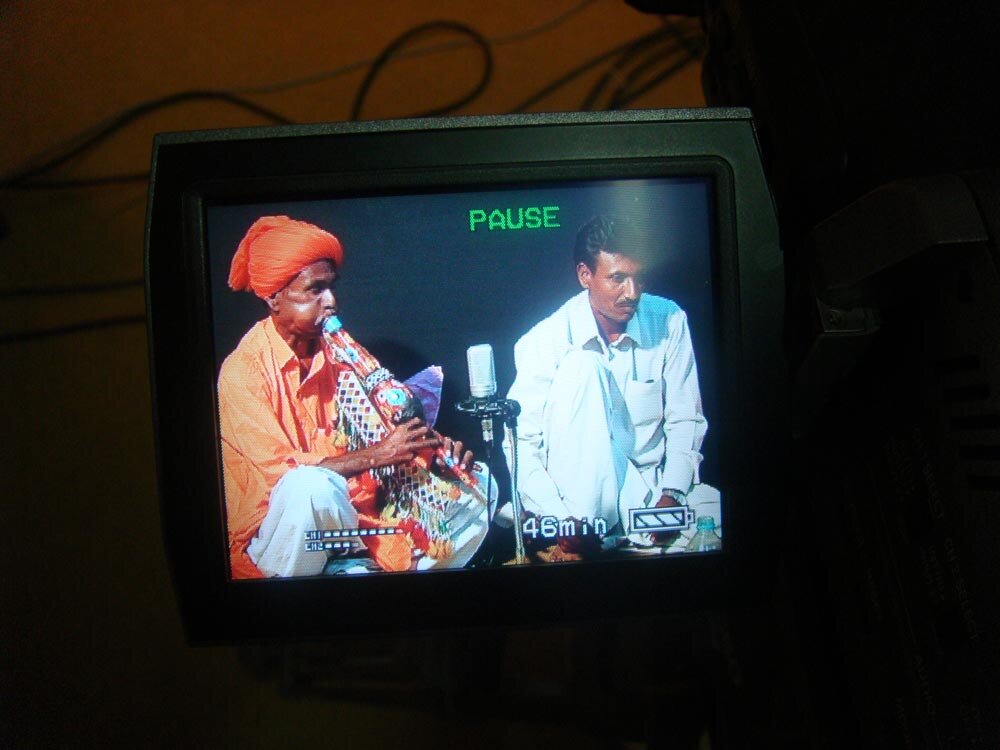
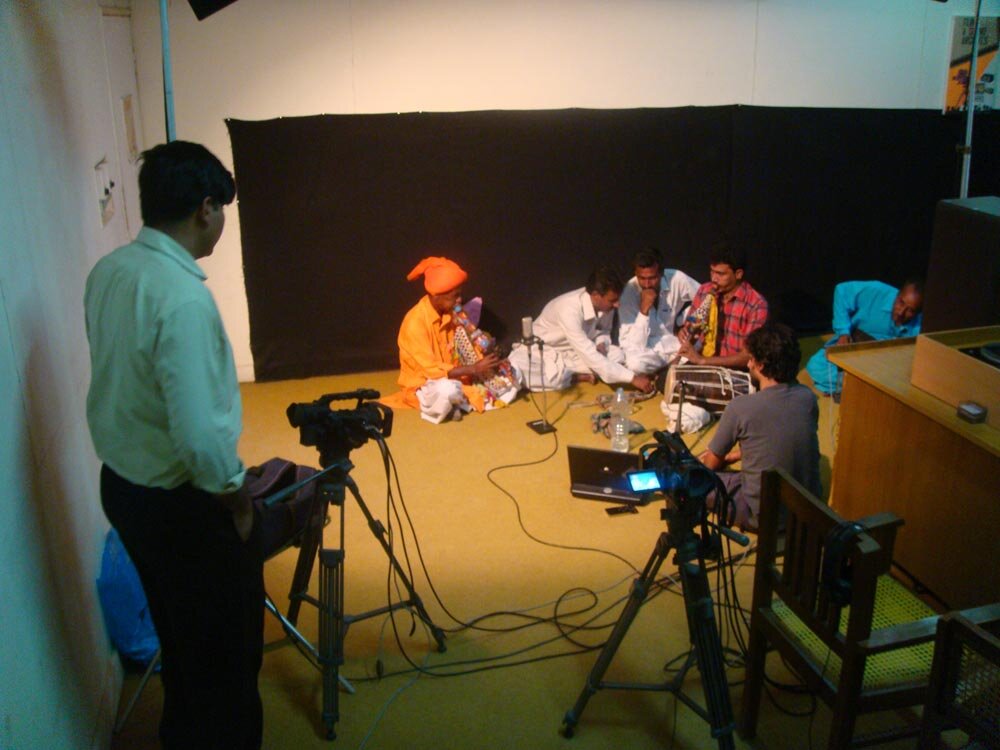
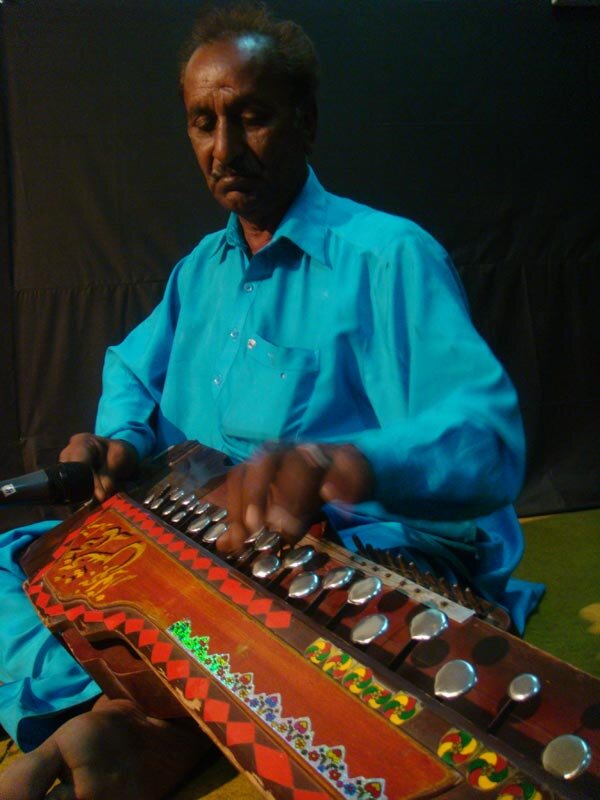
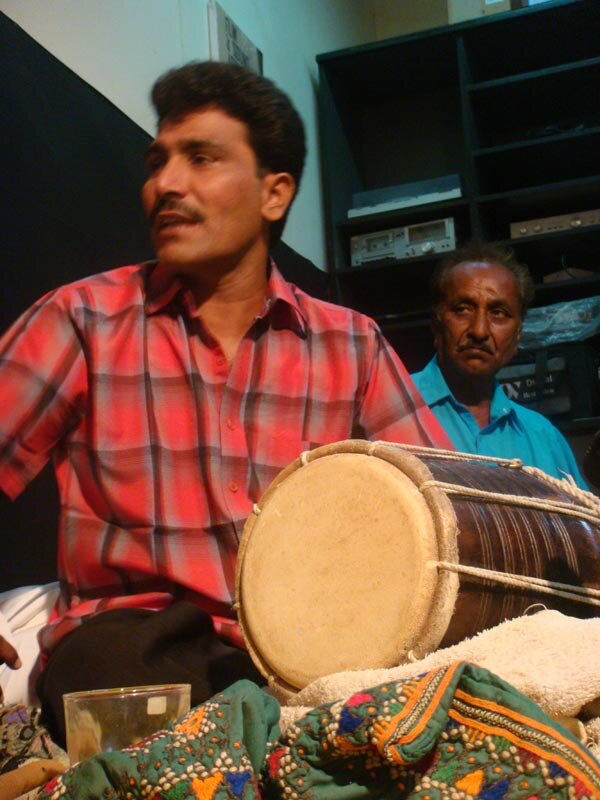

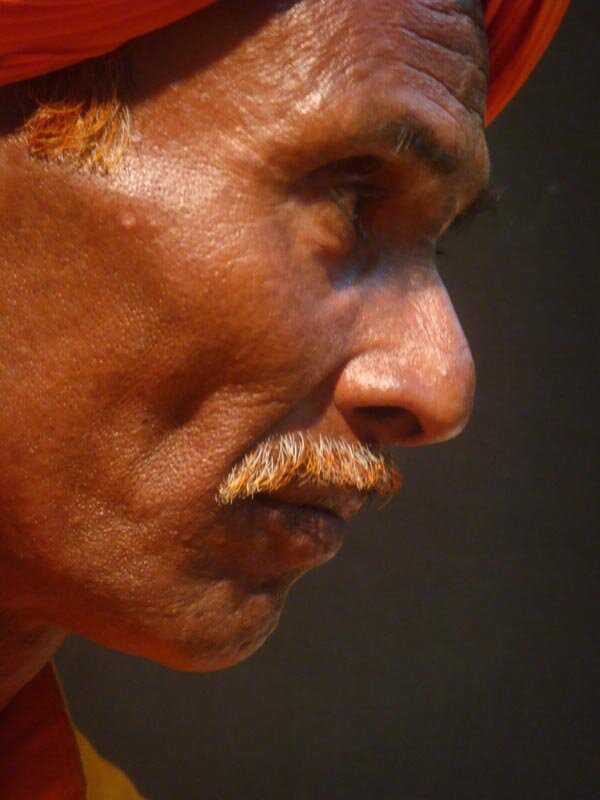
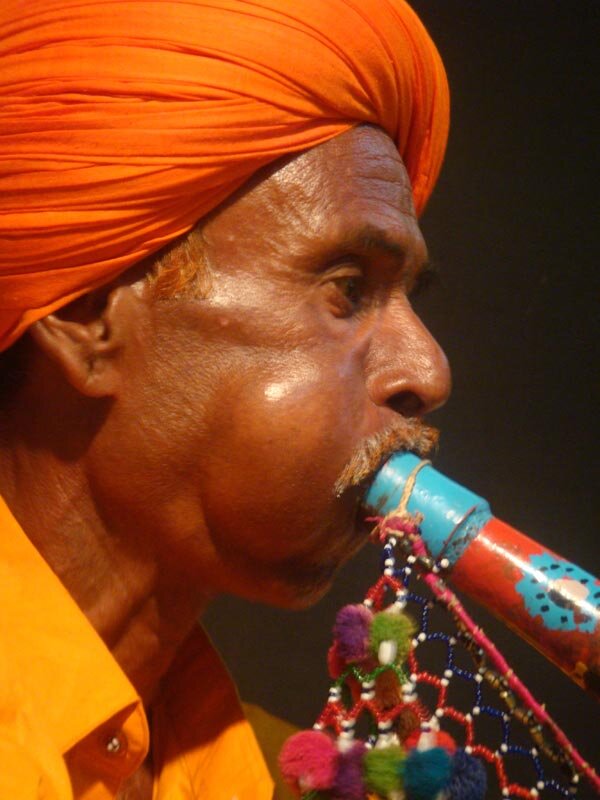
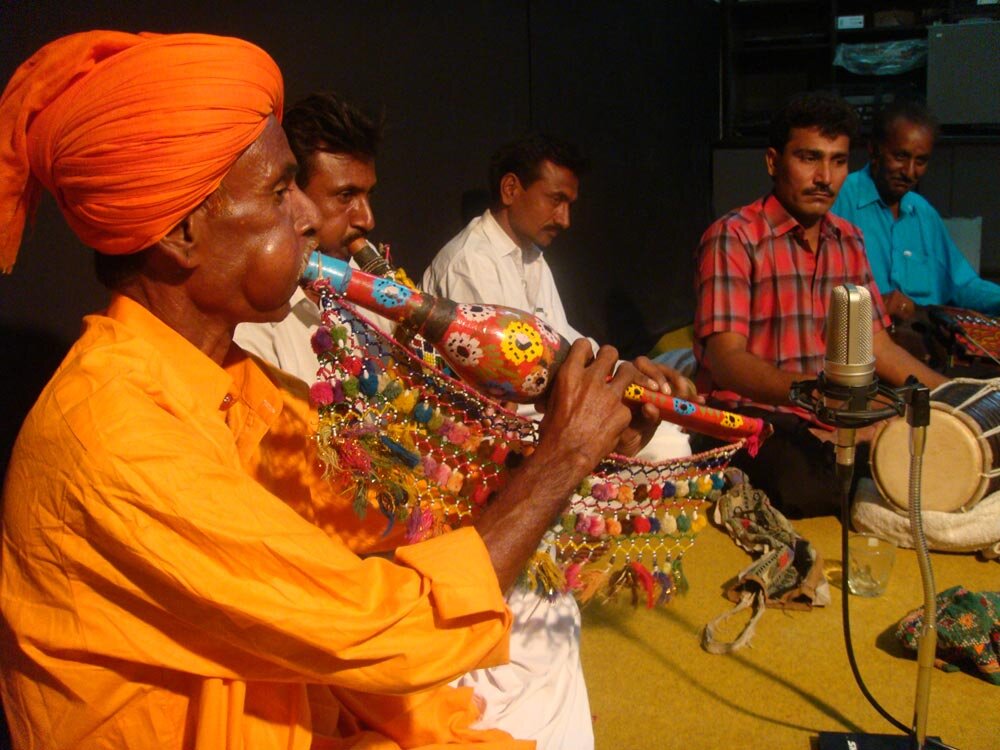
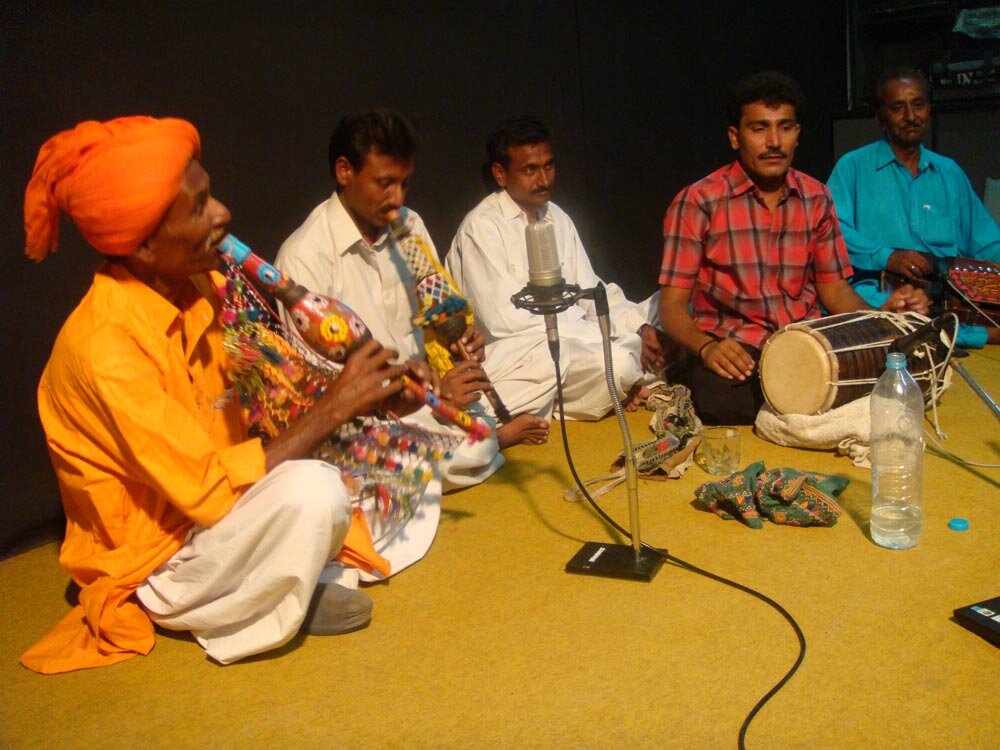
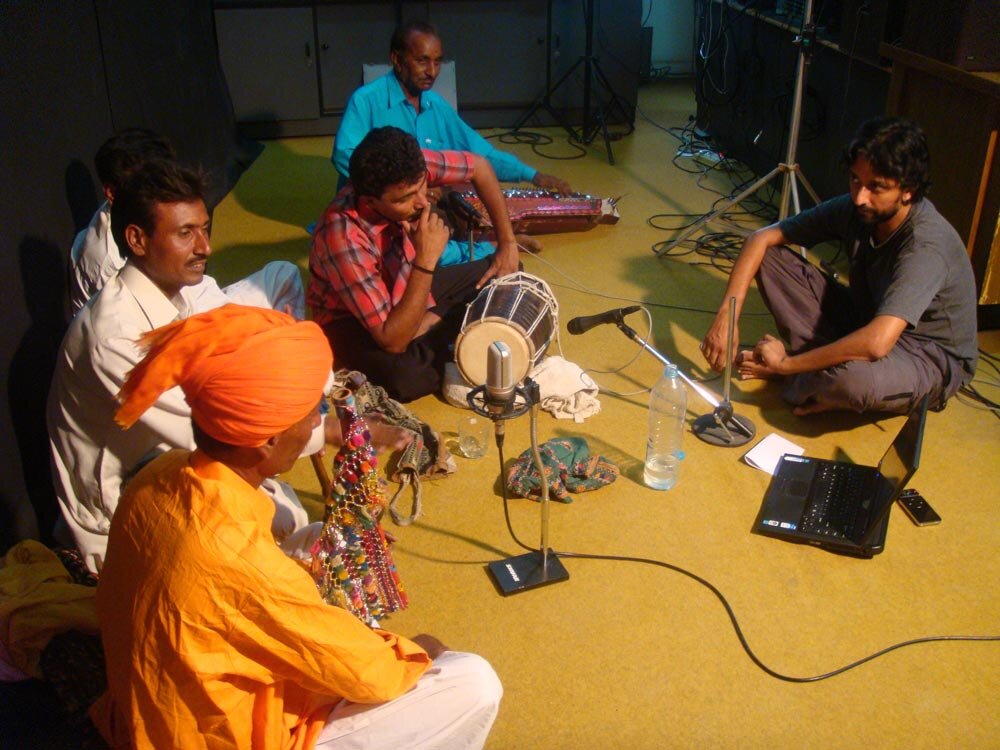
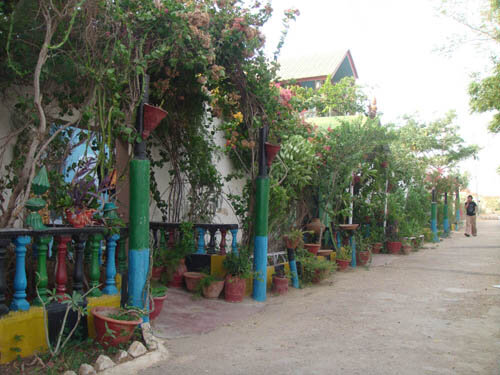
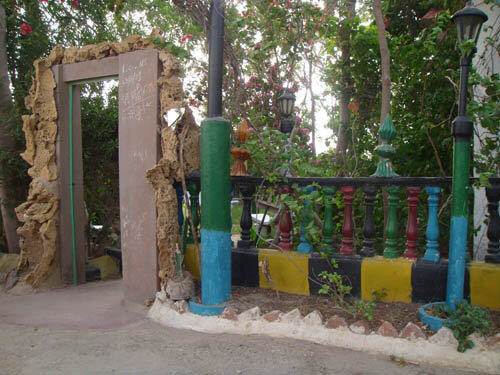
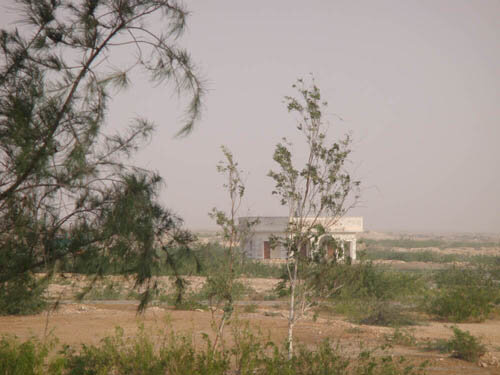
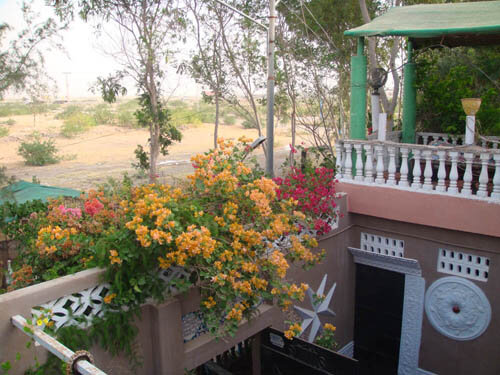

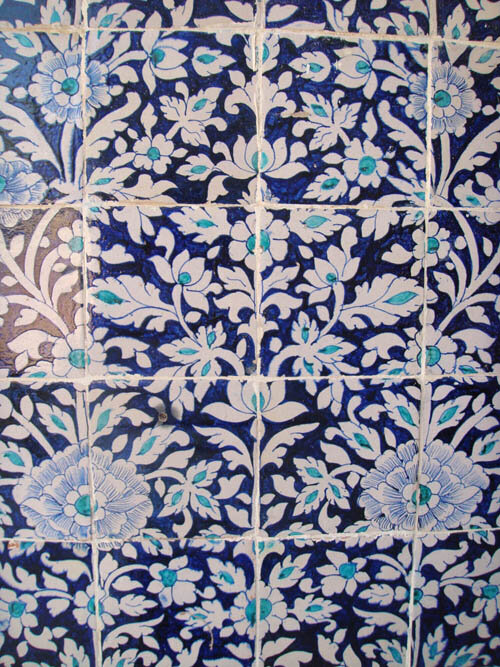
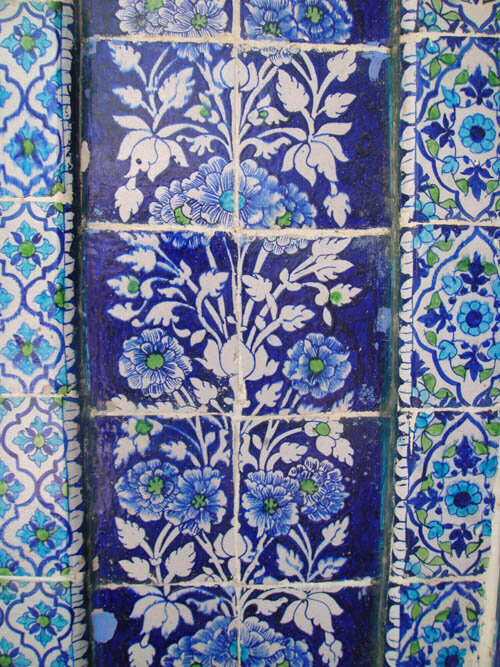
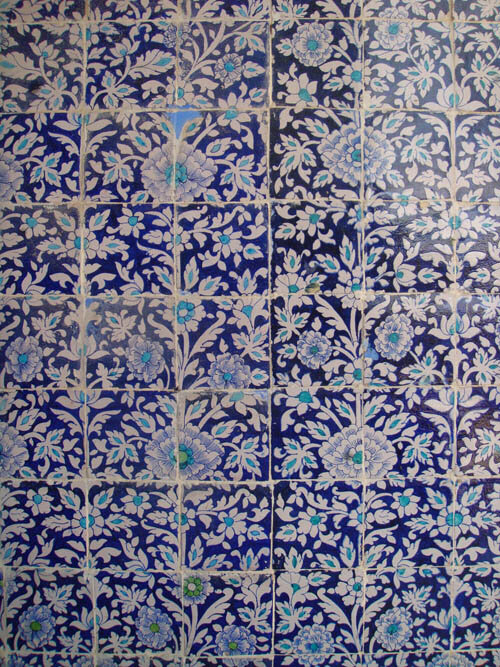
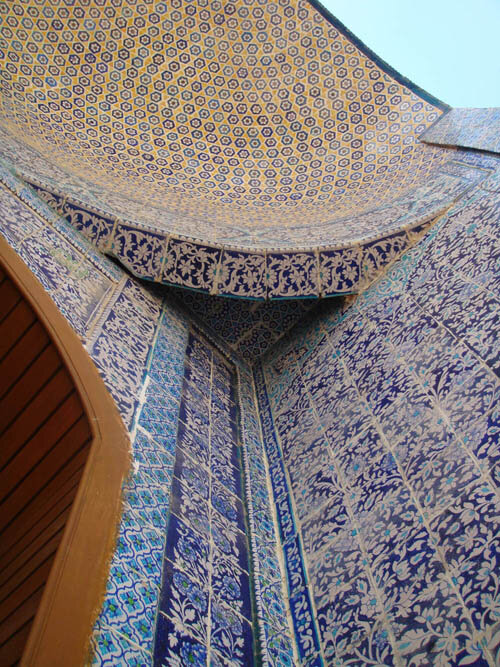

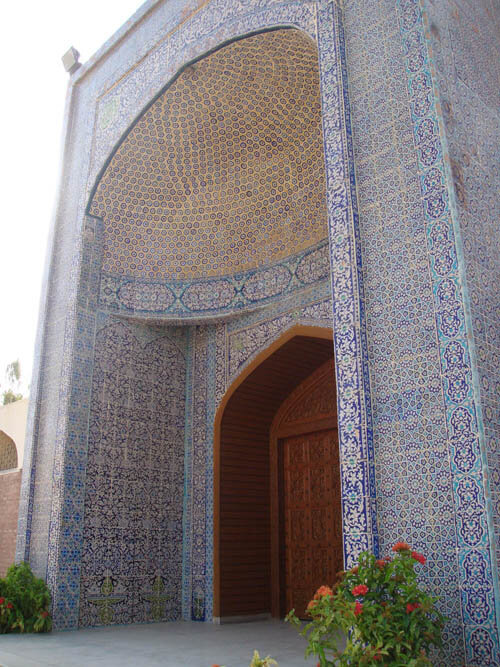
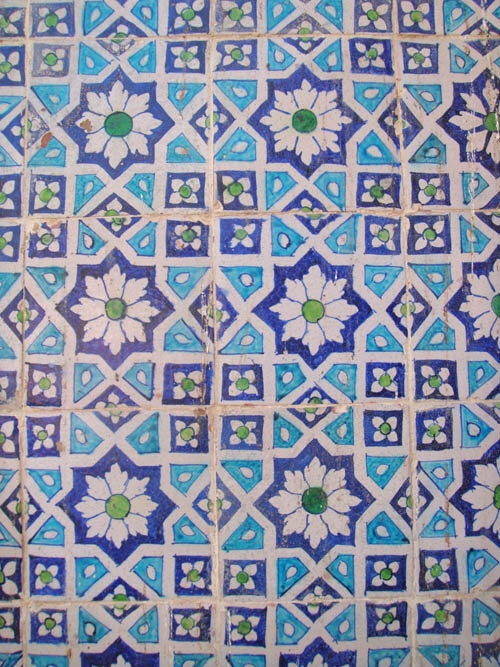
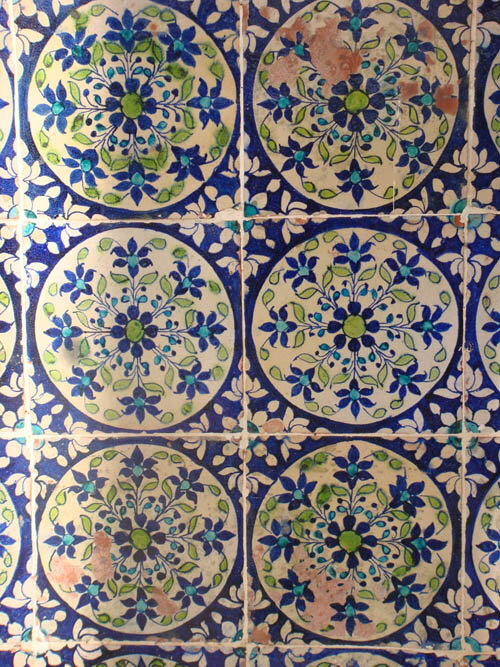
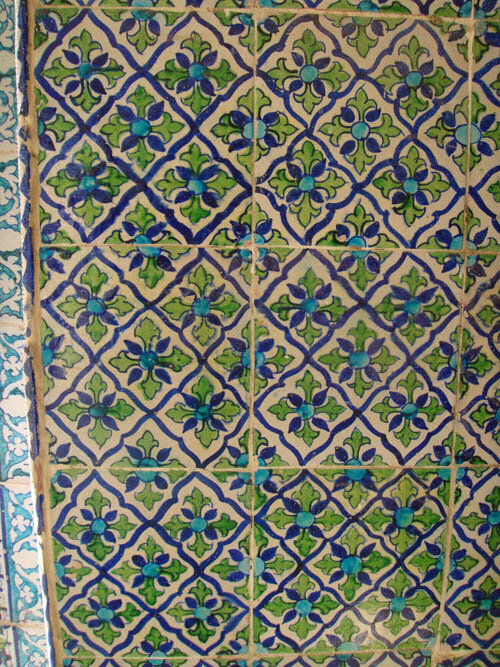
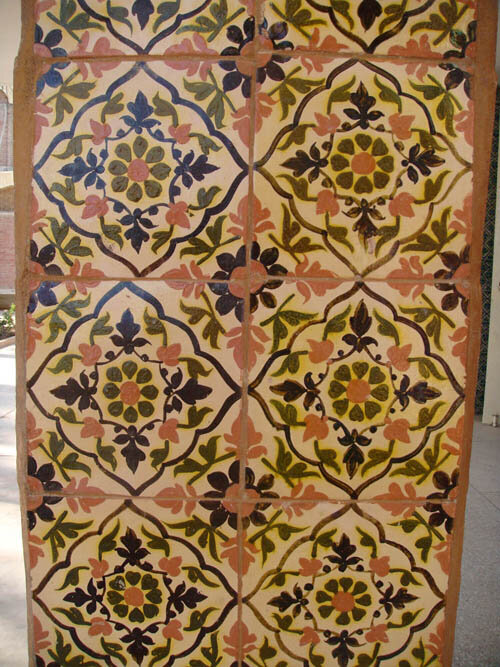
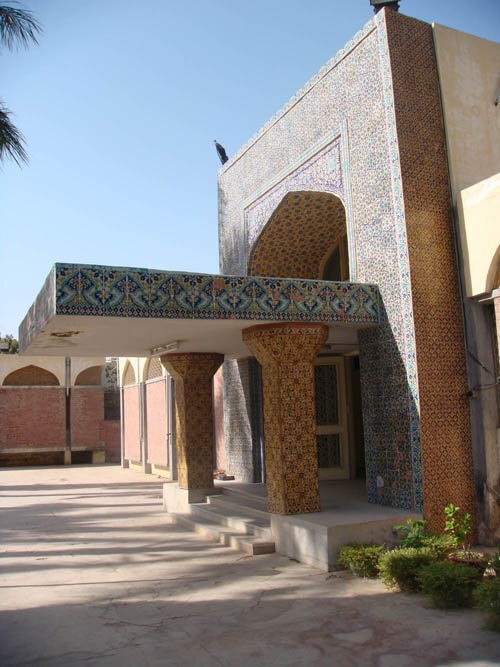
I took what bits I could and ran around making phone calls and tried to figure out who would let me record. I knew there was the radio station and a few tv stations that might be able to do it, but why would they do so for me? Every day, I would try and figure it out. Places were, booked and many people suggested going to Karachi, but I really could not do all of that. Meanwhile, we would all keep trying to find out how Fatah sahib was doing. Mangi sahib really helped me out, just by giving me a bit of peace and a break from all of this madness. We’d talk about art and animation, enjoying his wife’s delicious cooking and his little son’s cute conversations.Mangi sahib introduced me to Zulfi, the recording engineer at Sindhology and Maka sahib, who heads Sindhology. Again, Suffi sahib’s friends helped me out. Mangi sahib put in a request for me to record at Sindhology. It all seemed so out of reach, no matter how many people I met, and trekked out to meet. Maka sahib gave the go ahead and Zulfi graciously offered his time and skills.I called up the musicians with the good news, but it turned out our banjo player was already booked for that day as I needed to change the date to record at Sindhology. I had no time left. Ustad Anb Jogi sahib offered to find a suitable replacement, and with no other choice I had to place my trust in him. He knew what I was after and I hoped that he could find someone.The day of the recording session came. More friends who had been helping with driving around and following leads came to my aid again. Another talented painter and professer, Naimatullah sahib made sure the musicians could easily get from the Hyderabad Rail Station to Sindhology in Jamshoro. Mangi sahib and Zulfi sahib made sure that arrangements for recording were set.We met up in the recording room at Sindhology. The electricity kept going in and out. We had three hours to figure out the music and record it. Zulfi was miking up the intruments, and getting things ready on his end, as I sat down with the musicians and discussed how we could do this. I had a sheet with timings for key moments broken down. There were cues for where the music should change moods. We started by trying to follow that, but after a bit of it, I realized that I needed to free these musicians up to play. Not only was there not enough time to follow the breakdown sheet, but it wasn’t going to allow them to play their hearts out either.So I asked if we could try a different way. We took it scene by scene. I explained the emotions, then gave cues with gestures, and a few words. Ustad Anb Jogi chose the raags and would sing or even play a melody as instructions to the musicians. Each one added their own bits in, and music was made on the spot. We did several takes of each scene, and went through them all and came back to the start. I had to make sure that I got all the takes I would need to do the final mix, thousands of miles away in Los Angeles. If I didn’t get what I needed, that was it, it would be too late later. Zulfi had hooked up the mics directly to the DV cameras he was recording with. So I would get some kind of video of the whole thing and a 4 track recording of the musicians, with each of the main instruments seperated out. I wanted to take photos, but it was more important to concentrate on directing and giving the musicians what they needed. Thankfully Mangi sahib must have read my mind. He picked up my camera and took a set of really nice photos during the session.These musicians are masters of their art. Here I was, some silly, random guy explaining some strange project. I think what worked, was my genuine respect for the musicians. I deferred to their judgement after clearly explaining the parameters of what I wanted. I trusted in them, rather than trying to tell them what to do. I let them know how much I appreciated that they were there. I was stressed, but more so leading up to the recording session. During the session, just hearing the music and the support of new friends allowed me to concentrate on directing and letting the joy of that music wash over me. Knowing that Zulfi was there putting a lot of care into recording and Mangi sahib made himself available to help in any way, while Fatah sahib, ill at home had given his all do get me there and Suffi sahib had made these connections happen, I felt awash with gratitude at the miracle of that moment. These were all great men who had come together at my request and were now breathing a new dimension that really pulled together this personal film I had been chipping away at mentally and physically over the course of 8 years of building my skills, and refining how the story would translate into visual form.Along side that first drawing of Gul, and the first animated shot of Gul peeking and walking, the first successful shot lit and rendered with the painted technique, this moment was an incredible moment of satisfaction. In many ways, having done all that other work on the film, this was the moment that it connected to another group of artists through music. It is difficult to describe how challenging the process of getting there had been, and how joyful and worthwhile it ended up being. To truly know the story that you are trying to tell, makes it possible to tackle all the various pieces of it, and give the direction that your team needs to help you take it further. This story had lived in my mind and sketchbooks, through a rigorous refinement process. All of that gave me what I needed for my part to direct these incredible musicians to get the pieces of music that would tell this story.We all went for lunch after the session and I quickly wrote down notes on the musicians names and backgrounds. I paid them what they had asked and a bonus on top. I knew I could not truly thank them for the gift they had given me that day. They poured their love and care into something that had been selfishly mine for many years, growing and developing, inching toward birth.Ustad Anb Jogi Composer/DholakJairam Jogi on MurliUstad Mohammad Buksh on BanjoNasir Jogi on 2nd MurliIbrahim Jogi on TaliZulfi Gopang Recording Engineer on Music1. Going to Sindh - 2. Emperors New Clothes and Sites - 3. Fun Days and Tipping Point - 4. Time Running Out - 5. All Good Now?
The Music of Gul: A Journey Part 4
I had little time left, and I was very angry at getting the run around. This second music contact I had basically wanted my time to run out and then have me pay them a large, unknown sum, for music that they would create after I was gone. He could not even play something basic to indicate what he had in mind. It was only thanks to Suffi sahib, sitting in Lahore, who kept calling his old college friends in Sindh to come and meet me, that I did not turn back empty handed.
1. Going to Sindh - 2. Emperors New Clothes and Sites - 3. Fun Days and Tipping Point - 4. Time Running Out - 5. All Good Now?
Running out of Time
I had little time left, and I was very angry at getting the run around. This second music contact I had basically wanted my time to run out and then have me pay them a large, unknown sum, for music that they would create after I was gone. He could not even play something basic to indicate what he had in mind. It was only thanks to Suffi sahib, sitting in Lahore, who kept calling his old college friends in Sindh to come and meet me, that I did not turn back empty handed.
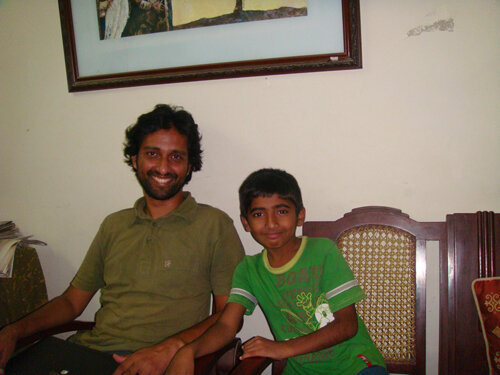
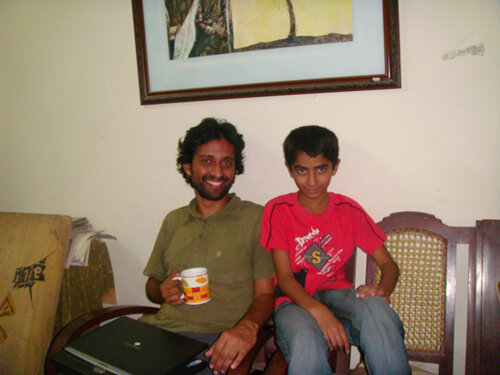
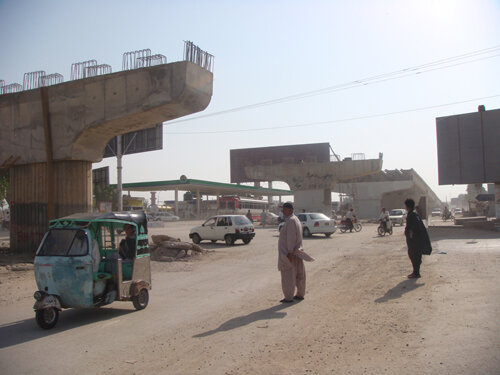
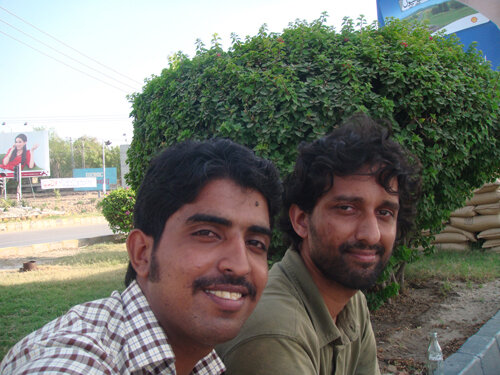
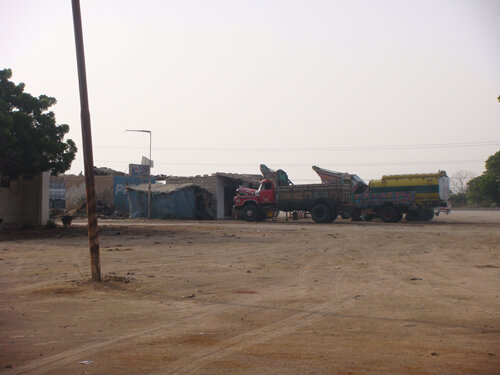
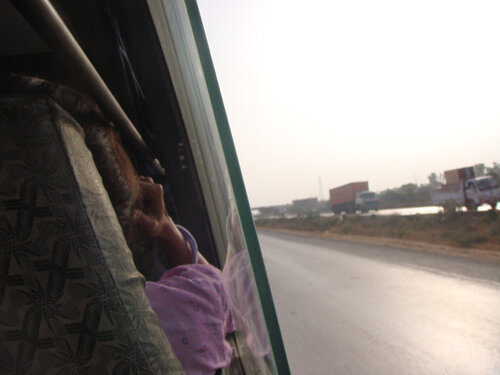
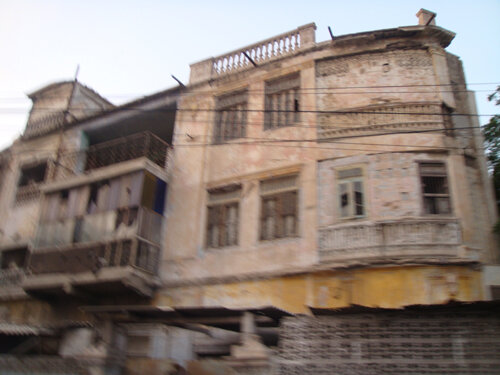
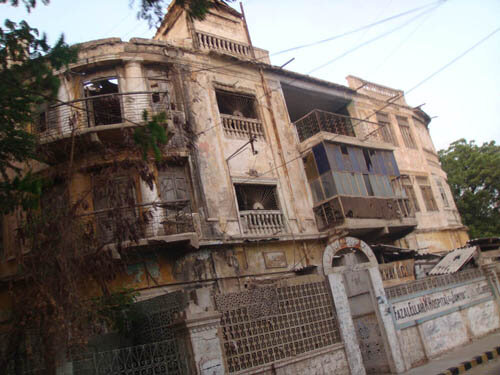
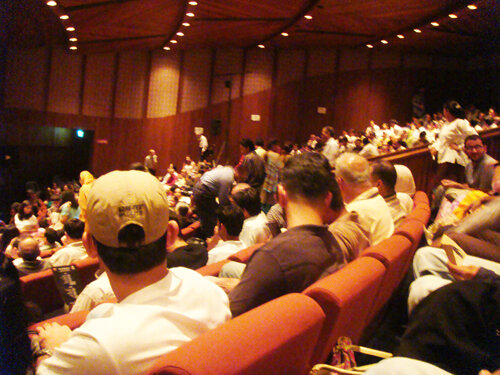
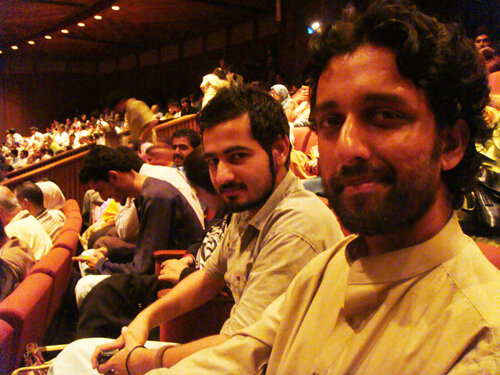
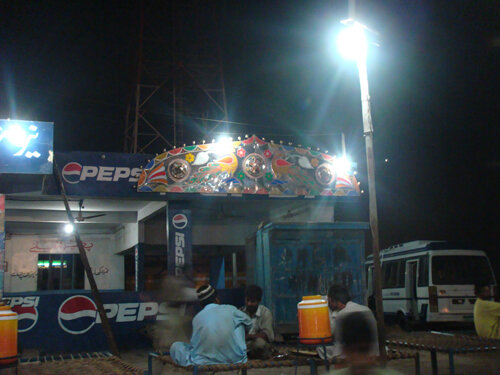

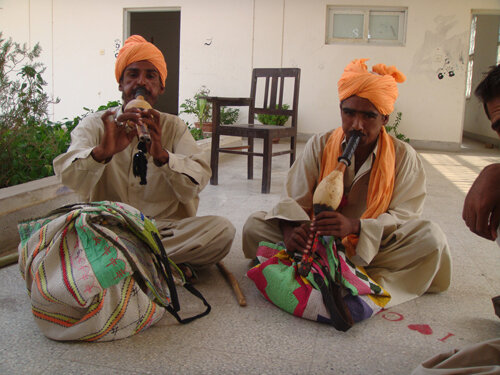
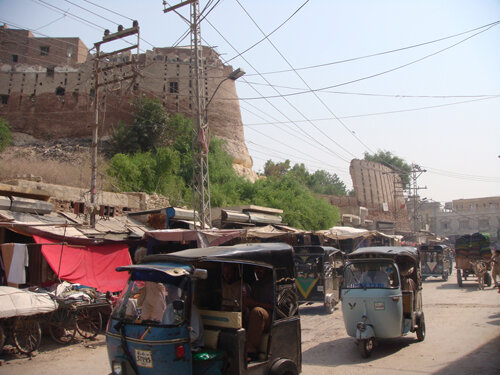

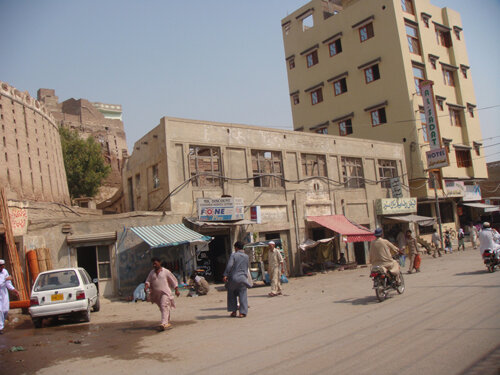
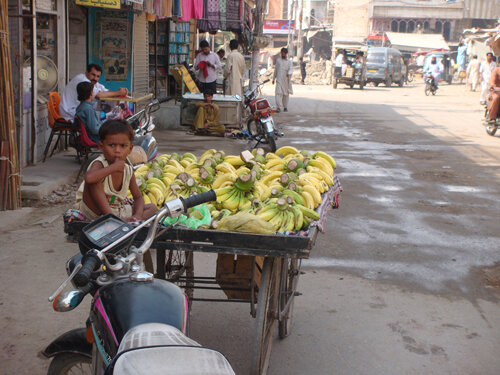
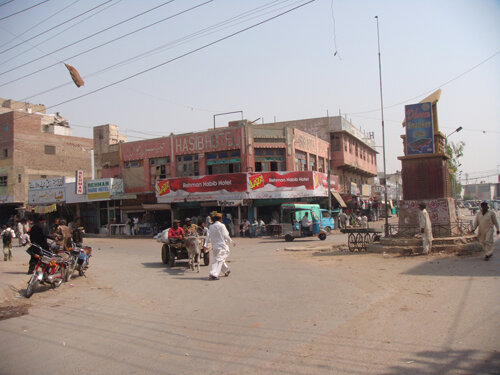
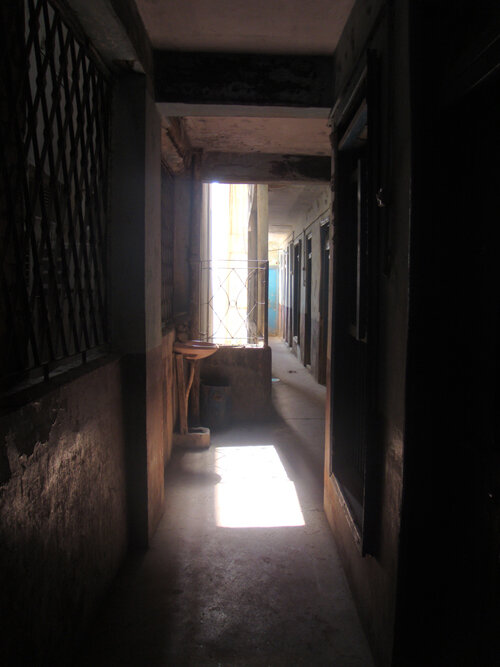
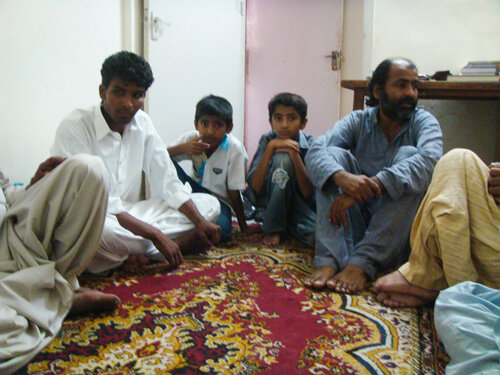

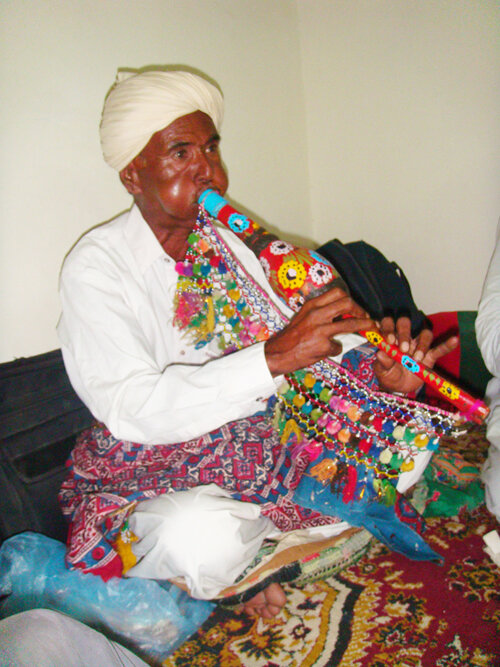
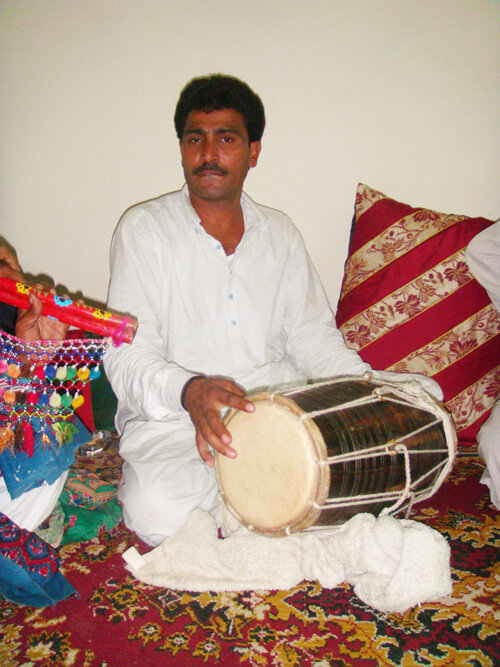
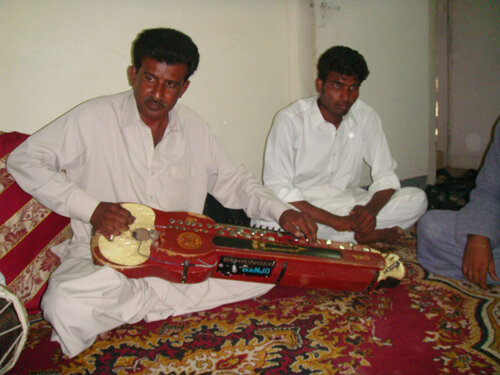
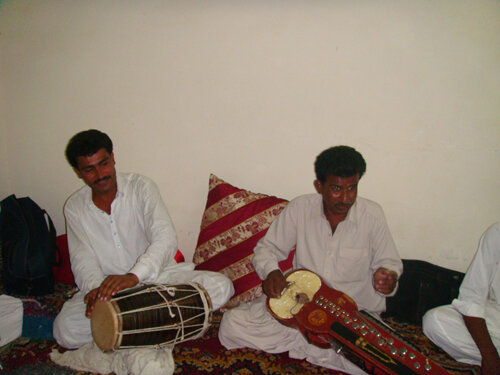
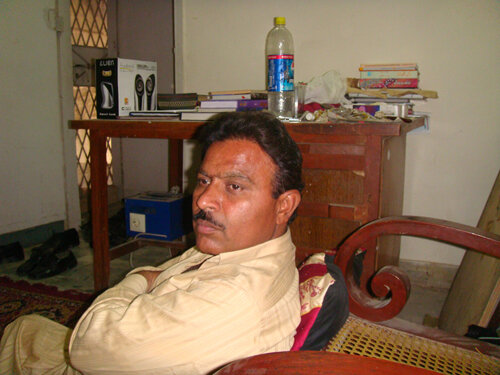

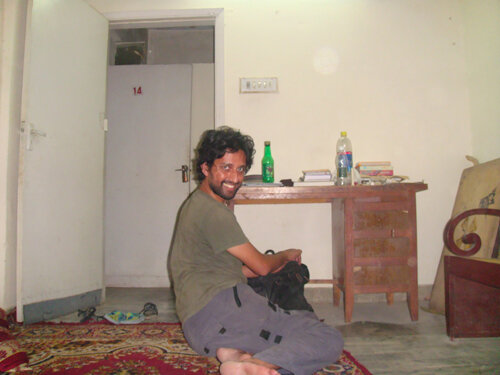
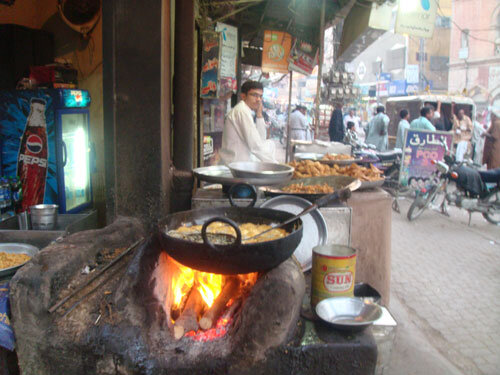
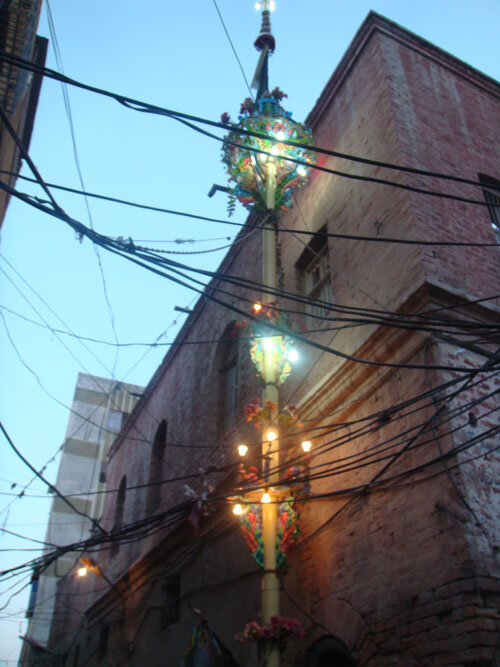
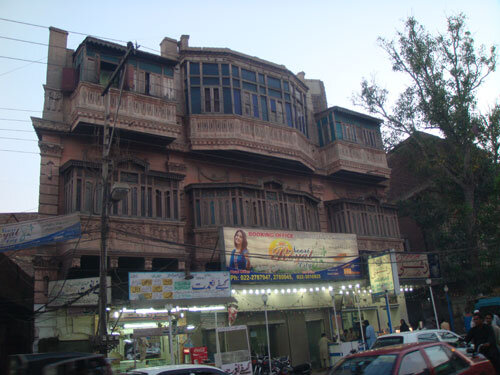

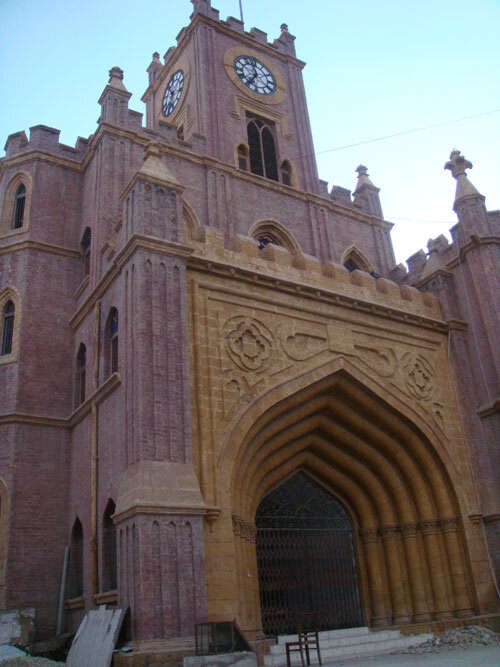
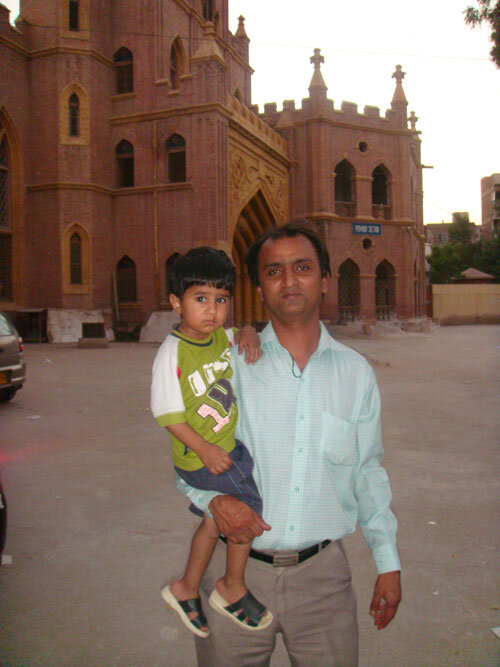
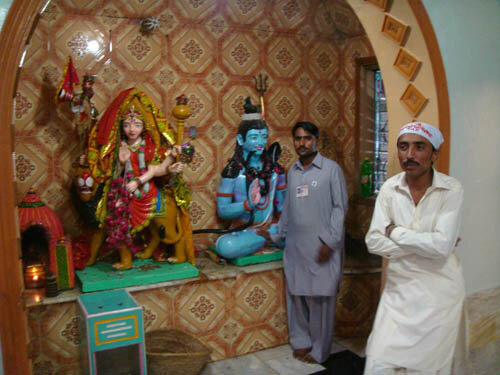
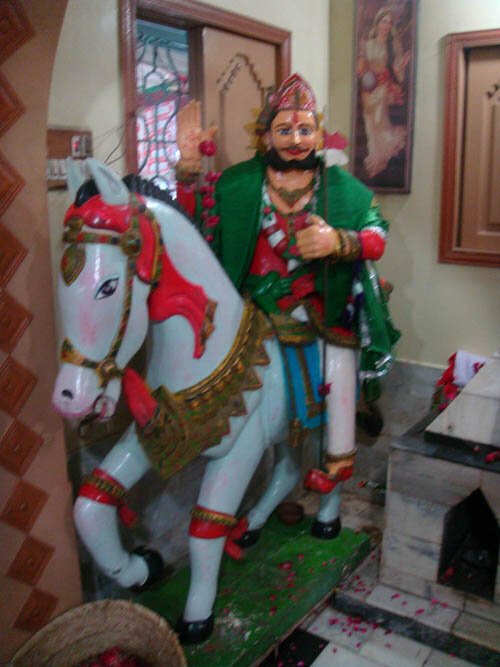
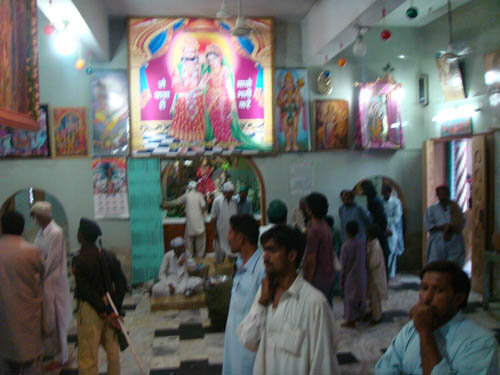
The first of Suffi's friends to come to my aid was Fatah Daudpoto sahib. He is an incredible artist, professor and activist. He is a man of many extraordinary talents, and a purist when it comes to his art and his dealings with people. He gave me a call at Suffi's request and came over soon after on his motorcycle. I showed him an as yet uncolored version of my film on my laptop, with some of Iqbal Jogi's music as temp music. He immediately understood what I was after, and took me out to some music stores to show me some proper Sindhi folk music tapes and CDs. He had recorded a folk album of his own and shared that with me. Things were still uncertain, and time was limited, but here was a new friend, who not only had a great respect for the type of music I sought, but also had invested himself in my purpose.We began a process of visiting TV stations and contacts to seek out the music I was after. Most times the conversations were all in the local language, Sindhi (which I don't understand) instead of Urdu, which is the national language (which I know well). It is not that the people we met did not know Urdu, but rather that people like to speak in their own language which is understandable, but it also cut me out of the process. It was frustrating, but all I could do was trust in Fatah sahib, whom I trusted completely, but I also knew that in the end, it was my responsibility to get it done.Fatah sahib freed me of the music building, where the hosts were very kind and hospitable, but the owners clearly had an agenda of their own. I was graciously welcomed into Fatah sahib's home, and I went with him in the mornings to CEAD (Center of Excellence in Art and Design) and worked with his multimedia graduate students. I loved working with the students. They were bright, talented and very hard working. That's all that Fatah sahib asked and it was truly a pleasure.It was through this group that I was able to go to the Rama Pir Mela (a festival in remembrance of a Hindu saint who worked primarily in service of the poor) in a nearby town, and visited a beautiful Mandir and saw the Hindu community of the area celebrate in their beautiful clothes. I had visited many of the other minority communities in Lahore in the previous month, but had been told that Sindh was the place to meet the Hindu community. Fatah sahib and a group of students took me along and it was really great to see how much his students enjoyed the experience too.I ended up staying at the student hostel at one point at the request of the students. The warmth and hospitality of the students far outweighs anything that I could give them. In particular, one student named Azam Bugti, became a good friend of mine. I was working with him on After Effects for broadcast design and he joined me for my adventures out and about, trying to get my music going. We went to the Institute of Sindhology several times and met with another friend of Suffi sahib, named Saeed Mangi. Saeed Mangi runs the Sindhology Museum, which is a beautiful museum of Sindhi culture, with displays and artifacts, constantly updated and expanding under him and his wonderful team.Mangi sahib was very hospitable and we quickly became friends too. He is a talented illustrator and has a great love of animation and a real sense of ethics and respect for people. In college, his thesis was an ambitious, hand drawn animated short about Karo Kari (the horrible issue of so called “honor” killing). Sindhology, besides being a library and museum has a simple recording studio, where Zulfi Gopang sahib was at the time the recording engineer and is now in charge. The recording studio, and the entire department is headed by Mohammad Qasim Maka sahib, who has a record label that preserves and supports Sindhi folk musicians. I knew I was getting closer to my goal, but getting all the pieces to come together was still out of reach and would require a lot of things to come together in a very short amount of time. So much was out of my hands, and that was a big problem.Meanwhile, Fatah sahib would take me to different people every evening and after a long conversation in Sindhi, I would be asked a few questions, and get some information. I really had nothing to do with this side of the process, no matter how I tried to get involved in the conversations. Finding the musicians was solely thanks to Fatah sahib's efforts. He took time out from his family and life to be there for me. Eventually Fatah sahib and I met a wonderful dholak player named Ustad Aachar.During this process, Fatah sahib was feeling ill at this point and being a man who does so much really was not helping any. He stopped coming to CEAD, and I was staying with students for and then Mangi sahib. We were all concerned for his health. One day he magically appeared, but he was in terrible shape. I did not want to bother him. There were some Jogis who are traditionally snake charmers, wandering by the campus, and so we invited them inside. The students loved it, and everyone was very interested in sitting around them, talking and observing. They were very nice and answered all kinds of questions about handling snakes, and then they played some music to a very drugged out snake. The quality of their music was not very good, but I appreciated them for coming. I told them a bit about what I do, and showed some of the animation work to them, out of respect to my fellow artists. Afterwards, I paid them, ran over and got some water that in traditional Sindhi style we all shared a single glass. I realize that health wise, it's not the best idea to share cooties, but there are times when that is how you show respect.It was great to see them, but I was not any closer to what I needed. They gave me the contact of their teacher and head on out into the desert. Azam Bugti came up to me and said that Fatah sahib had instructed us to go to the train station. Incomplete instructions in hand, we head out. It turned out that Fatah sahib, had arranged a meeting. He had Azam Bugti and I go pick up some musicians at the train station. I met Ustad Anb Jogi and Jairam Jogi at a small hotel by the Hyderabad rail station. I was nervous and also cautiously excited. They were both very friendly. We went over and grabbed some food at a local restaurant and spoke for a bit. Afterwards, we got their instruments and got ready to head to Fatah Sahib’s place. It would be a tight fit, so I offered to hire two rickshaws for us, but these men were so sweet, that although I was paying for it, they still insisted that one rickshaw was enough. Thanks to their humility, yes it was enough. We squeezed in the front and back with these wonderful instruments. This was very different than the other music contacts I met. They put on no airs and they were genuinely interested in how they could apply their music.In Fatah sahib’s apartment, we met with Ustad Aachar, the dholak player we had met earlier and a Banjo player. The musicians introduced themselves and I gave an intro of myself, before Fatah sahib handed it over to me to at last communicate what I needed. He had made it possible for this meeting to occur. We sat and spoke. I showed them a rough cut of the film with Iqbal Jogi’s music. I explained the emotions of the story and also what it was that I needed from them. I played some of the other music I had brought to give them a sense of what kinds of Sindhi folk music I was thinking about. They played bits of music to demonstrate how they might handle various emotions. It was all very spontaneous, but as soon as I heard those first notes, my heart filled with nervous excitment, and I knew for certain that this whole thing was possible. I asked if they needed rehearsal time or anything, but Ustad Anb Jogi reassured me that I need just let them know when and where to show up, and they would do the work then.Again, I really must give credit to Fatah sahib and Suffi sahib. They didn’t owe me anything, and yet took great pains to help me. Fatah sahib instructed me on etiquette as far as paying travel expenses etc before hand, which I gladly took care of. These were real musicians. This was a truly great group of musicians who brought an energy and life to the air the moment they began to play. I was instantly humbled by their musicianship as well as their lack of any sort of pretense. After the rest of this process, I will never forget that.1. Going to Sindh - 2. Emperors New Clothes and Sites - 3. Fun Days and Tipping Point - 4. Time Running Out - 5. All Good Now?
The Music of Gul: A Journey Part 3
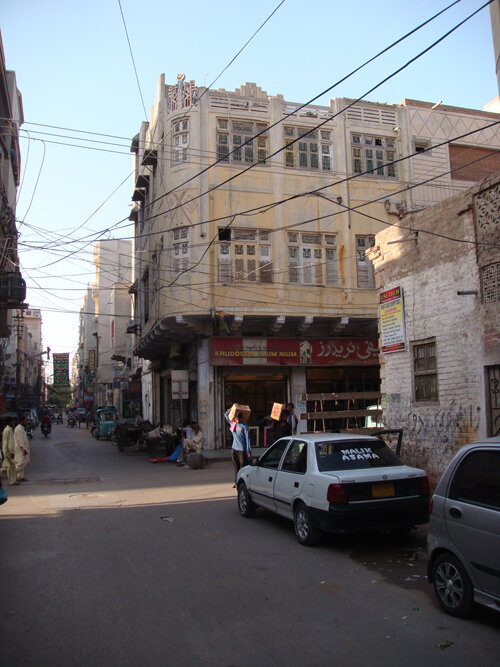
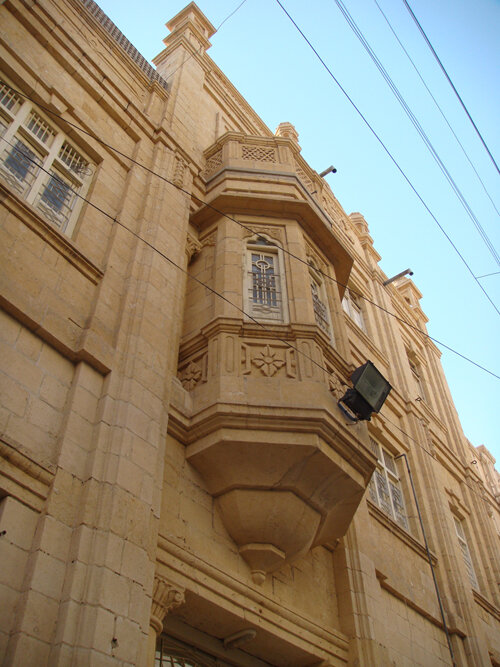
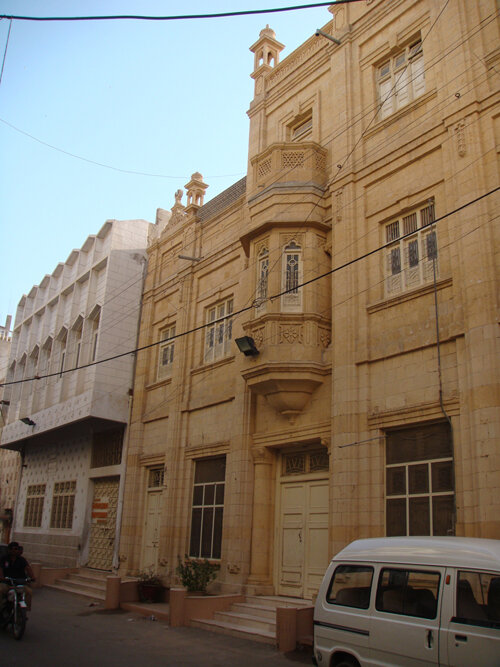
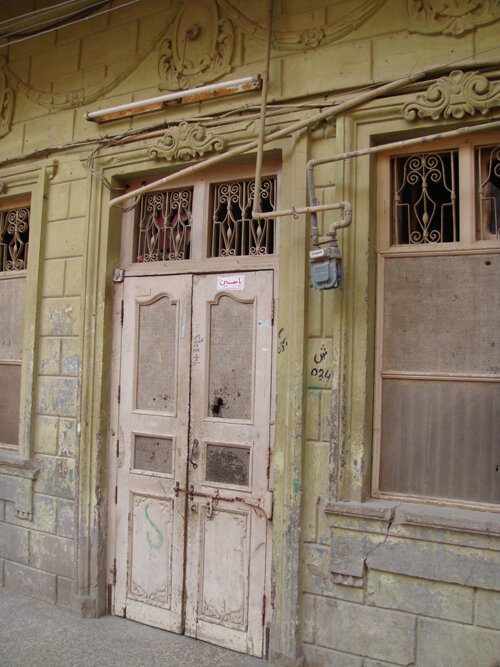
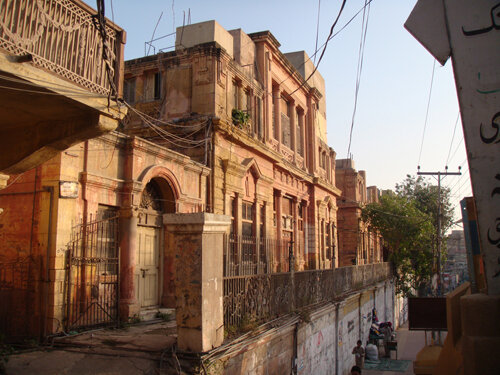
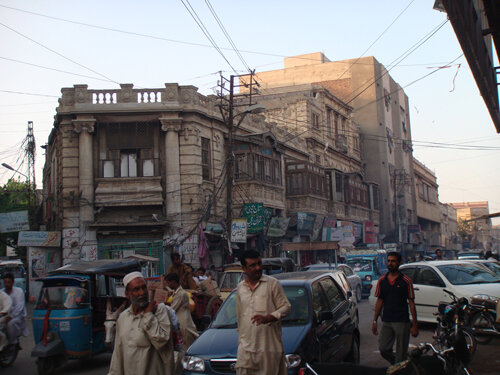
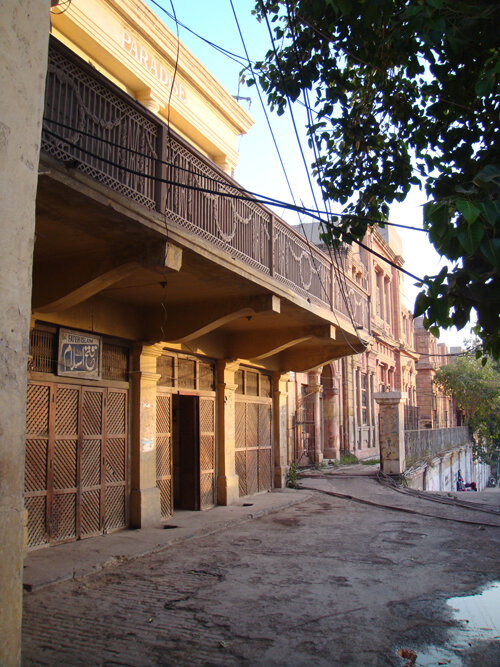
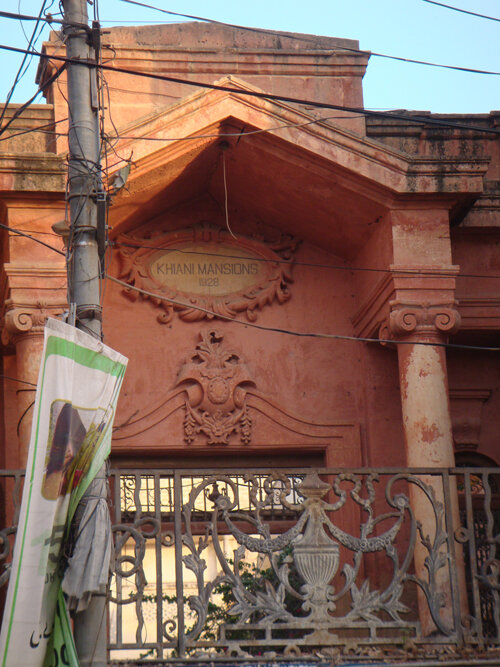
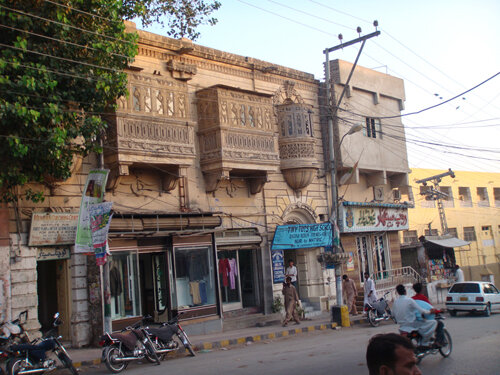
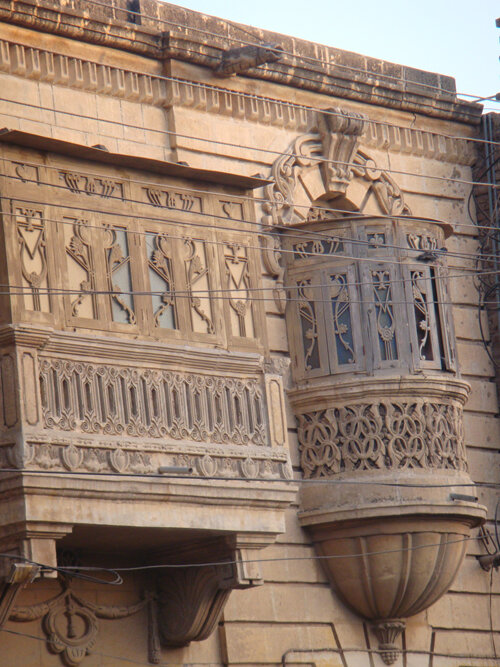
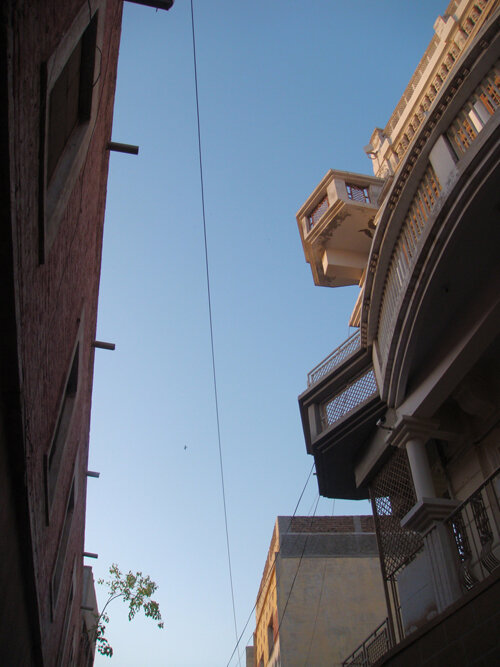
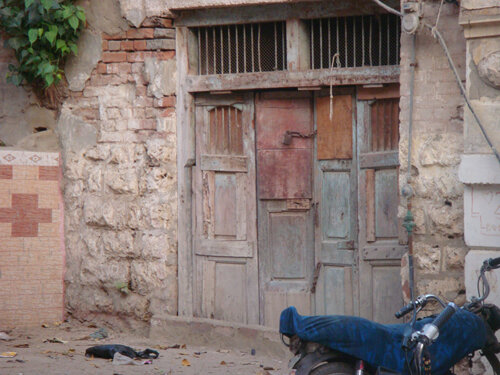
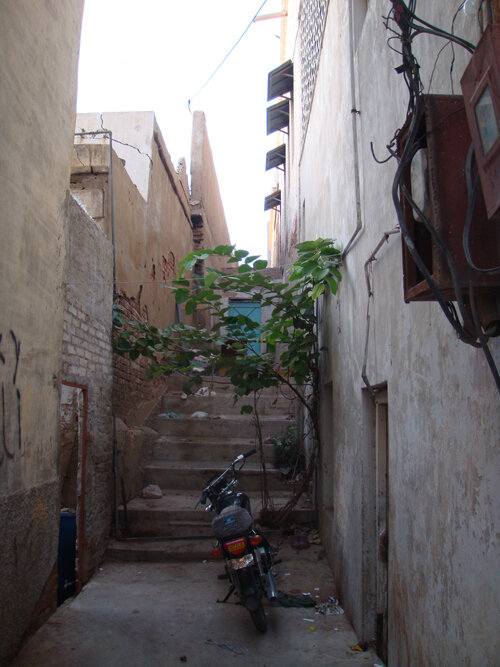
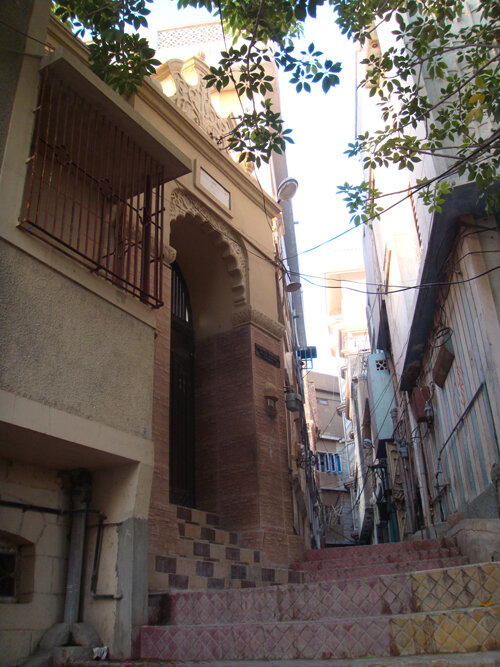
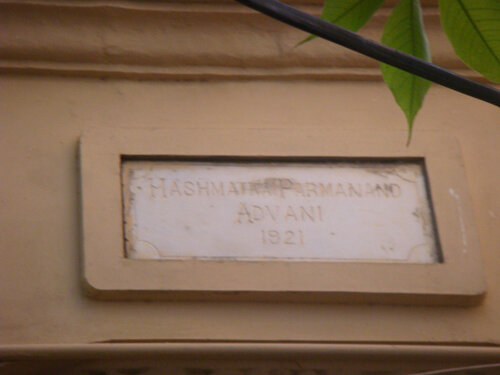
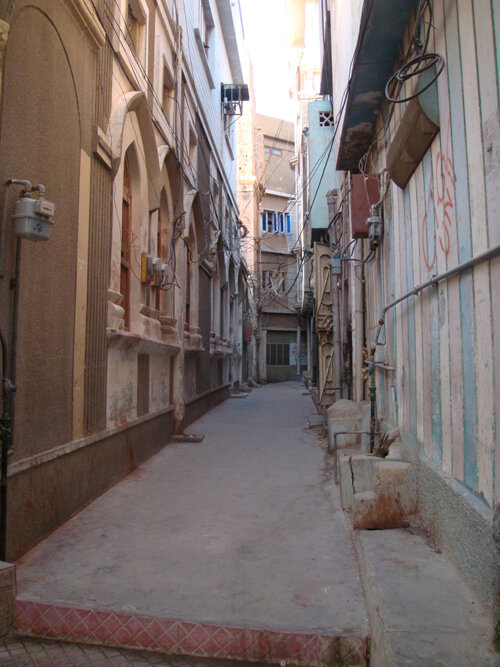
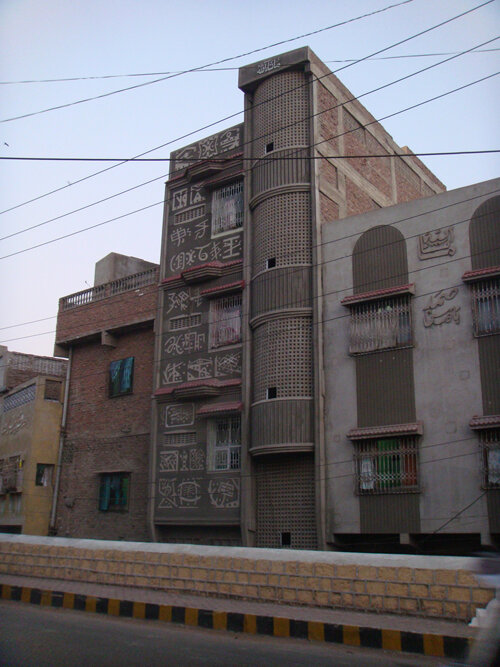
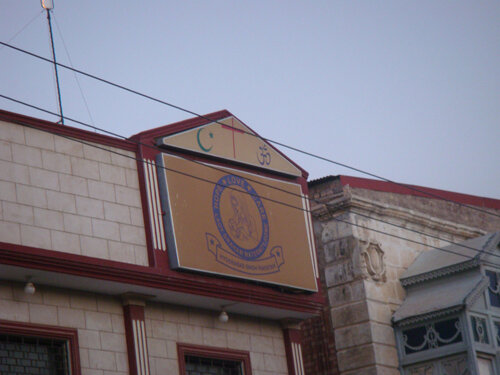
There were some really fun things that happened while I was staying in the musicians building. I enjoyed walking the streets of old Hyderabad. The market, the old havelis with old plaques from their original Hindu owners, prior to partition were at once beautiful and a sad reminder of the divisions of politics and religion. The architecture was quite different than what I have seen in Lahore.
1. Going to Sindh - 2. Emperors New Clothes and Sites - 3. Fun Days and Tipping Point - 4. Time Running Out - 5. All Good Now?
Fun Days in Sindh
There were some really fun things that happened while I was staying in the musicians building. I enjoyed walking the streets of old Hyderabad. The market, the old havelis with old plaques from their original Hindu owners, prior to partition were at once beautiful and a sad reminder of the divisions of politics and religion. The architecture was quite different than what I have seen in Lahore.
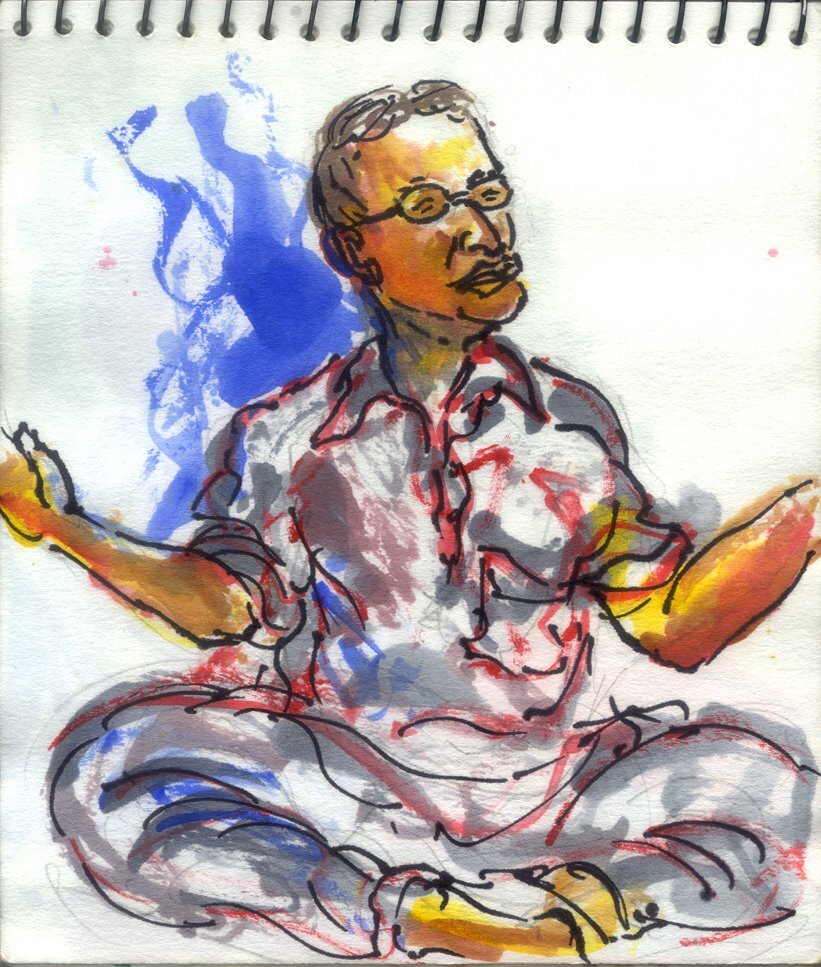
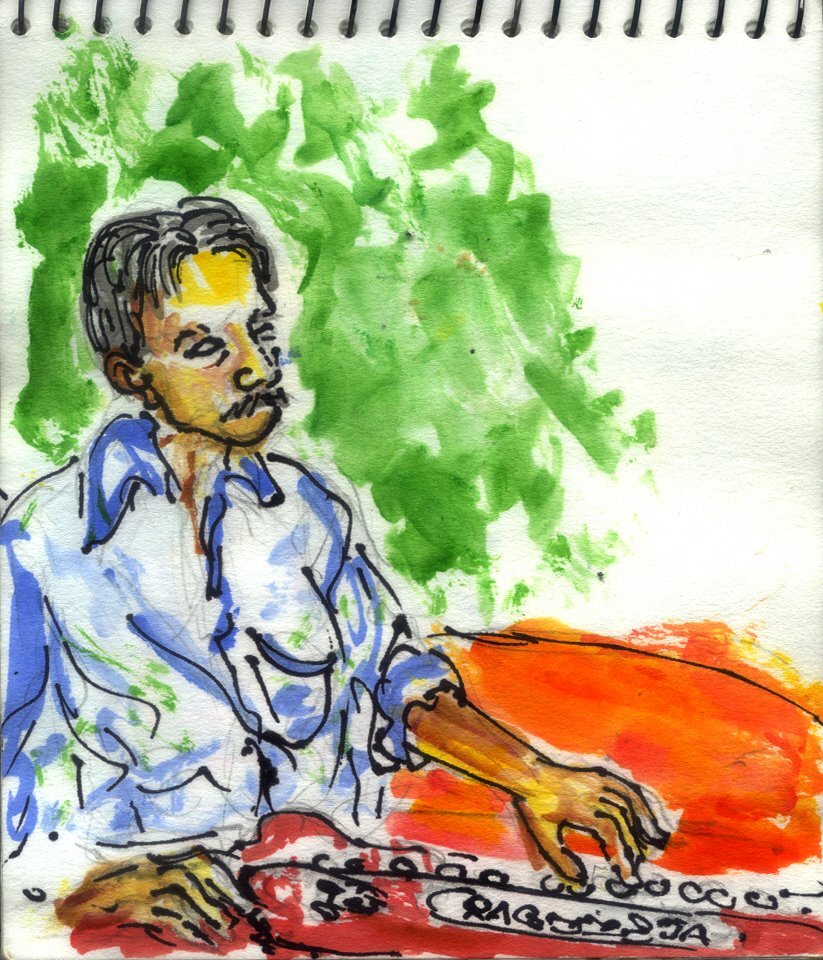
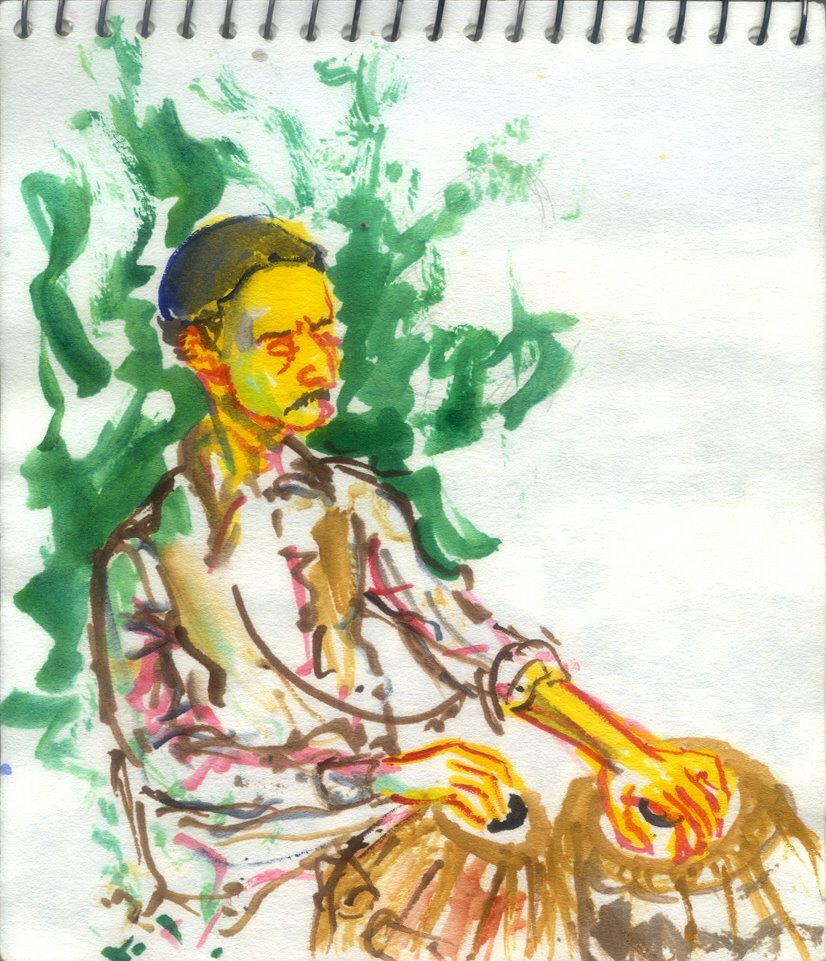
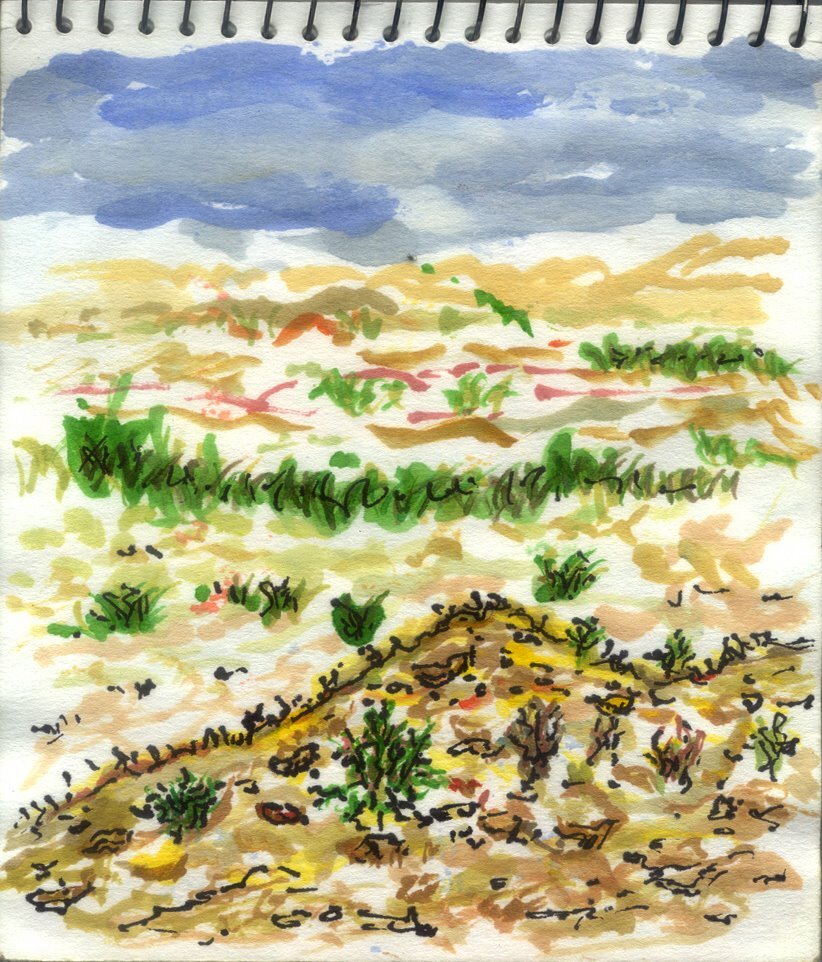
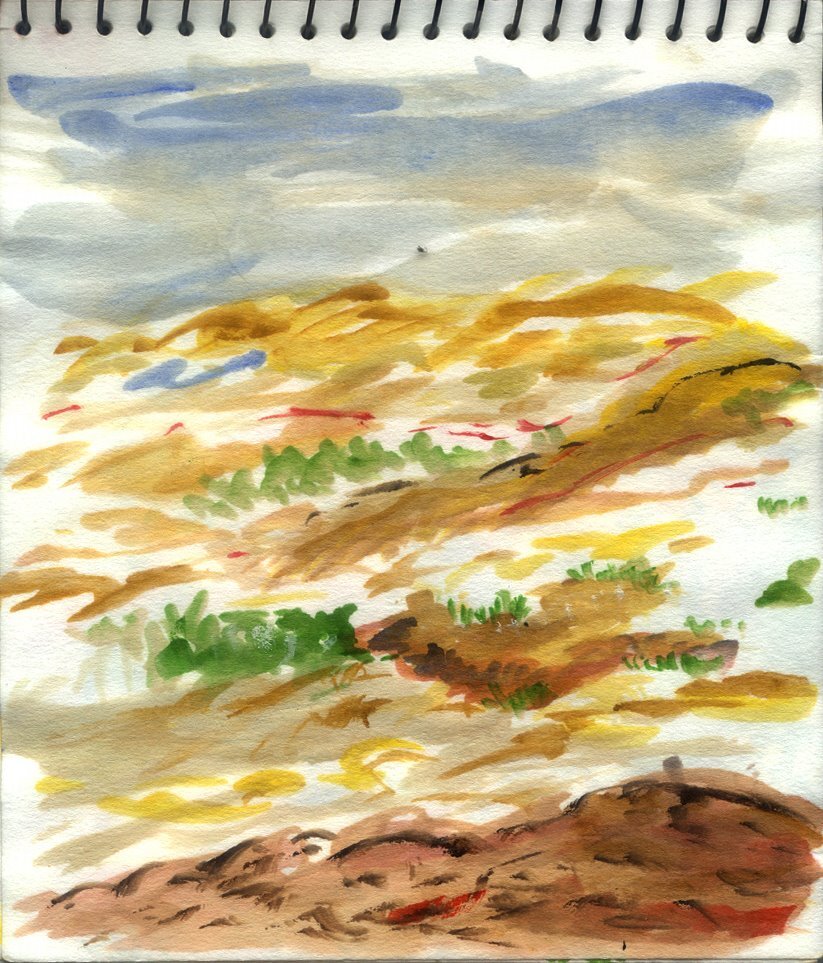
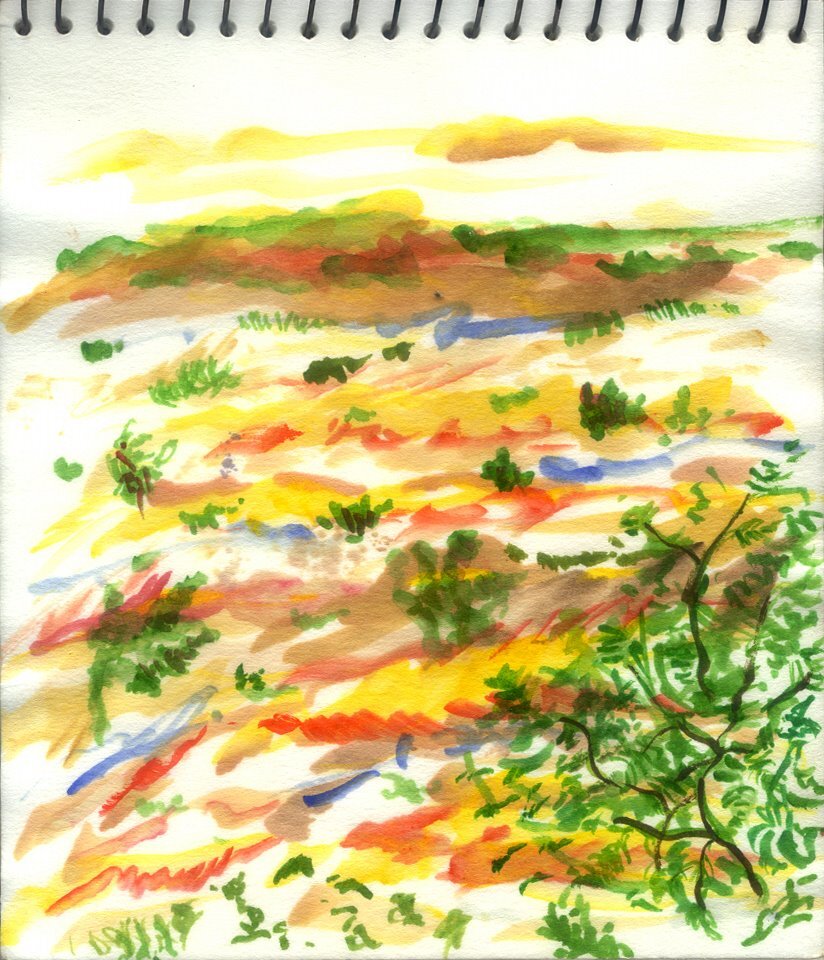
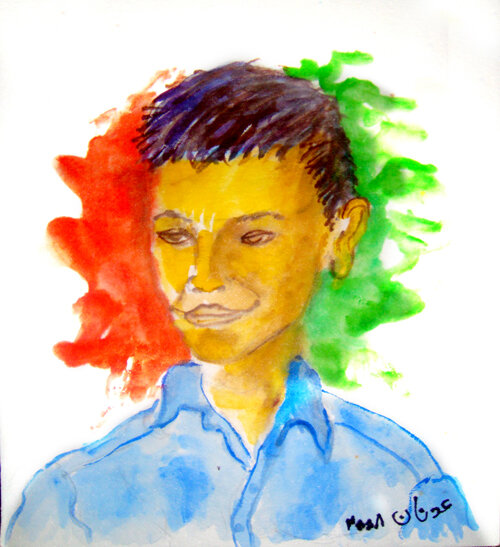
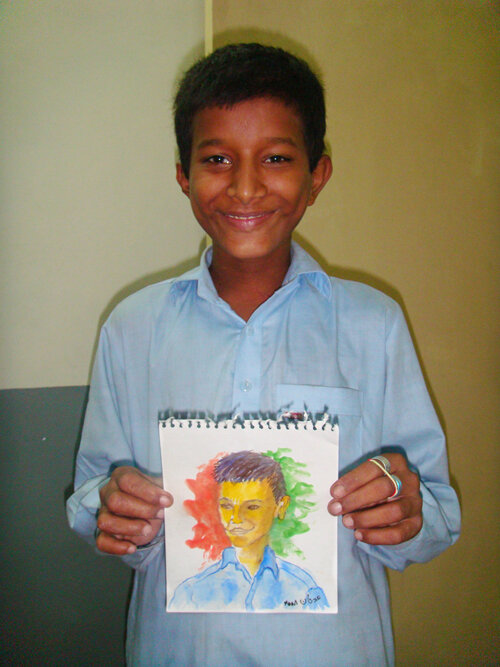
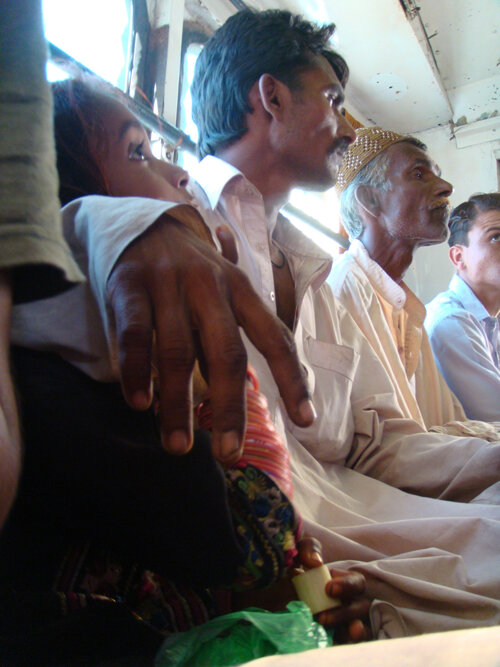
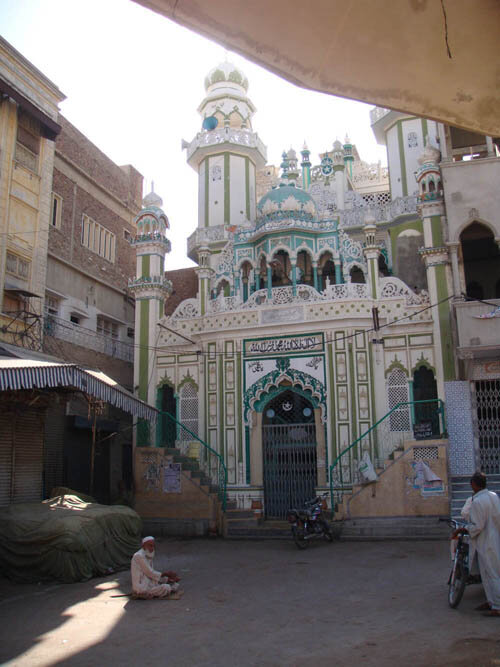
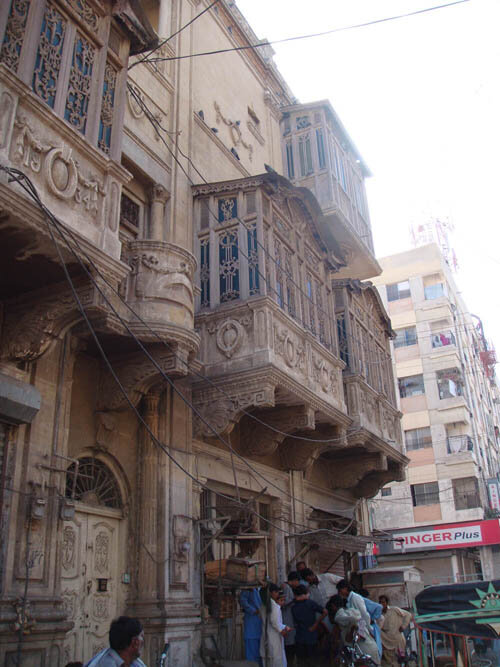
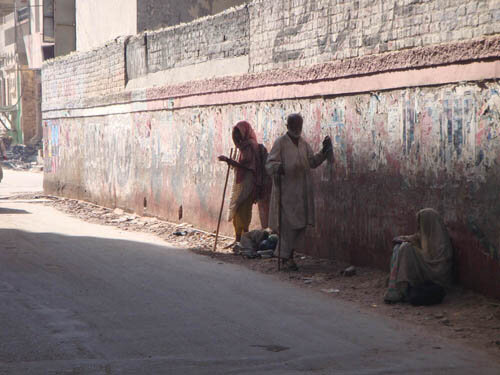
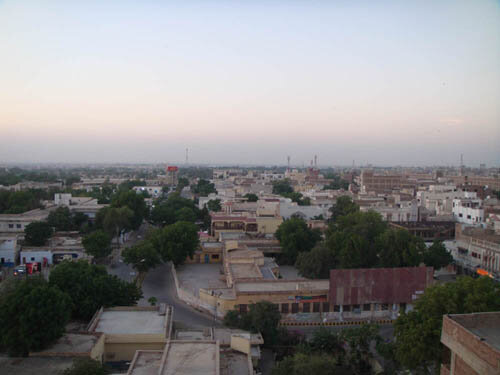
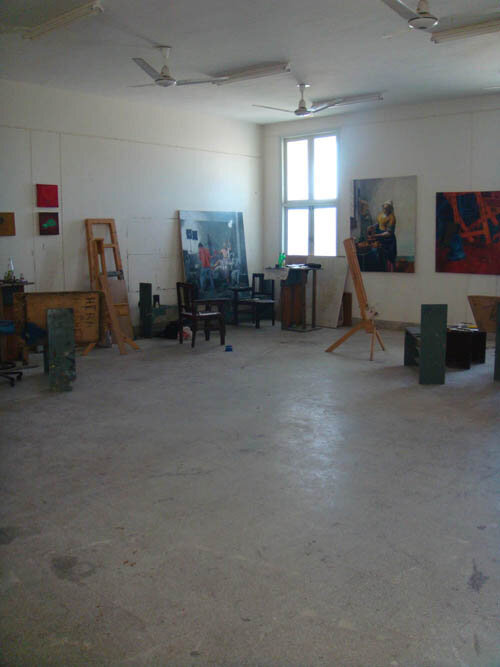
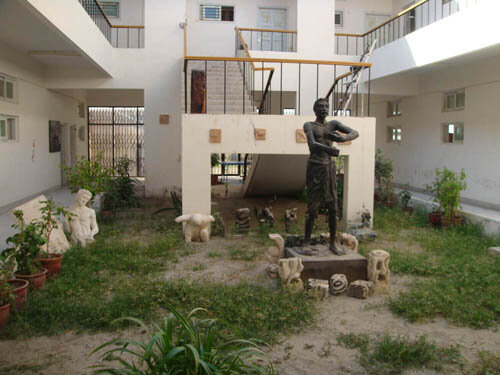
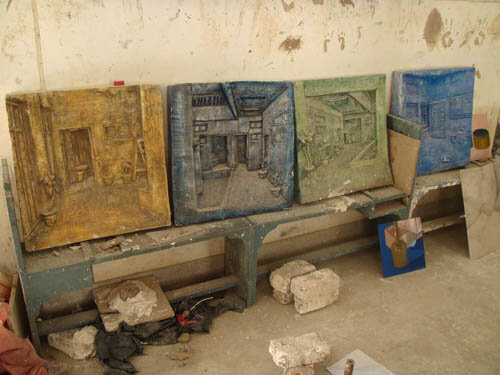
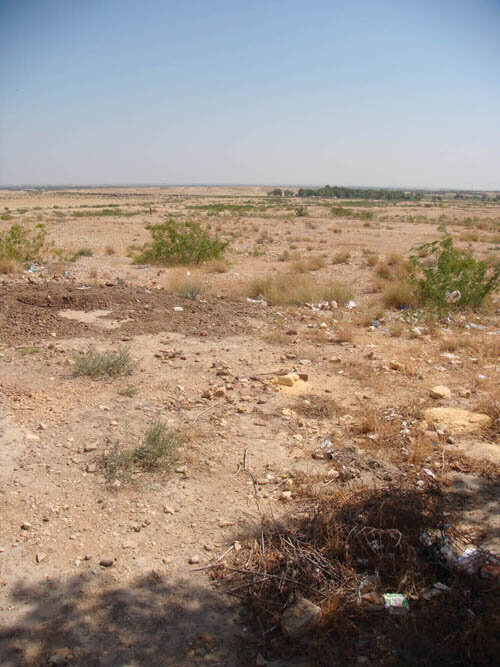
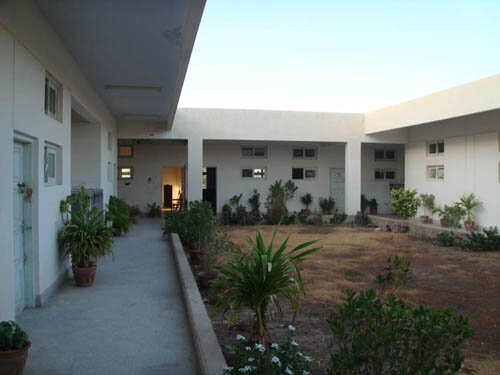

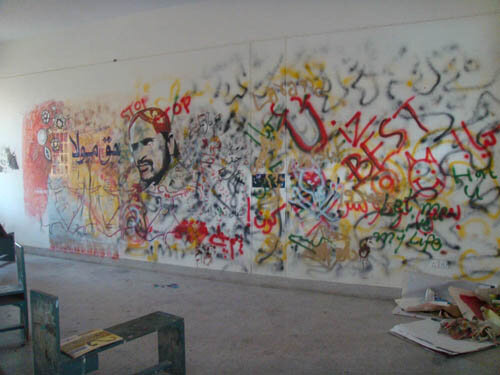
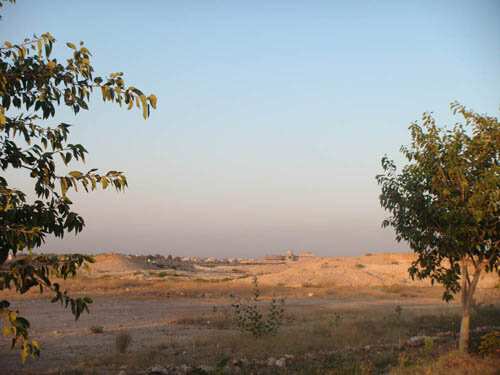
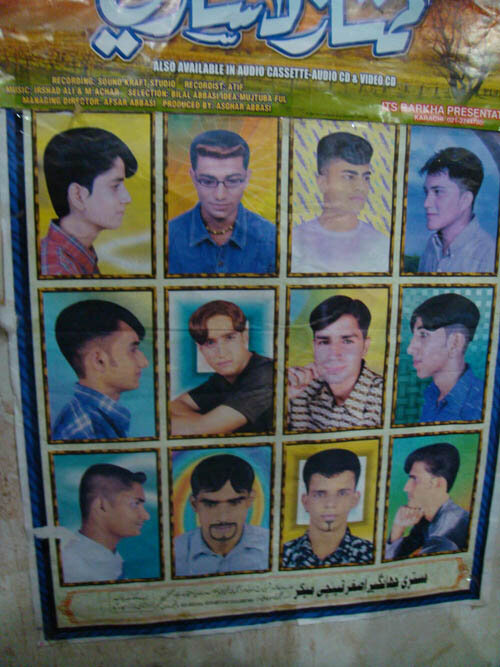
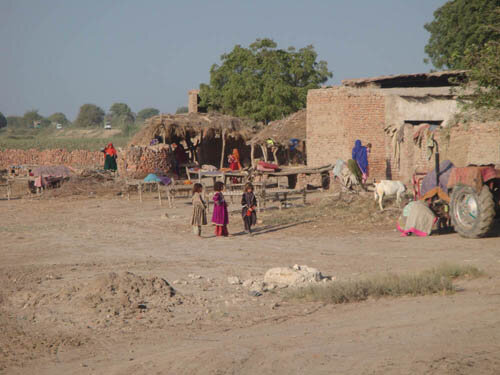
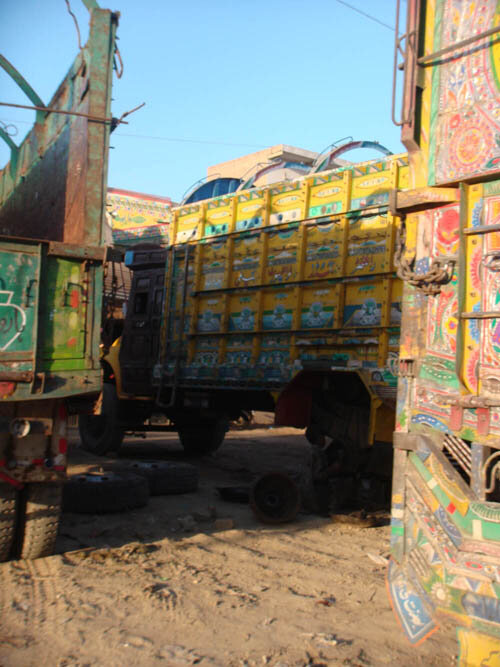
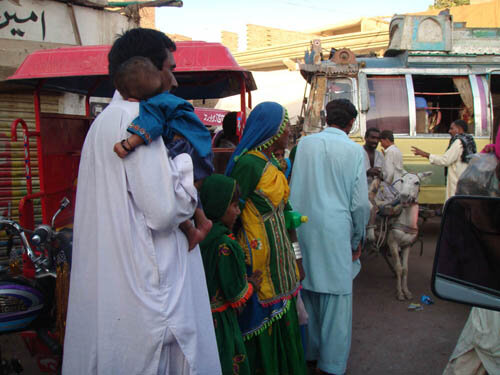
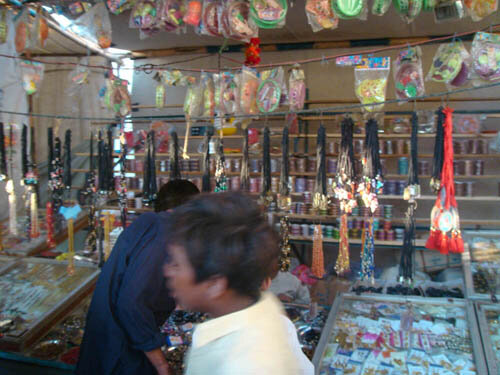
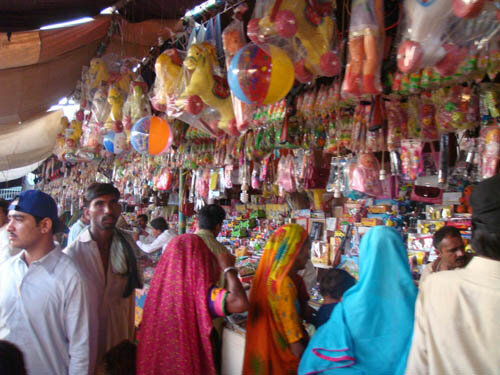
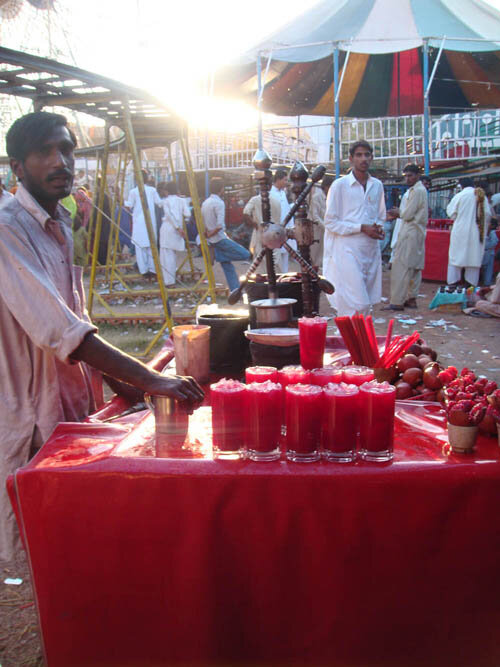
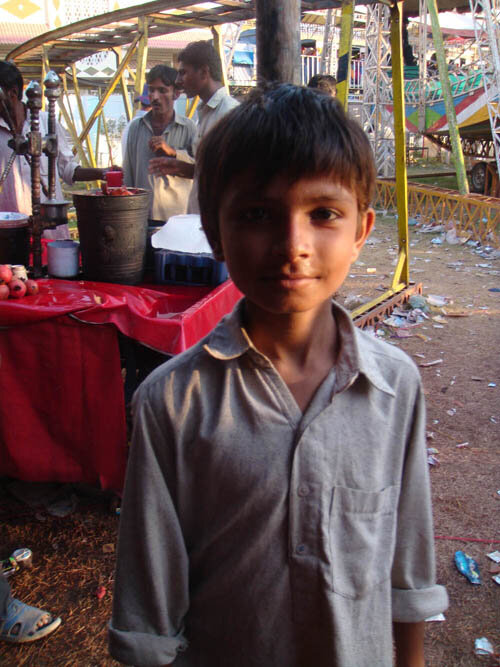
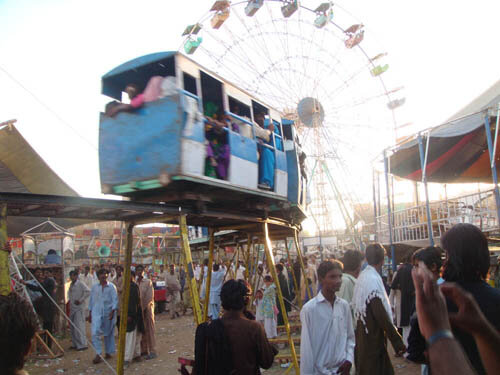
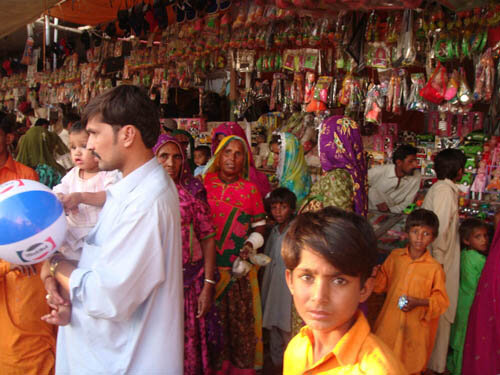
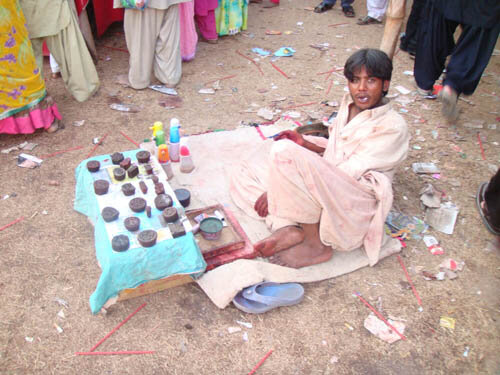
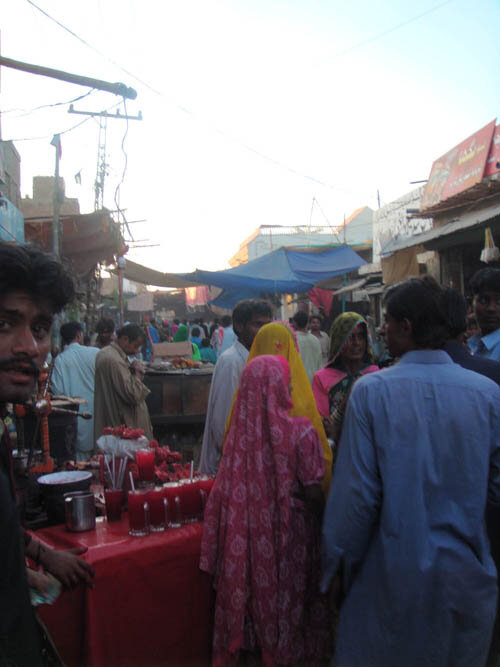
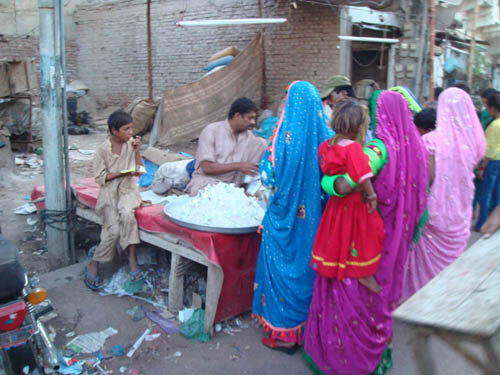

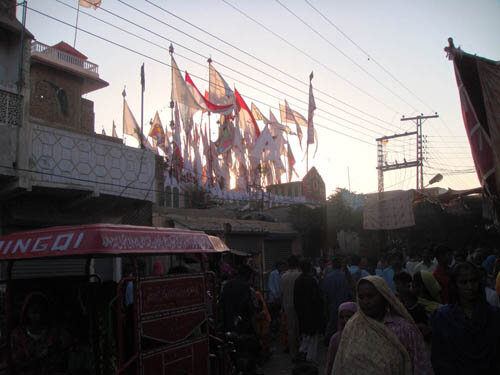
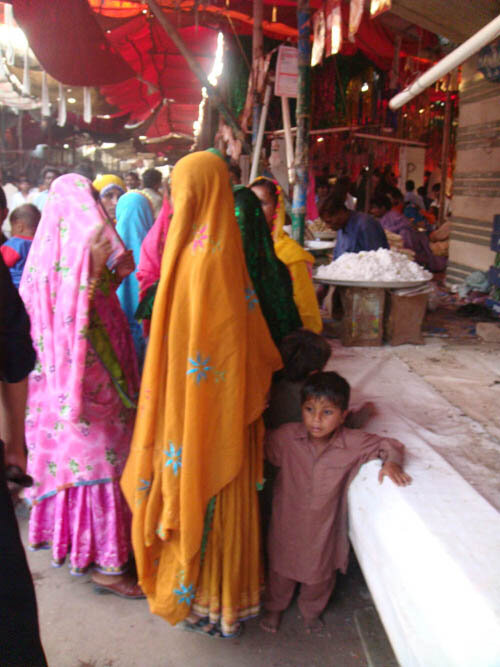
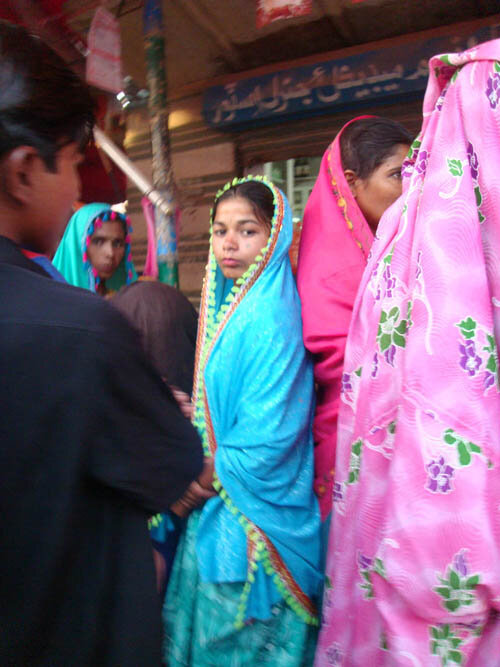
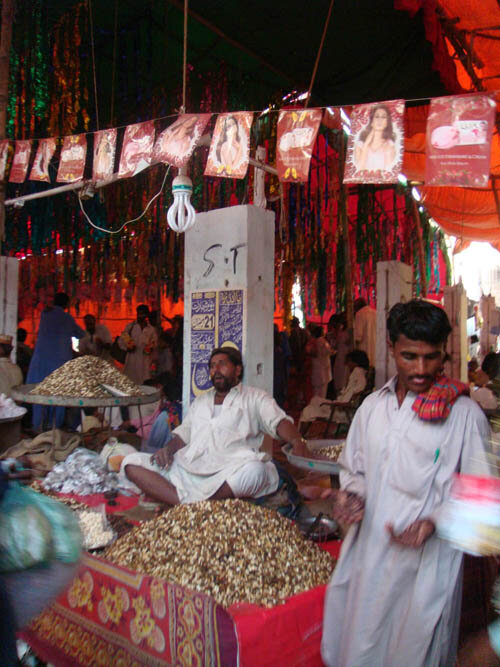
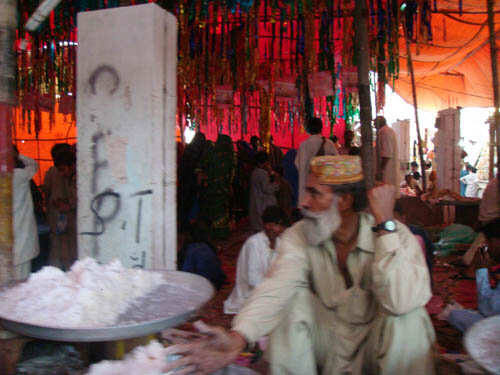
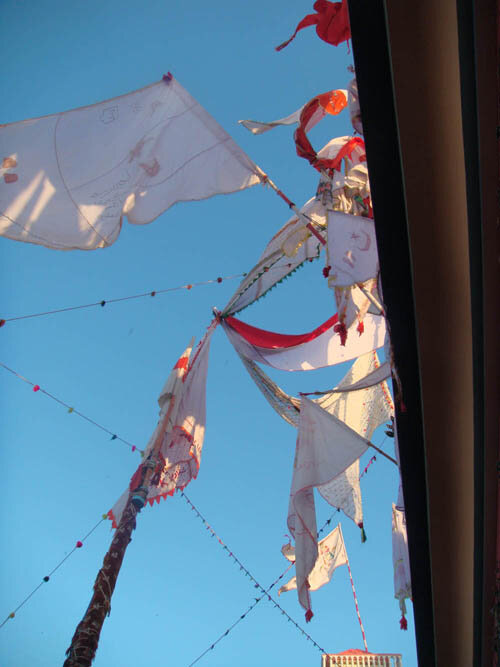
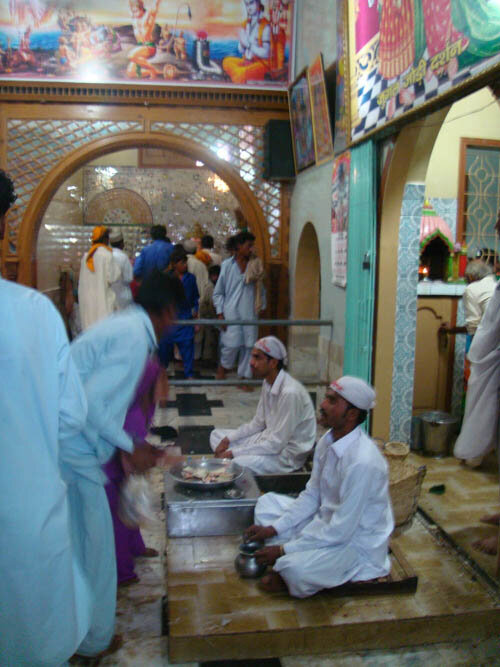
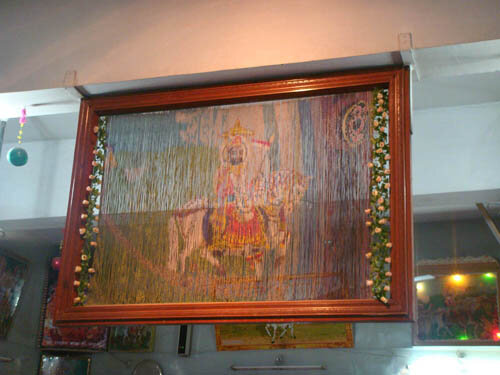
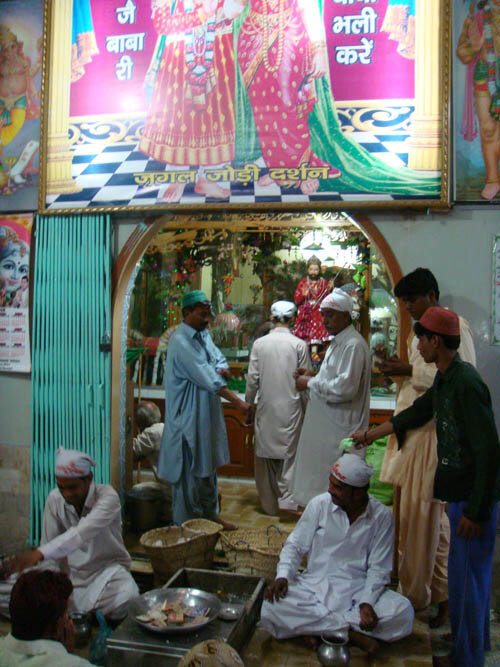
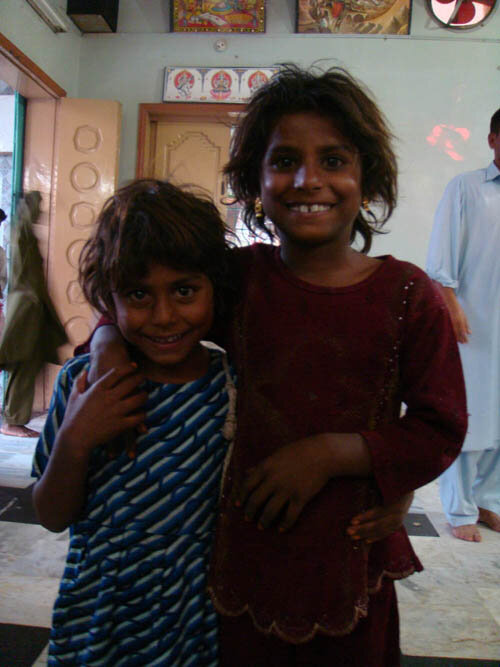
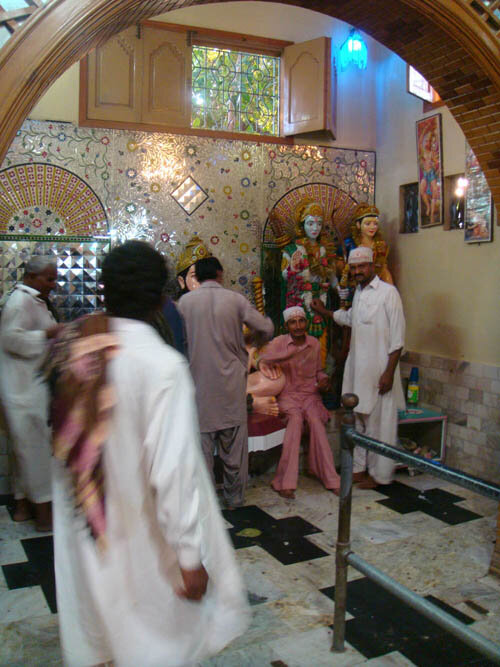
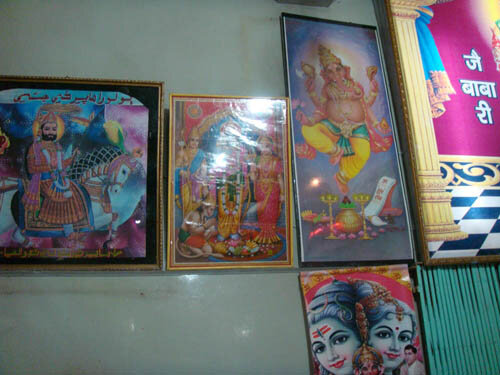
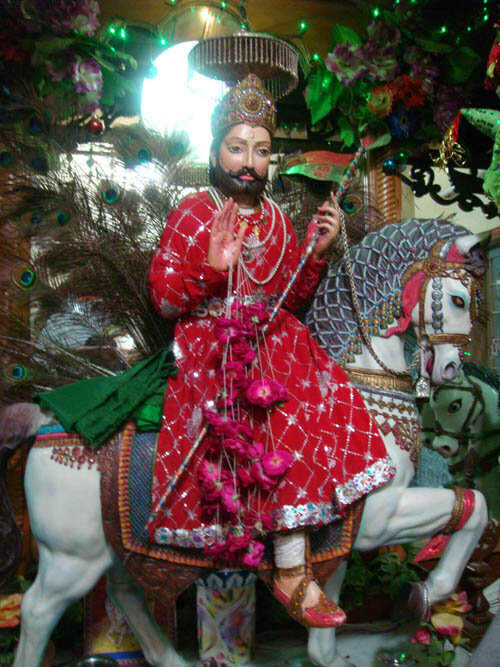
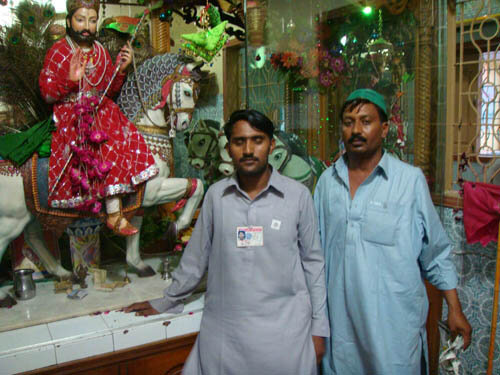
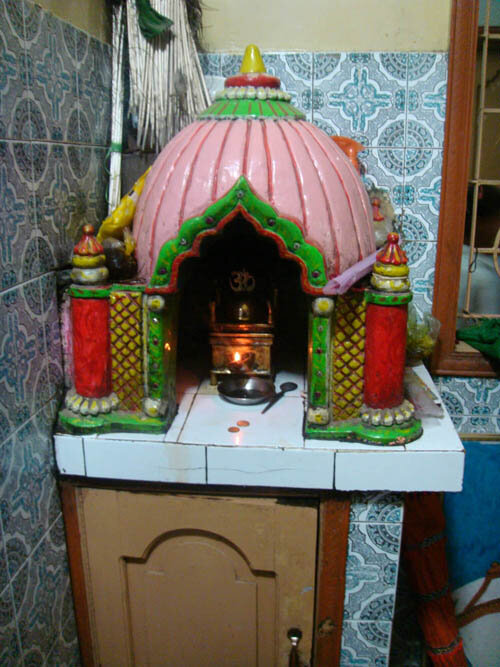
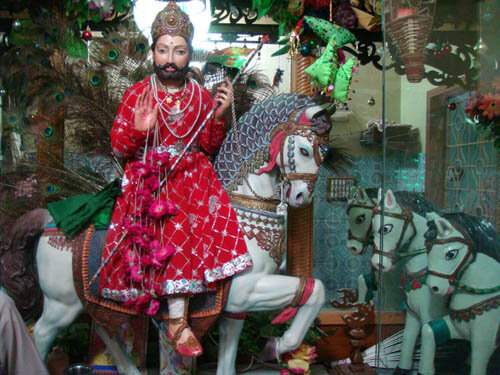
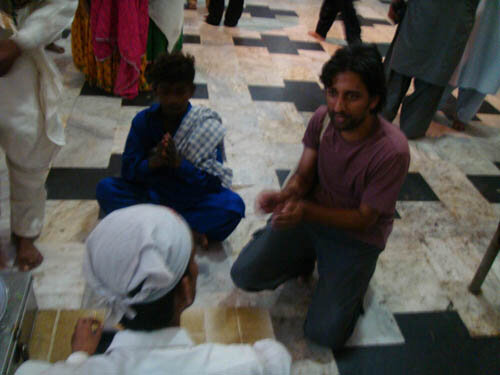
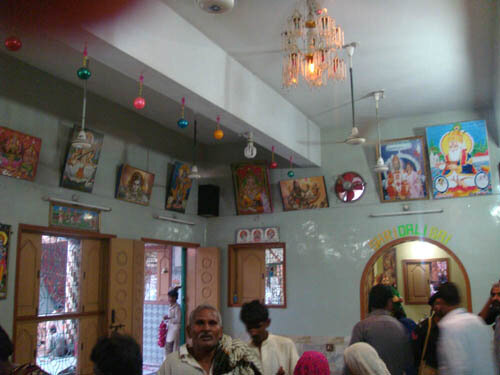
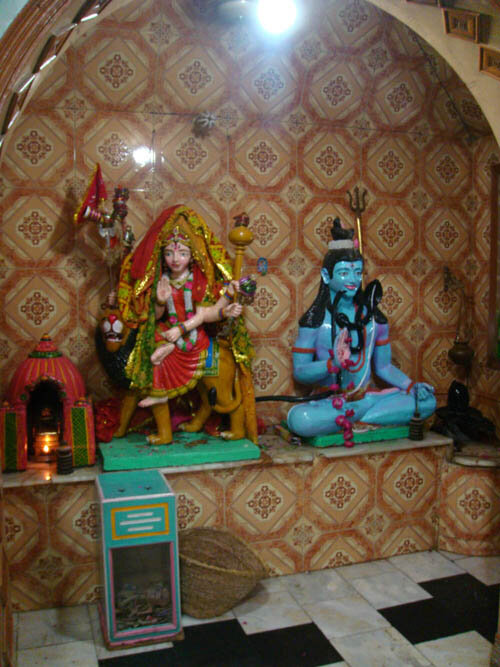
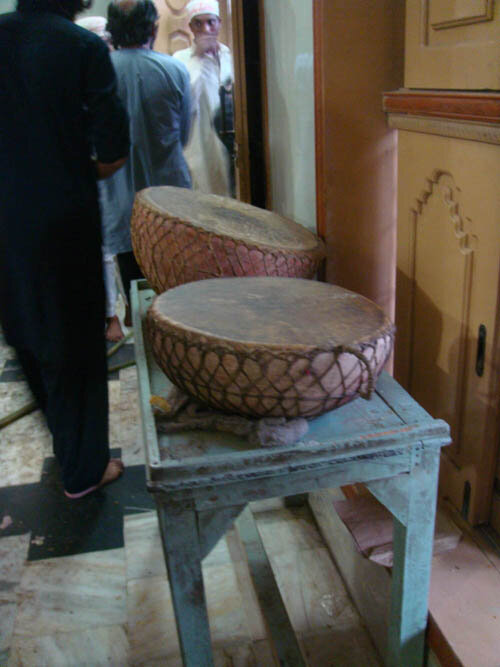
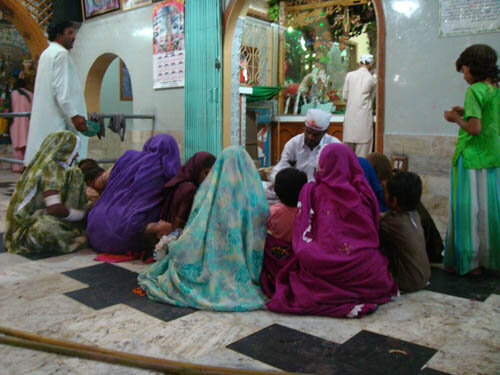
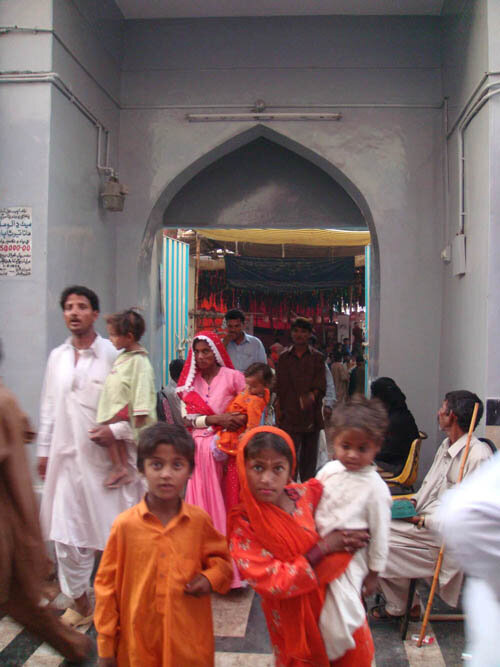
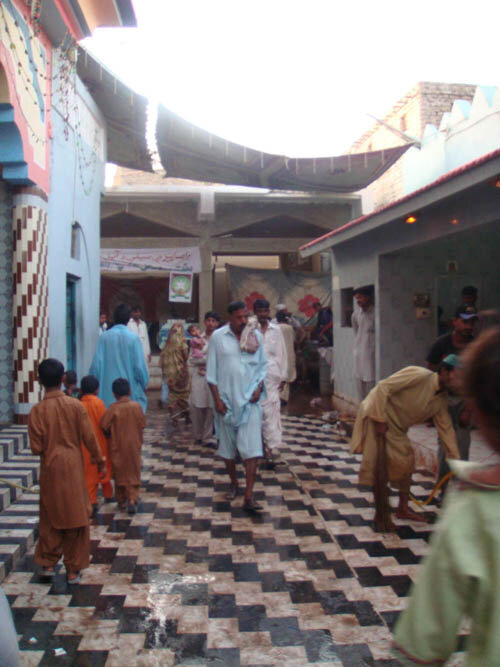
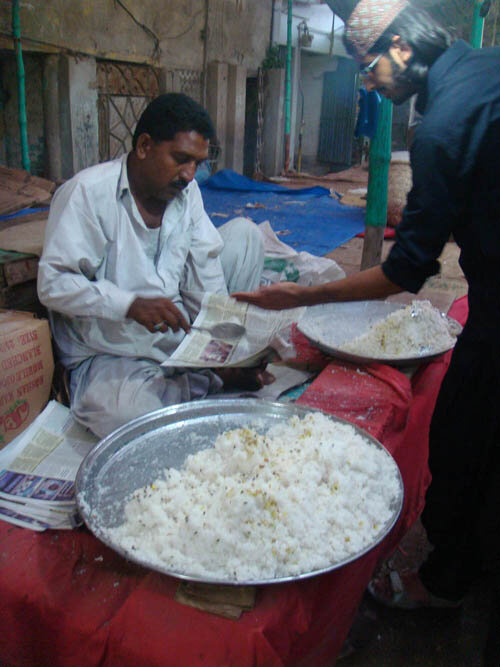
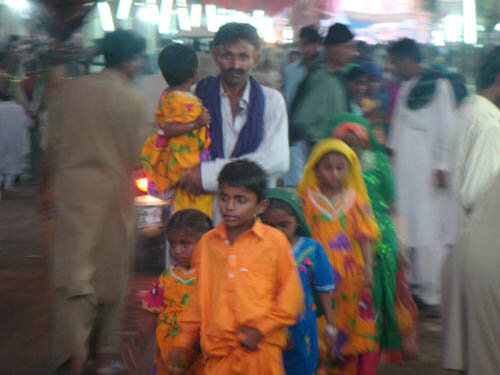
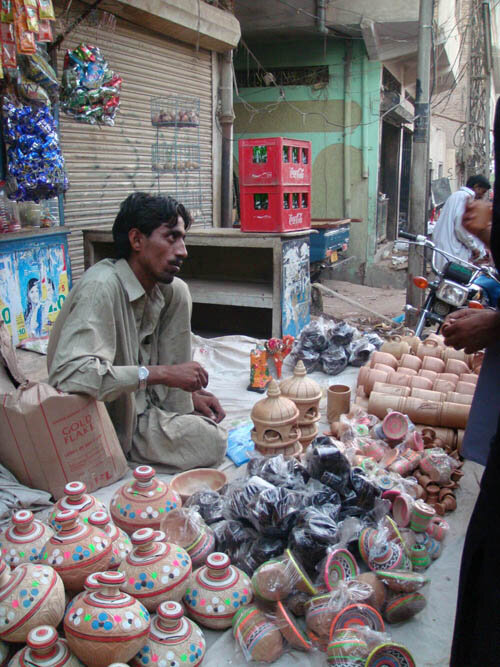
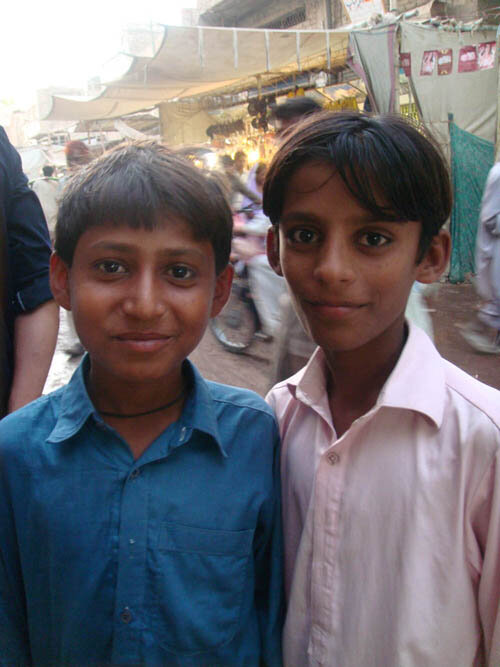
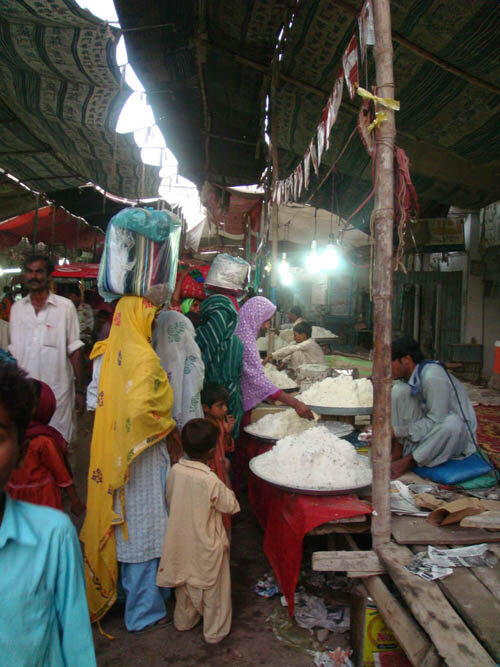
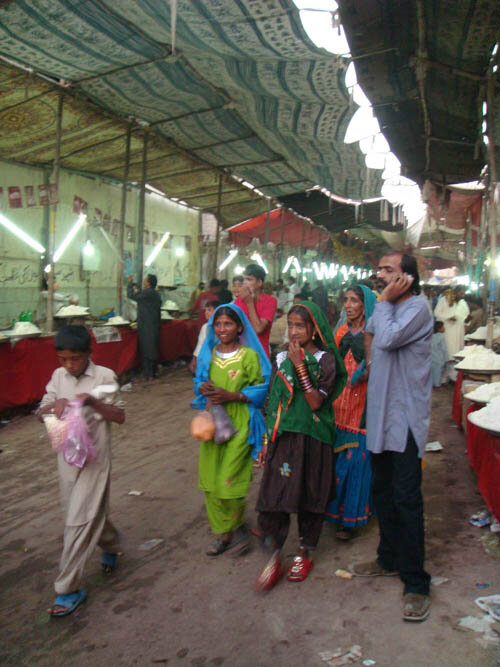


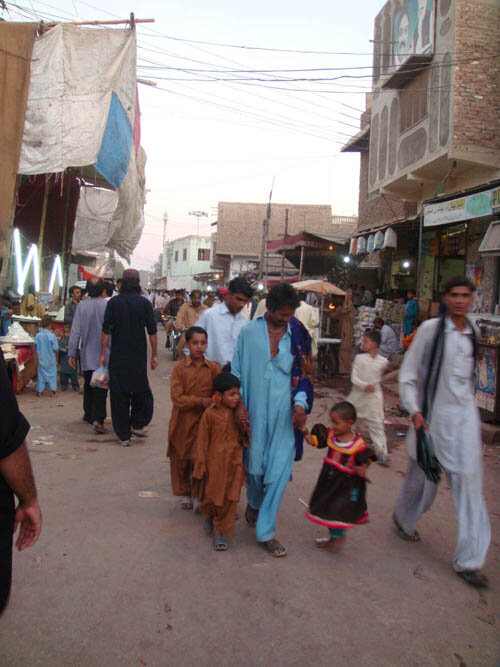
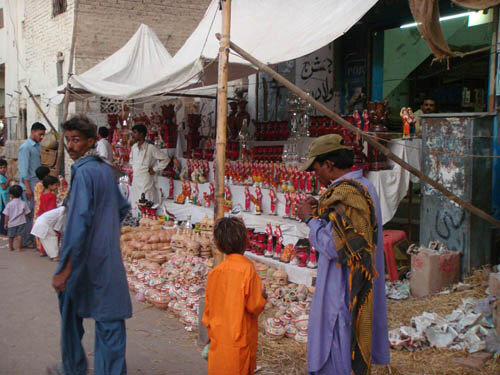
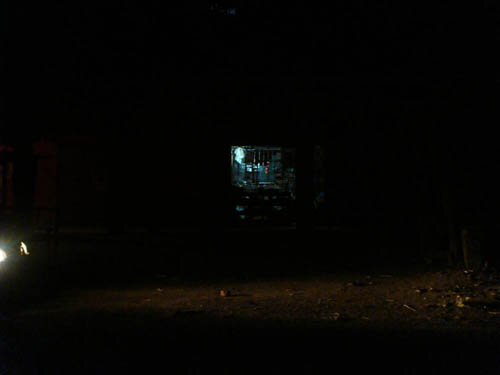
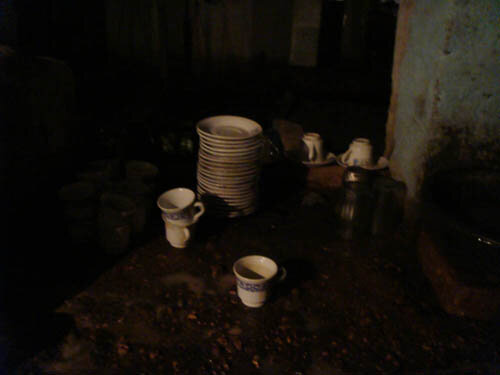
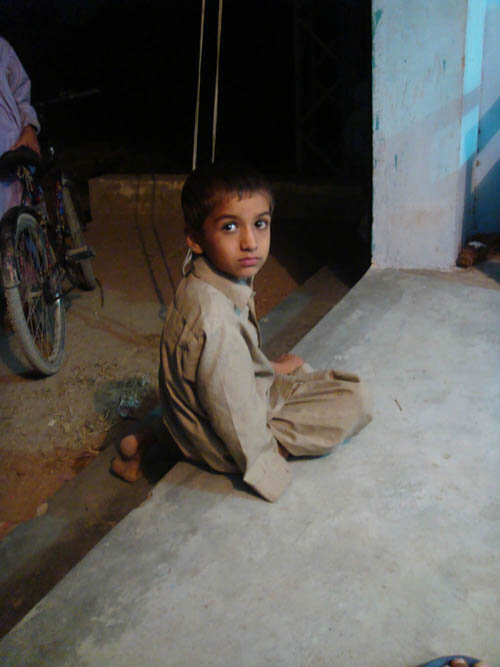
I met many good people. One of the first nights there, I was invited to accompany the musicians to a performance at the Shrine down the street. Other times there were musicians out on the roof at night, talking, and later performing in a room on the middle level of the building. It was a real treat to sit and enjoy that. I sketched several musicians one night, and that made me some small friends in the children and nephews of an older, blind tabla master. It was challenging to get a read on the whole situation. All the pieces were there, but when it came to the actual work of Gul, all kinds of vagary and stalling seemed to be going on. I wanted to trust the good nature and manners of my host, but there was a turning point one night.A group of musicians was gathered in a room, by an old computer, which was often used to play music for a gathered group as they talked and admired the works of older musical masters of a bygone era. Conversation tended to revolve around an ambitious musical project in the works unrelated to me. I often sat and listened, contributing little, when asked, in deference to the older musicians.A couple of older musicians said something about not wanting to eat out of the same plates and drink from the same glasses as Hindus and Sikhs due to the unhalal meat they eat. As is often the case with bigotry, it comes into a conversation all of a sudden."Humay to un kay saath khaanay ko jee nahee chahta (We don't feel like eating with them)."Talk of how foreign places are feeding haram food through fast food places came from one guy but no one else paid attention. Bigotry makes me furious. I argued with them that those things which are used to divide people and make hatred are vile and that thinking that way is disgusting. I looked around the room, at the old worn faces. Their bigotry to them was matter of fact and harmless. Certainly it was nothing to be angry about in their minds. I felt sick in my stomach. Frustration and stress of not knowing how I would do the music were one thing, but this bigotry was too much. I got up and went up to the room I slept in, pulled out some sheets, and spread them on the floor over the carpet. I was seething with anger and helplessness. I knew what I was there for, but it seemed so far out of reach.I lay down with my headphones on and hoped that music could calm me and get me to sleep eventually. Suddenly three kids were at my doorway. Two were Master Sahib's sons (the tabla player) and one was his nephew. I invited them in and we sat down and talked. I thought it was very sweet that they wanted to hang out. They were really nice kids. The little one, named Waqas was sent out to pick up some gum and supari. He smiled and his brother and cousin were nice to him too. They enjoyed some Kailash Kher on my laptop and then really got into the Rajasthani slide guitar album I played for them. Each took turns listening to one song on their headphones. Each sung along out of tune loudly, but each was nice about handing the others the headphones and to enjoy the music.I told them a little about my recent travels through Central Asia, the beauty of people and about the work I do. They too told me about places they had been to around Sindh and places I should go see in Hyderabad. The one boy mentioned how he had gone to a Mandir (Hindu Temple) and done Pooja also. These are young, illiterate Muslim kids. He spoke of how he prayed there in the Mandir. He was so wise in that he saw the same God's presence in a place of worship of another religion. He reconciled religious views with respect for another religion's place of worship. I didn't lead this conversation. I felt a lot of disgust at the adults below, but when I saw these children walk in, I didn't want to give them that venom. Instead, I said nothing about that, and shared some of my experience meeting different kinds of people in a positive light.All three would talk over each other a little but then ease back and excitedly let each other tell me about places they went and what it was like and the diversity and beauty of people as that is what I had been talking to them about. They took to the point I was making and carried on a conversation with it, unlike many adults. It was a joy to speak to them. I made a sketch of Waqas, who shares my brother's name, and gave it to him. These boys have done some schooling, but are not really literate beyond recognizing letters. They respect and enjoy taking care of their blind uncle (father to two, uncle to one) and sit quietly and obediently listening to the older musicians speak and serve them.They told me about mosques and mandirs and of the interesting long clothes worn by Christians here and of women with bare back shirts in another part of Sindh, talking not of bad or good, but of how nice it is that they are all different and they are fine with the boys coming in pants and shirts so why should the boys complain about how they dress. They said the people in that town are so hospitable, that they invite you in and insist that you eat and stay the night. Then though water is scarce, they give you water and food and dance for you. The next day they will have laid out some gifts for you and water before you even wake up. They cry as you leave as though you were their long departed relatives.I have to say that one conversation with these wonderful children gave me what I needed that night. I guess I opened the doors to them when they were watching me draw the musicians perform and I encouraged them to watch and handed them sketches to look at, rather than push them away. That simple moment gave me the conversation that followed that night and was the boost I needed. There's a lot of ugliness in the world, but a bit of hope from an unlikely source is still more powerful.There were other moments in those days that helped me mentally. Little things, that gave me joy.I hopped on a bus one time, saw a man climb up a few minutes after I sat. The bus was packed and the desert heat was exhausting. A thin little girl in a beautiful embroidered kameez hung from his back with her arms around her father's shoulders. The father came in and sat her down next to me and then sat next to her. He was very loving to her. She was chewing on a piece of sugarcane and her little shoeless feet were flitting around. Her father had his arm around her and then she slept with her head in his lap as the journey went on. I didn't want to disturb the moment, and quietly took a few photos with my camera to one side of the beautiful traditional clothing and the memory of a moment I didn't want to forget.The rickshaw driver who took me on the next part of that outing was blind in one eye, perhaps cataracts? He had a blueish pupil in one eye like master sahib. I said mehrbani (thanks) as I paid him after the ride and said salam. He said "Mehrbani kai kee, aap nai paisay deeya (Thanks for what, you paid me?)," but he appreciated it with his hand on his heart and smiled.I took another bus from there and sat with another man who was blind in one eye (eye was shut) and old and thin. I got off at a stop and picked up some handicrafts at one of the few stores open that day. I learned interesting things about the techniques of block printing and intricate tying for tie dye as well as bleaching designs and coloring them and some step that involved wiping dung.I walked on down the street and met a darzi (tailor) who was in the shop ironing. He had a son with him. It was not his store and almost all other shops around were closed for Friday. I asked if he could sew the two ajrak sheets together. He said everything was closed that day, but told me to have a seat if I had 10-15 minutes and he would do it for me. He did not own the store and was just trying to get some work finished by doing some ironing for free. He asked me how much I paid for the ajrak and gave me some recommendations to get it cheaper from other shops. Though there may have been a legitimate price difference due to cloth quality as there was similar cloth of the same price where I got it from. He was really friendly and made a point to take his time and sew with his foot pedal powered sewing machine. Another son, a bit older had popped in at that point and it seemed they were waiting to go somewhere. Yet the man was kind enough to do his work with care.I asked how much and he said "Jo munasib lagay (Whatever you feel is reasonable)."I said "Nahee yay aap apna kaam jaantai hain, aap batain kya munasib hai (No, you know your work, tell me what is reasonable).He said RS. 50 and I paid him, thanked him and walked on.These were small moments in the scheme of things, but they made all the difference and gave me that second wind I needed to push and make this music happen. I was at a turning point. I knew I was in a dark hole and it was going to take everything I had to get out.1. Going to Sindh - 2. Emperors New Clothes and Sites - 3. Fun Days and Tipping Point - 4. Time Running Out - 5. All Good Now?
The Music of Gul: A Journey Part 2
Yet it became apparent that my contact, a musician from a traditionally musical family (that had apparently skipped a couple generations), was not interested in connecting me to musicians. Instead, he went on about their big plans for my film. He told me that what I needed was very complex and they would bring in all kinds of musicians from remote areas to do the work. I kept asking about cost as well as some rough indications of what he imagined. He provided nothing. On top of that, he was very disparaging to the Sindhi folk musicians that I had brought music samples of. This was another red flag. If you need to put down others to prove your own self worth, and don’t offer any musical proof of it, something is very wrong.
1. Going to Sindh - 2. Emperors New Clothes and Sites - 3. Fun Days and Tipping Point - 4. Time Running Out - 5. All Good Now?
The Emperor's New Clothes
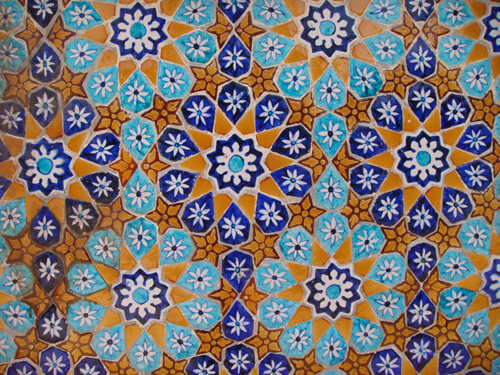
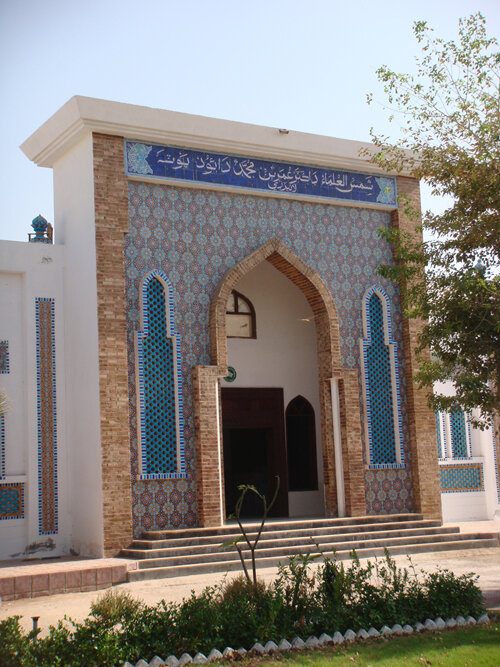
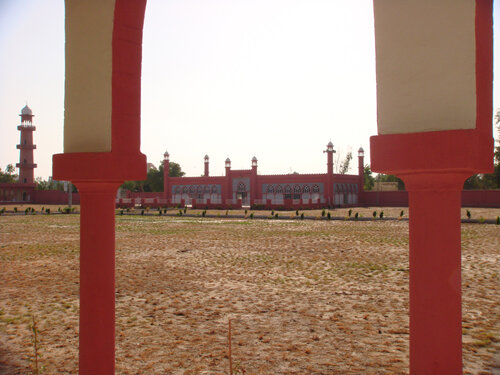
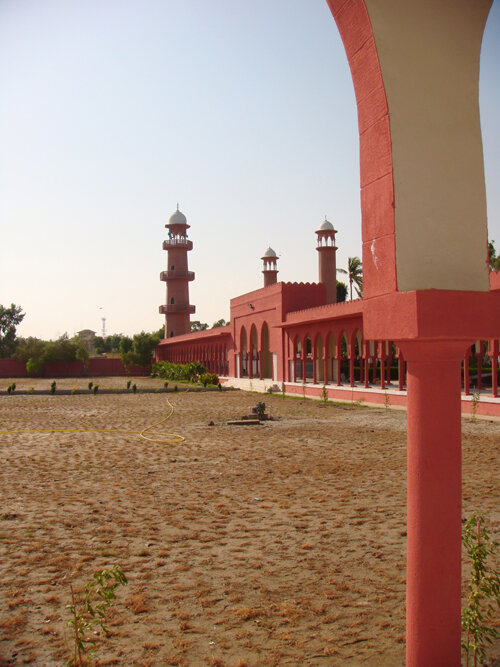
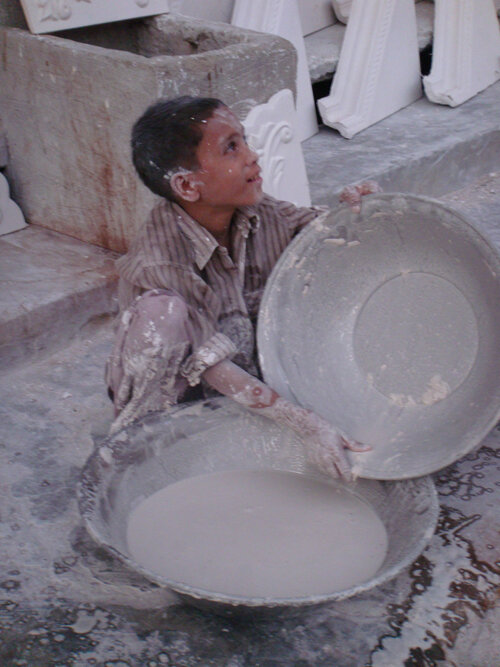
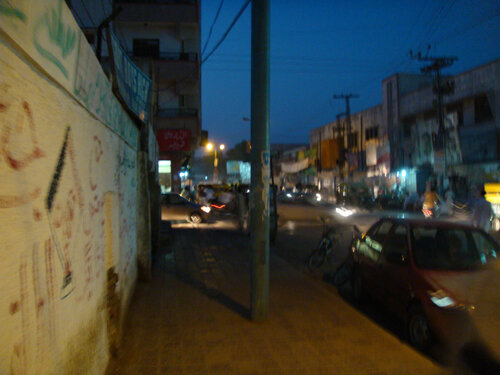
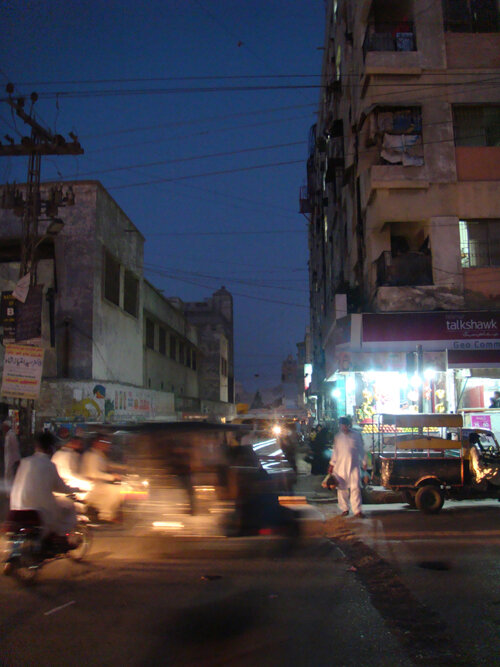
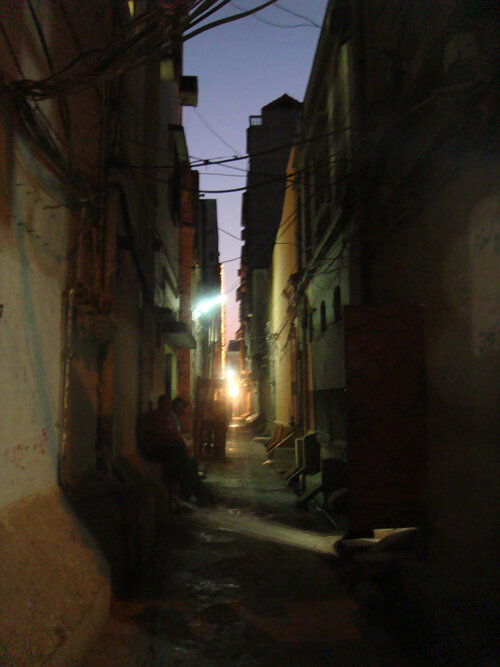
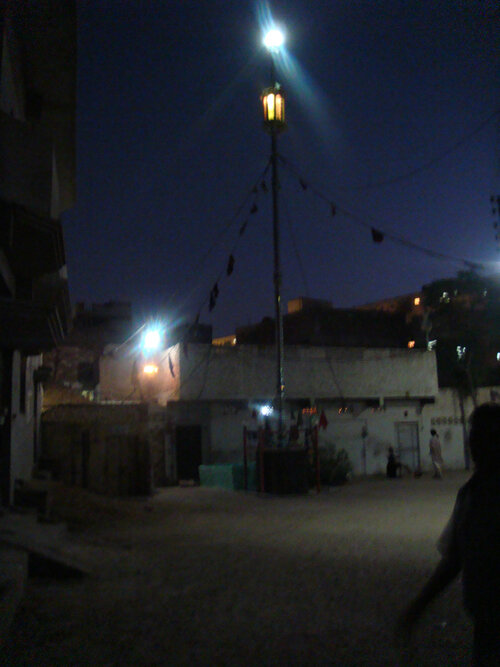
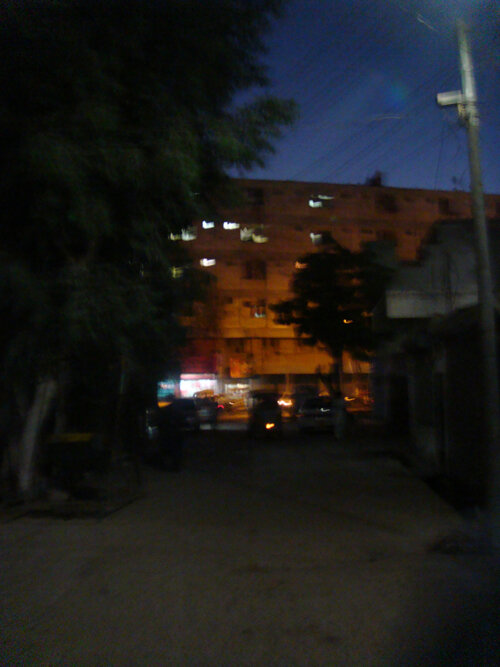
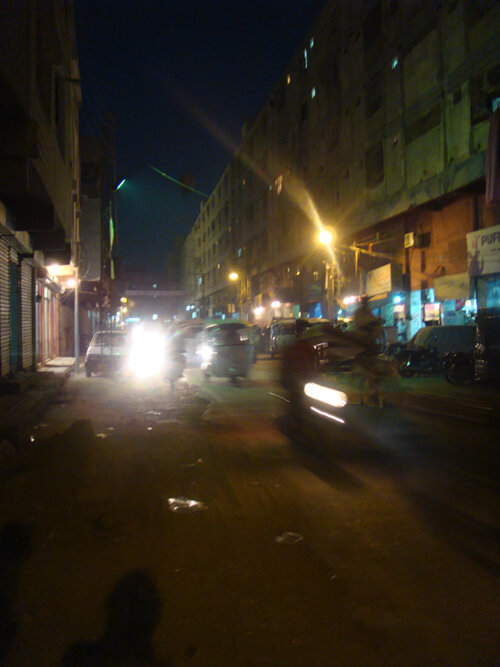
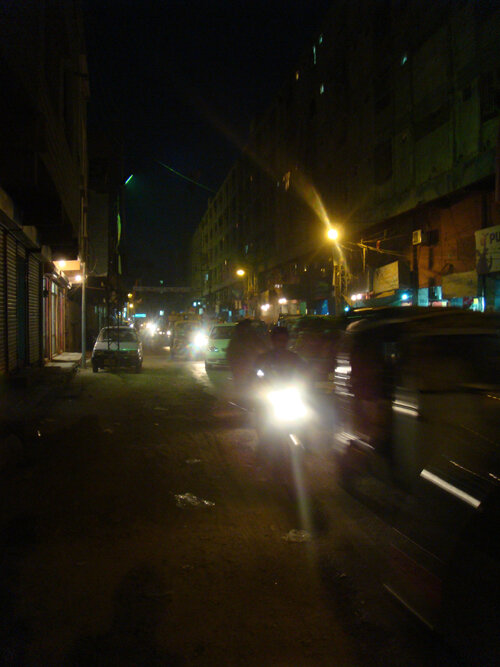
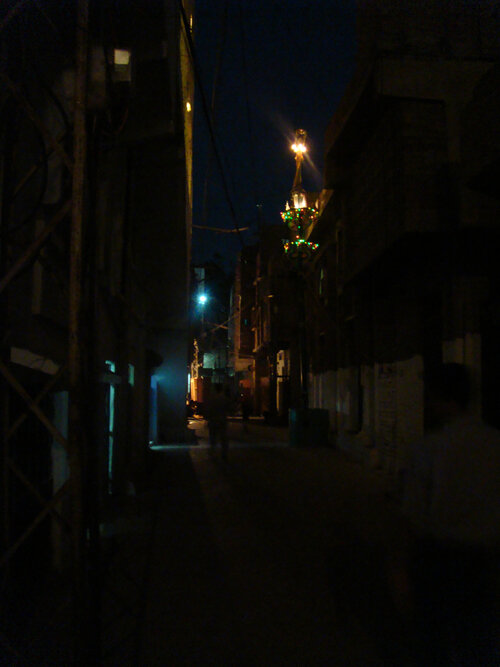
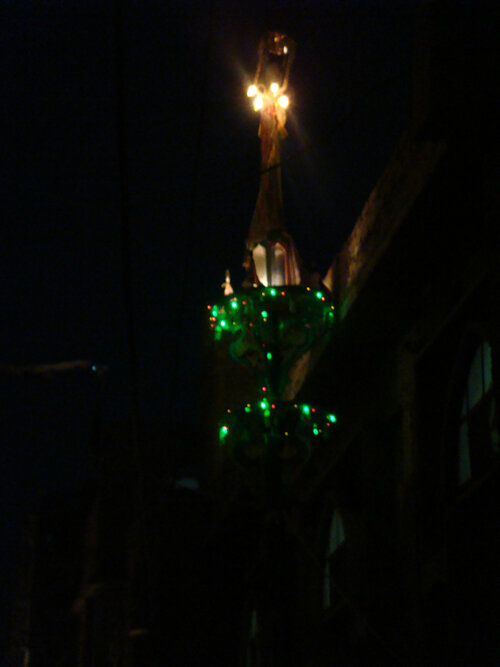
While in Hyderabad, I stayed in a really interesting building where musicians came and performed and ate together every night.
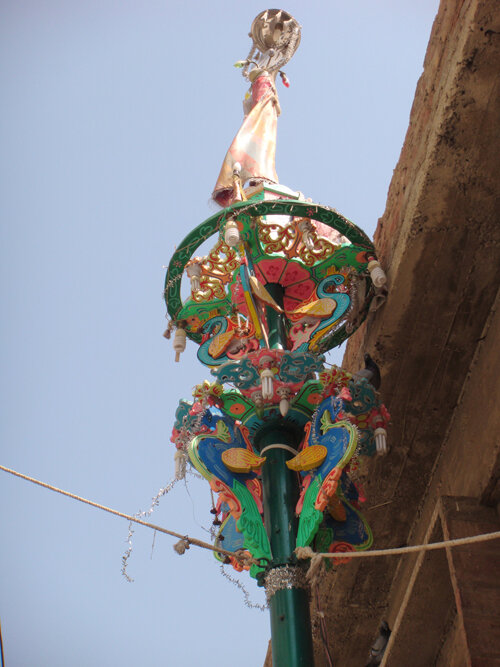
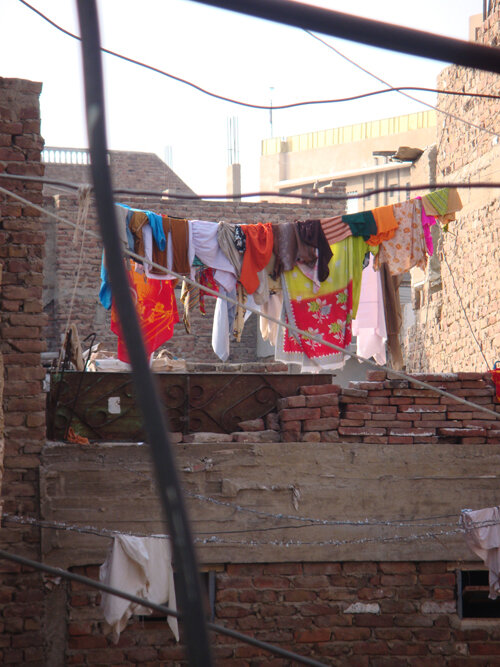
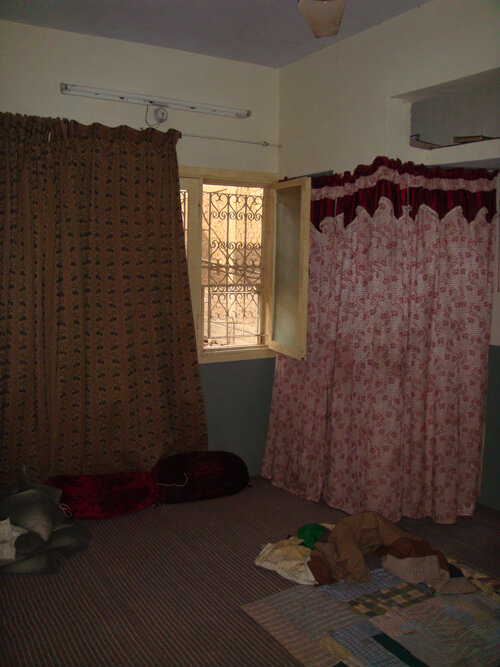
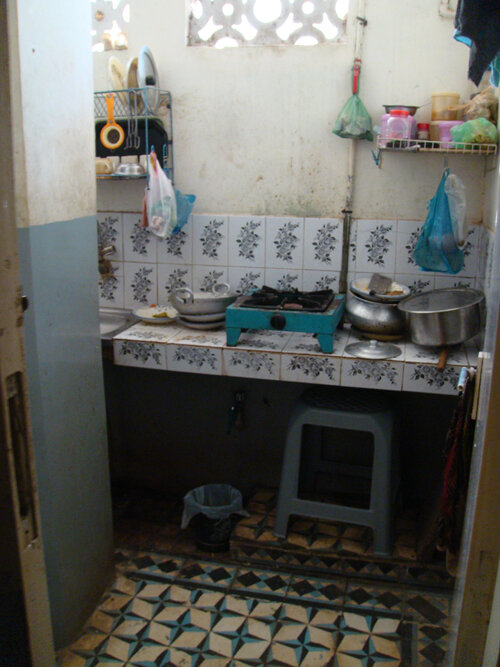
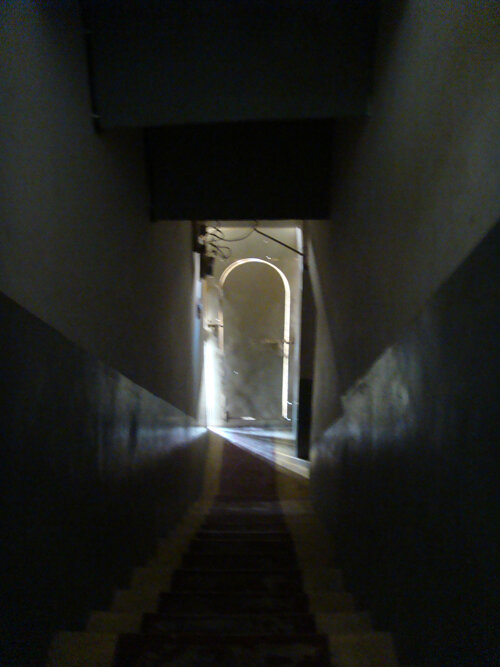
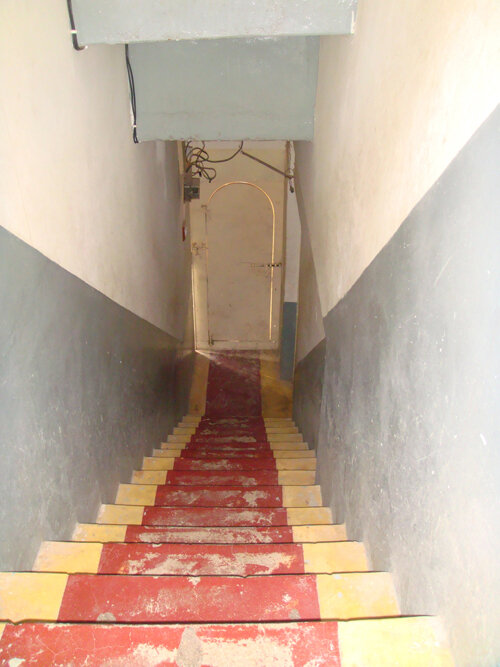
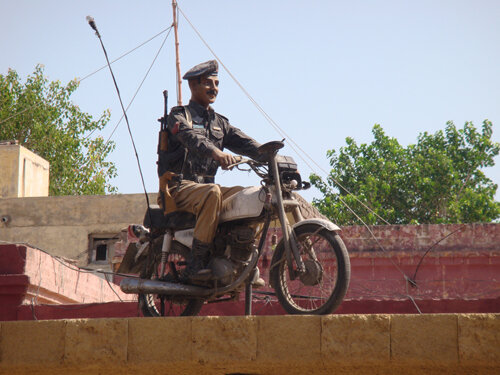
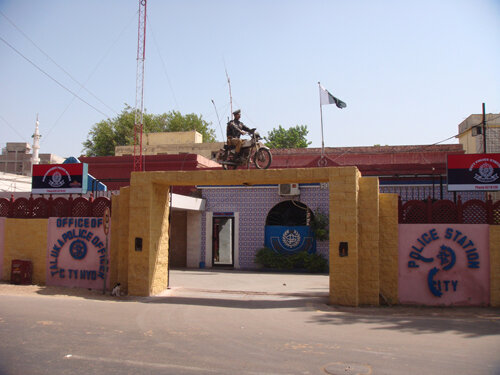
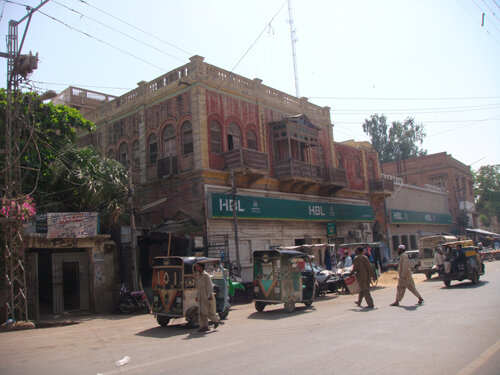
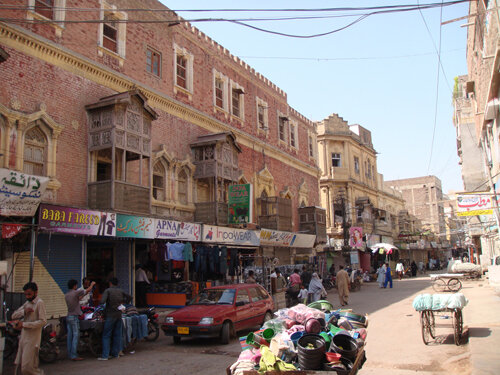
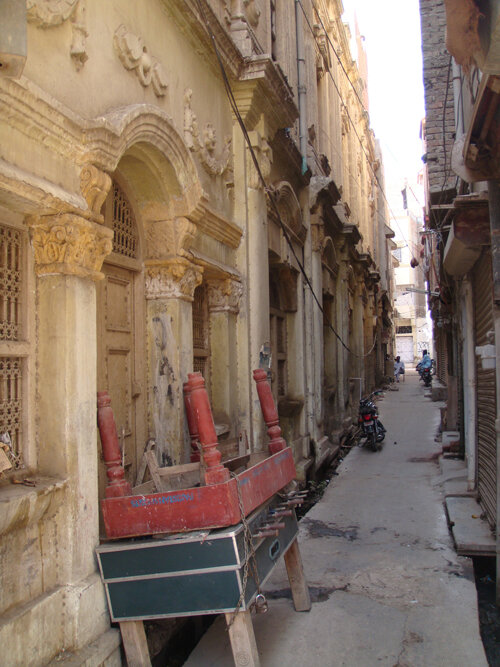
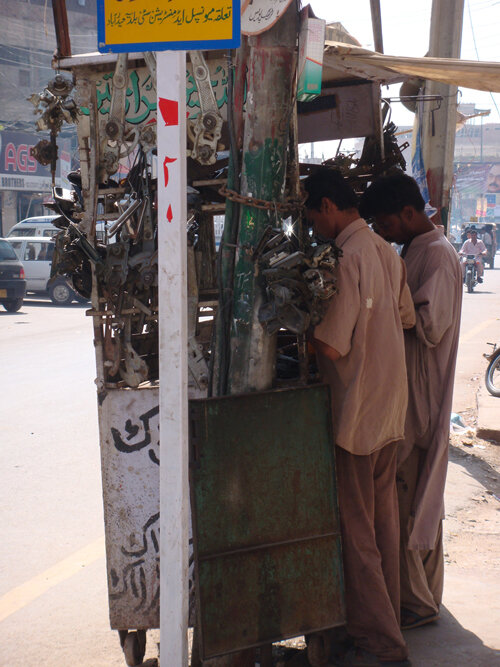

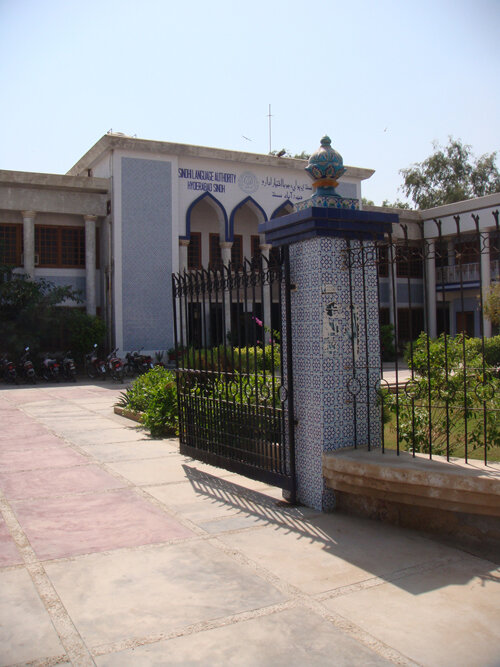
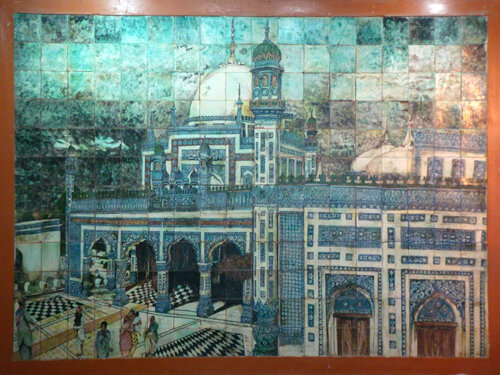
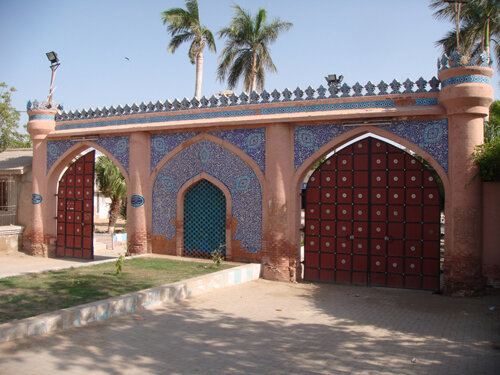
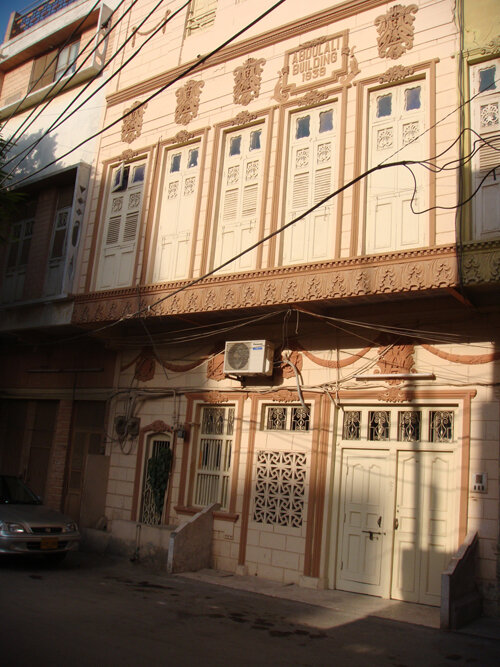

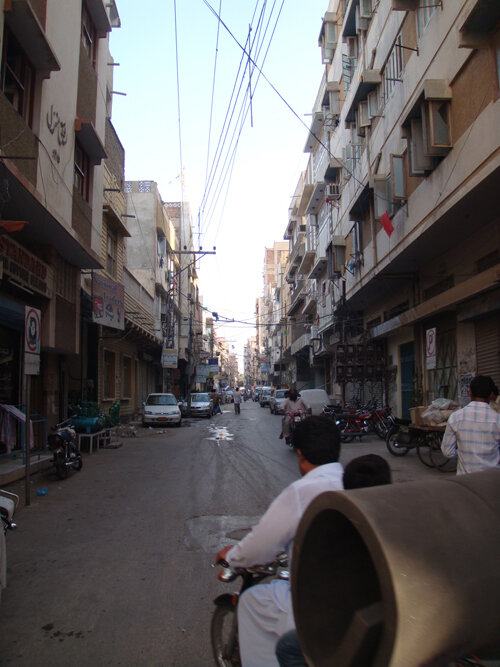

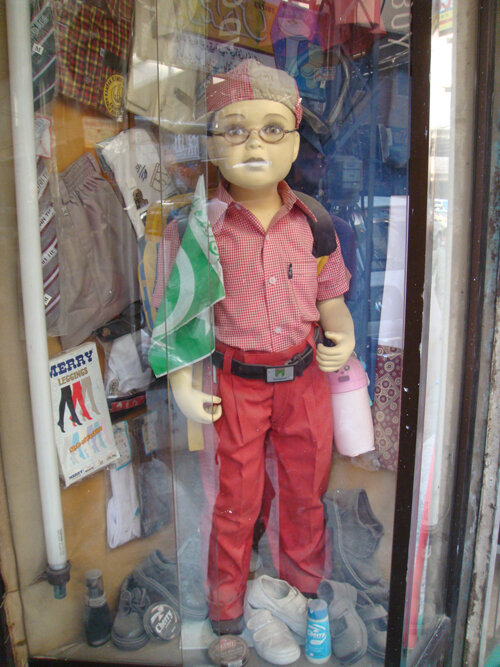
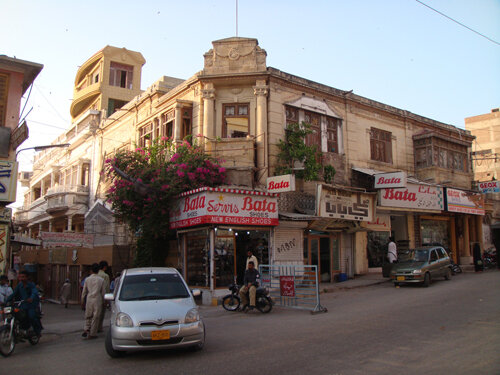

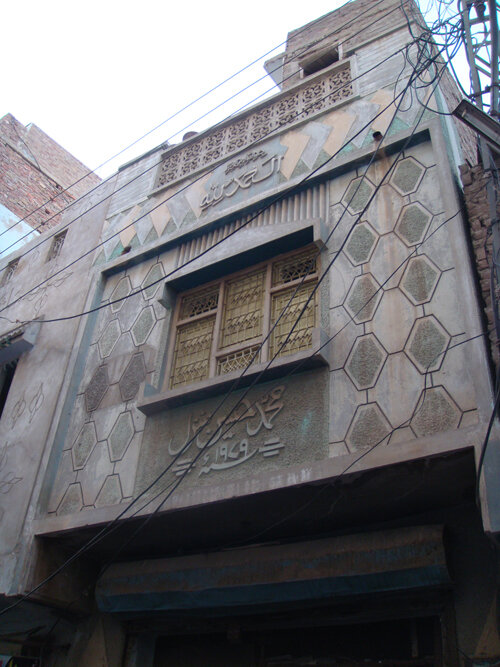
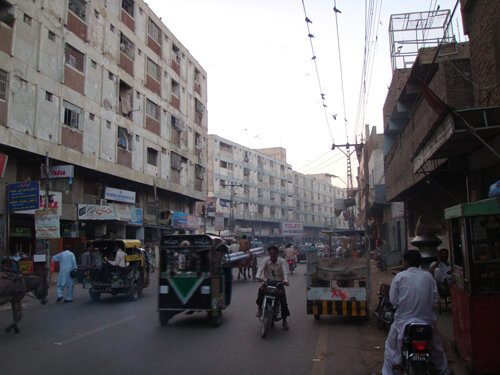
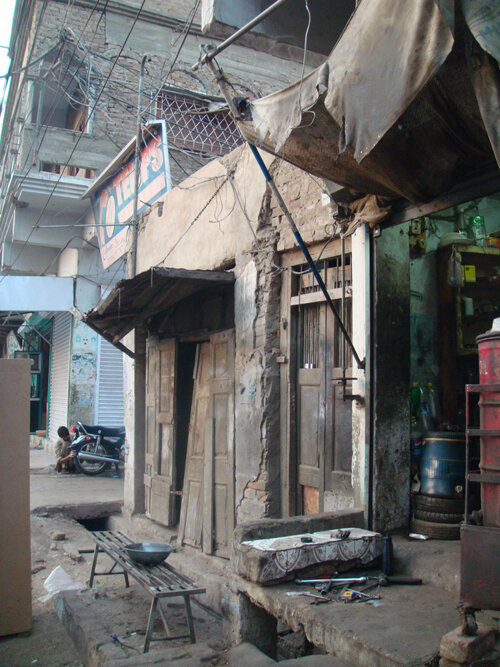
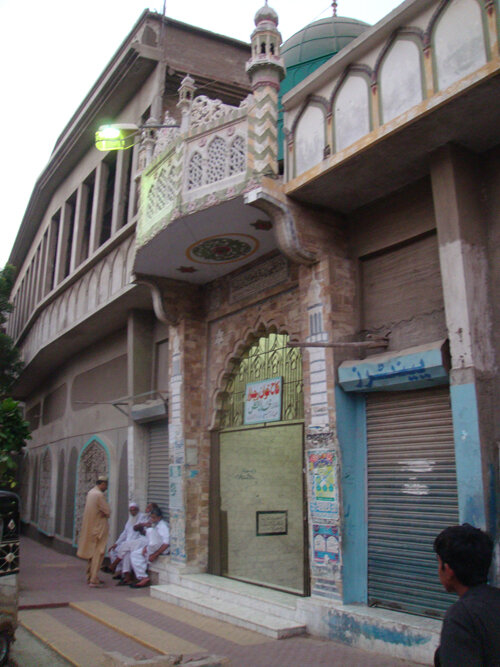


Yet it became apparent that my contact, a musician from a traditionally musical family (that had apparently skipped a couple generations), was not interested in connecting me to musicians. Instead, he went on about their big plans for my film. He told me that what I needed was very complex and they would bring in all kinds of musicians from remote areas to do the work. I kept asking about cost as well as some rough indications of what he imagined. He provided nothing. On top of that, he was very disparaging to the Sindhi folk musicians that I had brought music samples of. This was another red flag. If you need to put down others to prove your own self worth, and don’t offer any musical proof of it, something is very wrong.It was these very folk musicians who had inspired me to take this journey. One of the central purposes of using authentic Sindhi folk music, was to pay the musicians for their work and in my small way promote the incredible music they make. To be there at the gates of Sindhi culture and music, with a musician who was no good, and used his position as a literate man of means to keep down excellent musicians who lack those benefits was really disheartening. Here was a man who could promote Sindhi music and earn well not only for himself, but for these wonderful musicians who lack resources and are thus at the mercy of others.During the days of waiting and talking, I tried to enjoy some of the beautiful architecture in the city and various cultural institutions, to see if I could find another way, but every day was dragged out with the promise of some answers to my questions the next day, and some more delays that kept going. The people who took care of the building were music students, and most of my days were spent with them.My time was running out and I was very angry at getting the run around. This second music contact wanted my time to run out and then have me pay them a large, unknown sum, for music that they would create after I was gone. He could not even play something basic to indicate what he had in mind. It was only thanks to Suffi sahib in Lahore, who kept calling his old college friends in Sindh to come and meet me, that I did not turn back empty handed.1. Going to Sindh - 2. Emperors New Clothes and Sites - 3. Fun Days and Tipping Point - 4. Time Running Out - 5. All Good Now?
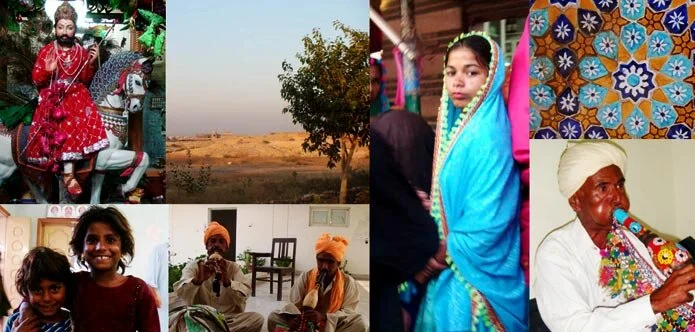
The Music of Gul: A Journey Part 1
For a short film with a raw, painterly style, and intense emotions, I wanted equally raw and powerful music. This was a story that needed the warmth and richness of acoustic sounds played in a timeless fashion. An Iqbal Jogi CD is took me on a journey to find contemporary Sindhi folk musicians.
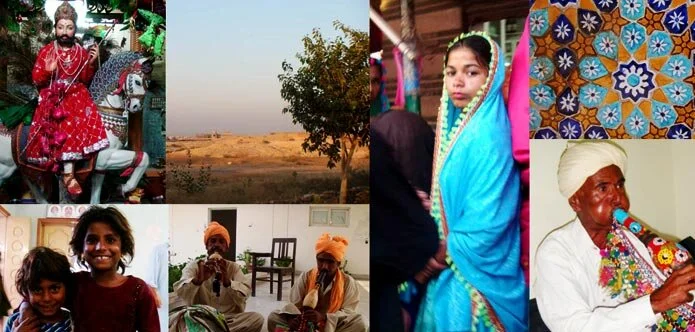
Gul, Sindh, Pakistan Journey Header
1. Going to Sindh - 2. Emperors New Clothes and Sites - 3. Fun Days and Tipping Point - 4. Time Running Out - 5. All Good Now?There are many stories behind the making of Gul(flower). One is how I came to record music in Jamshoro, Sindh, Pakistan with Sindhi folk musicians. I went there for music, but came back with so much more.
Choosing a Musical Style
For a short film with a raw, painted style, and intense emotions, I wanted equally raw and powerful music. This was a story that needed the warmth and richness of acoustic sounds. I placed different types of music on the rough cut of the short and found my way to Sindhi folk music by way of a CD by the Iqbal Jogi Ensemble called Passion for Pakistan. The music did not match the timing of the short, but the sound and style felt right. I knew I could bring something fresh with this combination. It would be tough to hire musicians and create original music, but music is vital to the story, so there could be no compromise on it. Ideas for the music were in my mind years before I was actually ready to record it. Eventually, that Iqbal Jogi CD is what took me on this journey to find contemporary Sindhi folk musicians. At the time I didn't know what Iqbal Jogi looked like or really much of anything beyond the vague CD liner notes. More recently I did manage to find this video of the late master musician, well worth watching.
When the Right Way is Completely Wrong
So how do you do something you know nothing about? A mutual friend connected me to a well known Pakistani musician who has a recording studio and works with folk musicians at times. I let him know exactly what I was looking for, including sample music, but he just kept asking about money. It’s a red flag when someone tries to size you up to see what they can squeeze out of you instead of discussing the requirements for the work. This convinced me that even if I came up with a magic sum he was not going to bring any heart to the project. I spoke to his assistant on the phone several times once I reached Lahore, Pakistan as he had invited me to contact him, but he never bothered calling back, so that road thankfully ended there.
Going to Sindh

arrive_hyd
Disappointed in my first lead, I turned to my friend Suffi Bilal Khalid, from the Multimedia Department at the National College of Arts in Lahore, Pakistan. I met him years ago when I walked into the NCA to see if they had any people doing animation and we have kept in touch. He personally knows or is connected to many people in the arts community. Perhaps equally, if not more important, he is a friend and an honest one at that. Through some contacts he gave me, I began reaching out to people in Sindh, Pakistan, where the music I sought comes from.So I began talking to a second contact for music. He was a musician, a teacher and as the head of a music department, he was in a perfect position to help. On the phone he was very friendly and hospitable, inviting me to come to Sindh. I thought for certain, this was the man who would help me find the musicians I needed.In my second month in Pakistan, I took the overnight train, in economy class, traveling on a dusty bunk, in a sea of hard working, everyday people, packed into the aisles, to Hyderabad, Sindh. The loud call of vendors rang out through the evening and again in the morning, as the train trudged along.I got to Hyderabad around noon the next day and grabbed a rickshaw to the address I was told to go to. It was a pharmacy, from which a young man came and walked me down a narrow lane.As I walked down, I saw a procession going to a shrine around the corner, to pay respects, playing music and doing a dance called dhamal. I knew I was in the right place
.1. Going to Sindh - 2. Emperors New Clothes and Sites - 3. Fun Days and Tipping Point - 4. Time Running Out - 5. All Good Now?
Elephants with Guns at Soul Kitchen
I caught the back of Jayson and the talented guest additional guitarist for the night in this quick pencil sketch. Just a little something to get the drawing in during Elephants with Guns' performance at Soul Cafe.

I had a chance to show some of my paintings at my friend Mark Anthony Benson's Soul Kitchen, at the wonderful Industry Cafe and Jazz. It's always fun to share art and as usual Elephants with Guns where great, with a lot of impromptu jamming in addition to their beautiful songs. Omar's drumming was great. It always brings so much energy, especially when he's jamming and lets loose.I caught the back of Jayson and the talented guest additional guitarist for the night in this quick pencil sketch. Just a little something to get the drawing in.Mark shared his short film, "Casual Friday" which was a lot of fun. I really enjoy seeing my friends grow in their art, while DJ Tray Boogie kept the beats going.A perfect end to a great night.
Creating a Sliced Animation Model in 3DS Max
A tutorial on creating a light weight animation ready model from a high res render model which is perfect for animation. A free maxscript to automate the process is also included. Great for prototyping and testing out designs as well.
by Adnan Hussain In this lesson I'll go over a streamlined process to create animation models, and even include a script for 3DS Max that can help automate the process for you.Download maxscriptmg_slicer_v01.zipWhy create an animation model?
 So you just finished creating that amazing new character, with 600 million polygons, muscle rigging and every bell and whistle under the sun. You render it and it looks amazing. Try animating it and watch it chug. When doing character animation, it is best to have a simple, low resolution model with a fast performance rig. You can animate with the light animation rig and then load that animation on the heavier render rig in a separate scene file for where you do all your lighting and rendering. No one likes doing extra work, so let's see how we can minimize the extra work up front and still reap all the benefits in performance. Trust me, the bit of extra prep work really pays off when you start animating. Even better, you can use this same method to prototype models in the design stage to see if your character design works the way you want in 3D. See if the proportions look good in performance. It is also a great way to test out an animation rig before your character model is finished.Simplify your Rig
 I won't get into this in this lesson, as it is specific to your rig, but your first step should be to remove any extra bits on your rig that you don't need for animation. If you have a lot of expression driven parts that are only for deformations, you can get rid of that and possibly speed up the performance of your rig during animation. (The above is just an illustration to show the idea. I actually did not use any complex deformations on this character beyond skinning. I've used Brad Noble's excellent rig, which you can download and purchase a resizing script for here).Simplify your ModelStart with the lowest resolution model that matches the shape of your final model. If you have a cage that is subdivided at render time, you can use that or use polygon reduction tools like the multires modifier to get a simple model that gives you the right volume and shape, without all that extra overhead. Try and keep enough resolution so the model can be broken up into parts for each joint in your skeleton. You can even attach objects, like the eyebrows, modeled hair, nails into one object.Slice it upYou can manually break the model into parts and parent them to their corresponding bones in your rig to get a pretty light weight setup that is perfect for animating. Without all those complex deformations, in most cases it should play in real time in your viewport, which is perfect for animating.Boo extra work, Yay MG Slicer Maxscript! (Download maxscript mg_slicer_v01.zip)Now that you get the basic concept, let's use a script to automate the process. As I'm building up the pipeline for my next film, I decided to write a script to help automate this tedious process of breaking up a character model, naming each part and parenting it to the corresponding bone. Here I'll go over how to use the Mg Slicer maxscript to help you automate the process in 3DS Max.Behold, the MG Slicer script interface:
 Depending on how you work, you don't have to use all of these buttons, but I'll go over what they do.Set VariablesThis first set of buttons sets some variables, or gives the script information it needs to work its magic.Char String: Type in a name or code. For example, if your character is named Monkeytastic, you can write something like mks and hit <enter>. This will be used later for naming an optional slice file and for naming the sliced parts.Set Variables: This is a button I use internally. Most people can skip over this one. If you know a little scripting, you can customize the function in the script code to predefine the variables set in the next two buttons with this button.Set Slicer Objects: Select the objects that will define how slices are cut (in most cases this would be the bones in your rig), then click the button.
 Set Objects to Slice: Select the objects you want to slice (this can be the body, clothes etc), then click the button.
 UtilitiesAttach Parts: In case you need to attach multiple objects into one. Select the main object, then ctrl select additional parts to attach to it. For example, I selected the character body, then control selected eyebrows, hair and nails, then clicked the button. This attached the parts to the character body. If you use this, after attaching select your objects to slice and click Set Slicer Objects after attaching them.Create Material: Creates a multimaterial based off the number of Slicer Objects you have set. This will be applied to the parts once they are sliced, so click this before continuing.Divide ModelThese buttons are for breaking the model into parts.Create Slices: Click this button, to take your Objects to Slice and divide them by assigning material ids to faces based off the closest Slicer Object. This can take a minute or longer, depending on how many polygons the models have.
 Once slices are created, you should see different colors for regions defined by different matIDs. The automatic process does its best, but you'll probably want to do a little editing to get it just right.The next two buttons will help you edit matID assignments before you actually break the models up.
 Get MatID: Select a single face and click this button to store the current matID number.Save MatID: Click to assign the Get MatID saved material ID to the selected faces.Save Slices: Saves the matID slices/id assignments to a text file which can be loaded.Load Slices: Loads a presaved matID file.Break Slices: Once your matIDs are set the way you want, click this button to break the model into pieces based off Material IDs and parent them to their corresponding Slicer Object (bone).There you have it. You should now have a light weight rig with a model broken up into parts for fast animation performance.I hope you found this lesson helpful. Feel free to leave a comment below or send me an email with your thoughts and suggestions.Related Links:The idea for this material ID based approach to cutting up the model came from a page by the very talented Kai Stavginski. He wrote a similar tool according to the page, but as far as I know he never released it to the public, so I wrote my own. I don't pretend to have written a better tool by any means. I just needed it for my own use, and so here it is available to all of you as well.
Ice Walas in Lahore, Pakistan
The younger ice walas joked around, telling my friend Imran and I to photograph the slightly older man, whom I assumed was their boss. There's an incredible amount of hardship to life in Pakistan. There's the security situation, the fact that electricity and gas are rationed to a few hours a day, strangling business and life and a bleak outlook on anything improving. Yet people keep going. These ice walas wake up early every morning, and work hard all day. Despite that, what I love most about taking these walks, is getting to connect to that humanity that people share so warmly.
Whenever I am in Lahore, I love to walk through the back alleys of the old city. I'll try and share some of the pictures and stories from those many walks among other things, on this blog. This particular day, I ran across some ice walas. They were breaking large blocks of ice to send out to customers. Lahore is a fascinating place, with endless stories and interesting people. You never know what you'll run across. The mornings are really fun, because people are just getting started with their day, and not too busy and tired yet to stop for some conversation.The younger ice walas joked around, telling my friend Imran and I to photograph the slightly older man, whom I assumed was their boss. There's an incredible amount of hardship to life in Pakistan. There's the security situation, the fact that electricity and gas are rationed to a few hours a day, strangling business and life and a bleak outlook on anything improving. Yet people keep going. These ice walas wake up early every morning, and work hard all day. Despite that, what I love most about taking these walks, is getting to connect to that humanity that people share so warmly. People constantly invite you to come have a cup of tea. There's a genuine interest in our photography, but it is tempered with kindness. People share facts and legends about the area, or take pride and show you their work, or just poke fun at one another in a good natured way.These photos, from a dull gray morning, remind me of the humbling resilience and kindness of the people of Pakistan.
madguru.com Gul - Concept Art Added
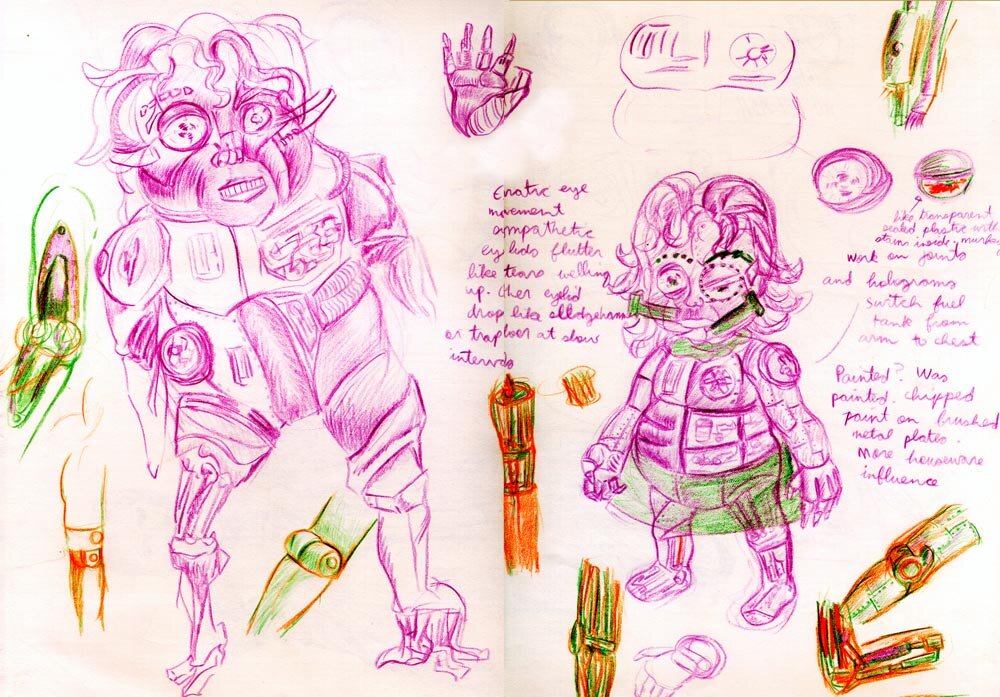
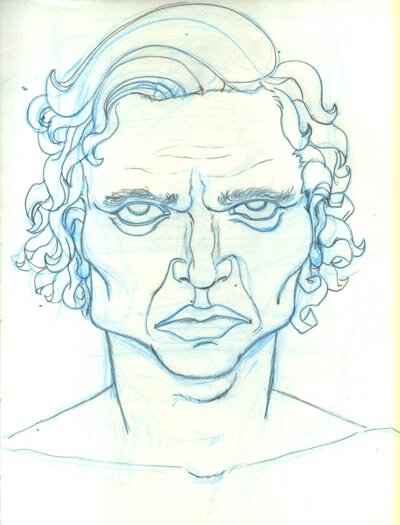
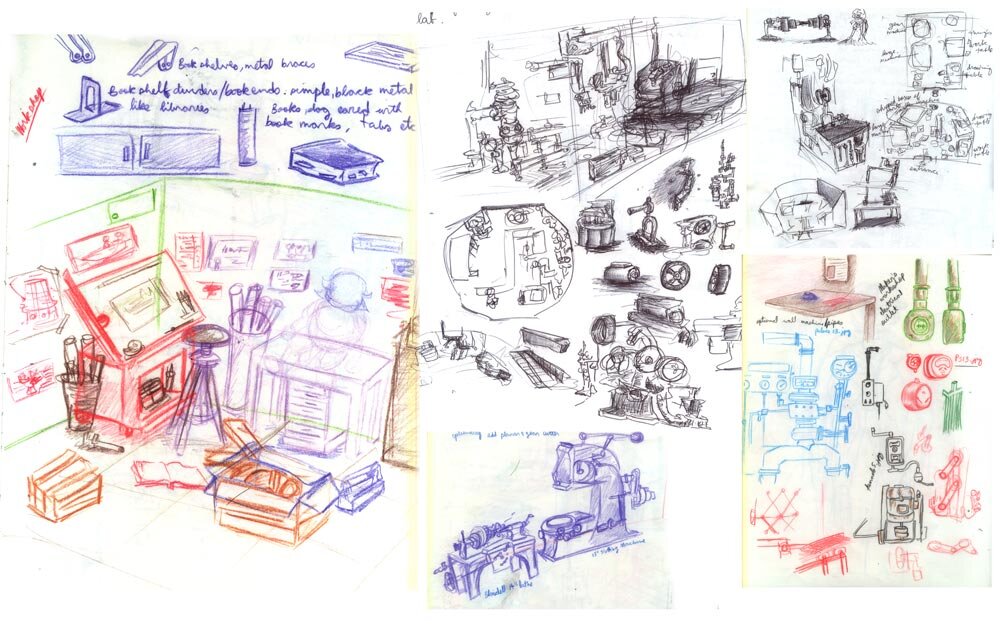
The Gul(flower) concept art gallery gives a good glimpse into the design process, from taking inspiration from real life to re imagining it for the context of the story. A lot of the design process is about how you think about each element to make intelligent choices that drive the themes and purpose of the story home. A lot of time and care goes into each decision, while trying to balance the desire for spontaneity to bring in fresh, seemingly unrelated sources of inspiration into the mix.
I've redesigned the main website with a bunch of new material and the start of many exciting new things. Have a look at concept art from my short film Gul(flower). The concept art gallery gives a good glimpse into the design process, from taking inspiration from real life to re imagining it for the context of the story. A lot of the design process is about how you think about each element to make intelligent choices that drive the themes and purpose of the story home. A lot of time and care goes into each decision, while trying to balance the desire for spontaneity to bring in fresh, seemingly unrelated sources of inspiration into the mix.
An Environmental Film
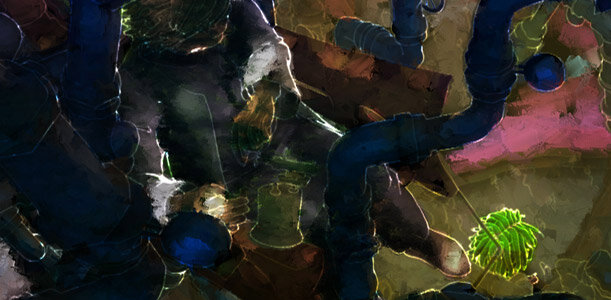 Interview on Gul - Human Rights Essay - Environmental Essay - Press KitGul(flower) is about contrasts. Humanity's impact on the environment is a strong theme of the film. Much of the visual development of the film came out of my surroundings. Here in Southern California, there are great swathes of natural beauty and industrial blight. On one hand there is a fascination in seeing the intricate leaves, and multitudinous branches of a forest of trees. It touches some primal core that seeks the comfort of soft floral colors and organic shapes. In stark contrast are the abominations that generate our electricity and process our filth. These inhumanly intricate structures with which we pretend to bend nature to our will are also fascinating and endlessly intricate, but with a morbid, claustrophobic, foreboding grotesqueness.We stand before both, minute and insignificant, but where one is magnificent in its grace and brutality, the other secretes a slow poison that promises a total destruction with no return. Humans are interesting creatures. Like the lion trainer's who put on a show with powerful animals that could destroy their impotent "masters" with an accidental swat of the paw, we court and create our own greatest dangers.These ideas parallel the greed of humanity, not only in its pillage of nature, but in its egotistical pursuit of its ambitions and agendas. Yet somewhere within all of that, is the excitement of opportunities, the newness of youth, the open possibilities of naivete and hope. Where concrete snuffs out life, rain crumbles it, revealing new green life, inching into sunlight. Gul seeks to connect on that visceral level in the natural and unnatural that concerns of our environment.Watch the film here.Interview on Gul - Human Rights Essay - Environmental Essay - Press Kit
A Human Rights Film
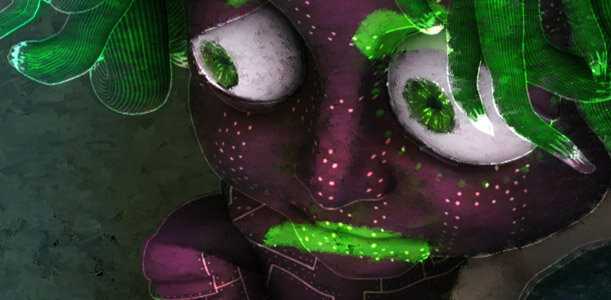 Interview on Gul - Human Rights Essay - Environmental Essay - Press KitInspirationThe issue of human rights is of central interest in Gul(flower). I see the lack of human rights as the root of most social issues in the world. The power of storytelling lies in its ability to share experiences, educate and provoke thought. It is when people do not question the norm that human rights abuses go unchallenged.PurposeGul brings to light the question of our own free will in the context of human rights. Often we feel we do not possess the means to stop abuse. While we may not feel empowered to have a direct effect on the actions of others, we do have the ability to choose our own actions. This endearing truth kept me working on this film for years, as a personal statement attesting to the hope that I see in even the most difficult situations. I always had in mind that this piece could tell far more by not being over stated. The mind has an incredible capacity to fill in information as needed to create understanding. I realized that, I could make art that is participatory, rather than passive. At the end of it, I trusted in the audience to engage with the piece at their own level.ResponseI was reassured by the first screening in Seattle to Costa Rica, Romania, Iran, rural villages in India, small towns in Pakistan and beyond at the ability of all kinds of people to interpret art that is challenging and not spoon fed in its consumption. Social workers, parents, children, farmers, activists and all kinds of every day people have shared with me their insights, observations and passion for this film. It has been, and continues to be an amazing and gratifying experience to share it, without lengthy explanation, to be taken as is. A truth understood is far more powerful than one that is told.In Great CompanyGul(flower) screened at the 2009 Mill Valley Film Festival, with films such as Awakening from Sorrow: Buenos Aires 1997, Soundtrack for a Revolution, The Most Dangerous Man in America and many other hard hitting films about important social issues. Later it screened at the Seventh Annual Patios: New Orleans International Human Rights Festival, while I was in India volunteering. It has screened at numerous festivals, for which I am grateful, but Patios in particular was a big deal for me, as it meant that the work had reached its goal.Emily Ratner, from the Patios sent me a short bit about the screening that I really enjoyed:"The screening turned out to be a very interesting and powerful one. We unexpectedly hosted a group of 35 youth of color from a small town about an hour outside of New Orleans, and so one of the organizers (whose also a social worker) used the opportunity to talk with the students about child abuse, metaphor, and how experimental media can tell very real and painful stories. I think your film definitely threw some of the youth for a loop, but on the whole I think they were really into the experience!"I had similar experiences in India as I traveled through New Delhi, Ahmedabad, Bangalore and Chandigarh giving flipbook animation workshops to kids at various non profit orgs, an art therapy workshop with an amazing group of HIV/AIDS infected women in Bangalore and wonderful discussions on Gul(flower) and the many emotions and thoughts it evoked throughout. It is a wonderful feeling to create art that encourages a richness of thought and discussion. To see that first hand has been one of the most powerful experiences of making this film.In Pakistan, I worked with a group of Multimedia Masters students in Lahore, using Gul as an example of the power of developing a concept into a finished piece. In the end, it has been an empowering experience to convey a lot that I have felt inside for a long time, without the use of words, in a way that strives to connect to that commonality of the human experience and the importance of human rights.Watch the film here.Interview on Gul - Human Rights Essay - Environmental Essay - Press Kit
Reel Breakdown
The SmurfsHair and Cloth for Smurfette and Cloth for Gutsy Smurf.Beowulf (cloth and hair)I was the first member of the team. Shortly after, I was joined by another TD and we lay the groundwork for the pipeline by doing a great deal of R&D in areas such as panel cloth, object cloth, examining old pipelines, testing theories for a more modular approach that would allow for maximum reuse of assets and procedural costume builds based on user created assets. We tested the best ways to handle layered costumes, draping of large volumes of cloth, ideal initial states for cloth and more. As the team grew, I built cloth models, rigged many costumes, including Frizan raiders seen in the battle sequence as well as their leader with the wolf hat, Unferth (John Malkovich), Wiglaf (Brendan Gleeson) lots of work on dresses, cinched tunics and countless others, created hair for 2 characters, then continued to train junior artists, shot work, debugged scenes, created custom fixes for one off shots and helped junior artists.Various Commercials and Music VideoCreated and simulated light streamers caught on and colliding with ferris wheel. Created pipeline for and simulated all hot air balloons. Created splashing drink, flying papers and elevator.Cursed (Werewolf shots)I created the hair, did hair setup and ran dynamics simulations for the hair of both the werewolf and dog characters. I also created all the hair for the transformation sequence, animating it from human to wolf hair. In addition I custom rigged digital hair that the actress pulled out of her scalp and animated it falling down to the floor. One additional TD animated falling hair with me based off of my setup and one TD worked with me doing most of the Werewolf comb while I did most of the Dog comb.Gul (flower)Created all story, concept art, pipeline scripts, execution, models, rigs, textures, animation, lighting, compositing, custom code and techniques for painted look, hired and directed musicians and sound designer for audio.DrivenI worked in a small team at Digital Dimension on various VFX shots on "Driven." I UV mapped, textured and rigged all 7 cars used by Digital Dimension. The shots on my reel were animated and lit by me. I also composited the take off shot and did camera matching for the pit fire shot.Invisible ManThe shots I have shown are a sample of the many VFX shots I worked on at Encore. I was handed clean and action plates and it was my job to finish the shots by creating and compositing the VFX. We used Cyberscans of the actors and I rigged, matchmoved, animated, lit, textured, modelled props and composited (including tracking and dealing with plate issues) for all the shots on my reel.PaintingsThe paintings are samples from my portfolio of quick studies painted from life.
Elephants with Guns at Soul Cafe
I went to see my friends Elephants with Guns perform at my other friend Mark Anthony Benson's Soul Cafe. Great food at the Industry Jazz Cafe and some cool art by Hakim Wilson, John O. Nelson's Hood Tales short films, DJ Tray Boogie and a birthday party made for a fun night. I managed some watercolor sketches of the band when the Elephants took the stage.
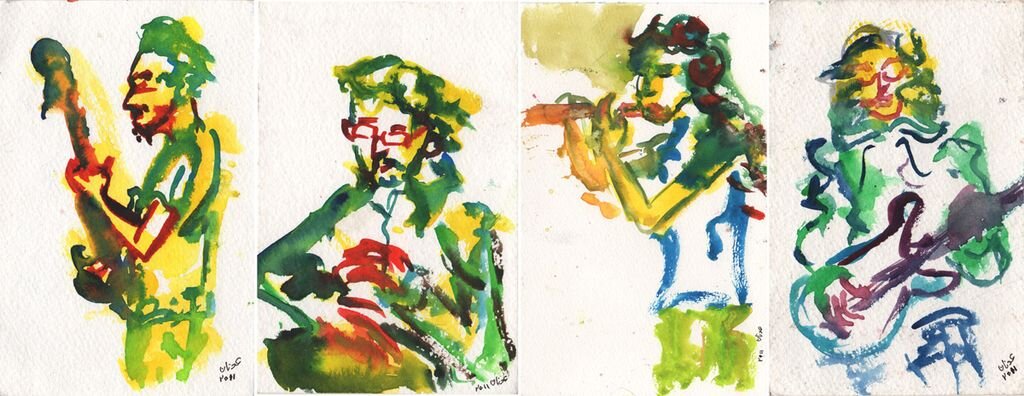
I went to see my friends Elephants with Guns perform at my other friend Mark Anthony Benson's Soul Cafe. Great food at the Industry Jazz Cafe and some cool art by Hakim Wilson, John O. Nelson's Hood Tales short films, DJ Tray Boogie and a birthday party made for a fun night. I managed some watercolor sketches of the band when the Elephants took the stage. Thanks to Mark for taking the time to connect interesting artists and share it all with us, and to the Industry Jazz Cafe's awesome staff and owner Aaron (who joined EWG for a last song) for hosting. We celebrated my friend Bobby's birthday and had completely forgotten to bring paper plates and forks, but the cafe staff were so sweet to help us surprise her with a cake. Thanks everyone!
Gul (flower) Wallpapers
Free wallpapers with art from the award winning short film Gul(flower).
Download wallpapers of stills from the film for your computer desktop. Click on the resolution (size) you want, then right click the image and choose set as background or save as. Gul Face1 WallpaperDesktop and Laptop 800x600 - 1024x768 - 1280x1024 -1600x1200 - 1920x1200IPhone 320x480 - 480x320Android 640x480
 Gul Chaos WallpaperDesktop and Laptop 800x600 - 1024x768 - 1280x1024 -1600x1200 - 1920x1200IPhone 320x480 - 480x320Android 640x480
 Gul From Above WallpaperDesktop and Laptop 800x600 - 1024x768 - 1280x1024 -1600x1200 - 1920x1200IPhone 320x480 - 480x320Android 640x480
 Gul Hall WallpaperDesktop and Laptop 800x600 - 1024x768 - 1280x1024 -1600x1200 - 1920x1200IPhone 320x480 - 480x320Android 640x480
 Gul Meet WallpaperDesktop and Laptop 800x600 - 1024x768 - 1280x1024 -1600x1200 - 1920x1200IPhone 320x480 - 480x320Android 640x480
 Gul Opening WallpaperDesktop and Laptop 800x600 - 1024x768 - 1280x1024 -1600x1200 - 1920x1200IPhone 320x480 - 480x320Android 640x480
 Gul Pipes WallpaperDesktop and Laptop 800x600 - 1024x768 - 1280x1024 -1600x1200 - 1920x1200IPhone 320x480 - 480x320Android 640x480
 Gul water WallpaperDesktop and Laptop 800x600 - 1024x768 - 1280x1024 -1600x1200 - 1920x1200IPhone 320x480 - 480x320Android 640x480
 Gul Banjo WallpaperDesktop and Laptop 800x600 - 1024x768 - 1280x1024 -1600x1200 - 1920x1200IPhone 320x480 - 480x320Android 640x480
 Gul Jairam Up WallpaperDesktop and Laptop 800x600 - 1024x768 - 1280x1024 -1600x1200 - 1920x1200IPhone 320x480 - 480x320Android 640x480
 Gul Jairam Profile WallpaperDesktop and Laptop 800x600 - 1024x768 - 1280x1024 -1600x1200 - 1920x1200IPhone 320x480 - 480x320Android 640x480
Gul (flower) Music
I knew from the start that for Gul, I wanted a warm acoustic sound with a raw feel to it. Much like the visuals, that was the energy for this piece. After experimenting with different music on rough cuts of the film, I found the perfect match in Sindhi folk music.Thanks go out toSuffi Bilal Khalid of the National College of Arts in Lahore,Fatah Daudpoto of Communication Design at the Center for Design Excellence in Jamshoro, Sindh and Saeed Mangi of theInstitute of Sindhology in Jamshoro, Sindh for making it possible for me to connect to the right musicians and record their music.In the end it came down to a 3 hr recording session at the Sindhology Museum with audio engineer Zulfi, 2 DV cameras, 3 mics plugged into them, 5 excellent musicians and a constant loss of electricity.Ustad Anb Jogi Composer/DholakJairam Jogi on MurliUstad Mohammad Buksh on BanjoNasir Jogi on 2nd MurliIbrahim Jogi on TaliZulfi Recording Engineer on Music
Gul (flower) Credits
Credits:A Film byAdnan Hussain spent his formative years in the US, as well as Pakistan. A childhood fascination with writing stories combined with a steady diet of comics, cartoons and books warped his brain forever, leaving him no choice but to do what he does today. After years of visual effects and animation work, "Gul" marks his directorial debut, though mostly he directed a team consisting of himself. http://www.madguru.netwithSound Design byBrian StronerMusicians aquired byFatah Daudpoto http://www.fatahdaudpoto.com/Music by:Ustad Amb Jogi (Composer/Dholak) from Umerkot, is the grandson of the tabla player Ustad Khamuso Jogi, and trained under Ustad Nazir Khan.Jairam Jogi (Murli) is a seventh generation Murli player.Ustad Mohammad Buksh (Banjo) was born in Talhar and learned under his uncle, Ustad Bilawal Bailjum.Nasir Jogi (2nd Murli) is from Umerkot.Ibrahim Jogi (Tali)Zulfiqar Ali Gopang(Recording Engineer on Music)Recording Facilities byWebsite byJayson Joseph http://www.elephantswithguns.com/Thanks to:Saeeda Hussain, Tasadduq Hussain, Waqas Hussain, Kristeen Singh, Cholki Han, Terry Ziegelman, Zach Schlappi, Suffi Bilal Khalid, Saeed Mangi, Majeed Sumro, Naimat Sahib, Azam Bugti and all who encouraged, critiqued and took time to help in the process.
Latest Posts
- animals
- animation short film concept art
- california
- china
- condo
- costa rica
- culver city
- dance
- dance performance
- data darbar
- desert
- downtown
- festival
- figure drawing
- film festivals
- ger
- hasan abdal
- hate crime
- human rights
- humanrights palestine israel conflict activism
- India
- jamshoro
- kyrgyzstan
- la zoo
- lahore
- landscape
- landspcape
- life drawing
- live music
- live music performance watercolor sketch
- los angeles
- los angeles forest
- mogolia
- mongolia
- montezuma
- motel
- music
- music show
- musicians
- naadam
- nadam
- nankana sahib
- Orange County
- painting
- pakistan
- palestine
- panja sahib
- photo
- photography lahore pakistan travel people
- photos
- post natyam
- protest
- risalo
- sindh
- sketch
- sketches
- students
- sufi
- travel
- ucla
- USA
- uzbekistan
- uzbekistan people travel photography
- venice beach
- volunteer
- watercolor
- watercolors
- wrestling
- Yorba Linda
- zoo