
Wandering with Jogis
I had come to SIndh, Pakistan from Los Angeles seeking a group of wandering snake charmers; Jogis to add their music to my animated film "Gul". Little did I know how connected we would be in the years to come, from devastating floods to bringing Sufi poetry to the world all thanks to people joining together to do some good.


Six years ago, I found myself at the side of a freeway eating food under a rickety hut in the deserts of Jamshoro, Sindh in Pakistan. The air was hot, as was the food. Drenched in sweat, I looked out past the asphalt, across sand, sprinkled in defiant bits of green. I had come there from Los Angeles seeking a group of wandering snake charmers; Jogis to add their music to my animated film "Gul". Little did I know how connected we would be in the years to come, from devastating floods to bringing Sufi poetry to the world all thanks to people joining together to do some good.

Thanks to help from Suffi Bilal Khalid, Fatah Daudpoto, Saeed Mangi and others who made my work possible, I have a story to share. I went to pick up Ustad Amb Jogi and Jairam Jogi at the Hyderabad rail station in Sindh. We would have ridden in two auto rickshaws, but they humbly suggested that one was enough. We piled in with my friend Azam Bugti, the two musicians, their large instrument cases and the auto driver, then went to Fatah sahib's apartment. In the apartment, we met a few more local musicians, and each played a bit. I was mesmerized. It took years of grueling effort to get to this point. The musicians asked what I was looking for and I played a few recordings. They had never made music for films before. I reassured them, that what I wanted was their music, expressing the emotions of my film. After setting a date for a recording session and overcoming some other logistical challenges, I found myself with them again at the recording studio at the Institute of Sindhology in Jamshoro.
 With hand gestures and words, I gave them cues for timing as Ustad Amb Jogi lead them through different raags and emotional arcs of the film. Each musician added their embellishments and created a rich piece of music. I was ecstatic. All that pressure and effort came down to several hours of weaving music from their seventh and eighth generation traditions, into a nine minute piece of music. We shared a meal after the recording session, then bid farewell. I came back to Los Angeles, with the recordings which I mixed and edited. I finished the rest of my film and "Gul" was born.The Jogis came with me through their music to festivals around the world. My film had no words, but the emotions of their music and sound design by my friend Brian Stroner. I put together a section devoted to them on my website, to let the world know them. The following year, I returned to Sindh, to give thanks to friends and share the finished film. The Jogis met in the lawn of a local radio station. I was overjoyed to see them again. They told me that it was not a particularly large project that we had worked on, but when I called them about meeting, they came because they appreciated my respect for them. I felt the same way. We sat and talked for a while. I told them how people around the world loved their music at festivals I went to. I gave them DVDs for each member of the group. I learned more about the challenges they face as musicians, such as never receiving copies of their recordings, never being showcased in their own album, and certainly not receiving the financial rewards for their art that they should. They were known as being among the best at each of their instruments, yet being illiterate and of simple means, promotion was not something they could manage. Yet these were not complaints. They shared with me, only after some pushing, out of a sense of trust.My project was funded out of pocket. They sat with me and gave it all the care and skill they had. In turn, I tried to give them the utmost respect as fellow artists as well as paying them for their hard work. These are sweet, humble people. I wanted to do more. I asked them to get recordings of their work, and have them sent via a friend at the University to me in Los Angeles, that I might cobble something together to promote them further. They agreed and we parted ways.I came back to Los Angeles, after that summer and got busy in trying to earn a living again to keep bills paid. I called Ustad Amb Jogi in November the next year, only to learn that he and the rest of the Jogis had lost their homes to devastating floods. Ashamed that I had not thought to check in sooner, I began to think about what I could do. I took video from our recording session and put it together. Based on that, I created a small campaign selling that one piece of music and sharing their story. It took a few months of personally emailing, calling and speaking to as many people as possible, but we raised $1,200 which I transferred to Ustad Amb Jogi. My friends at Sindhology came through to support once again. They provided recording services, then sent me the footage to edit and mix with funds going to the musicians and minimal recording costs.

Out of that project came a DVD and CD of the Jogis, with their names on it, short bios, photos and introductions with subtitles as a fledgling vehicle to promote and support their livelihoods. I told everyone about the project, shared the Jogi's story and music online for free and in person everywhere I went. People bought the album and at a very grass roots level it has been able to help the Jogis by raising more funds. Their videos have received thousands of views online, and where once there was no trace of them to the outside world, now people from every corner of the world can know them and their music in their own words. This project did not take millions of dollars to create. It took care, trust and a lot of love. They gave me what I could never create, and I in turn applied my skills and resources to try and share what I could. In the end, I feel empowered by what can happen with an idea and the many people who help to make it a reality. At the moment, I am planning a new project with the Jogis, assorted other musicians and puppeteers, to dig deeper and share more of the rich culture there as well as benefit more artists. We are creating a traditional puppetry film based on sufi poetry by Shah Abdul Latif Bhitai which will bring together Sindhi folk musicians and Rajasthani puppeteers in the form of a film that crosses a border that has kept families apart for almost 70 years. Once again, it started with an idea, and is steadily growing, thanks to the power of people coming together to try and do some good.Learn more about the puppet film; "Risalo".

ISWO International Sindhi Women Organization Dinner
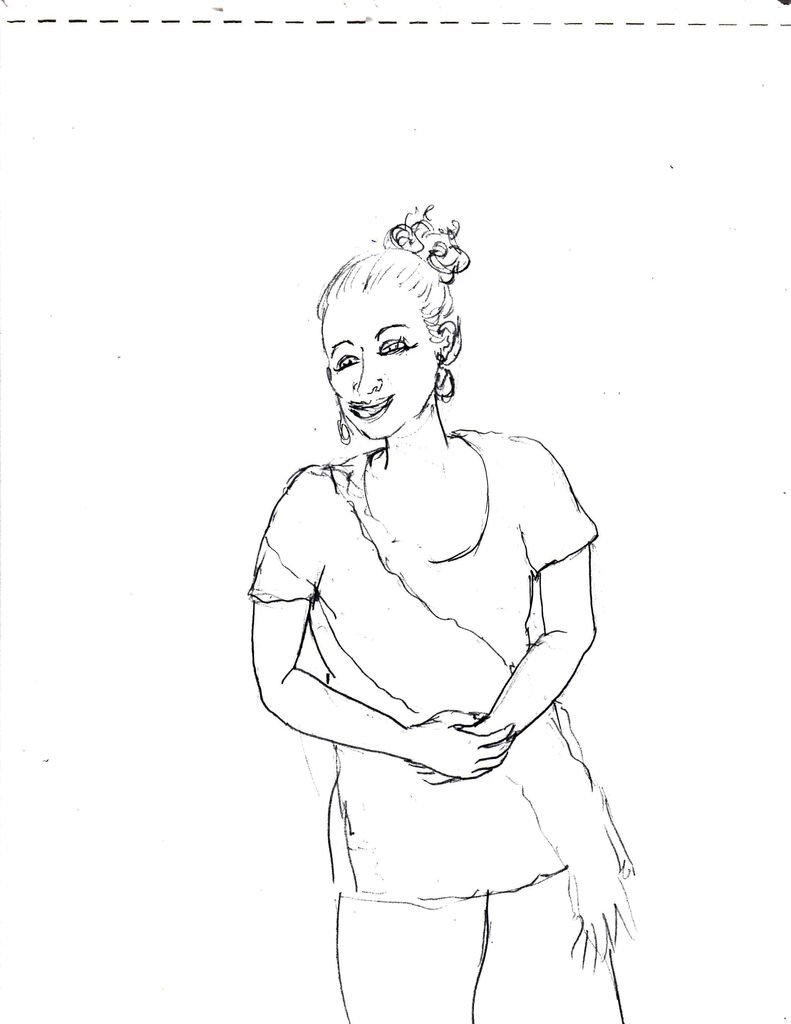
My friend Rosie told me about the International Sindhi Women Organization Dinner, as she was one of the Sindhi women speaking about her career there. It was great to see a community come together from both Pakistan and India, of various faiths to raise funds to help refugee families fleeing from growing religious persecution in Pakistan, who find themselves stuck in a sort of no man's land in the desert of Rajasthan.There were great examples of diverse Sindhi women in diverse careers, providing inspiration. In addition there was a dance and music performance by Meena Makhijani. Here are a sketch of her and her father sharing Sindhi music.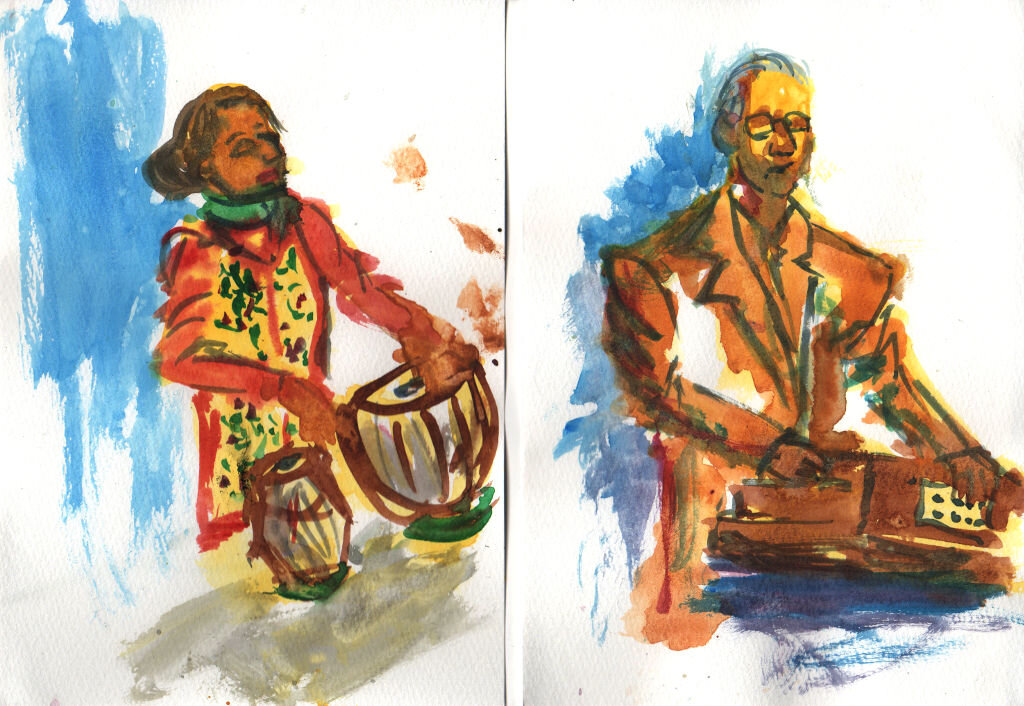 I hope to connect with the community further and support their good work as well as help to promote the Girnari Jogi Group, who are wonderful Sindhi musicians I have had the privelage to work with on my film "Gul" as well as on the crowd funded album I put together for them after their homes were destroyed by floods. Watch the video below for a sample of their beautiful music and consider purchasing to CD/DVD combo to support their livelihood. Without support for their art it will disappear.
Girnari Jogi Group 01 Raag Malkauns from Adnan Hussain on Vimeo.
Sahara Drawing Workshop
I had the privilege of conducting a drawing workshop for a conversational English class at Sahara.
I had the privilege of conducting a drawing workshop for a conversational English class at Sahara. Sahara is a wonderful organization that specializes in helping domestic violence victims in the South Asian community as well as offering classes to the community at large in computers, English and more. Our friend Mala invited Kristeen and I to give a workshop with her class.


For the lesson, I modified a session I had done in Bangalore to suit the conversational needs of these women. I thought we could share stories on moments we were proud of, achievements or other significant events, to help remind us all that we each hold stories worth telling. As I went around the room, and each woman gave her name and how she was feeling, it became clear that there were many stories to tell. Some women were deeply moved by stories on the news, such as the garment factory collapse in Bangladesh, or the brutal violence against a prisoner named Sarabjeet Singh, one of many innocents to inadvertently wander across the border and be imprisoned like so many others on both sides of the border.I drew some simple figures and objects and gave some ideas on how they can be used to express a variety of emotions. With that, the women took to drawing, and I walked around to help encourage or give ideas on how they could use drawing to express a particular idea if they needed it. After drawing, each woman shared their work and spoke to the class about it in english. It was hugely gratifying to feel the warmth and humor of these women, and to get a little glimpse of the depth of thought and wisdom they had to share with the world.Afterwards, one of the wonderful women treated us to some delicious Khandvi and a dish simply called Veggie Delight (Gujrati snacks). Kristeen and I felt humbled and just full of joy at having spent time sharing with these women. Thank you.


Refugee Nation
I went to a powerful play put on by my friends at Teada, called Refugee Nation. It dealt with the affects of the brutal, 9 year U.S. bombing of Laos on the people there as well as the refugees who came to the U.S. and their children. It is powerful to see the human consequences of the war, which came out to about one full load of bombs dropped from a U.S. plane onto the tiny nation of Laos every 8 minutes for 9 years. That is unimaginable. How do we hold governments accountable for their atrocities? When we do not, they simply continue to violate the security and humanity of nations, as we see with continued violence perpetuated on the people of Iraq, Afghanistan, Pakistan and so many more.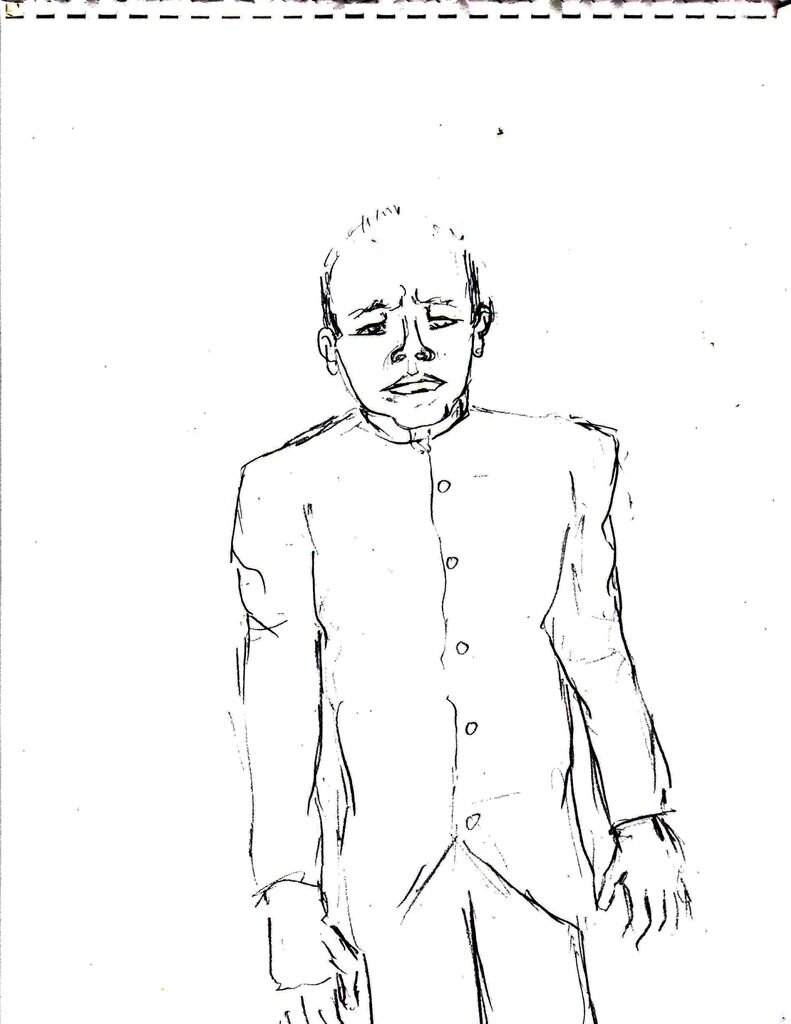
Occupy LA
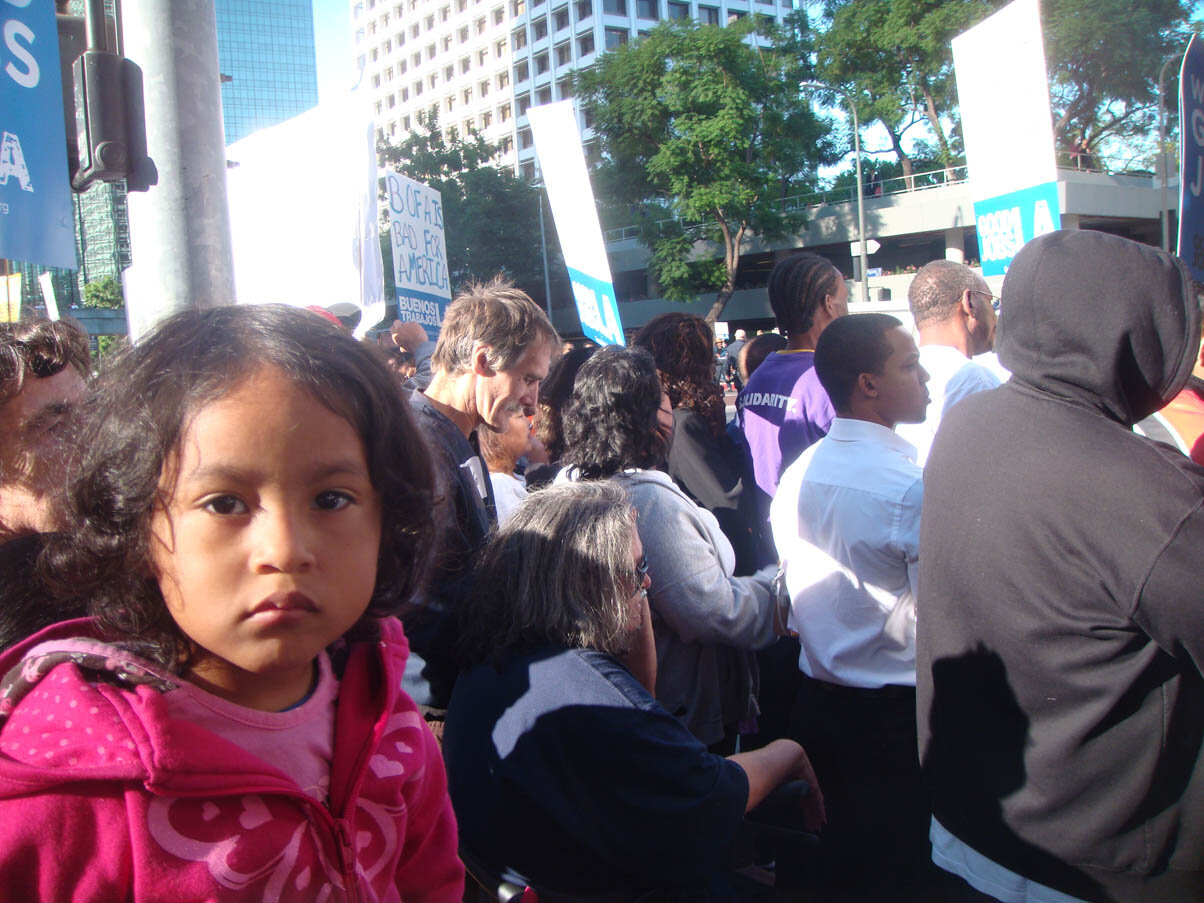
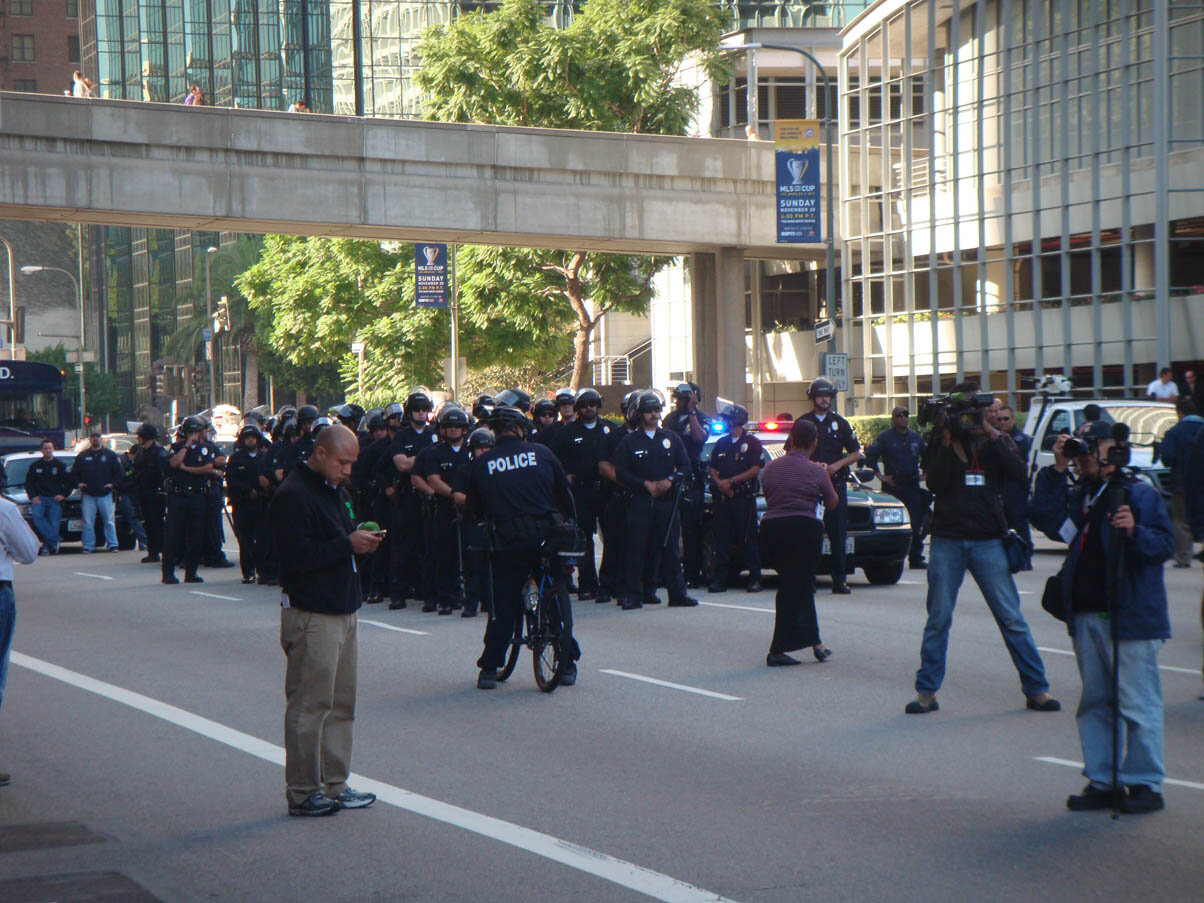
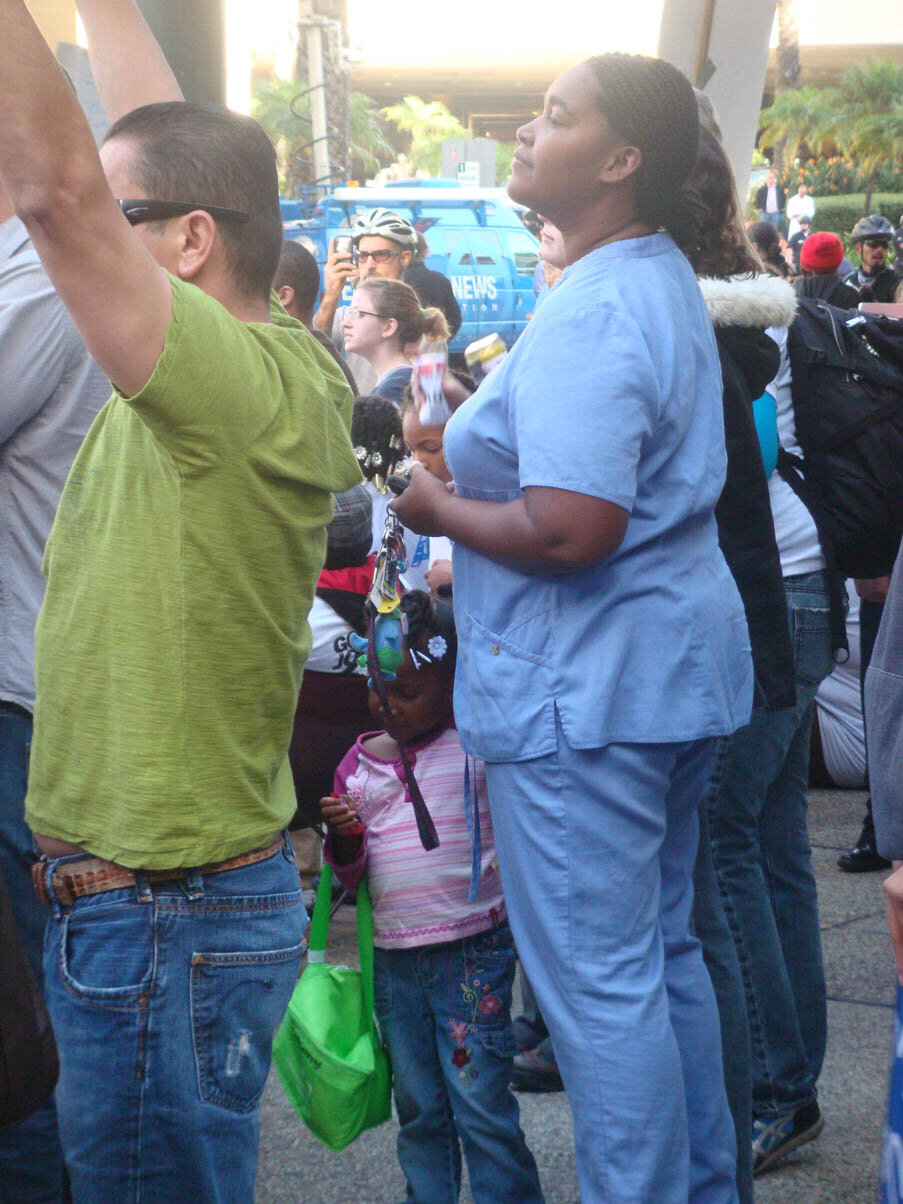
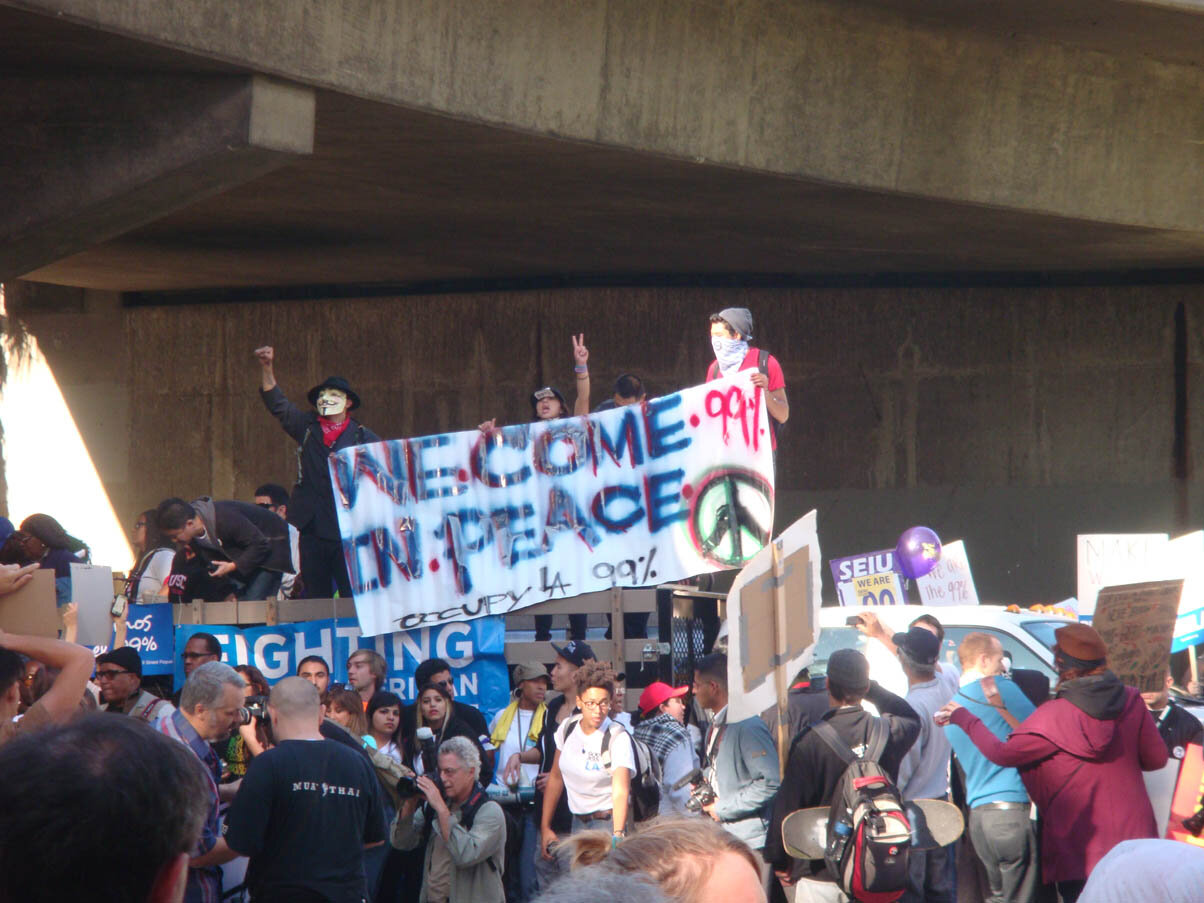
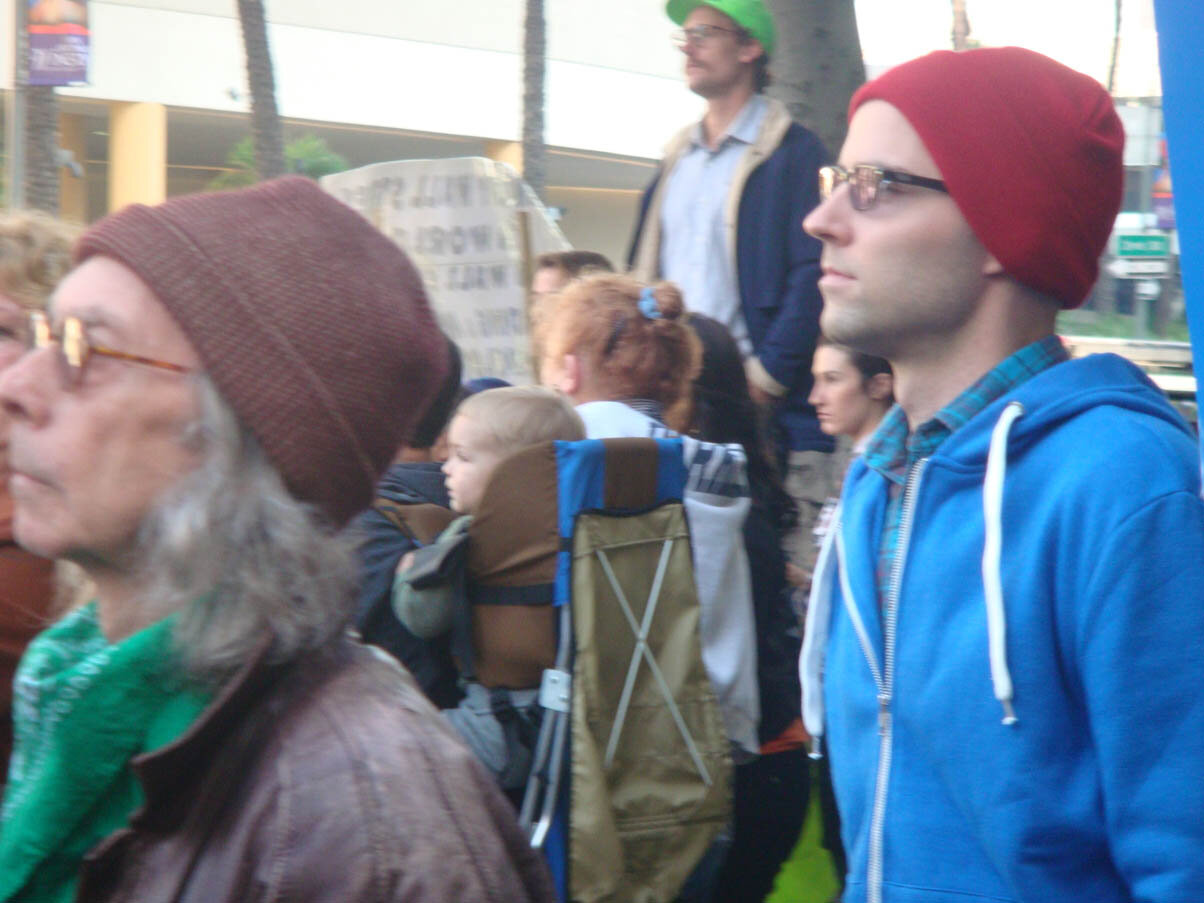
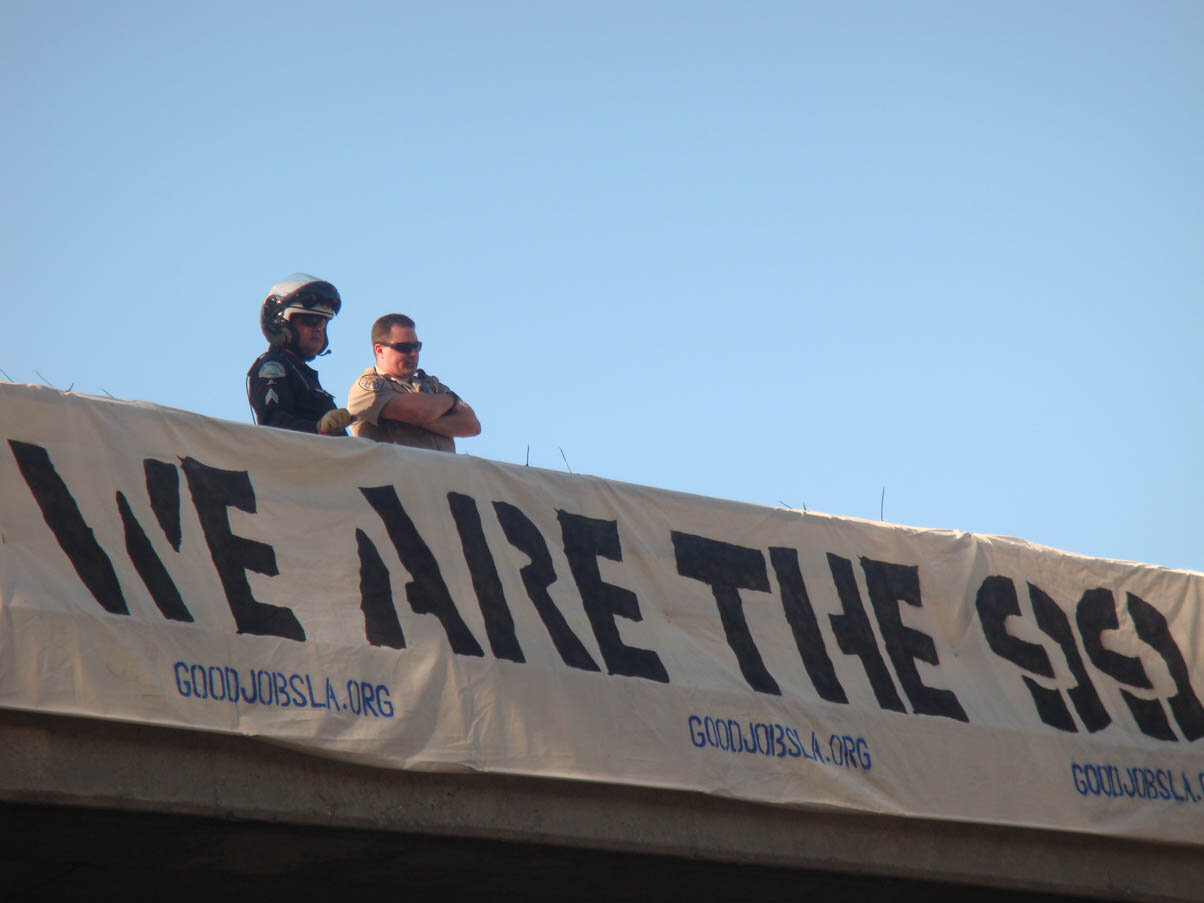
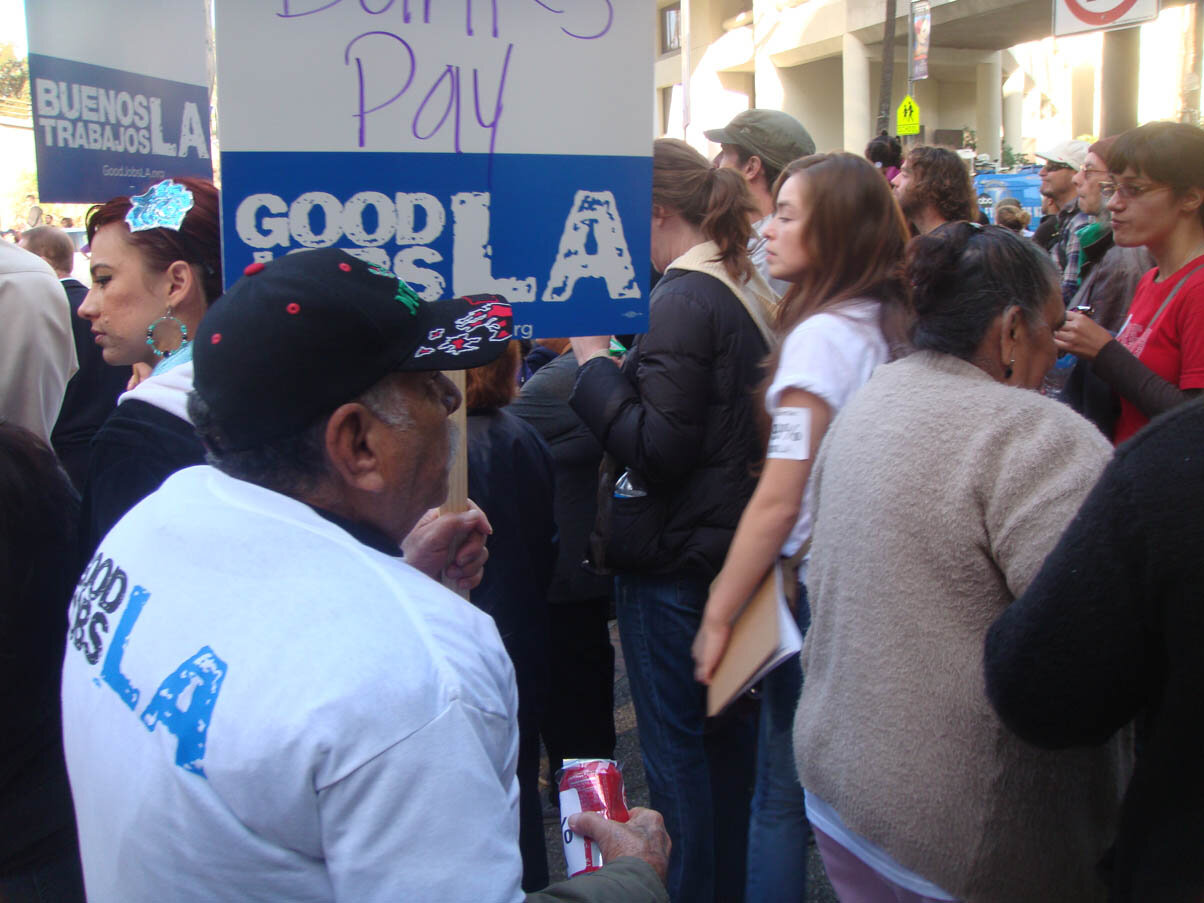
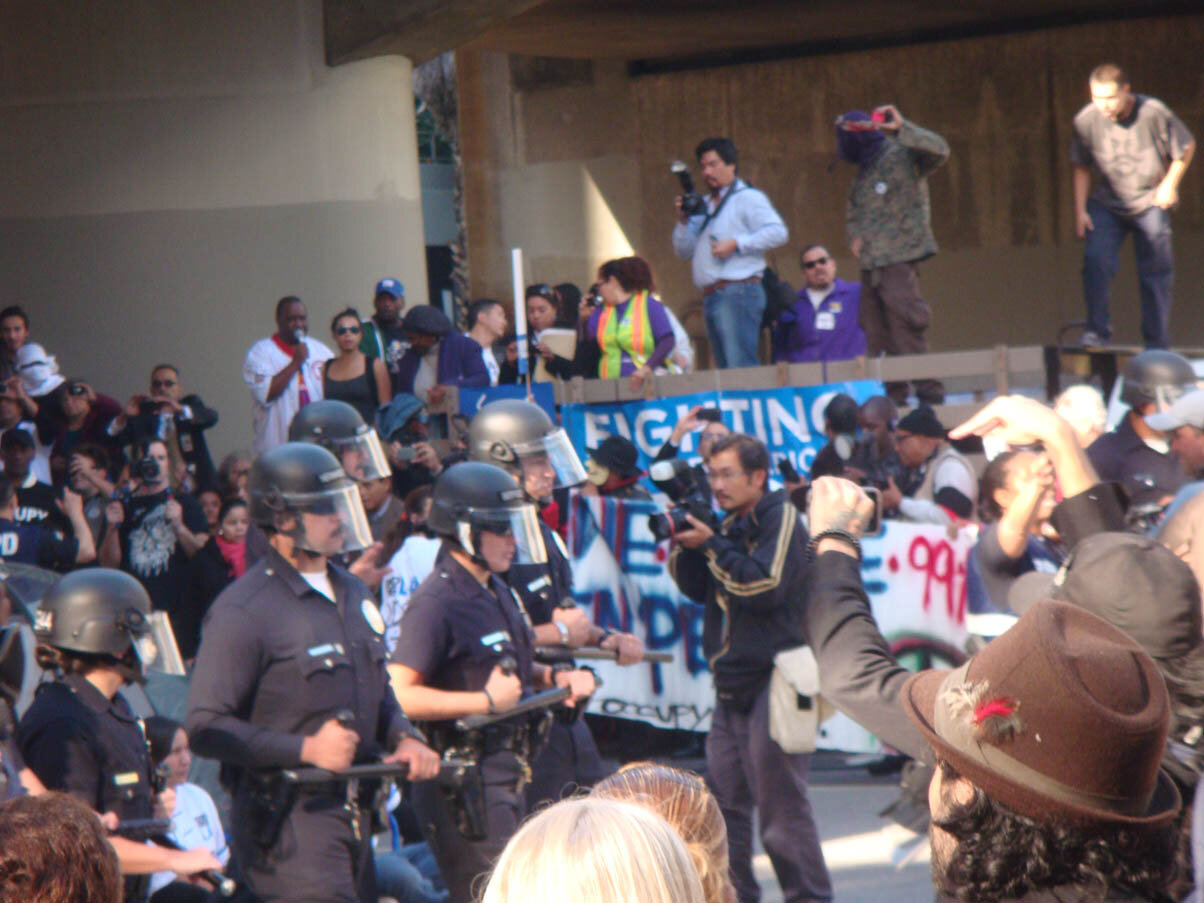
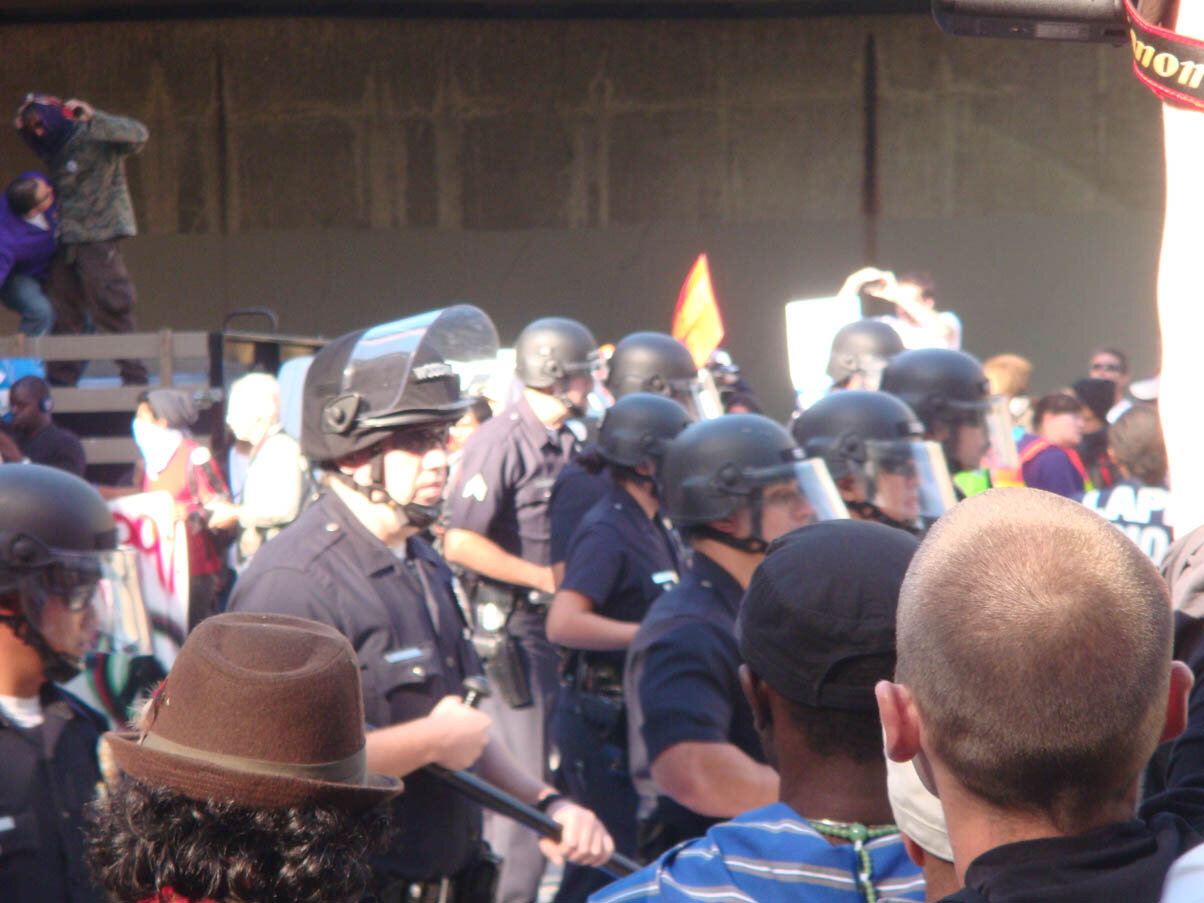
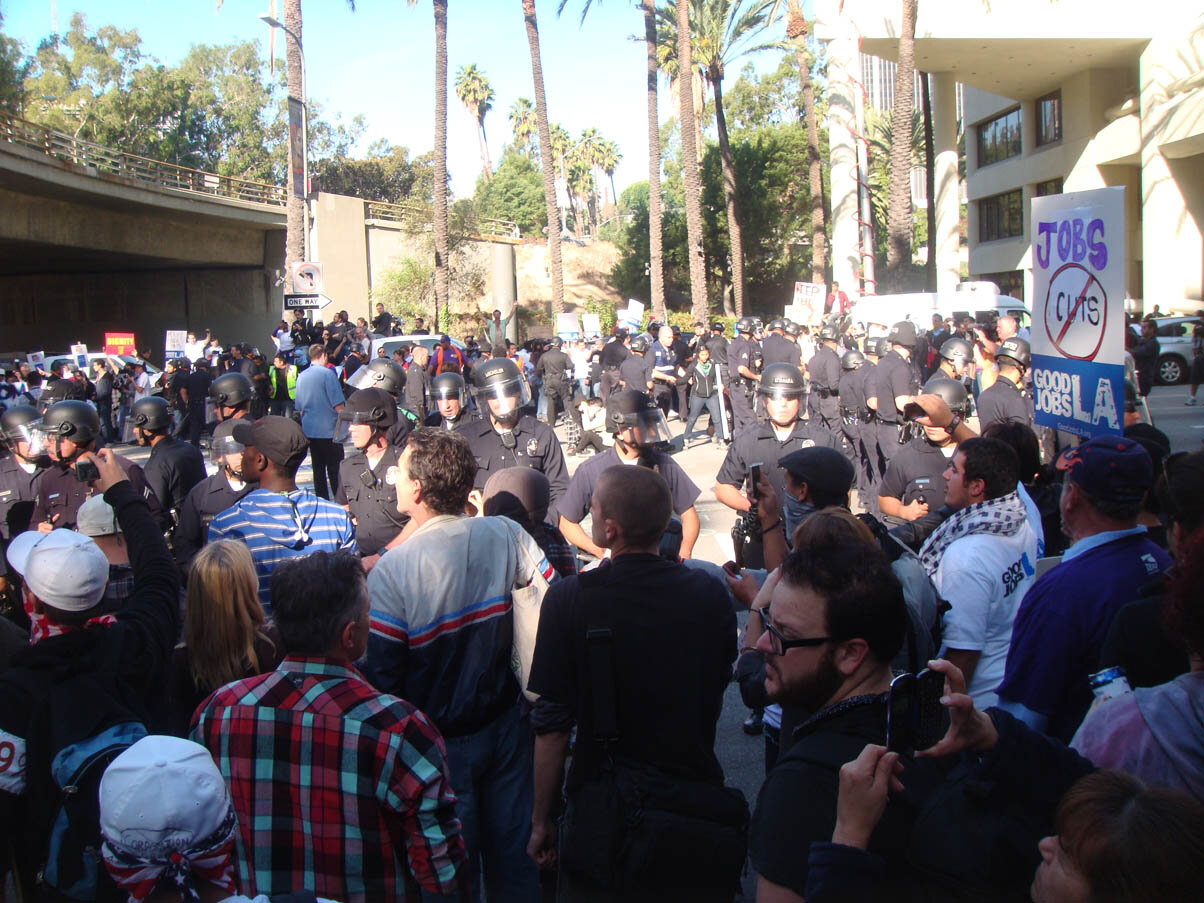
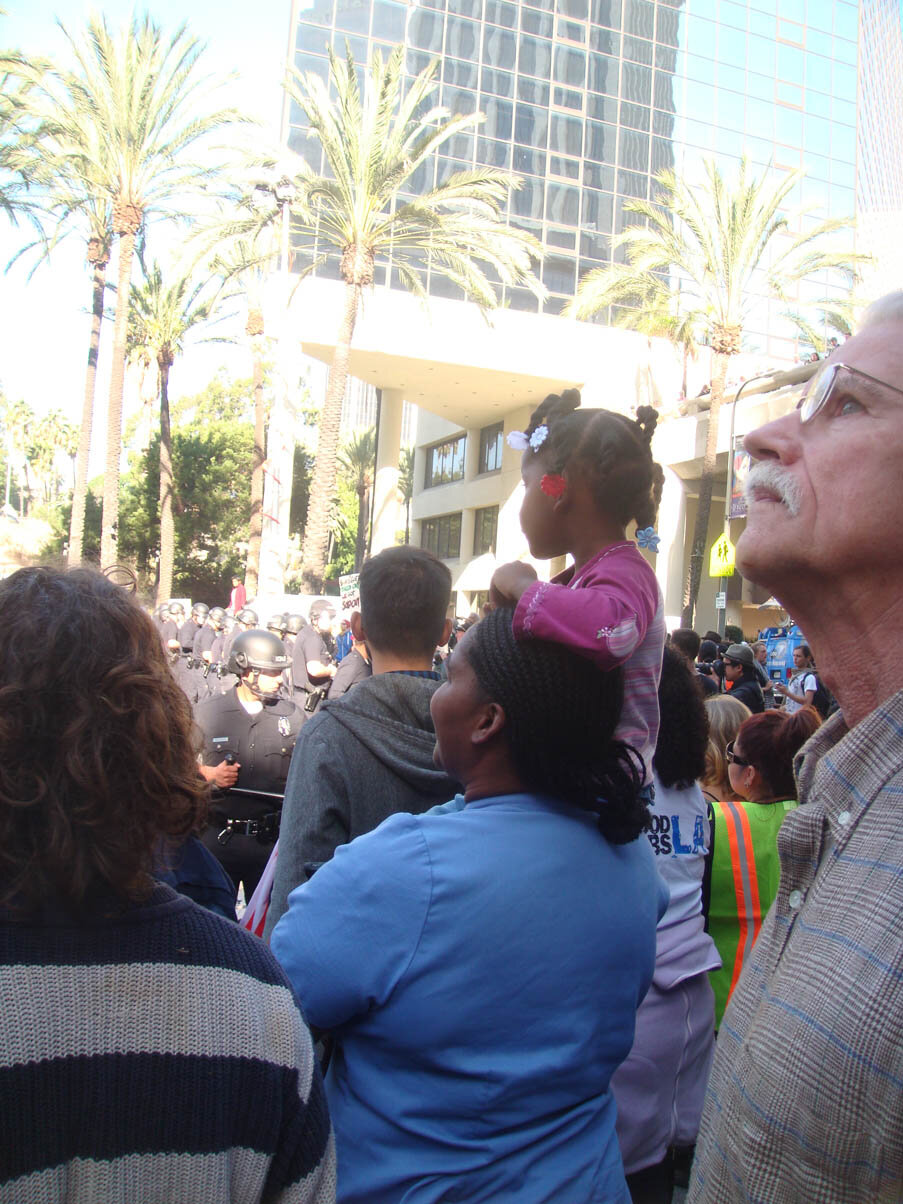
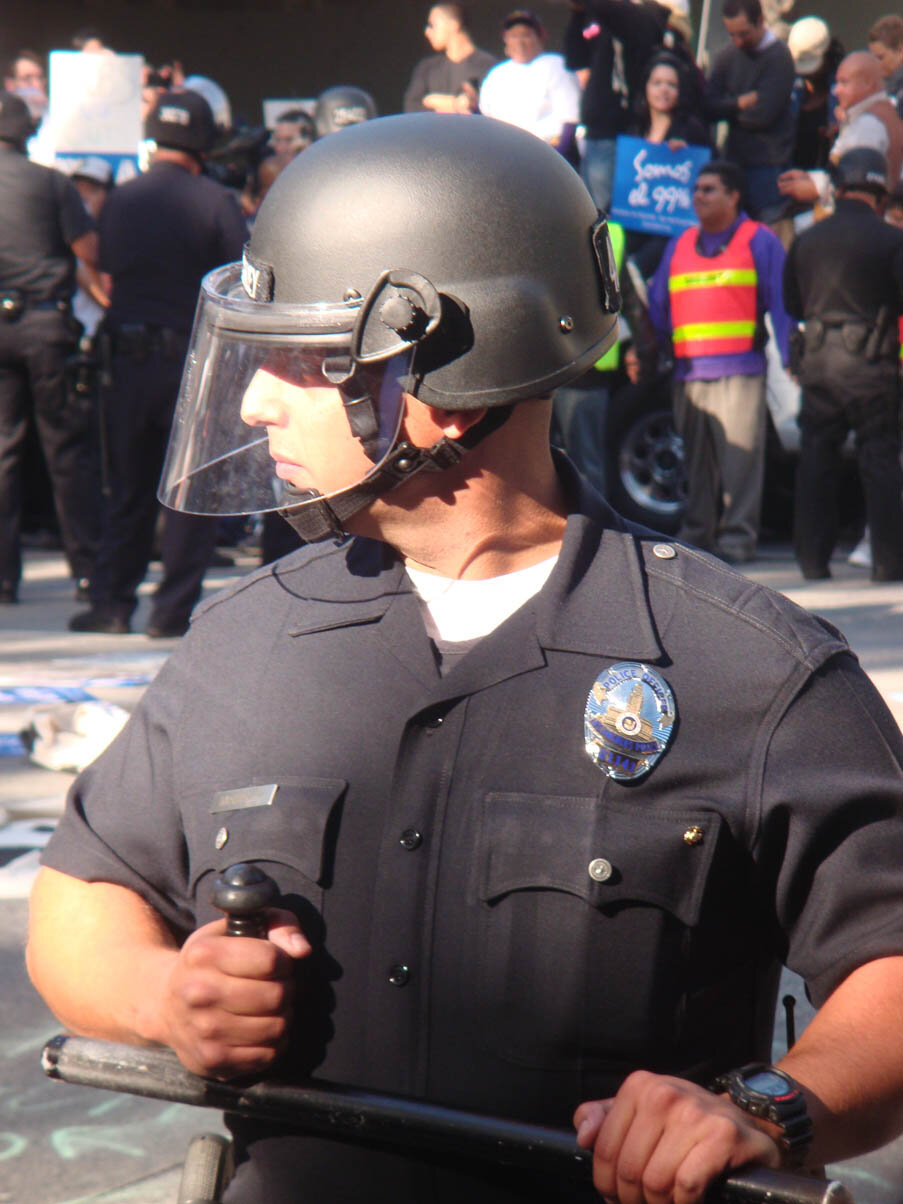
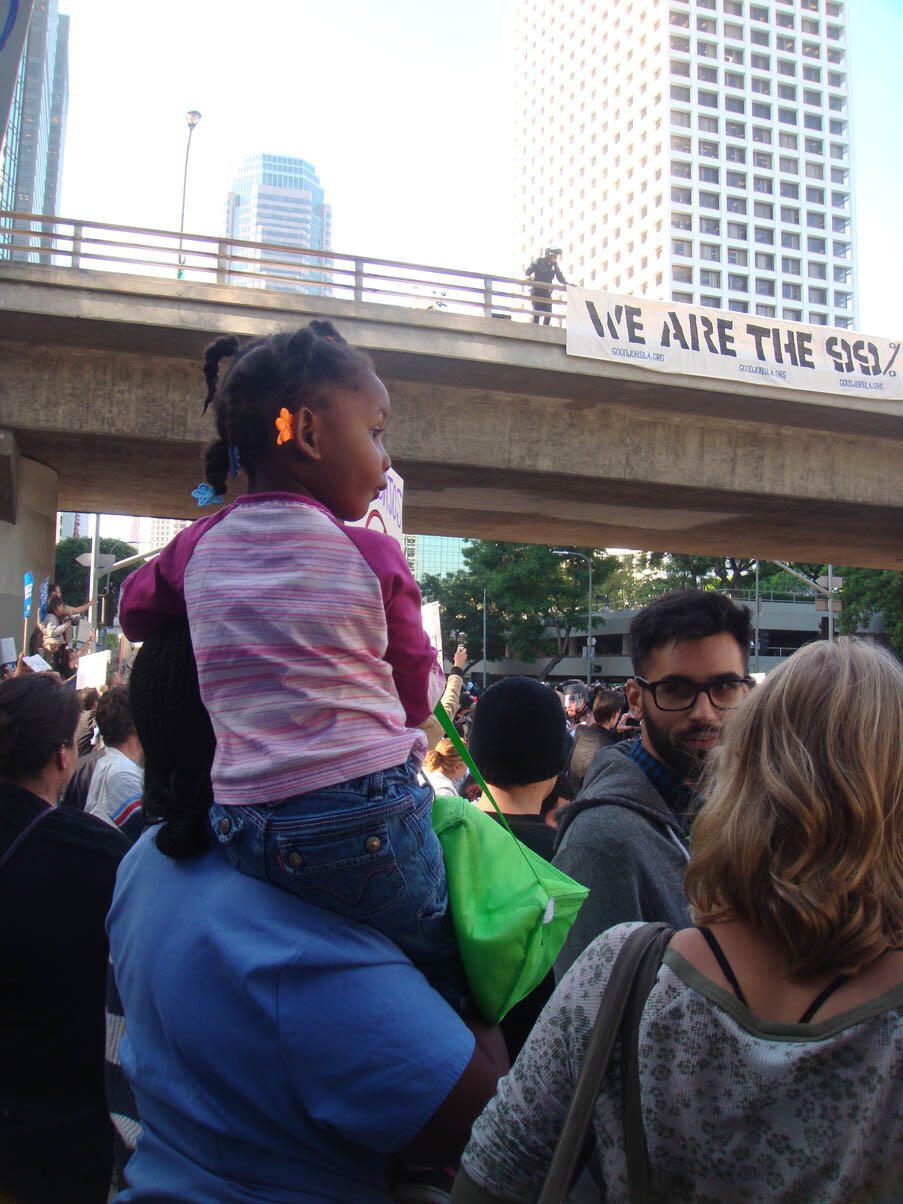
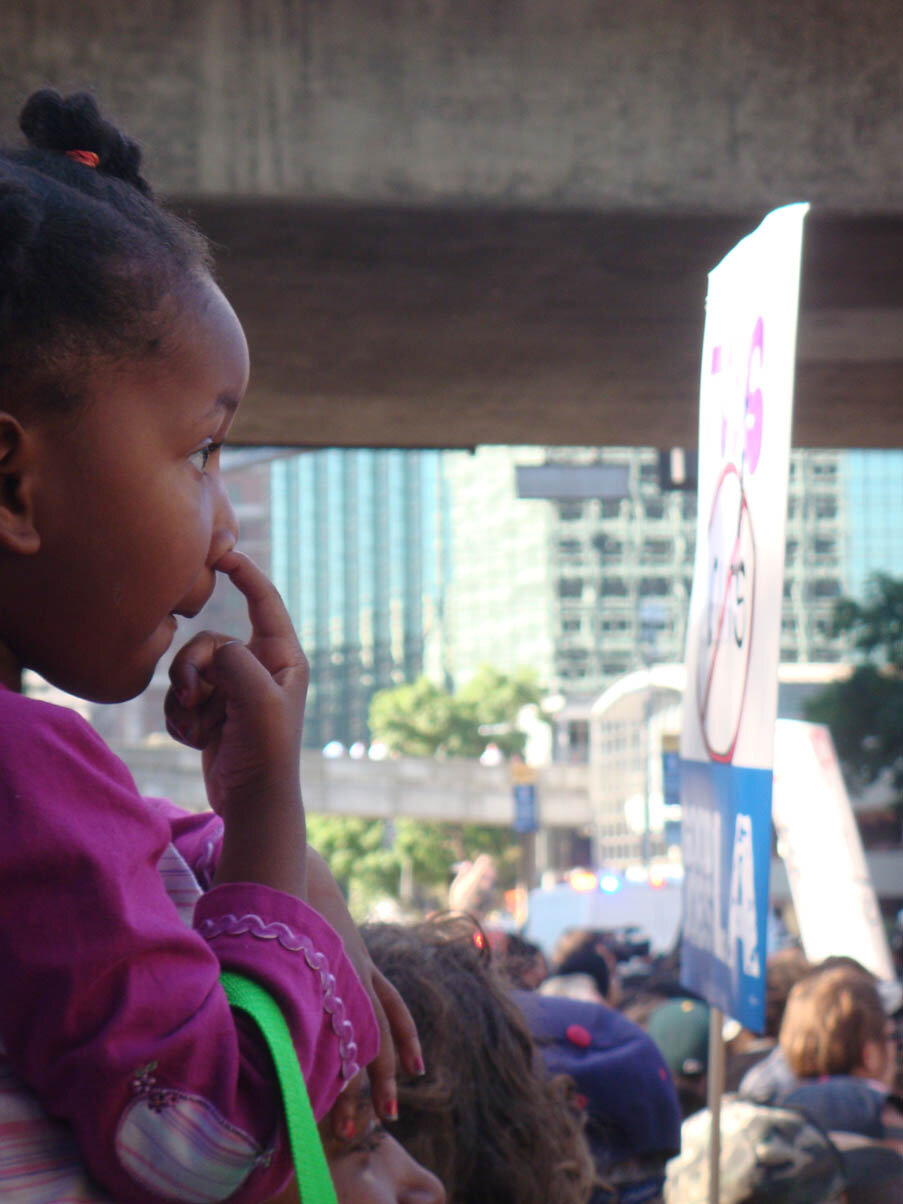

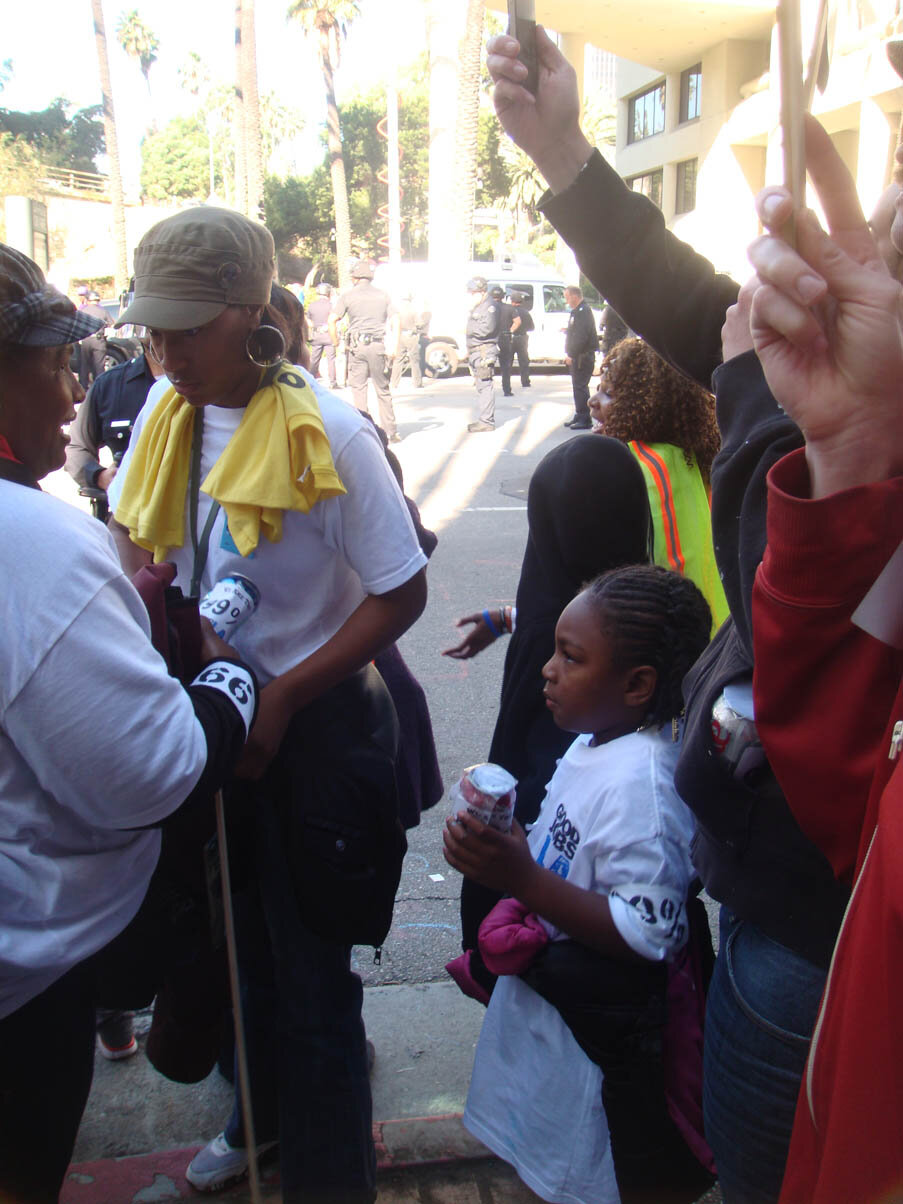
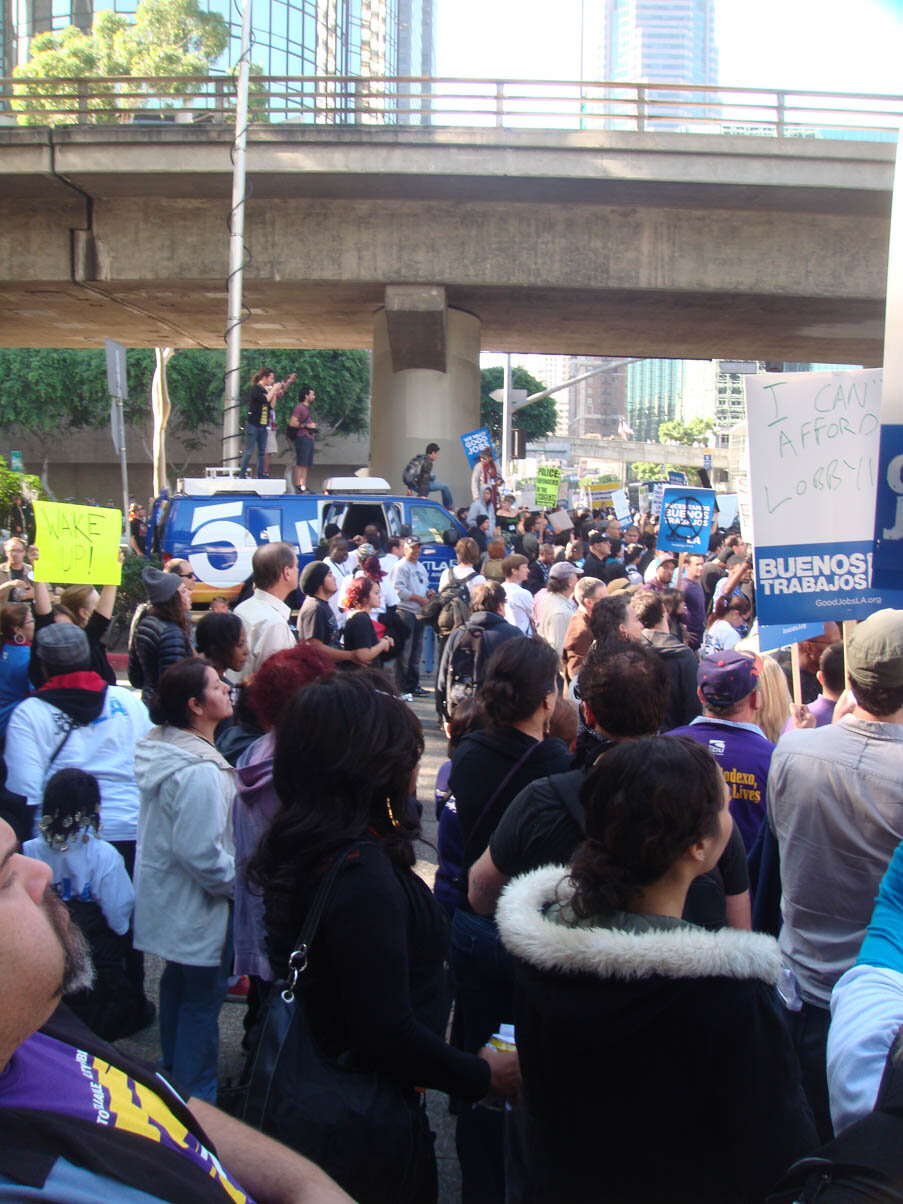
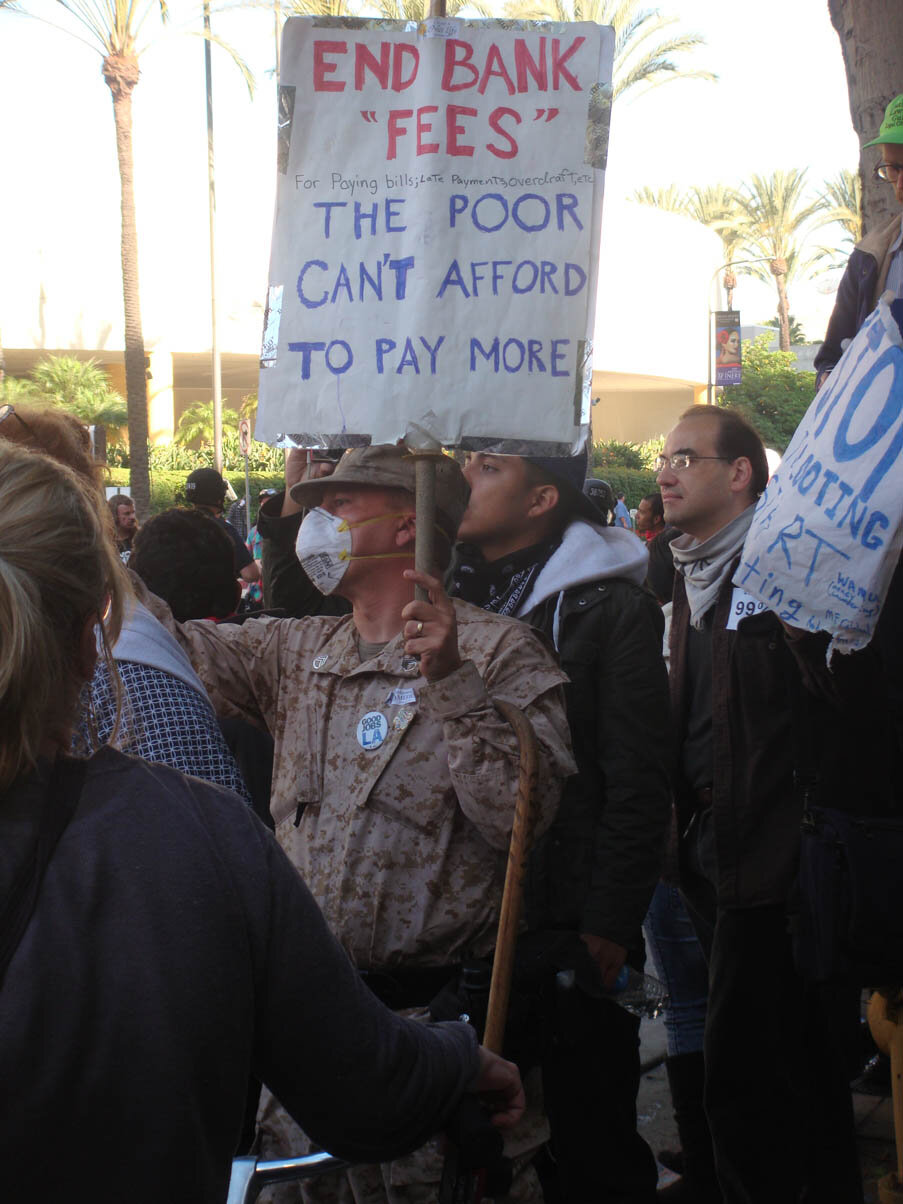

Today I went to a protest in downtown Los Angeles, part of the Occupy LA protests in support of the nationwide Occupy Wall Street protests. I took the bus in, and ended up getting out a few blocks away. I walked up and already there was a growing police presence in the area. Was there a riot going on? Were the expensive bank buildings and luxury hotels in danger from a mob of angry, dirty people frothing at the mouth?I walked a little closer to see if I could spot one of the "lazy bums" for myself. Not surprisingly, I saw a crowd of peaceful people, of all ages and races, standing together, chanting peaceful slogans. There was nothing threatening about their posture or words. I joined them, as I had come to do.A couple of friends joined me soon enough, and we stood there, among people with placards, shouting slogans, all about taking back our system of governance for the people that are supposed to be represented. There were volunteers encouraging people to stay on the sidewalks and out of the street. There were chubby officers up on the bridge. There were ever growing lines of police in full riot gear, ready to crush our skulls. The order was twice repeated in English and Spanish, in a polite enough voice telling us that this was an unlawful assembly and that anyone still there in 5 minutes time would meet violent force, risk serious injury and go to jail. One of the cute kids next to me waved at a police officer, as lines of them spread along the street, billy clubs brandished in their fists, staring at old, short Latino women, children, and non aggressive adults of all races and builds.I felt sad that all these beautiful people have to struggle so hard to demand so little. I felt hurt for Pancho and many others I have never met who have been tear gassed, beaten and imprisoned, for peaceful protest around the country. The officers looked stern and ready to attack at a single order. They looked like us, the protesters, except they had helmets, billy clubs and all kinds of other riot gear, ready for violence. They ended up picking up all the people sitting on the street and taking them away without incident, and eventually, instead of taking the rest of us in, they backed down and left. The protest organizers, entreated upon all of us to pick up what few bits of trash were left around before the street was reopened to traffic and the next protest site was announced.I find it heartbreaking to see these officers who willingly become vicious monsters in uniform when given the order. They too are like you and I, but if given the order, they won't hesitate to break bones, trample freedoms and crush rights. That separates "them" from "us". It is not an easy choice to be moral, when those around you discourage it, but if you took an oath to protect and serve and someone orders you to attack unarmed, non-threatening civilians with brutal force then you may wish to consider what you are serving and who you are protecting.Today, I saw but a small drop in the strong current of resistance to the status quo. People dismiss this movement for not setting out policy goals, and yet there is a commonality of grievance and shared desire for redress. Just because there isn't some ego maniac telling us all what to think, doesn't mean we have no direction. Instead, the direction is one of discussion, consensus and a desire to come to decisions as a group of people brought together by the common desire to make positive change. Sounds like a democratic process to me.
Go watch Miral. Your Activism for the Day.
Few films that have the ability to reach so many tackle the Israeli/Palestinian conflict as humanly as Julian Schnabel's Miral. This is why it is so important to support a this film. If you want to be heard, using media effectively is the only way to do it.
I watched an incredible film called "Miral" by celebrated director Julian Schnabel and urge everyone to do so and write a review on Rotten Tomatoes which is a review site that can greatly help it. I won't give any spoilers to the film, so don't hesitate to read on. The film is based on the true story of several generations of women, which begins a year before the creation of Israel and runs through the time of the 1993 Oslo talks. This is a high profile film due to the fact that the director was celebrated for his previous film at Cannes and the Academy Awards and yet it is only showing in 2 theaters here in Los Angeles.Its premiere at the United Nations General Assembly in New York was protested by the American Jewish Committee, but thankfully went ahead despite that. I feel that the real power of this film is that when the truth is told without hatred and with nothing that can be easily dismissed, then it becomes truly dangerous to the very people who should feel uncomfortable by what it reveals. This film does not even begin to show the depths of cruelty visited upon people in this conflict and without that it makes perhaps an even stronger impact.This is the story of several generations of women, and their hardships come not just from the occupation of Palestine, but from everyday life. This story of people, to me is the most powerful way to create dialogue and promote a real interest in resolving serious political and humanitarian issues.What I ask, is that people please go and watch this film in the theater. Find a theater close by, or far away and watch this film and if you feel it has value, then encourage others to do the same. You have the power in your hands to make the voices of others who desperately need it heard.Watch the film, review it on Rotten Tomatoes (it takes less than 5 minutes to create an account and review it) and add it to your twitter/facebook etc. If you want to see films about under represented people, then this is your chance. If this film makes money, that will encourage Hollywood to fund and release films on these types of issues. It is a business. When you want high quality films about important topics that fail to gain the attention they merit, then support this film. It really is that simple.
Gurmej Atwal and Surinder Singh
Today on my walk to work, I saw an elderly Sikh couple sitting on a stoop next to the sidewalk. I greeted them in passing with a "Sat Sri Akaal ji" to which both turned, smiled and enthusiastically replied. I walked further and said "Good morning," to another man who was staring at them a few yards further. He responded, still looking, probably just out of curiousity, before he continued into a building. I pass all kinds of people every day. There are elderly Indian couples, Latinos, African Americans, Muslim families, Latinos, Caucasions, even Caucasion Hari Krishnas around as I walk to work every day.
Today on my walk to work, I saw an elderly Sikh couple sitting on a stoop next to the sidewalk. I greeted them in passing with a "Sat Sri Akaal ji" to which both turned, smiled and enthusiastically replied. I walked further and said "Good morning," to another man who was staring at them a few yards further. He responded, still looking, probably just out of curiousity, before he continued into a building. I pass all kinds of people every day. There are elderly Indian couples, Latinos, African Americans, Muslim families, Latinos, Caucasions, even Caucasion Hari Krishnas around as I walk to work every day. It's a treat to pass by a Mandir and Churches, with a Mosque and several more Churches and a Synagogue down the street. I often see elderly women with their tiny footsteps, as they walk down the street in hijab, or in saris, carrying small grocery bags. There are men and women in turbans, kurtas, baseball hats, baggy jeans, suits, or a cowboy hats and boots.To me this is a treasure. The stories, a variety of languages, occupations, dreams and passions are all so rich. I need not travel the world to find it. It is right here at my doorstep and it is the most comforting, beautiful thing I can imagine. This place is not without crime and hardship, nor is it lacking in any other complications of every day life. Yet I see all manner of people up and down these streets, quite at home for this is their home. I say this without ignorance of the great economic divide that exists, where expensive restaurants line well patrolled streets in one section, and a few blocks over is an underlit forgotten neighborhood where residents are increasingly shoved out by the rising costs of rent.Despite this, I still find a diversity of culture, humanity, and not insignificantly, delicious food from Indonesia, Thailand, China, Japan, Mexico, El Salvador, Greece, Italy, the Southern United States, Pakistan, India, Bangladesh, Korea and so much more. This is my multicultural home. This is my America, where diversity is celebrated and people are not singled out for ethnicity, religion, sexual orientation or any other pick of the week. Even the accused are innocent until proven guilty in a court of law. This is my America, where I can walk down the street and enjoy the benefits of an incredible library system that gives me access to immense stores of knowledge.The extant to which this ideal is realized is due to people of all races, religions and orientations who have struggled, been villified and even murdered for demanding the most basic rights. This oppression comes almost always through the complicity of unscrupioulous public officials who build their campaigns not on how they will help their constituents, but how they will align voters through fear and hate to gain power. These greedy transgressors may get elected, but I have to question how hard they will fight for anyone’s rights when they are so willing to trample them. On the afternoon of March 4, 2011, two elderly Sikh men were gunned down while taking their daily afternoon walk in Elk Grove, California. Though hundreds of miles from where I live, it might as well have been right on my doorstep. 65 year old Surinder Singh was murdered and 78 year old Gurmej Atwal is in critical condition. There has been an increase in hate crimes since members of our society decided to target fellow citizens to an even greater degree after 9/11. Now somehow, we are supposed to answer to extremists for the crimes of other extremists? Perhaps if they cared so much about the community, they too would work, as many religious and non religious people in communities all over the country have, to seek out their fellow citizins through interfaith dialogue and events. Each hate crime is a direct attack on the diverse community of people I see every day. When an African American is stopped and harassed for walking in the "wrong" neighborhood, or when a Latino is looked at with suspicion in the land that his/her ancestors have called home long before Columbus, we are all affected. Two old men can no longer walk down the street and groups of people have their right to be here questioned, while those who spout hatred are given positions of power, and put on human rights advisory boards? Should we not speak out against them? Should we not shame these elected officials who think their constituents too feeble and stupid to make them answer for inciting hatred? Does it make sense for the Sikh community or the Muslim or African American or Latino community to be put on trial to explain the value of their existance? Or would it not be more fruitful to question the honesty of leaders who encourage divisions among us and sit with the very banking and healthcare institutions and the warmongers and the profiteers responsible for the economic hardships that have lead people to target one another?So while one group is singled out for the crimes of a few, what of the rest of you who are guilty of flagrant disregard for the sanctity of our lives? Where are your hearings on hate crimes? Where is your action to protect us from the nasty rhetoric of politicians who court hate mongers who preach death for people they could never be bothered to know? Perhaps these are the issues of a campaign worth running.
Hate in Yorba Linda
To many, myself included, it is horrifying to see the level of hatred directed at families and small children. There is footage of speakers at the protest, including Villa ParkCouncil woman Deborah Pauly clearly advocating violence against Muslims when she said "As a matter of fact, I know quite a few marines who will be willing to help these terrorists to an early meeting in paradise," in reference to attendees of the fundraiser, which was cheered by the protest audience.
Hate Comes to Orange County from cairsocal on Vimeo.
Hate Comes to Orange County from cairsocal on Vimeo.After watching this very disturbing protest/hate rally video edited by CAIR (Council on American-Islamic Relations), I was prompted to make an attempt to research the people involved on all sides. On February 13th, 2011, there was afundraising dinner by the Islamic Circle of North America (ICNA), featuring speakers Imam Siraj Wahhaj and Imam Amir Abdel Malik in Yorba Linda, an affluent city in Southern California. The presence of these two Imams prompted the South Orange County 912 Tea Party group to organize a protest. which ended up being a hate rally against Muslims.The fundraising dinner called "Our Responsibility Towards Our Neighbors, an Islamic Perspective" was to raise funds for homeless people and battered women in the United States. The protest was seen as a "Protest- Opportunity to Show Your Concern -Radical Imam Fundraiser."To many, myself included, it is horrifying to see the level of hatred directed at families and small children. There is footage of speakers at the protest, including Villa ParkCouncil woman Deborah Pauly clearly advocating violence against Muslims when she said "As a matter of fact, I know quite a few marines who will be willing to help these terrorists to an early meeting in paradise," in reference to attendees of the fundraiser, which was cheered by the protest audience. Congressman Ed Royce spoke against multiculturalism (perhaps he should take another look at the demographics of his constituency) and Representative Gary Miller expresses pride in the protest. While I would like to hear the rest of their speeches, these bits are not directed at two Imams (the stated purpose of the protest), but at Muslims as a whole and the idea of multicultralism.In the video we see protest speakers during the day, adjacent to the fundraiser venue, cut against the protesters who stayed or arrived in the evening to spout off very extreme hatred at fundraiser attendees as they arrived. I feel there is a strong connection between the outright incitement of violence in the words of our public officials during the day and the behavior of the protesters at night. If one is there to protest two Imams, then speak of them and not an entire religion and make clear points of disagreement.To speak against the Imams or Muslims on the part of the protesters is protected by the First Amendment of the US Constitution. I find the very political nature of drawing lines between people based on religion and ethnicity disgusting, but I do believe in free speech. Divisive and downright hateful rhetoric is common in the speech of leaders today and sadly it forms the basis for many political campaigns. It seems very effective in funding and winning elections, perhaps because those who spit hate don't need to improve the lives of the people they claim to represent. Instead they focus on marginalizing and vilifying other groups of people who do not form their power base. Those incited as well as those incited against remain without the benefit of a secure financial present or future and will find no redress for the social issues they face. This thought reminds me of Bob Dylan's song, written in response to the assassination of civil rights activist Medgar Evers, called "Only a Pawn in Their Game" back in 1963. Like most social truths, it remains quite relavant even today.The language of the Yorba Linda protest was not against the two Imams speaking at the fundraiser, but instead targeted Muslims as a whole. The rhetoric and willingness to see children and families as the enemy should make us all stop to consider how we choose to play out our politics. Do we find it acceptable to verbally assault families and children? This type of hatred does not diffrentiate between Muslims, Hindus, Sikhs, Latinos or anyone else for that matter. If we do not take a peaceful stand and continue to do so without hatred, people will be fooled into thinking that hate is a legitimate means to gaining political power. Do we need to prove the humanity of Muslims, Latinos, Gays, African Americans, Jews, Japanese, Russians etc every few years to decide who we deem worthy of dignity? I hope not. I truly hope that as people we know better.For this type of hatred, I feel we need a calm and peaceful response. Silent vigils at the the offices of public officials and groups who advocate hatred as a political platform can be an effective way to be heard. Let's offer a dignified response to this undignified behaviour and show the families of all communities that we don't need to shout hatred to be heard and that the strength of our presence and the power of non hateful protest can overcome.There has been an outpouring of condemnation for the hate rally and solidarity with the American Muslim community from all faiths/communities. At the same time we see escalating Islamaphobia, just the current flavor of racist politics. Let's stand together and let people know we won't accept hate fueled politics.What we can do:Here is a page devoted to responding to the hate rally:https://www.facebook.com/event.php?eid=139107079490192Here's a fb page for the Anti-Hate Ralley for PeaceTime: Tuesday, March 22 · 6:00pm - 9:00pm
Asiya Nasir on the Martyrdom of Shaheed Shahbaz Bhatti
All the people of Pakistan are suffering the results of a concerted effort to bully the populace into not speaking out against the blasphemy laws and other injustices. Many Muslims have also been murdered under the pretext of accusations made under this law. The Governor of Punjab was himself assassinated recently for speaking out as was a Muslim man who had been aquitted in a blasphemy case a year ago.
I tend to try and use my art as a means to convey my feelings and get people to consider issues I feel are important. My art takes a long time and I will of course continue with it, but I can not stay silent, and wait for the completion of art to speak out. So I have decided to start writing about it.This persecution is not only a persecution of Christians, but all people. All the people of Pakistan are suffering the results of a concerted effort to bully the populace into not speaking out against the blasphemy laws and other injustices. Many Muslims have also been murdered under the pretext of accusations made under this law. The Governor of Punjab was himself assassinated recently for speaking out as was a Muslim man who had been aquitted in a blasphemy case a year ago. Likewise there are students, shopkeepers etc, many of whom also happen to be Muslim, being accused and summarily punished due to the weakness of the legal system and an unwillingness to speak up or act on the part of the Government. Countless Muslims and members of all minority communities are still struggling to improve the condition of human rights within Pakistan. The struggle for rights is everyone's struggle, be it those targeted for hate in Pakistan or those in the United States.So I begin with a video and translation of the speech below.MNA Asiya Nasir of Pakistan addresses the National Assembly in regards to the assassination of Minority Minister Shahbaz Bhatti, a loss to Pakistan that is far beyond tragic. I have done my best to translate it from Urdu into English to help spread what I feel is an incredibly brave, truthful and vital message to the people of Pakistan as well as to the world at large. In this case it is specifically in regards to the plight of minority communities in Pakistan, but discrimination and injustice unfortunately know no boundaries all over the world.Thank you very much Speaker sahib,(Excerpt from Faiz Ahmed Faiz's poem Hum jo tareek raahon mein maare gaye (We who were executed on dark highways) thanks to Fozia for finding it):As the evening of tyranny dissolved in your memoryWe walked on as far as our feet could carry usA song on our lips, a lamp of sadness in our heartOur grief bore witness to our love for your beautyLook, we remained true to that loveWe, who were executed in the dark lanes.Mr. Speaker with your permission I request this house to listen to me in silence. Mr. Speaker, with your permission today, I wish to address not the Prime Minister of Pakistan, and not these 342 assembly members, but instead Mohammad Ali Jinnah, I am addressing you, because my brother was murdered. Mohammad Ali Jinnah, you told us, come build a house together. On this pure land we will create Pakistan, and in that pure land there will be no Hindu, no Christian, no Muslim. Instead under one flag we will all be one.Quaid-e-Azam (Jinnah), today I ask you, when Pakistan was decided, and when at your request we came into this house, then how were we treated? Mr. Speaker I would like to ask this house, what was my brother's crime? Just that he wished to see this country and Quaid-e-Azam's Pakistan? Mr. Speaker when we arrived in Pakistan then our elders made the decision to join Pakistan. At that time when the Boundary Commission held a meeting, Pakistan and Hindustan (India) were being divided. Perhaps few people are aware that the leaders of that time called the Christians and wished to give them a seperate piece, but they refused it. They said they would go to Pakistan and be a part of it. We came into Pakistan by vote. What kind of people are you? What kind of humanity are you? When you needed our votes, when we were needed to create Pakistan you took us with you, but when Pakistan was formed you called us minorities and threw us against the wall. Then we were forced to face discrimination. Sometimes we were called untouchables and you seperated our dishes, or treated us as servants. Sometimes, in the name of privatization our institutions were taken away and sometimes our Messiah was taken from us.Mr. Speaker, today I wish to ask this assembly, what crime did we Christians commit. We have always been loyal to Pakistan and continue to be today and always will be because we created this land with our blood. Just yesterday my brother gave his fresh blood for this land. What was our crime that we now face this discrimination? Now there will be speeches here that minorities have their rights, then I wish to tell this house that it has been 65 years and minorities have never had rights before, nor do they have them now and nor is there an expectation that we will have them in the future. After Gojra, I said in my speech here that I am afraid that our coming generations should not regret that their elders made the decision to join Pakistan. Yesterday when my daughter embraced me and screamed "Mom, let's leave this country!", then I was convinced that our younger generations regret that we made the decision to join this country. Mr. Speaker, but we have no choice, I told my daughter, "No, don't say things like that. This land is our mother. We will go nowhere, because we are from this land. We rose from this land. We are caretakers for this land. Even if we are mixed with this dirt, and each drop of our blood mixes with this dirt, we will not leave this land dear to us, for we have sworn to be protect this garden.Mr. Speaker, Sahil Nadwani spoke very correctly that "Cruelty is cruelty. When it increases it is also erased. Blood is blood, if it drips it will dry up (clot)." The blood of my brother that has been spilt and dried is not the end, but the start of a new struggle. For now, no matter how much the voices of minorities are suppressed, you can kill as many as you wish. Mr. Speaker, even though my brother was now killed, after today if you lay Asiya Bibi on the noose, or fill Asiya Nasir with bullet holes, you will not be able to silence this voice. This human rights struggle will continue. The level of discrimination is such that this house treats us lower than animals. Why is there only two minutes of silence for us? We are the believers of Ibrahim, Isaac and Jacob's living God. The living God who answers prayers. The God not of silence. Why are no prayers said for us here? Tell me today why the Prime Minister is not present. Yesterday when one of your own gave the sacrifice of his blood. Yesterday, when a minister of the People's Party was injustly murdered and the Prime Minister was in a meeting in his cabinet, at that very moment you should have postponed that meeting.Mr. Speaker, what kind of discrimination is this where other ministers get two bullet proof cars, this was precisely a security lapse. I personally told Rehman Malik twice that we have reservations, our nation is concerned that Shahbaz Bhatti has not been provided with security. Rehman Malik told me, he requested a bullet proof car and it has been given to him. I said there is no security at his home, and he said we have provided security. The next day I repeated this to Shahbaz and he said these are lies, he has provided nothing. For ten days he requested a home in the minister camp, and none was provided. Mr. Speaker I would like to state that in the murder of Shahbaz Bhatti, the current government is also an accomplice, because Mr. Speaker, that comittee, where is it? The President announced that a committee would be created for all of this. For Asiya Bibi's case, and to review it, but no committee was created. I used to say to Shahbaz, why don't you speak to the Assembly President to make a clear statement on why there is no committee in existance?There was never a composition of any committee. No committee was created, nor was there any meeting, then why were you told it was being created and it never happened? There is no statement regarding this from the President or the Prime Minister, and no committee has been created. In fact Mr. Speaker, I would like to say that Shahbaz Bhatti, my brother had never said anything of the kind, for we know well how to care for the rights of the underprivelaged. No Christian could even consider insulting a Prophet. Mr. Speaker, I would like to also state here that (pauses). Mr. Speaker, we strongly protest this incident and we demand of the current government, as all Christians of the nation are in protest until my brother is buried, then we will decide on a path. And if you intend to make some committee after all, then I say to you, create a commitee including the leaders of all political parties and decide who is to be a resident of Pakistan and who is not. If you declare that Pakistan is an Islamic state that is only a Muslim state, for that is what your media tells. Certain extremist journalists state repeatedly that Pakistan is a country for only Muslims. I wish to let you know that Pakistan is not exclusively for Muslims.You have destroyed Pakistan's history. How many people know that many Christians sacrificed themselves for the creation of Pakistan. On 14th August 1947, 100 Christian Nurses gave their blood for Pakistan. Nobody knows, for your history has hidden these martyrs. Only within a few cabinet books will you find a record of this, that beside Quaid-e-Azam stood Christian leaders as well. Today, nobody is aware of the Christians who took part in the creation of Pakistan. Hindus had been living in this land for centuries, but Christian people came to this land by choice. So that we could be murdered here? So that our blood could be spilt upon this land? So that we could be considered inferior? So that we could be labeled? Is this what we were brought to Pakistan for?Mr. Speaker, today we Christians demand from the Prime Minister and President of Pakistan, that as soon as possible catch the criminals, the murderers and bring them to justice. For we are not of America or Europe. Our connection is only to this land of Pakistan, and yes, also decide whether you intend to give us equality then we will live in Pakistan otherwise tell us that there is no place in Pakistan for minorities so that we should make our home in some other place. Mr. Speaker, lastly I would like to say that in regards to this incident however much we condemn it is too little. Today our hearts are crying tears of blood and we have been given a clear cut message that whomsoever should raise the voice of minorities will in this way be the target of bullets. Mr. Speaker, today we need a policy statement from the government, to clearly state the policy on minorities and what steps are being taken to protect them. Now we won't listen to their lame excuses. Today the time has come to decide and for the Christians living in Pakistan there is only one phrase "To be or not to be, that is the question". Mr. Speaker, and lastly, I wish to my martyred brother Shahbaz Bhatti, perhaps your tongues have disappeared when it comes to referring to him as a martyr, but for us he is a martyr, for in Christianity there can be no greater level of martyrdom than that he sacrificed his life for the God of Christians and stayed loyal to God until his death. I salute my martyred brother. I present him with admiration for his service, and Mr. Speaker I wish to end my speech with Faiz's words which were perhaps for this very occasion. From Faiz Ahmed Faiz's poem Lahu Ka Suraagh:Nowhere, nowhere at all, is any trace of the BloodNot on the murderer's hands, fingernails or sleeveNo blood reddens the tongue of the blade nor brighten the tip of the spearNo blood marks the soil or stains the rooftopNowhere, nowhere at all, is any trace of the BloodIt cried out, this helpless, orphaned BloodBut none had the ability to listen, nor the time, nor the patienceNo plaintiff stepped forward, no one bore witness and so the account was closedWhile the blood of the dirt-dwellers seeped silently into the dirtMr. Speaker, and in protest of this horrible occasion, the minority representatives now stage a token walk out of the Assembly.
Manav Sadhana 4
I spoke to the puppeteers for a while and watched all these interesting puppets do tricks. We talked for quite a bit about history, different arts and I tried to share how what I do is very much like what he did as a puppeteer, but on a computer. For me, that was really the most exciting thing, was to sit down and speak to a wonderful puppeteer.
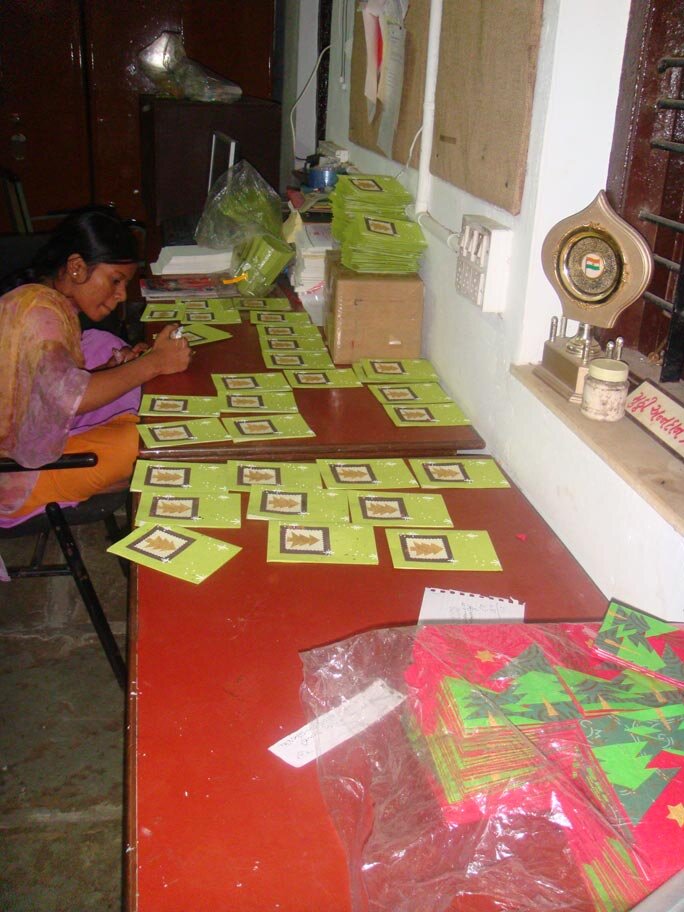
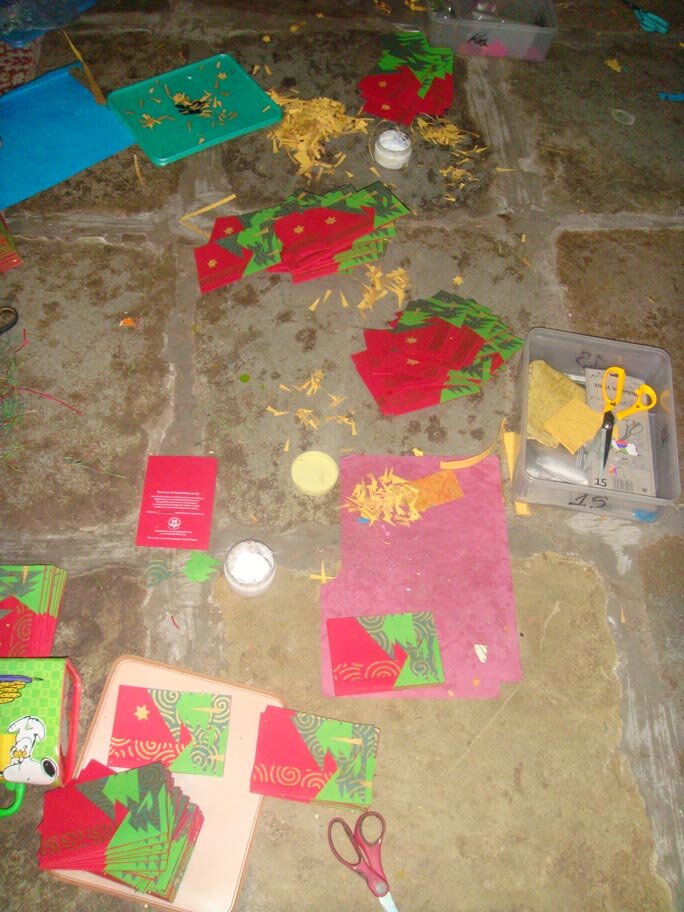
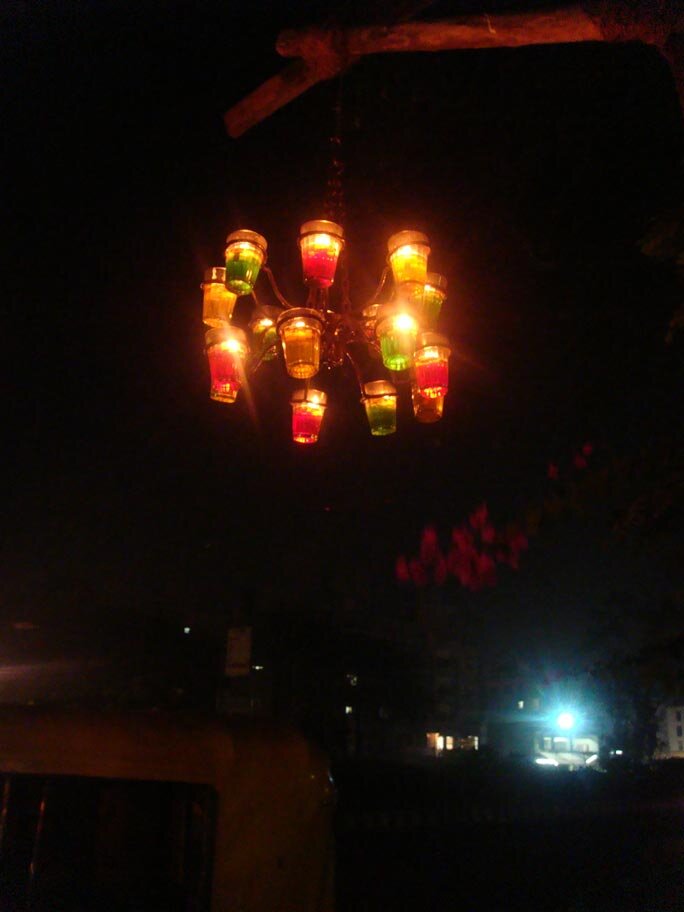
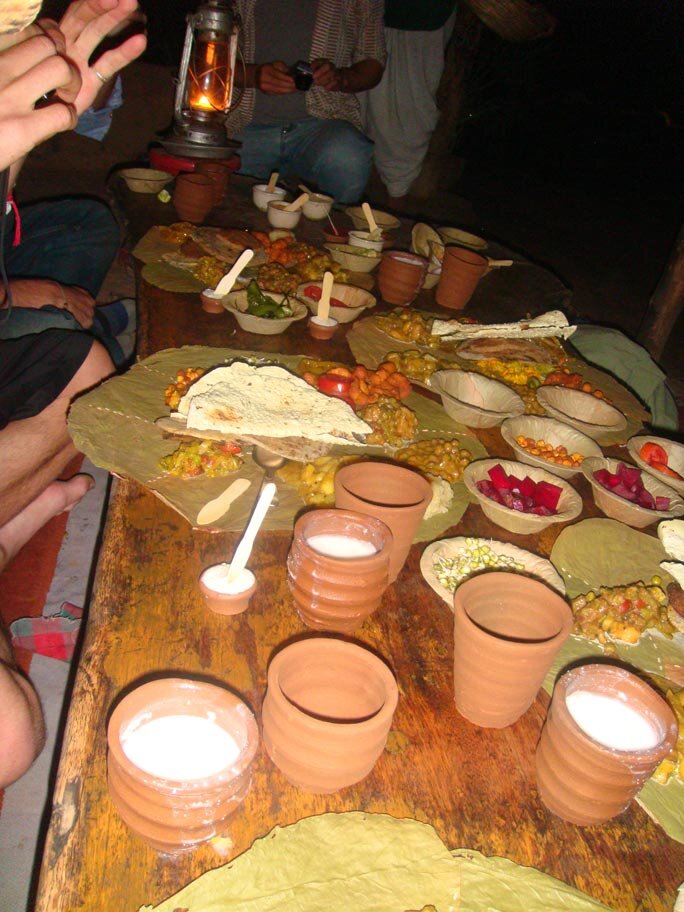
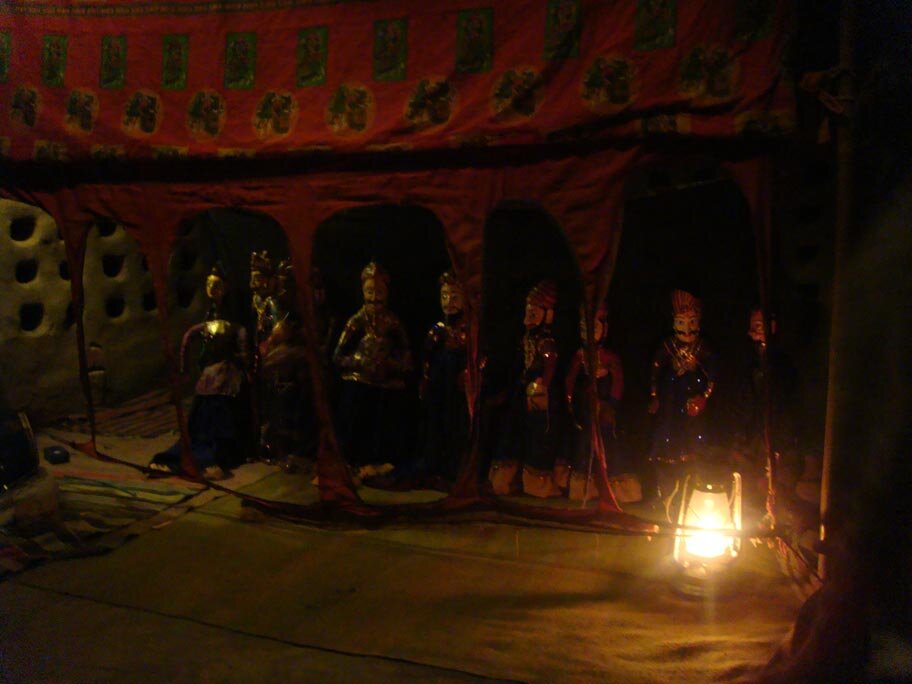
The earn and learn kids were busy creating Christmas Cards. That night, some of the other volunteers and I went to a restaurant called Vishalla which is basically a sort of Rajasthani folk village with live musicians, puppetry and amazing food. Somehow someone thought I might not be that interested, even though it features my favorite things. It was amazing. I spoke to the puppeteers for a while and watched all these interesting puppets do tricks. We talked for quite a bit about history, different arts and I tried to share how what I do is very much like what he did as a puppeteer, but on a computer. For me, that was really the most exciting thing, was to sit down and speak to a wonderful puppeteer.Afterwards we all piled into an auto rickshaw and made our way back to the volunteer homes.
Manav Sadhana 3
The kids were amazing as usual and it was a tiring, but incredibly rewarding experience. I jokingly said invited myself to come eat lunch at one of the children's homes as we were leaving after the workshop and she was walking home for lunch. She said she'd ask her mom what she cooked. So many dimples and funny little toes.
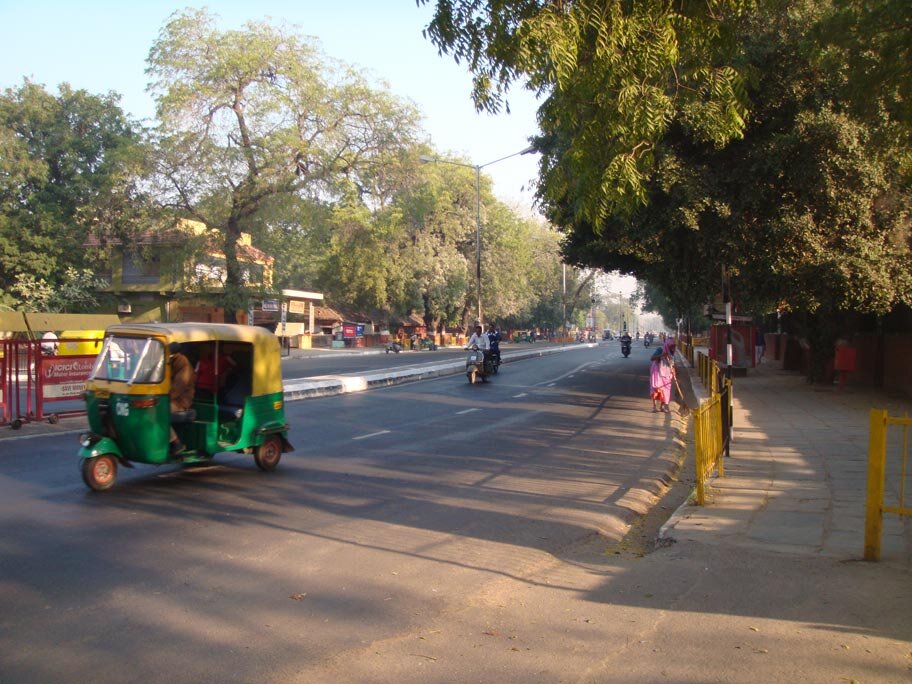
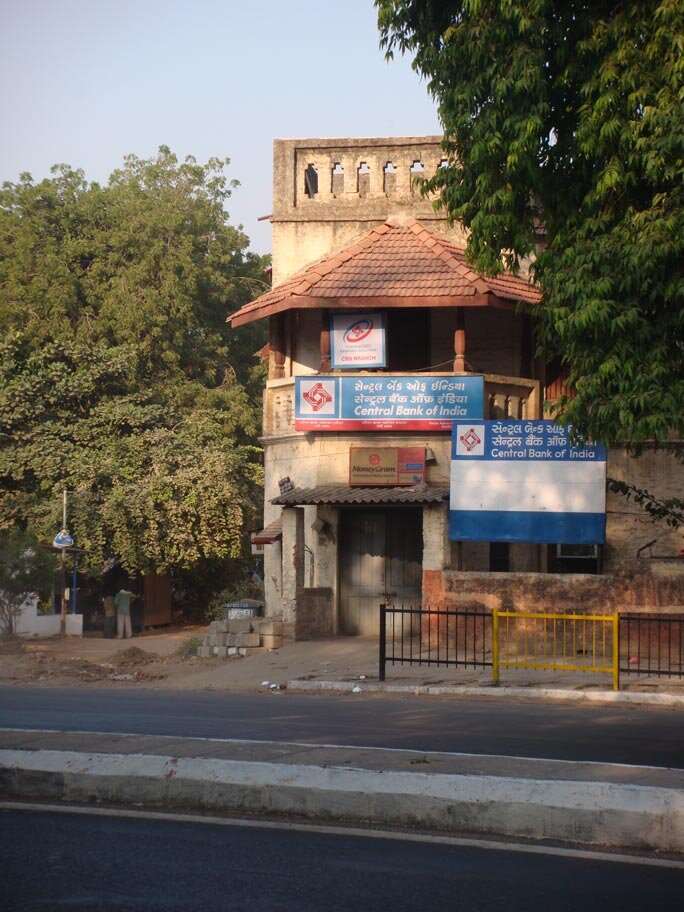
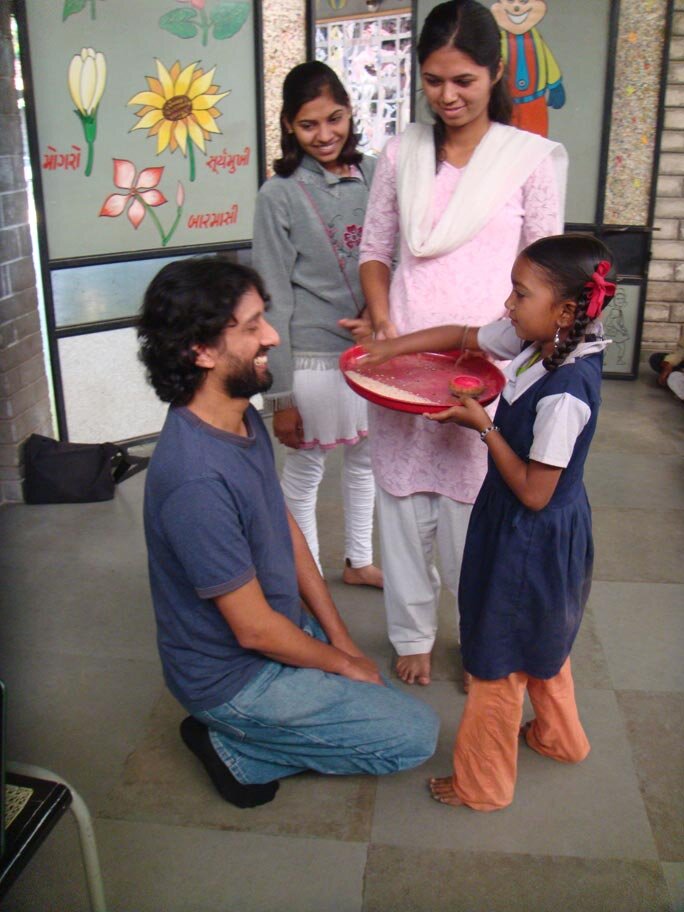
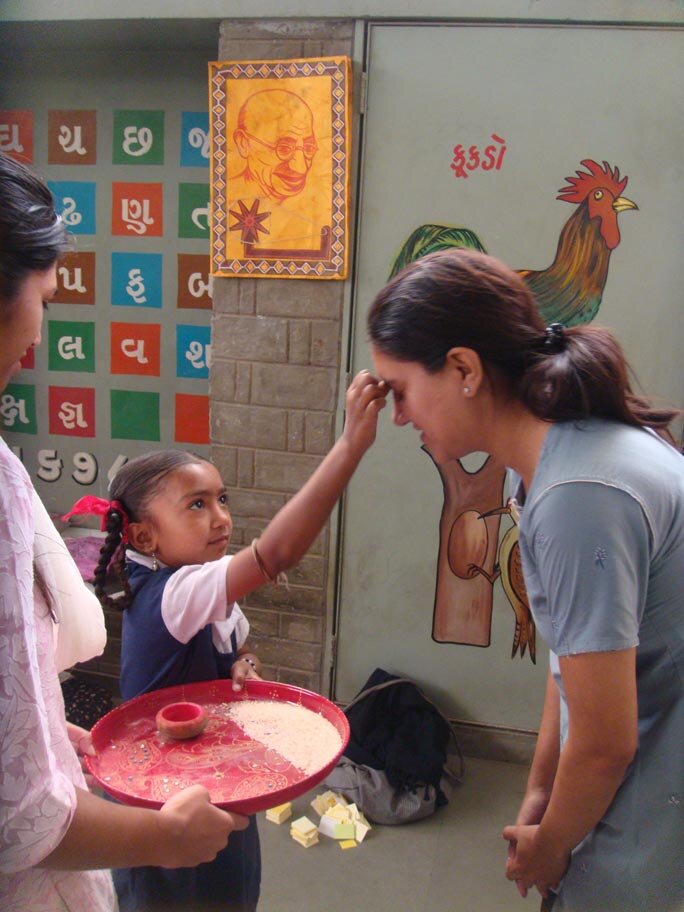
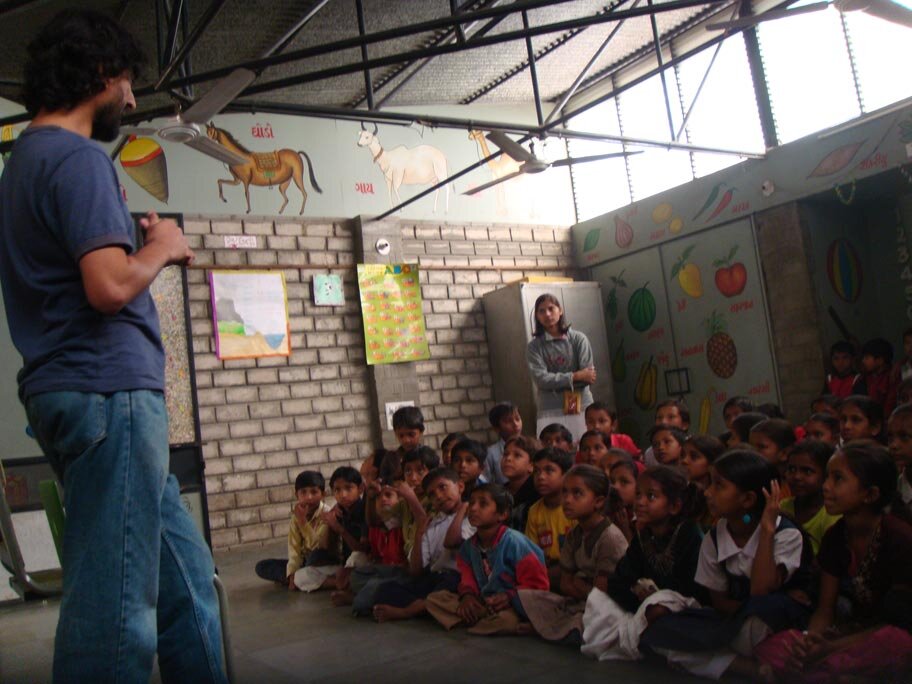
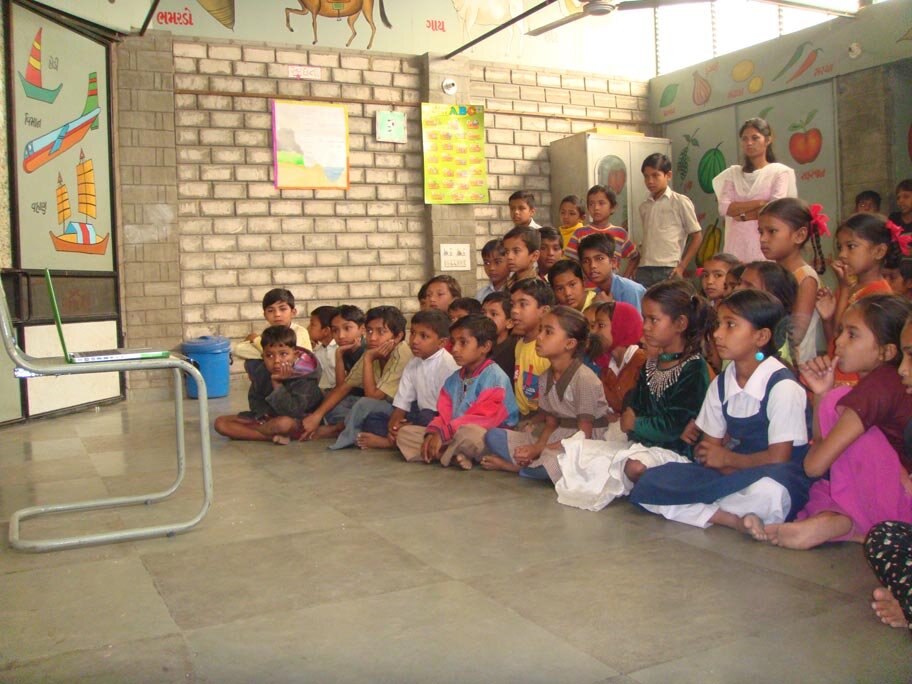
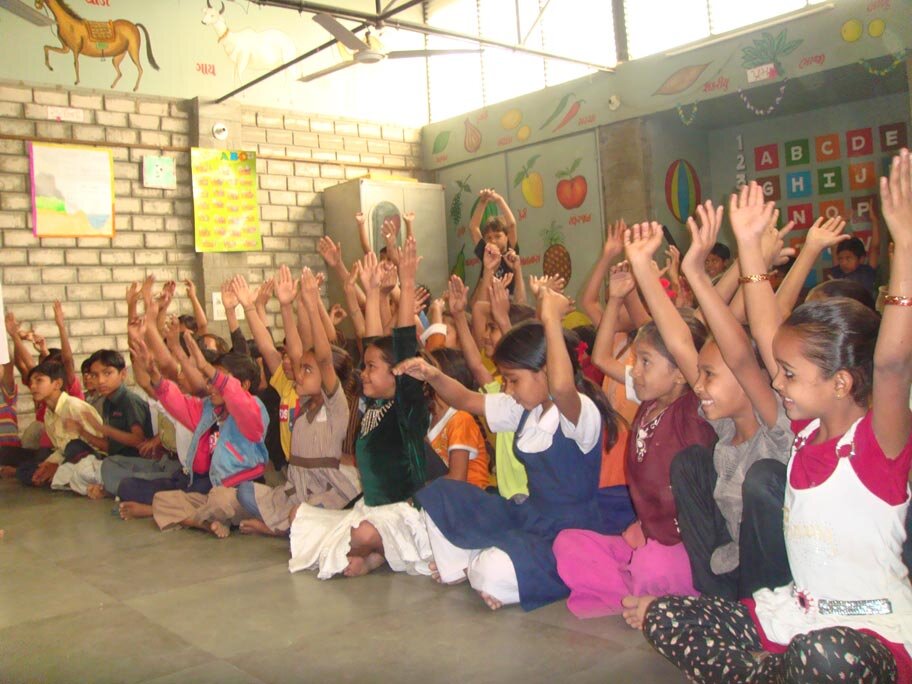
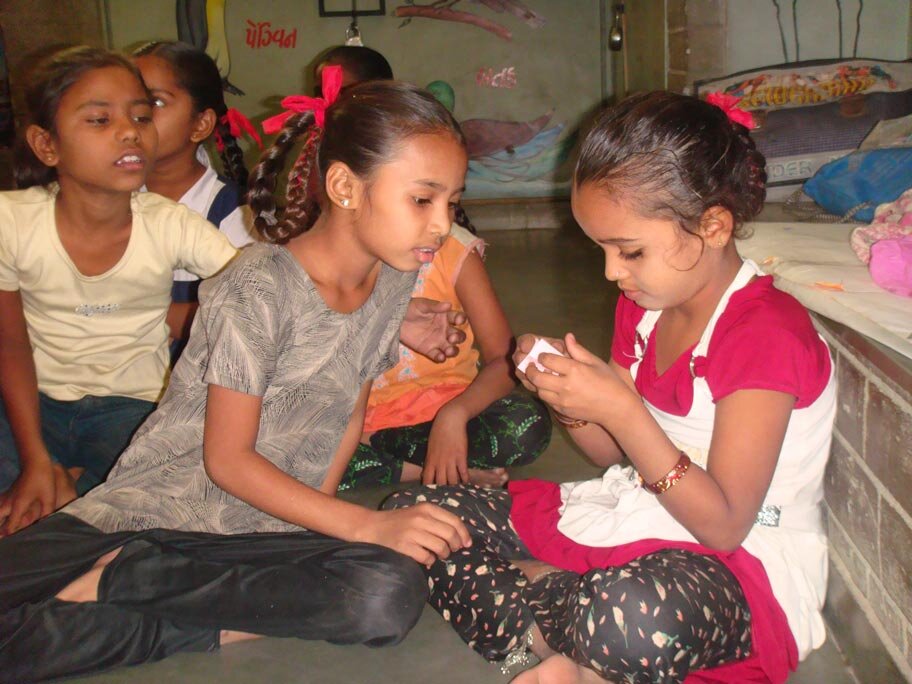
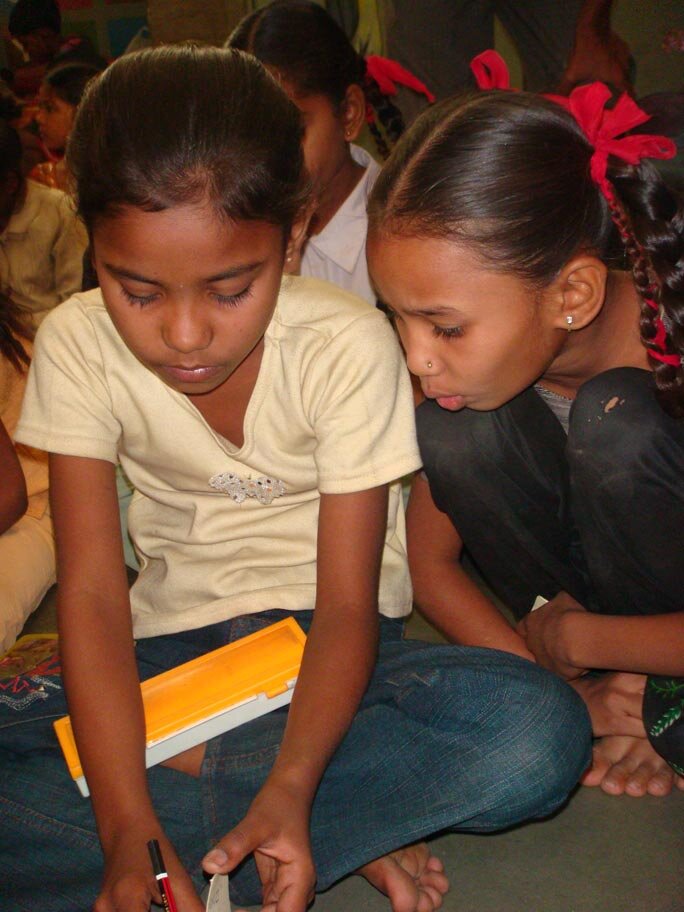
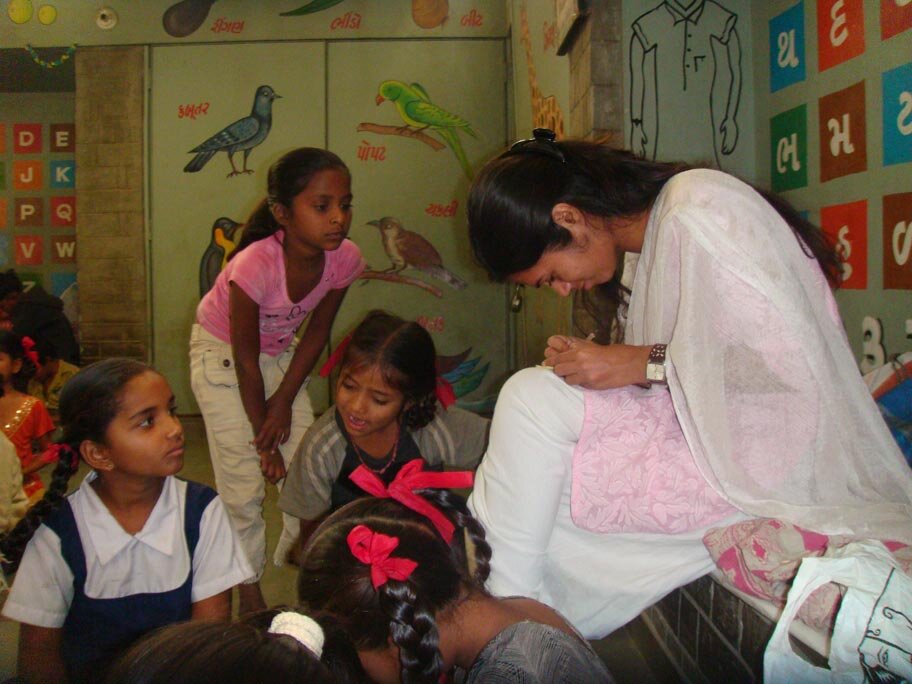
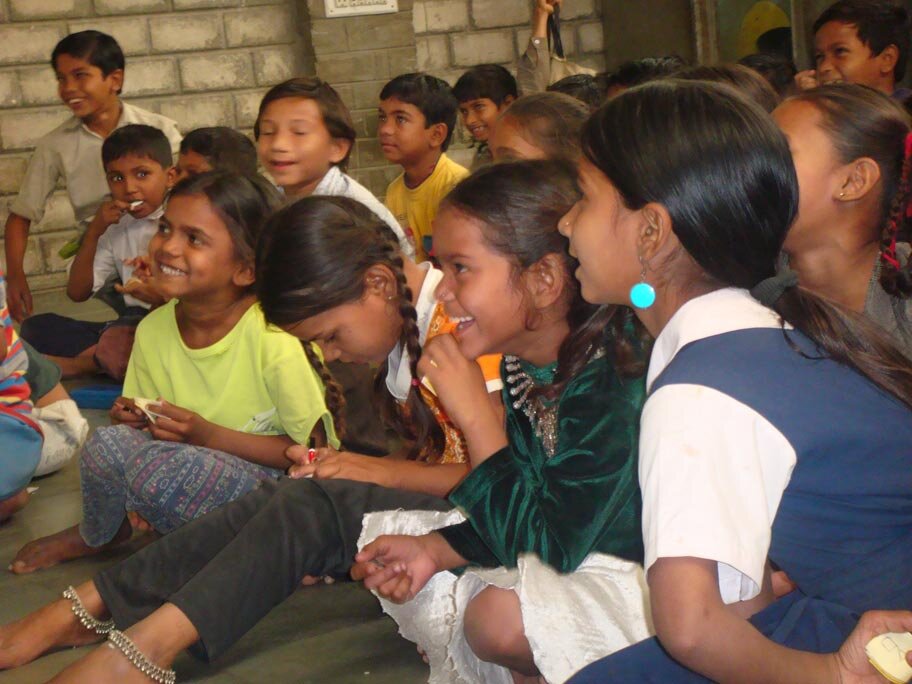
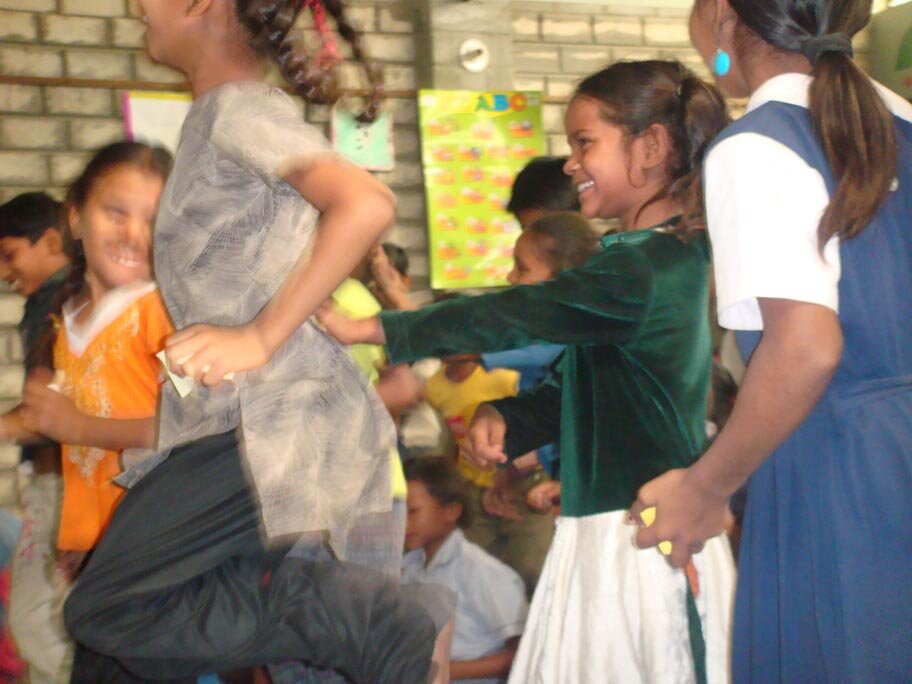
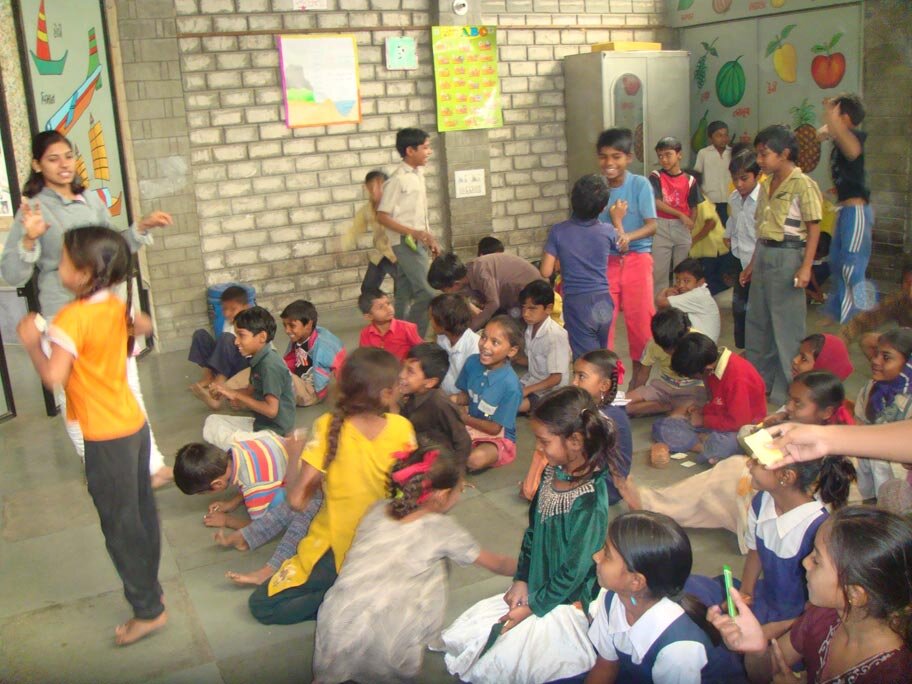
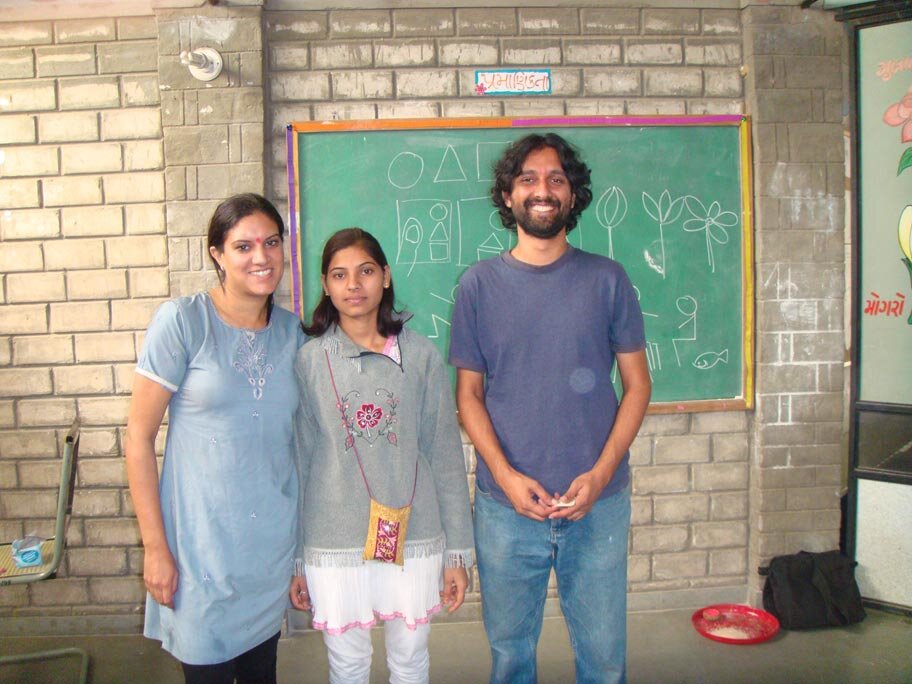
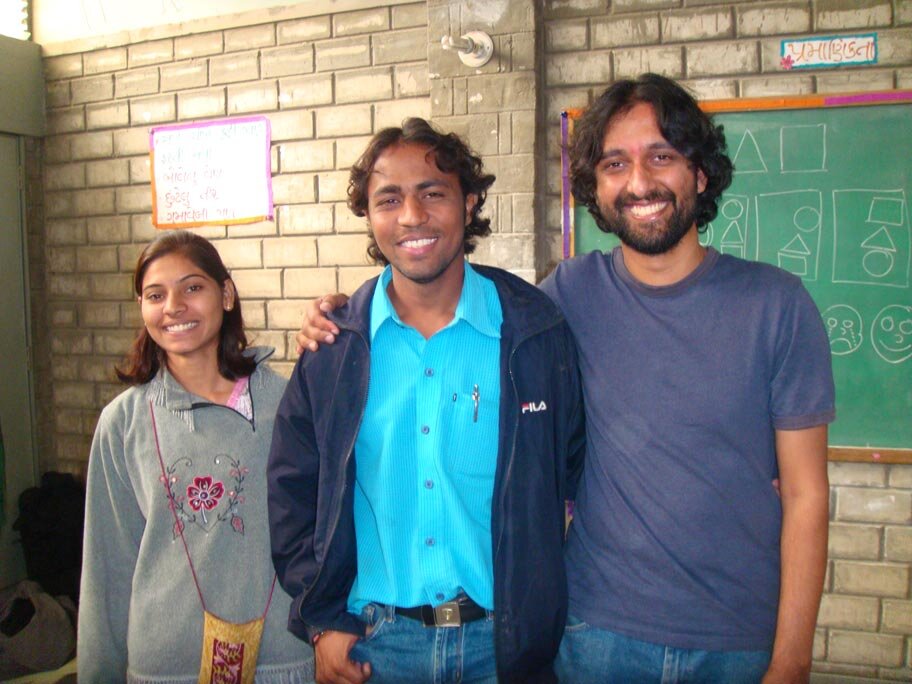

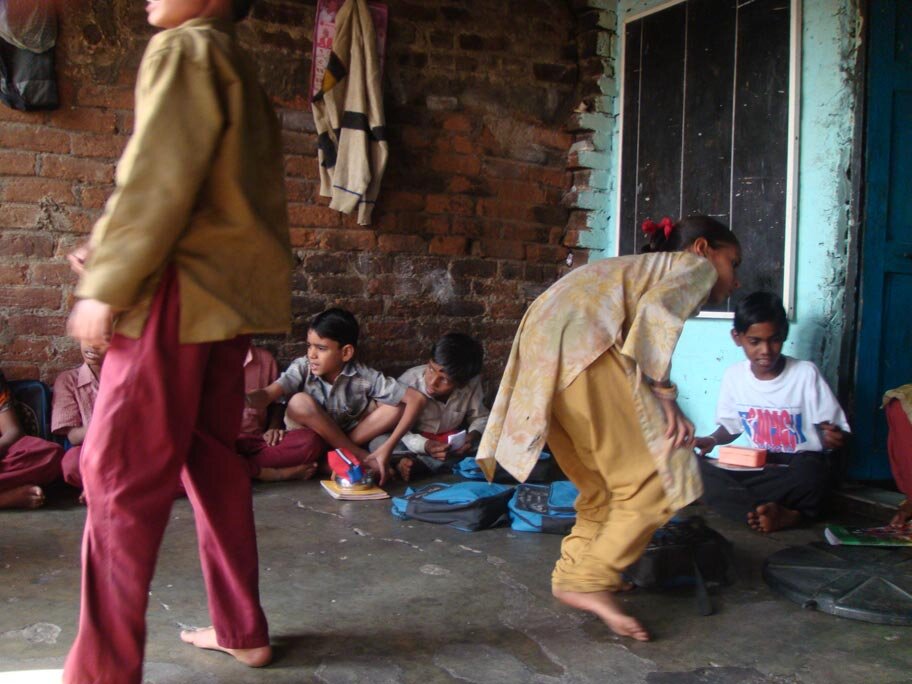
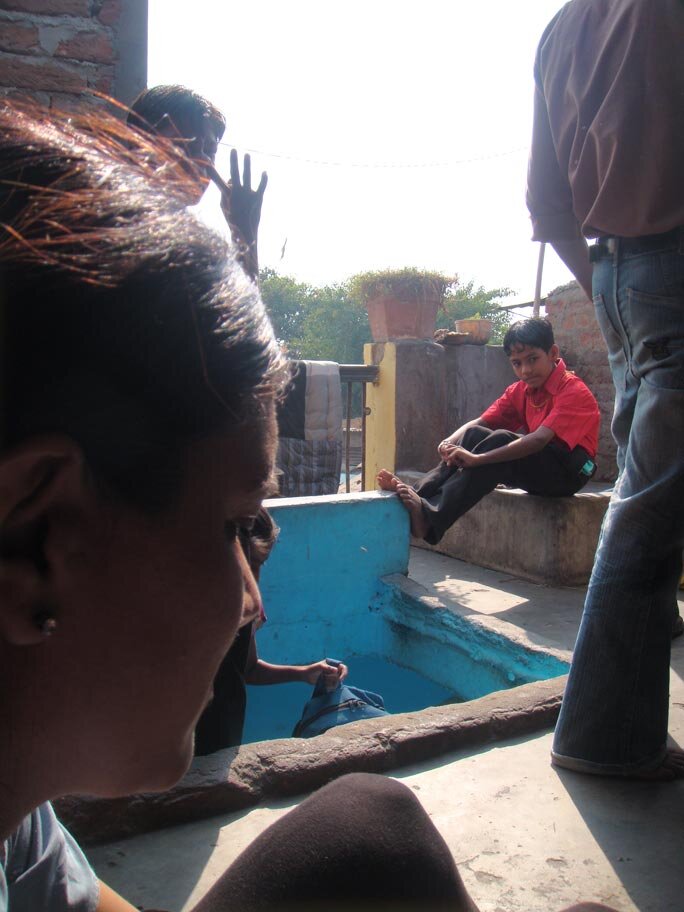
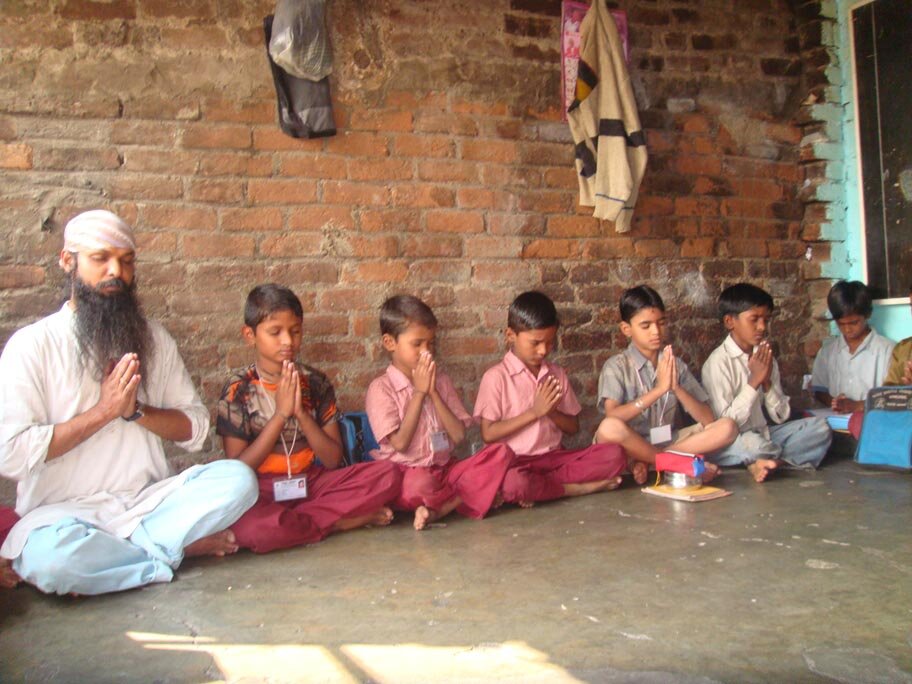

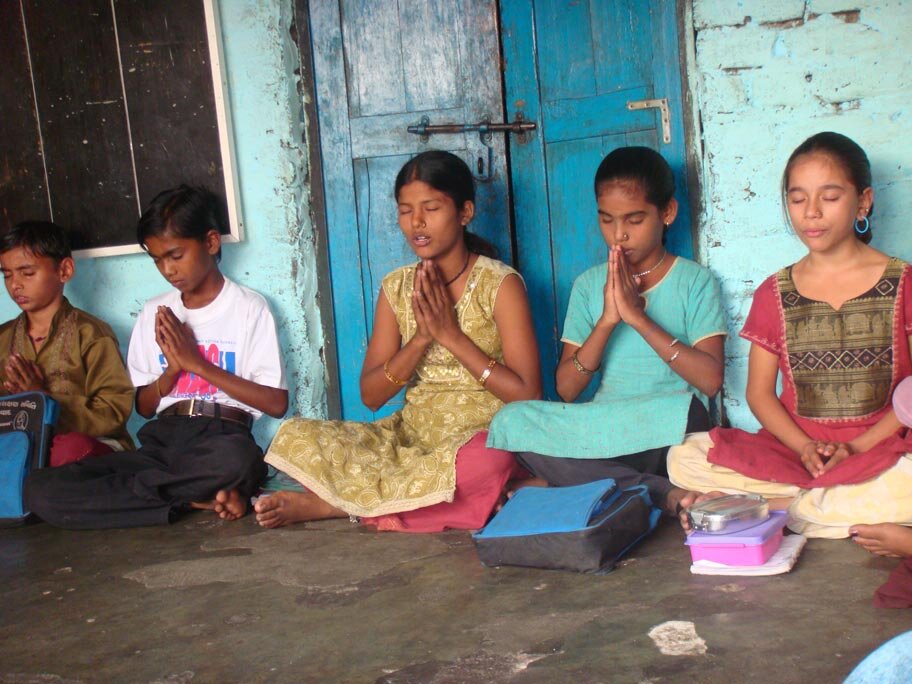
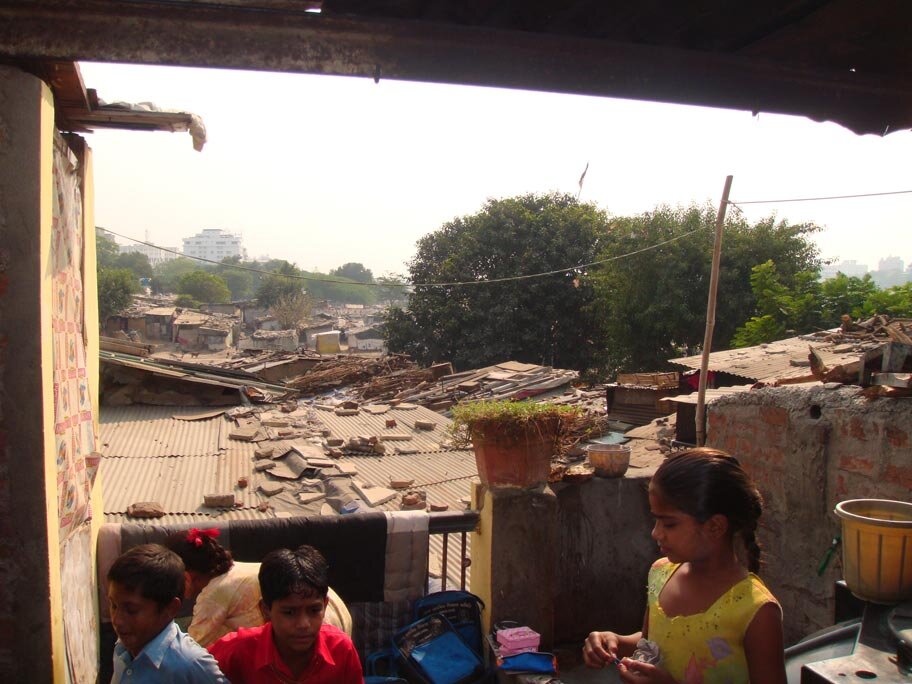
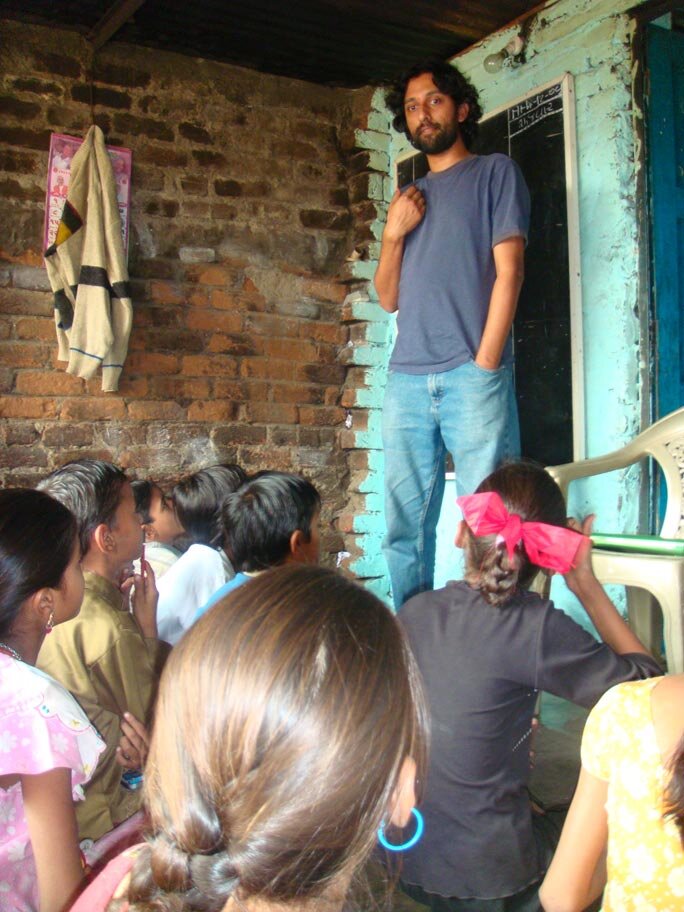
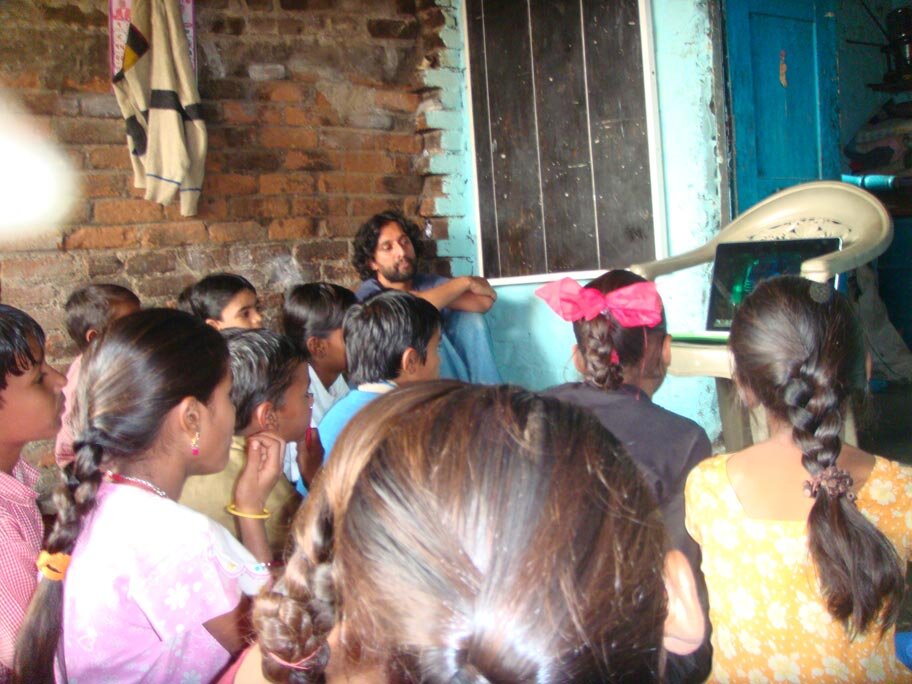
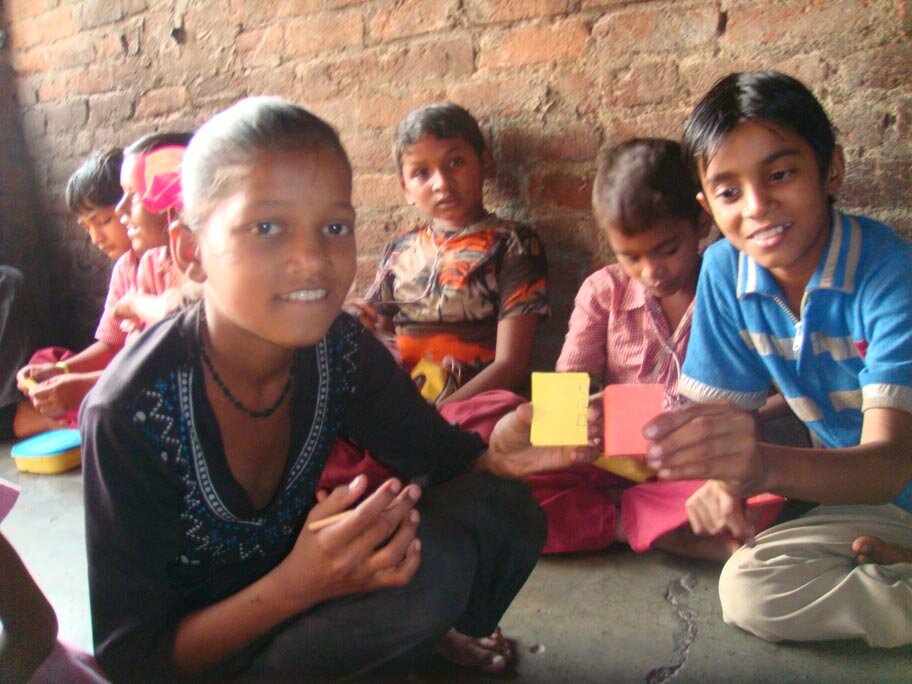
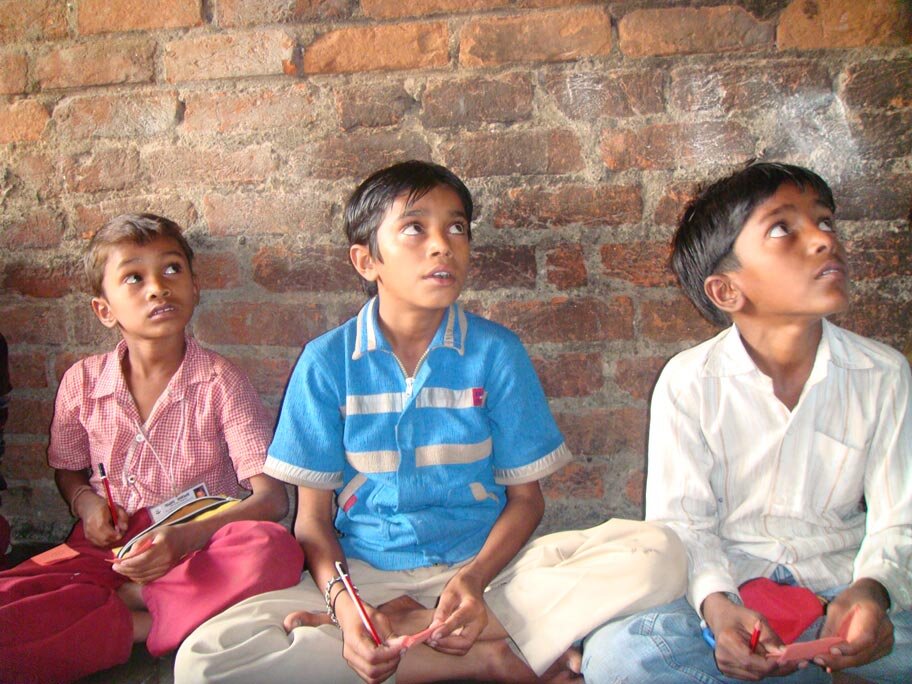
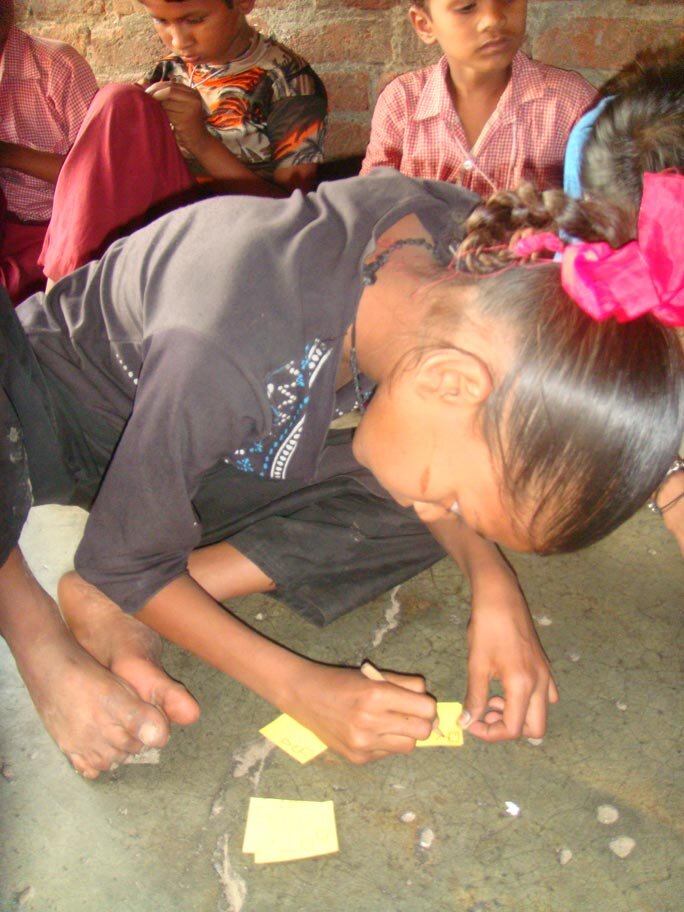
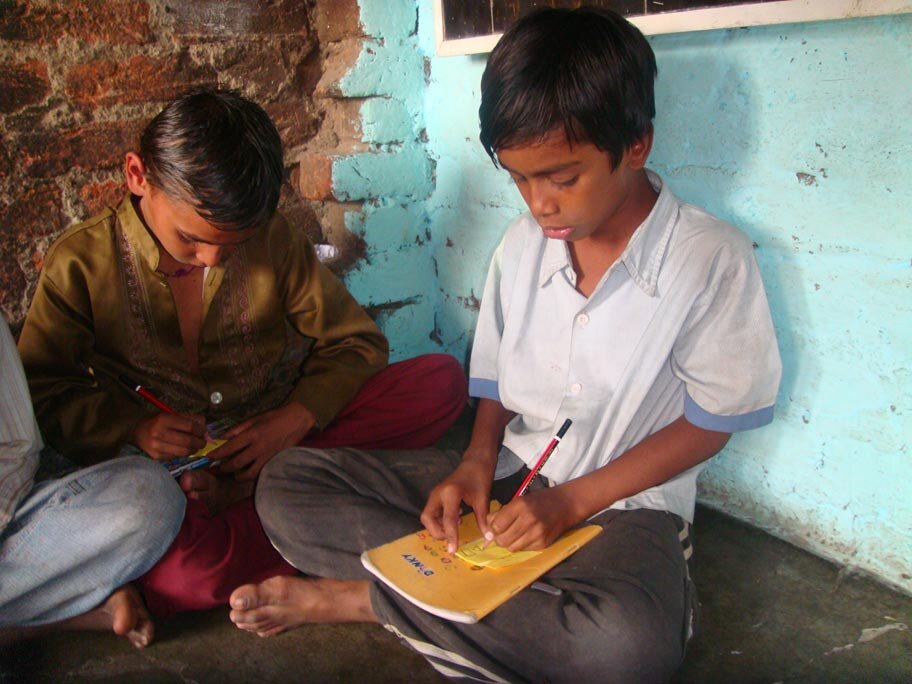
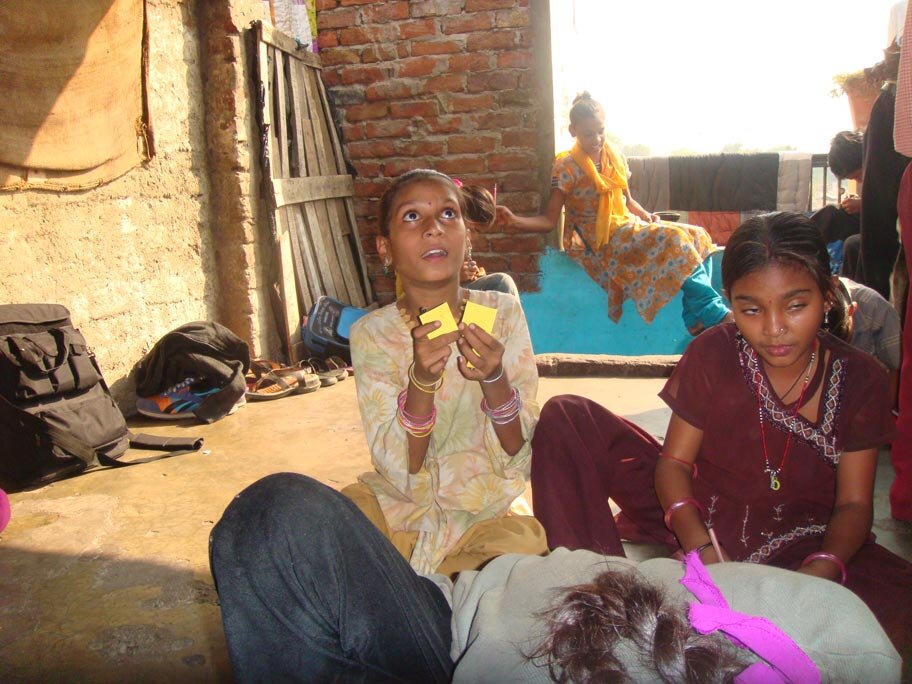
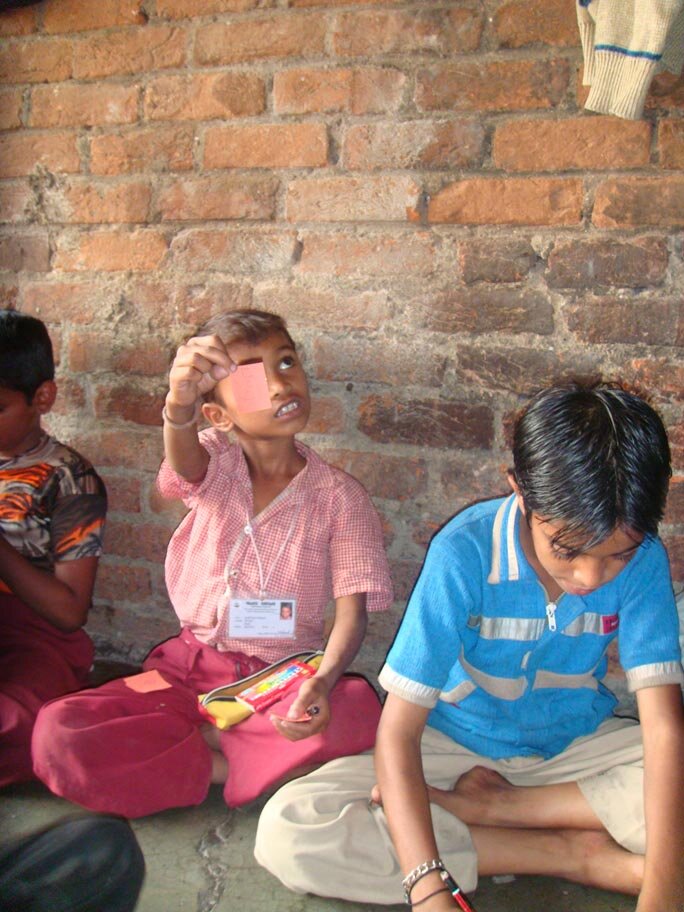
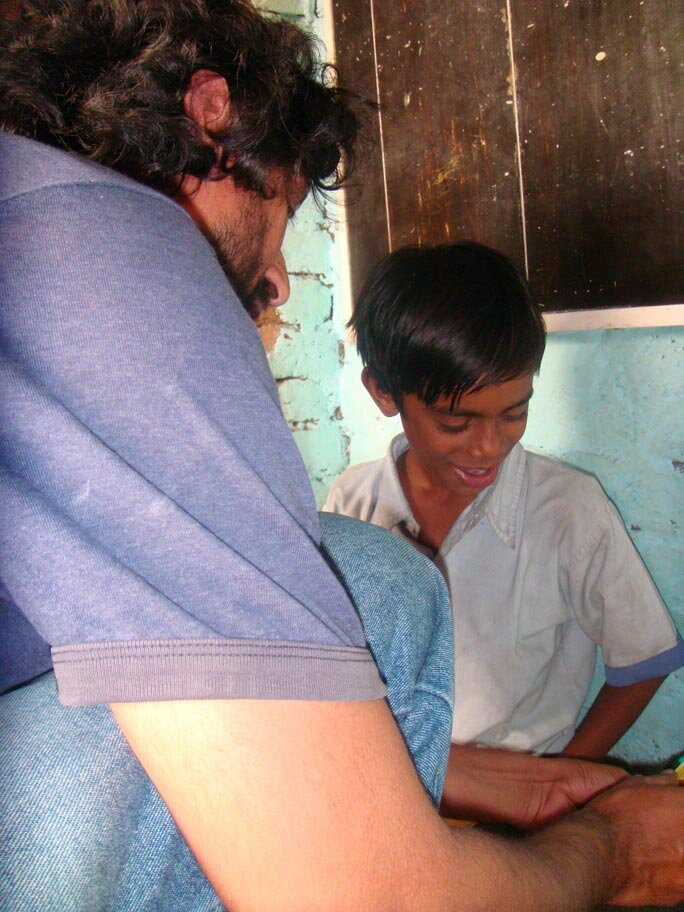
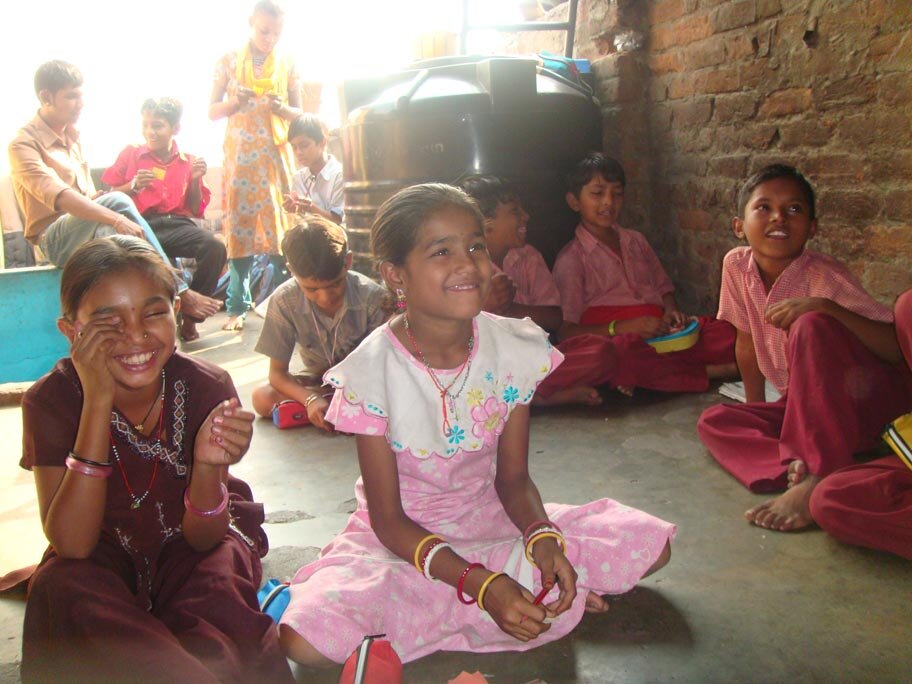
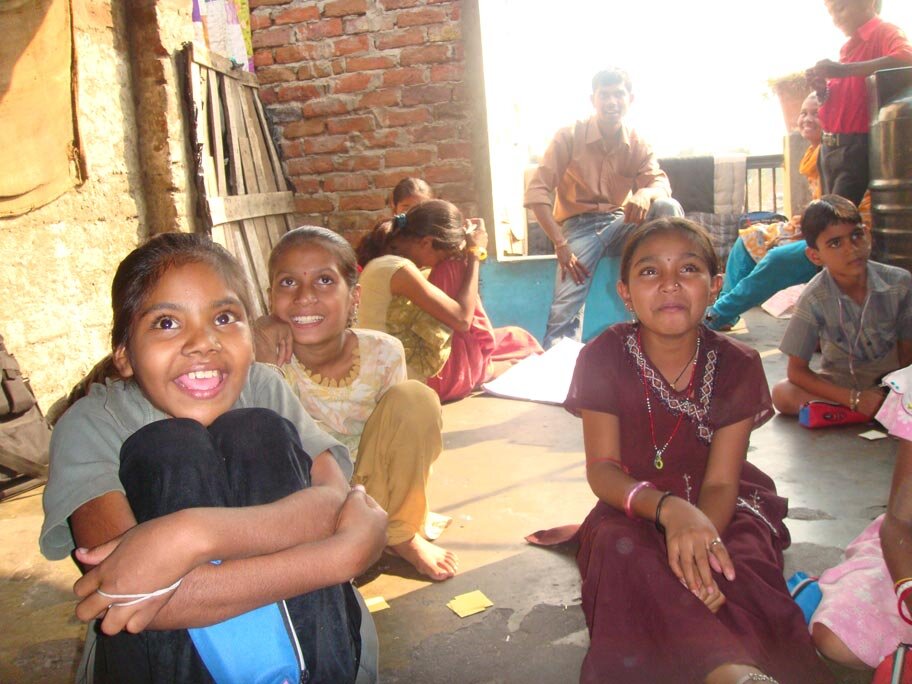
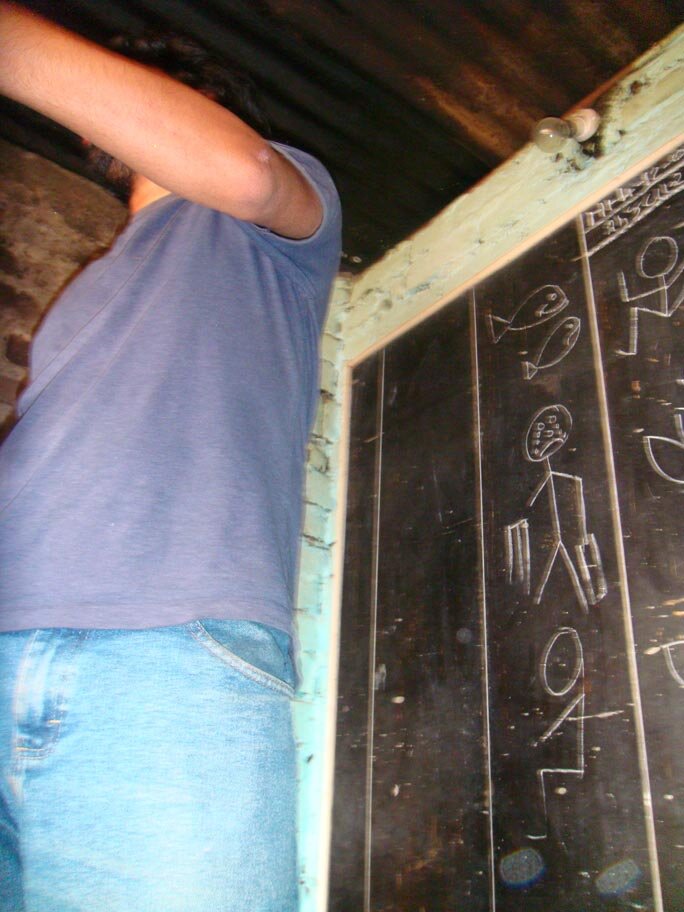
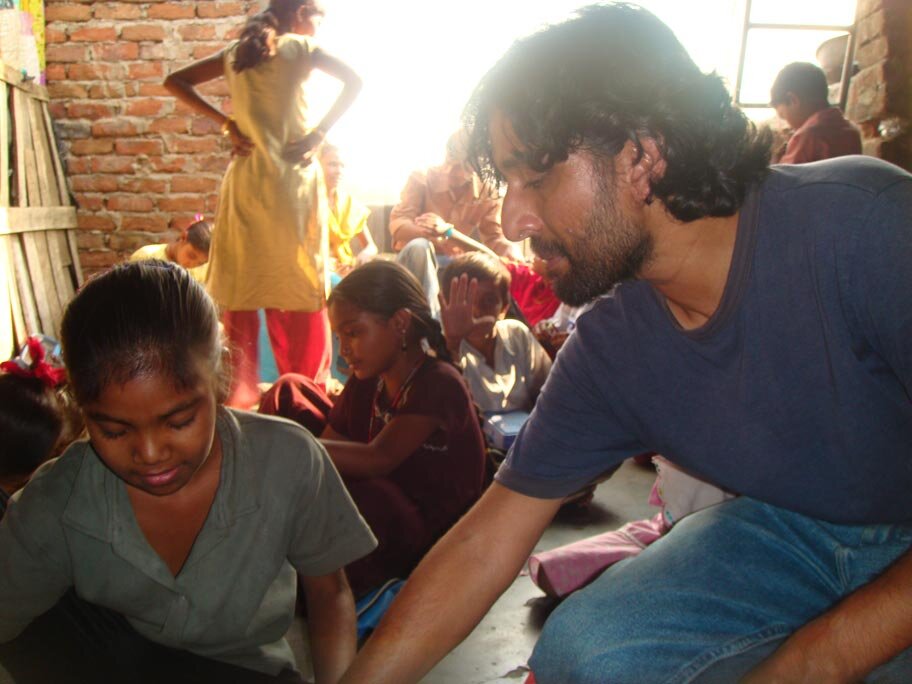
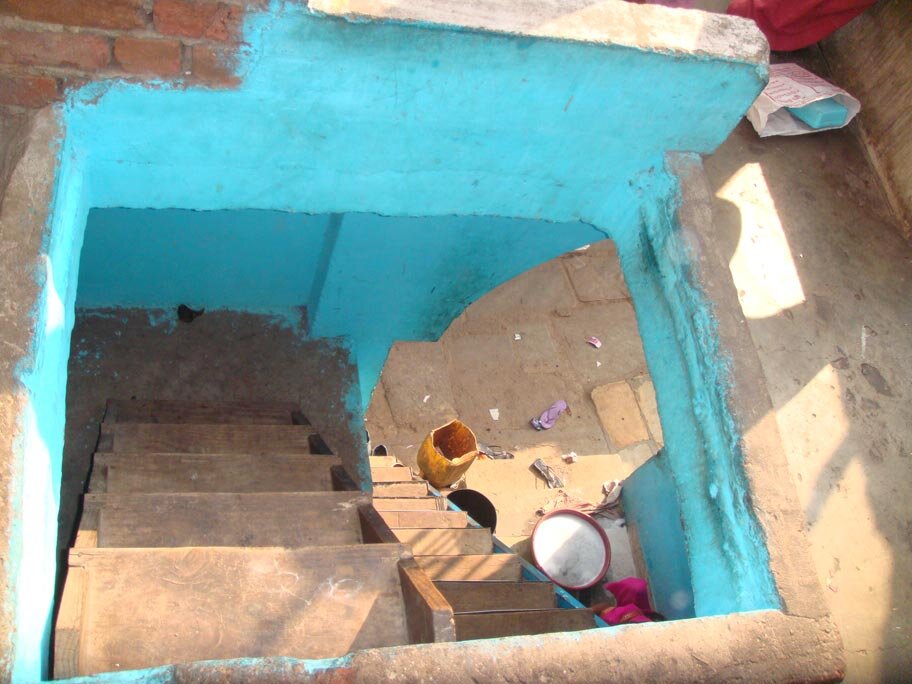
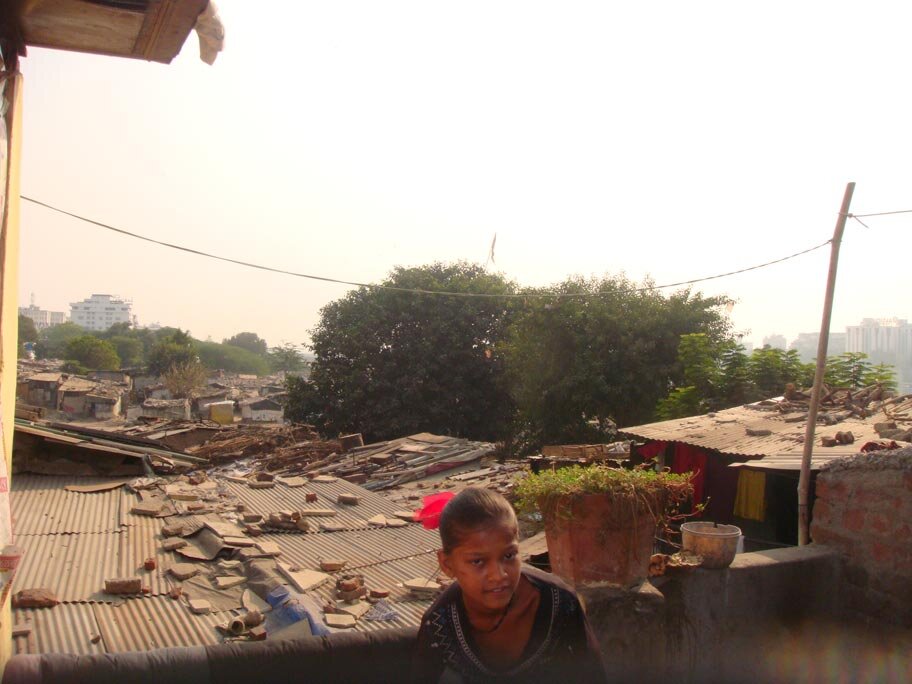
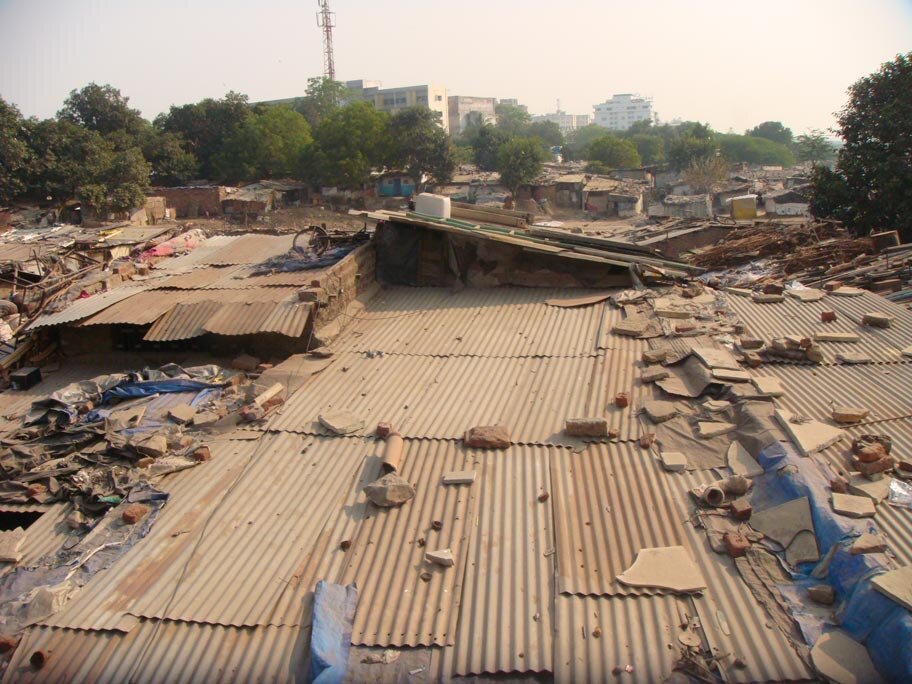
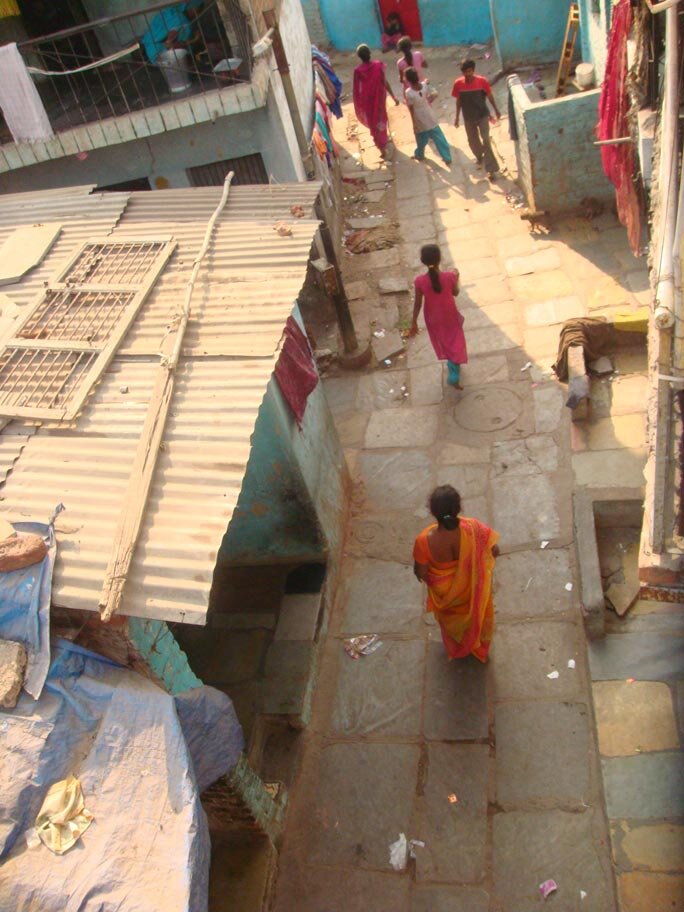
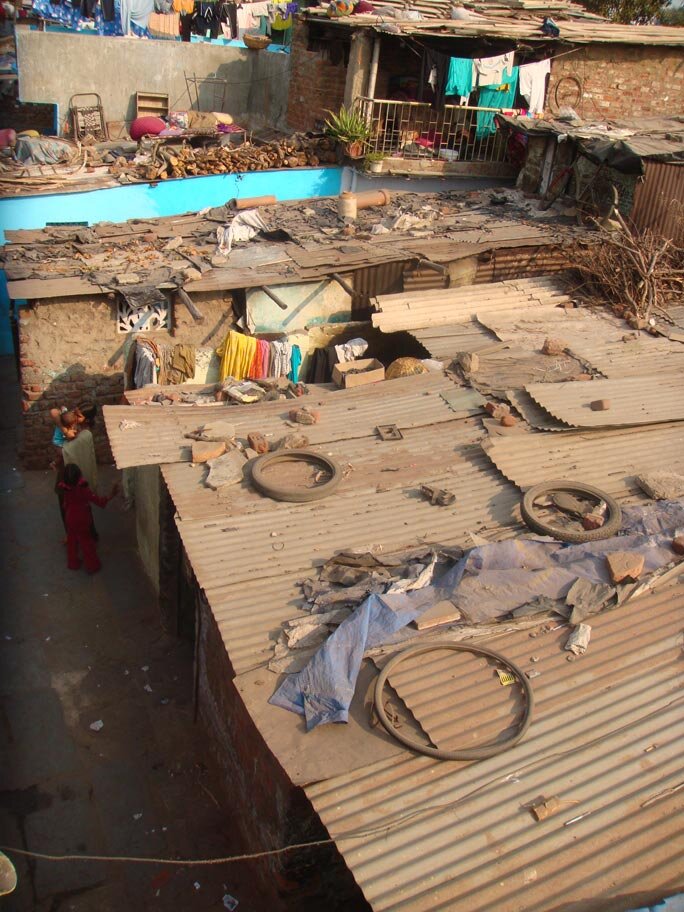
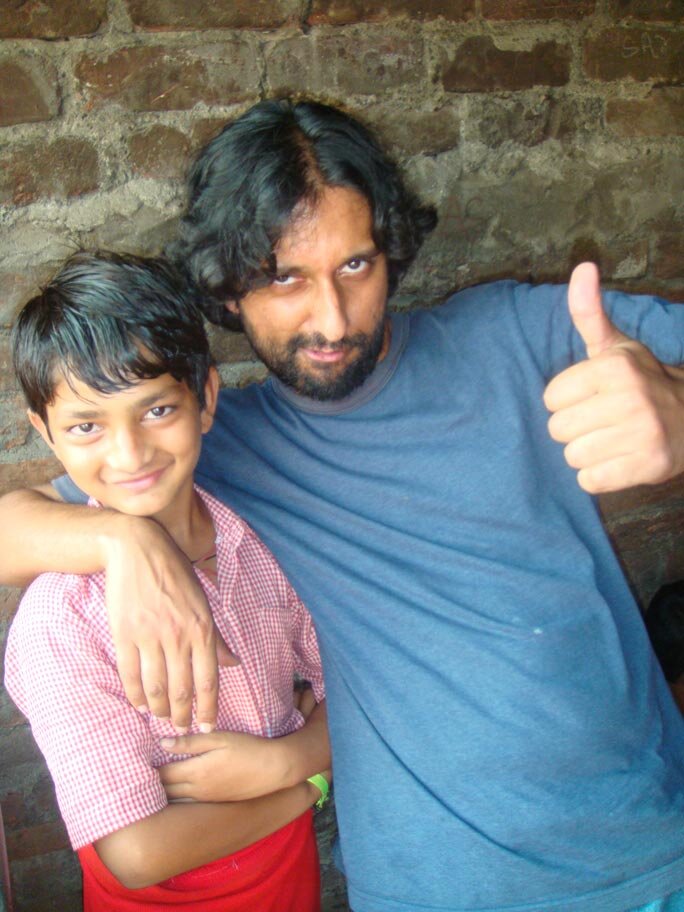
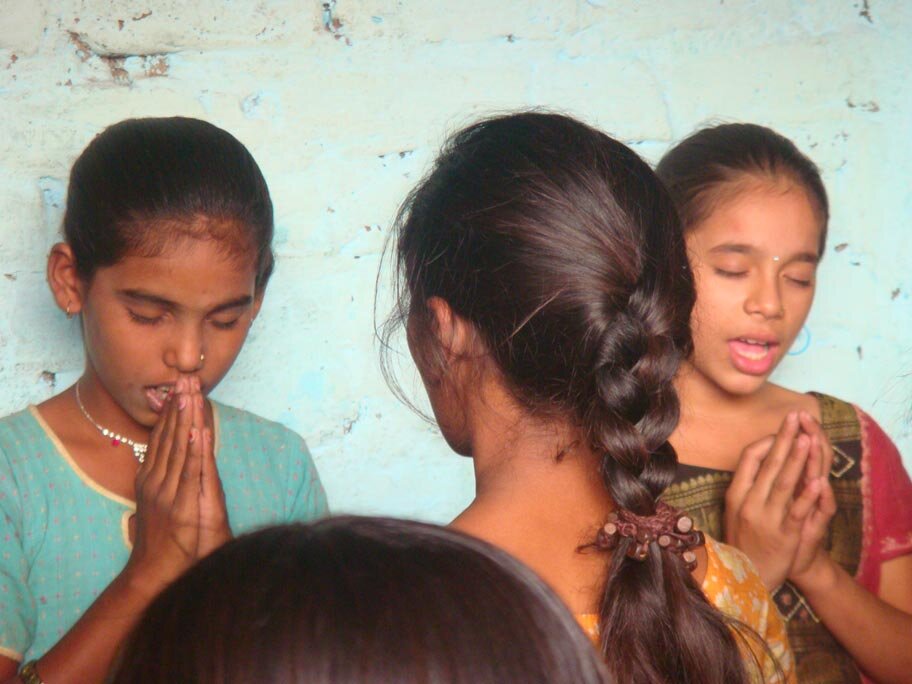
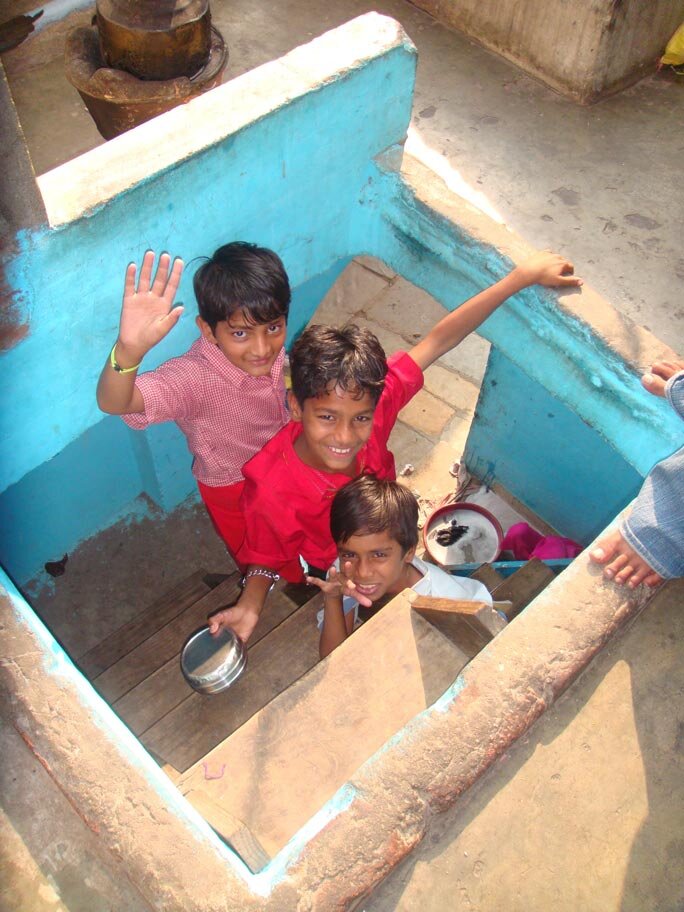
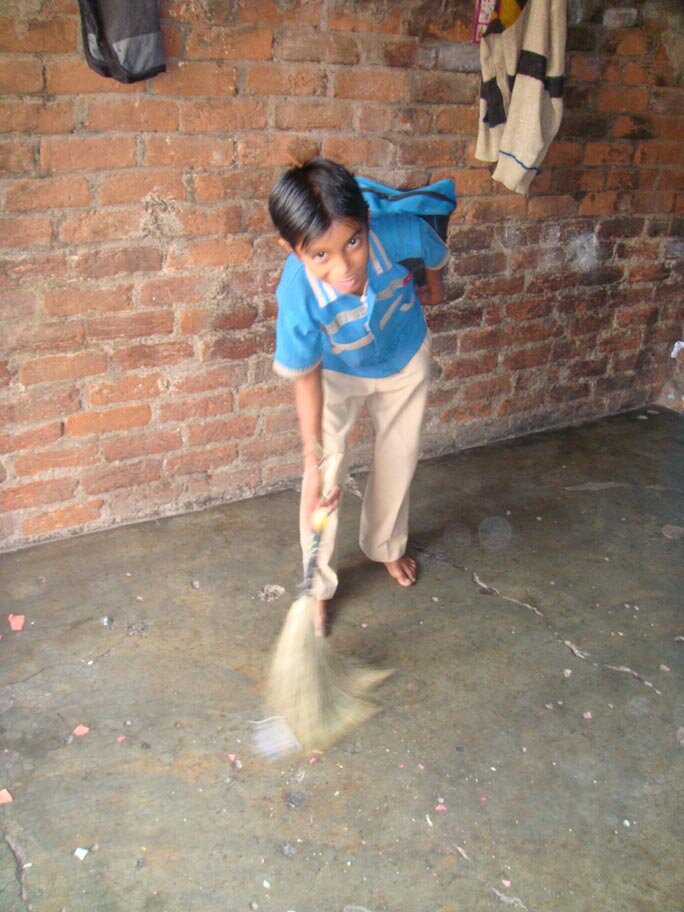
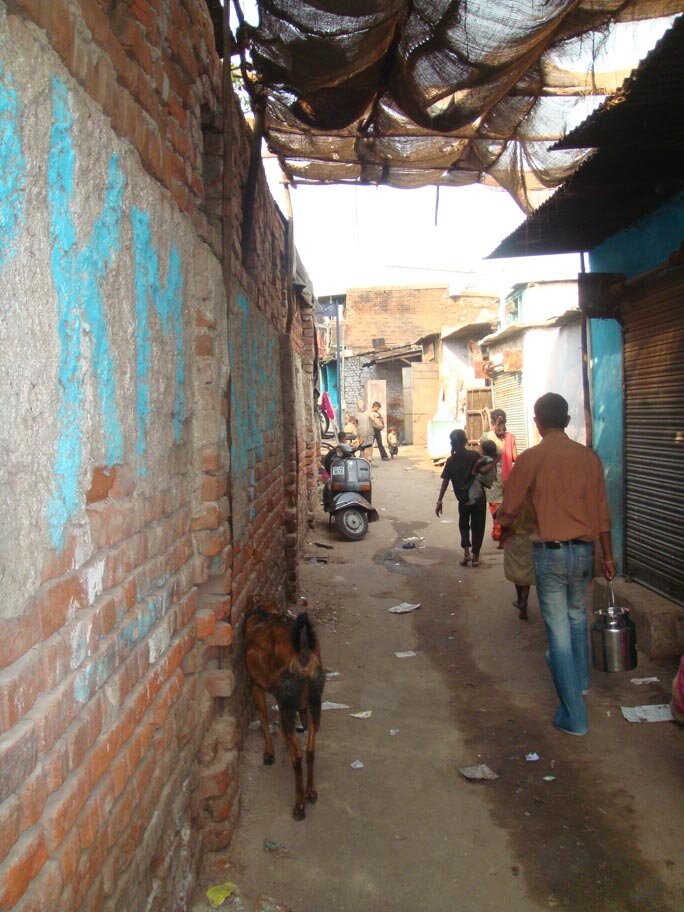
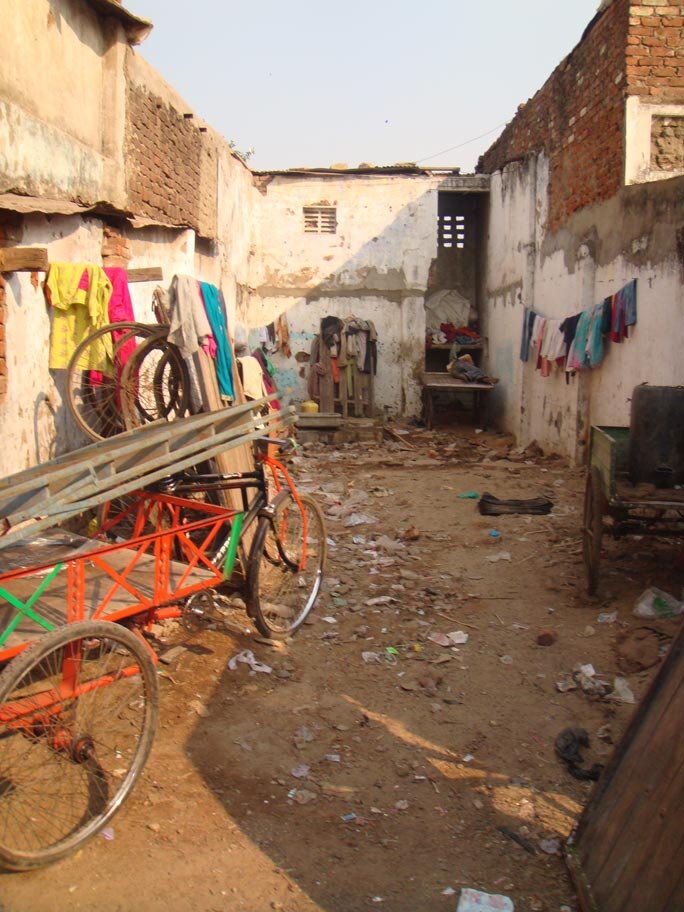
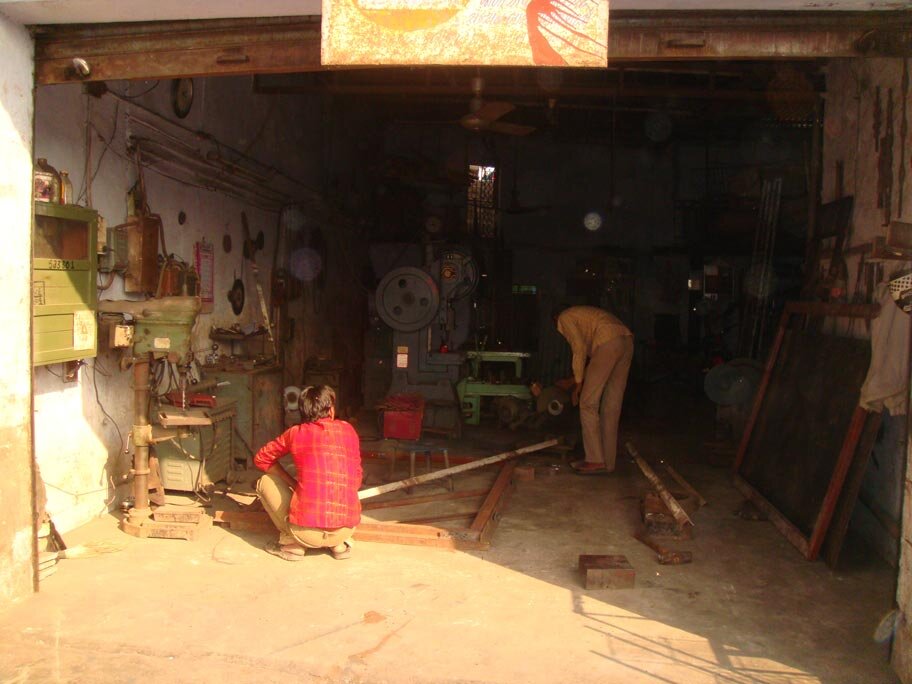
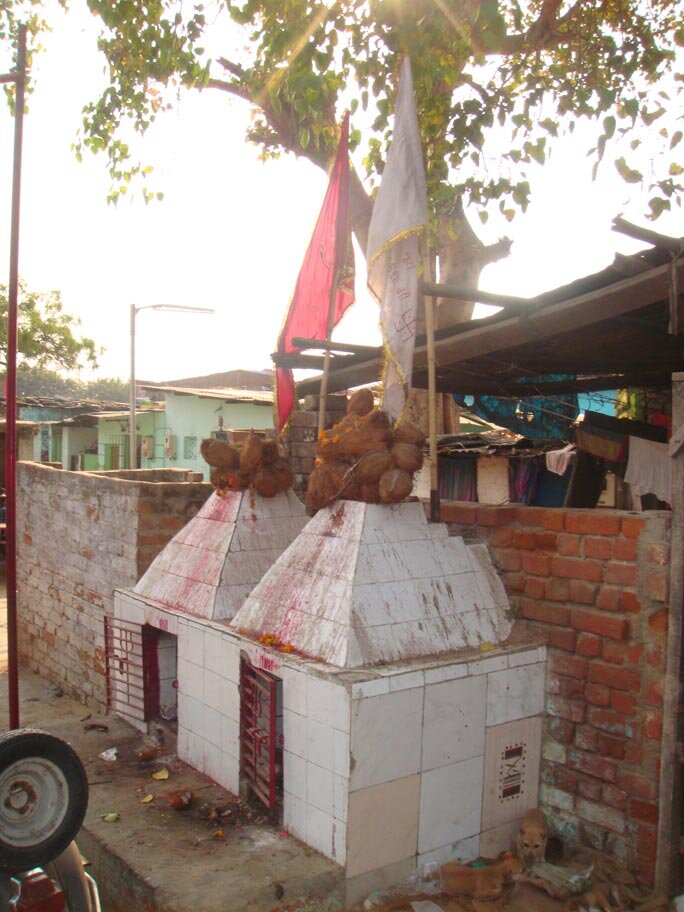
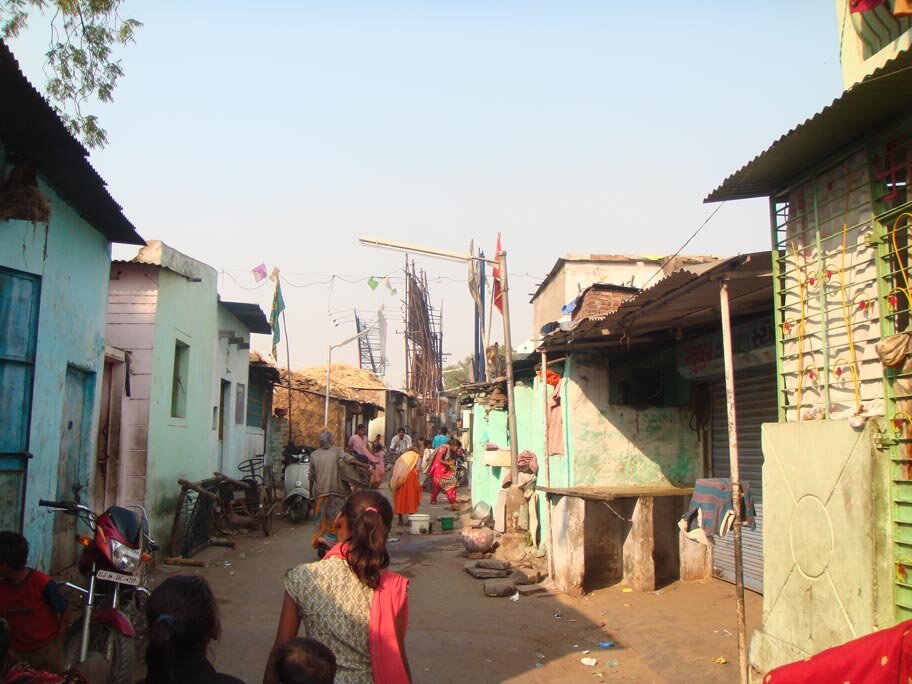
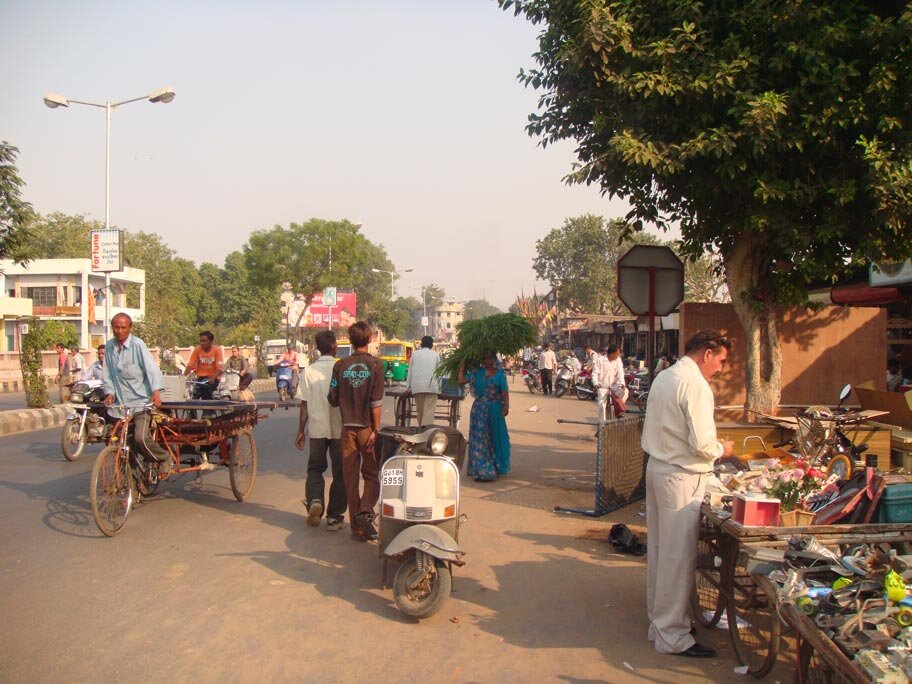
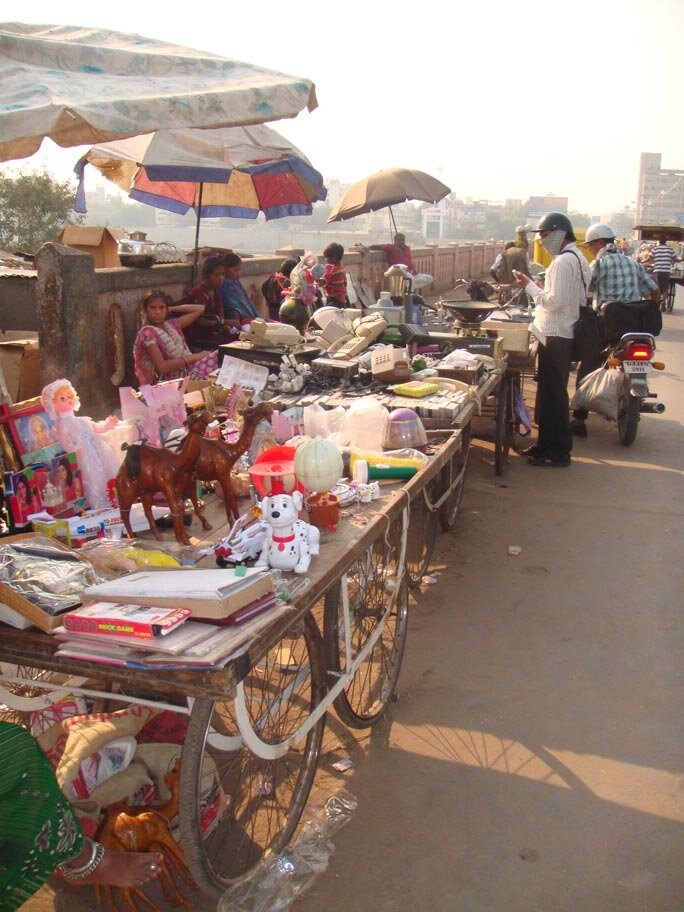
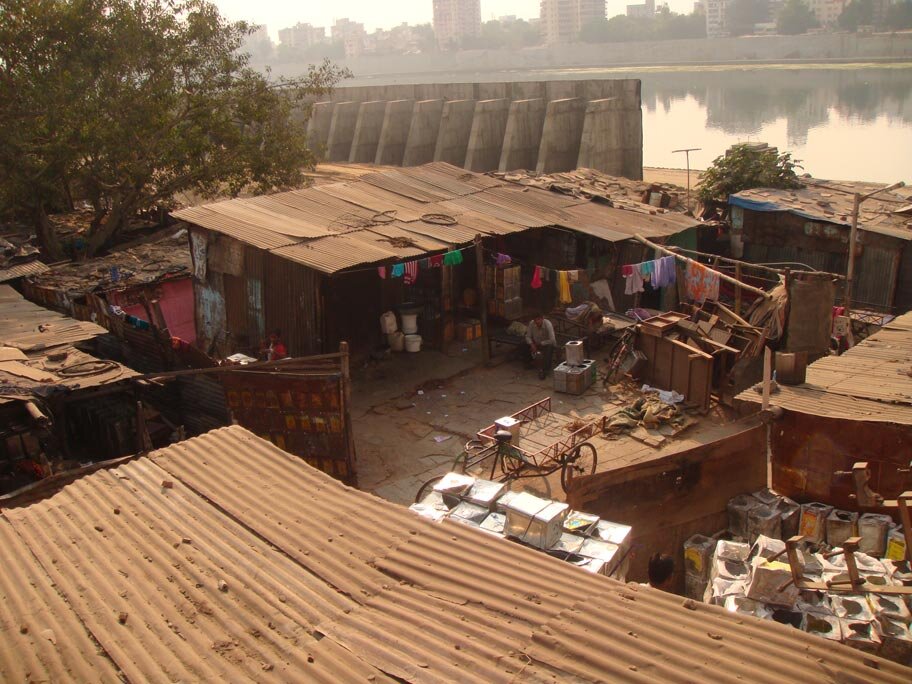
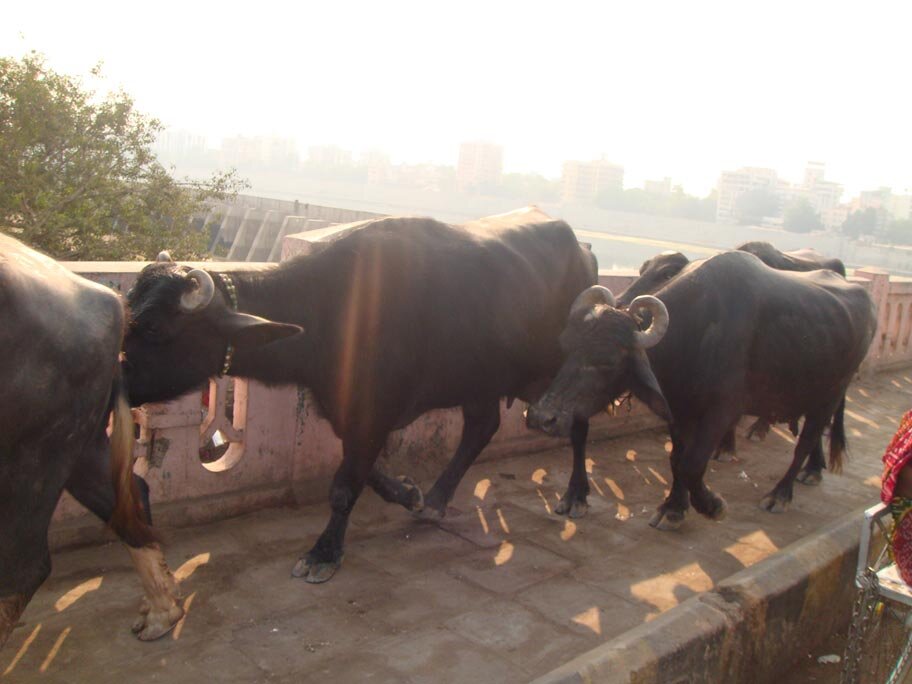

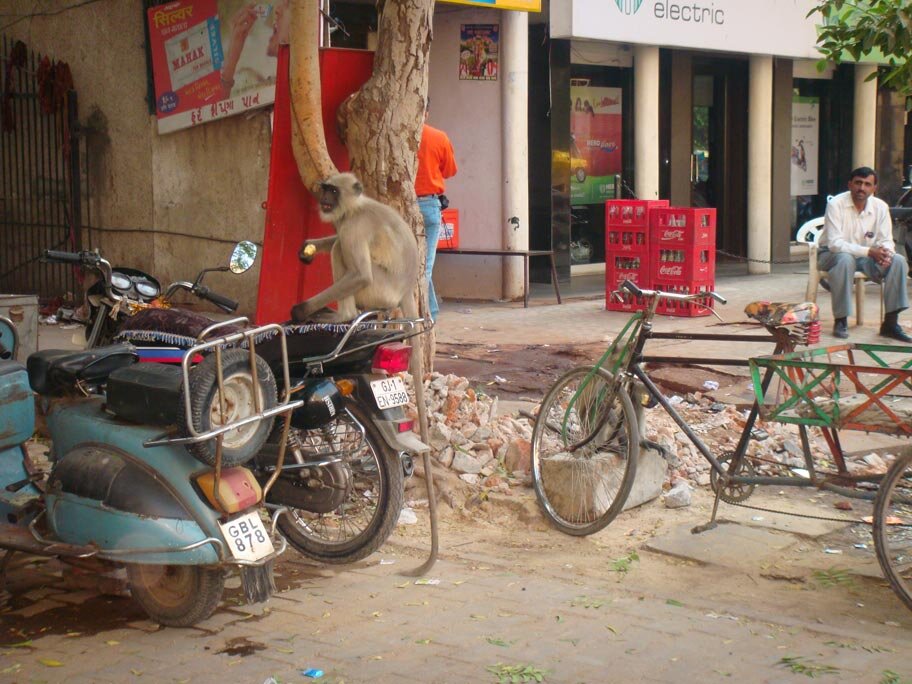
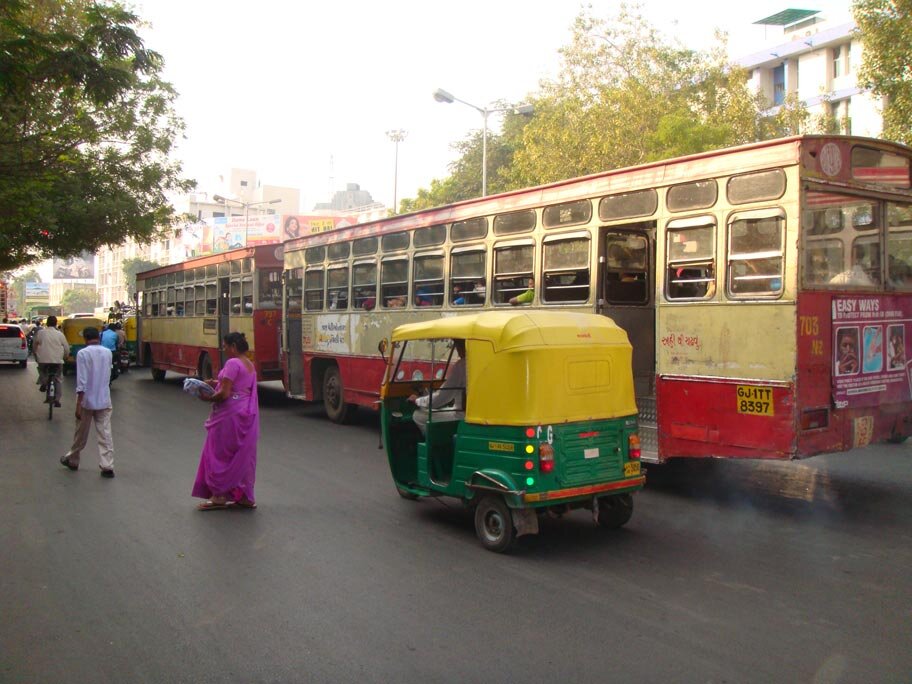
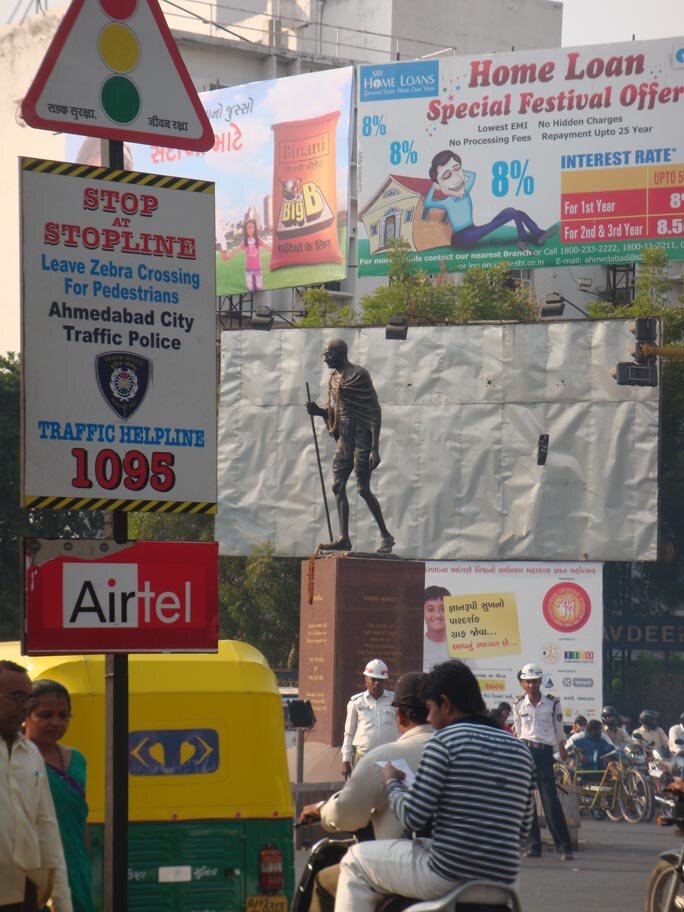
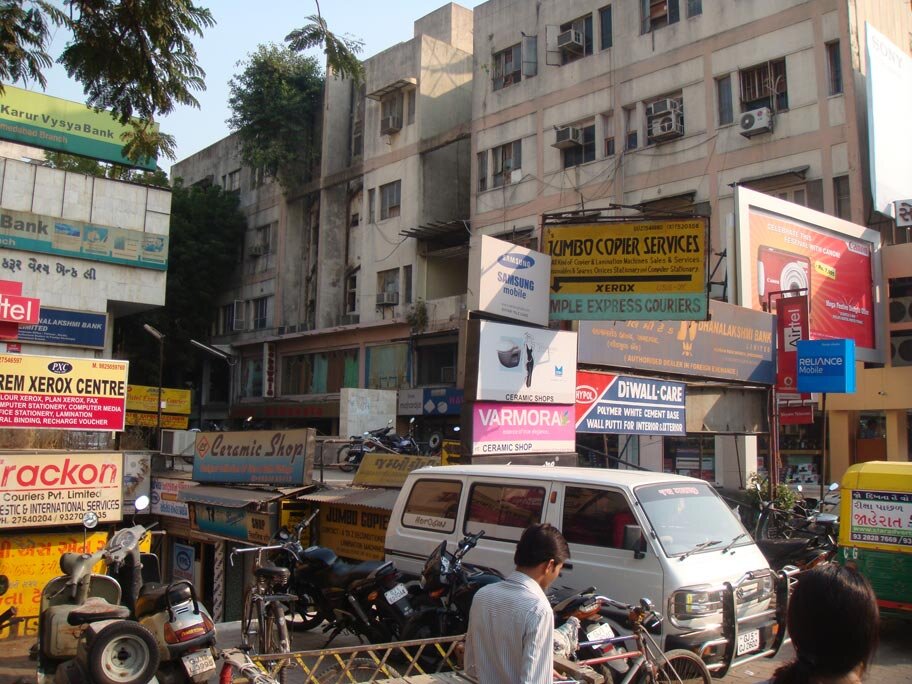
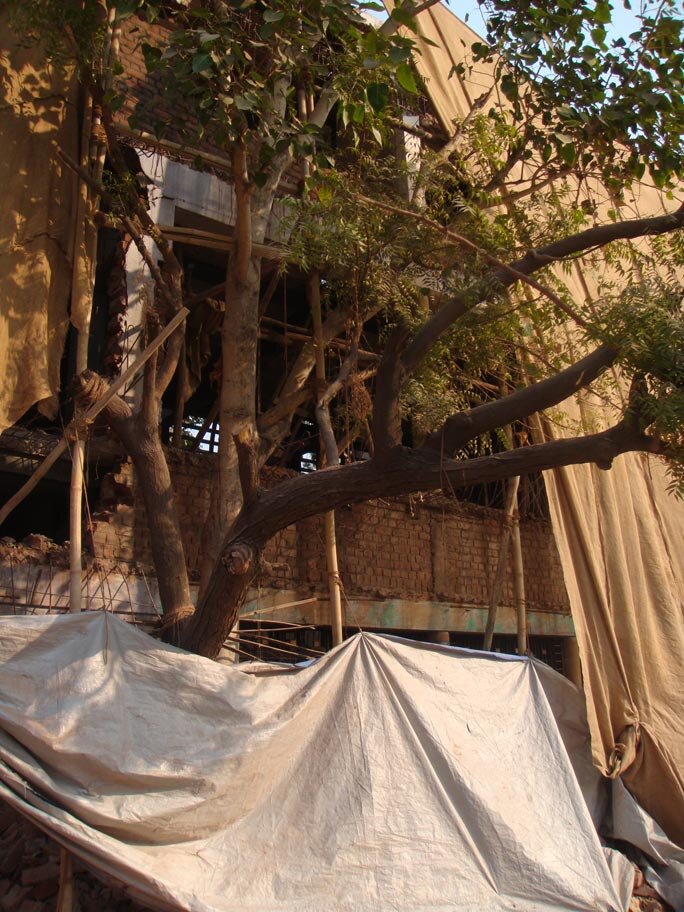
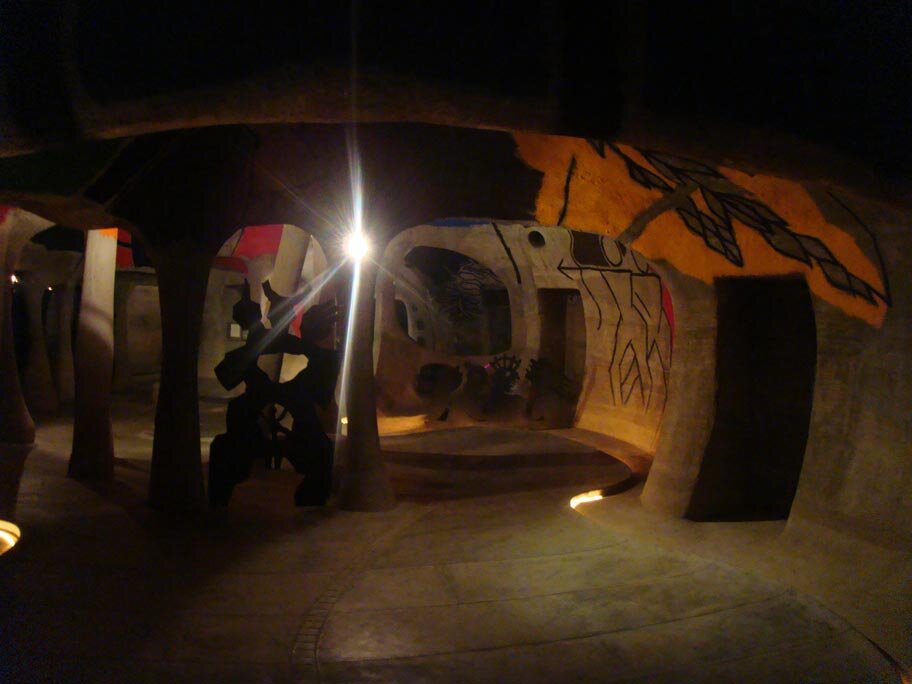
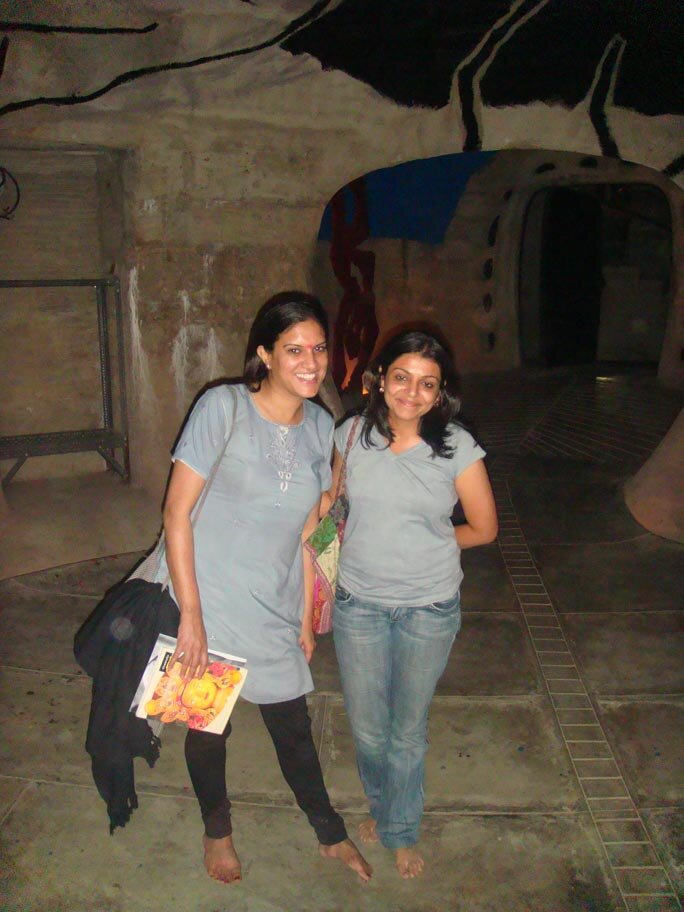
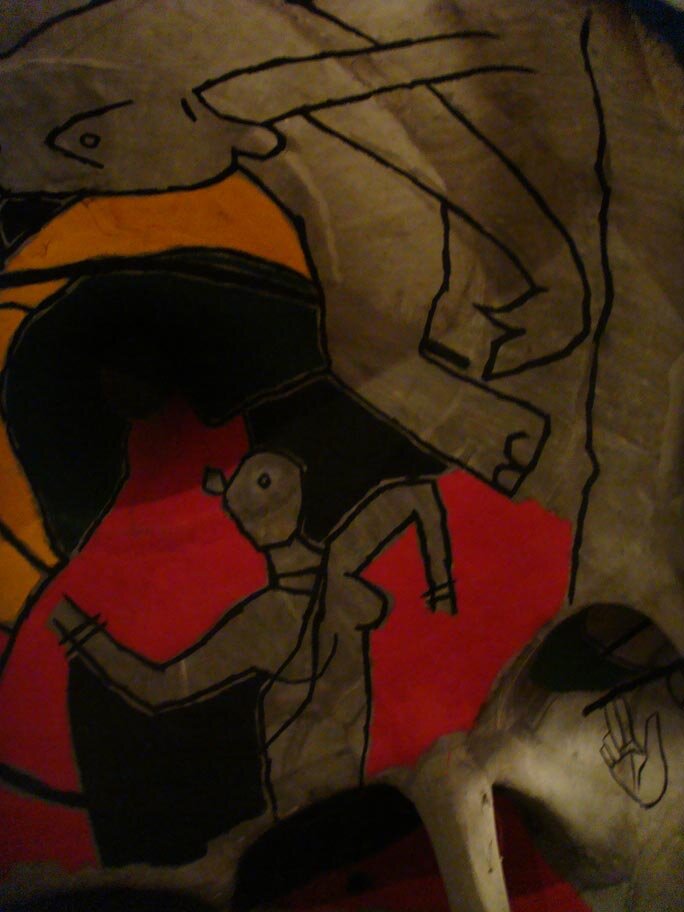
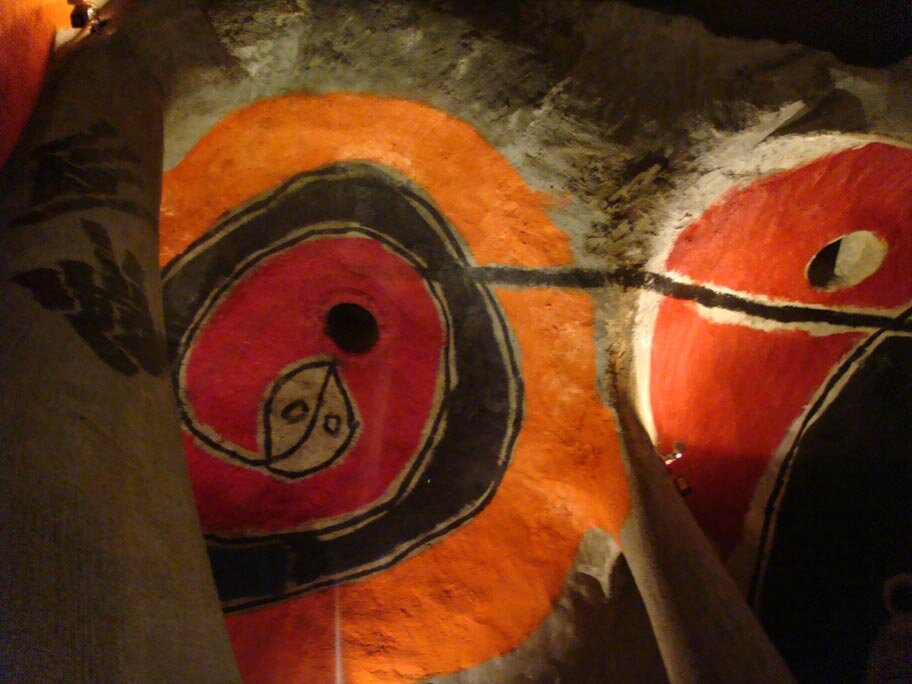
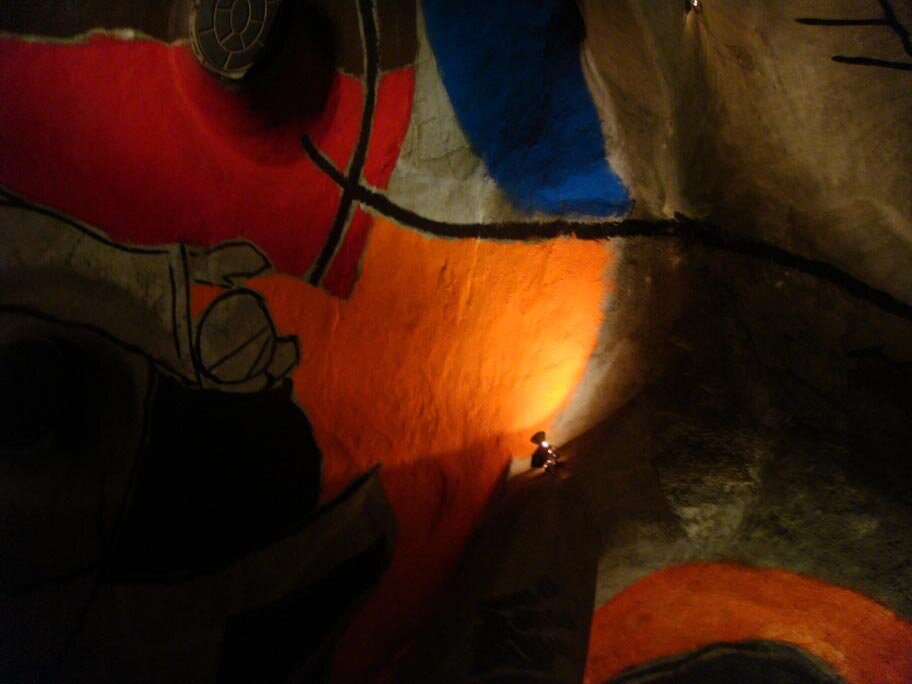
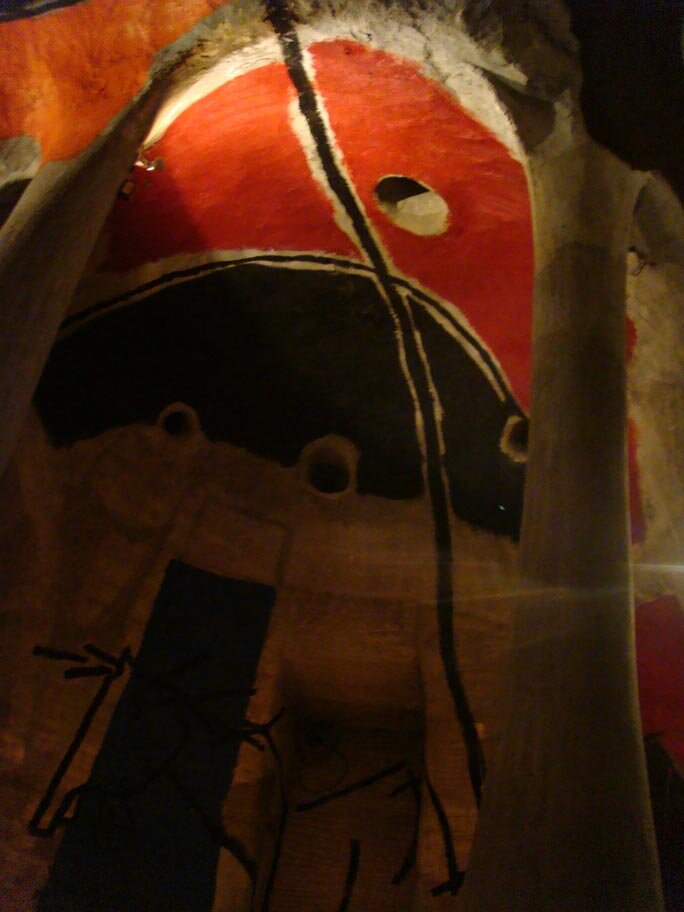
The next day Kristeen and I went to the community center/school to do a workshop with a class there. We were greeted by the sweet kids and hard working teachers. One of the children gave us sandhur as a way of welcoming us into class. The kids were amazing as usual and it was a tiring, but incredibly rewarding experience. I jokingly said invited myself to come eat lunch at one of the children's homes as we were leaving after the workshop and she was walking home for lunch. She said she'd ask her mom what she cooked. So many dimples and funny little toes. After that we ate and went to another slum that was more recently adopted by Manav Sadhanda. The look and feel are completely different. There is not yet a sense of community. The first tikra that was adopted by MS has more of a community feel. There has been a great deal of work by MS and people of the community to really make it a home. The other slum is much dirtier, and doesn't really feel safe. We had Jagad bhai with us, but I don't think we'd come alone. Of course these are people who are squeezed harder day by day and things are unimaginably tough. We made our way through to the school that MS had started there. We climbed up a ladder to a floor with all these children sitting there. It's a little nervous to start these workshops, not because I am shy with the kids, but because I feel some pressure from myself to do my best to give these wonderful children my very best and I hope that they will feel good afterwards. These kids were just like others I have met at earlier workshops.Next we walked to Indicorps offices to visit, then had some lunch at a cafe and made our way back to the Gandhi Ashram.
Manav Sadhana 2
I had peeked into the school the day before and I can't quite describe how excited I was to share animation with them. The children I met so far have really been an energetic and amazing bunch. Many are not used to discussion questions in class so carrying on an in depth class discussion has not really worked, but they are bursting with energy, creativity and most of all a genuine desire and willingness to try new things and learn. This really does a lot to make what I am doing with the children possible.

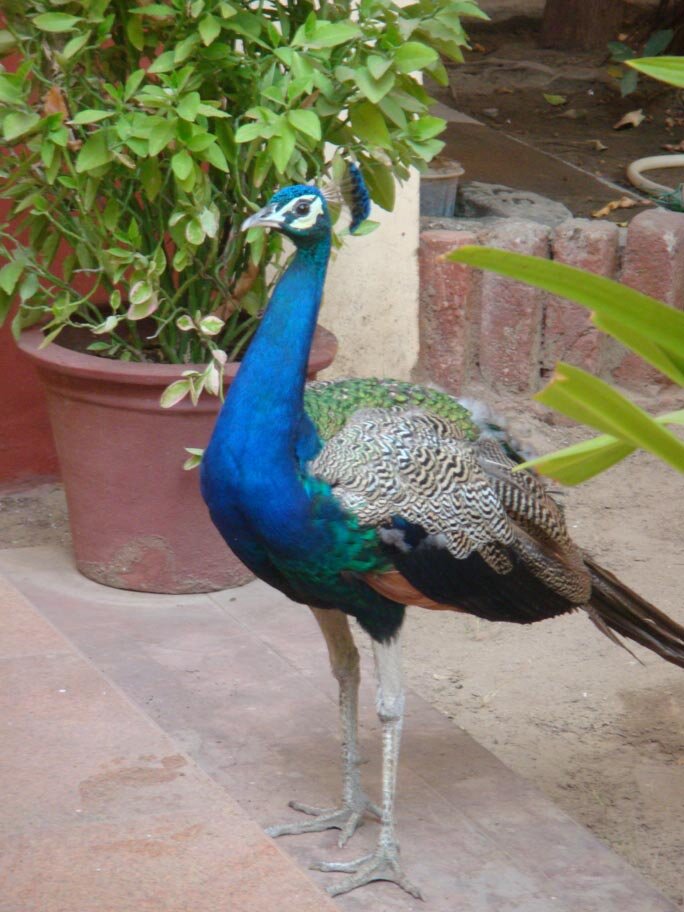


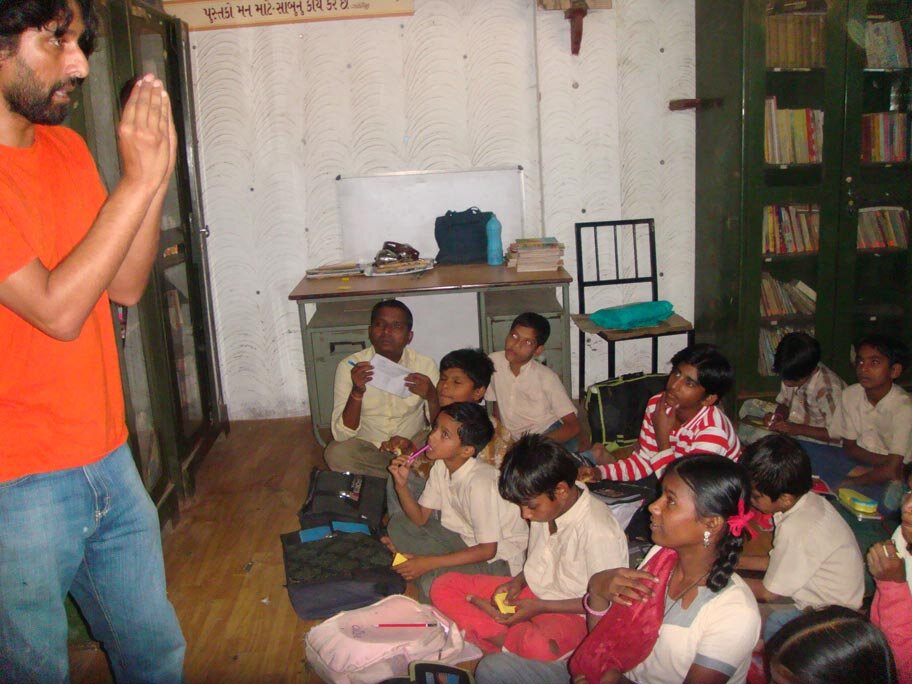
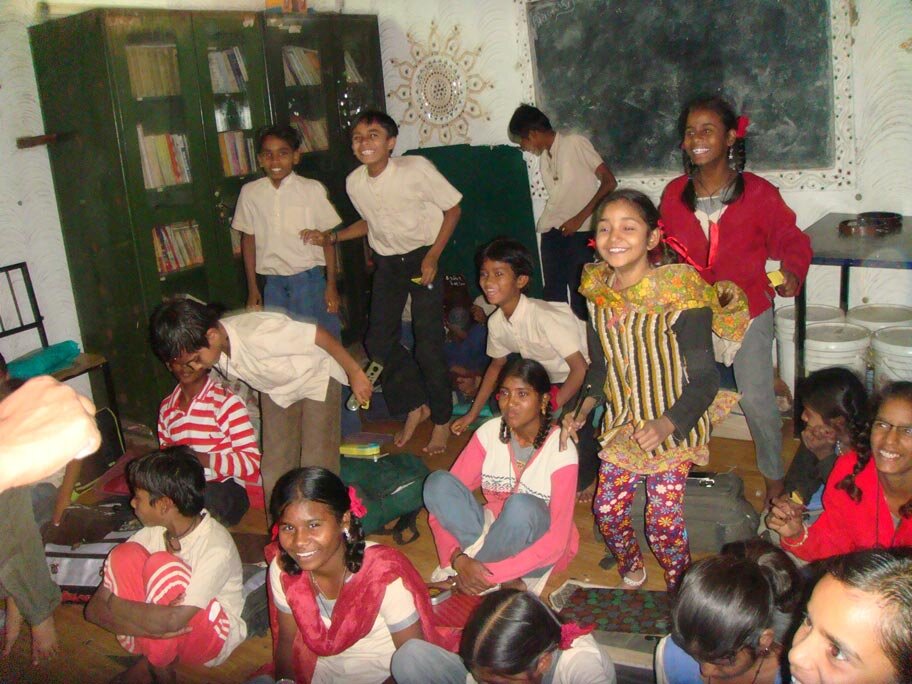
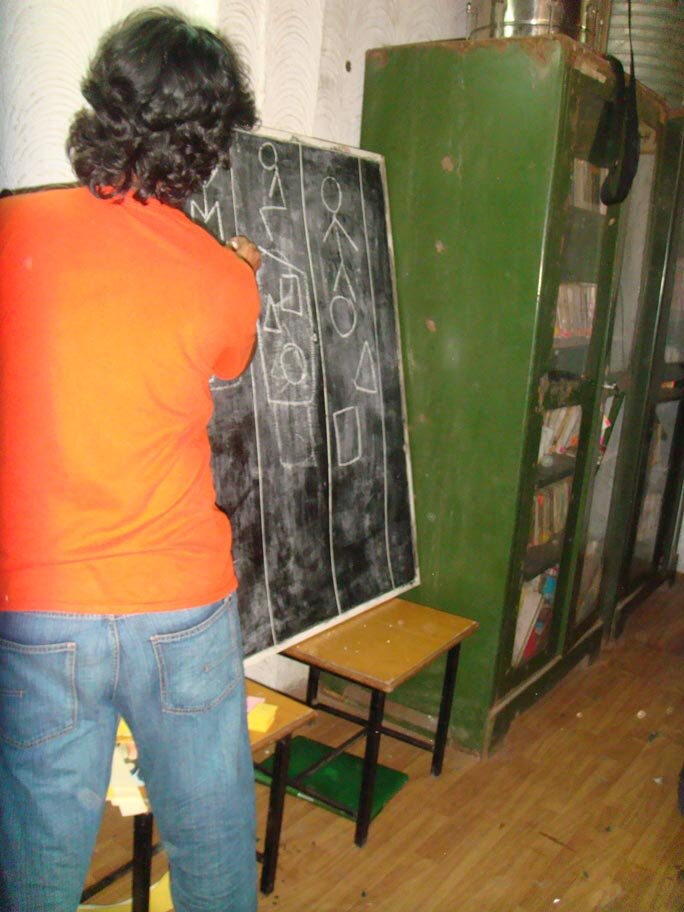

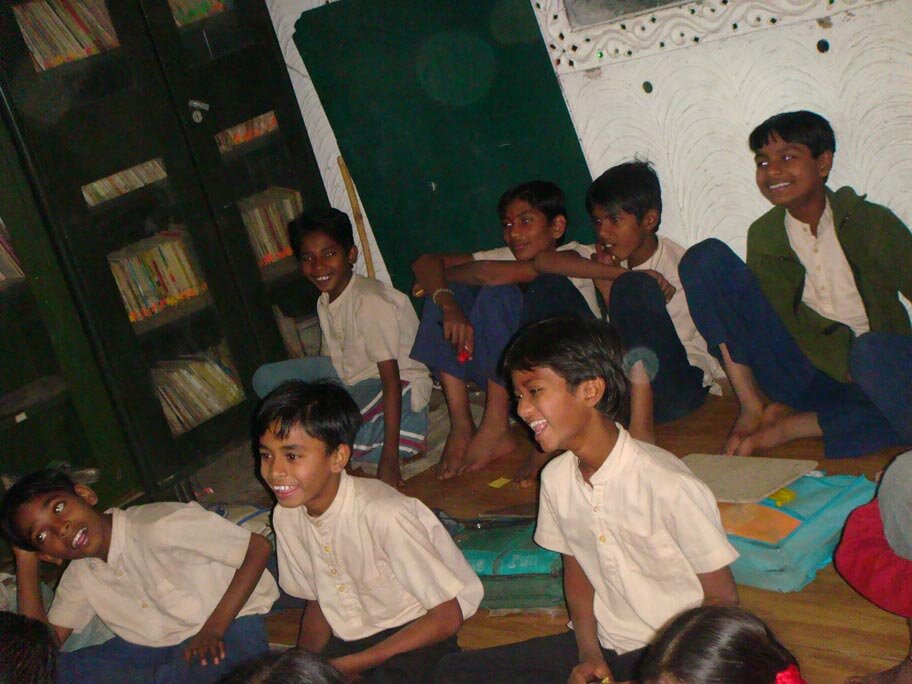
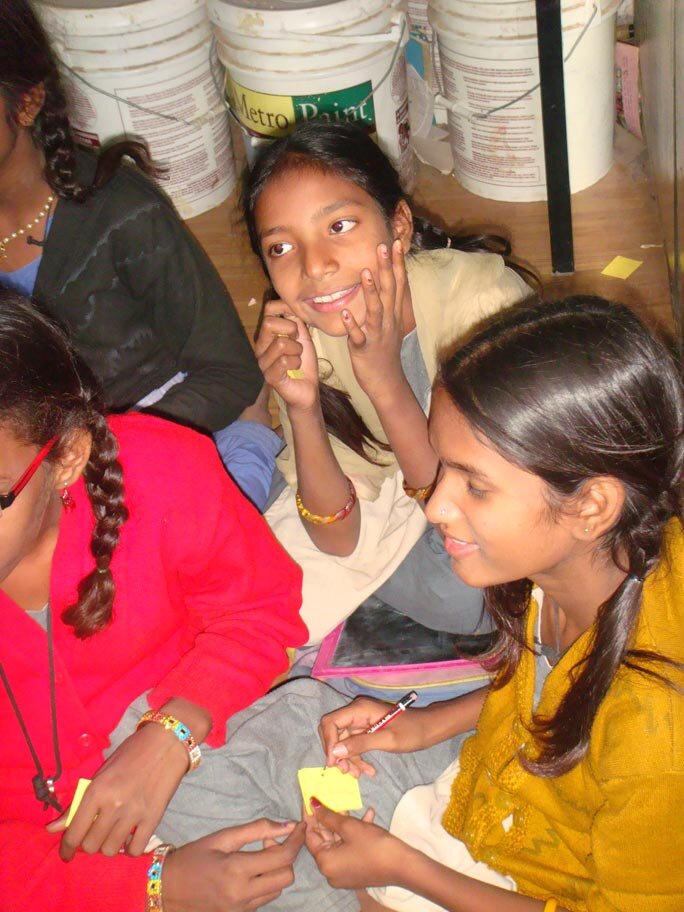

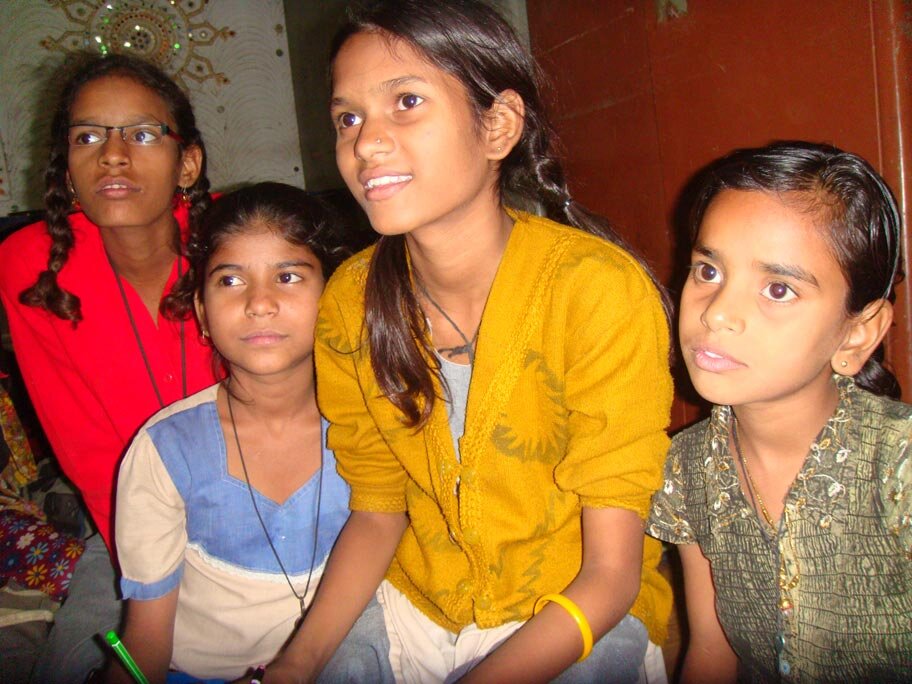


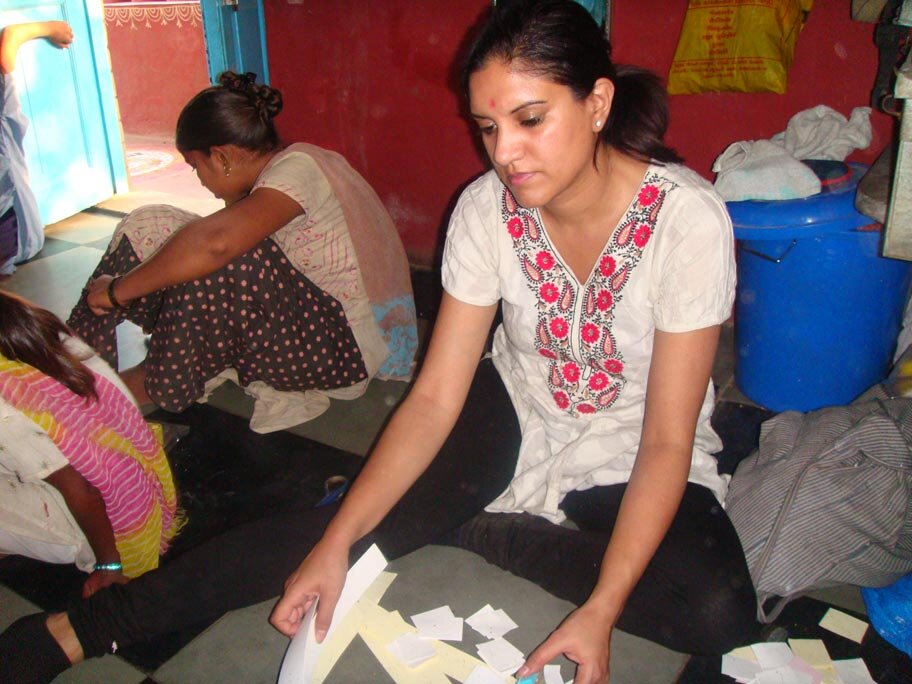
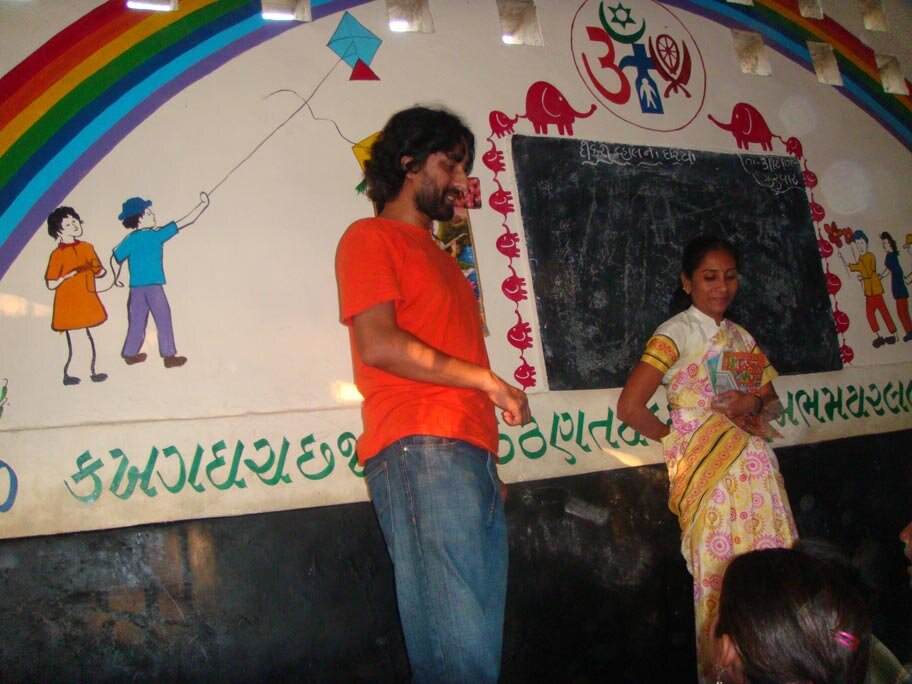
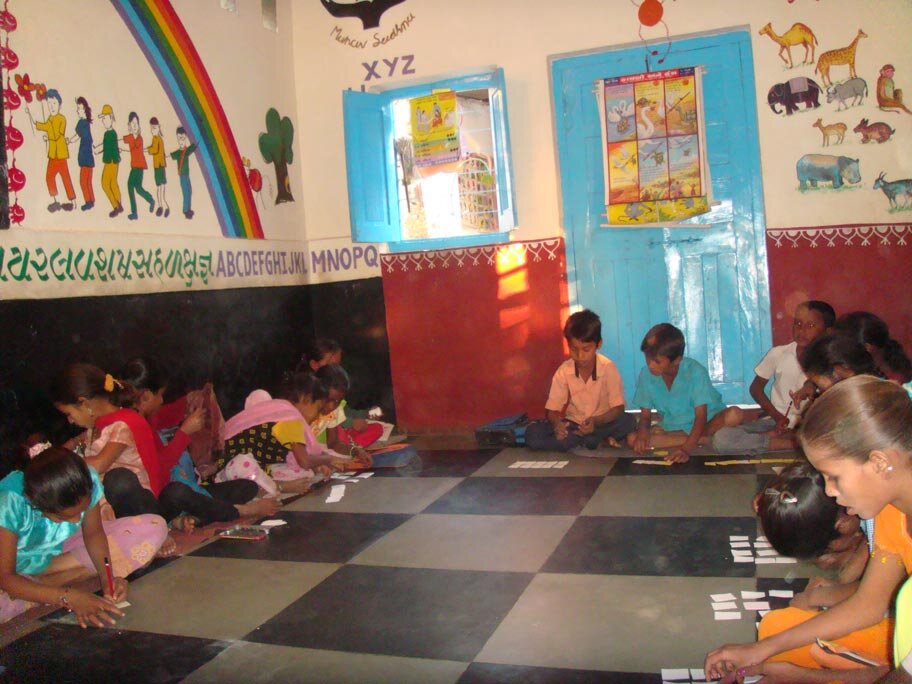
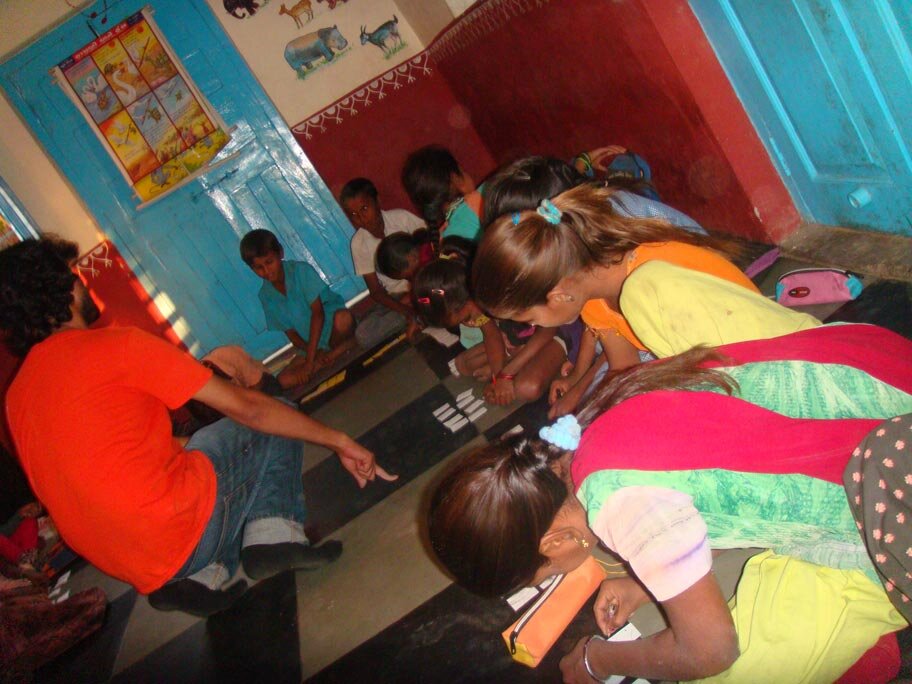

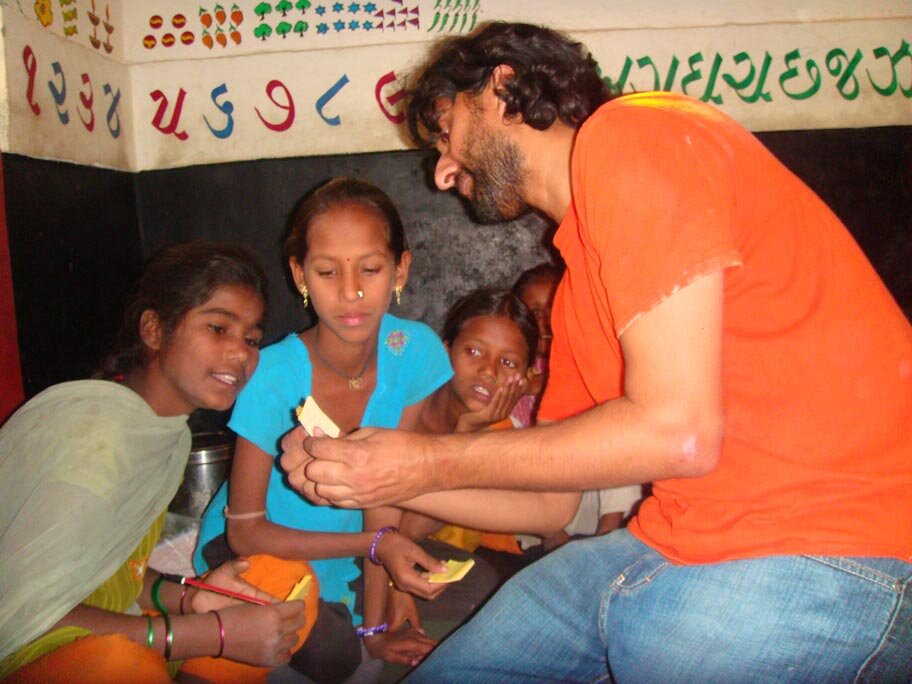
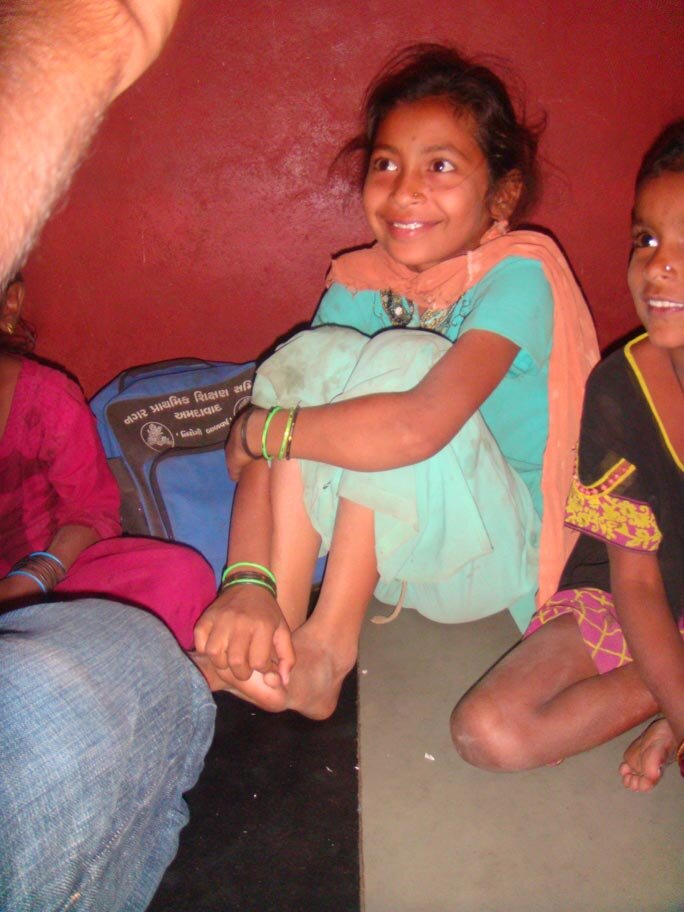
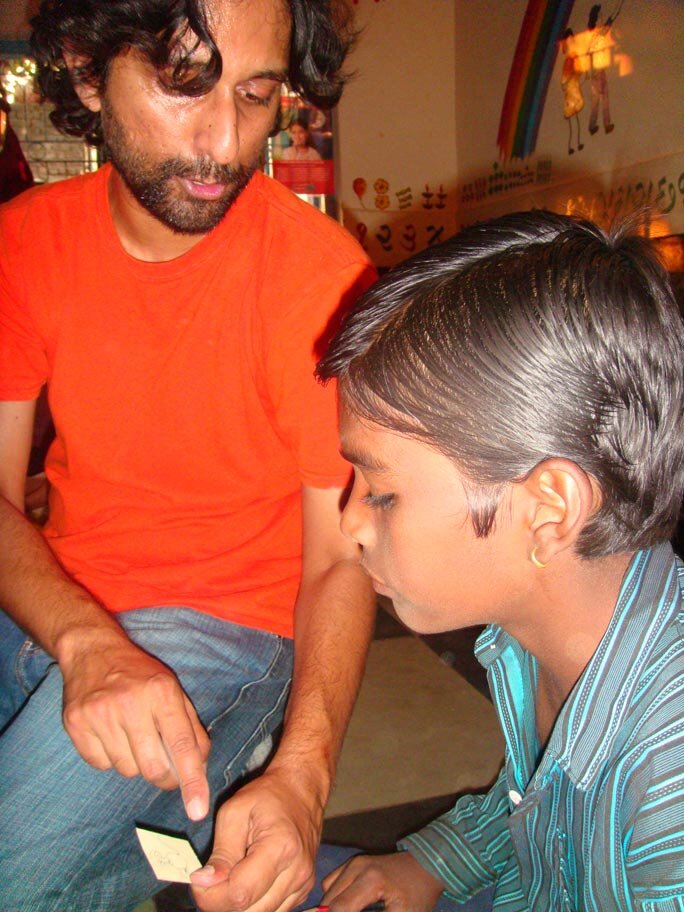

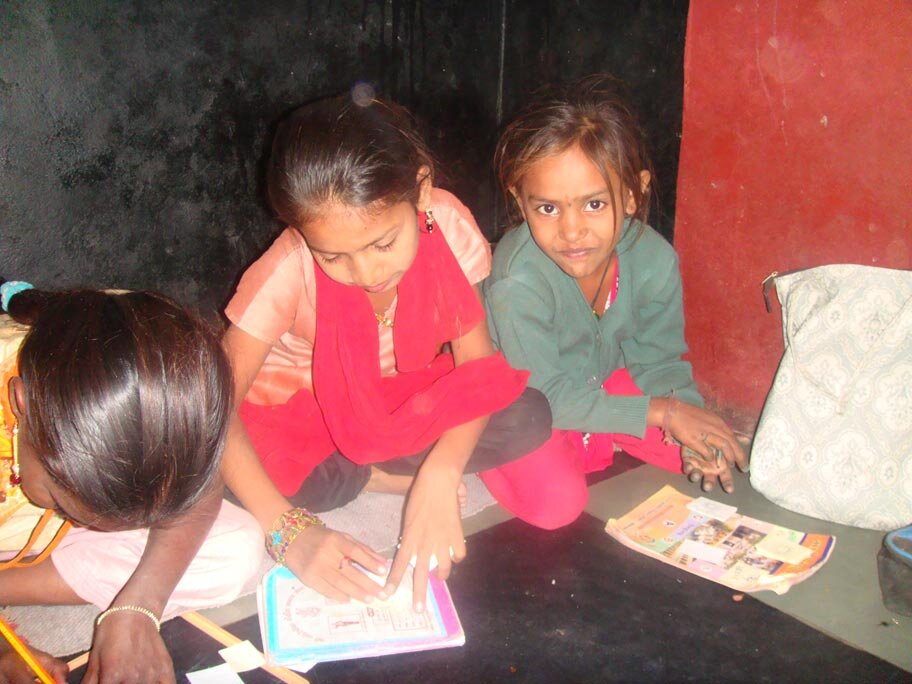
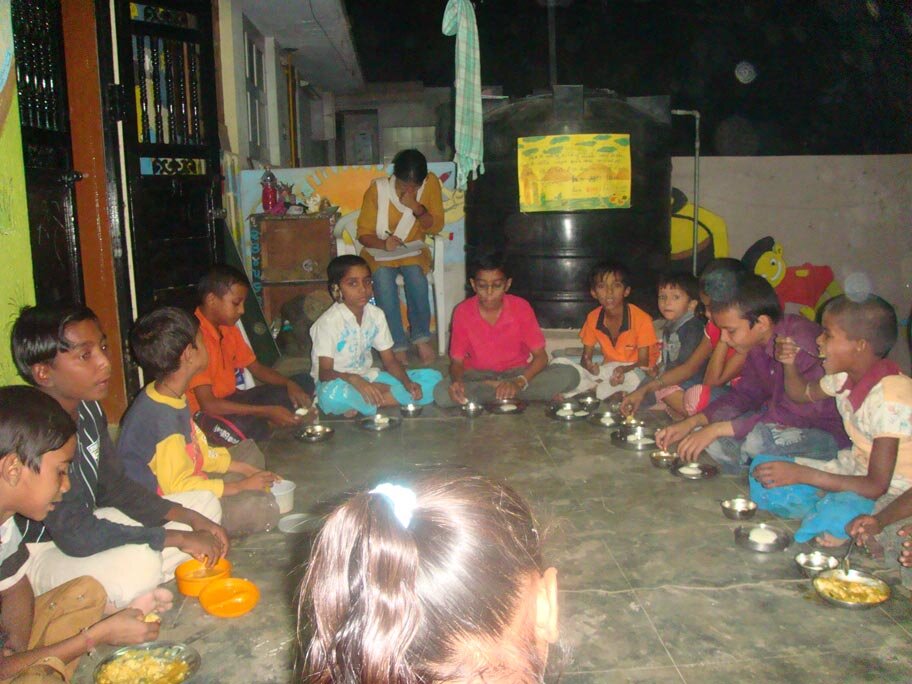


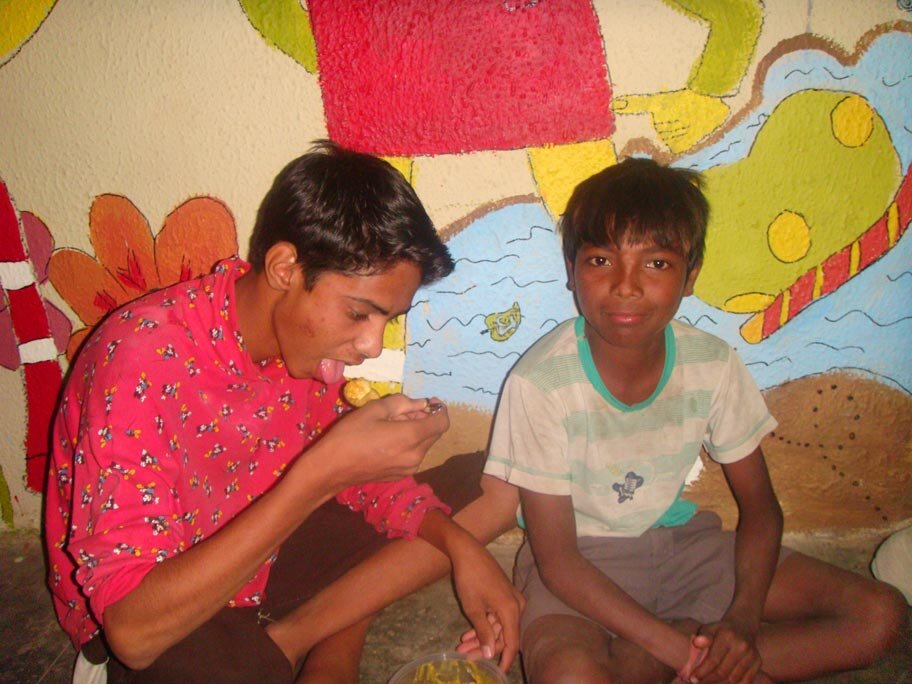
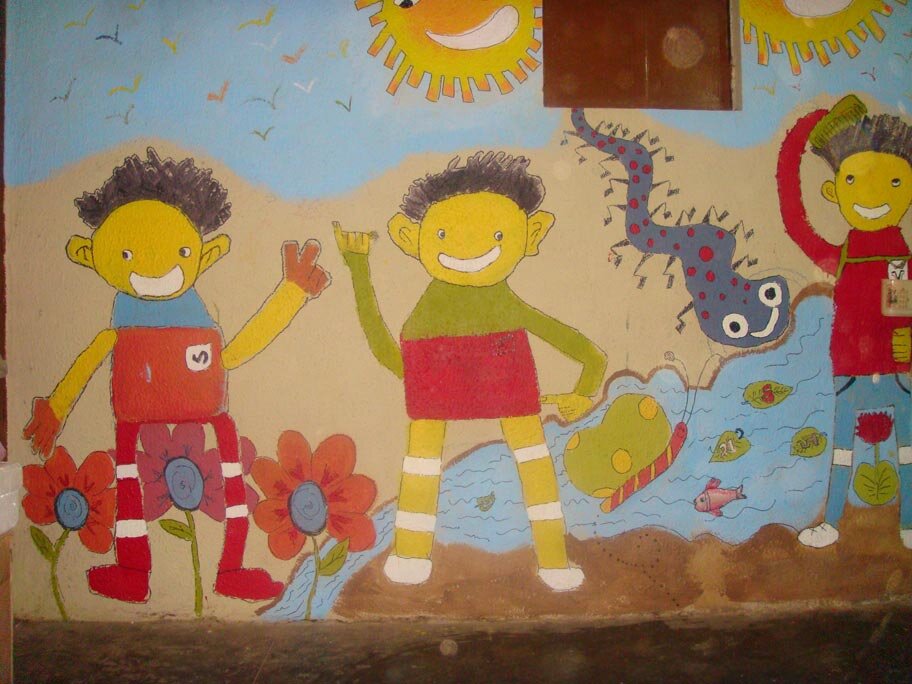
The next day we went to the Dalit school across from where the earn and learn kids meet. I had peeked into the school the day before and I can't quite describe how excited I was to share animation with them. The children I met so far have really been an energetic and amazing bunch. Many are not used to discussion questions in class so carrying on an in depth class discussion has not really worked, but they are bursting with energy, creativity and most of all a genuine desire and willingness to try new things and learn. This really does a lot to make what I am doing with the children possible.First I was introduced to the class. Then, as Kristeen continued to cut paper, I asked the kids if they understood Hindi (as Gujarati is their first language) and then liked cartoons. Thankfully they all said yes to both in a cute little chorus. When I asked which cartoons they liked, they would say Tom and Jerry, Chota Bheem, Popeye or Chooha Billee Wali (cat and mouse one :) ) Since most of the kids had seen "Tom and Jerry", I explained how just like they do drawings, the people who made "Tom and Jerry" made many drawings of poses to show Tom running after Jerry.These kids live away from their parents in order to be at this school. They are absolutely beautiful. It's so much fun to get them started with the shapes which they all know and can draw easily. Then coaxing them through that first flipbook with the shapes is fun. Kids eagerly ask if they have done it right as I go around the room, and the sweet thing is that no one really does it wrong. Each drawing will be different even if they try to make them the same and so when they flip the pages, it will move. Walking around and just talking to each kid and congratulating them on their very own cartoon is so fun. They really feel so happy, and I do too.Next I went back to the blackboard and showed them how to draw stick figures in different poses, including getting them all to jump up and down to show me what jumping looks like and also joining them. Then I drew some different things on the board and gave them the option of choosing one of them, or making something of their own. I drew stages of a flower bud blooming, fish, a cricket bat in the hands of the stick figure and more. Then the kids got started. Many first copied what I had drawn, then started creating something of their own. It was like magic to look at a child's flipbook and show them the movement they had created, and then hand it back to them and have them flip it and see it come to life with their own little hands. Next we tracked down a school in the slum and repeated the workshop there. It was so sweet how the teachers welcomed us and most of them participated too. The kids were so eager and full of energy and excitement. Much like children I have seen in Casa De Paz orphanage in Mexico, these kids are so sweet and nice, full of cute naughtiness but so eager to do things. It is really quite humbling to share something with them and see them go from confusion to understanding. It takes a lot of energy to give each kid the individual attention they need and foster that confidence when they ask if they have done it right, but to be able to get everyone creating and understanding within 2 hours is worth it. I love seeing all those crazy, cute, happy faces jumping up and down to show me their very own little animation.Afterwards, exhausted and grateful to have enjoyed such a wonderful experience, we caught an auto and made our way to the school for street kids. Unfortunately we did not make it in time to give a workshop, but Anjali shared the beautiful work they are doing with getting kids that literally live on the street and live unimaginably difficult lives to come regularly to a school and teach them about hygene and other health related issues as well as the core subjects that other kids are learning in school. There are beautiful murals in all of these schools and the kids are provided a nutritious (and might I add, delicious :) ) meal.
Manav Sadhana 1
Anjali, one of the amazing people at Manav Sadhana met me and within minutes was on the phone arranging workshops with the various schools in Manav Sadhana. I was really grateful for how everyone invited me in and trusted me with their precious time and resources. It is very humbling to walk into a group of truly dedicated and amazing adults and kids and to try and share something that you hope will be worth their time.
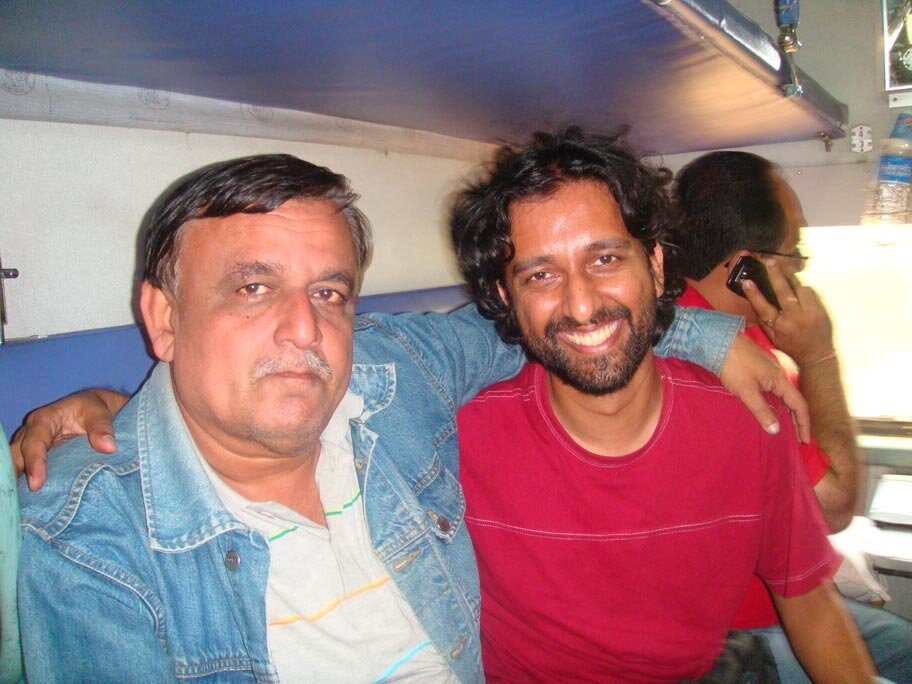
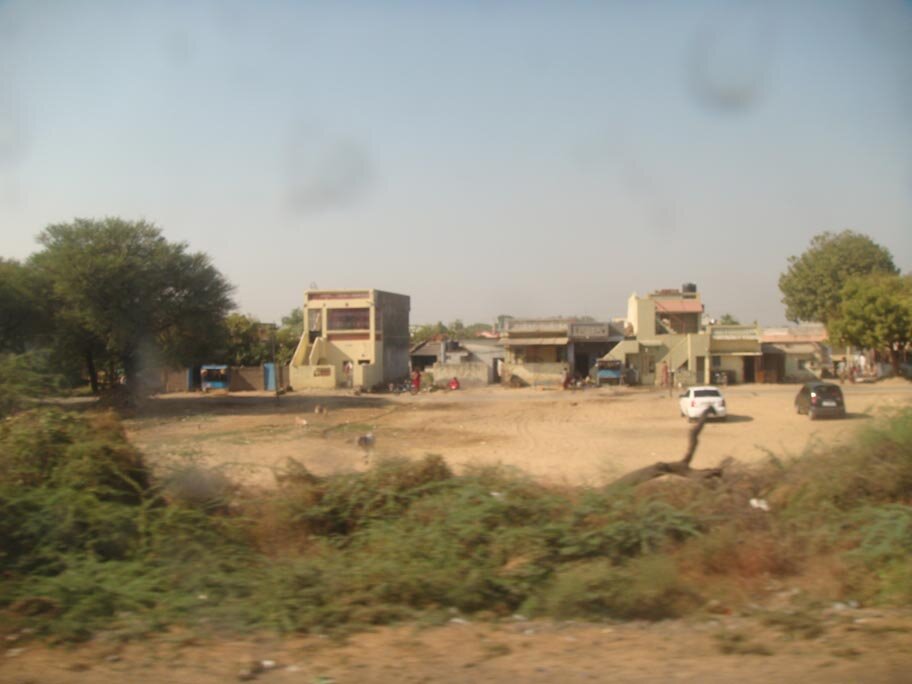
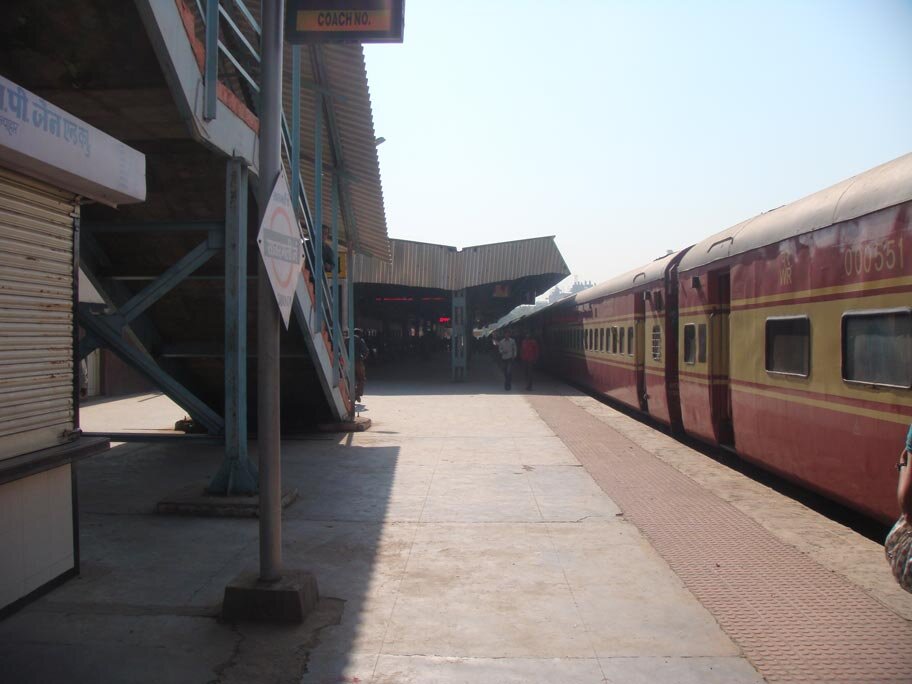
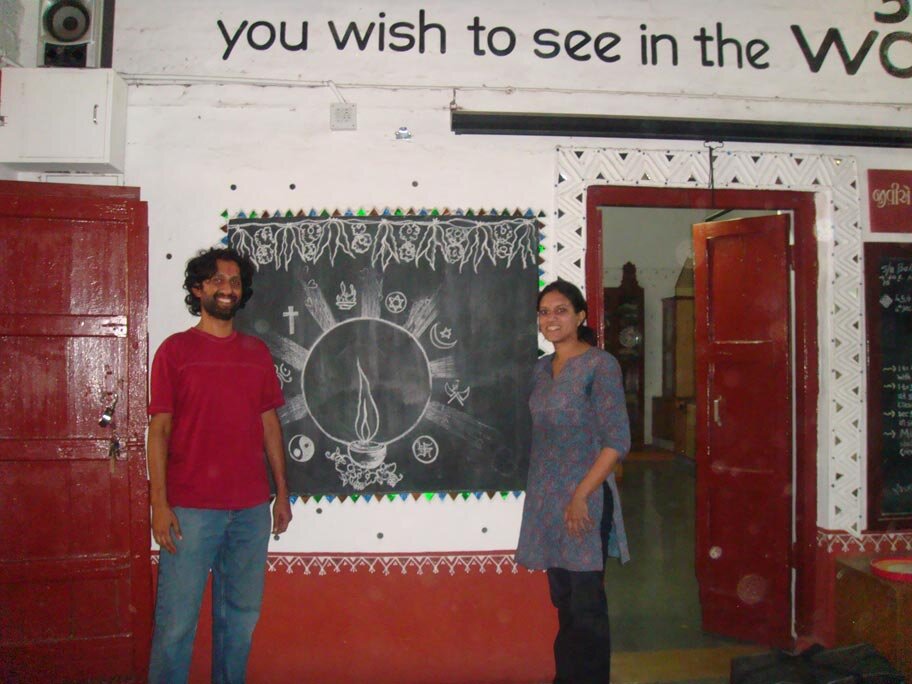
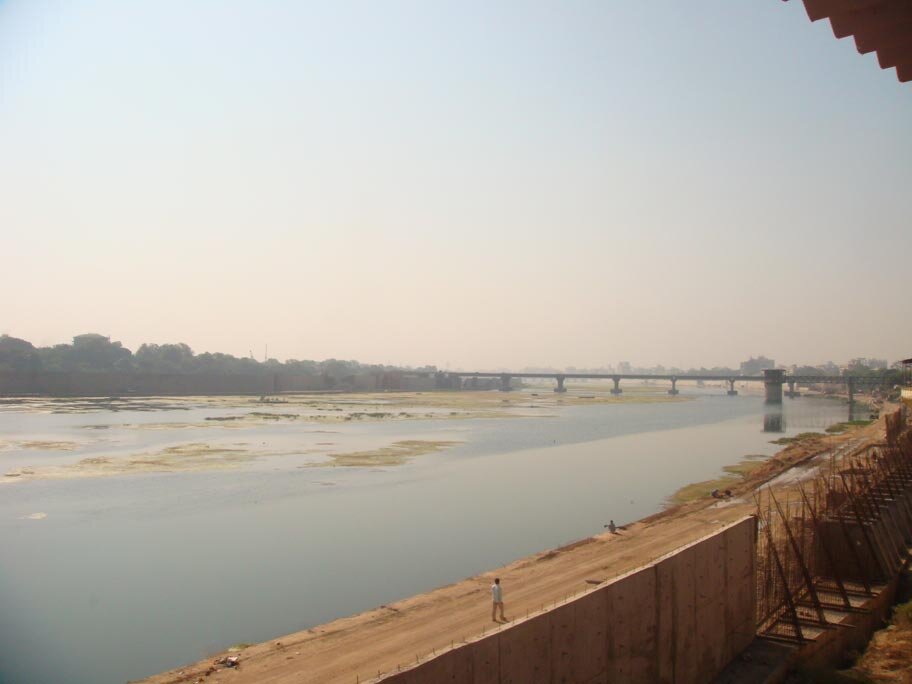
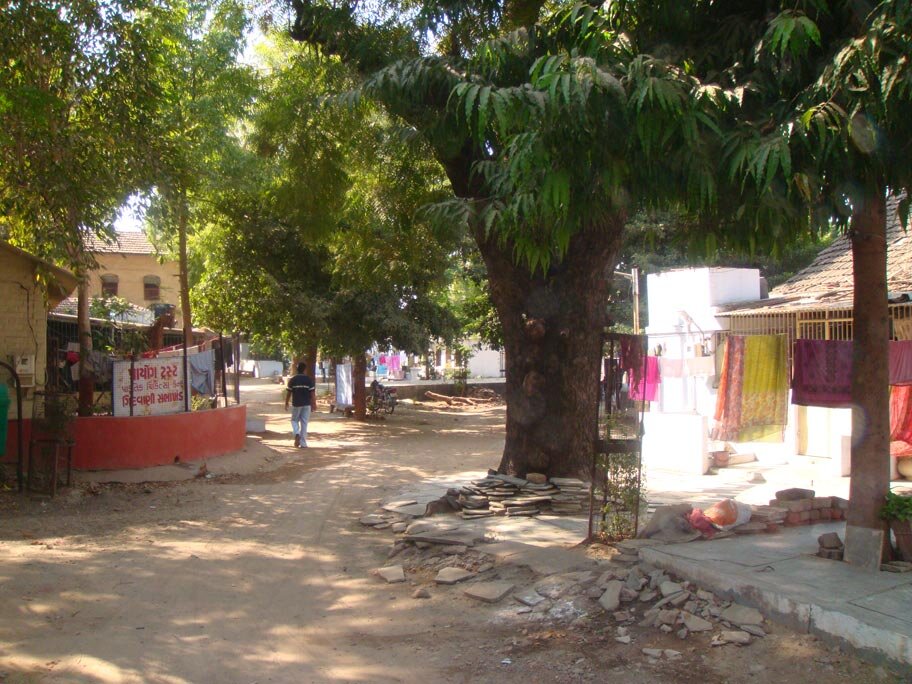
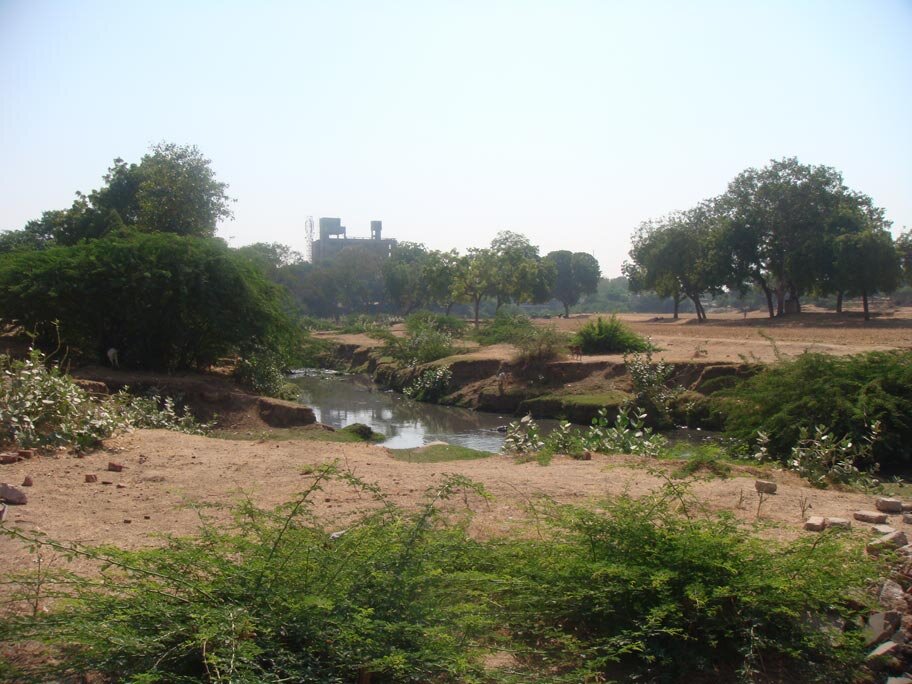
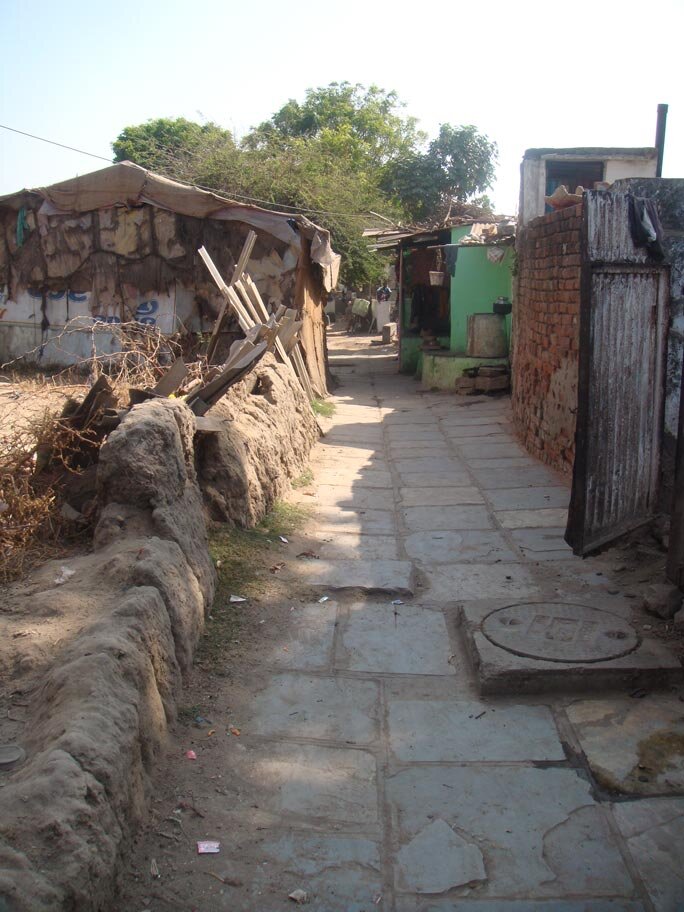
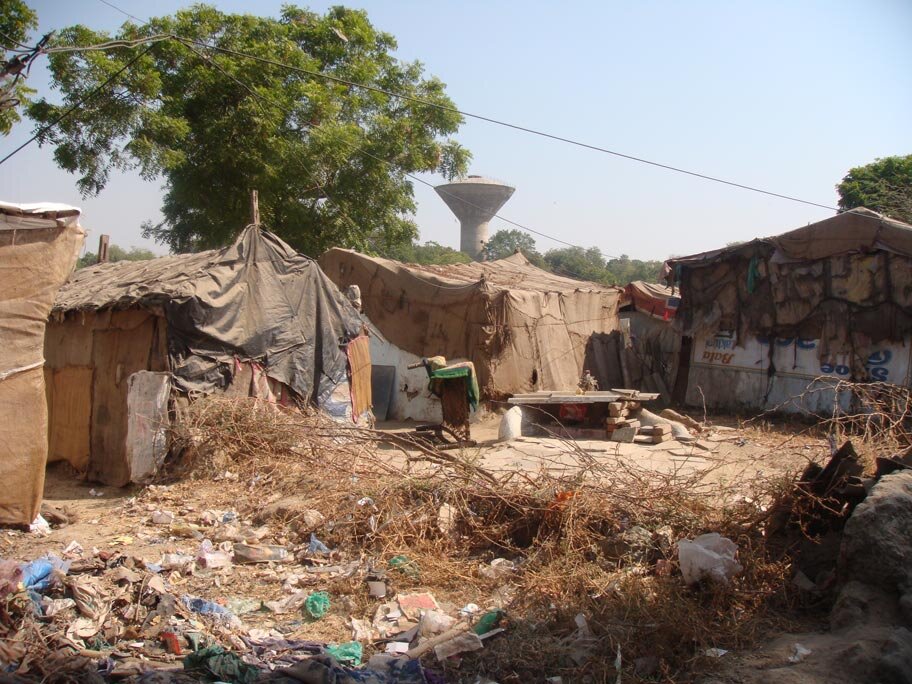
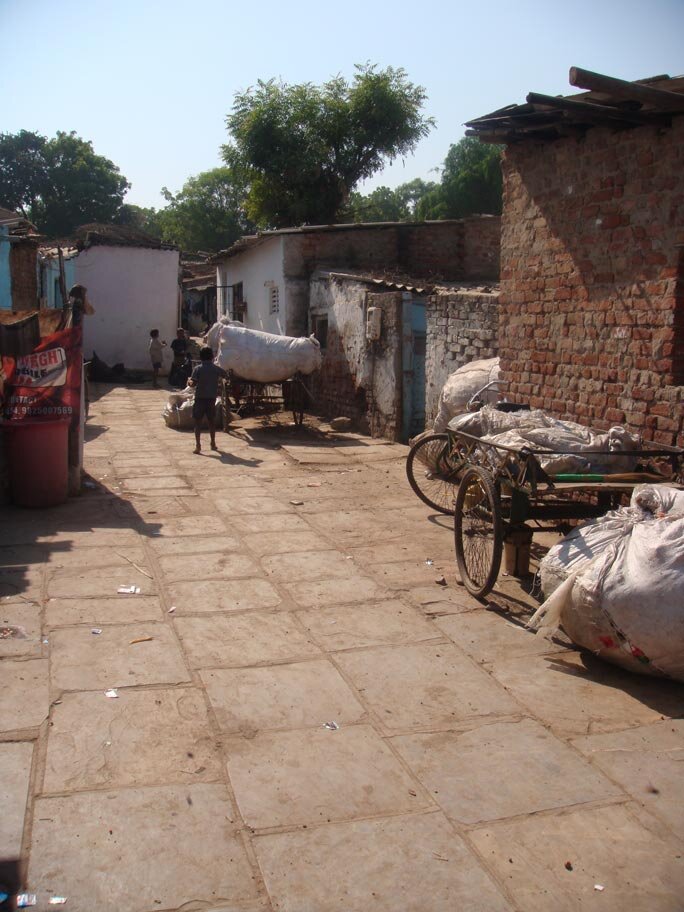
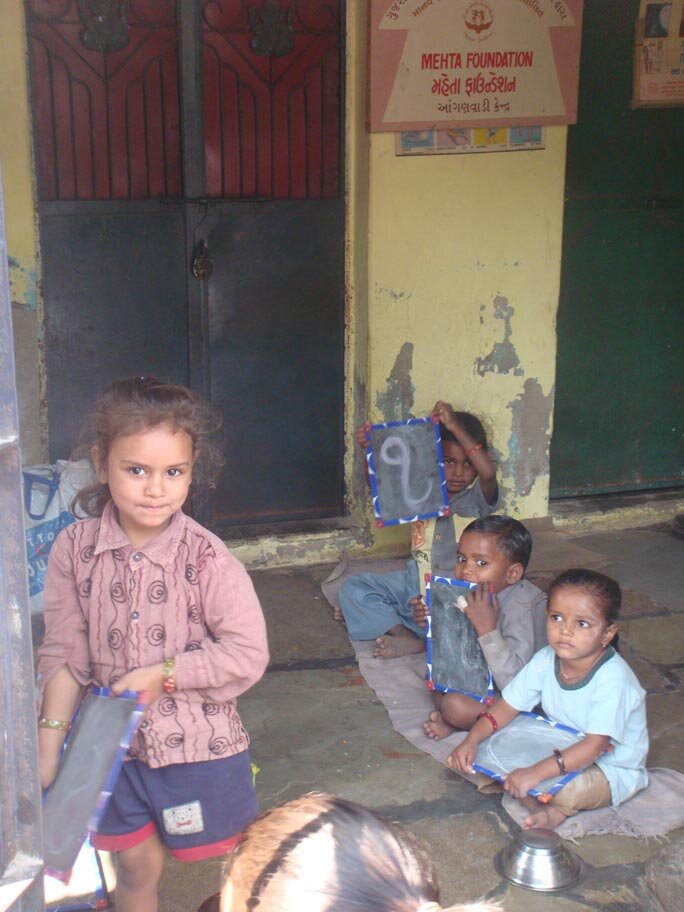
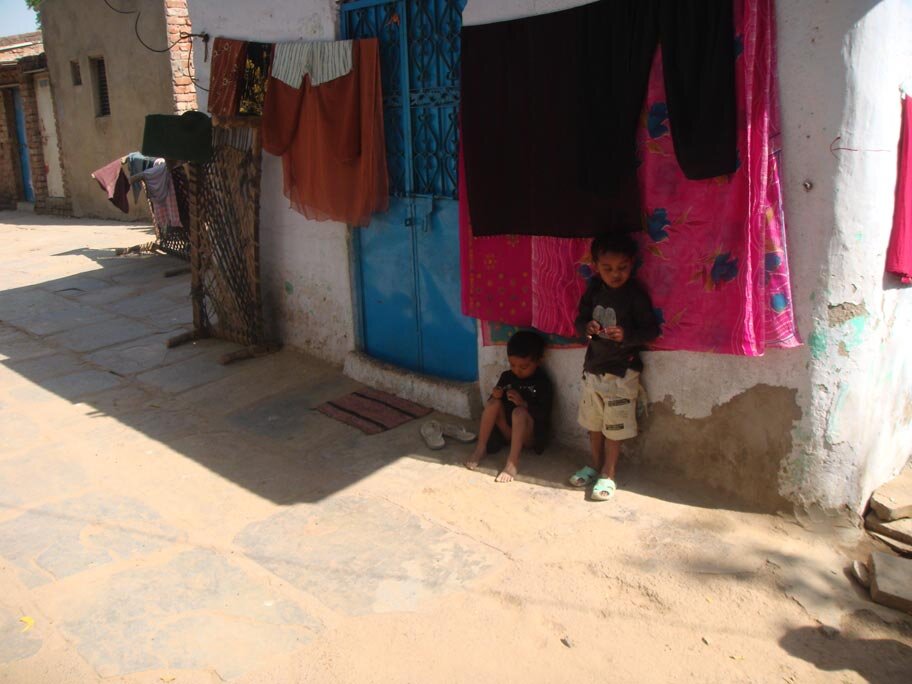
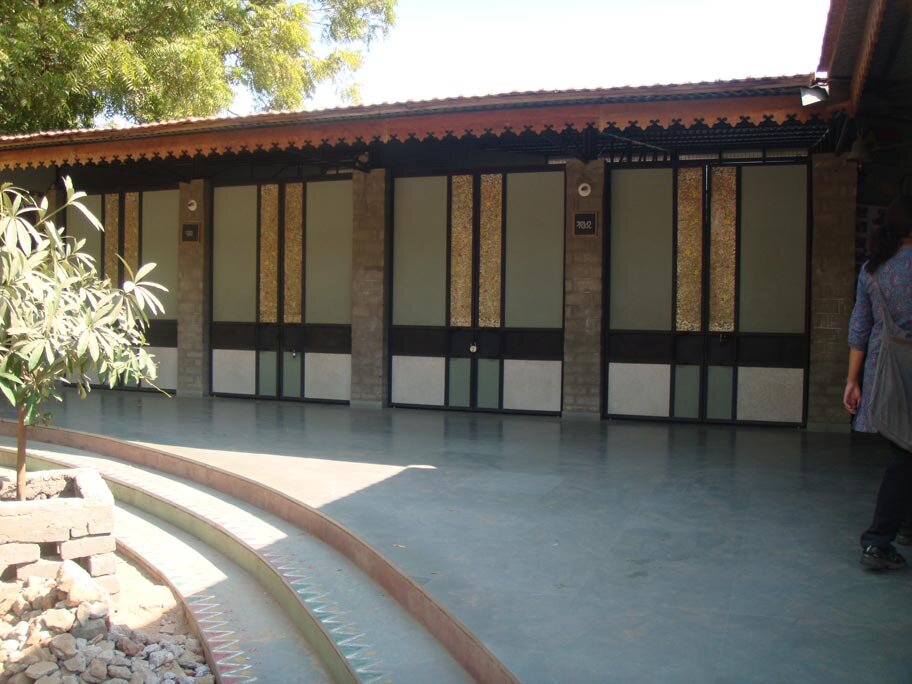
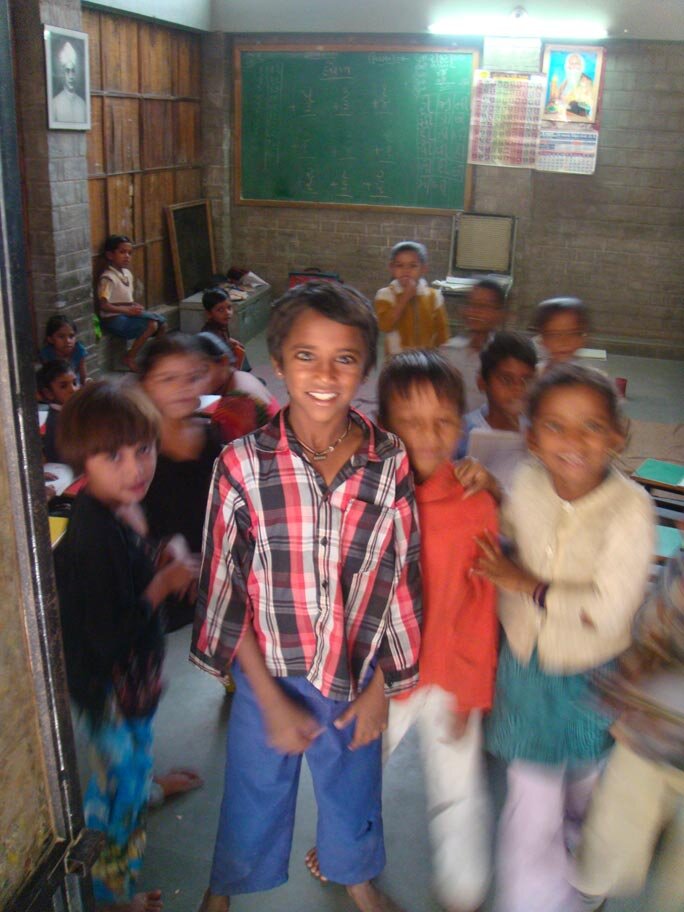
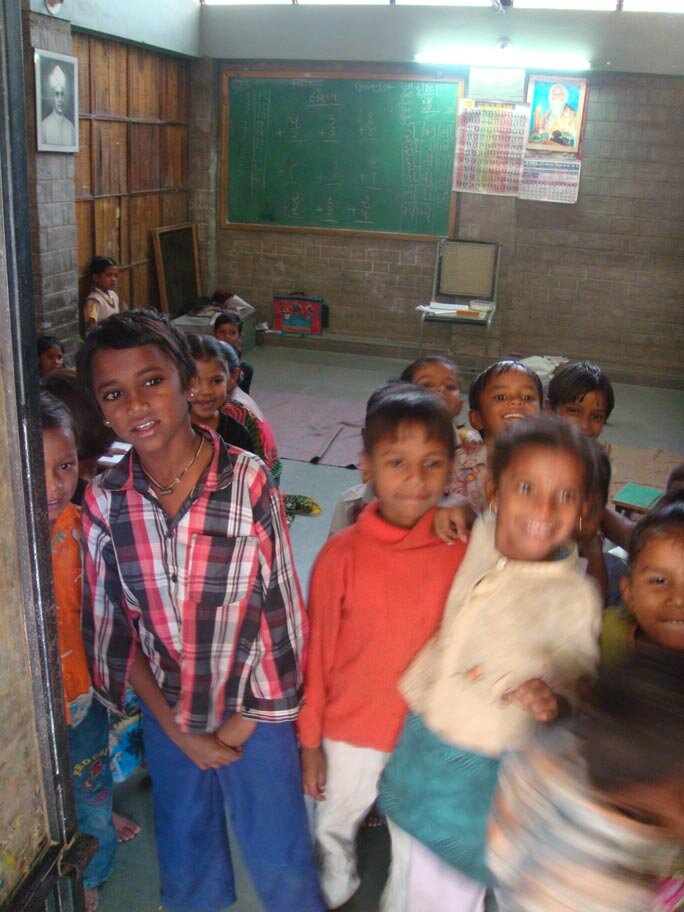
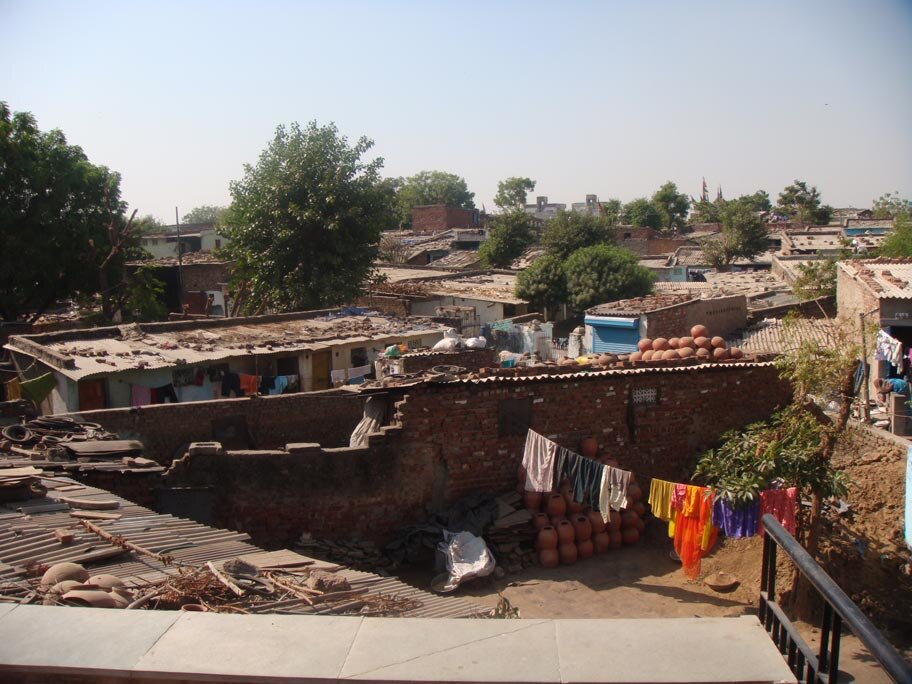
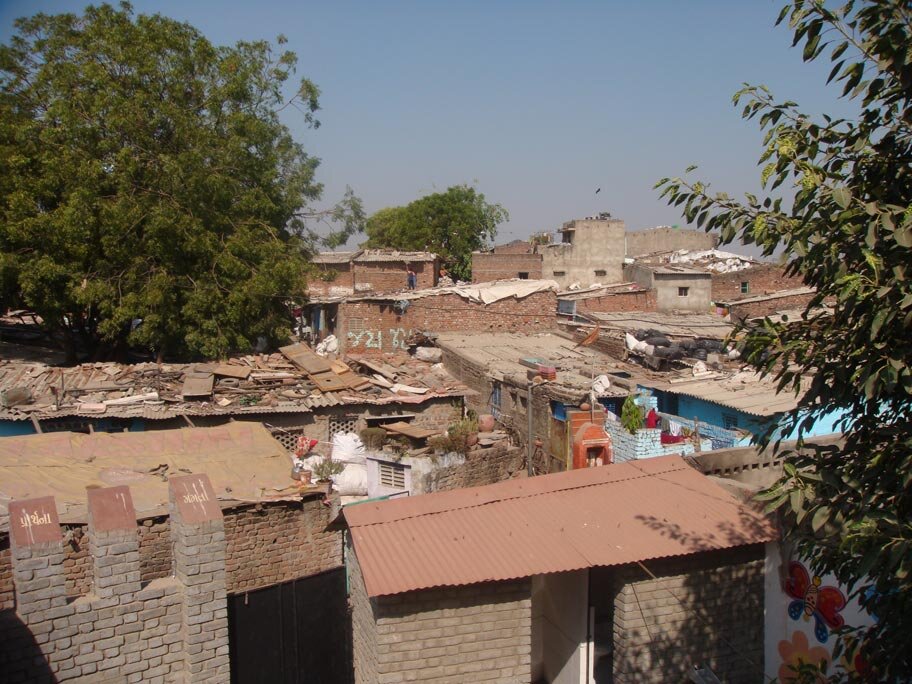
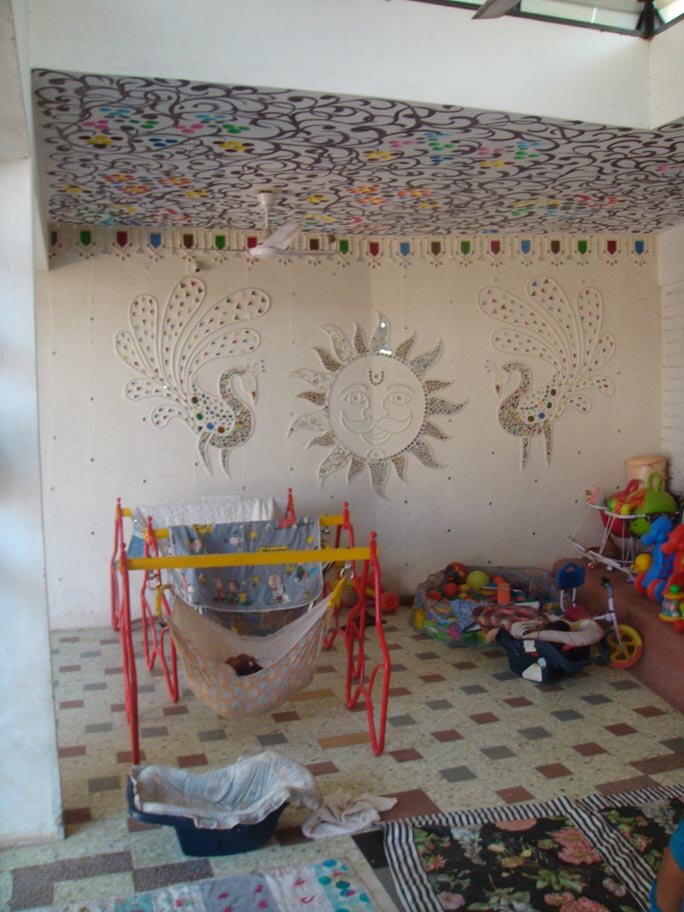
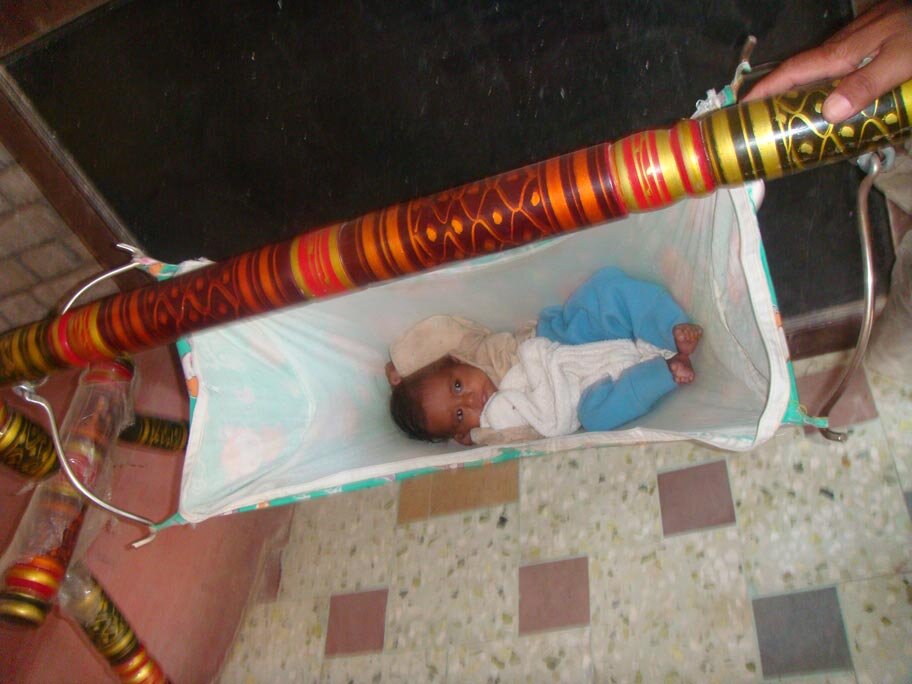
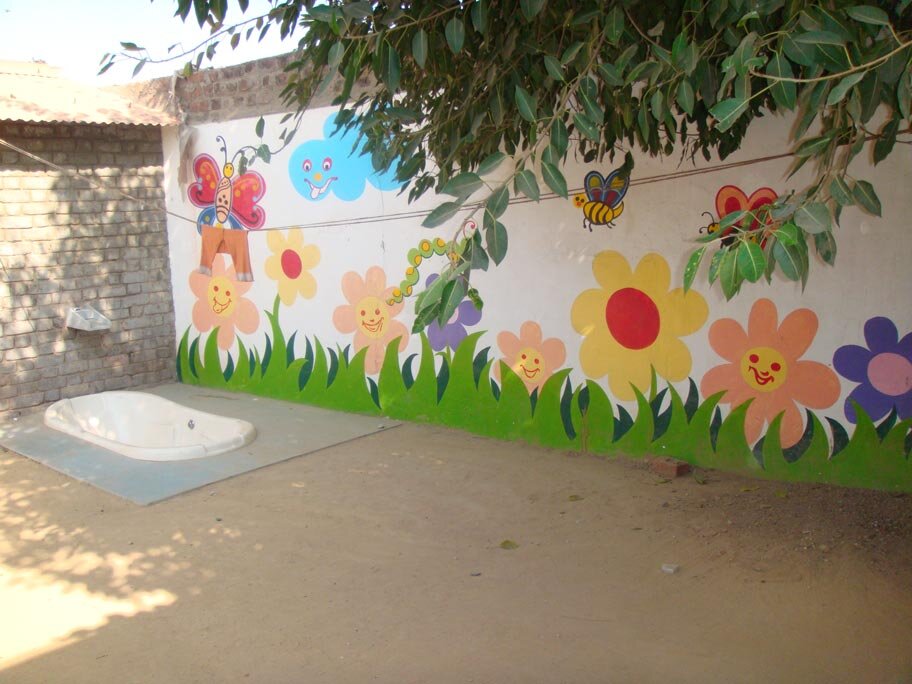
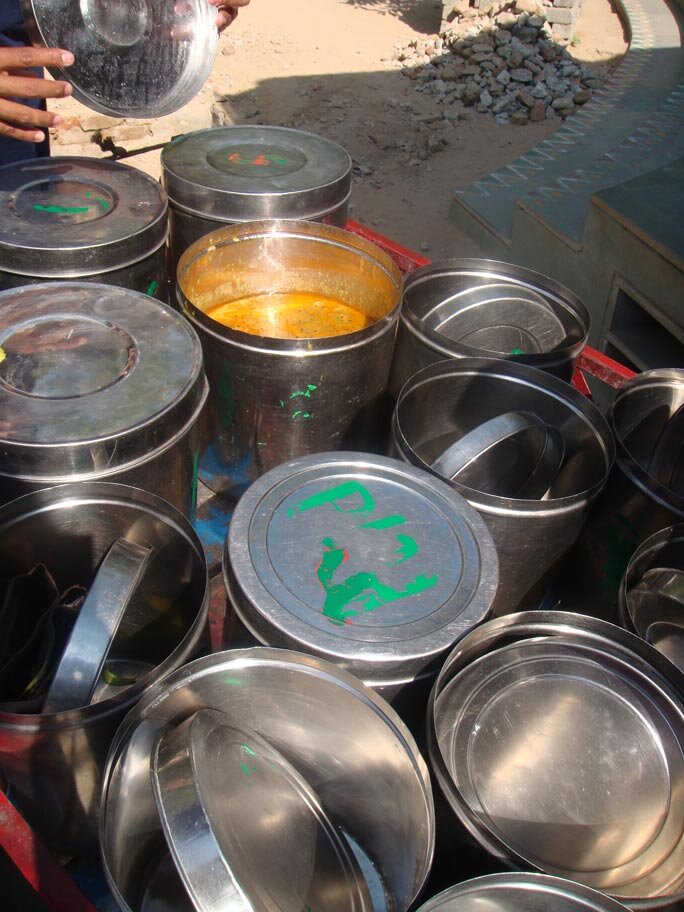
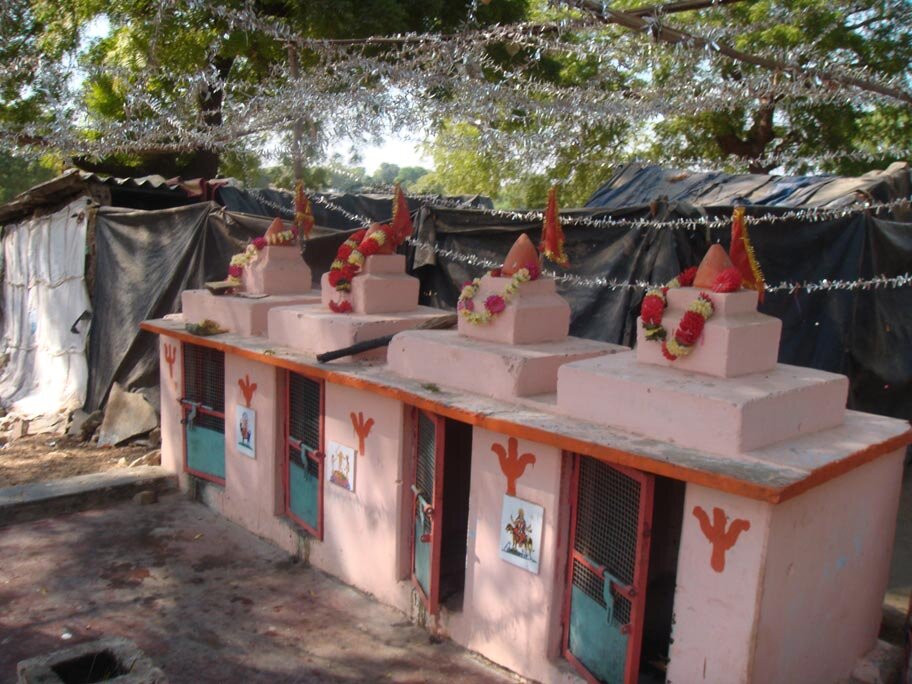
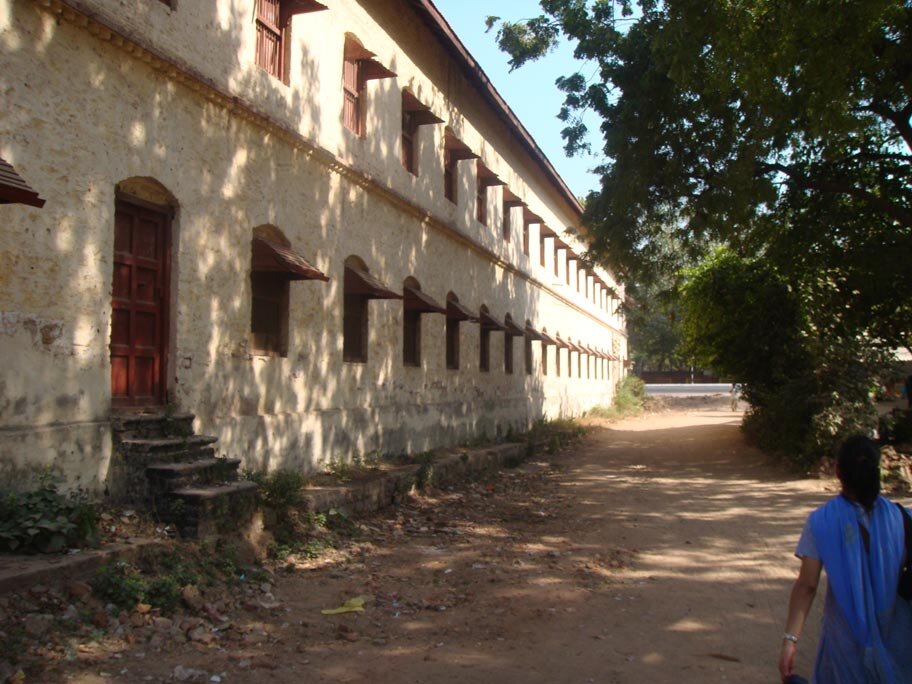
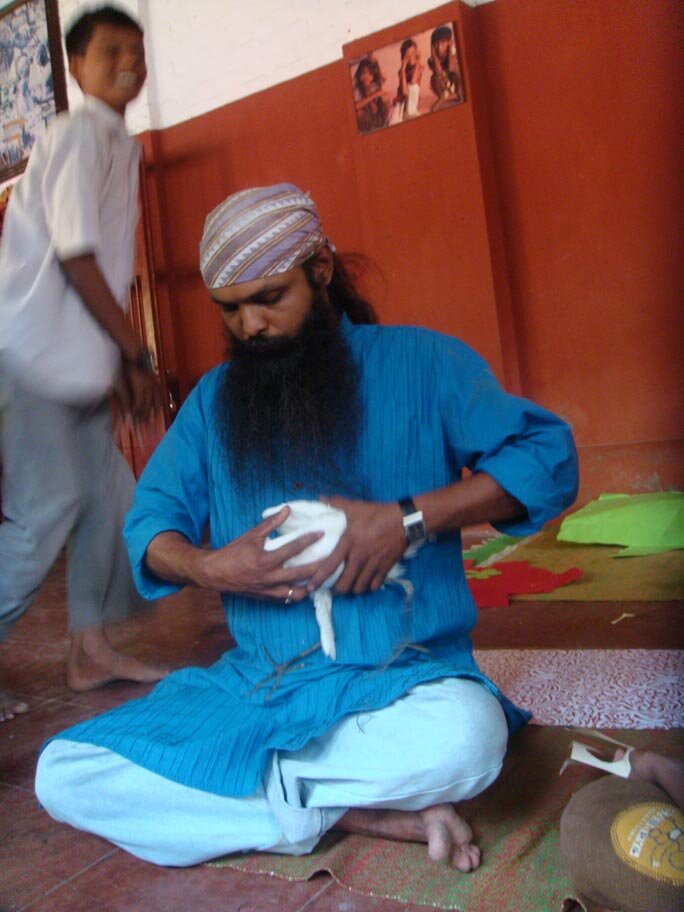
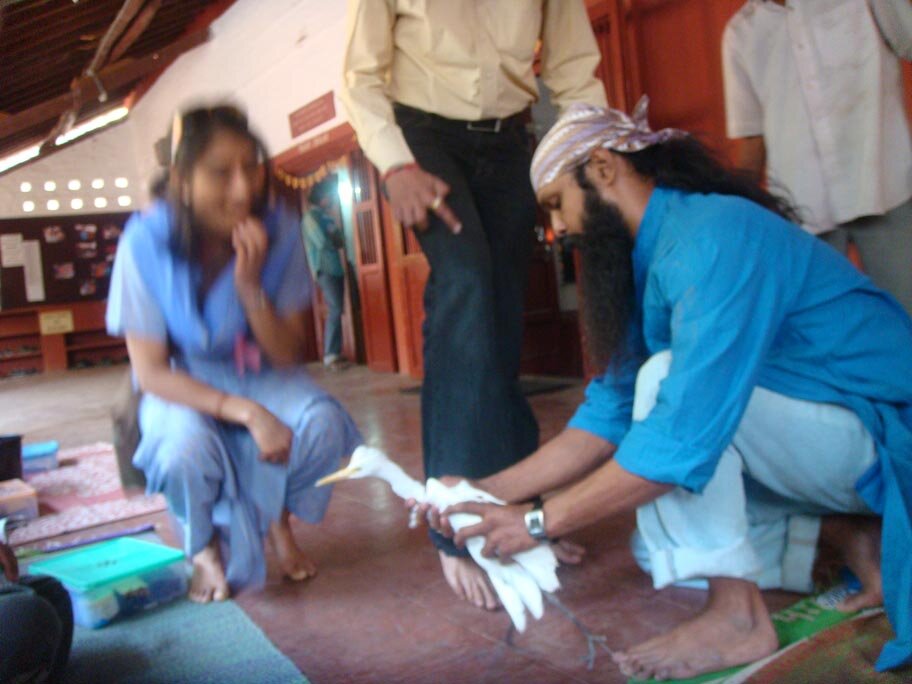
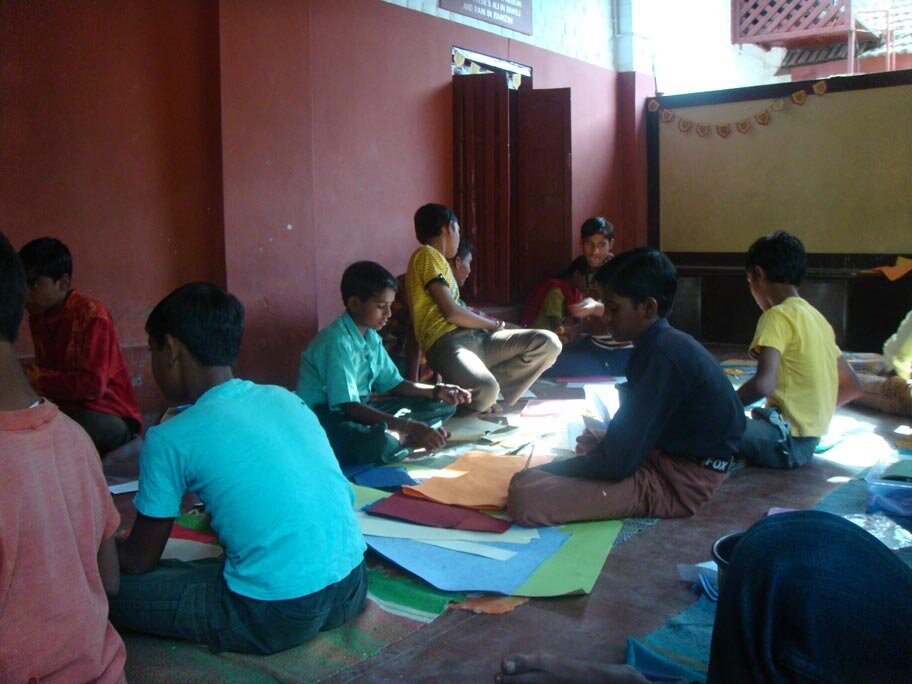
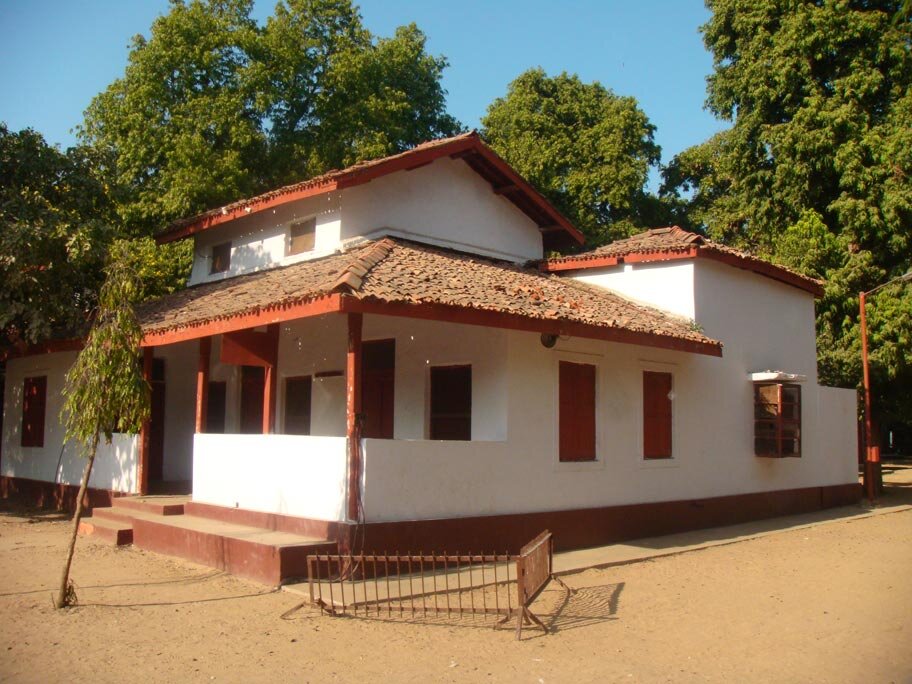
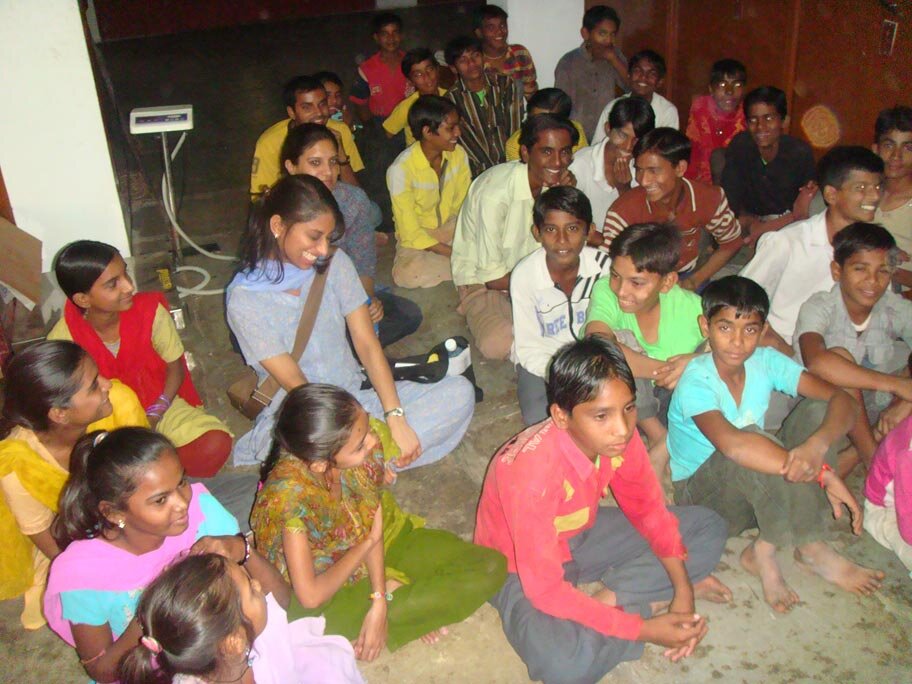
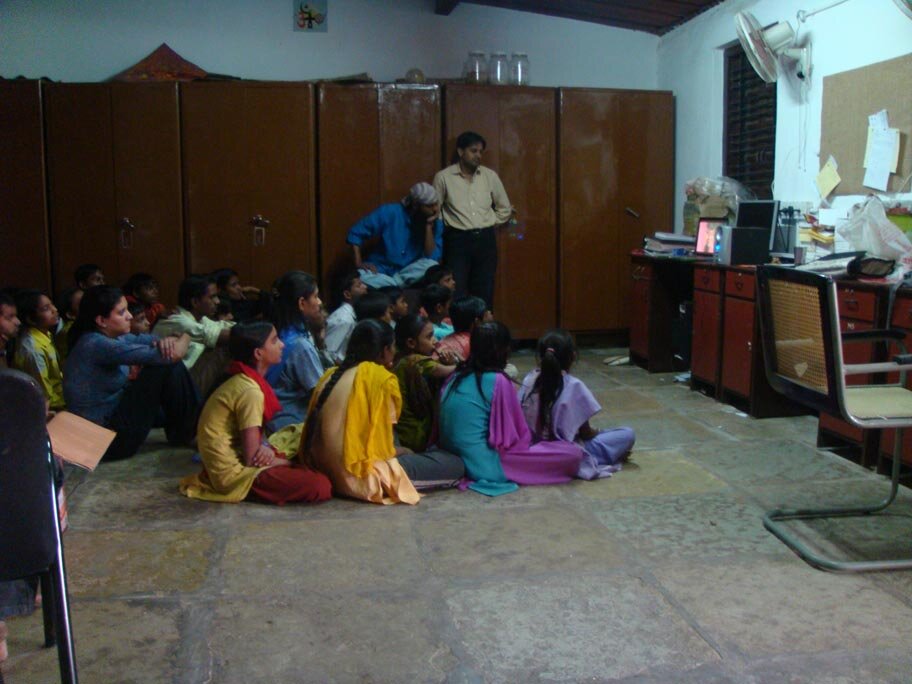
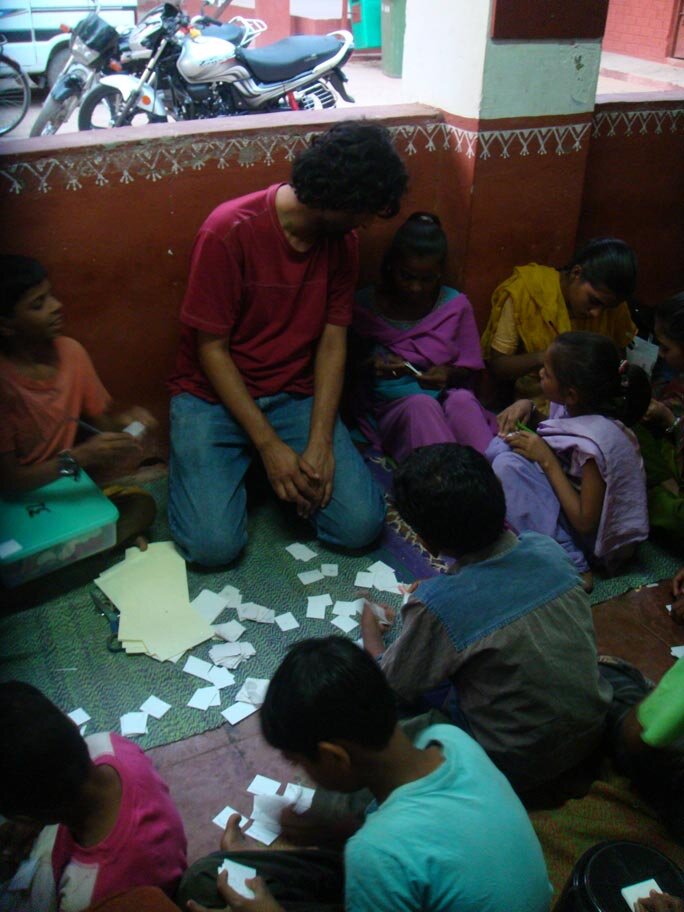
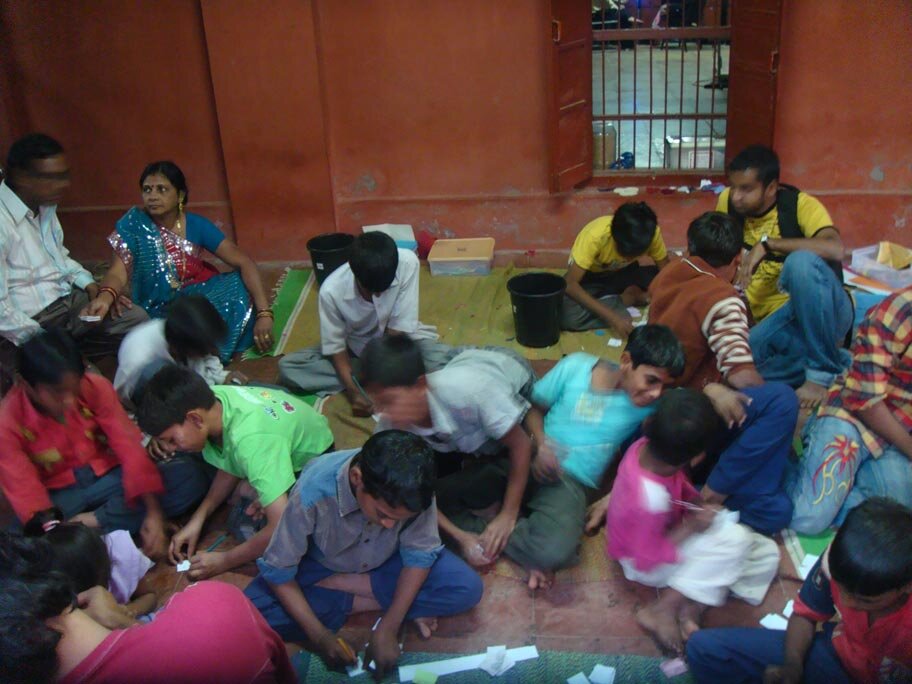
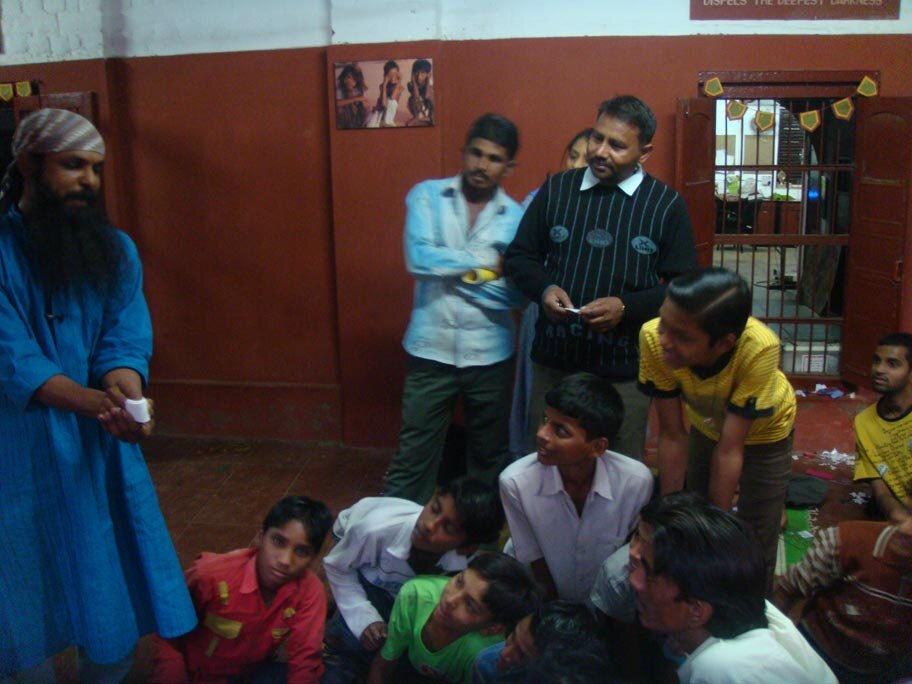
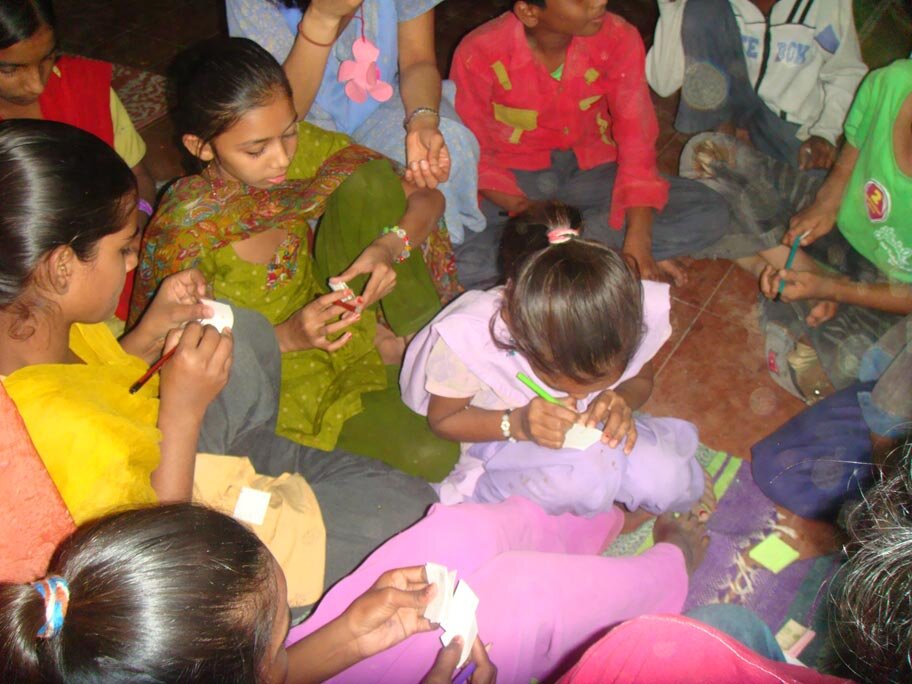
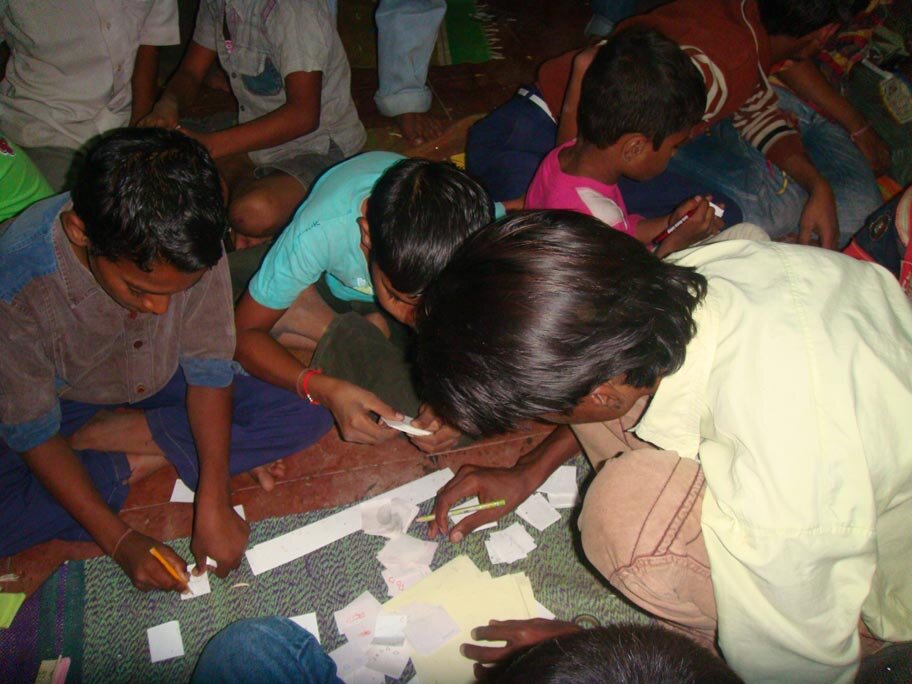
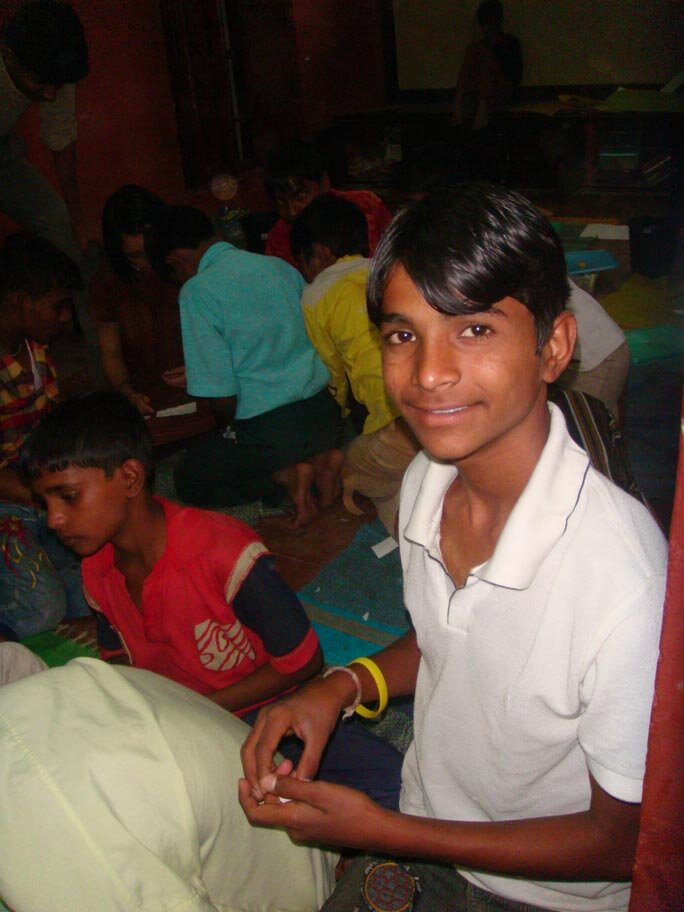
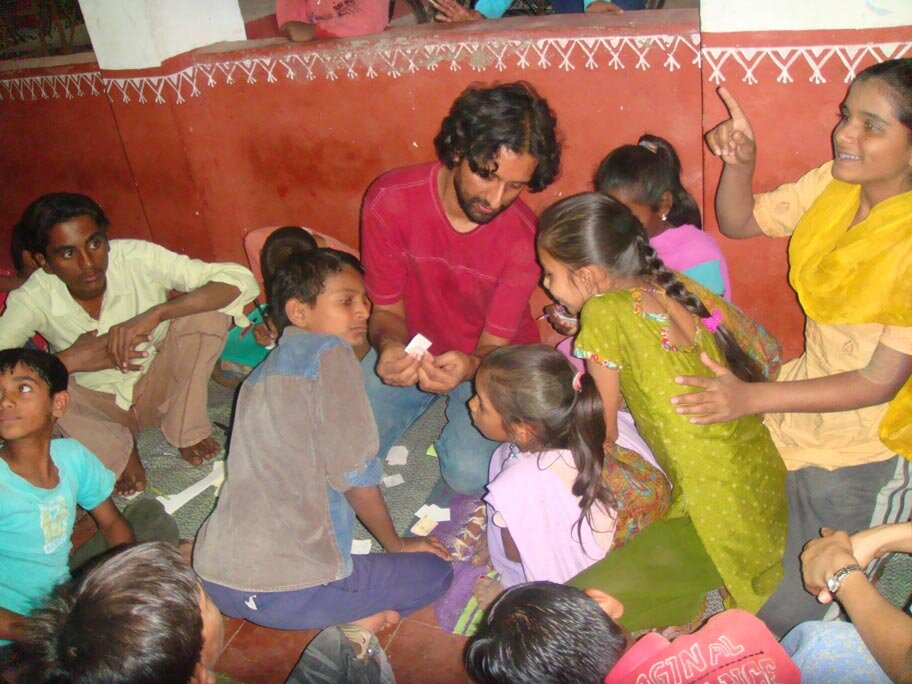
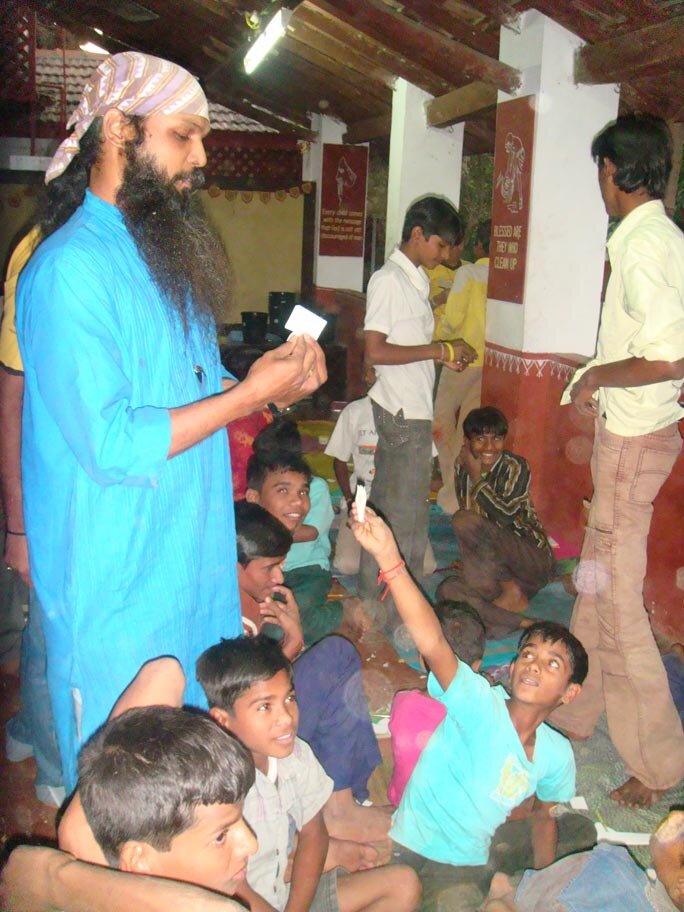
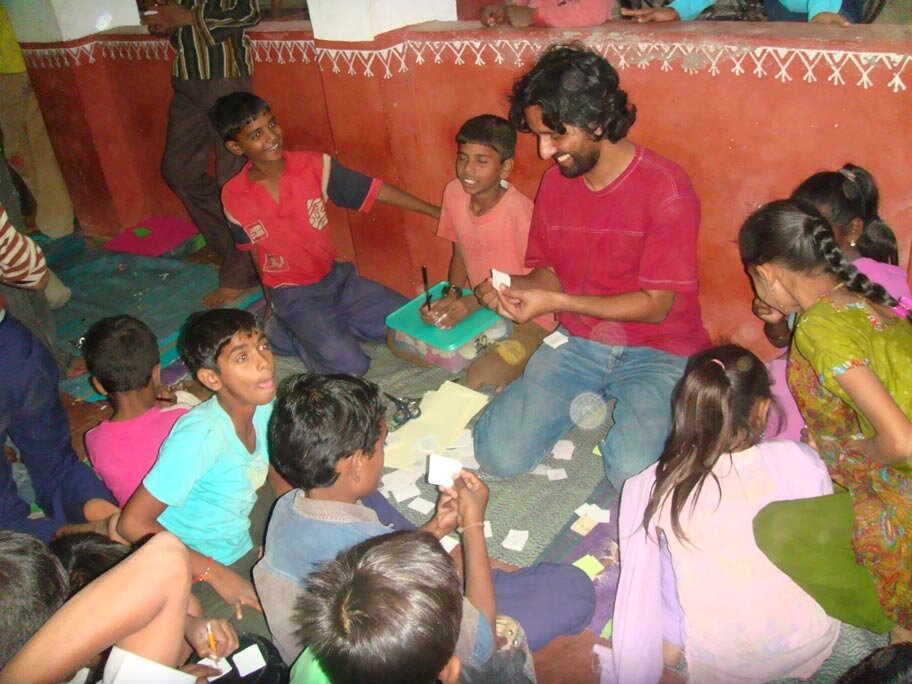
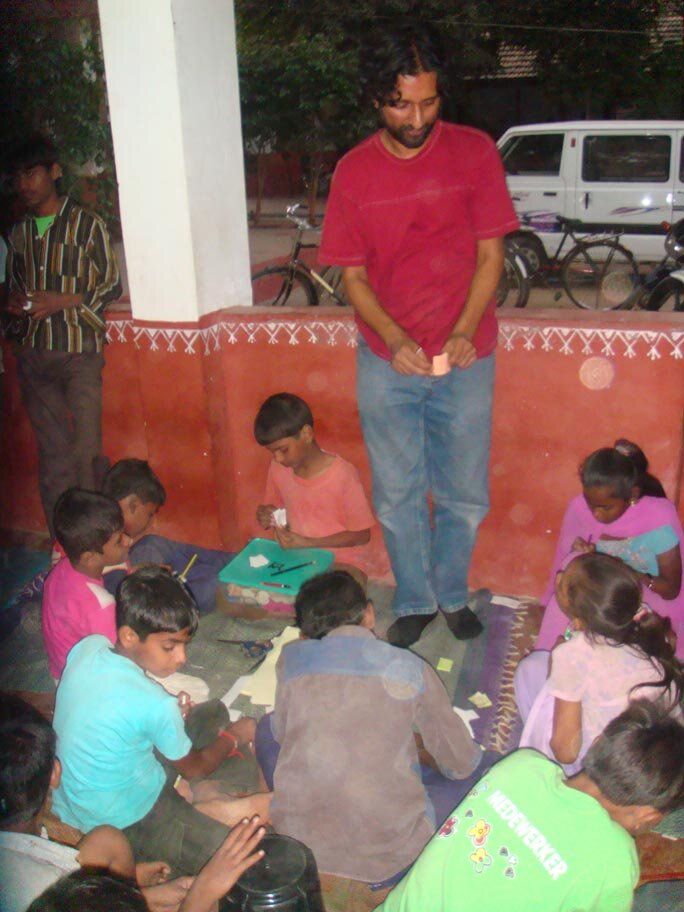
On the way to Ahmedabad from Delhi, I met a friendly man named Uday on the train who works in the Ministry of Textile. He was very kind and shared a lot of information on Ahmedabad. I wrote down notes for things to see, unsure how much I could fit in, but glad to learn. He had a good sense of humor and kept me laughing on the way, which is always appreciated, especially on long train rides.He told Kristeen (whom he called chotee) and I (whom he called chotoo) to get off a stop early as it was closer to where we wanted to go, so we did and then made our way to Manav Sadhana. I'd heard of Manav Sadhana through Kristeen and other friends who had visited and volunteered there. Many of those friends had gone back several times and could not say enough wonderful things about the place.I was apprehensive about going to Gujarat, due to the anti-Muslim riots which took place in 2002, but did so just to connect to this organization. We arrived from the train station by auto rickshaw and sat down as they were starting their morning meeting with a prayer and moment of silence. We joined and were warmly welcomed with sandoor.We introduced ourselves, then relaxed a bit, put our luggage in our respective girl's and boy's volunteer homes, then took a tour of the slum they had adopted. We got a glimpse of several nursery schools and then the school/community center which was beautiful. Even the people in the colony were warm and welcoming. To me this was really interesting to see that there had been created a real sense of community in the slum and a lot of work was being done hand in hand with the community. They were accustomed to and appreciative of the volunteers who came in their colony.The school/community center had a lot of really creative uses of recycled materials used for construction and decoration. From colored paper wrappers, to bottles and crates these materials were really artisically repurposed. They also had a nice library where I learned how they keep things organized to check out books to children in the community.There were beautiful murals and a nursery with a cool slide and swings. After looking at the slide (yes, a slide) entrance and cool swinging baby in the nursery, I decided that it was the place to live. Afterwards we walked back to Manav Sadahna next to the Gandhi Ashram and met some of the earn and learn kids who create beautiful cards and other items for sale while also going to school and receiving an education. Jagat bhai was removing some strings that were making life tough for a bird he found with entangled feet.Then it was time for my first workshop there. I sat down with the earn and learn kids and taught them to make flip books. This time, I started with circle (gole), triangle (tricone) and square (chorus) on a blackboard and had the kids draw this in different positions, sizes and shapes on their flipbooks. This quickly got the concept across. Then I gave suggestions by drawing blooming flowers, stick figures etc with which the kids could create something new. Jagat bhai is also a very talented artist with many amazing pieces focused on religous harmony depicting many symbols of various religions in creative and beautiful ways. It was really heartwarming to see the kids take to animation so quickly and also to see the adults taking part too. It was really sweet to get all of that support from Kristeen, "", Jagat bhai and really just everyone there. I felt at home right away thanks to all the warmth.Anjali, one of the amazing people at Manav Sadhana met me and within minutes was on the phone arranging workshops with the various schools in Manav Sadhana. I was really grateful for how everyone invited me in and trusted me with their precious time and resources. It is very humbling to walk into a group of truly dedicated and amazing adults and kids and to try and share something that you hope will be worth their time.
Not Achieved By
Art on the Israeli massacre of Palestinians in Gaza as the world looks on. Using photos from the news, this image was used during a protest rally in LA.

Latest Posts
- animals
- animation short film concept art
- california
- china
- condo
- costa rica
- culver city
- dance
- dance performance
- data darbar
- desert
- downtown
- festival
- figure drawing
- film festivals
- ger
- hasan abdal
- hate crime
- human rights
- humanrights palestine israel conflict activism
- India
- jamshoro
- kyrgyzstan
- la zoo
- lahore
- landscape
- landspcape
- life drawing
- live music
- live music performance watercolor sketch
- los angeles
- los angeles forest
- mogolia
- mongolia
- montezuma
- motel
- music
- music show
- musicians
- naadam
- nadam
- nankana sahib
- Orange County
- painting
- pakistan
- palestine
- panja sahib
- photo
- photography lahore pakistan travel people
- photos
- post natyam
- protest
- risalo
- sindh
- sketch
- sketches
- students
- sufi
- travel
- ucla
- USA
- uzbekistan
- uzbekistan people travel photography
- venice beach
- volunteer
- watercolor
- watercolors
- wrestling
- Yorba Linda
- zoo