Sewan
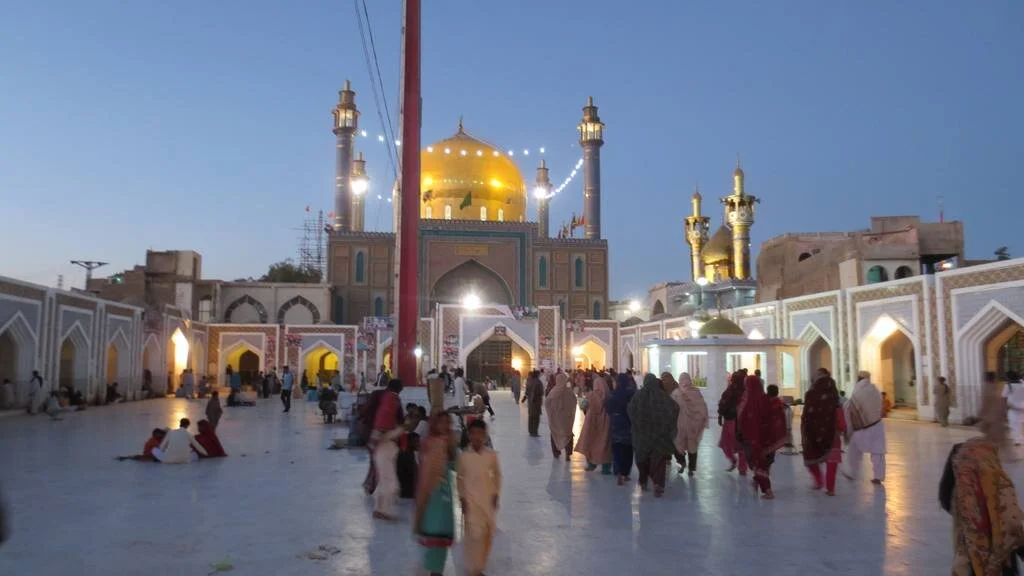
Sewan, visiting Lal Shahbaz Qalandar's dargah.
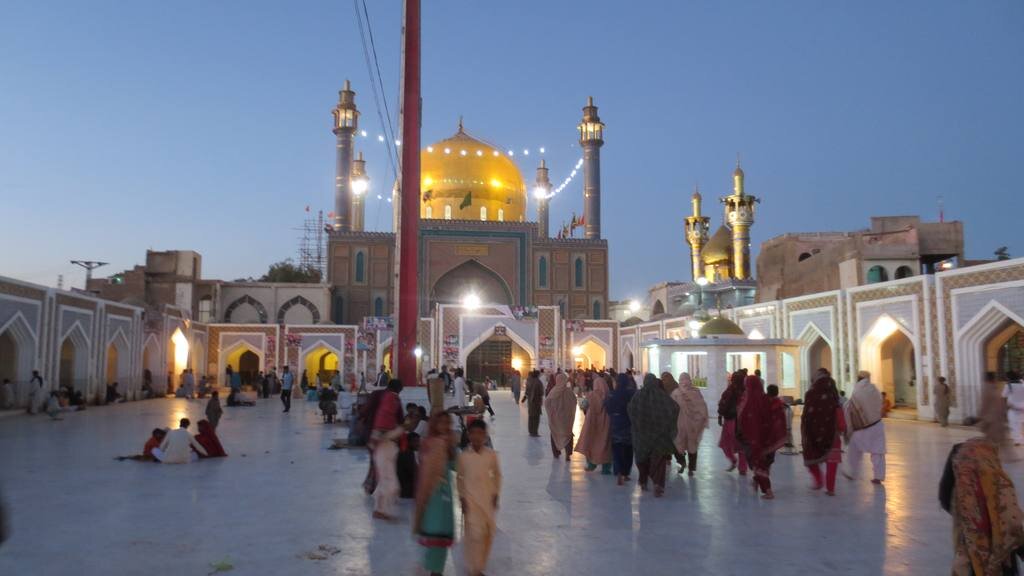
After another class at the university, I ate some delicious food thanks to the hostel staff, then hopped in a car with Shehzad sahib with his son and Naimatullah sahib’s nephew Sayed Lakho, whose a talented artist as well. Thanks to Mangi sahib, who arranged this trip at my request, I had the best company possible. Shehzad sahib and his son are both deeply connected to the personal stories and respect of Lal Shahbaz Qalandar, the sufi saint and various other respected people in the area. People all over the sub continent and around the world have heard the famous song on Jhule Lal Shahbaz Qalandar, and here, I was finally going to visit his darga in Sewan, Sindh.


Along the way we passed farmland and arid desert landscapes with pockets of mud homes, livestock and people living, I imagine, quite close to the way they have for hundreds of years. The homes are beautifully made with mud walls and thatched roofs. There’s a sort of romantic quality to it all, when you look at the beautiful fields, homes and kids playing, while men and women work. It’s kind of amazing to see it all. At the same time, it’s really heart breaking to see these same people struggling to survive, without basic facilities or education. There is a beauty in what is old and traditional, but not when people have no choice but to live on meager means and subsist on so very little. These are not people without a government, just a people without one that cares.


The driving on this two lane highway is insane. People are constantly passing each other by driving into the opposing lane. Moving away from the city, there is a great deal of beauty in each unique landscape.We stopped by one beautiful dargah along the way with golden domes and intricate glass inlaid interiors. Though I have seen several similar dargahs in Punjab, each one has something unique and beautiful in its design and decoration.


There are caves with fabled paths to Iran, through to Iraq where legends says that those whose belief was truly strong would crawl through tight packed rocks to reach the other side. We had some tea at the entrance to this place.


The sun was setting as we reach Sewan, to pay a visit to Lal Shahbaz Qalandar, a sufi saint who fought for the rights of the local people against an abusive ruler. This dargah is famous for its dhamal (an ecstatic sufi dance). The faithful, and less faithful flock to this beautiful shrine which I heard has benefit from a massive artistic overhaul, with beautiful brand new tile work. The space is beautiful, as is the music. There are all kinds of people. Those desperate for a prayer on their behalf because God seems to have forgotten them. Others are deeply devoted to Lal Shahbaz Qalandar, while others prey upon those in need.


Lal Shahbaz Qalandar Dhamal, Sewan, Sindh, Pakistan from Adnan Hussain on Vimeo.
The dhamaal itself is something to see. You squeeze through a mass of bodies in the center of the main open area. Drums are beating, and men dance ecstatically to one side and women on the other. Apparently, some of Lal Shahbaz Qalandar’s first devotees were the “wild” women of the area. It is interesting to see people on their knees, waving their hair around, or dancing with fervor. It is a chaotic scene, but there is also something peaceful when you squeeze through to other side and find a spot to sit and take it in. Kids recite entreaties for alms, wishing spiritual rewards for you and yours. Some kids try to tie a little string bracelet on your wrists. While these things can be annoying, it’s also part of the acceptance of all people in this dargah. The floors are not particularly clean, though they are being swept constantly. The tile work is beautiful and the sound of music and the variety of people around is something powerful.


Afterwards, we walked through the market to another dargah, that of one of Lal Shahbaz’s most devoted mureeds (students). It was a lot more calm. We looked at the beautiful glass work in the ceiling, then sat down to enjoy a lone musician in the courtyard, playing an ektara. This space was a lot more calm and peaceful. I recorded a bit of his devotional music. At one point the electricity went out. Everything went dark, but he kept playing and I looked up at the stars and moon. That was perhaps the most beautiful part of the whole evening.


My friends who brought me there were equally appreciative and moved by all that we did and saw, which made me feel good. It’s no fun to drag someone to these things when they really have no interest. Shehzad sahib and his son share many interesting stories about these respected elders, that made it all that much rich of an experience. We drove back on the same treacherous way we had come. Traffic is crazy, as on coming trucks and cars veer back into their lanes at the last moment, to inch ahead of one another. We made it back somehow.


Sewan Fakir from Adnan Hussain on Vimeo.
Teaching, artists and art CEAD
Teaching, artists and art

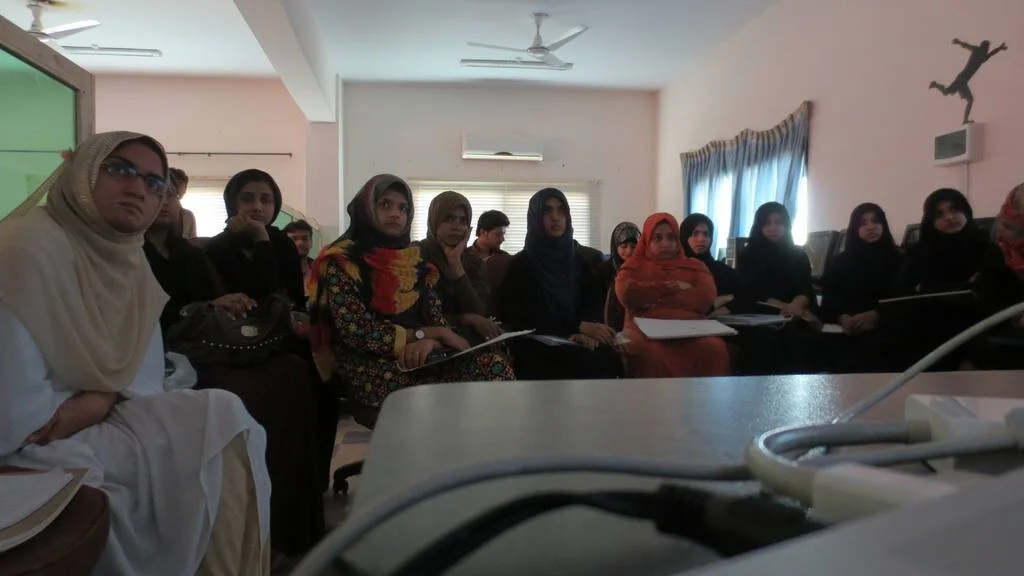
Another day, another class. I was really happy to see the work that the students brought. They had storyboarded scenes. Each one presented their work, and I helped them with suggestions on how to play with various elements to push their work even further. It was great to hear some of the students chime in with suggestions as well. Teaching is exhausting work if you’re doing it right. I can see the hunger in most of these students to learn and try and do something. Many come from relatively far distances to study there. Most of the class consists of young women. It’s fun to see the excitement and fun nature of their personalities come out as they discuss their ideas and share their drawings.I try to help them create some more variety in their shots. It is challenging to draw things from various angles, and I have been helping them to break down things into simple shapes that are easier to draw from different views. I want to these kids to feel confident and strong in their art. They have ideas, and I don’t want to see them become jaded over time. It’s not really in my hands, but I do what I can to give my best. Nothing would make me happier than for these students to bring their imaginations to life.Later in the day, I visited my friend Shahid from CEAD, which is an art and design college here in Jamshoro. I worked with some students there when I first came out here to record music for my short film “Gul”. Now those students are teaching, having worked at several kinds of jobs and developed their skills. More phone calls were made, and no puppeteers were found in Sindh.


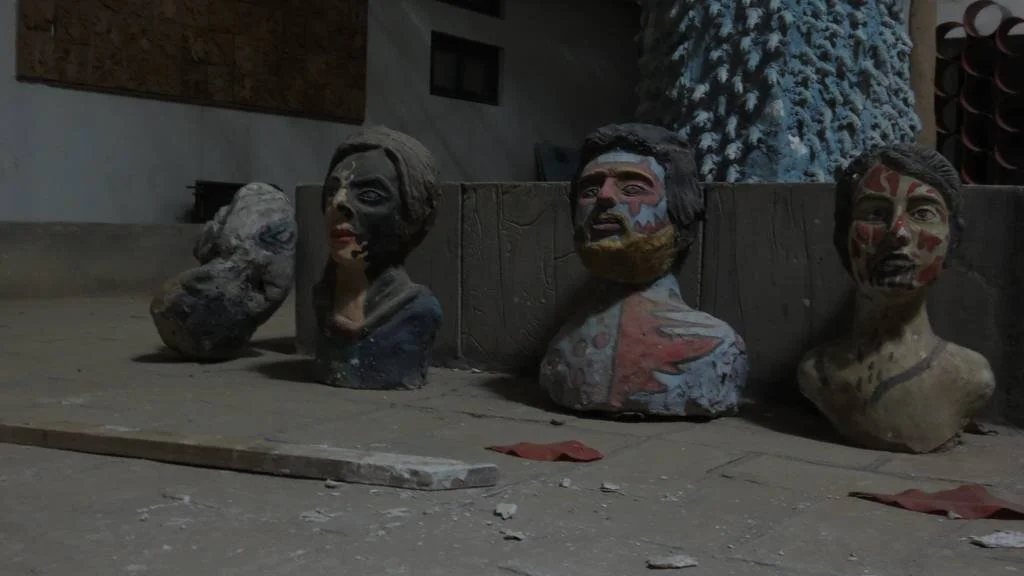
I visited Shaukat at his office at CEAD and got to enjoy several of his paintings and some really good videos of his more conceptual pieces he created at NCA. There is a lot of horrible stuff going on in Pakistan, but the painting scene here is very rich in skill. I can’t wait to see some of that self expression spill into the animation scene and find its way into more of the independent film scene as well. I wish I knew how to sell art. The campus is interesting and has expanded quite a bit since I was here in 2008. I took some photos of the cool sculptures in the courtyard. I hope these pieces will rotate out more often than the ones at NCA.


Thoughts and late night at the University
Thoughts and late night at the University


So many people here have reached out to their contacts in parts of Sindh, bordering Rajasthan to help me in my search for puppeteers, but thus far, all signs point to Punjab. There used to be puppeteers here, but like so much, this place seems to be decaying and dying. Honestly, I have a hard time with the deep levels of helplessness and despair I see in the disintegration of safety, culture and at times it seems humanity all around. I see bits of hope in the efforts of people around me to create institutions that support communities and bring better prospects to students. However, these efforts seem to be dwarfed by the rapid decline of seemingly everything around us. My students don’t seem to be crushed by that sense of helplessness. They know just this reality that they are in, and are working towards a better future in their lives.It’s very depressing that so many puppeteers have gone to unskilled types of work, like selling vegetables or eggs to sustain themselves, and have thus stopped passing down their art and essentially disappeared from contact. Things never go as planned on any of the projects I have created in Pakistan. They have thus far worked out, thanks to the help of many people, but not once have things gone as planned despite my best efforts to plan and prepare. There are always points where I question why I was foolish enough to try something so seemingly out of reach. Yet I know that when I find the right people, the humility and skill I get to work with here makes me quickly forget the pain of endless weeks of fruitless searches.


In the US, I watch the decline of my livelihood in animation and the depressing work conditions that only worsen. Here, I see a lot of untapped resources that are very challenging to reach. There are so many apathetic and ingenuine people that have contributed to this mess, that it takes every bit of my mind to keep inching forward, and working towards realizing the vision for “Risalo”. If I did not feel as strongly as I do about the source material and the value of the art I wish to incorporate, I would never have gone to such lengths to be here.


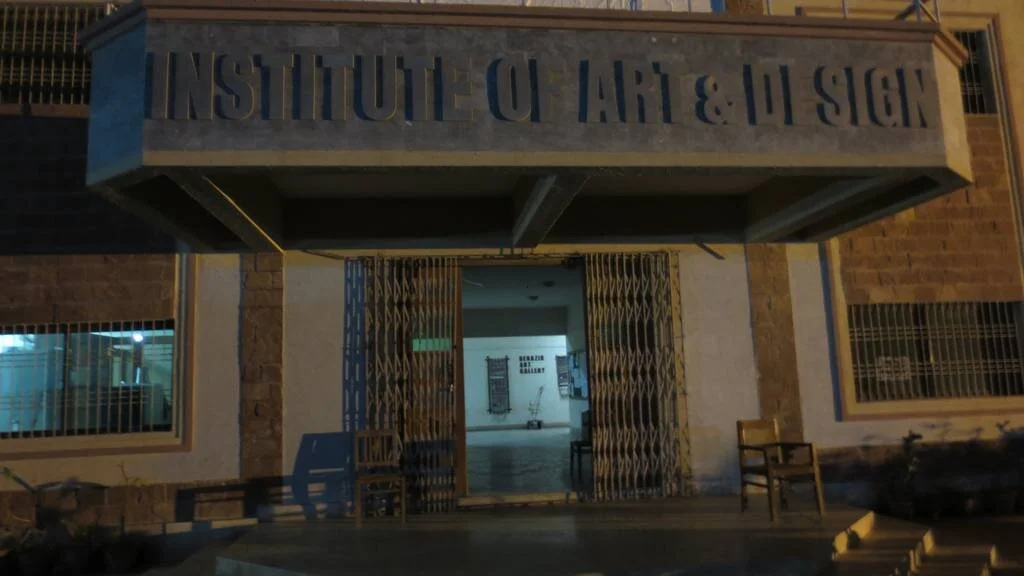
The photos are from a late night at the Sindh University Arts Department. My faculty friends were printing some brochure pages for a thesis show that is being put together with a great deal of care and effort. This work was being done late at night after busy days of administration and teaching. I’m a little lost, not knowing where I am going at times as most people are speaking Sindhi to each other. Efforts are certainly being made to help me with this project. I could use a few more positive results soon. Let’s hope we can find some puppeteers in Sindh before they vanish.


Hyderabad, Sindh
Hyderabad, Sindh book hunting


Today I decided to head into Hyderabad, which is the nearest big city. I had my usual anda paratha breakfast with chai, then head out to the “phaatak” via rickshaw, from where I hopped on a bus to get into town. It’s interesting to see the neighborhoods, huts and river along the way. There are fishermen in brightly painted boats on the river, just as Shah Latif described in his poetry, the the dam stops the flow of water flowing south, creating puddled stretches of land.I sought out a few places to try and pick up a book and CD set. Traffic is seriously nuts. I mean…there is no right way on these streets. I feel like it has only become worse. People push their way through with their vehicles form all directions, unwilling and really unable due to driving styles here, to let anyone pass. I think that way of thinking exemplifies a lot of the issues here today. Everyone needs to get their inch and they don’t care who they trample to get that momentary benefit, while burning any possible long term gains. This is interesting, because in basic interactions, many people are incredibly kind, but in official settings it is a ruthless place.


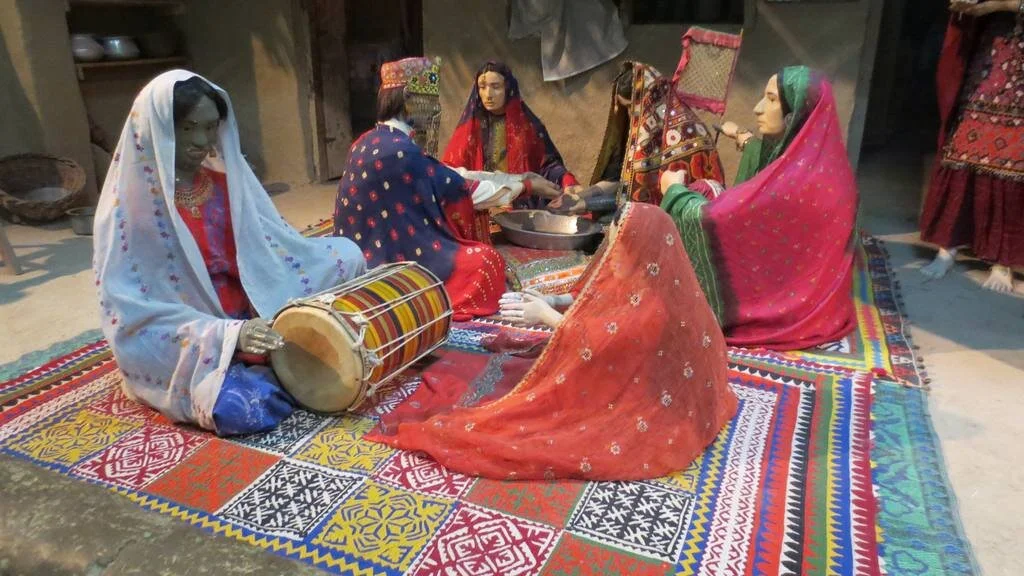
I went to a few bookstores without any luck in finding what I was looking for. The music CDs I was looking for were also not available. In figuring that out, I went to a bunch of different places, switching rickshaws to go to Gul Center, the Press Club, Hyder Chowk and the museum. The museum, while run down, had amazing displays showcasing traditional instruments and crafts as well as scenes of different types of artisans at work.


It was a fairly tiring trip. On the way back, I hopped on the outside of a bus to get back to the phaatak. It took a while before enough passengers got off at stops before I could get inside, but it was ok. I got off just past the phaatak and took a chingchi (these are motorcycles lobotomized with a carriage in the back) to the Adabi (literary) Board of Sindh. It was closed. My friend Mangi sahib came and picked me up with his son. We went back to his place, and I was able to check some email etc, hold his third child for a bit and chat. I enjoyed another delicious meal at his home (I’m going to gain some weight on this trip). Afterwards, we dropped by my room. Najeeb sahib joined us with his adorable little daughter and we went to hang out. We enjoyed some snacks at a sort of family club, then head over to hunt for books. They are so kind, that we went around to several bookstores, just to try and find this book. Mangi sahib also called a few friends, and eventually we found a place that has an Urdu translation I was looking for while driving back via a phone contact. We’ll visit that place another day. On the way back I was once again treated to delicious snacks. This time it was kulfi faluda in a cool little clay boat. Even during all of this time we spent together, I would pick up enough of Sindhi conversations that my friends would have over the phone while I was hanging out with them to know that they are calling all kinds of folks to help me find puppeteers in Sindh.


I’m basically making my way north, looking for puppeteers. It is a dying art form, particularly here in Pakistan, with only a handful of practitioners left. I’m trying to find them, with the best people to help me do it. Mangi and Najeeb sahib dropped by my room once again at night. This time I gave Mangi sahib a proper presentation of the animatic for “Risalo” and the thoughts that go with it. He started looking at the introductory pages of the book I have been basing this work on and found names that he knows. Now that he, Najeeb and Ustad Amb Jogi have a clear idea of the project, they will be able to add from their wealth of knowledge and contacts who have much more deep understandings of the material and the music I am attempting to compile in this film.
Teaching at Sindh University

Due to some technical difficulties on my end, I was not able to screen my short film “Gul” during the first workshop session. We had an in depth discussion on the creative process, from the seed of an idea, to visual development, reference gathering and concept refinement and execution. I had spoken about my work for companies, and answered questions on the division of tasks at companies, as well as differences between character animation for gaming and films.


After the usual, and delicious anda paratha (egg and paratha) breakfast at the hostel, I head to the campus. I setup my things and we began our second session with a screening of “Gul” It was fun to show the students how I had recorded music right here in Jamshoro, using Sindhi culture, in a piece that travelled the world. We had a fun discussion on their interpretations of the film. I was very glad to hear the confidence and insights that several students shared. We continued with small presentations by each student, regarding their assignment, which was to create a drawing of a character on the basis of 5 reference images of a feeling and 5 images of a culture or time period. The idea is to share a process by which these students can bring an influx of fresh ideas to any project they work on.


Even the self proclaimed shy students did a great job of sharing their sketches and ideas. Some had several designs, some just one. A few had no reference images, while others had many. Through the discussion, each student was able to understand the value of this process. I emphasized the value of their thoughts and ideas, and the validity of their interpretations.The session would have been 2 hours, but the students were so eager and hungry for learning, that we decided to extend the sessions. We went over how to breakdown and simplify our character designs, and then draw them from the side and in a 3/4 view based on that. It was really fun to see students first struggle and then grasp these concepts and apply them in their work.


I love to see the excitement in their eyes, and a genuine desire to express something in their work. With the right dedication, they can do great things. That of course is the real challenge. I always give everything I can to these workshops and end up pretty tired by the end of each session. Mangi sahib picked me up afterwards, and brought me back to the hostel. There was a program going on at Sindhology, regarding climate change. The hostel staff had prepared an amazing feast for delegates. I joined them, at least for food, then we went to Sindhology. I saw some good entries for the painting contest on climate change. There were several interesting stalls. I particularly enjoyed meeting some fantastic artists/artisans. I spent some time talking to them about their work and possible collaborations. They were very friendly and eager to work directly with artists.Afterwords, I went back to the hostel for a bit of rest, then walked over to Najeebullah Rashdi’s place. He was working on a portrait for a friend in oil paint. I sat down and connected to his internet to send out some emails and upload a bunch of blog posts. He showed me more of his excellent paintings, which I ended up posting in yesterday’s blog post. It’s really great to connect to all these artists. His little daughter came to visit throughout the time I was there. She spoke in Sindhi, so I could not understand her words, but it was very cute. She brought a little plastic container with slime in it and poured it in my hands. I pretended to sneeze it out.I shared some of my process and thoughts in my approach to adapting “Risalo”. It was fun to learn about some other musical forms and places around here as well. Afterwards Najeeb sahib and his daughter walked me back to the hostel. She asked her father why I didn’t speak in Sindhi, to which I told her in Punjabi, “Jadon tusi mairai naal Punjabi ij gal karugai, tai mai wi twadai naal Sindhi ij gal karanga (when you speak to me in Punjabi, I’ll speak to you in Sindhi.” She just looked at me a bit puzzled :). I was just kidding around. A lot of people start speaking to me in Sindhi here, but I don’t really understand it, so unfortunately, I have to switch to Urdu. Sindhi sounds beautiful and when people translate bits of poetry by reciting in Sindhi, then Urdu, even the sound of the words and the bits I can pick out are so much more interesting than the sound of the translation, though it is good too. I certainly pick up a lot of fascinating things in conversations with people here. There is a very deep sense of culture and appreciation of it here with the arts folks in Jamshoro. The connection is deeper than I have seen in some other places.At night, Mangi and Najib sahib took me out for some tea. Though the mosquitos were eating me alive as usual, I got to hear some fascinating stories about a guy named Watiya Fakir from Tando Allah Yar, famous for his anecdotes, similar to Mullah Nasruddin, whose stories are famous in large parts of the world. The stories were anecdotes of questioning society in humorous ways. One story went like this. He arrived to a dinner party dressed as a fakir (wandering ascetic) in tattered and dirty clothes. The hosts quickly pushed him out. He returned a second time, dressed in fine clothing. They let him in and he sat down to dinner. He began rubbing the food all over his clothes. When people in shock asked him what he was doing, he said it was the clothes that you invited for dinner, not me.There were several anecdotes in a sense questioning religious leaders in their preachings on God, or just making a humorous statement on it. Mangi sahib’s storytelling was really great. He shared it in Urdu for my benefit, but when he would mention a key phrase in Sindhi, it sounded that much more rich.
Workshop at Sindh University
Meeting artists and eating food in Jamshoro, Pakistan


I started the day by walking down the hill, across the freeway, to a shop to get some clothes washing detergent. I came back and hand washed my clothes. The hostel staff gave me a charpoy to dry them on. The staff are so kind, humble and hospitable.


Mangi sahib took me to the university, and I ran into Hisam, whom I had met while he was studying at CEAD and I was looking for musicians for my short film “Gul”. I did some work with the students at that time. It was good to hear about his artistic development since then. Now he teaches at Sindh University. I also met a sculptor who teaches there named Nadir Ali.I had set up a meeting with Ustad Amb Jogi, my good friend and leader of the Girnari Jogi Group. It was great to see him after several years. We sat down and I went over the animatic for “Risalo”. There are several things I am trying to figure out in terms of achieving the right balance between poetry and music in the film. Amb, being an excellent percussionist who plays with a wide variety of excellent musicians, is just who I need to figure this out. There was certainly a lot to cover, but this is the first time I have presented the whole animatic. His response was really positive. Also in the same office, was an older man, sitting across the room. He was following our discussion. I got to a the part where I discussed some changes I was making to the story of Beejal to put it more in line with what I am trying to communicate and was a bit worried what they would think of the change. They were both very supportive and appreciated why I had made those changes.A short while later, after Ustad Amb Jogi left, I spoke the the older gentleman for a bit. His name is Aslam Azad, and he gave me a book of his poetry. He said that he knew I could not read it as it is in Sindhi, but it has all his info on the back. The book is called Azad Khyal (Free/Independent Thoughts). I was so honored, that even before reading about him on the back of the book, I decided that I would have someone who reads Sindhi read it to me and translate. Once I read about him, I knew I had to do this even more. He has been an editor of newspapers and publications throughout his career and took part in the M.R.D. to restore democracy to Pakistan during Zia’s time. I am constantly amazed at the accomplishments of the people I meet at Sindhology and at Sindh University.Afterwards, I taught the first in a series of workshops at the art department at Sindh University. It was really fun to share my work and process with the students. The seemed eager to learn and we used every minute of time that we possibly could until it was time for them to leave. It was very tiring, but rewarding. I came back to the hostel and grabbed a nice meal prepared by the staff.


Afterwards I did a bit of editing and resting, before Hisam dropped by and we head out to a themed restaurant called Al Jazeera (which had a village theme), no relation to the channel. The food was great, and it was fun to talk art with Hisam. We visited Fatah sahib afterwards. Between him and Ustad Amb Jogi, if there are puppeteers left in Sindh, we should be able to find them. There are already several leads and it looks like we could make some visits, later next week.


Department of Culture, Sindh

I stayed the night at the Department Culture of Sindh. I spent the morning editing Phool Patti interviews and the “Risalo” animatic. Every decision to cut out a line of poetry, where two lines are too similar in meaning, opens up the edit to allow music to come in more and gives more weight to the words that remain.


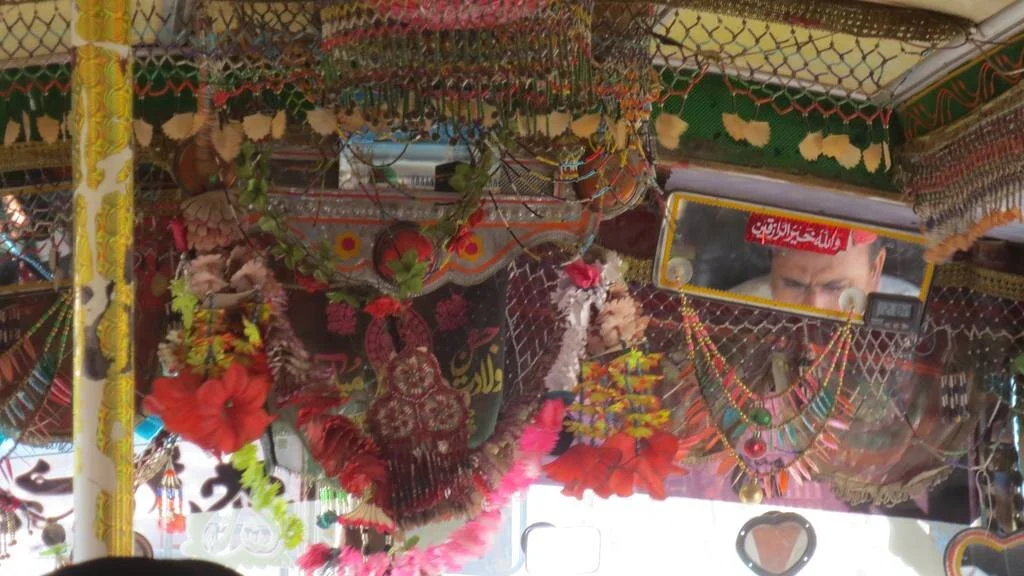
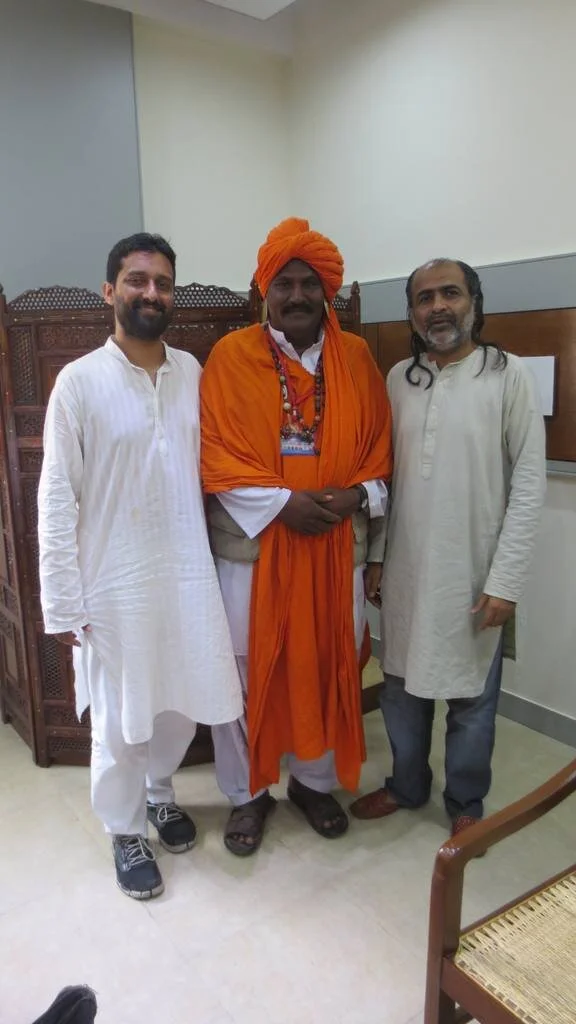
During the day, a Jogi named Gulab Jogi, who lives in Bhitshah, Shah Latin’s town, happened to drop by. We talked for a while and I asked him a bit about how Jogis travel. He showed me a photo album of his many travels and meetings with various dignitaries, dancers and artists from around the world. He was a really jovial and friendly person. He clearly has a deep love of his culture, which he enjoys sharing with people.He shared a geedar sing and hatta jori with us. The geedar singh is removed from a geedar and used for protection. He emphasized the the geedar is not killed during this process. The hatta jori is a sort of dried root that becomes hard and somewhat bone like.I got his card and will likely visit him in Bhitshah as I search for puppeteers in Sindh. After that, we took a few photos and he was on his way. My friend Ali Salman Anchal of Phool Patti dropped by with some of my luggage. I said goodbye to Muhammed Ghulam who had woken up and driven with Ali through crazy traffic at a moment’s notice to get me the night I arrived in Karachi. There are some interesting new collaborations in the works thanks to all of these meetings. I hope to share more when they bear fruit.After that, the kind people at the Department of Culture dropped me at the bus station, from where I hopped on a coaster for Jamshoro. The ride took a while, but it was interesting to see the variety of vendors that would pop on and off the bus to offer their wares. There were the perfume guys that had their pitch down who invited people to test out the perfume for free, then proceeded to walk up and down the aisle and spray some cologne just above our heads. There’s a lot of clever wordplay and a particularly honed style of delivery for these pitches. It’s hard work jumping on a bus and hawking wares by delivering your pitch and just walking up and down, watching for any kind of interest in someone’s eyes and then hopping off, into a sea of chaos outside as the bus starts to leave.

People were selling egg burgers, spiced cucumbers, peanut brittle, chenna snacks, hats, kid’s clothes, cell chargers and covers, juice, soda, plastic light up toys etc. There were children and women who came aboard asking for alms, as they made their pitch for doing so to be rewarded for your good deeds and getting an opportunity to visit the holy city of Medina.

We stopped at a rest area for a bit to gather more passengers. The conductor went out and brought people aboard, as passengers went out to get pakoras, samosas and other snacks. Once on the highway, we passed a lot of petrol stands and restaurants along the way. It’s pretty crazy how these huge buses and trucks honk like mad men when passing each other while these little cars are nuts enough to weave around them.


Eventually I reached the Jamshoro stop. There are a ton of rickshaws there, waiting to take people further. I called up my friend Saeed Mangi, and he sent Shehzad sahib out with a car. I took some long exposures as I waited. It is quite dark out there, with only streaks of light from passing vehicles. It could be a very creepy place, but no one really bothered me. Drivers asked me if I needed a ride a few times, and when I said no, they went back to chatting with each other.


I settled into the room with campus housing, then Mangi sahib took me out to meet other art faculty and dinner. It was really great to see him again after several years. His kids have grown quite a bit in that time, and have no recollection of me whatsoever, but I certainly remember them. I enjoyed a delicious dinner of chicken karhai, but was left out of most of the conversation as the group was speaking in Sindhi instead of Urdu. I watched stray dogs mill about, as I scarfed down food and fended off mosquitos. I enjoy the sound of Sindhi. Like Punjabi, it has a beautiful flow and there’s a particular way that people connect words and blend them together. Also like Punjabi, it can be beautiful when it is used as such, and not so much in the way that some people speak in a sort of gutteral way. I’ve been working from a wonderful Urdu translation to adapt “Risalo” and look forward to recording the corresponding lines in their original Sindhi so that I can share this poetry that exemplifies the beauty of this language and its people.
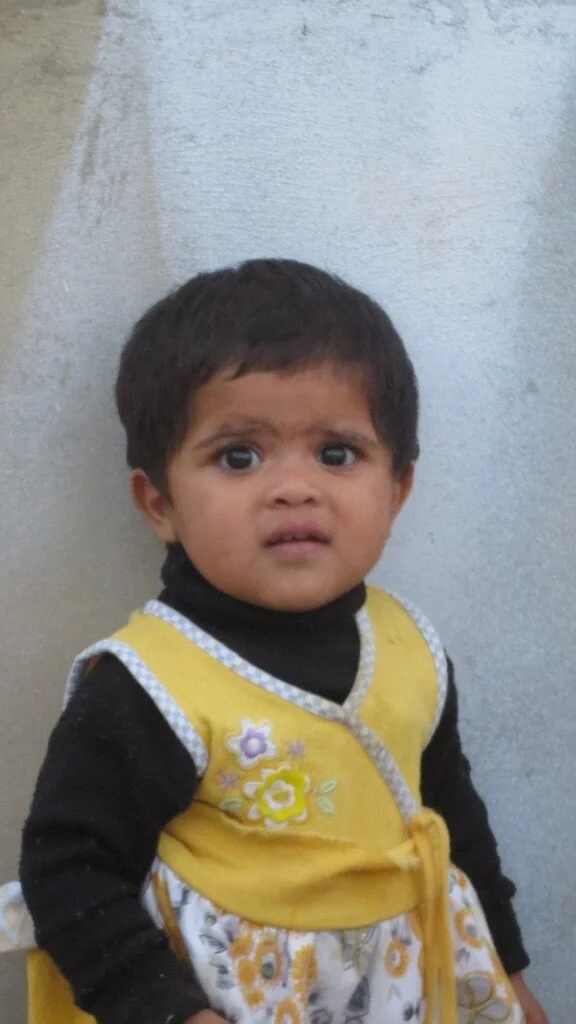
Yusuf Ghot Phool Patti
I went with Haider Ali and Mumtaz Ahmad to a place called Yusuf Ghot.

I went with Haider Ali and Mumtaz Ahmad to a place called Yusuf Ghot. A talented phool patti artist named Gulraiz Affridi who had apprenticed with Haider Ali was working on a tanker truck. Mumtaz bhai and a few other artists joined in to lend a hand. I got to watch and learn more about the process. Besides that, I came up with some concepts for one of the sequences for "Risalo" that I'll be exploring further.


It was a quiet day, just listening to the artists and taking mental notes. We rode past a long line of beautifully decorated trucks. It was like walking into a giant art gallery. Haider had me pose with the brush, though I wouldn't dare mess with their paint jobs. These guys do amazing things. Double and triple loading the brush, they can create beautiful flowers with a sweep of the hand. Even with such quick skills, it takes a team of artists painstaking days baking in the sun to create these masterpieces. They make it look easy because they are able to do such fine work almost entirely freehand. I love watching the process, as rich lines and color flow across these hulking trucks.I'm working out some details for the next step in this process.


Afterwards, we head back and I got to spend some quality time with Haider's sweet children. The two little ones are twins, and just about the most quiet, innocent kids you'll find. They look around innocently, waddling around, poking their paws into things they should not. The little girl is constantly giggling and climbing on things. The little boy just looks bewildered, while his older brother asks a lot of cute questions and walks around making sure they don't tumble down the stairs. Such a sweet older brother. I love how the little boy has a shirt that says dangerous across it under that vest. Can't ask for better company on this leg of the trip.
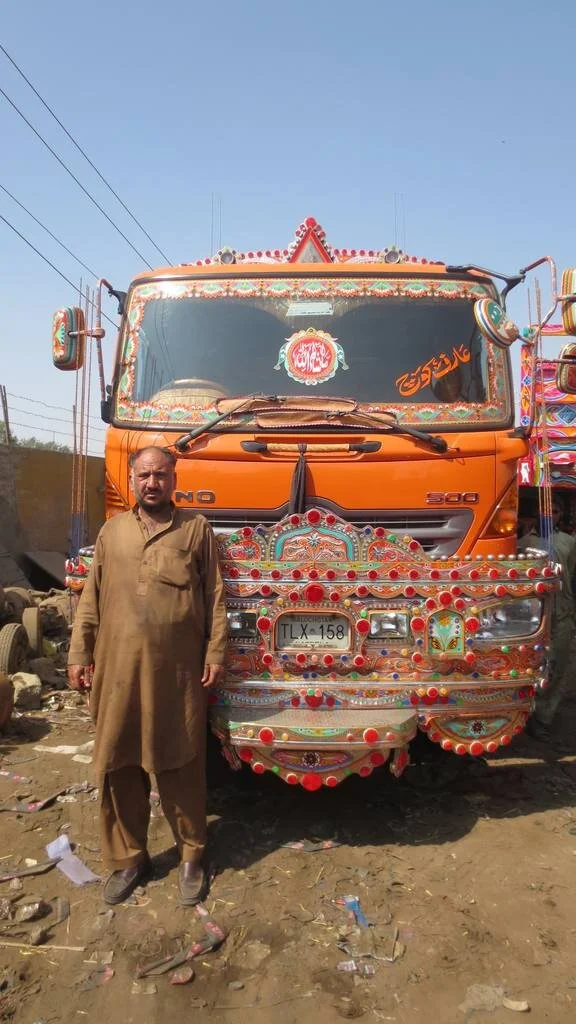
Maripur Hawk's Bay Rd Phool Patti
Maripur Hawk's Bay Rd Phool Patti with the masterful Phool Patti artists

Spending time with Haider Ali and Ali Salman Anchan has been really great. While I am certainly here to work on my puppet film "Risalo", there are a lot of interesting side excursions that are integral to my growth as well as the project at hand. I can't really do the work without immersing myself into being here and following these sort of side stories along the way. I'm still jet lagged and my sleep timings are all over the place, but I manage to stay awake through the day. As I write about things I am doing, there are a lot of other "Risalo" related developments that will be shared more so when something more substantial comes together.


I took a ride with Ali Salman Anchal and visited Haider Ali and the rest of the Phool Patti team at the Quaid-e-Azam International Truck Stand, Karachi. I got to see more of the process behind the work, which was really exciting for me. From purchasing paints and custom made brushes, to seeing a bit of the division of labor from undercoat to phool patti (which is the actual name of this art form people have termed truck art).


We're not far from Baluchistan here in Hawk's Bay, but still within Sindh. It has been really fascinating to meet Mumtaz Bhai, the creative director of Phool Patti (the company) and several other artists on the team. I was photographing one of their beautiful finished trucks from Baluchistan, when the proud owner of the vehicle came by and asked me to photograph him with it. I'm so glad that he did. People don't often realize the care and attention to detail that goes into this work. As an artist, it's quite clear to me, but often the general public thinks that like many "services", it is just a matter of throwing a bit of money at some people to get the job done for a pittance.


What they do not realize is the level of commitment, artistry and expertise that goes into creating these rich works of art. These are true masterpieces and I hope to do my part in getting the general public to see them as such. They are master artists, who rather than being hindered by some paltry college art education, live and breathe this stuff, and pour their souls into every piece they lay their brush upon.


Here's a little time-lapse of Haider Ali doing what he does. Note, this isn't a finished piece at the end of the clip.
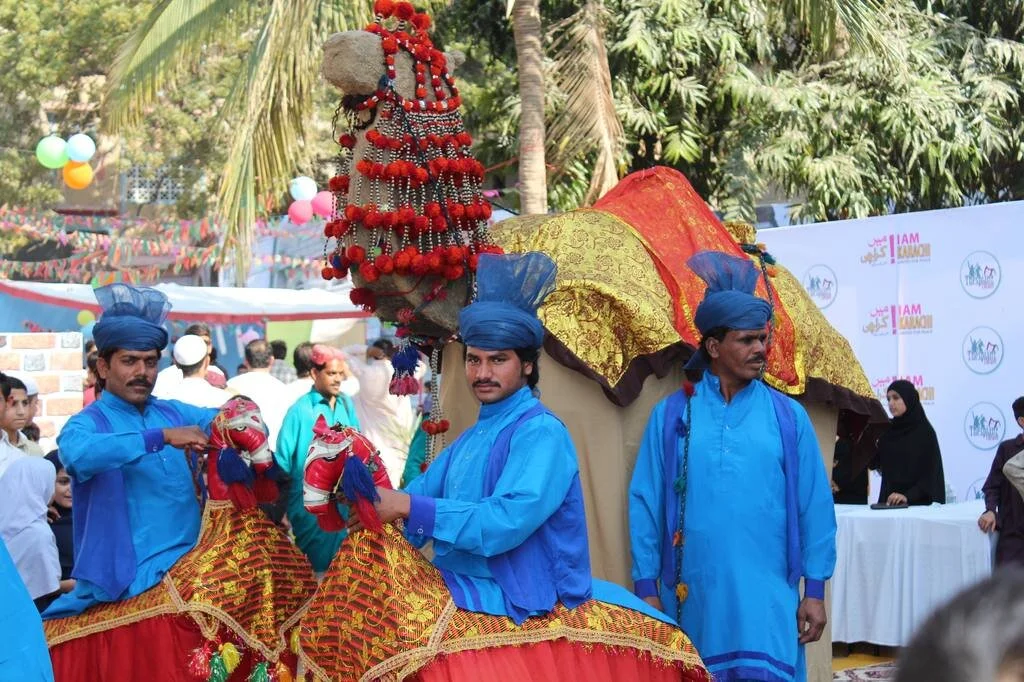
First Day in Karachi
Sadquain at Frere Hall, Multan Lok Raqs Party and some puppets by Thespianz Theater.


Multan Lok Raqs Party from Adnan Hussain on Vimeo.


motorcycle ride in Karachi from Adnan Hussain on Vimeo.



Descending into Karachi
After months of working out logistics, waiting, wondering and struggling, I arrived in Karachi, Pakistan.

After months of working out logistics, waiting, wondering and struggling, I arrived in Karachi, Pakistan.


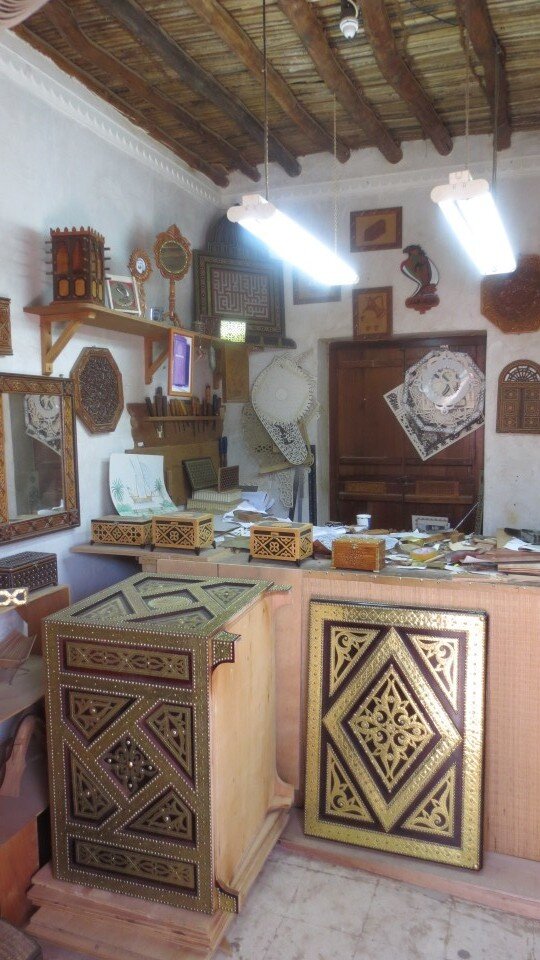


After a short jaunt around Abu Dhabi, my wife and I went our separate ways to work on our projects. I walked over to the gate for my flight to Karachi, and there were several elderly, world worn people sitting, squatting, lying down as I might see waiting for a train in Pakistan, with bundles and bags.

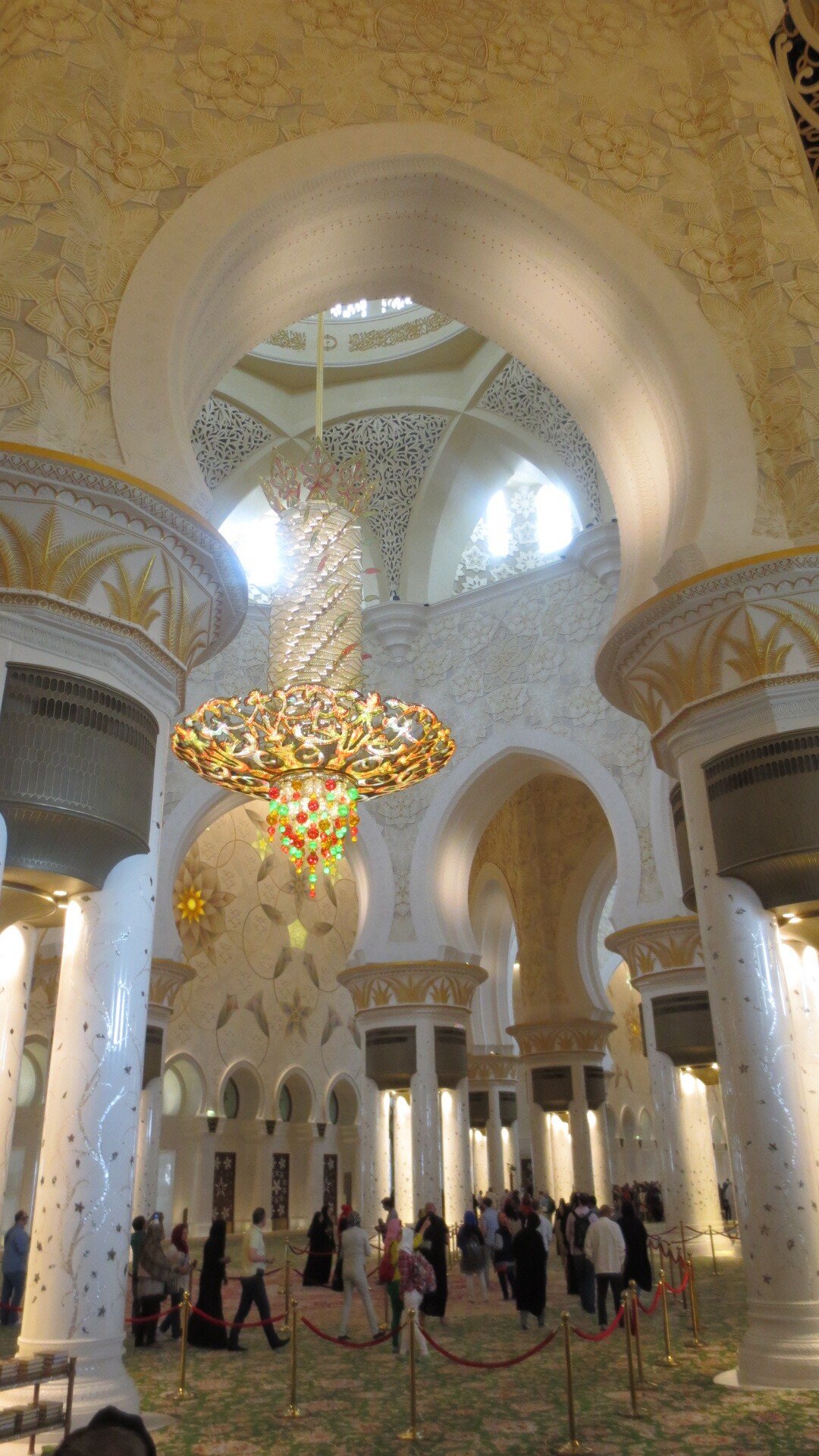

I thought about how beat down we are right now with all that's going on in Pakistan. I watched as people at an adjacent gate filed into buses to a flight to Bangalore, India.Our flight started boarding a while later, and we seemed like cattle herded into the bus to the plane. We reached the plane, yet the doors remained shut as we stared at the stairs leading to our ride home without a complaint.I fell asleep on the flight, came to in time to scarf down a meal, then watched the sunset along the wing of the plane, fade into darkness as we descend into Karachi.



Passengers scrambled off the plane. I walked down long corridors. A tiny, hunched over elderly woman winced in pain, struggling to keep up with her ragged group that was far ahead of her. I looked at her, then the standing people mover. I asked if I could hold her bag as her group moved further. I helped her fearfully step on the conveyer, with her bag in my hand. She was exhausted.I ran back up the escalator as she stood frozen crying "Man dar lagda ai" ( I'm afraid) before I coaxed her into stepping on.I left her and the bag with her group. She gasped prayers for my successes as we parted.I stood in line at immigration. An old bearded man and his incredibly aged mother, blind in one eye, barely holding on to her cane, elbowed past me to the counter. I didn't care. I waited and watched as the woman collapsed in a bundle, as paperwork was processed. As the immigration officer did his job without favoritism, but never made the poor, exhausted woman get up. He checked what he needed and sent them on their way.The immigration officer mentioned how these elderly people had just returned from that once in a lifetime opportunity to perform Umra, the off season pilgrimage to Mecca.I got my bags and strolled out past eager faces with nothing but excitement to receive their loved ones. My friend was nowhere to be seen.I stood on one side, looking at the sea of people walking past at night. Someone brought me a cart and let me use his cel phone. No answer.I tried again from the local security booth. They invited me in and helped me figure out what to do. They are very busy dealing with securing this airport. It was brutally attacked by militants not too long ago. The bus kiosk was closed. No reply on the phone. I waited some more.I saw a group of men holding flower garlands looking around, waiting for an arrival. One wore an ajrak. I asked who they were waiting for. They mentioned a friend from Iran, and looked a bit cautious. I reassured them, it was nothing negative, knowing of recent murders of Shias. I mentioned none of that, but we understood. Without missing a beat, one of them offered me a soda. I declined, but appreciated the kindness, not at all uncommon.Then I thought to connect to Wi-Fi, as my sim along with all other unverified Pakistani sims have been deactivated prior to my arrival as the nation struggles against violence.I found another number, called a friend of a friend I had not met, but trust. WiFi was weak so another stranger at a cel phone stall let me call again with his phone. My friend's friend dropped everything to fight through traffic. Not one complaint from his companion behind the wheel, who drove to pick up some random person, through a mass of cars inches from one another, honking and twisting in so much madness.A home was opened to me at a moments notice based off a mutual friendship. New friends are made. A delicious meal was shared and plans are adjusted. I'm reading about 4 or 5 hate crimes, beatings and murders of south asians and muslims on my facebook feed from the US as I sit here in Karachi waiting for the sun to come up, grateful that I'm greeted with so much kindness by people I have never met before today, knowing that this is Pakistan, and this is how it is.
NYC Part 3
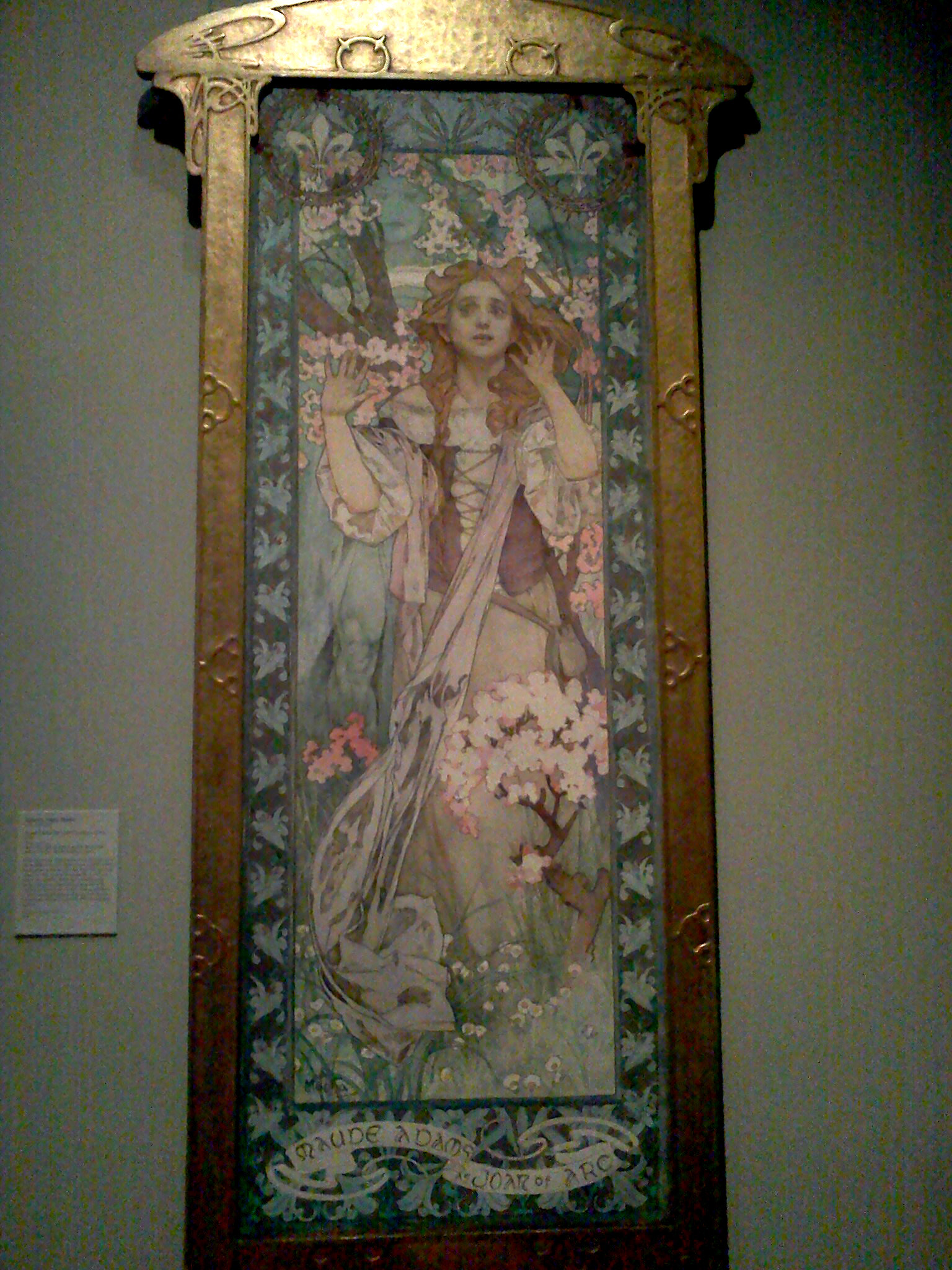
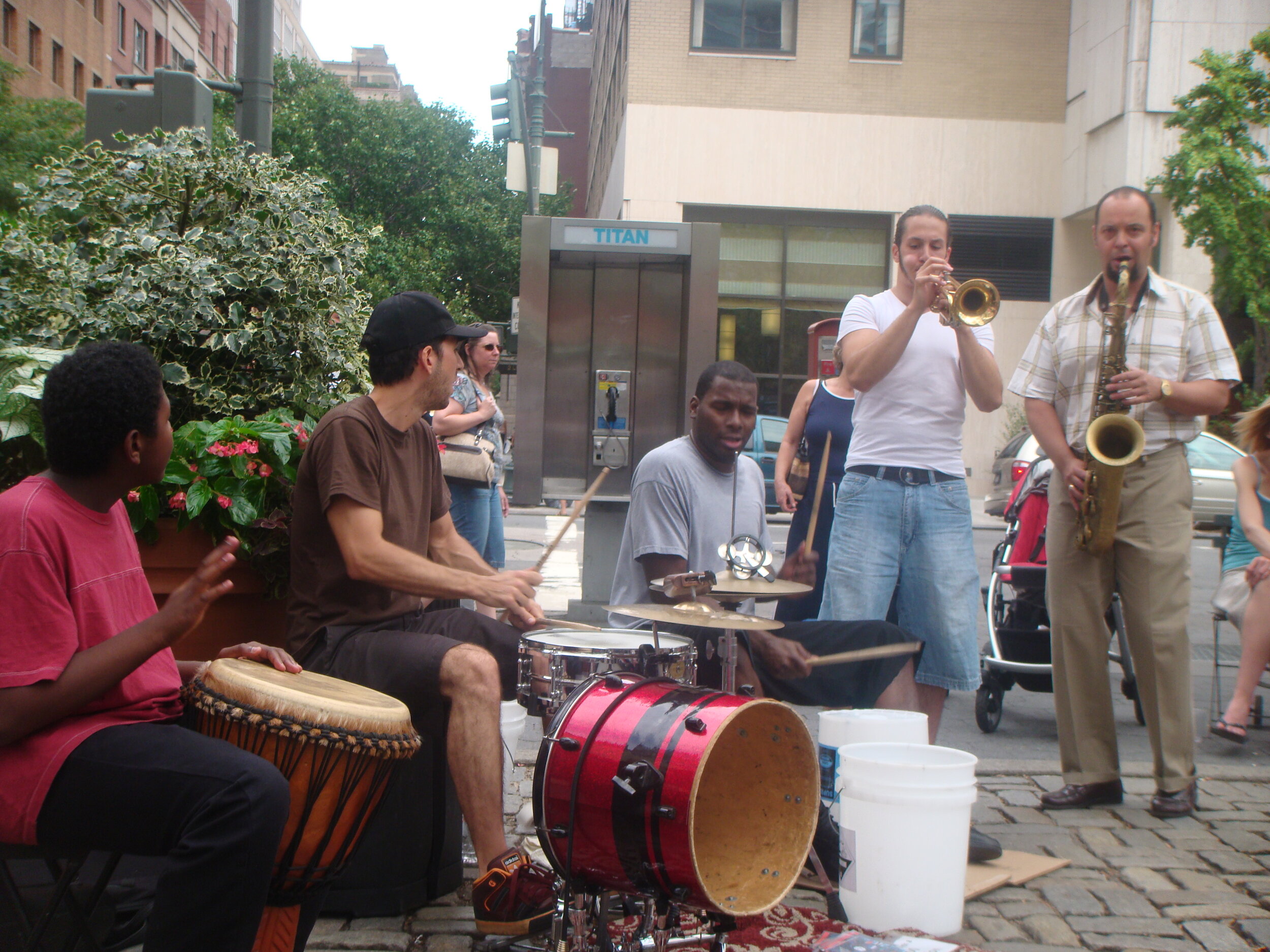
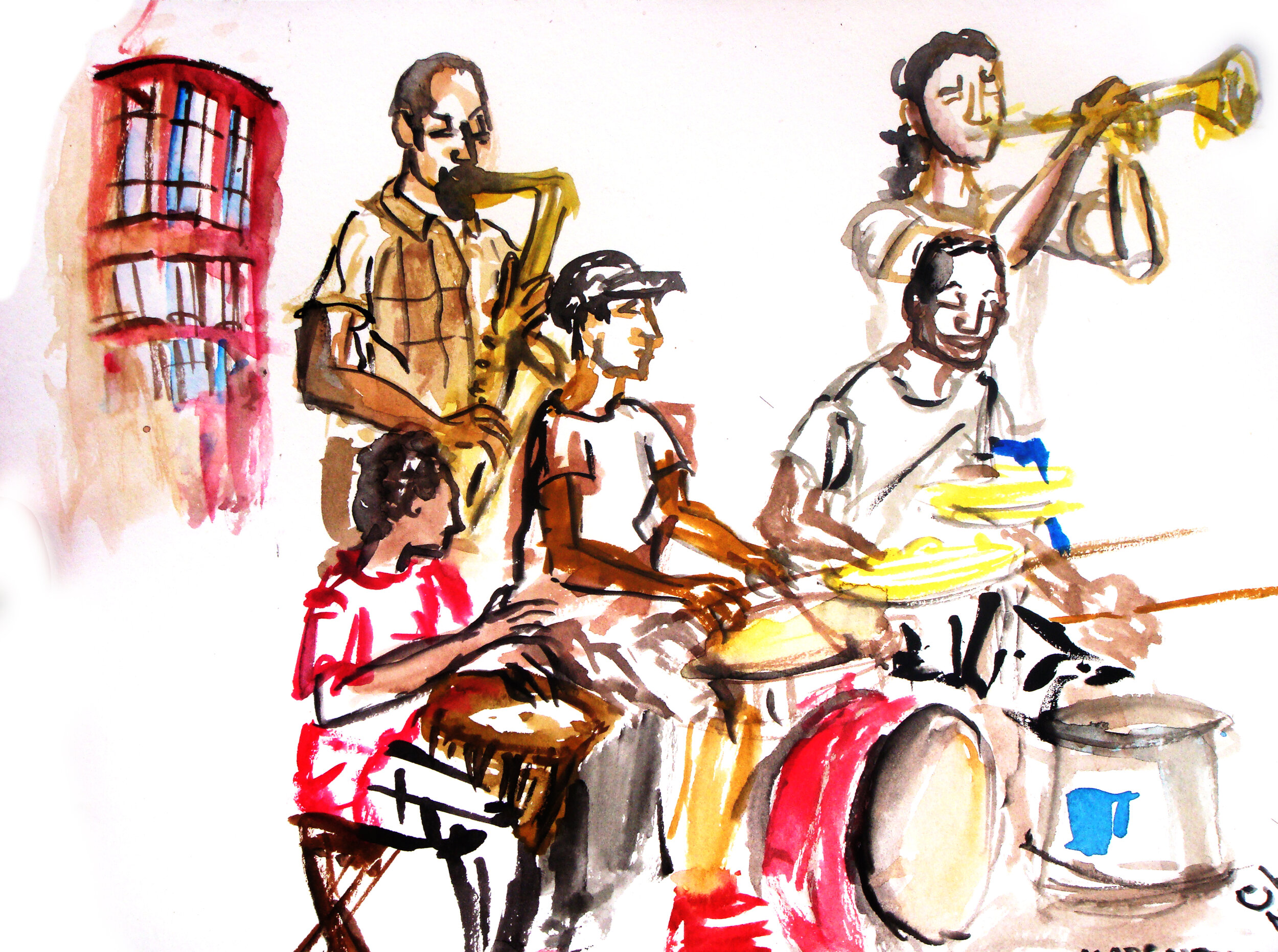
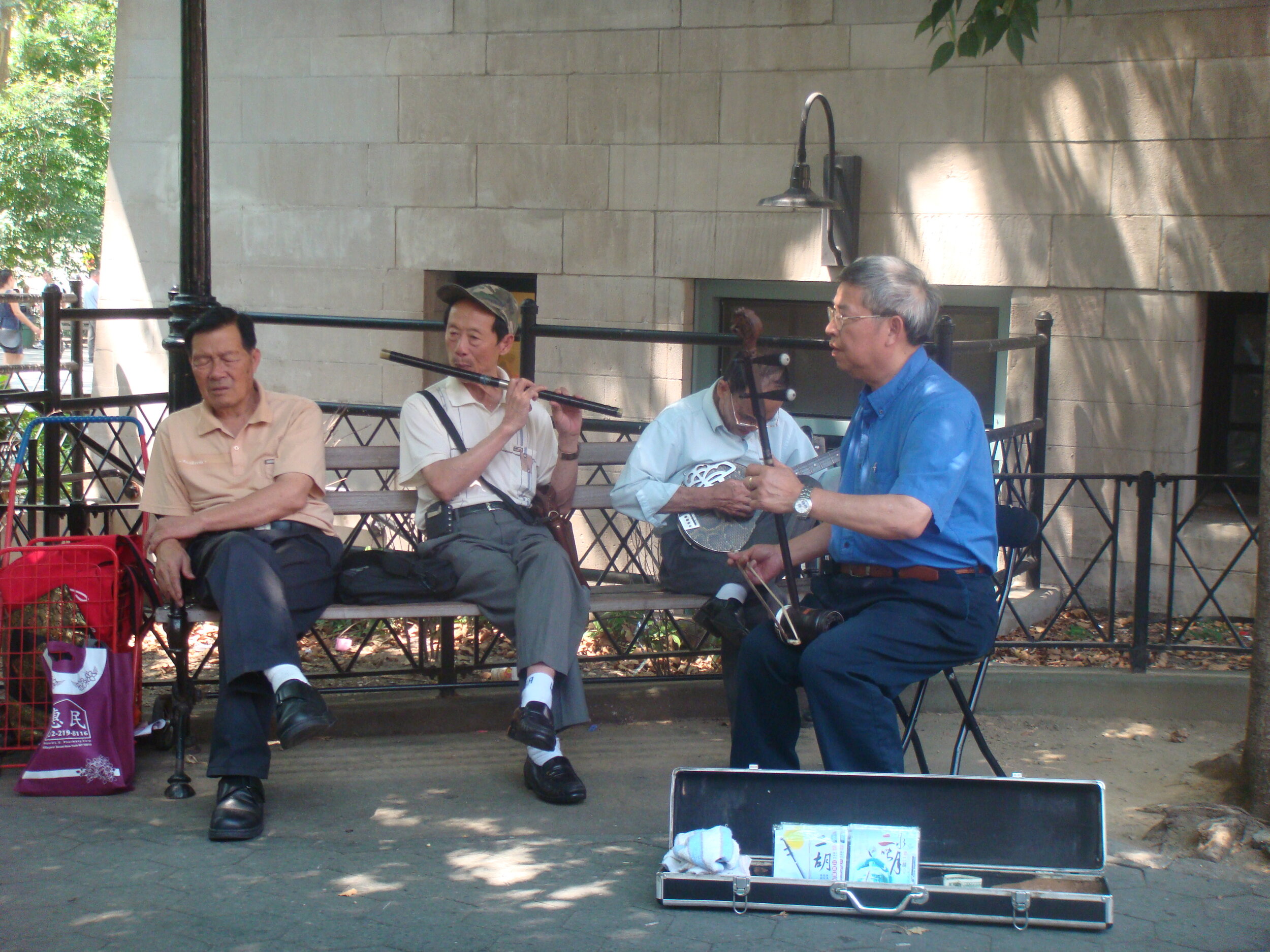
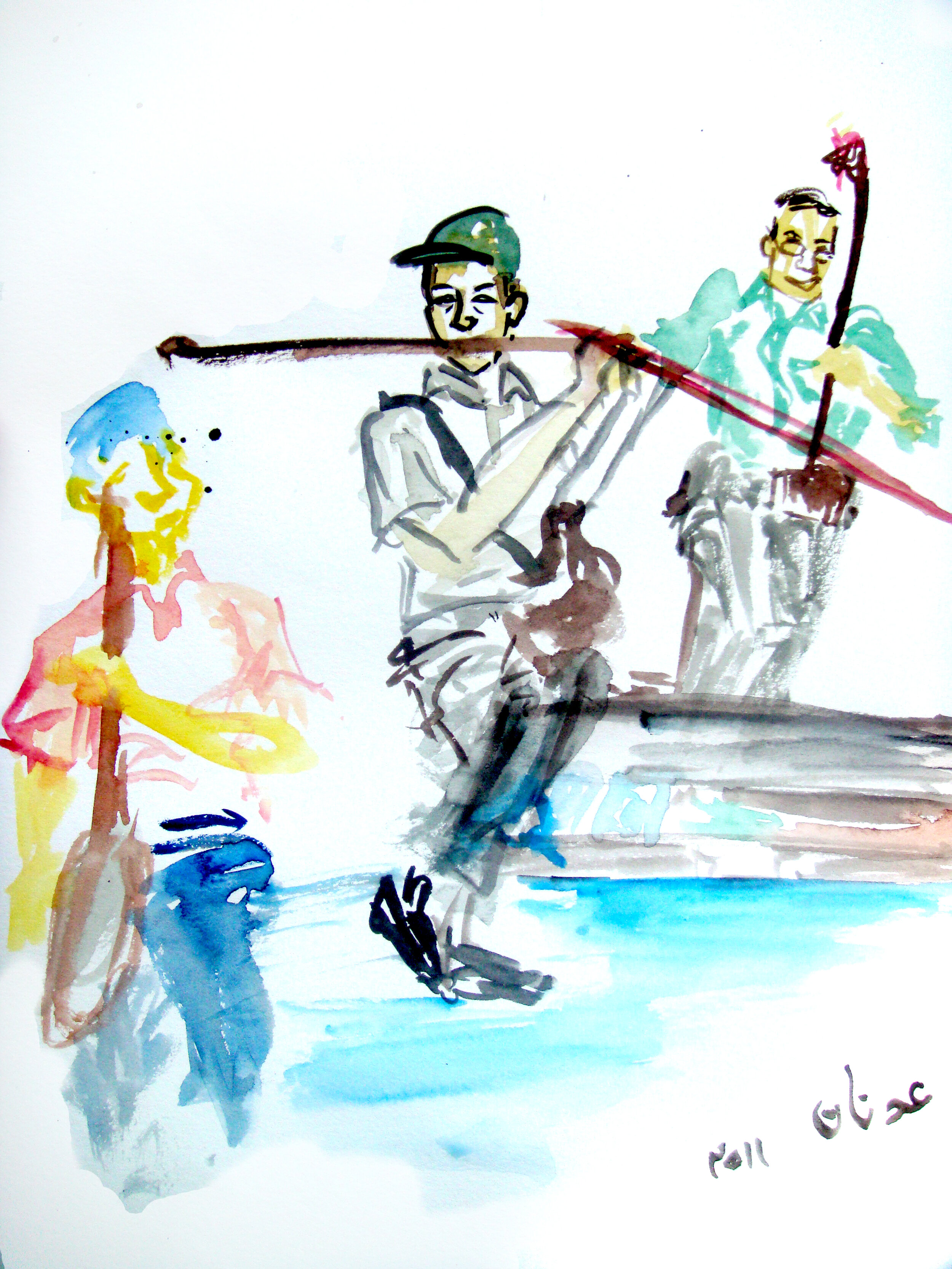
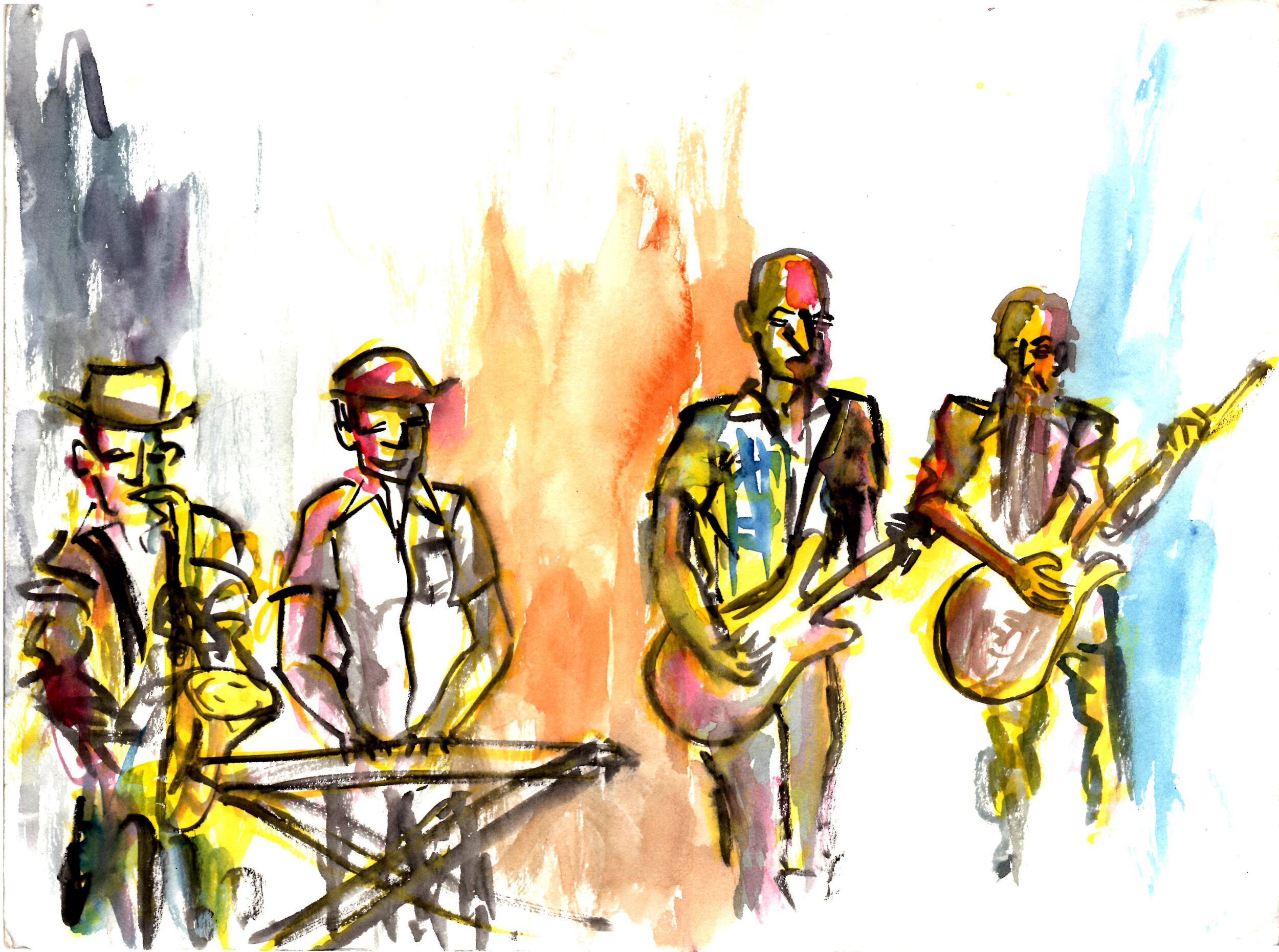
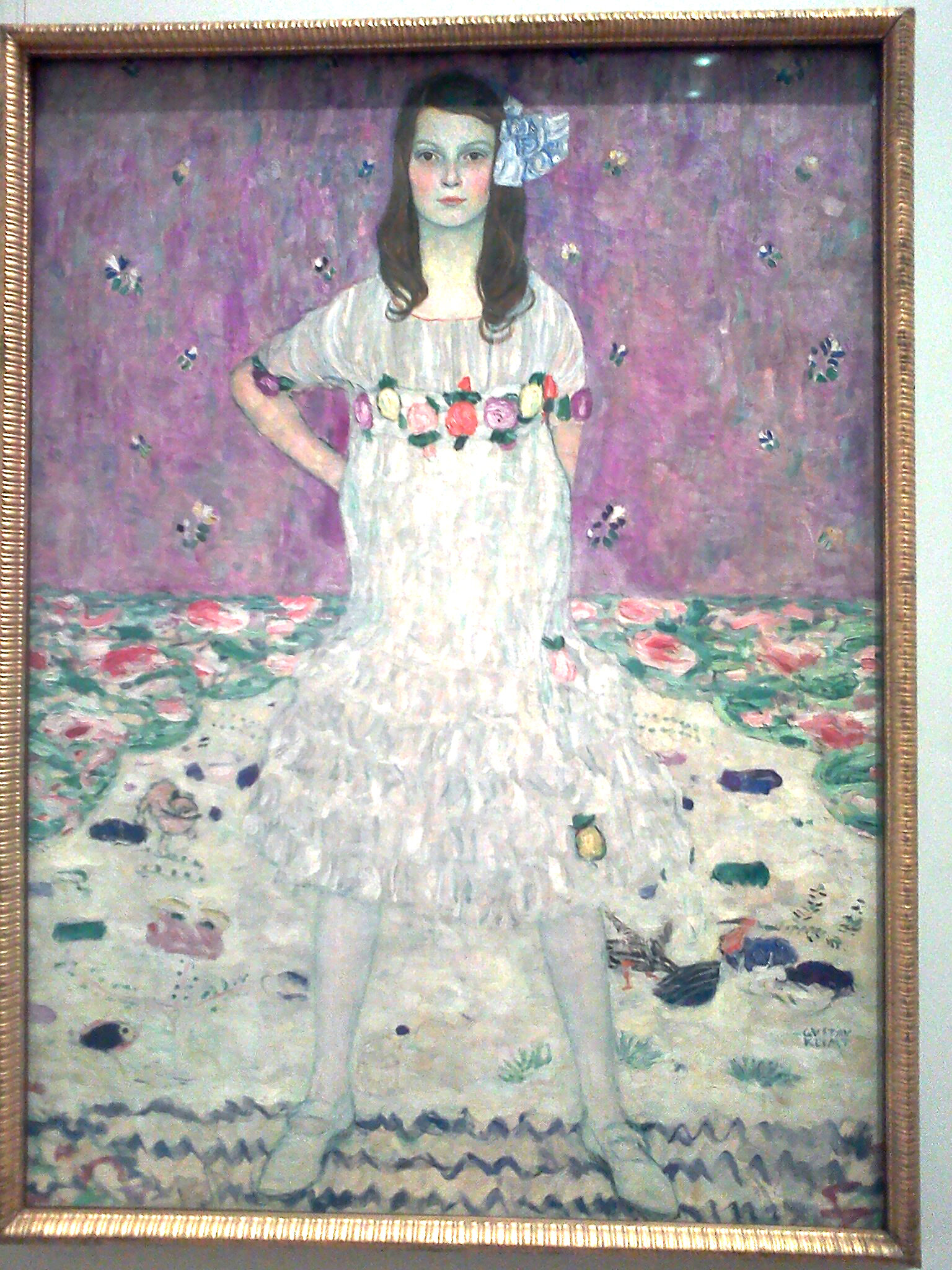
After 9 days, with lots of walking, exploring, eating, art and music, the trip came to an end. Here are a few quick watercolor sketches I did on different days. I saw some elderly musicians in the park in Chinatown and contributed the sketch below to their change box. I met a great band near the Lincoln Center and gave them the sketch you see below. I also had the pleasure of enjoying some jazz music one late night at a place called Small's and did a few sketches there. Some of the art highlights of the trip include these incredible Gustav Klimt, Egon Schiele and Alphonse Mucha paintings I had a chance to see in person. Besides that I picked up some great little prints by Chinese artists which will serve as some inspiration for a future work I am planning out at the moment.Thanks to my friends who gave me a place to crash. It sure makes travel easier and more fun!
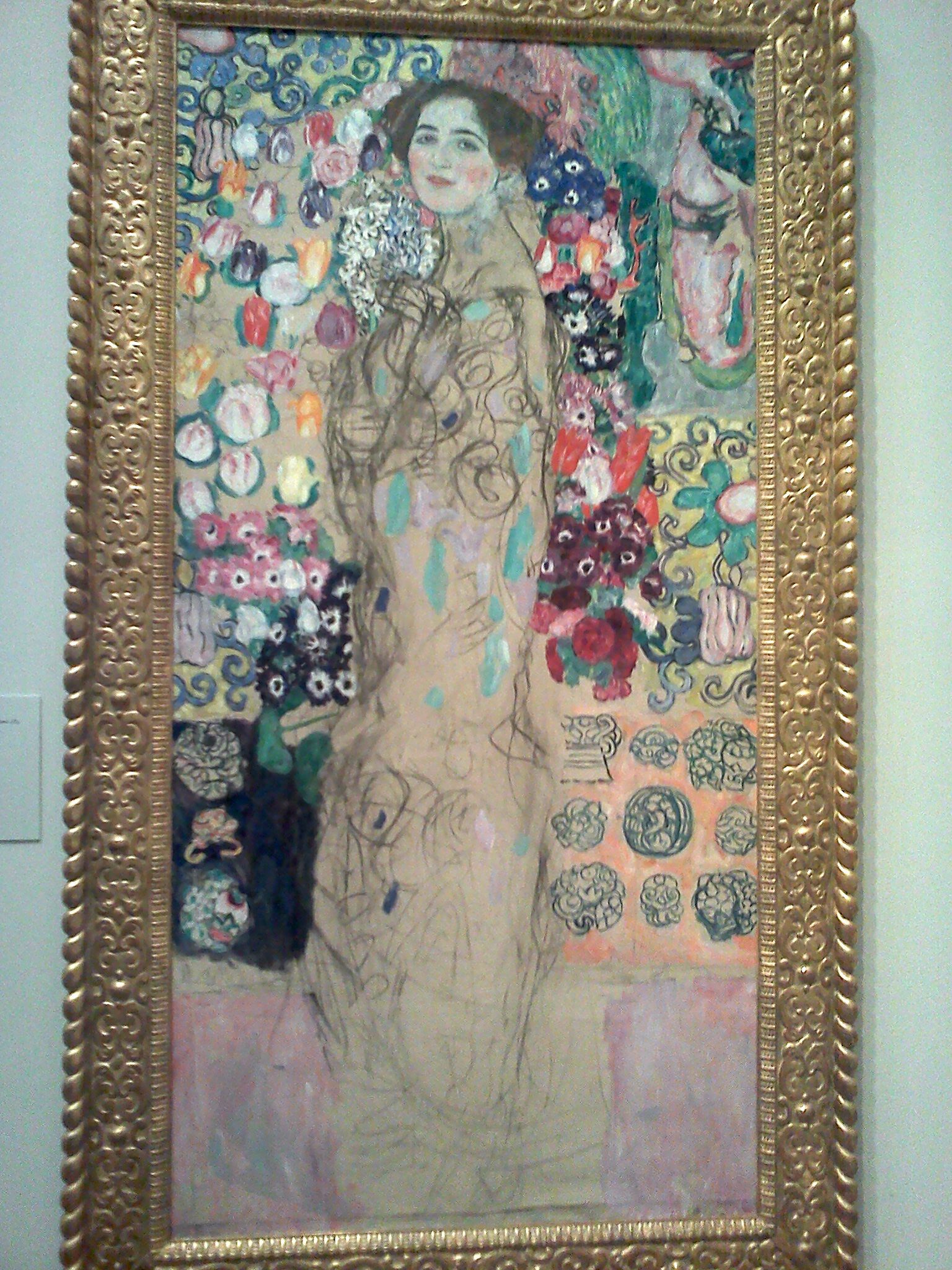
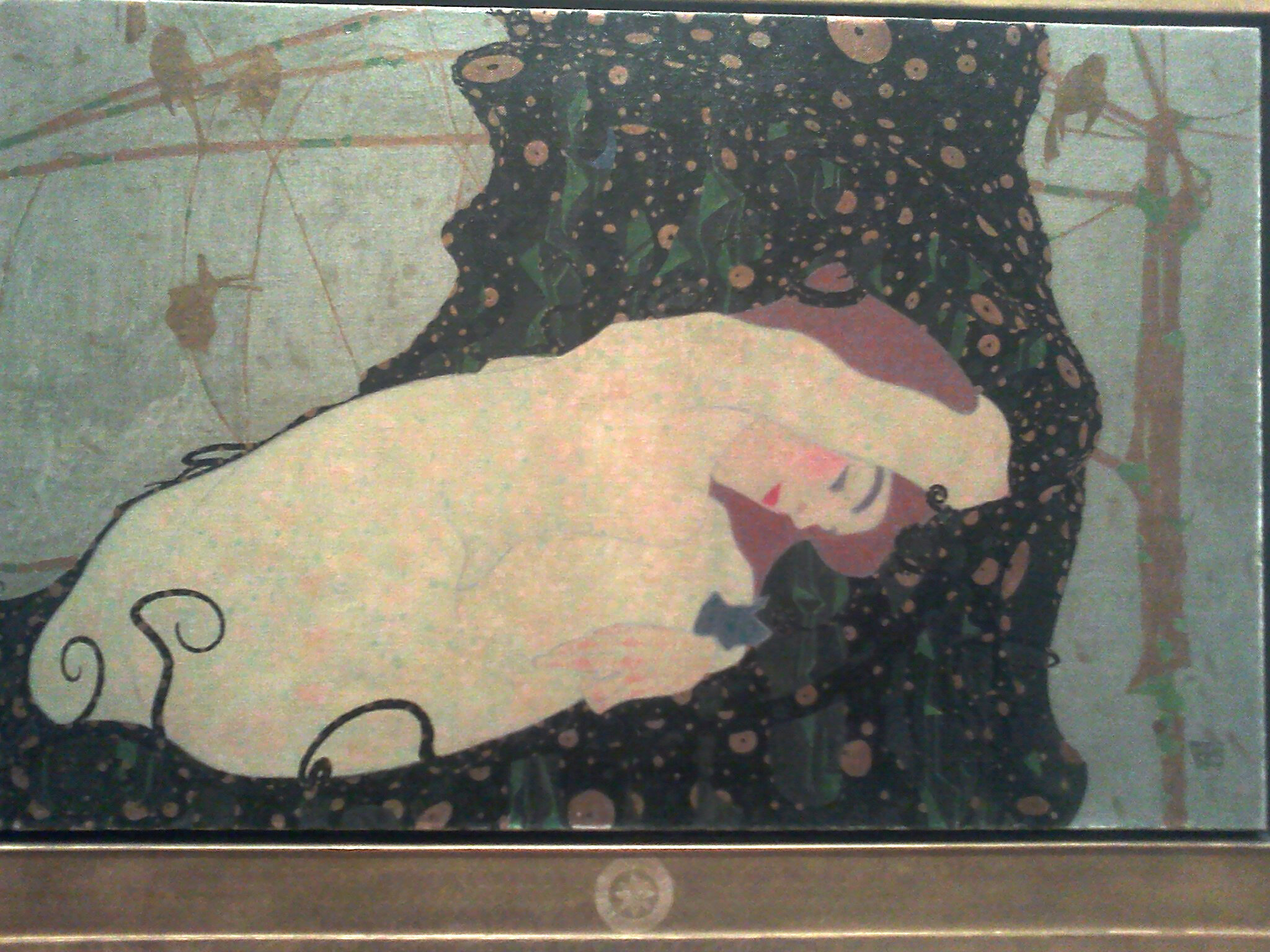
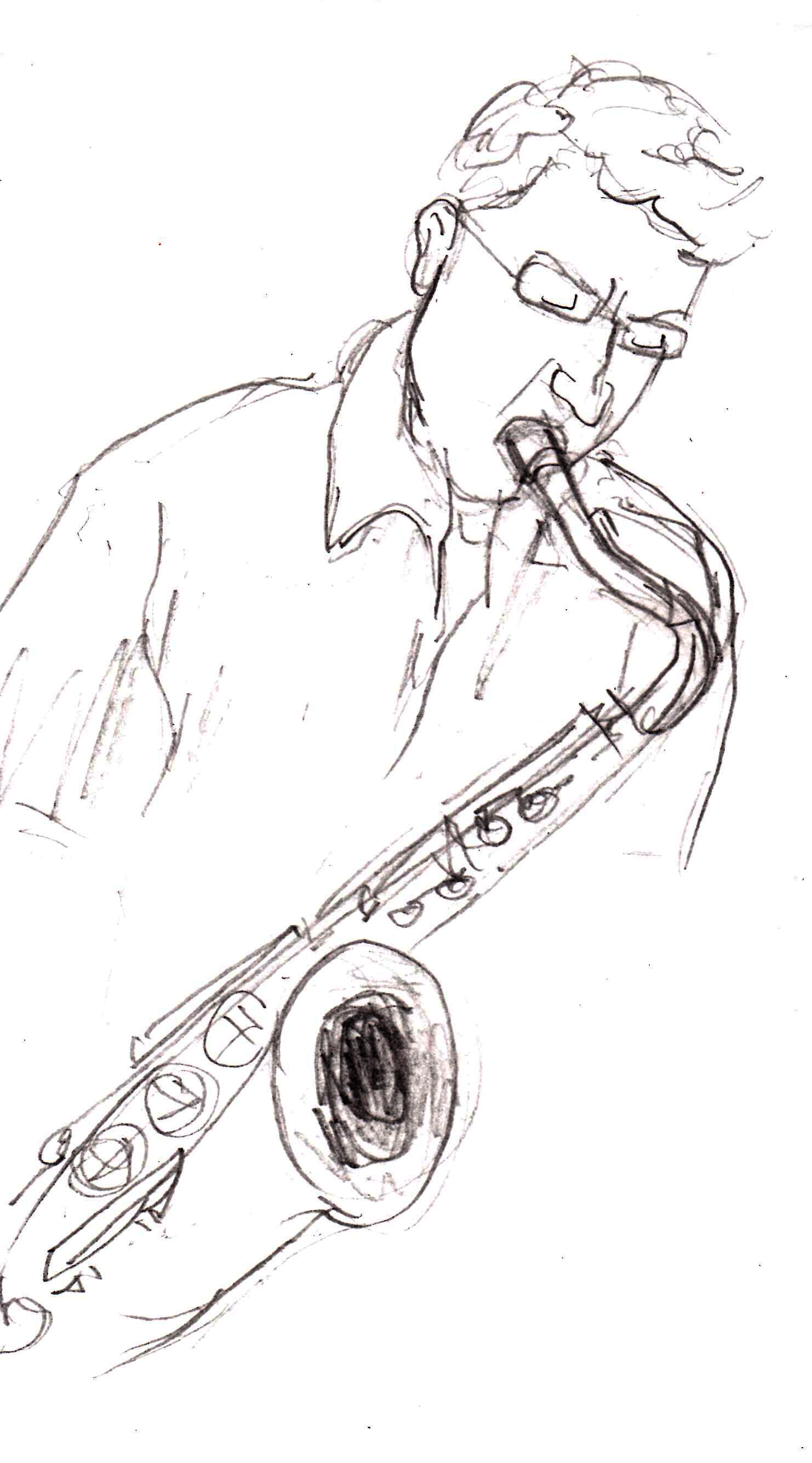
NYC Part 2
I went to Lexington and had some Kashmiri chai. One day I head over to Jackson Heights in search of an excellent Pakistani painter Moazzam Ali whom I had heard might be living in the area. I called a number that may have been his at one point and even went to a building where he might have lived, but no luck. I guess it might have been a more interesting story if I had actually found him. I did talk to some desi sounding dude on the phone a few times that I called the phone number I had. Each time he just said it was a wrong number and refused to talk any further. I had better luck at the amazing Hispanic Society of America Museum. I went there to see some original paintings by the great Spanish artist Joaquin Sorolla y Bastida. He did an almost life size series of paintings depicting Spanish culture from his time. There was a special room set up specifically for these incredible pieces. You can see some details in the photos below.Timesquare was interesting as was Rockefeller Center, and my buddy Ashish who joined me for the second half of my trip. There was fresh fruit in Chinatown, graffiti, food stands, rain, beautiful sunsets on little Italy and all kinds of exciting life and activity in this concrete, steel and glass city.
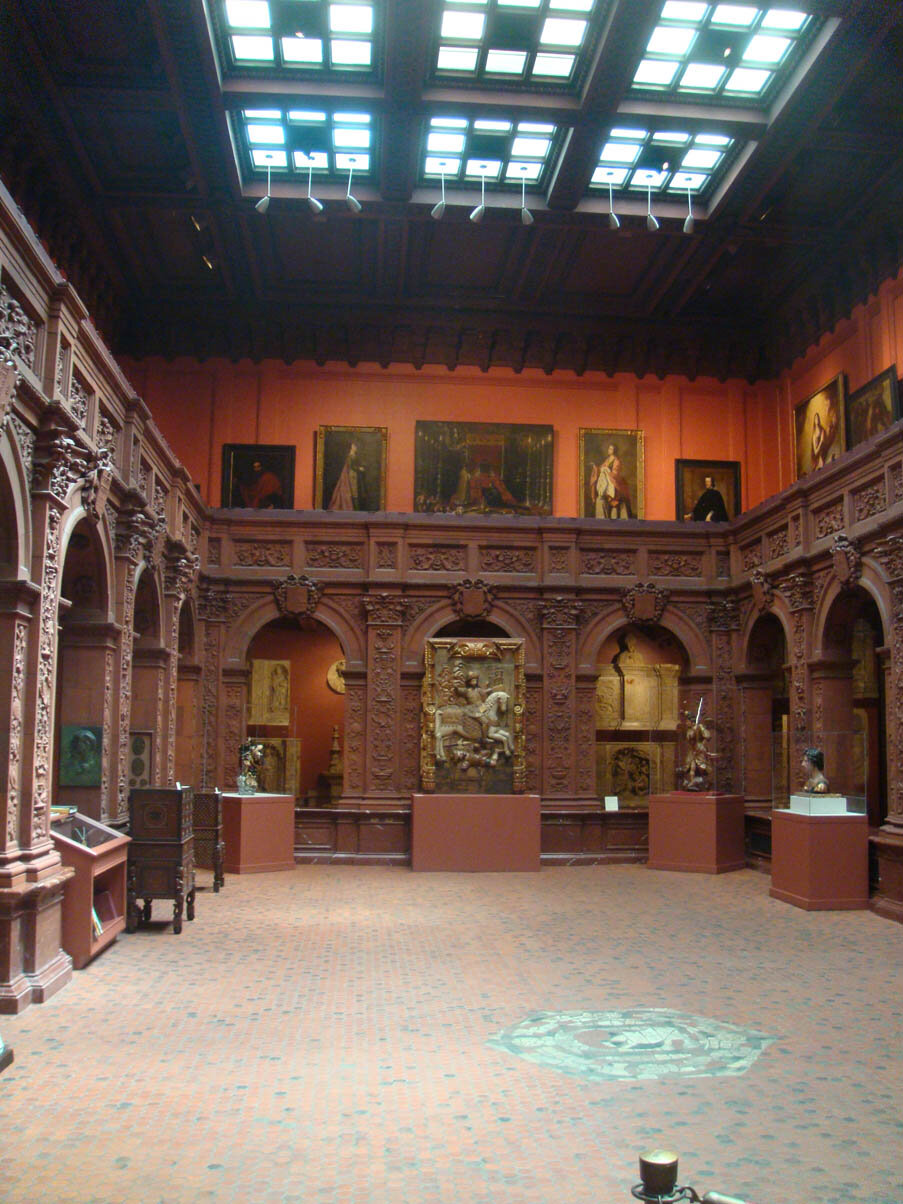
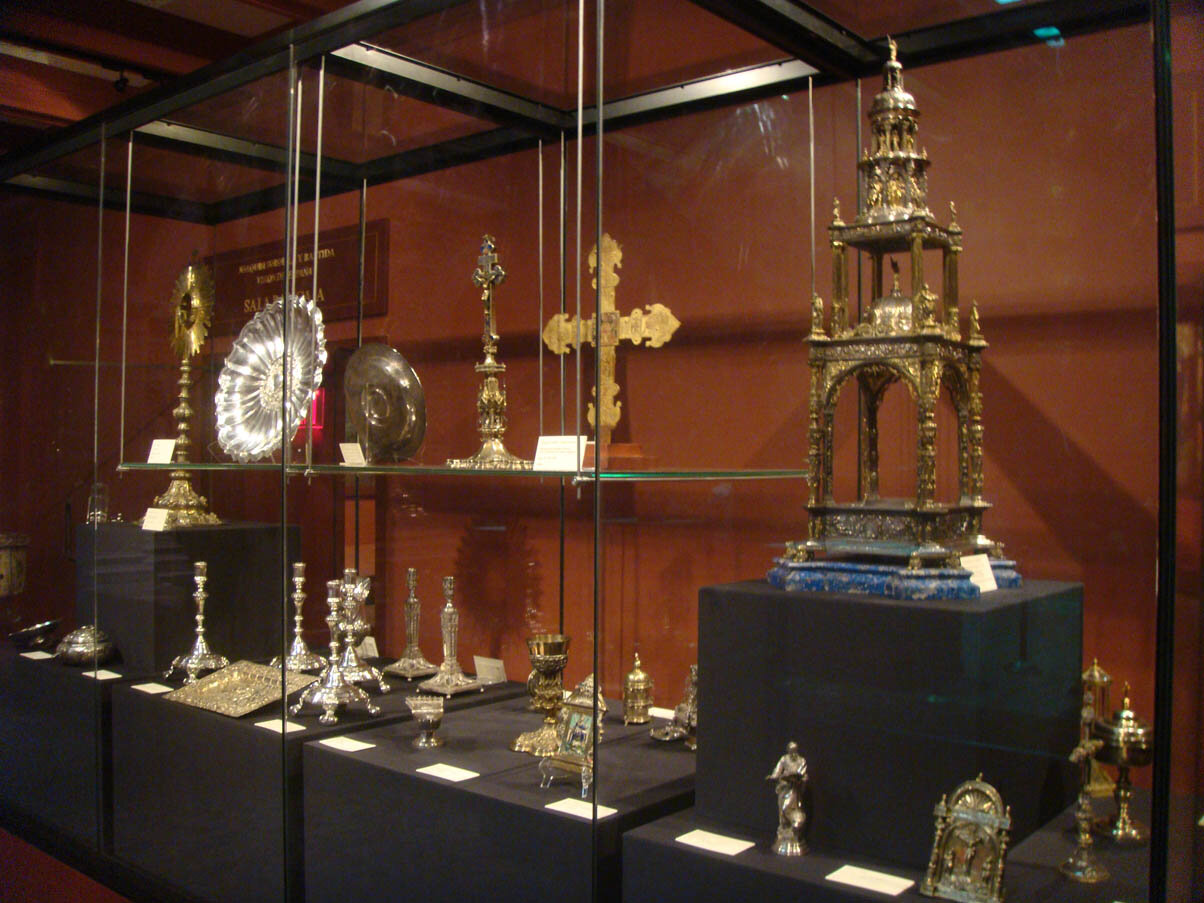
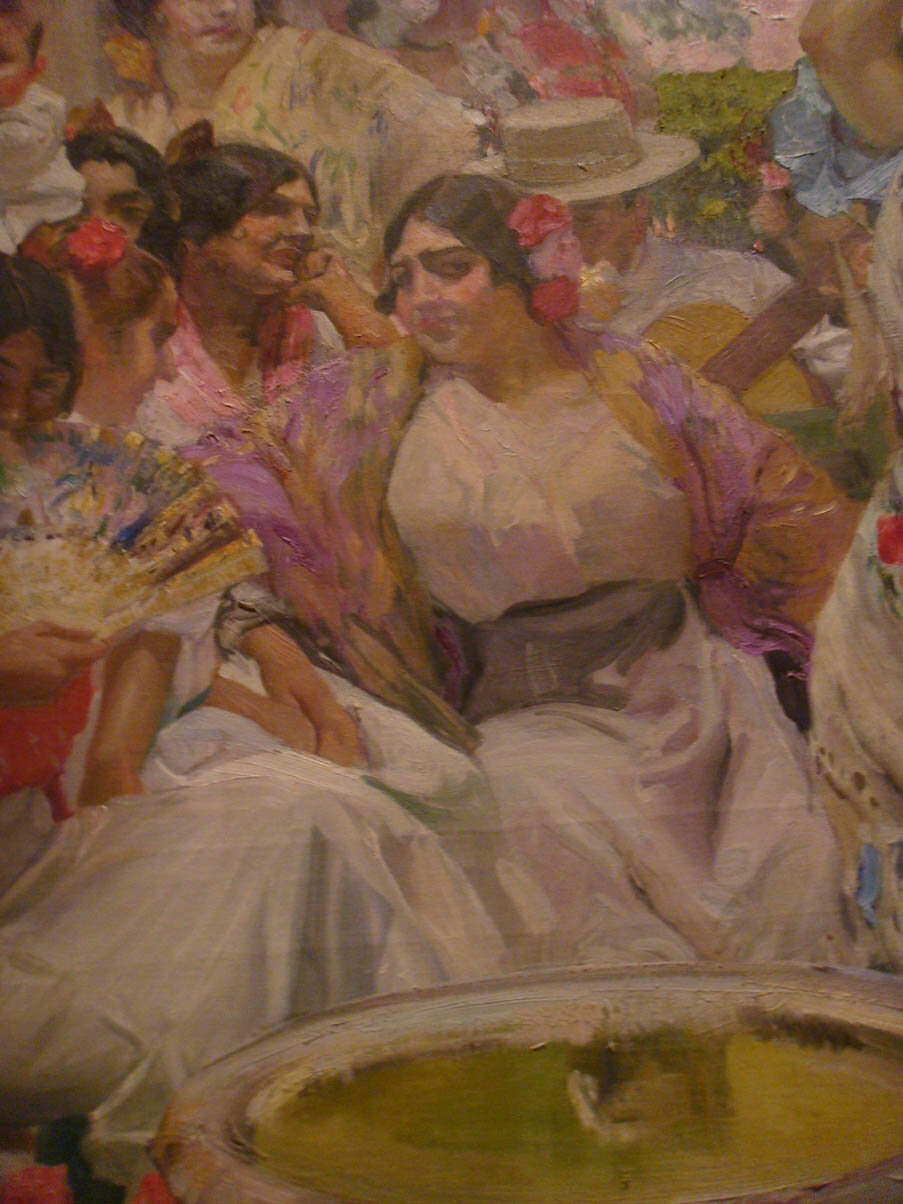
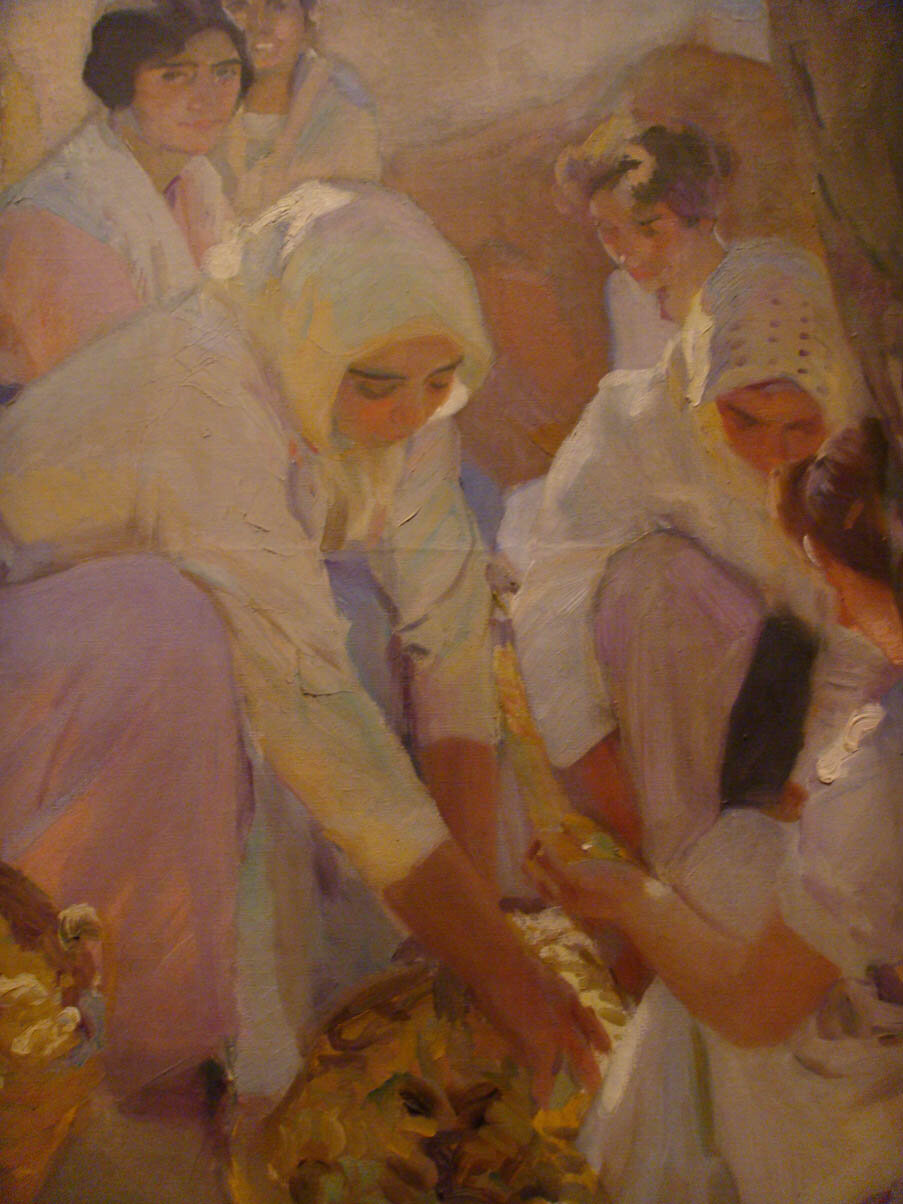
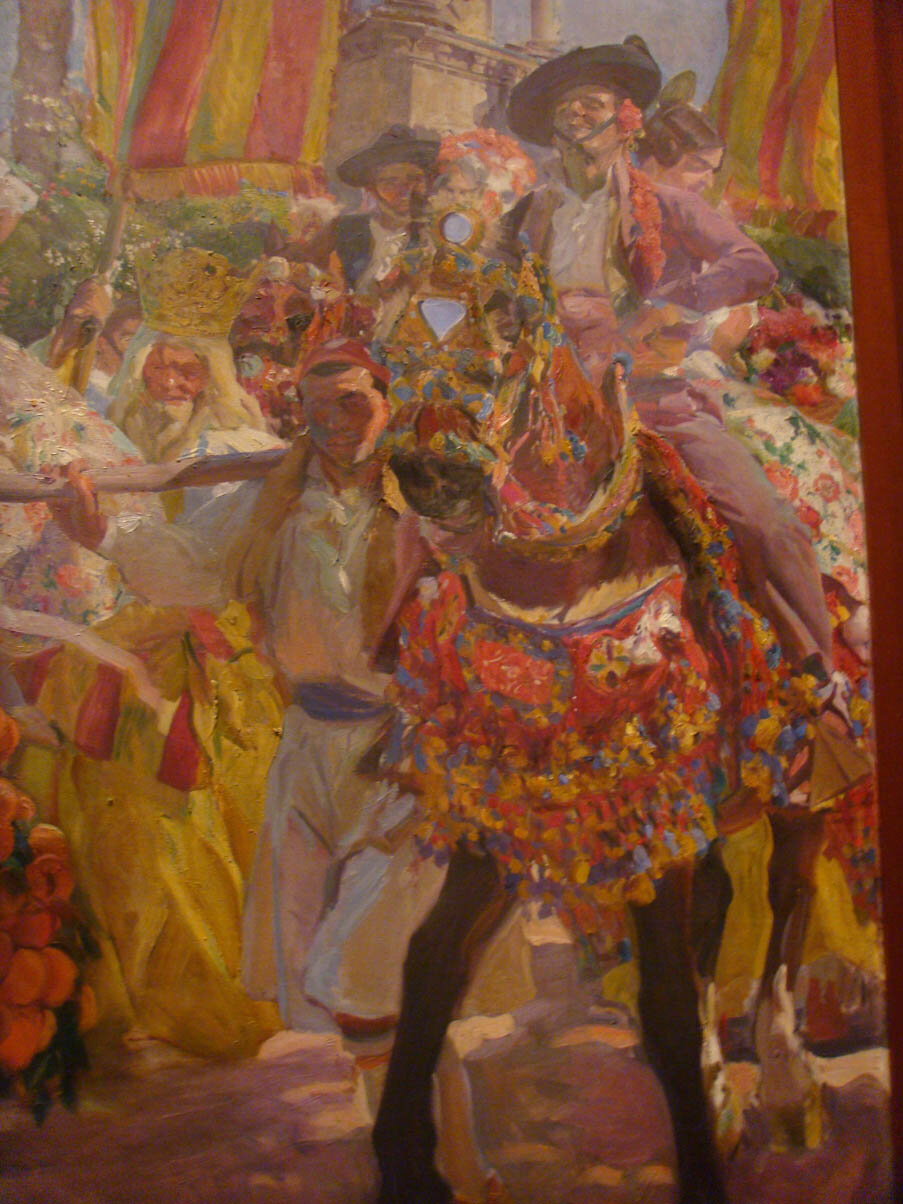
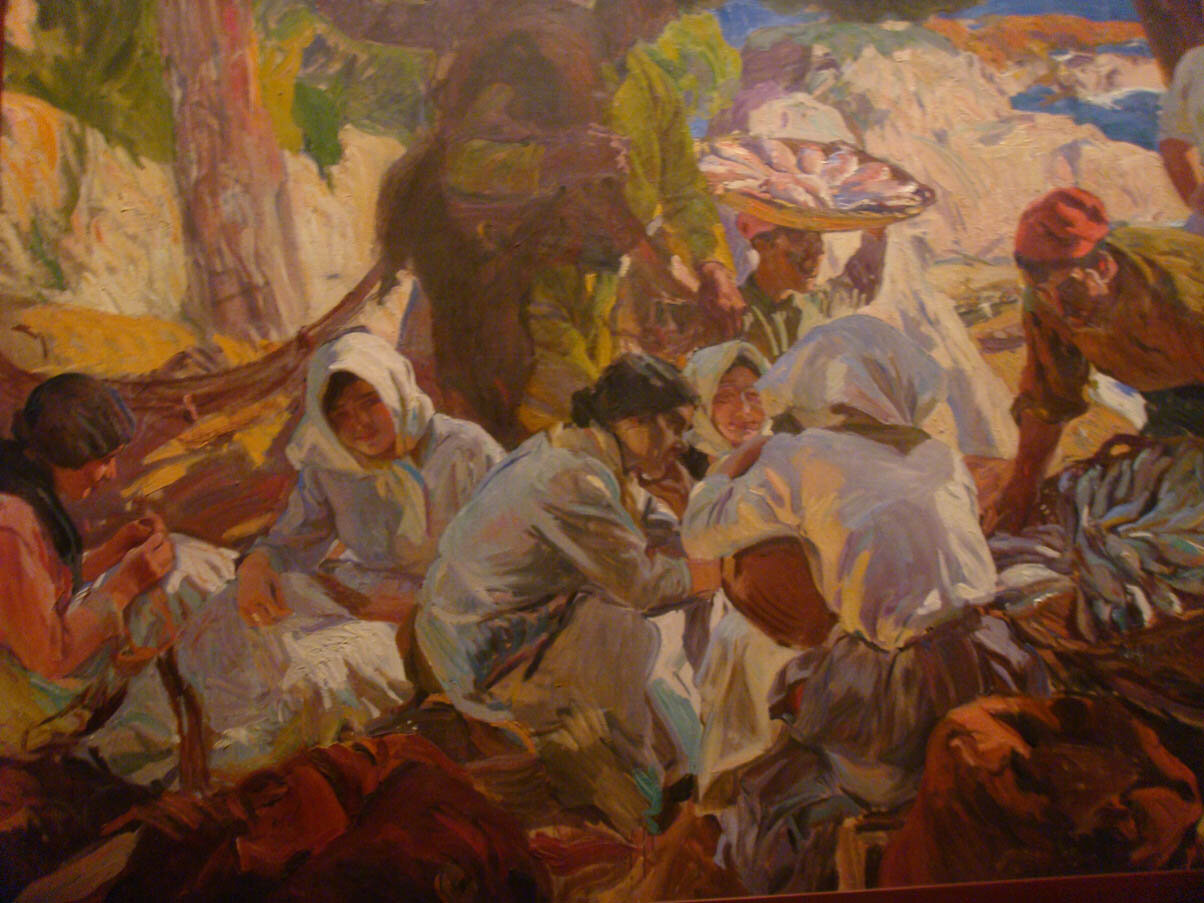
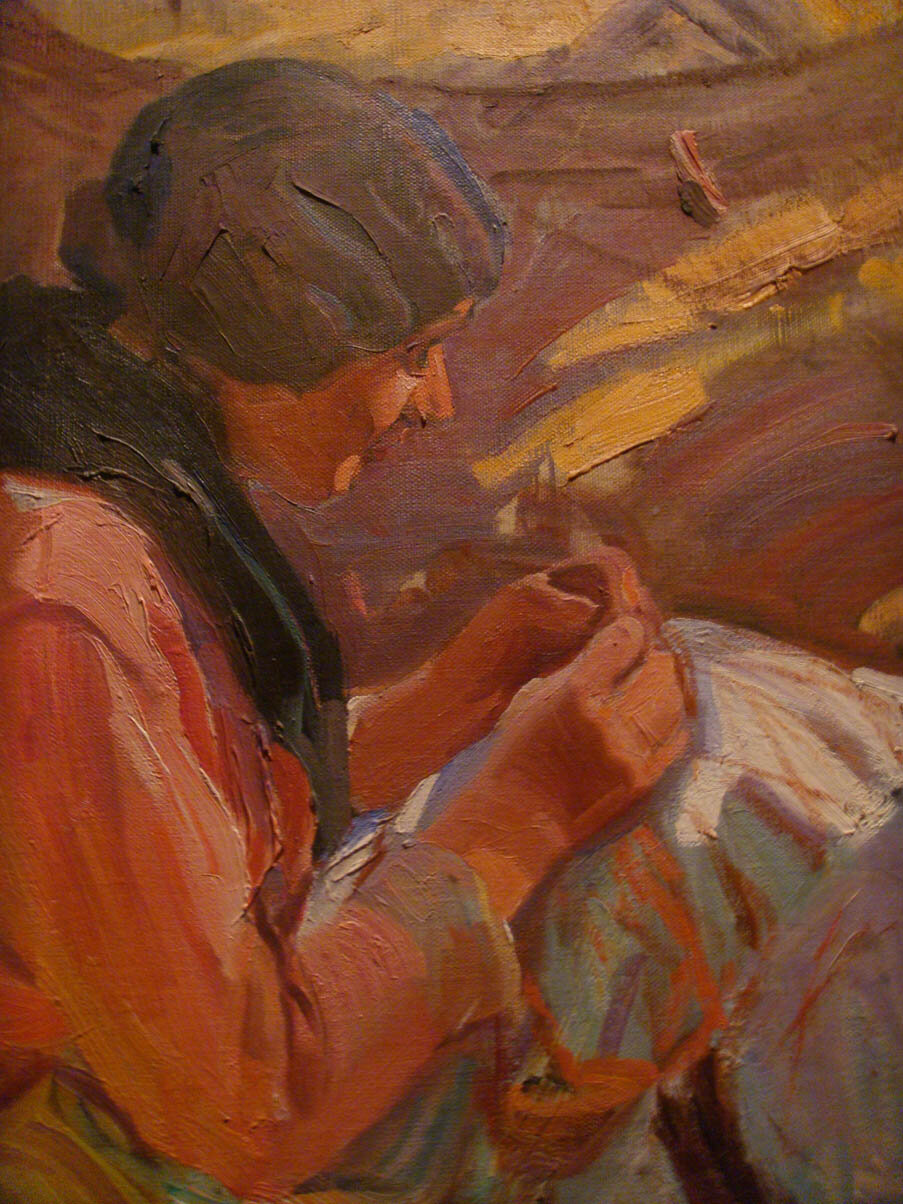

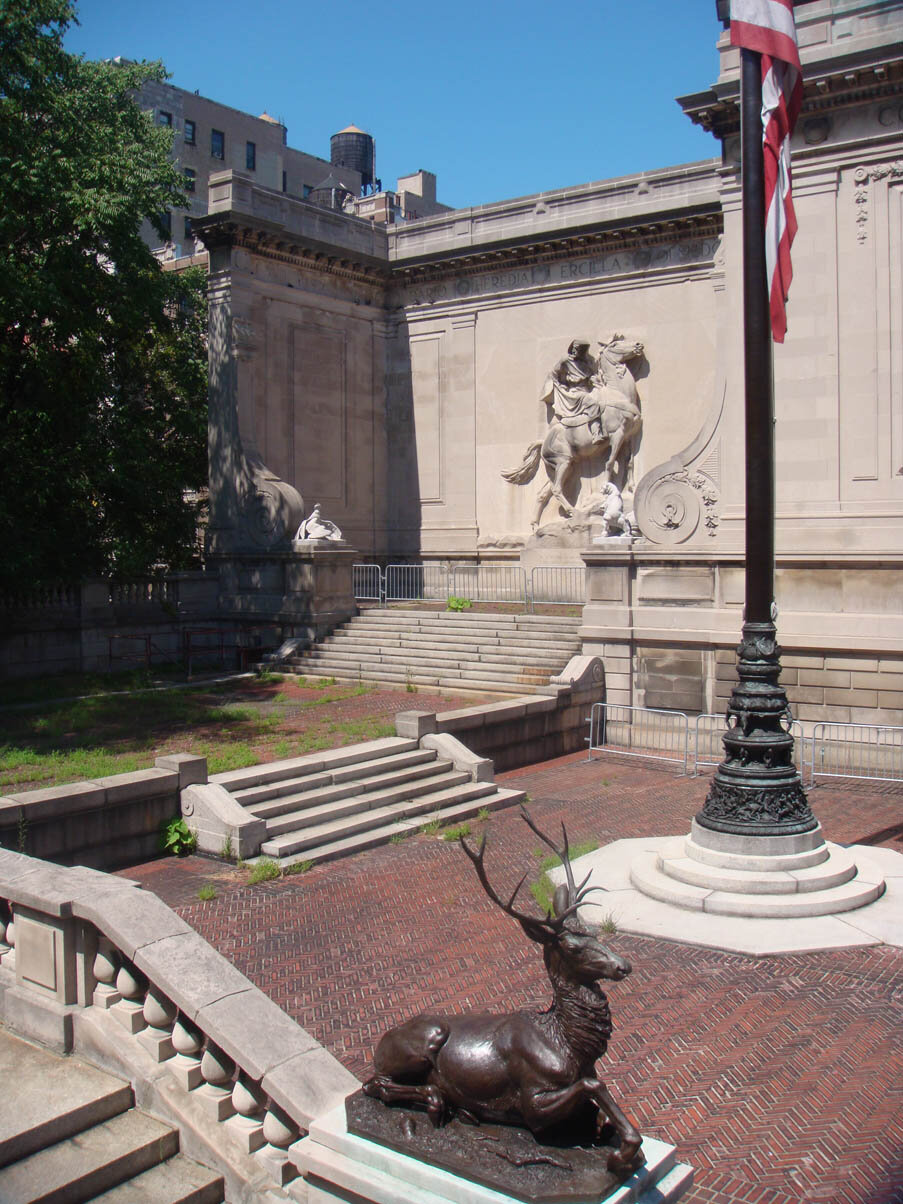
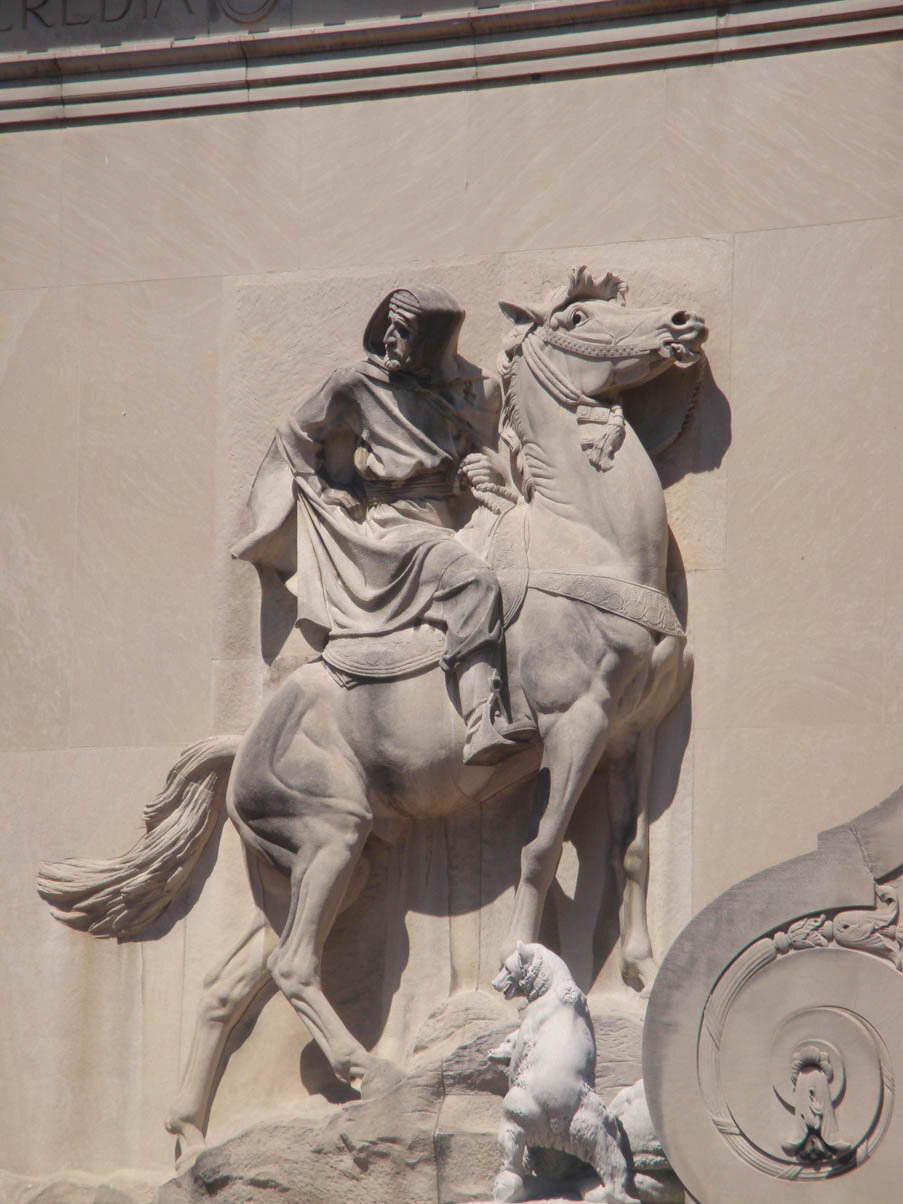
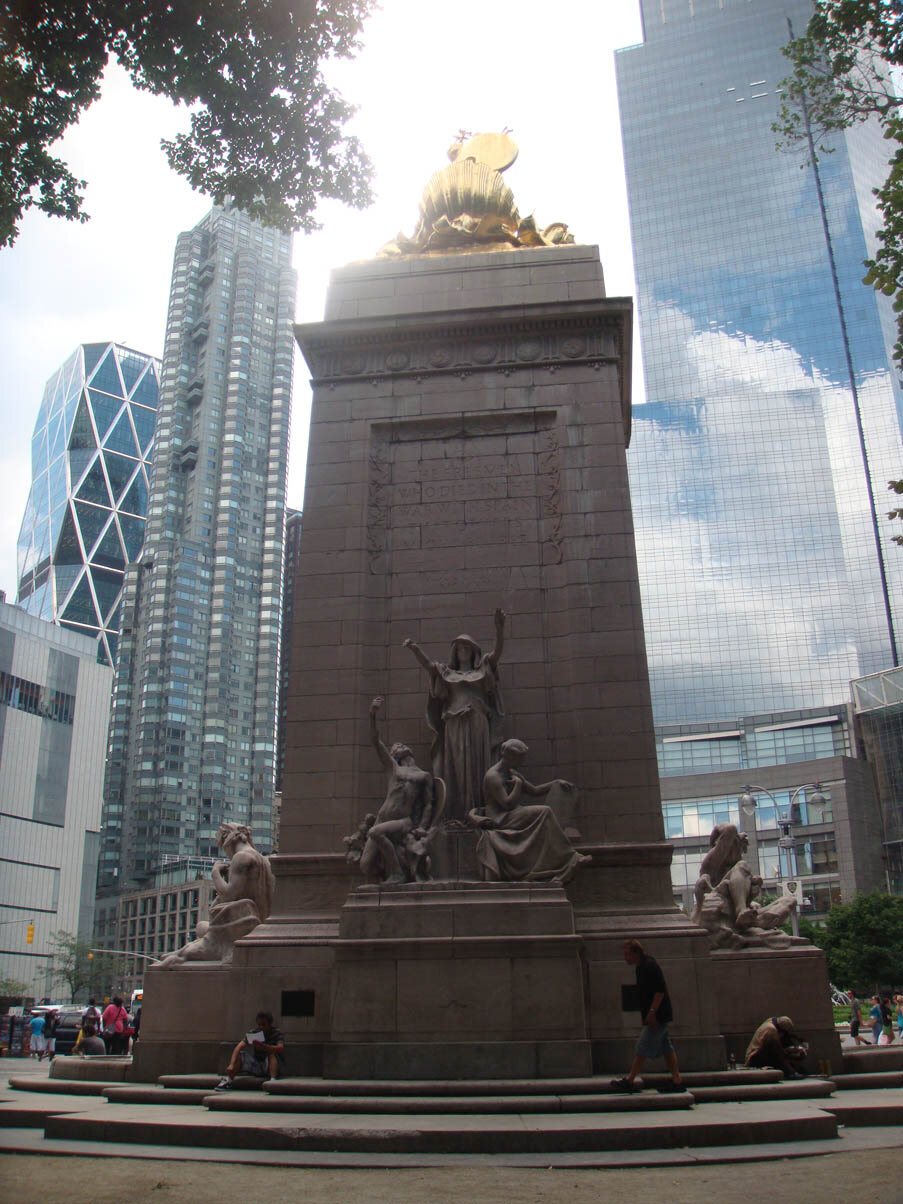
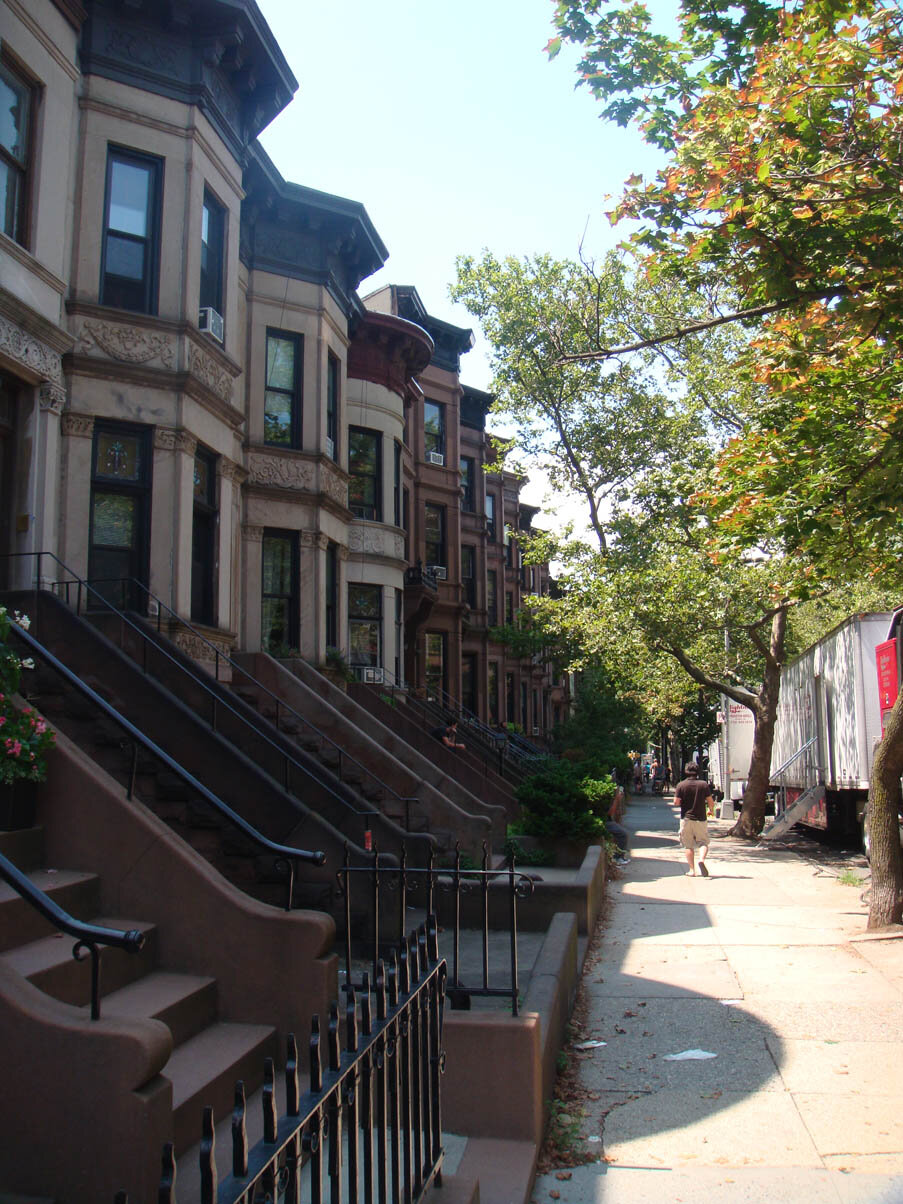
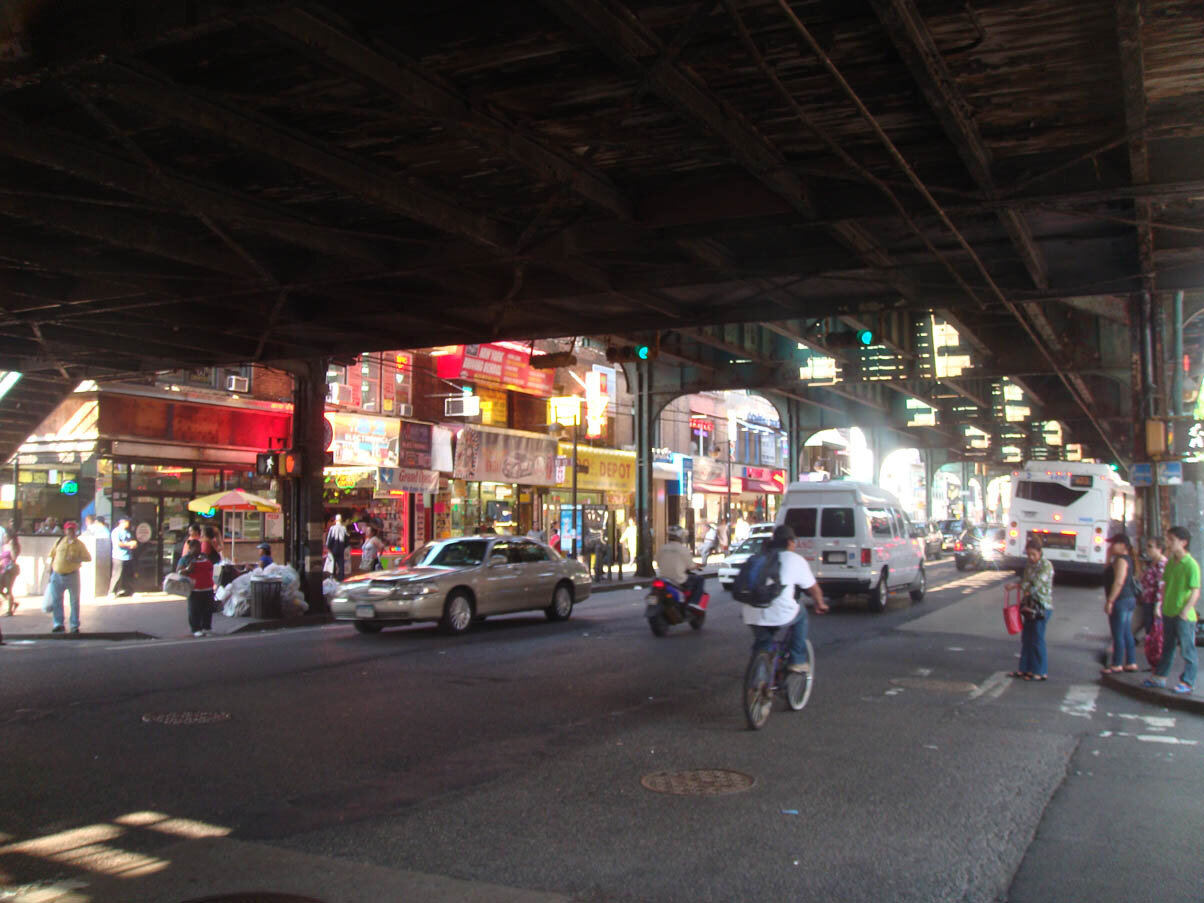
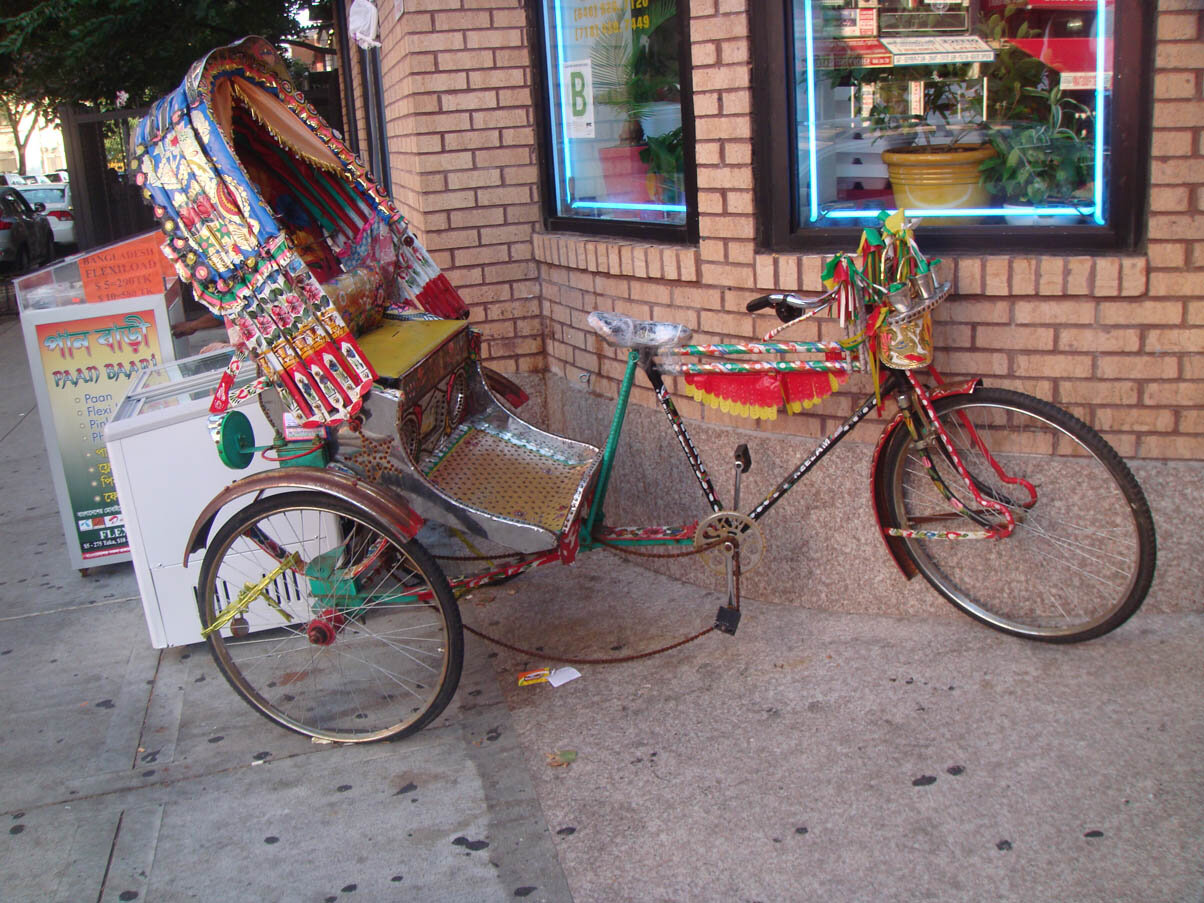
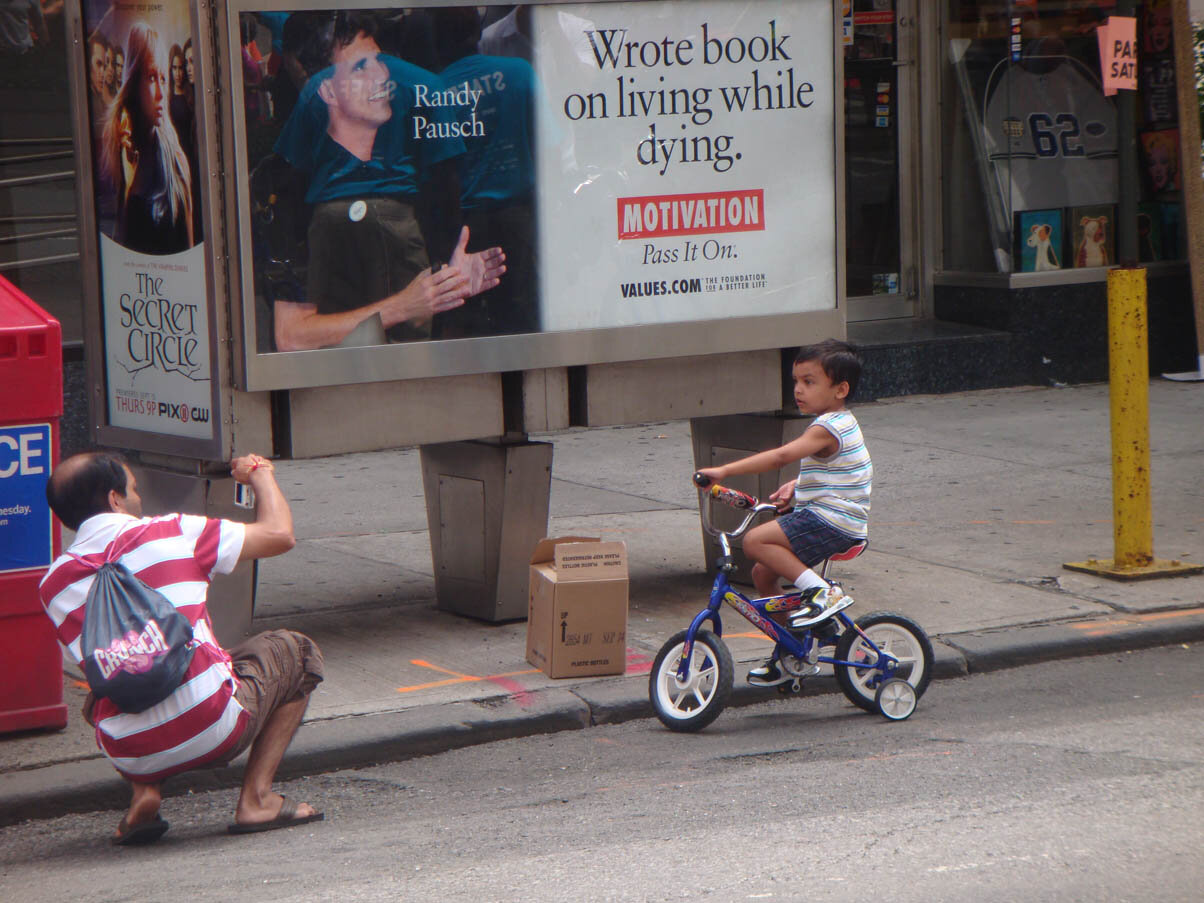
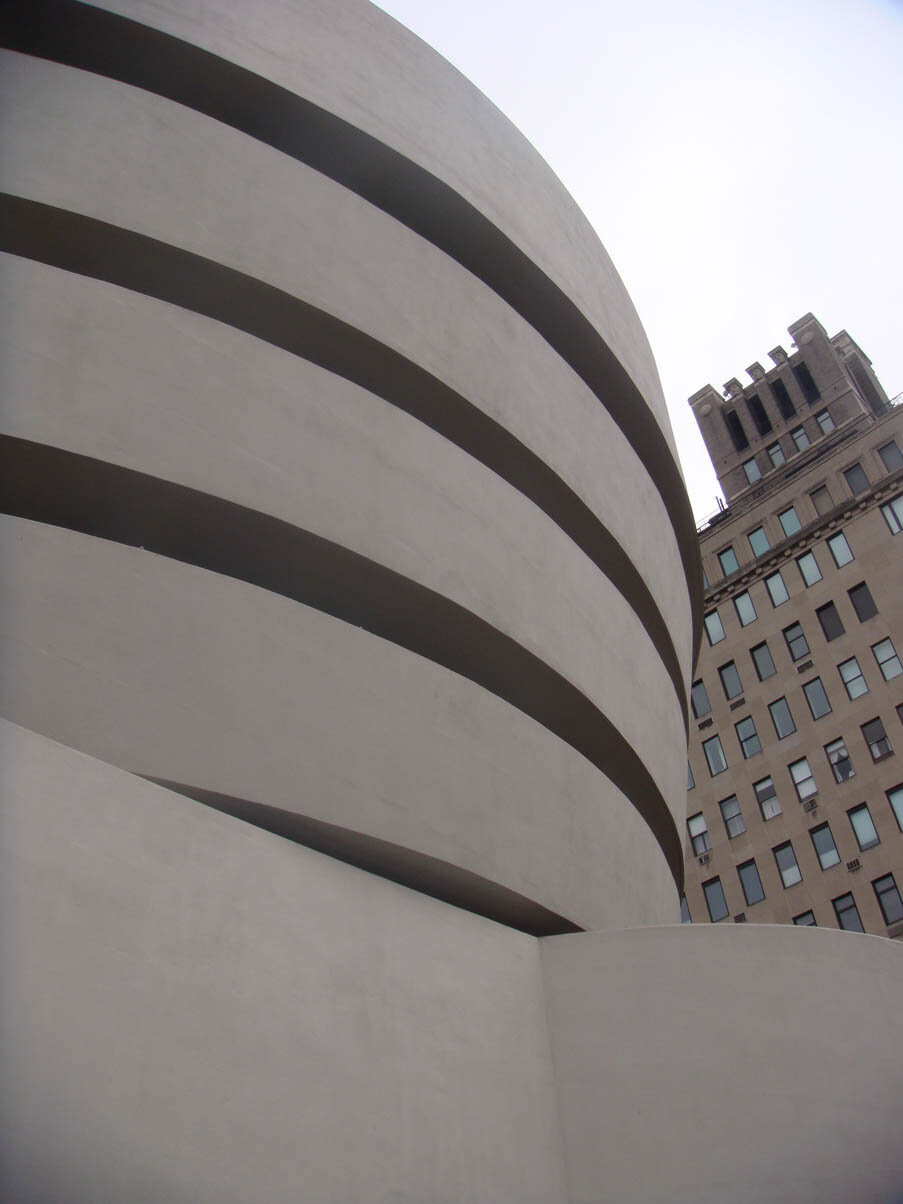

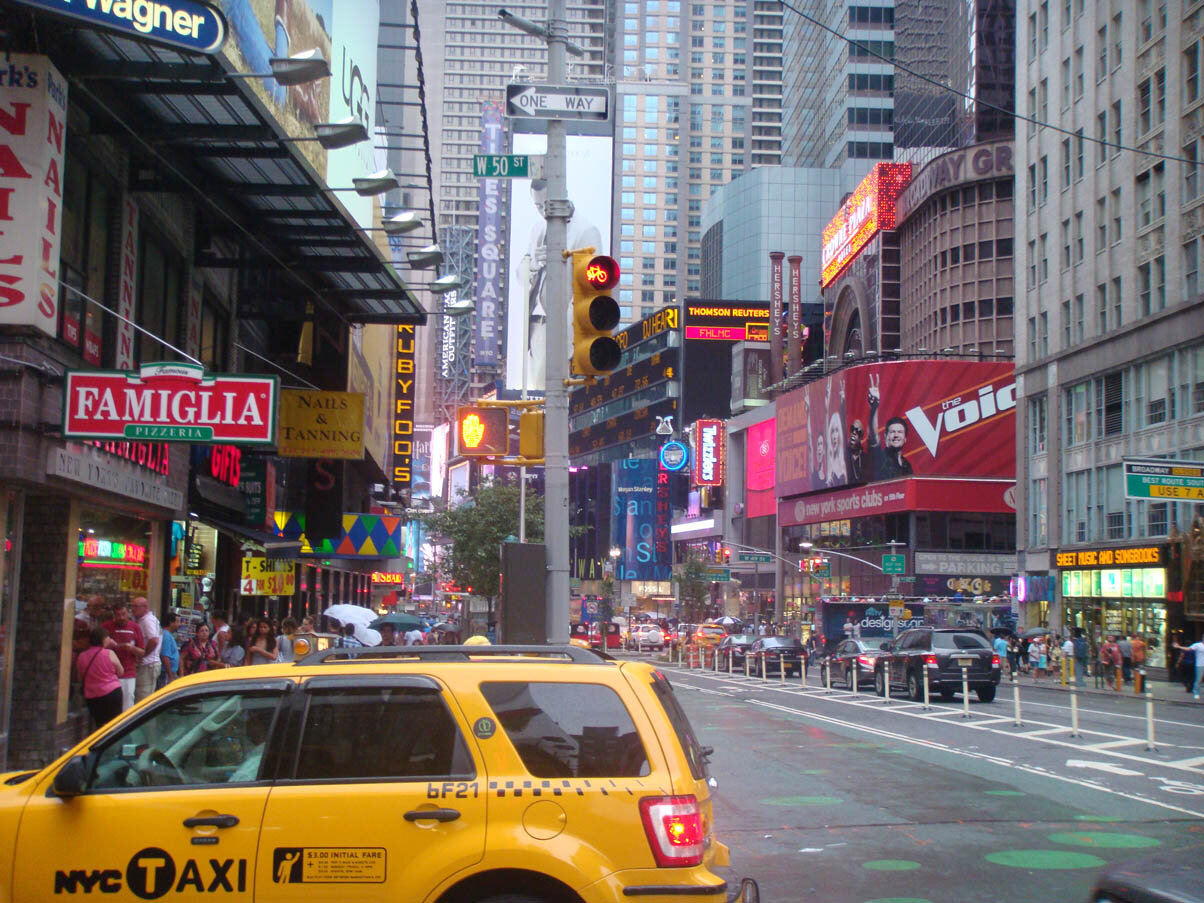
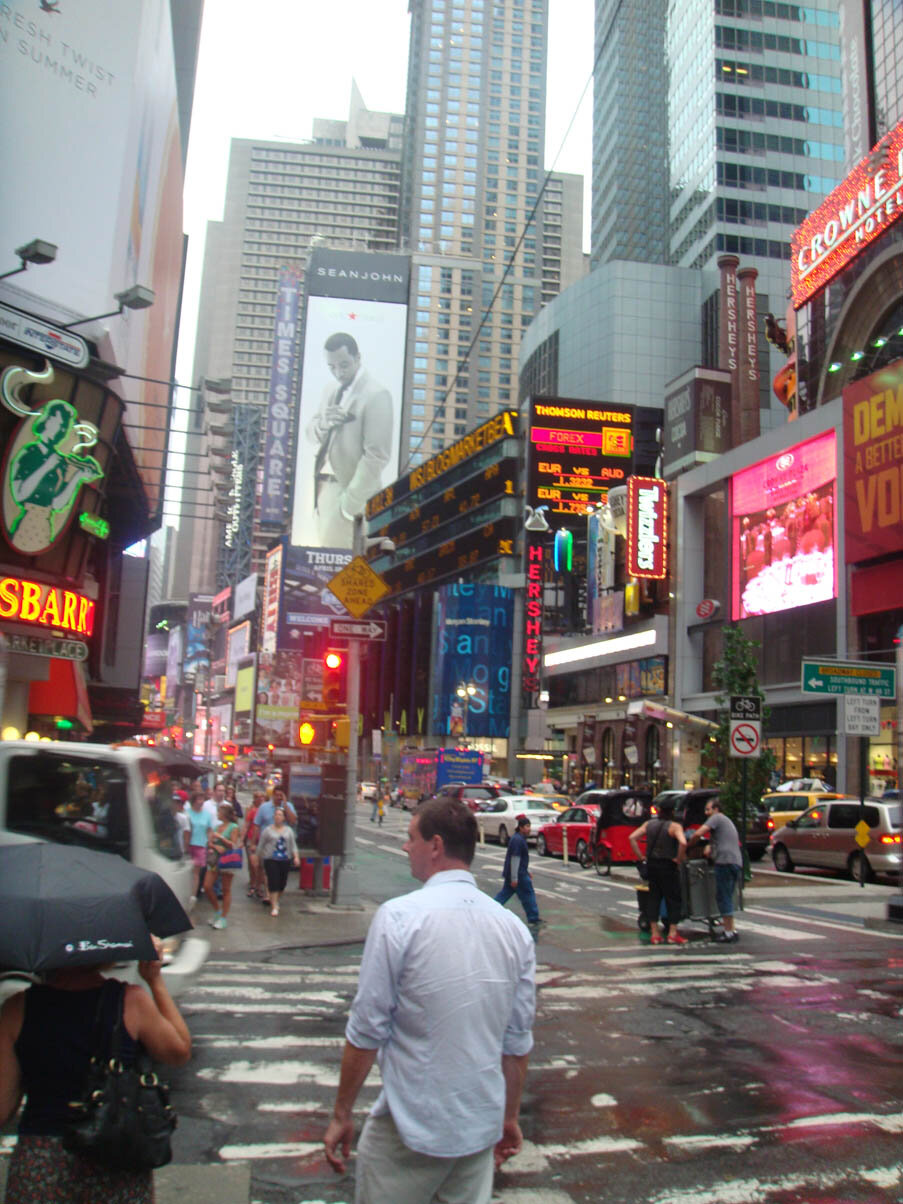

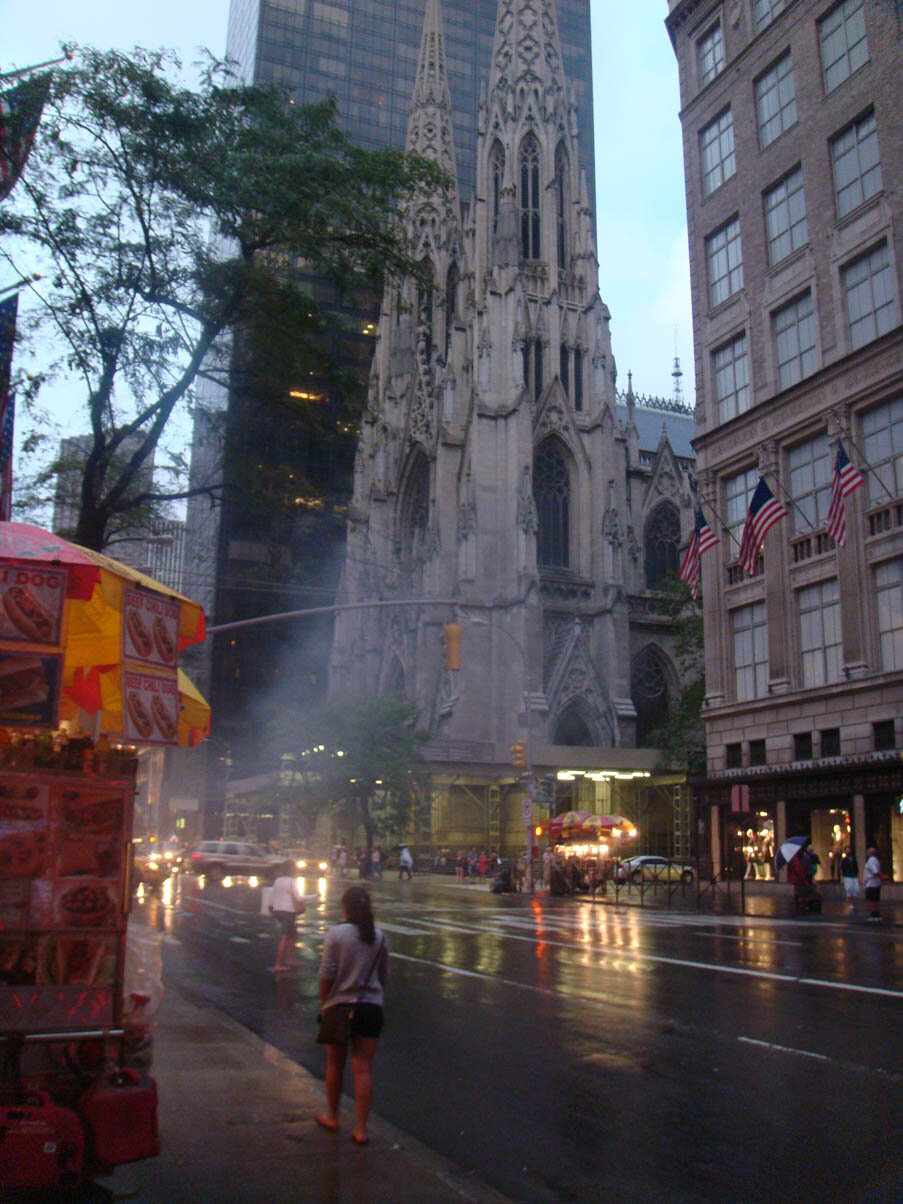
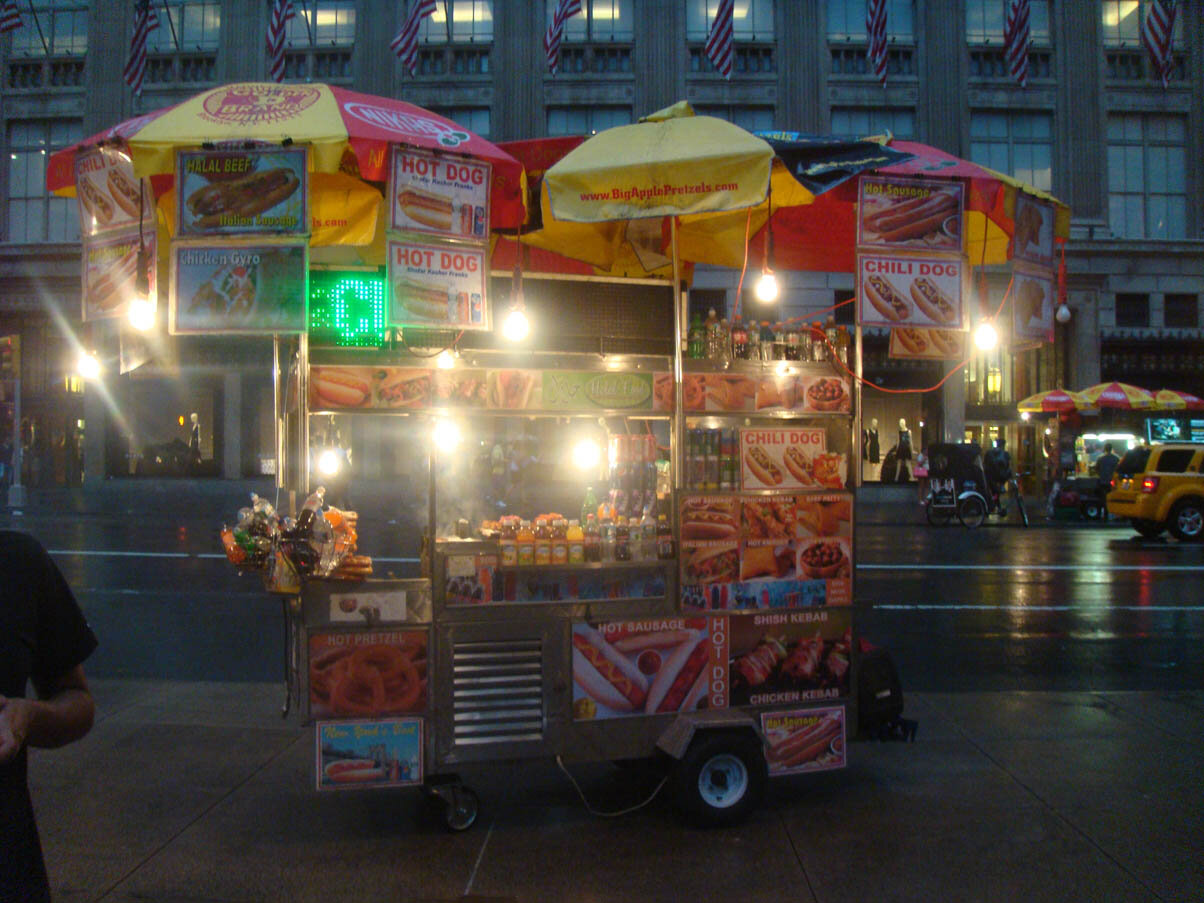
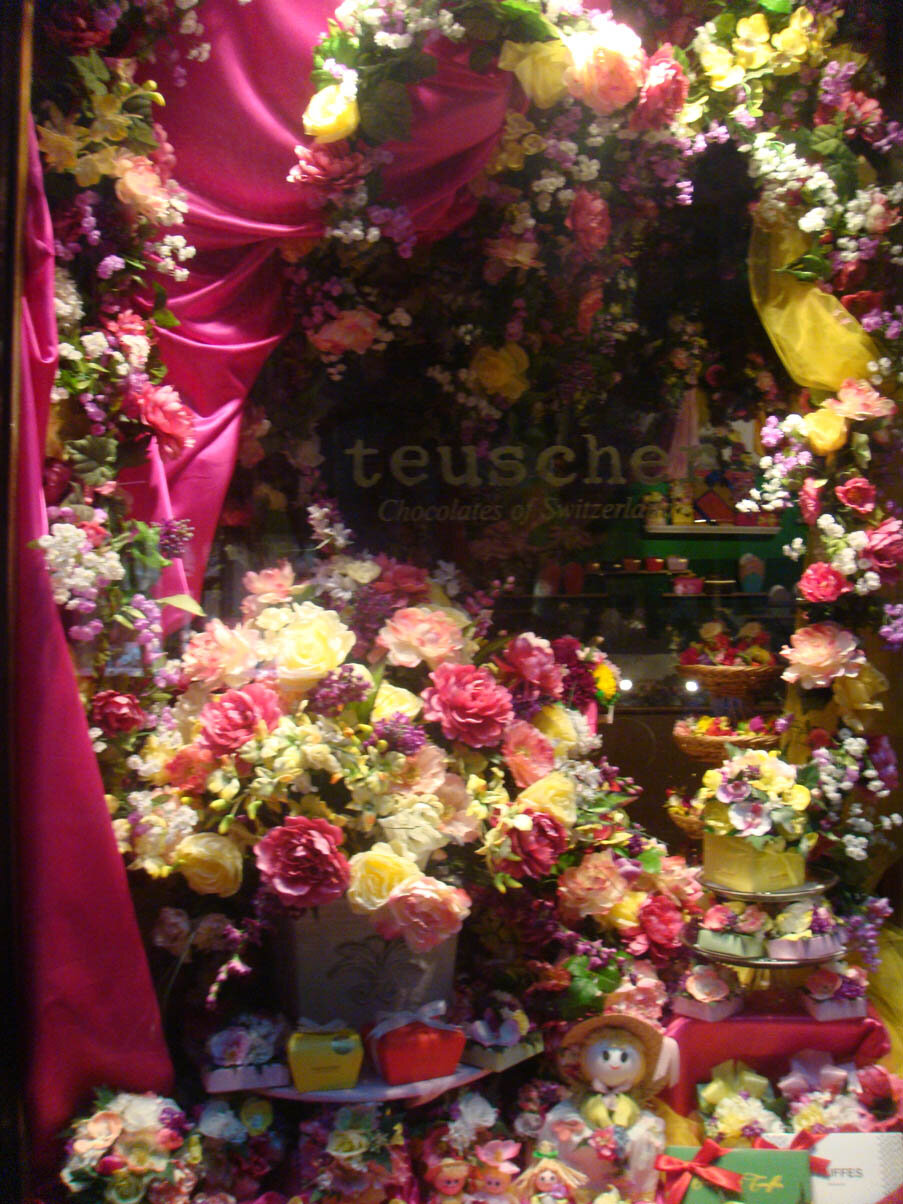
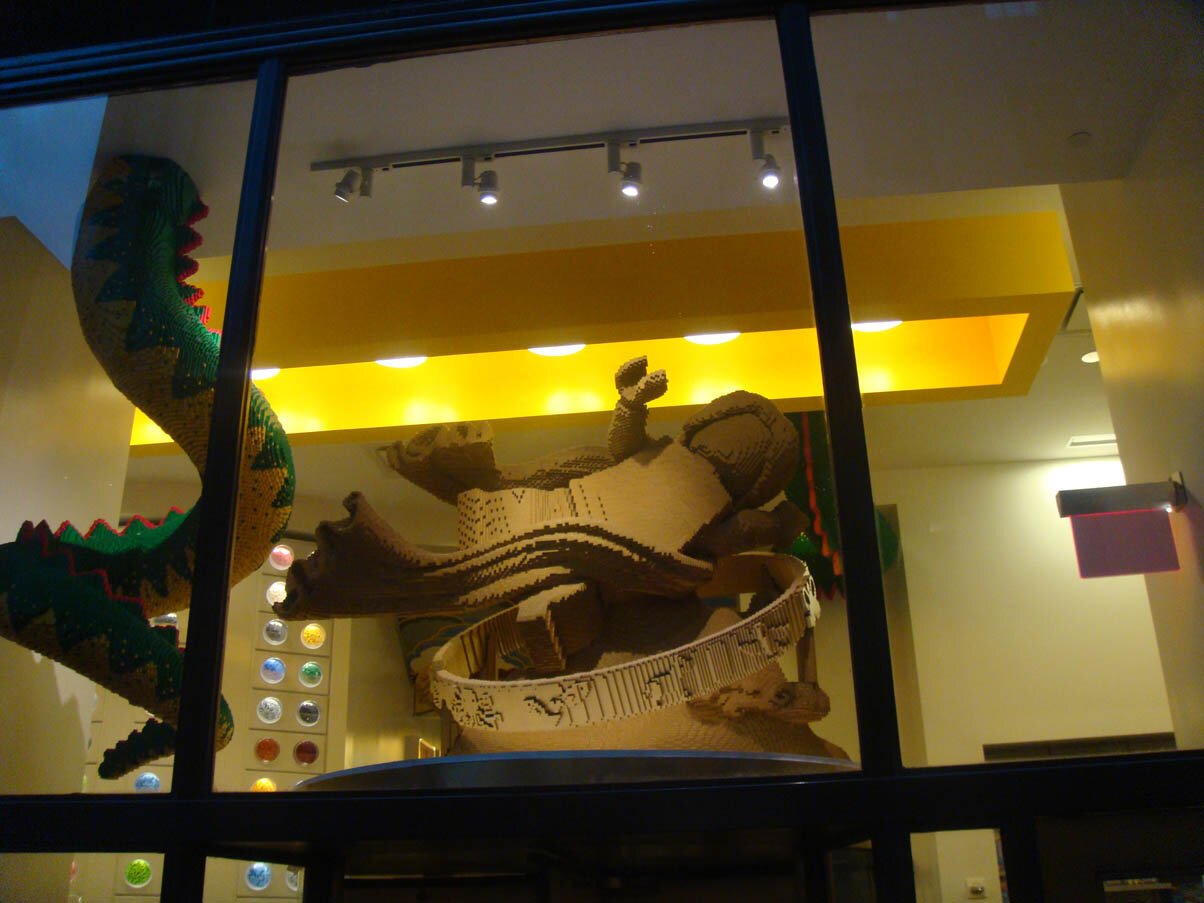

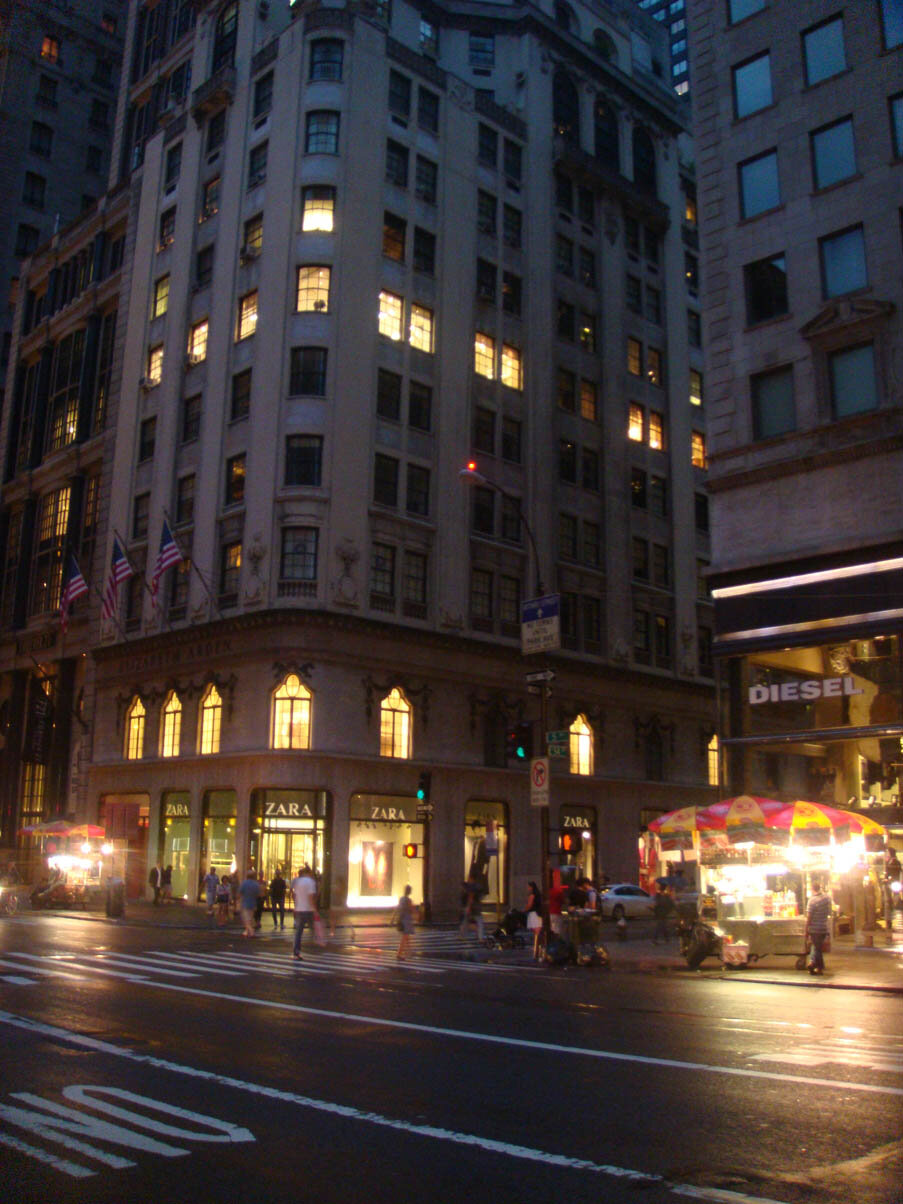
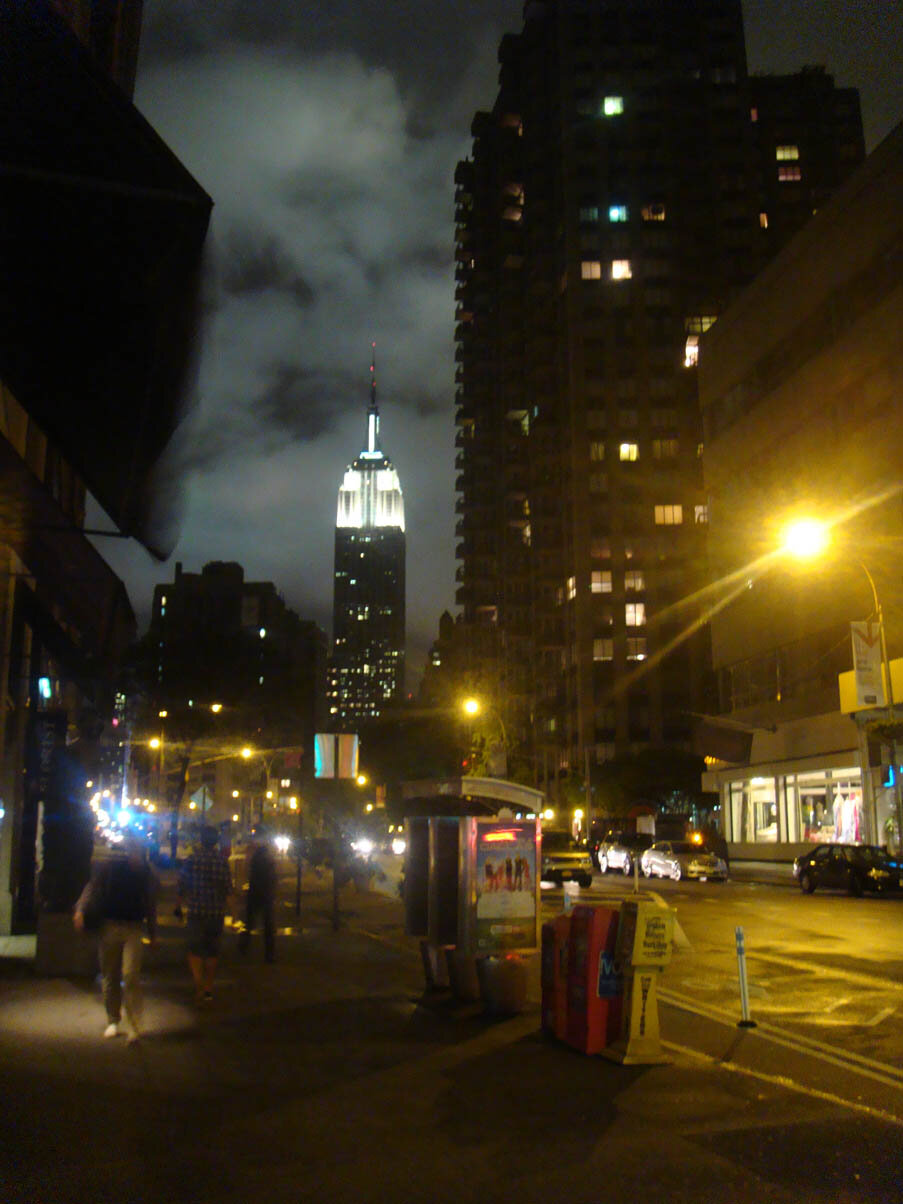
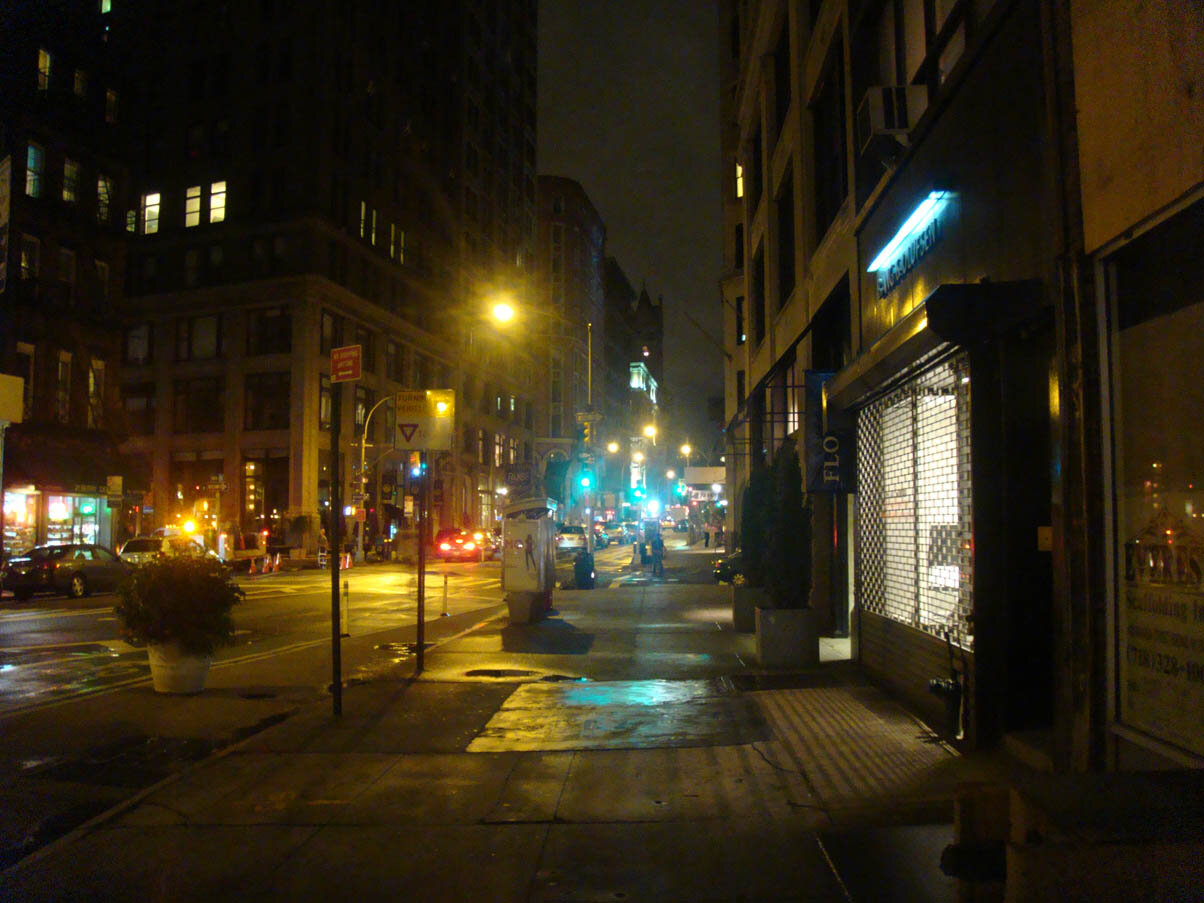
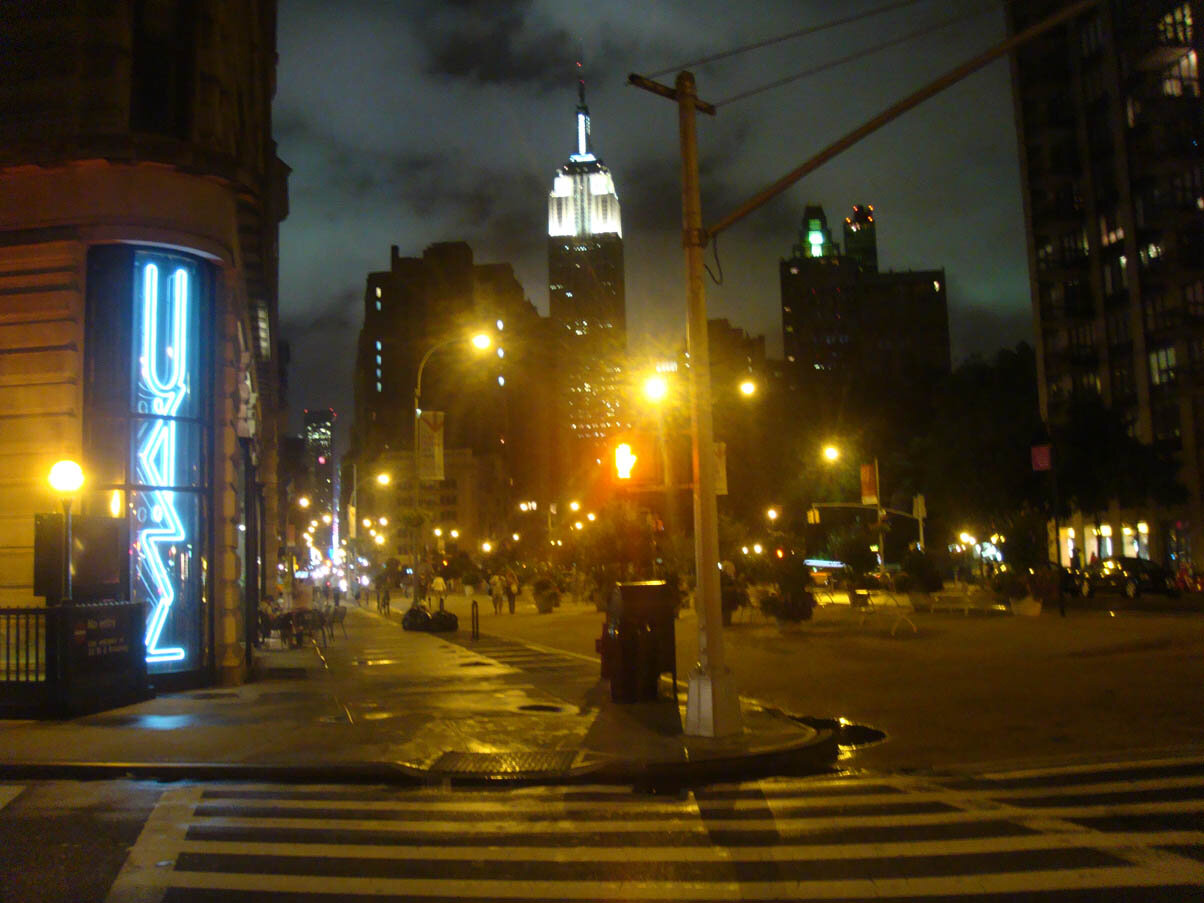

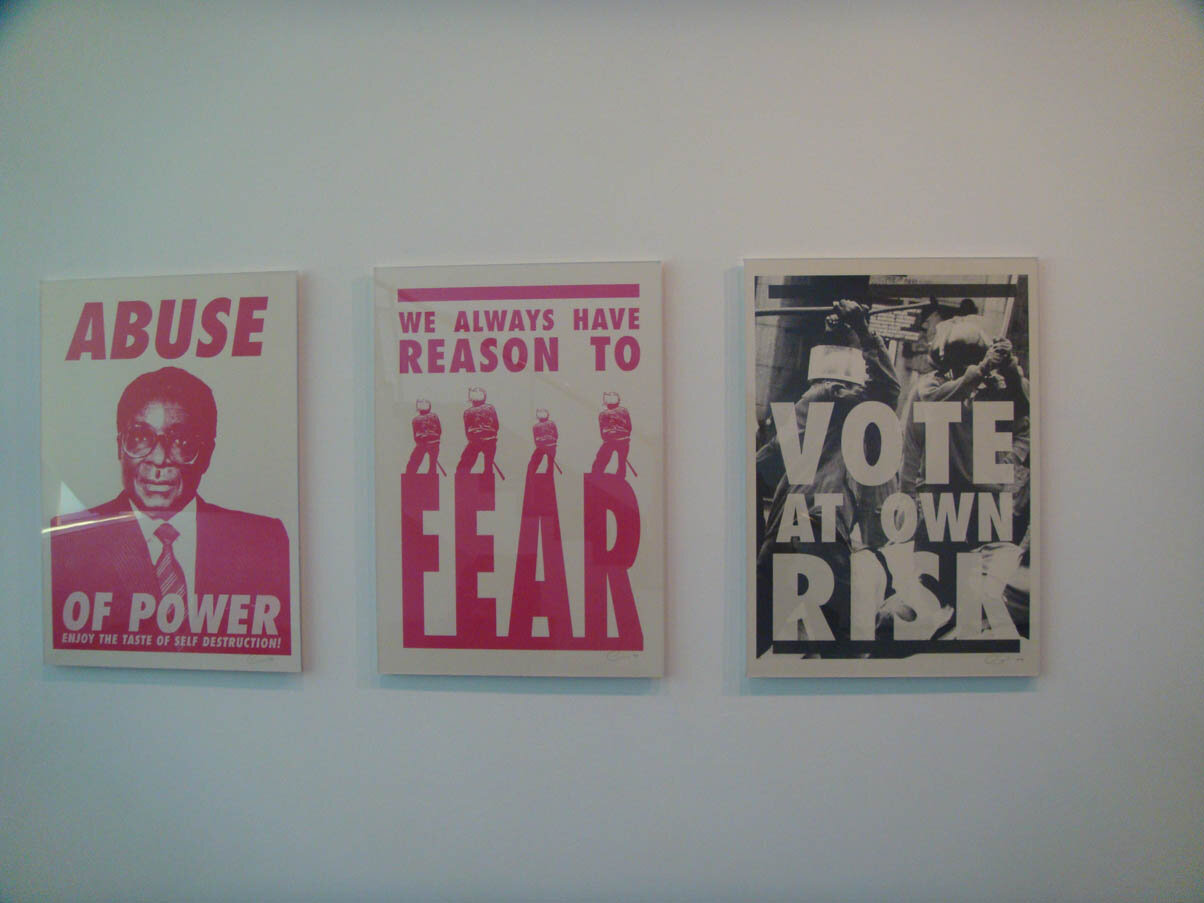
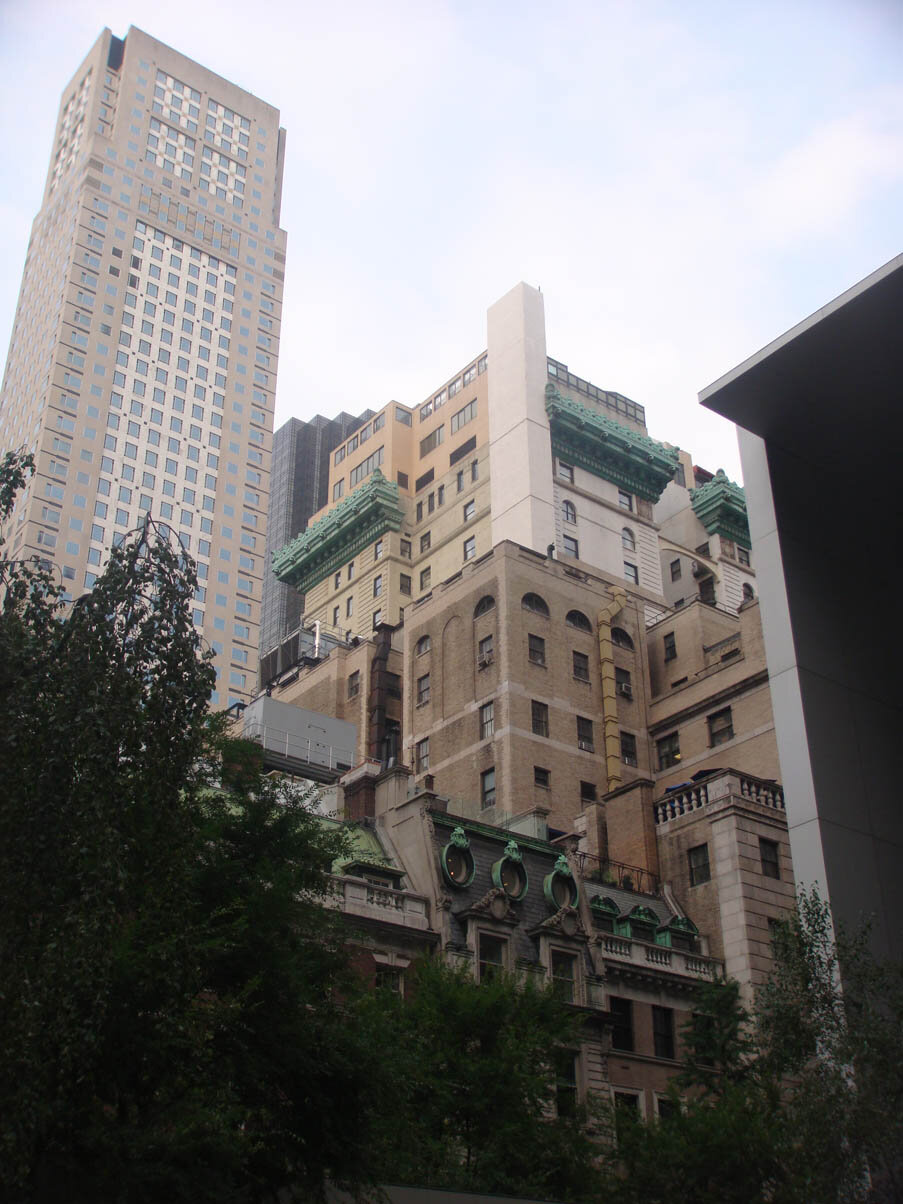
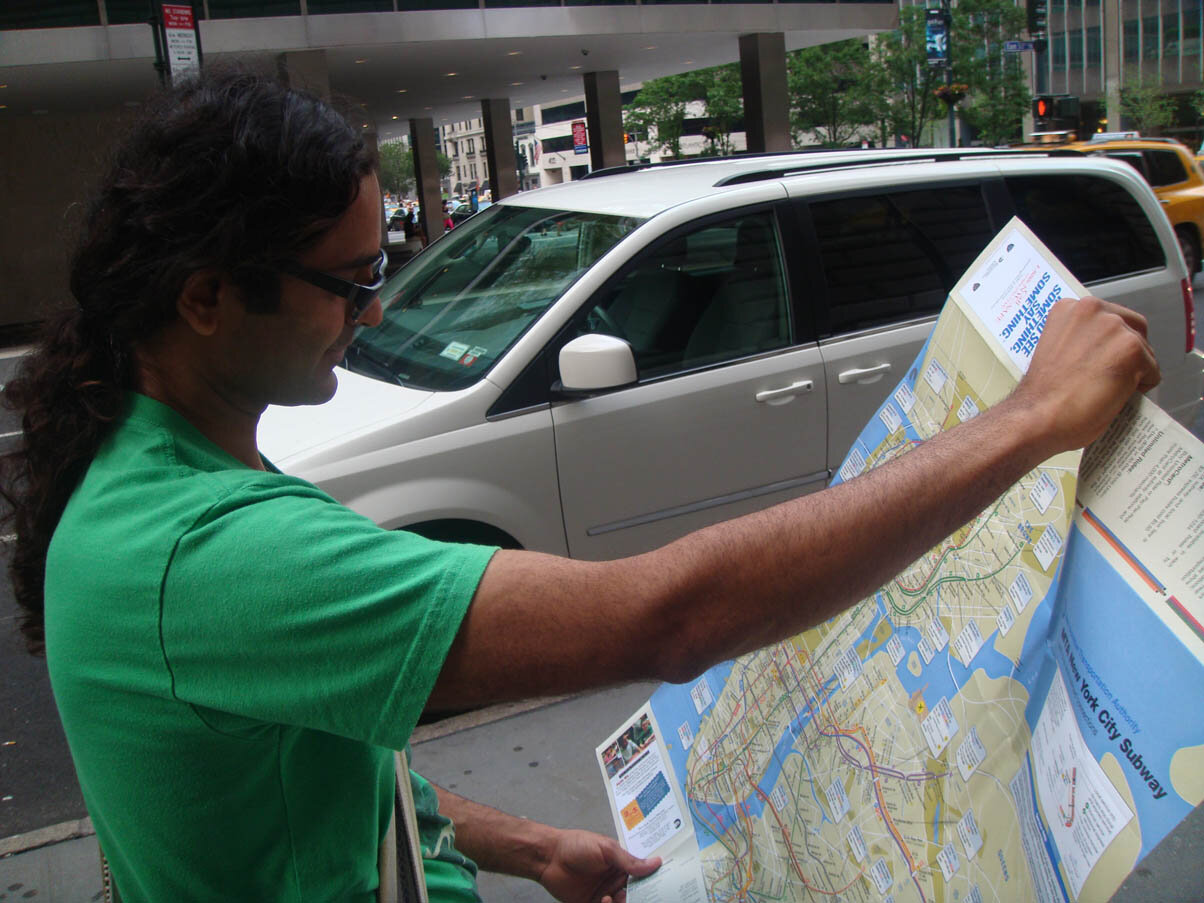
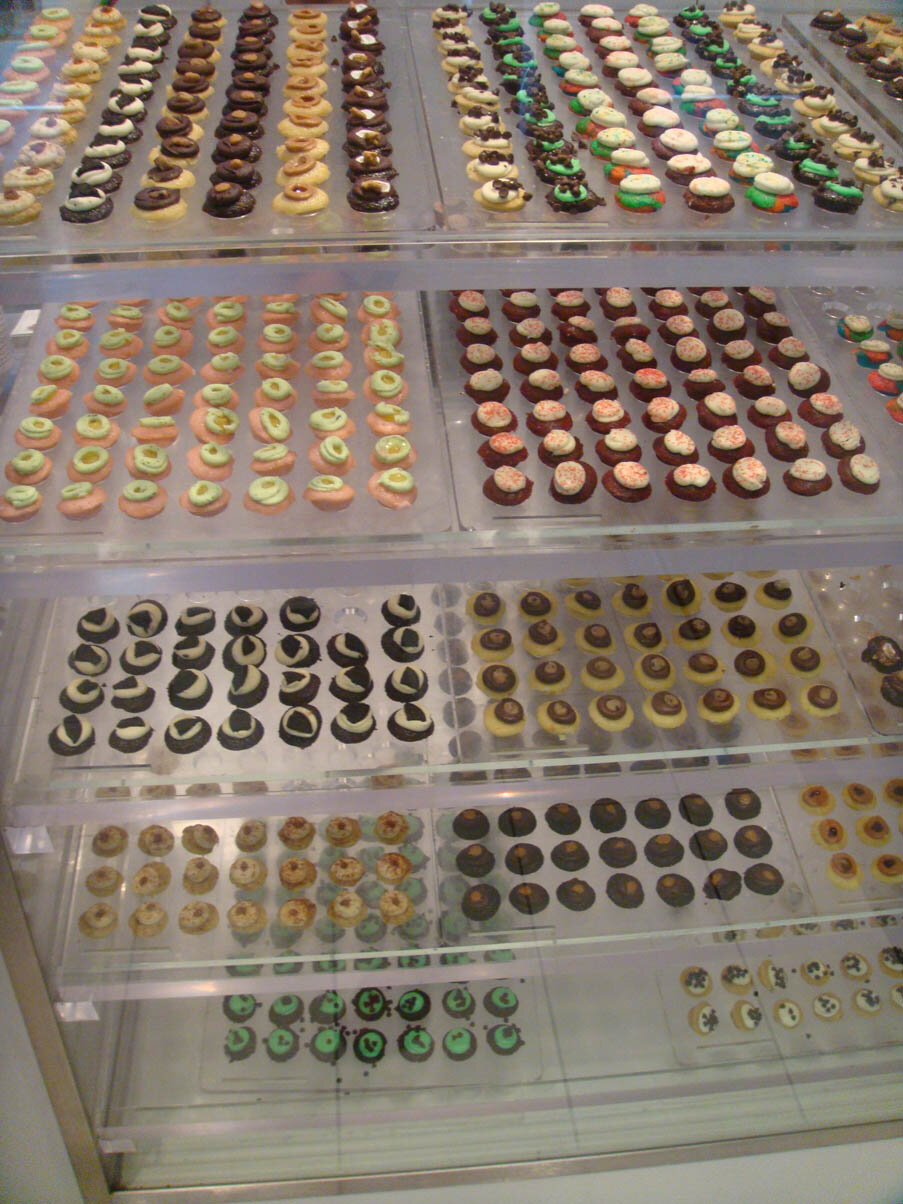
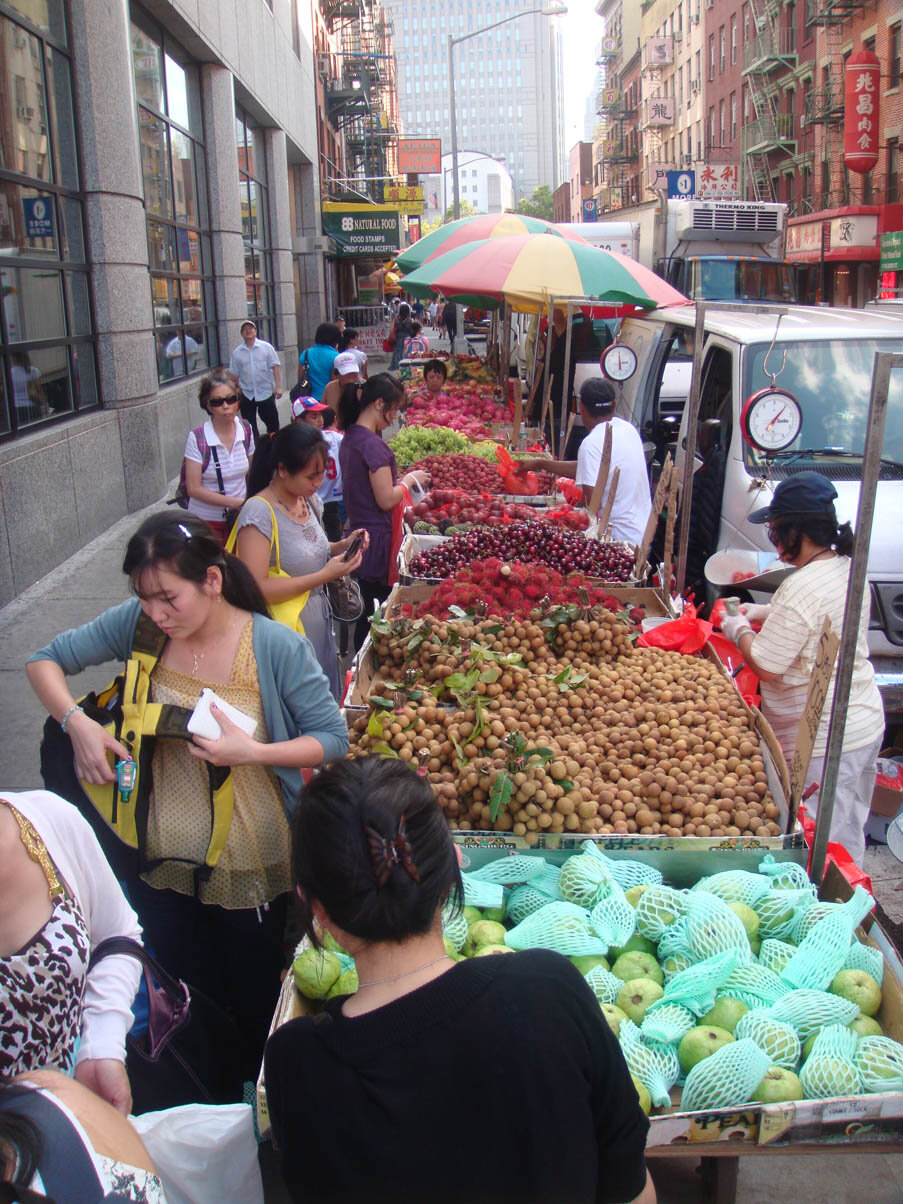
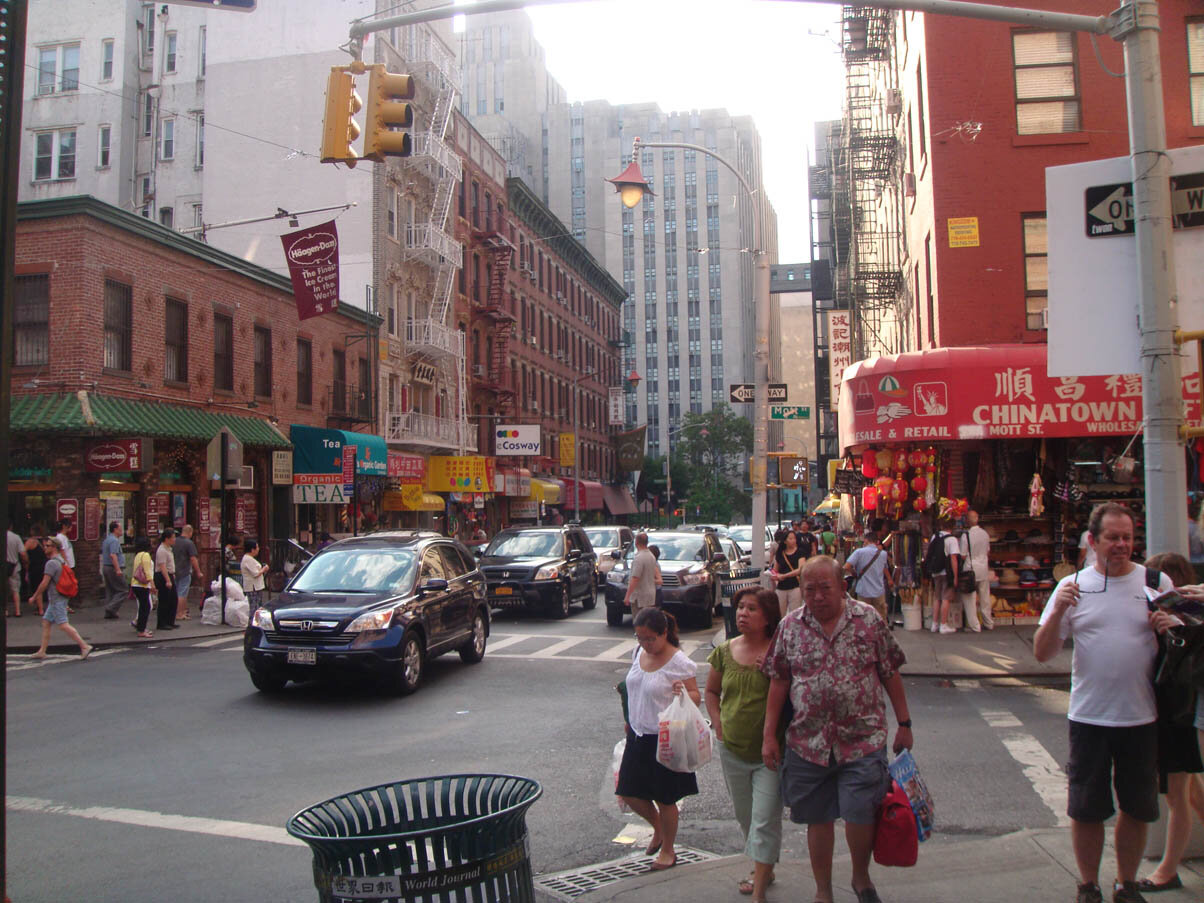

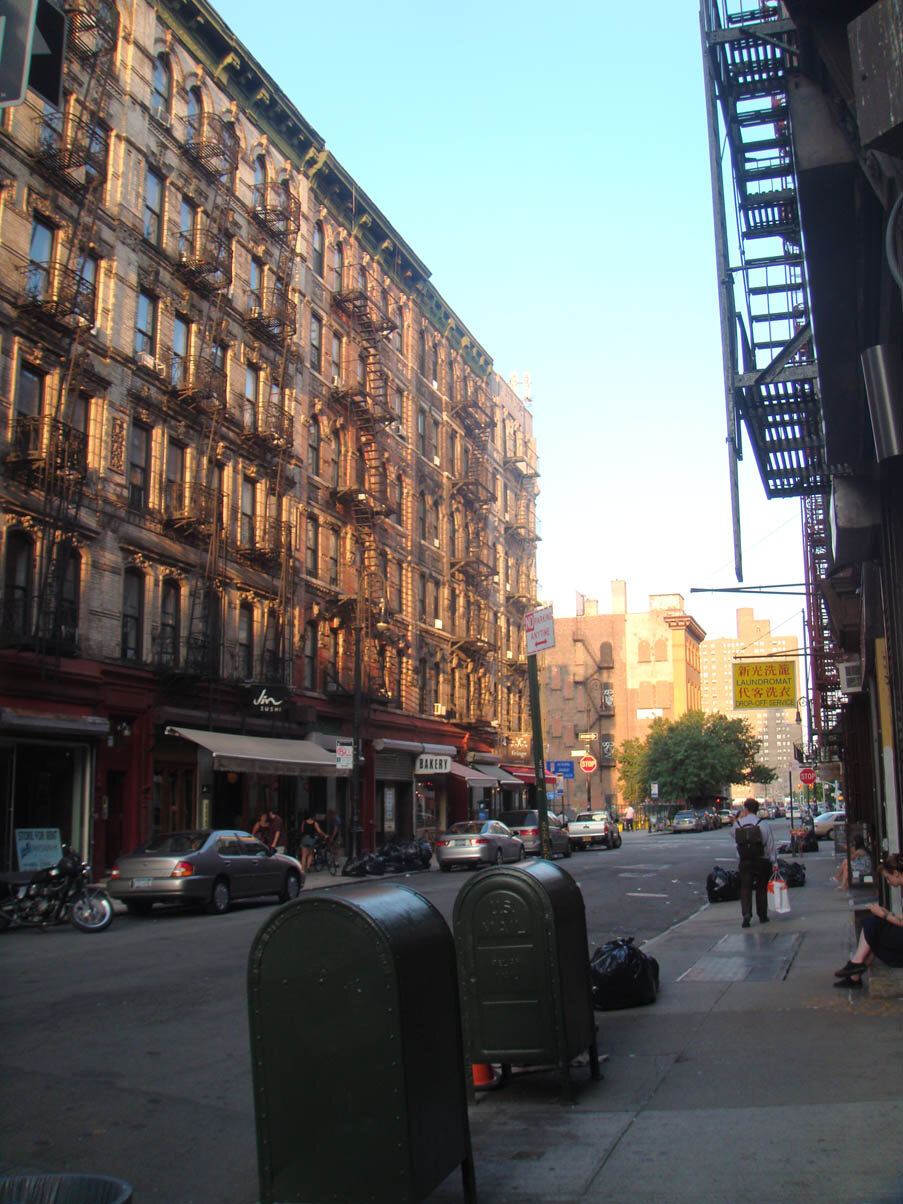
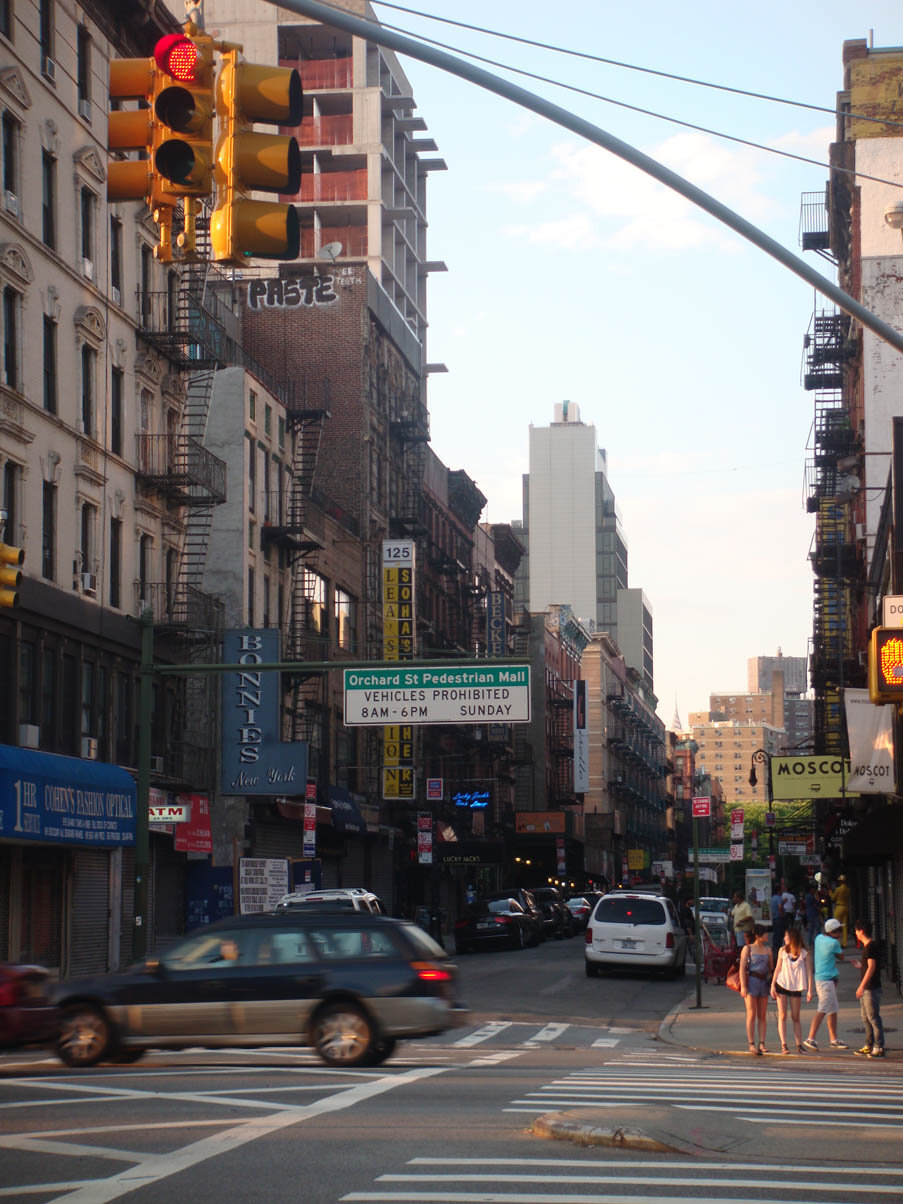
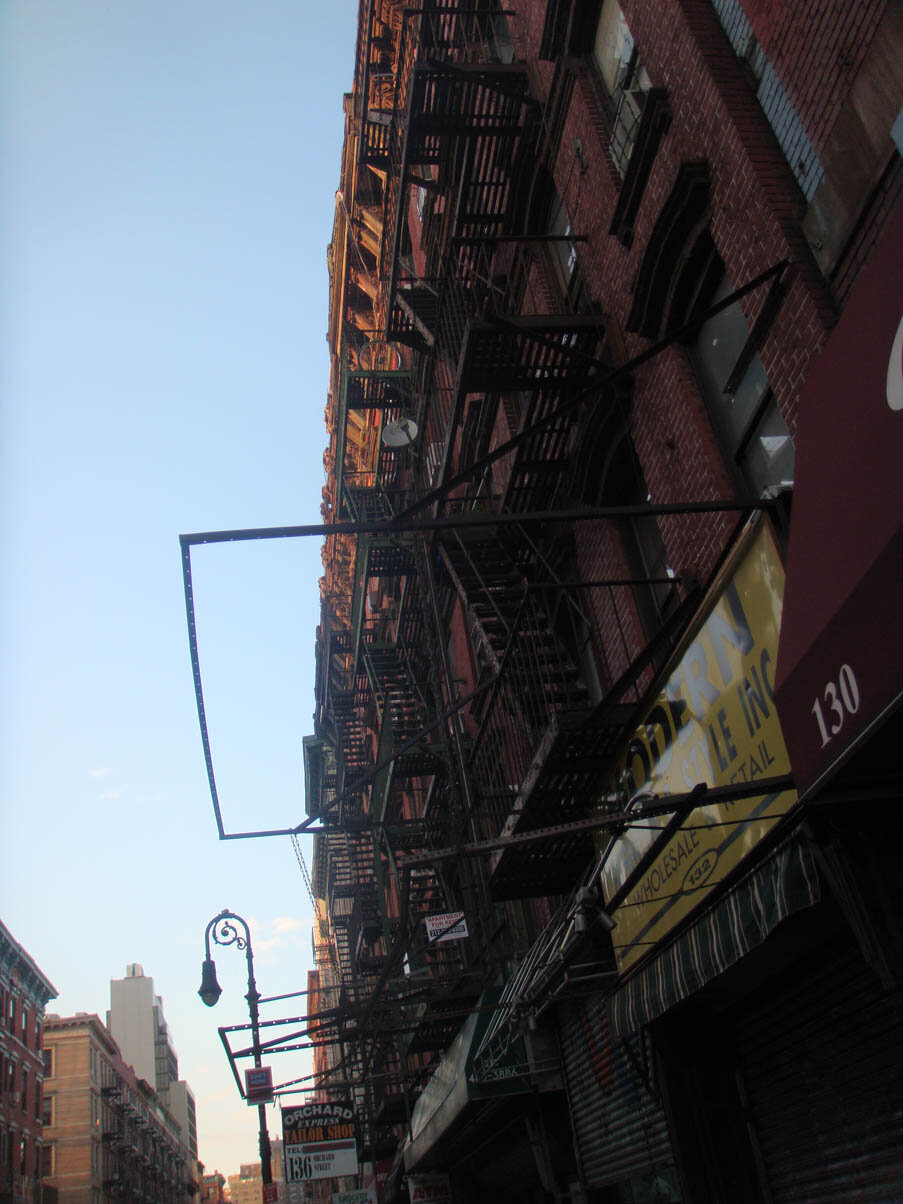
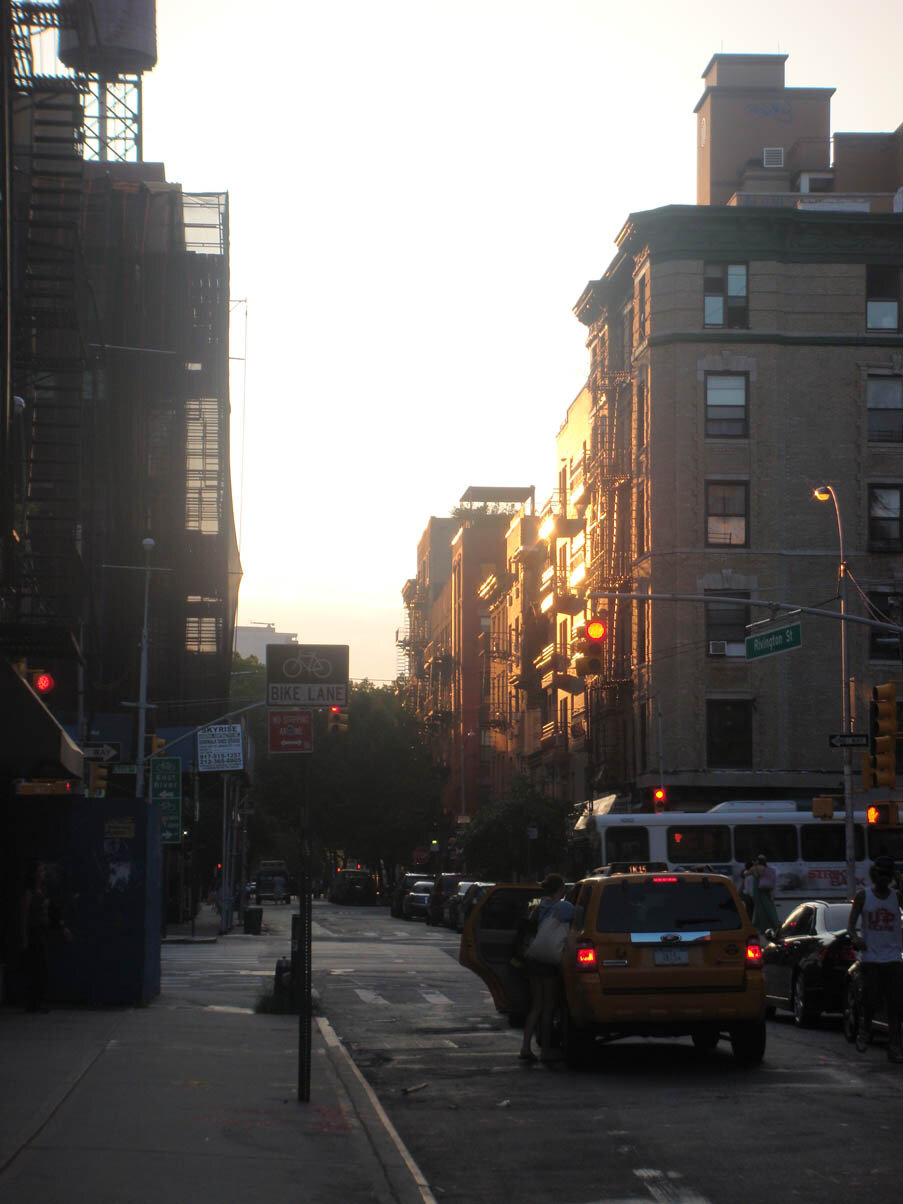
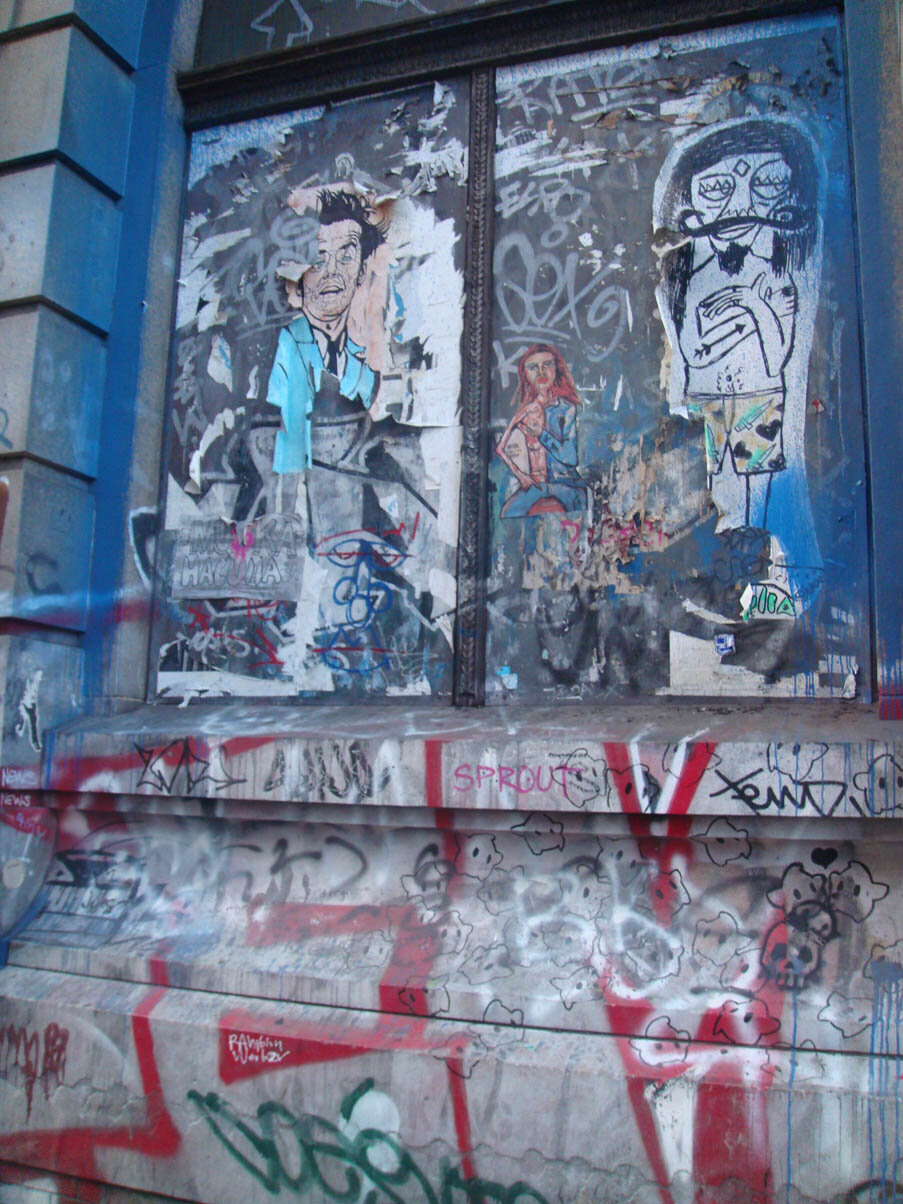

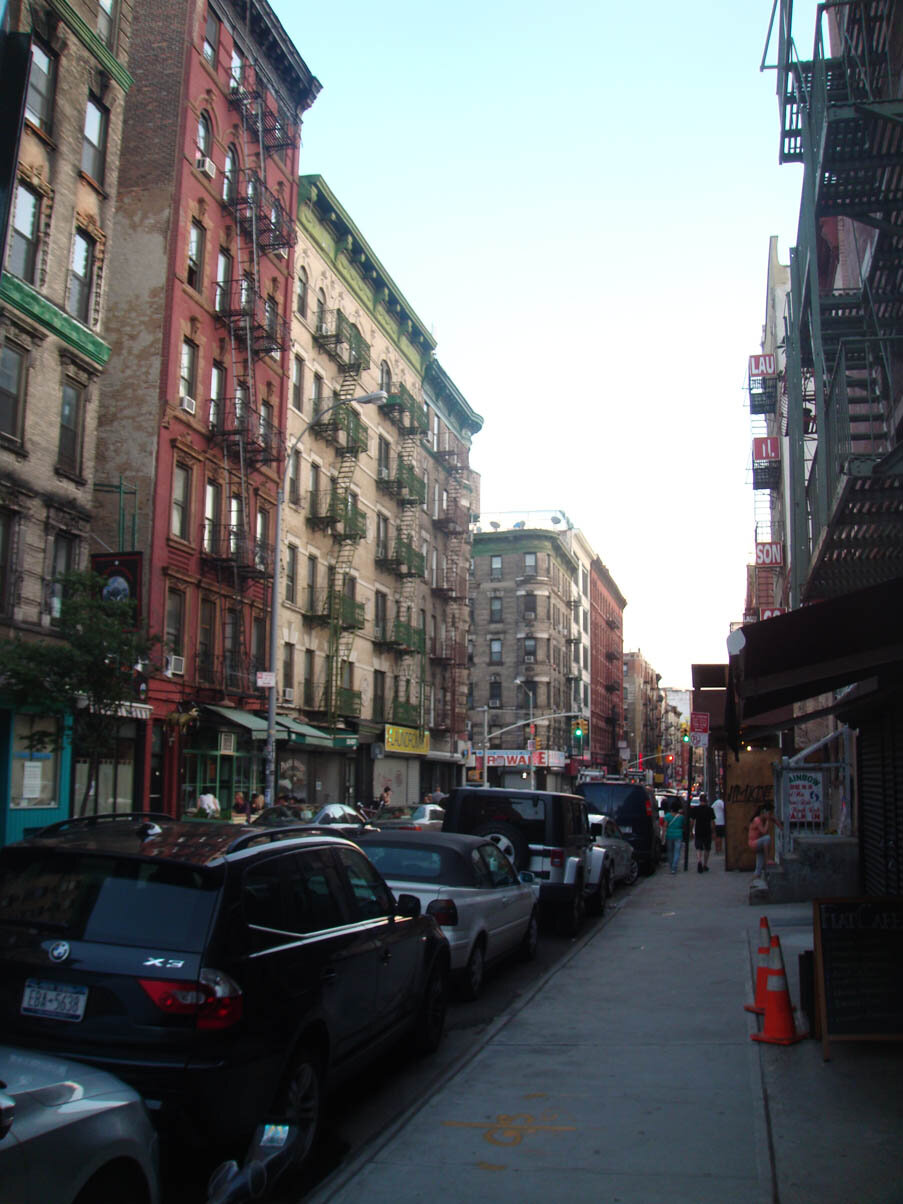
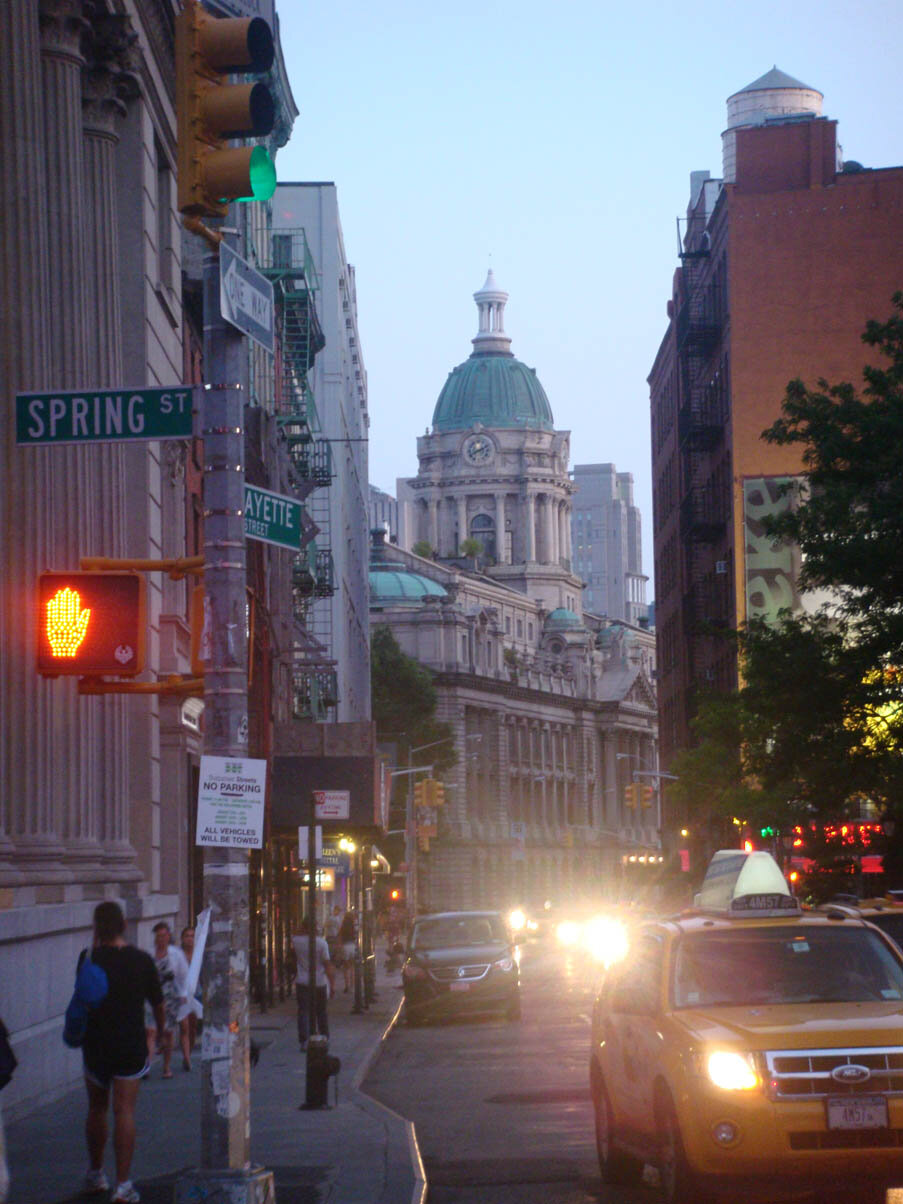
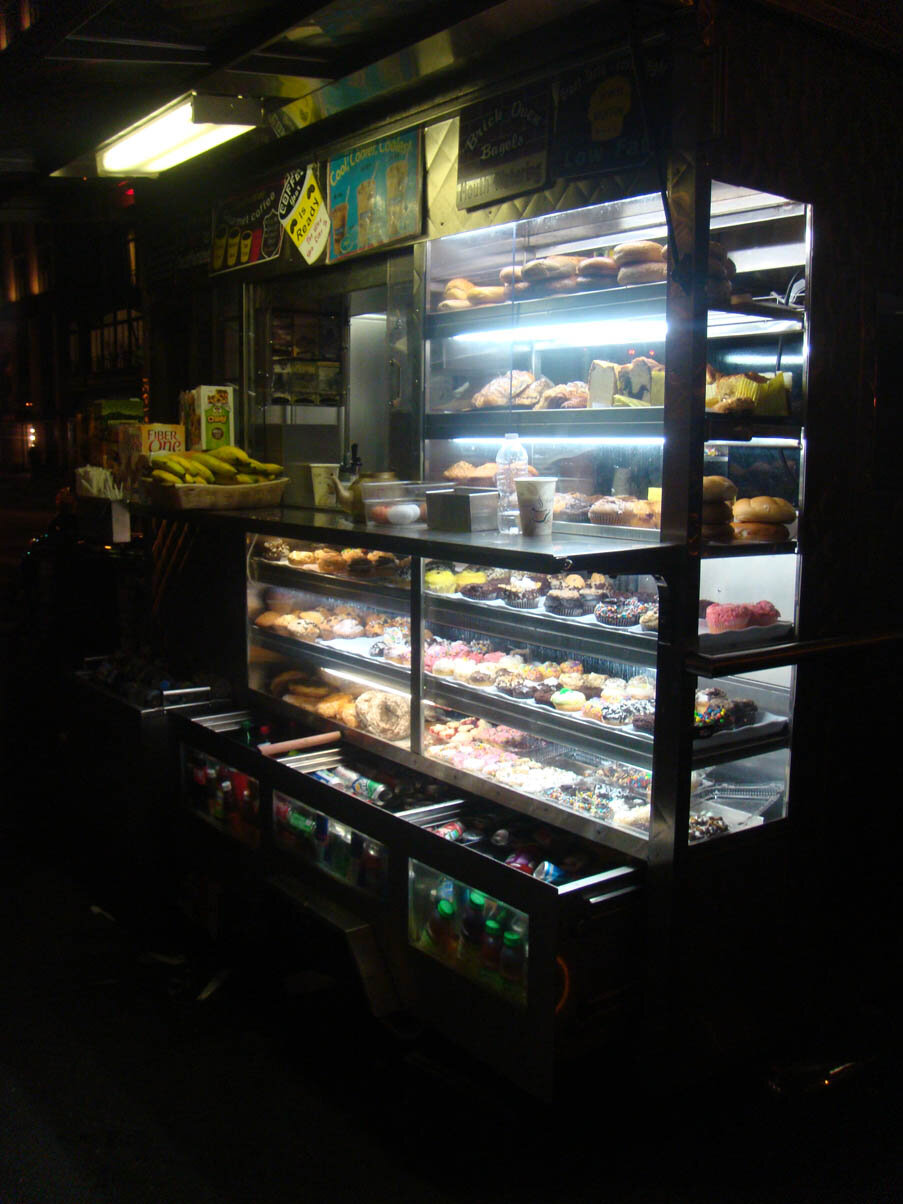

NYC Part 1
A trip to New York City for some artistic unwinding and inspiration.
After finishing up at Imageworks on Arthur Christmas, I looked forward to working on my own art for a bit, but it was obvious I needed to take a break and do some exploring and living before getting right back to the computer and drawing board. With the help of a few kind friends in and around New York City, I decided to go spend some days there. Over the course of nine days, I wandered around different parts of the city. From lower Manhattan to Upper and Brooklyn to Jackson Heights, Hoboken, NJ and many places in between. It was great to break away from my routine and be in a place just to be. I wasn't on my way anywhere, I didn't have anything specific I needed to do. I was just there to enjoy the experience and see what I saw.I took a lot of photos, and I'll add some to the blog. The city is a fascinating place. There is so much art and culture everywhere. There is a rich diversity of people, places and things to do.I saw beautiful churches, synagogues, some mosques and some of the best art museums I have ever been too. Really, the art collections in NYC put the permanent collections in LA to shame. Of course the LA weather can't be beat, but what's a bit of sticky sweat for some great live music and art? It was a great break. I suppose I might be odd in that my idea of a break from work is to walk morning to night and explore until exhaustion and beyond for days, but for me, that reinvigorates my excitement to go back and create. That infusion of life is just what I need to inspire a bunch of time in front of a computer or drawing board to interpret and create afterwards.Here's a first set of photos from the trip.


Ice Walas in Lahore, Pakistan
The younger ice walas joked around, telling my friend Imran and I to photograph the slightly older man, whom I assumed was their boss. There's an incredible amount of hardship to life in Pakistan. There's the security situation, the fact that electricity and gas are rationed to a few hours a day, strangling business and life and a bleak outlook on anything improving. Yet people keep going. These ice walas wake up early every morning, and work hard all day. Despite that, what I love most about taking these walks, is getting to connect to that humanity that people share so warmly.
Whenever I am in Lahore, I love to walk through the back alleys of the old city. I'll try and share some of the pictures and stories from those many walks among other things, on this blog. This particular day, I ran across some ice walas. They were breaking large blocks of ice to send out to customers. Lahore is a fascinating place, with endless stories and interesting people. You never know what you'll run across. The mornings are really fun, because people are just getting started with their day, and not too busy and tired yet to stop for some conversation.The younger ice walas joked around, telling my friend Imran and I to photograph the slightly older man, whom I assumed was their boss. There's an incredible amount of hardship to life in Pakistan. There's the security situation, the fact that electricity and gas are rationed to a few hours a day, strangling business and life and a bleak outlook on anything improving. Yet people keep going. These ice walas wake up early every morning, and work hard all day. Despite that, what I love most about taking these walks, is getting to connect to that humanity that people share so warmly. People constantly invite you to come have a cup of tea. There's a genuine interest in our photography, but it is tempered with kindness. People share facts and legends about the area, or take pride and show you their work, or just poke fun at one another in a good natured way.These photos, from a dull gray morning, remind me of the humbling resilience and kindness of the people of Pakistan.
Burhanpur
Burhanpur is an interesting city of historical importance. Tourism there is being developed as sites are being renovated. It was here that Mumtaz Mahal, wife of the Mughal Emperor Shah Jehan died and was buried for six months. The Taj Mahal was to be built here instead of Agra, but due to a number of factors ended up there. Even today you can see Mumtaz Mahal's hamam (bath) and living area.


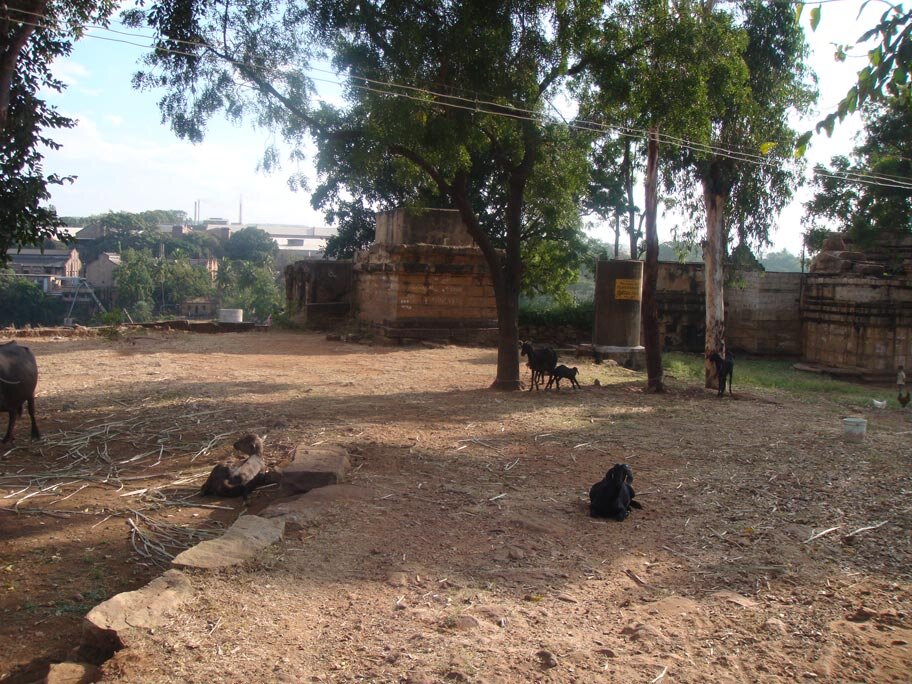
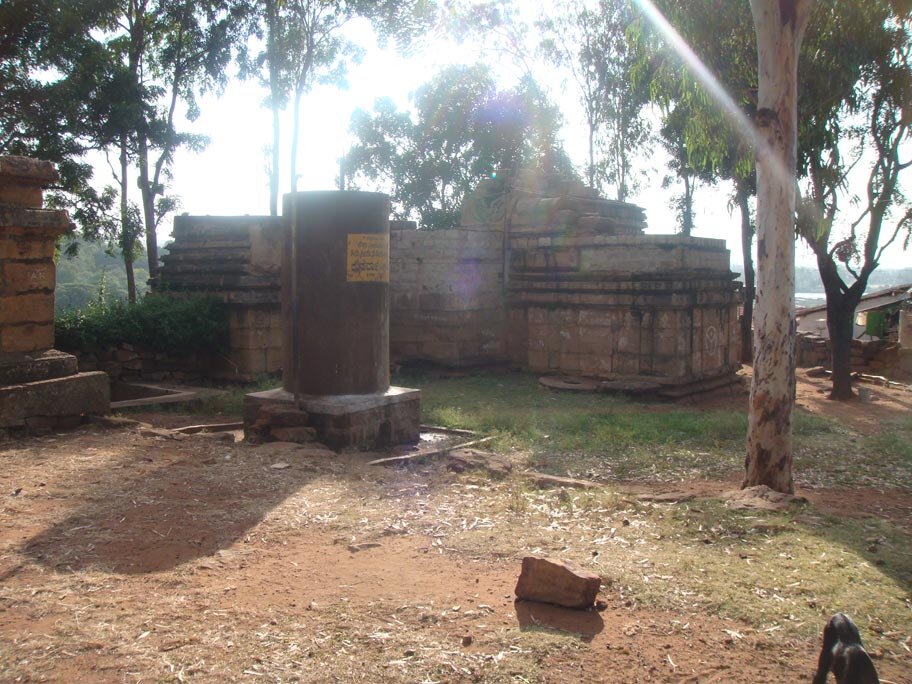
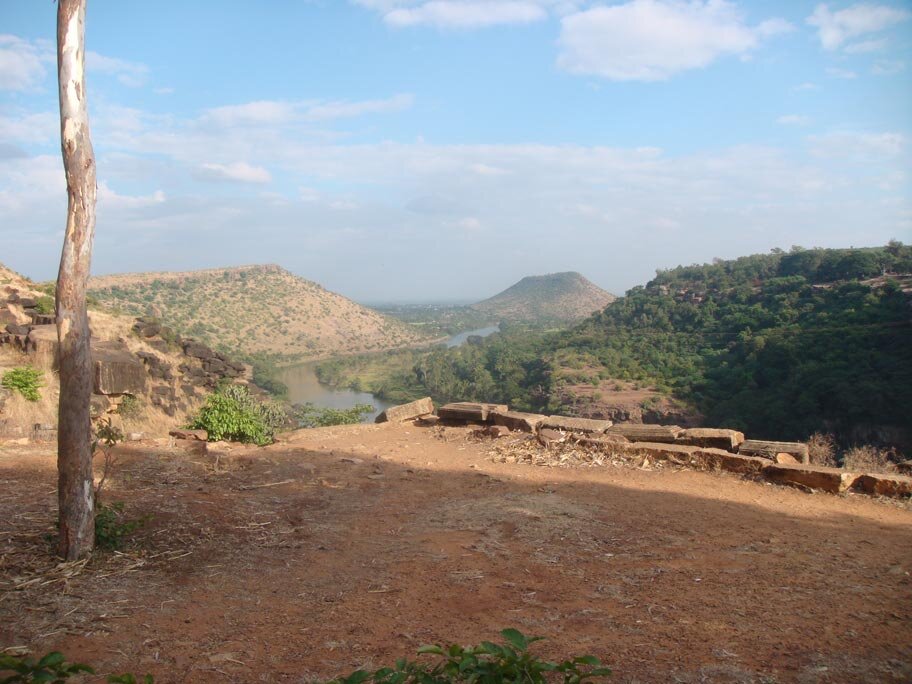
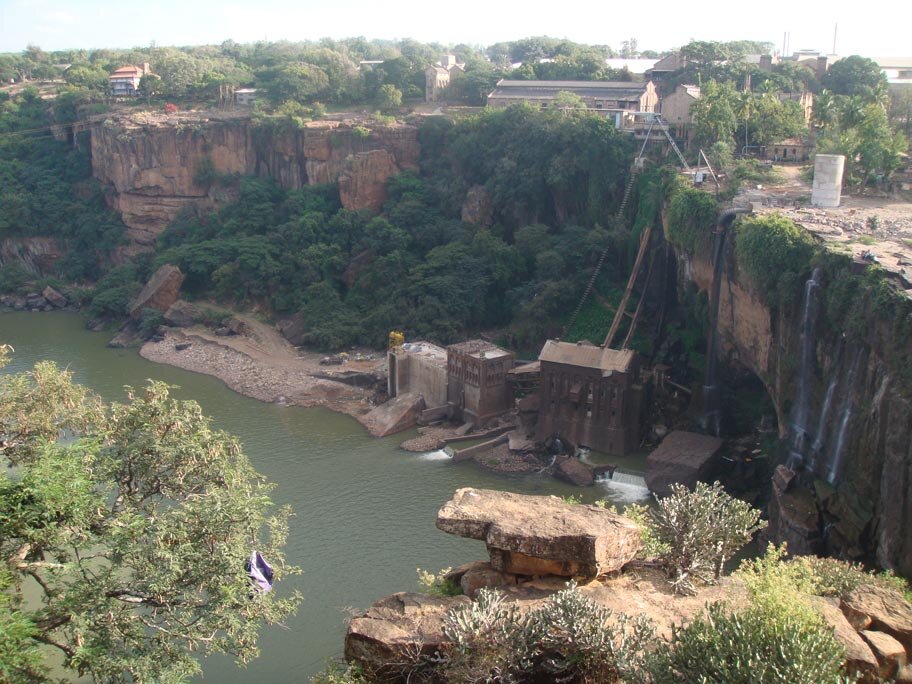
Burhanpur is an interesting city of historical importance. Tourism there is being developed as sites are being renovated. It was here that Mumtaz Mahal, wife of the Mughal Emperor Shah Jehan died and was buried for six months. The Taj Mahal was to be built here instead of Agra, but due to a number of factors ended up there. Even today you can see Mumtaz Mahal's hamam (bath) and living area. It is heavily decayed, but being repaired. Beside this I saw a Gurdwara where the final human Guru of Sikhism; Guru Gobind Singh hand signed a Guru Granth Sahib (holy book and living final Guru of the Sikhs). The Granth Sahib there is much like the ornamented Qurans of Islamic tradition and is very beautiful.Perhaps the most beautiful site I saw there was the Dargah-e-Hakimi of the Bora community. I do not know a lot about it, but it houses the tombs of some very important community members. It is like a gorgeous compound with schools, gardens and beautiful architecture. In one sense, it is very much like that utopian sort of futuristic society with old culture traditional looks that they show in science fiction movies. Where the people look happy and well dressed in traditional clothes and live a cultured and meaningful existence. It had that look and though I don't know much more than that about it, like any truly great holy place, it had a real sense of peace and beauty.There was also a beautiful mosque with Sanskrit, Arabic and Urdu writing in it. It had lotus designs similar to a Jain mandir, like the mosque I saw in Ahmedabad. There were also beautiful Jain temples and a fort out in Asirgarh, outside the town, from the times of the Mahabharat. It had a mosque and mandir in it built, I believe by Shah Jahan and a Christian cemetary built by the British among other things.We met some very friendly people walking around in the fort who taught us more about it. We went down to a beautiful mandir at the base of the mountain afterwards where the holy men were ironically glued to the cricket match on tv. I think it was Sri Lanka vs. India. There was something surreal about that little tv right there by the murtis (idols).After taking in some sites in Burhanpur and eating many a delicious meal at Heena's restaurant in the hotel across from the bus station, we head off by train to Delhi.
Milana Workshop in Bangalore
Photos and stories from an art therapy workshop I had the privilege to conduct in Bangalore, India, with woman from Milana, and HIV and AIDS support group.
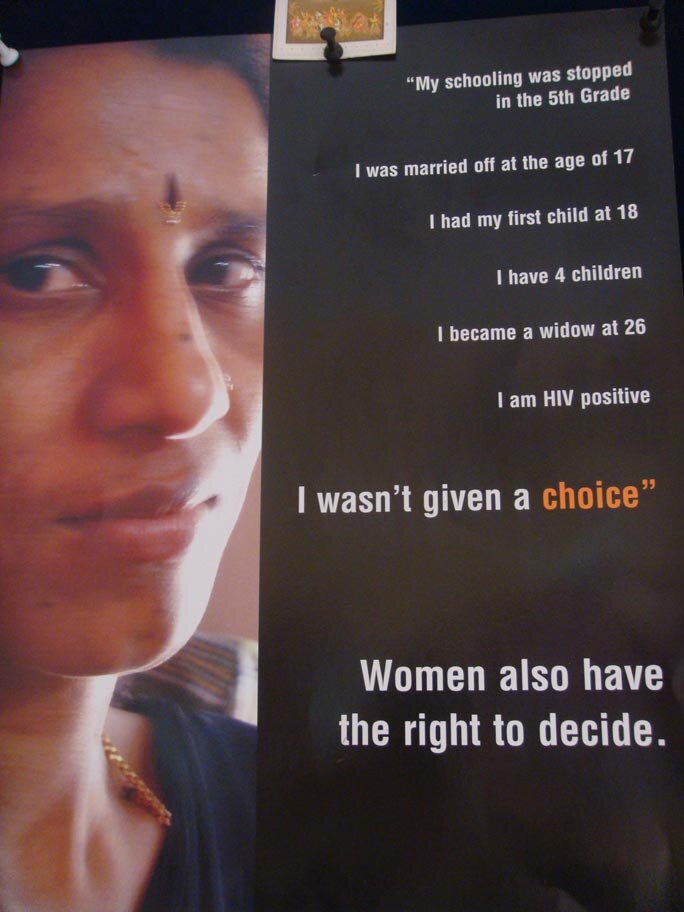

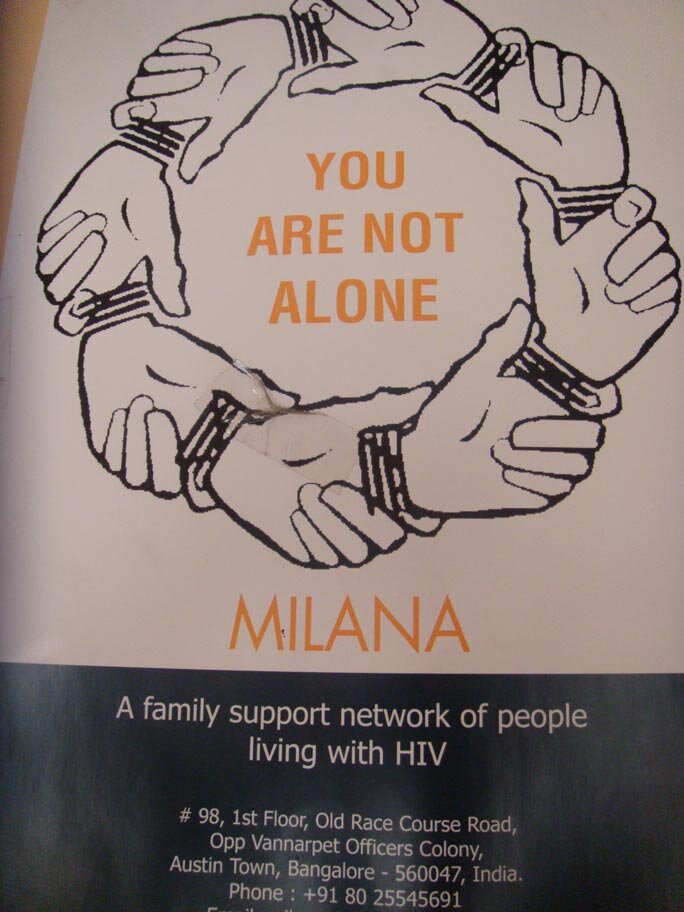
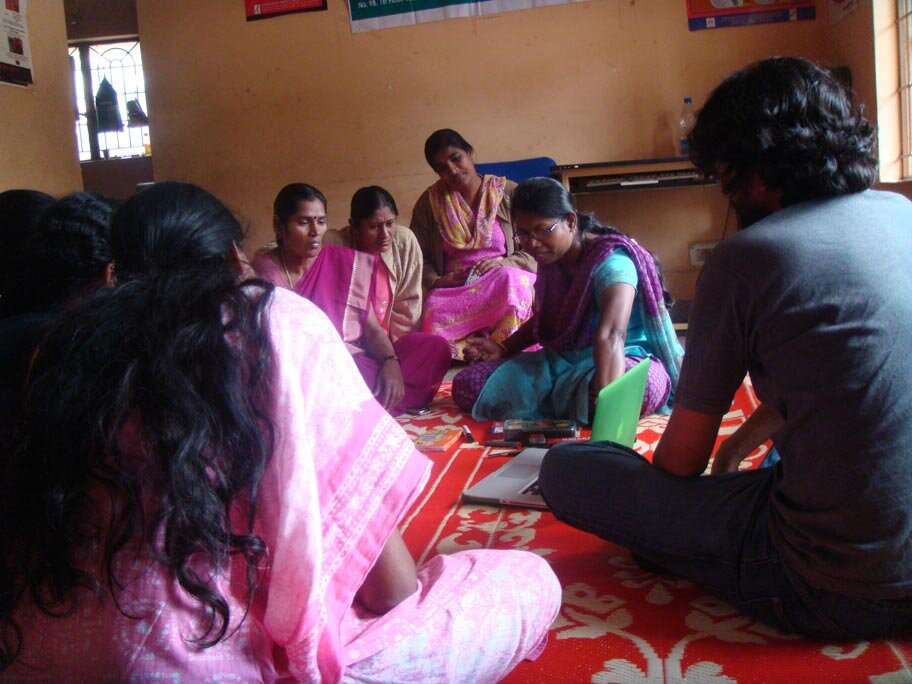
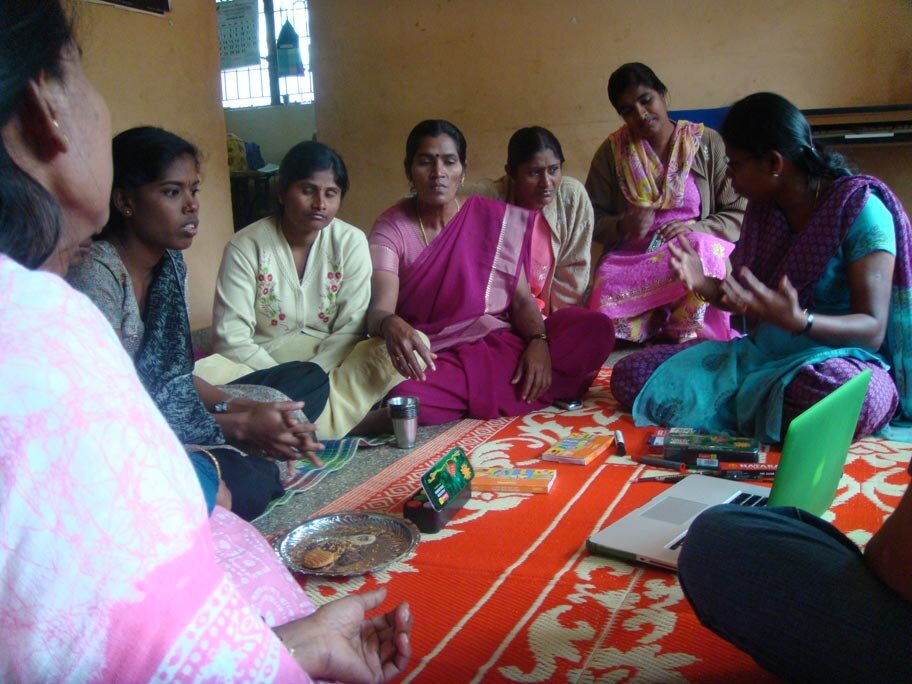
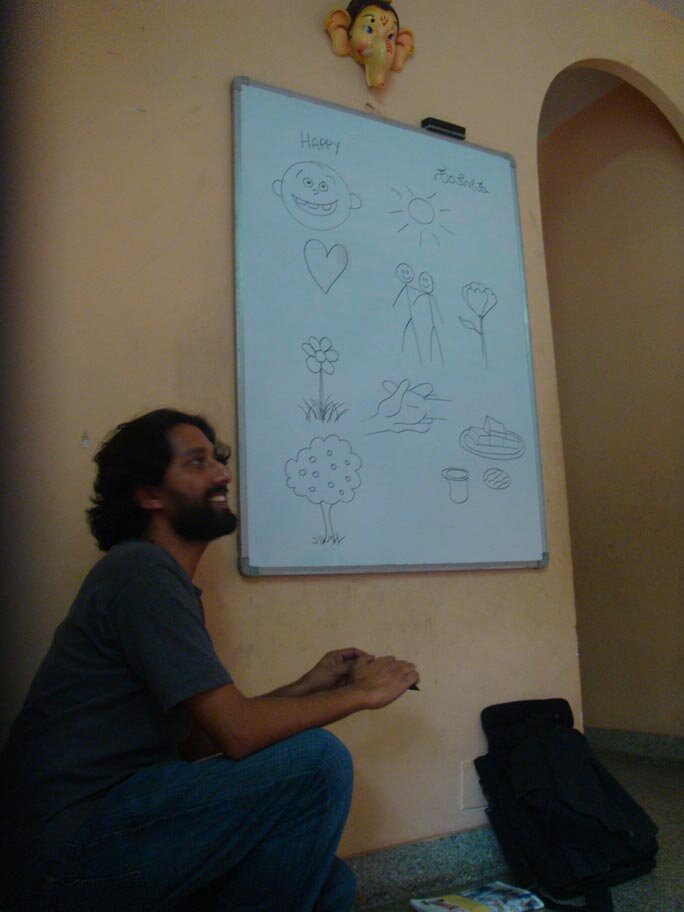
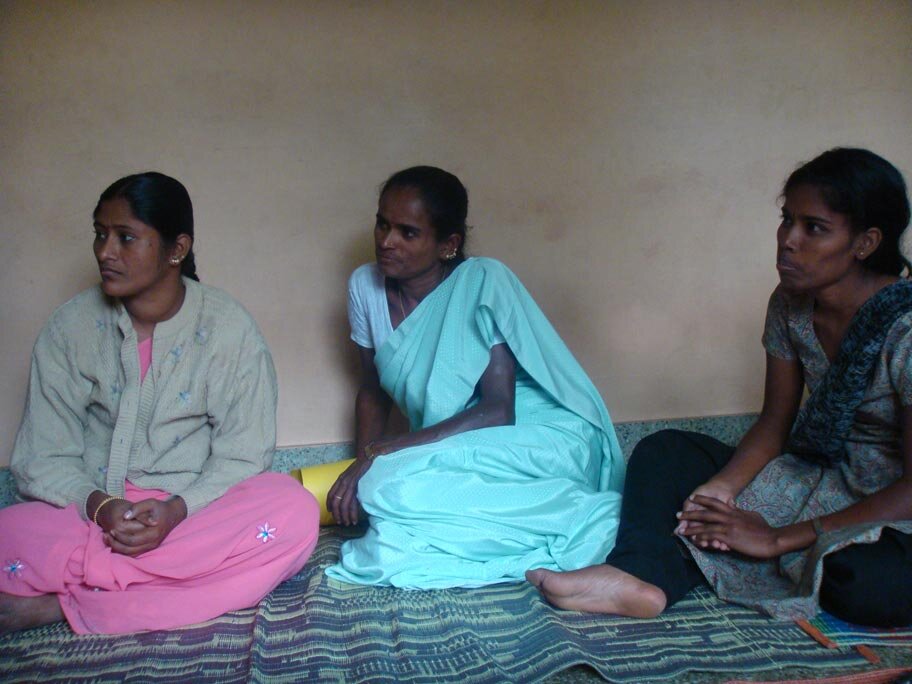

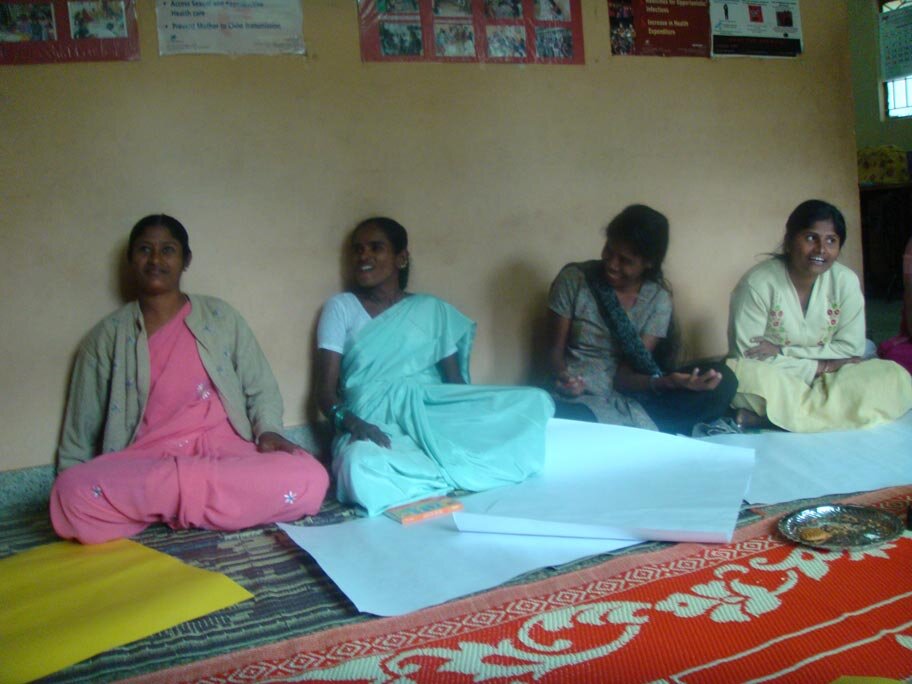
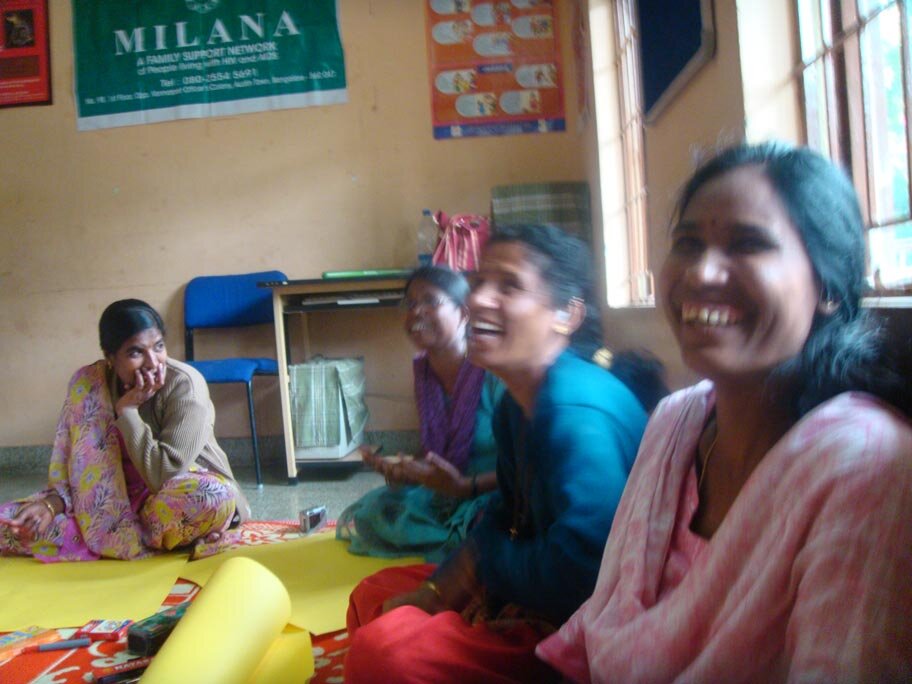
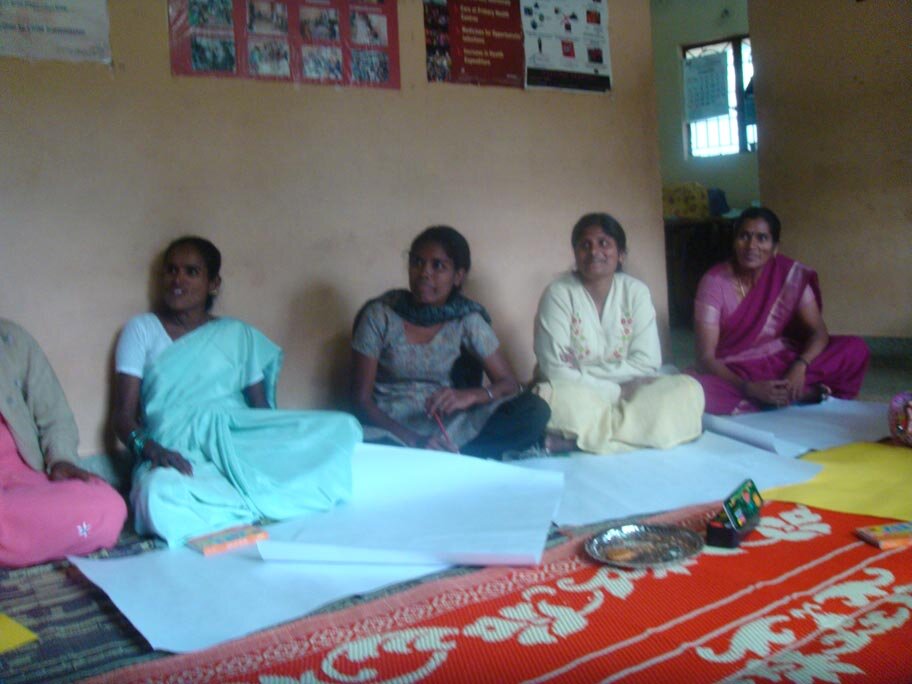
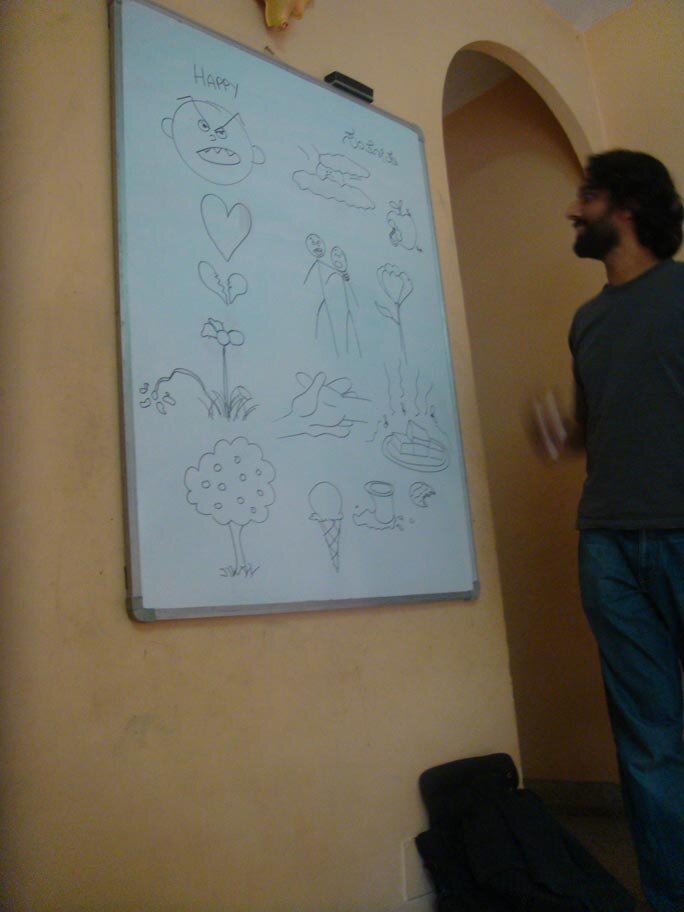
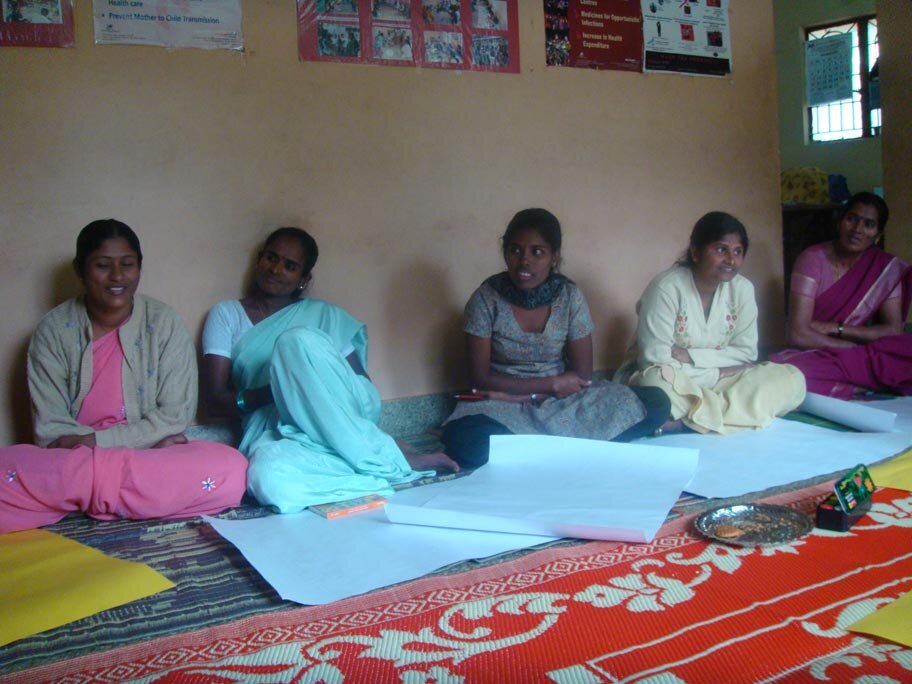
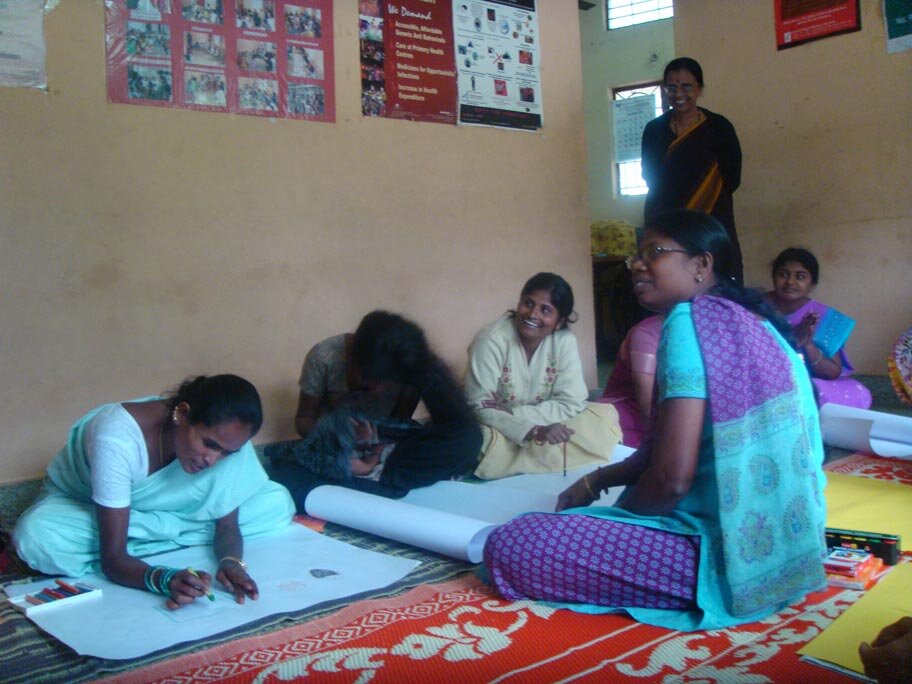
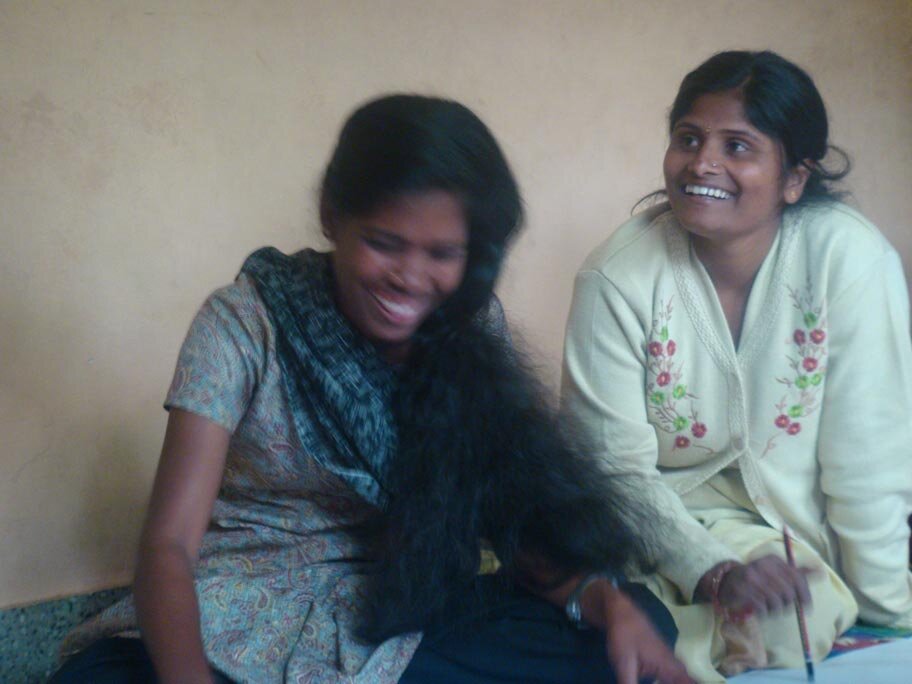
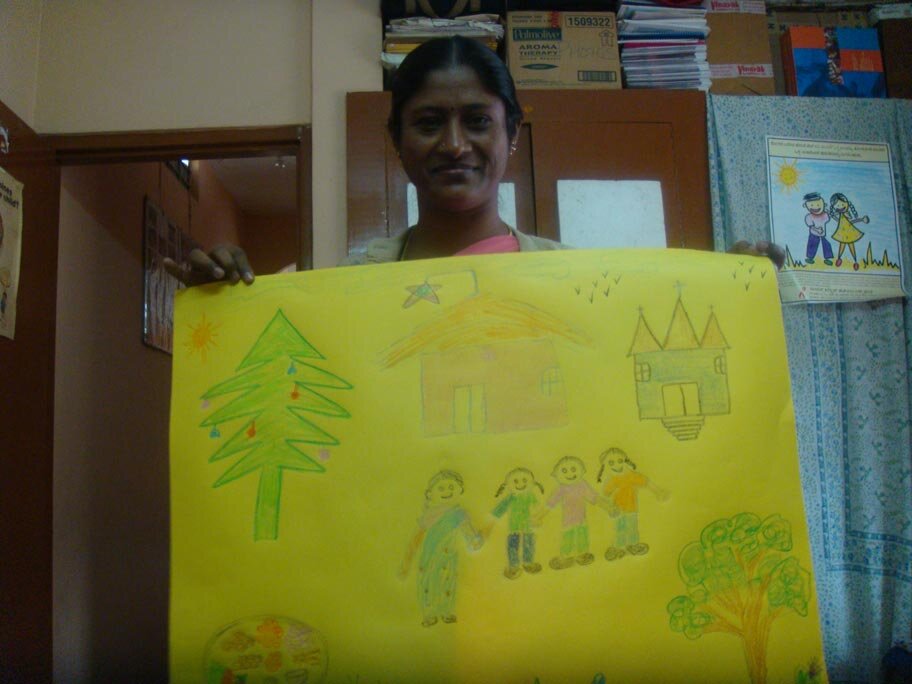
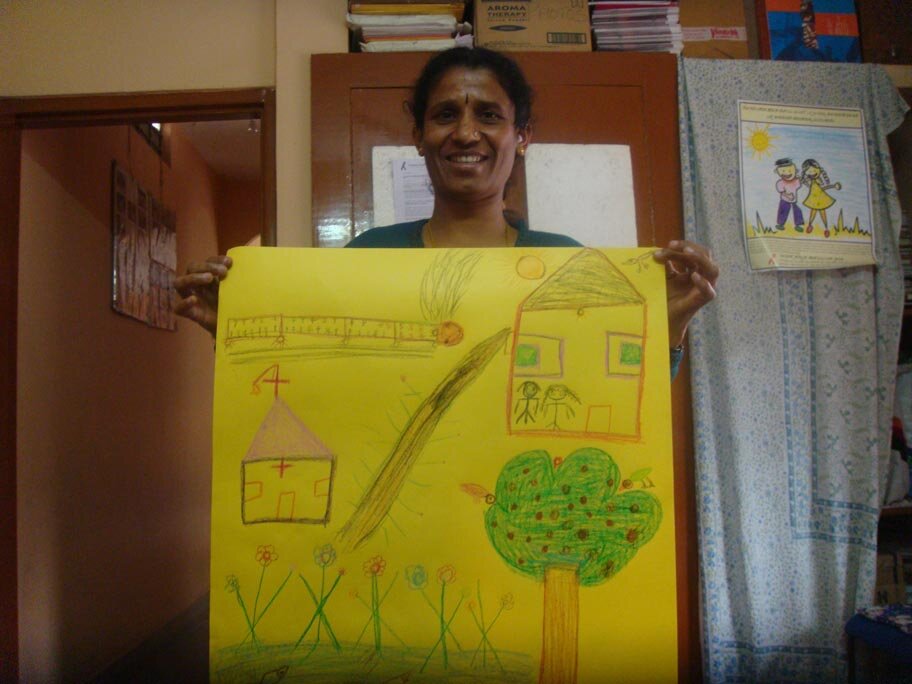
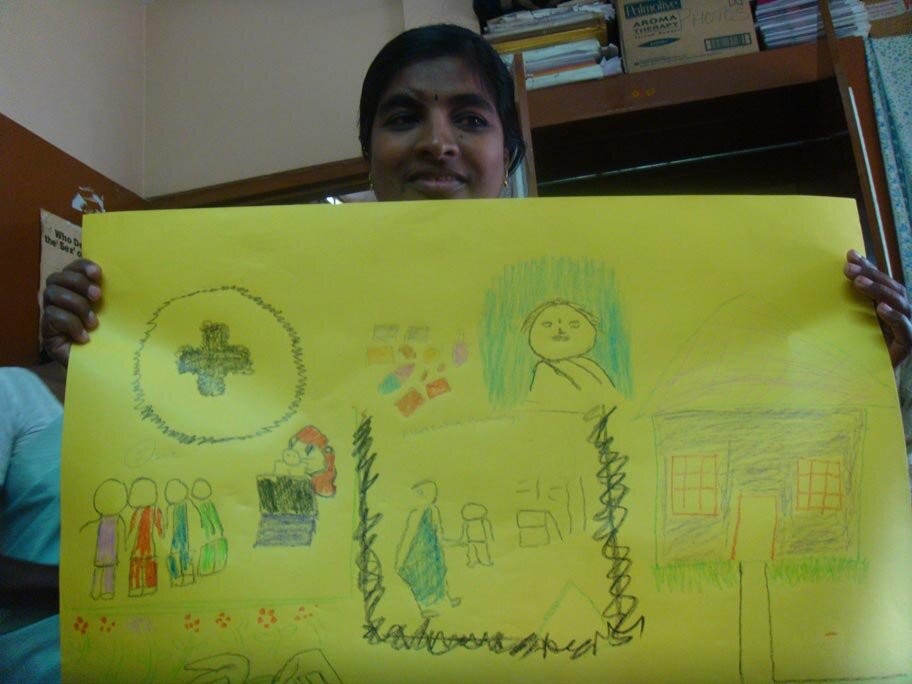
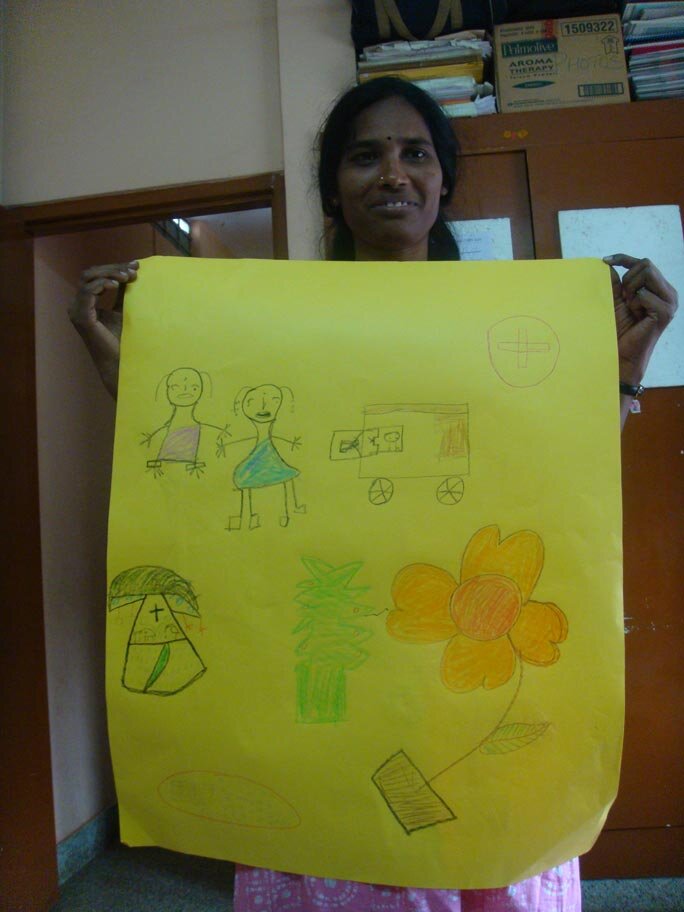
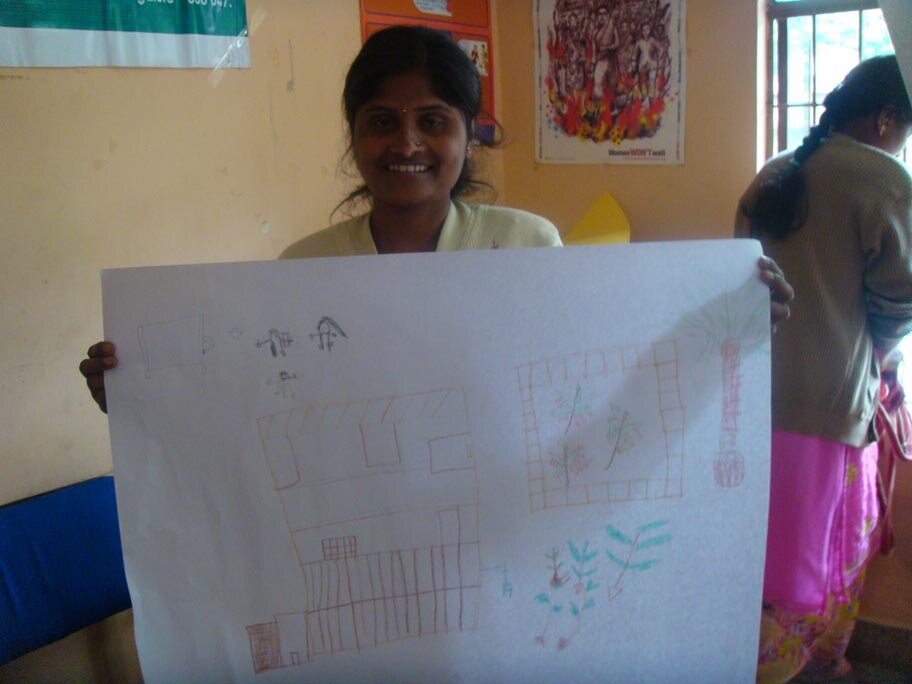
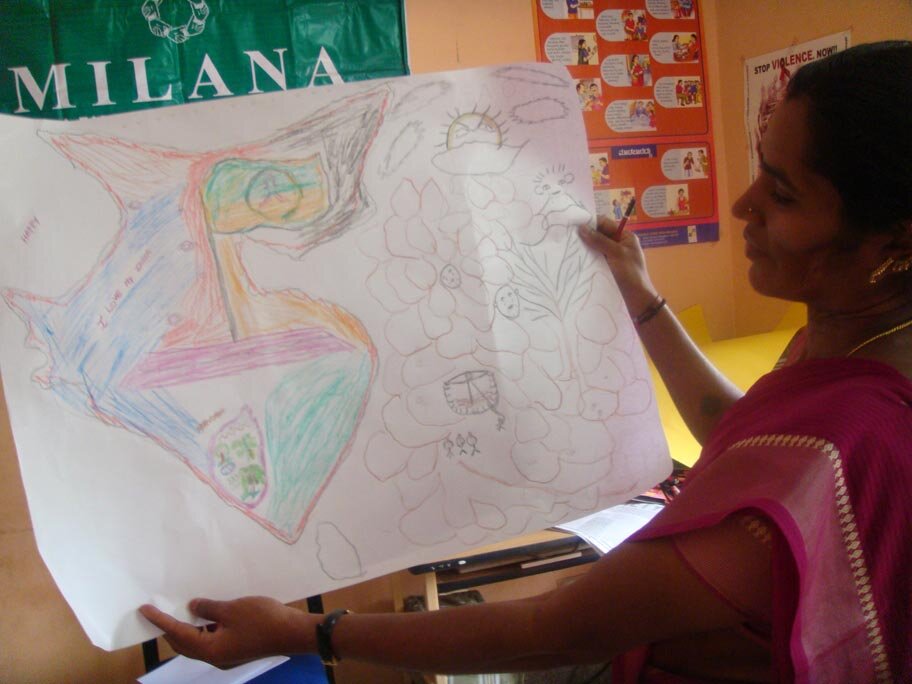
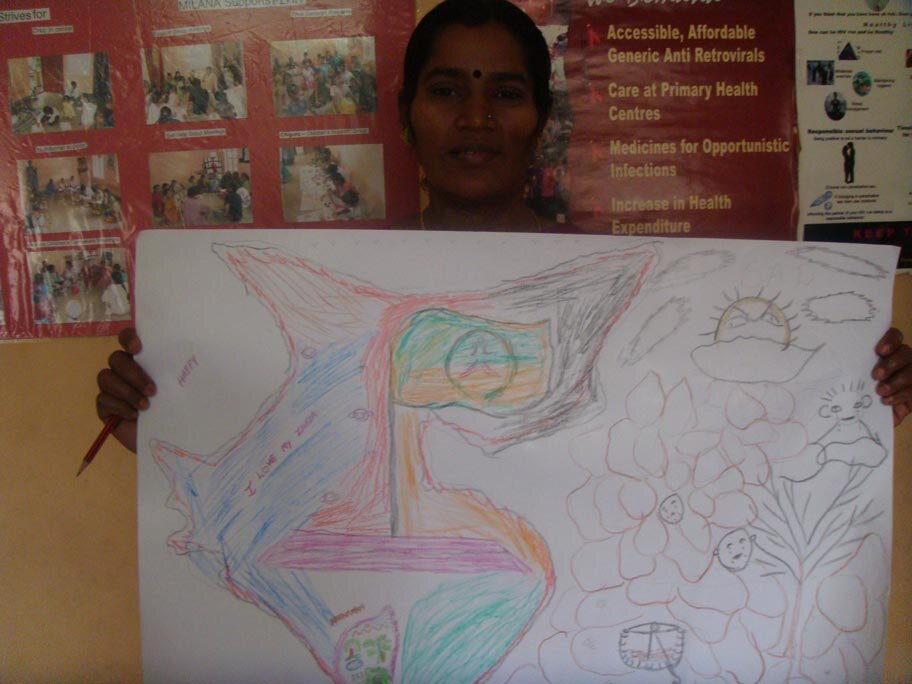
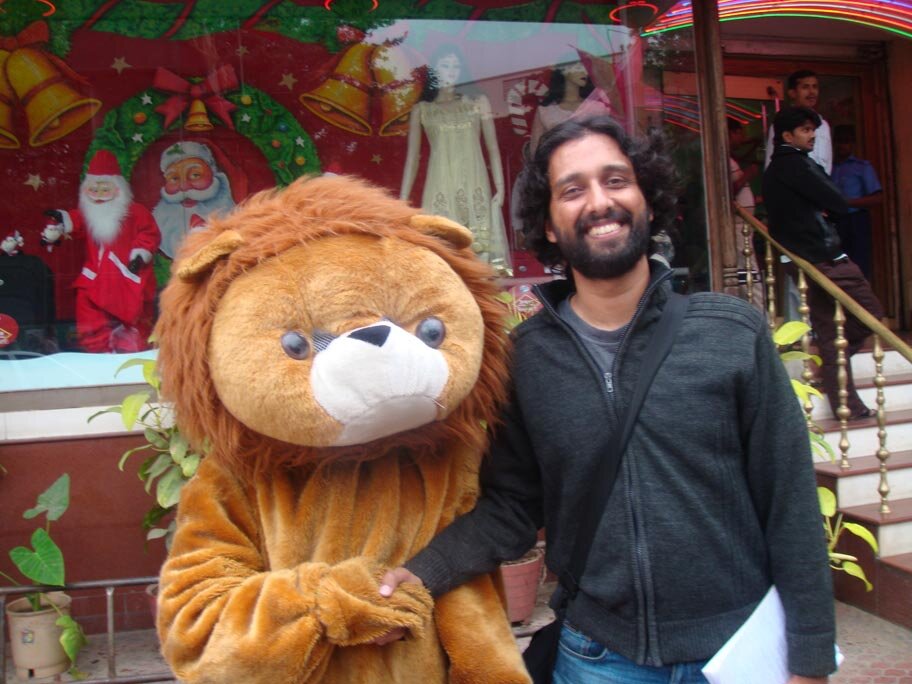
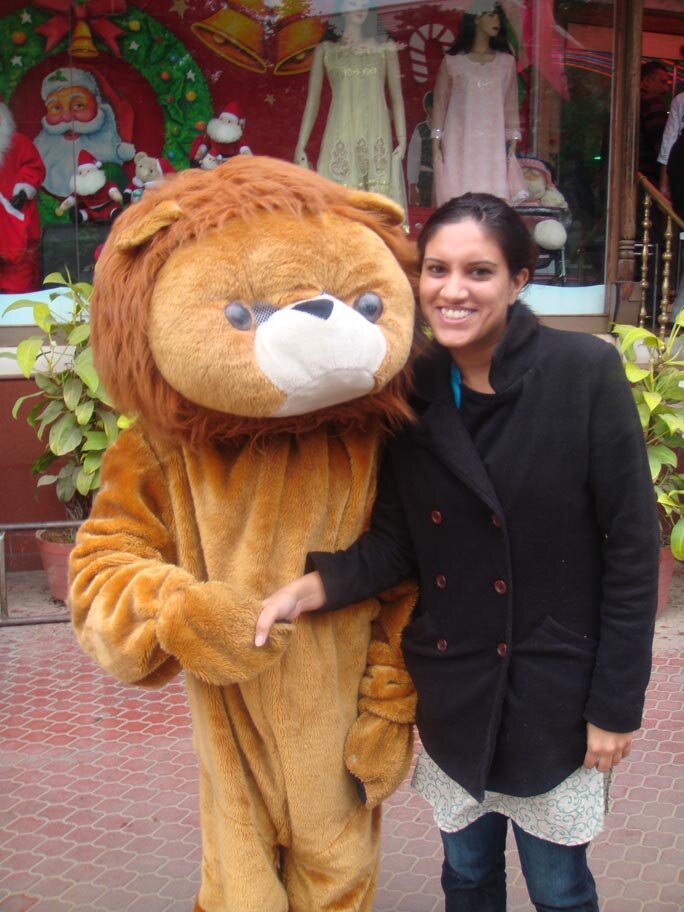

After a few days rest and figuring out the next leg of the trip we went back to Milana and did an art workshop for the women living with HIV and AIDs. Previously we had discussed some of the things they wish they could communicate to others. With this workshop I hoped to get them communicating their feelings first for their own emotional well being and second as a means to help others understand.As usual, I had a basic plan and had spent time thinking about how best to try and connect, but beyond that I had no idea if I would be able to give them something of value. I never have any doubt that art has value to be shared in all things, but whether I know enough to connect people to that is always the uncertainty. I suppose that's the exciting part of it all.So I had copied some images of watercolors I painted in the past in response to different social issues that I felt I needed to express something about. Those pieces are all here on the blog in previous posts. Lilly translated my English to Kannada for the women. We sat down, had some tea, shared some smiles and then sat down. I went over what I wished to do and Lilly related this to the women. I opened up the laptop and went through a handful of images, one at a time and shared them with the ladies. For each one, I explained the context of what I was reacting to and how that painful or sad emotion was translated into an image to try and make people think. Thanks to Lilly, the words and sentiments were beautifully translated and at once the women connected. To come in and talk to a group of women who are dealing with issues I can't even imagine, and try and share something that I think can be useful for them was a daunting task, so I tried to share how I deal with issues that I can't outright fix in a theraputic and communicative way through art.That the women responded is thanks to Lilly's excellent translation. I spoke to them of the multiple meanings and symbolism of each image, and also heard them connect their own experiences to what they saw. I didn't try and say that I know what they are going through or that I can make it go away. Rather I shared the power of art, through my own attempts to express and make people think. I could have taken from better artists than myself and shown their work, but it seemed to make more sense to share my own.We had a really good discussion, after which each woman got a sheet of paper and some colors. I went to the marker board and spoke went through an example of happiness. I got them started and asked what types of things symbolize happiness. They responed with smiles, christmas tree, food, sunlight etc. I filled the board with simple sketches of these. Then switched to sorry and anger and changed each of them in turn to express that. Next the women started their own drawings, expressing what they wanted. While I want people to explore and create for themselves in these workshops, I also want to give them enough in this short time to get started and feel comfortable with a process that they can continue in the future on their own. So as the women drew, I went around and helped give them ideas on how to visually represent different things they wished to express.I didn't have a clear sense of what the women might create. The process was organic and down to these women's willingness to participate. That they gave us that kind of love and were so open to try something that many adults might thing too childish was what made it work. They expressed joy at the upcoming Christmas holidays, visiting daughters and mothers. There was also sorrow at their infected children's condition and anger and frustration at a lack of drugs for survival. There were even messages in a world context of an appreciation for home and sorrow for the conflicts of people.Each time we get to share with people it is special. This day was truly amazing. In the summer of 2008 it was beautiful to connect to people through music with my friends Andy, Omar and Mike. Here it was beautiful to try and share something of what makes me and my life in a way that is meaningful to people I may never have met otherwise, whose experience is now a part of mine.Afterwards, we head out and met a lion, before visiting the cartoon museum (a museum of Indian Cartoonists). The cartoon museum was exciting just for the chance to connect to artists with a rich history in India. While animation is big in India, it is cartoonists and painters with whom I feel I am more interested in, in terms of artistic content. It is here that I can see a rich history of communicating important and personal stories. Just to have a brief visit and to speak to Narendraji there was fun. He showed us some beautiful Indian Cartoons (political and newspaper cartoons). There are some books, but these are not easily available. I did get one publisher's name so I'll try and look further into it. I also want to go to the National Book Trust store which publishes amazing children's books under the Children's Book Trust name. These books are not available at most stores, but the art and ideas in them tends to be far superior to anything I've seen in locally published childrens's books at other bookstores here.That evening we hopped on a train to Burhanpur.
BIRDS NGO 5
A visit to the nursery at BIRDS, a non profit in Belgam, Karnatika, India. Nursery rhymes, duck duck goose and other adventures in photos.
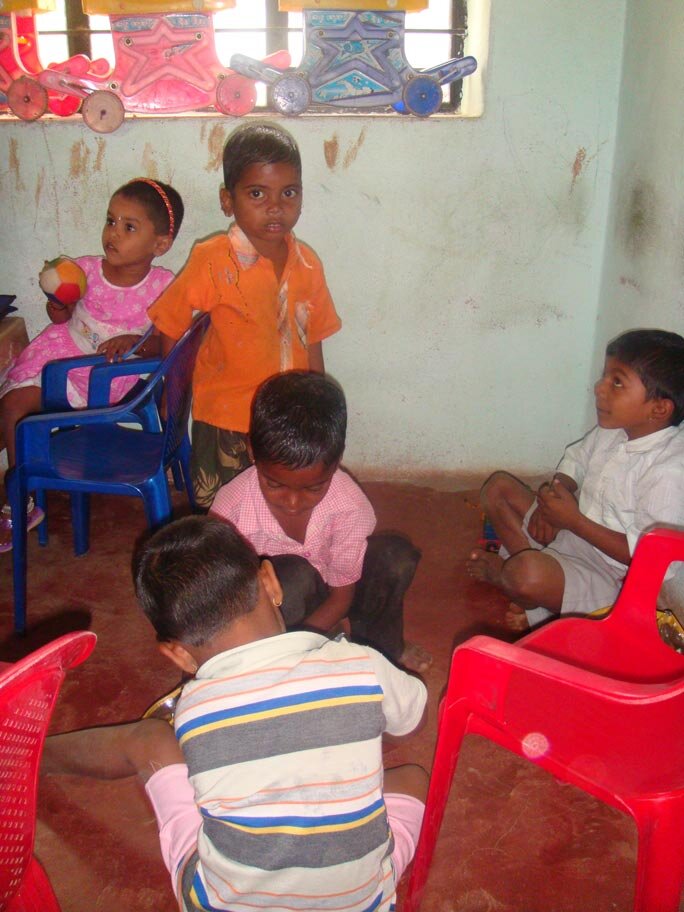
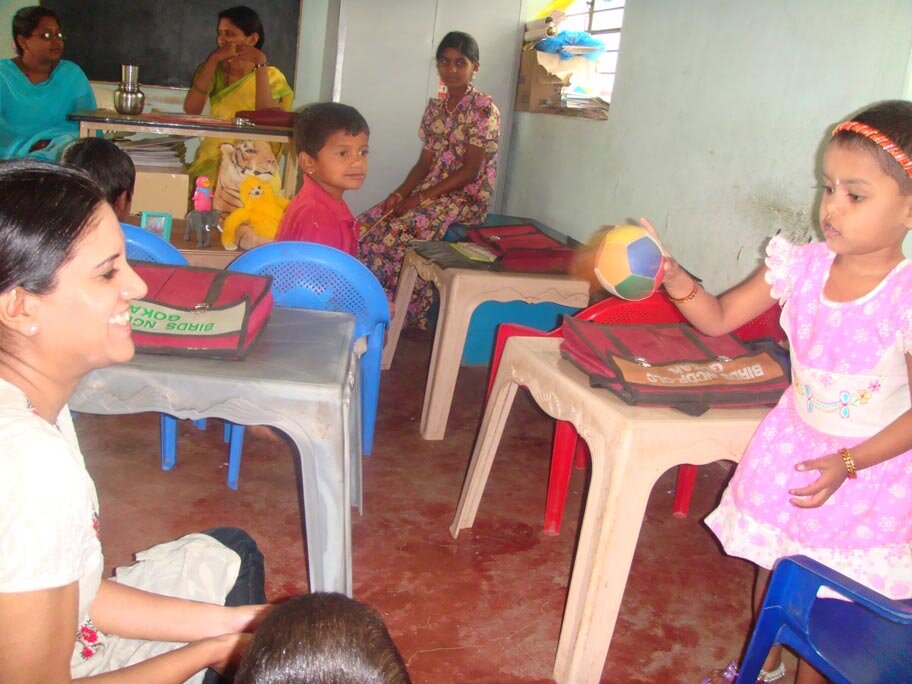
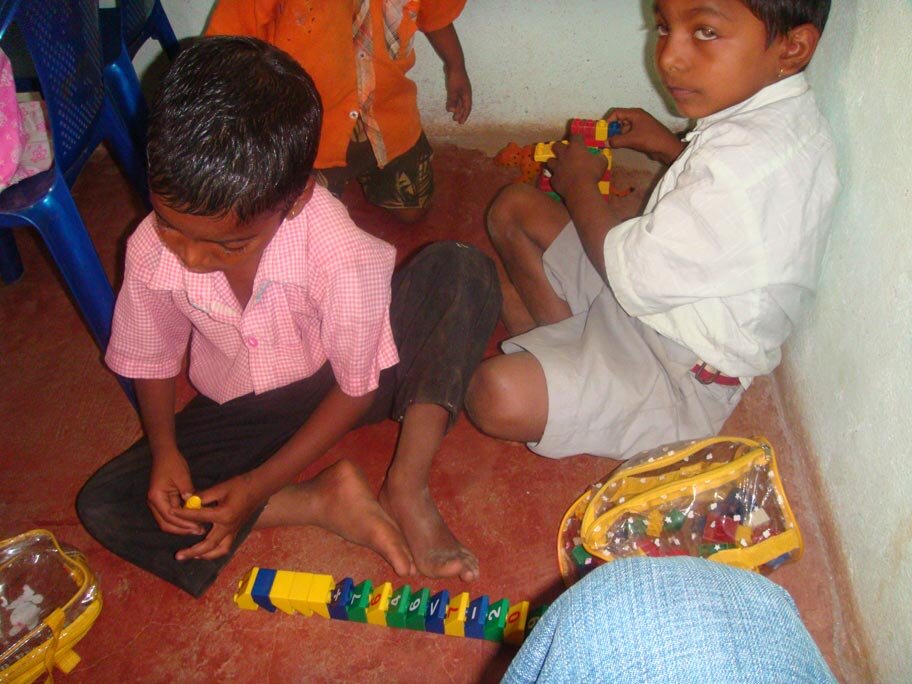
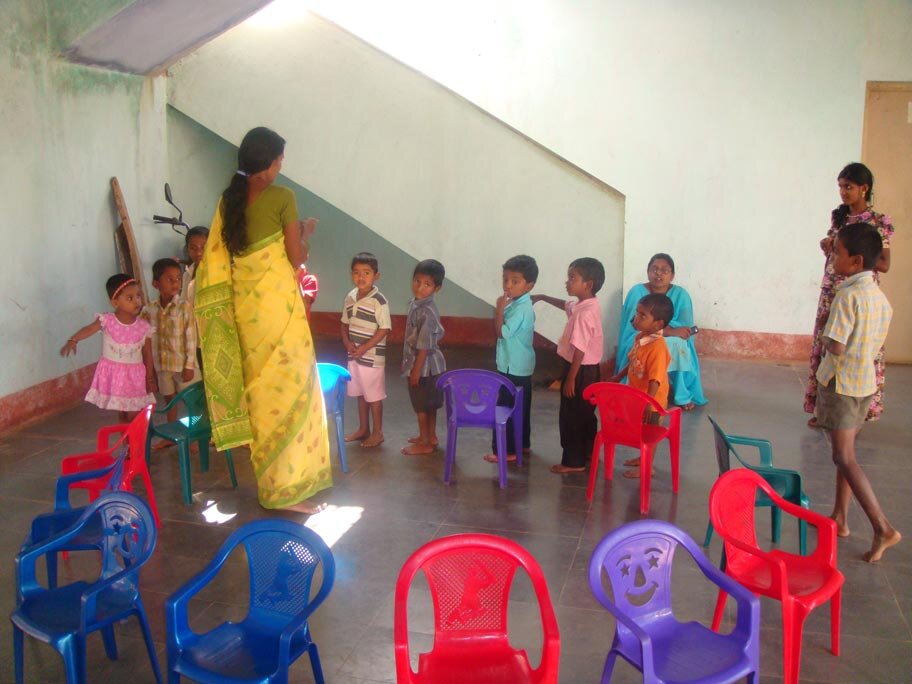
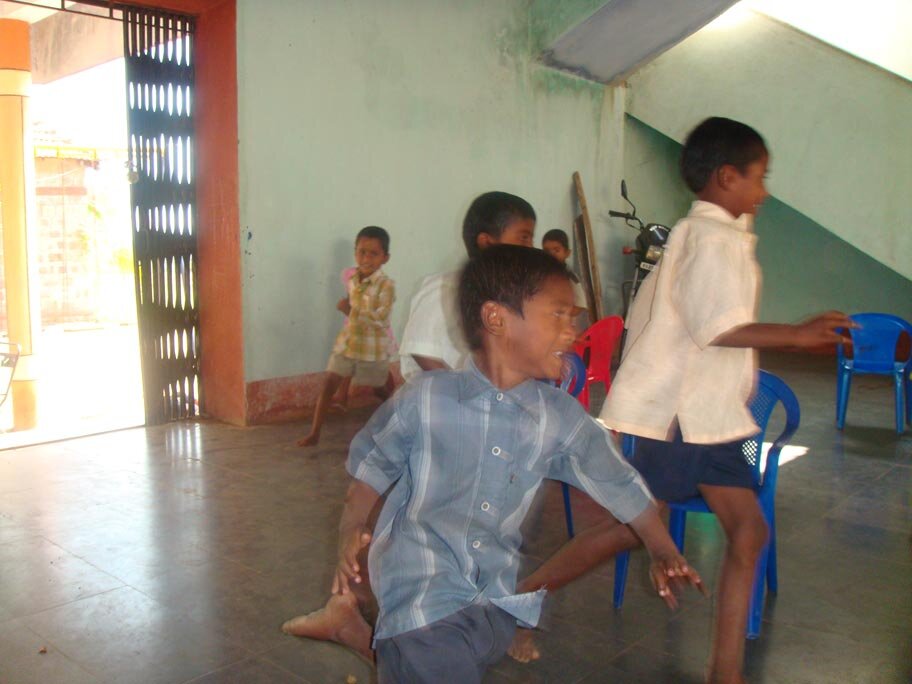
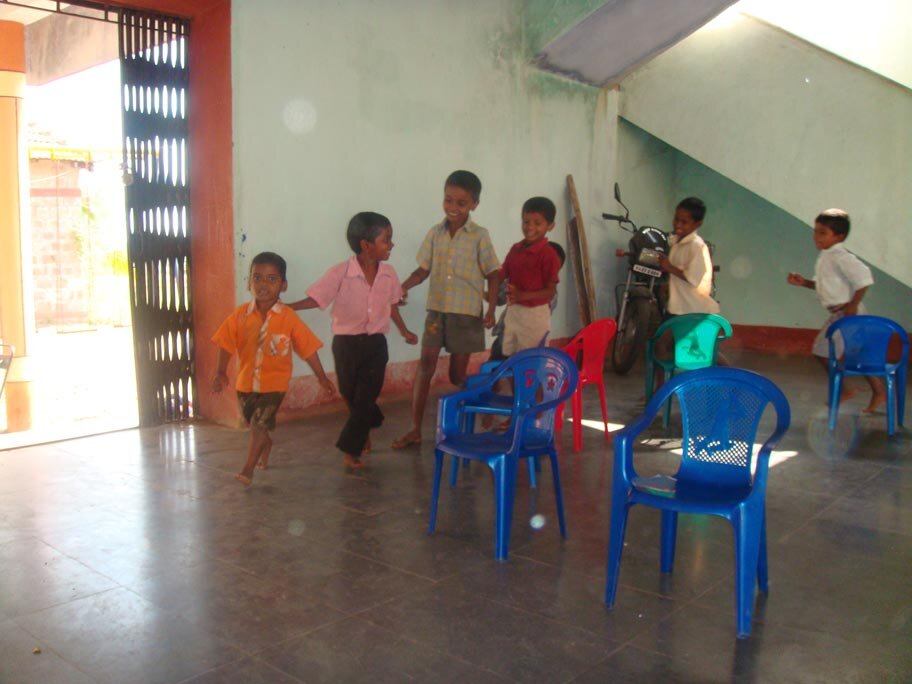
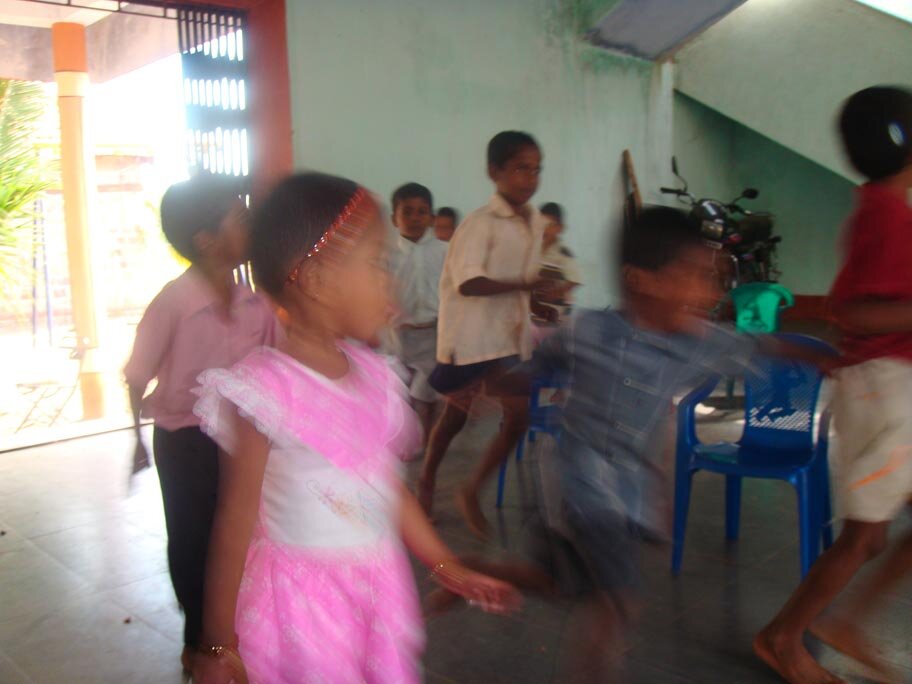
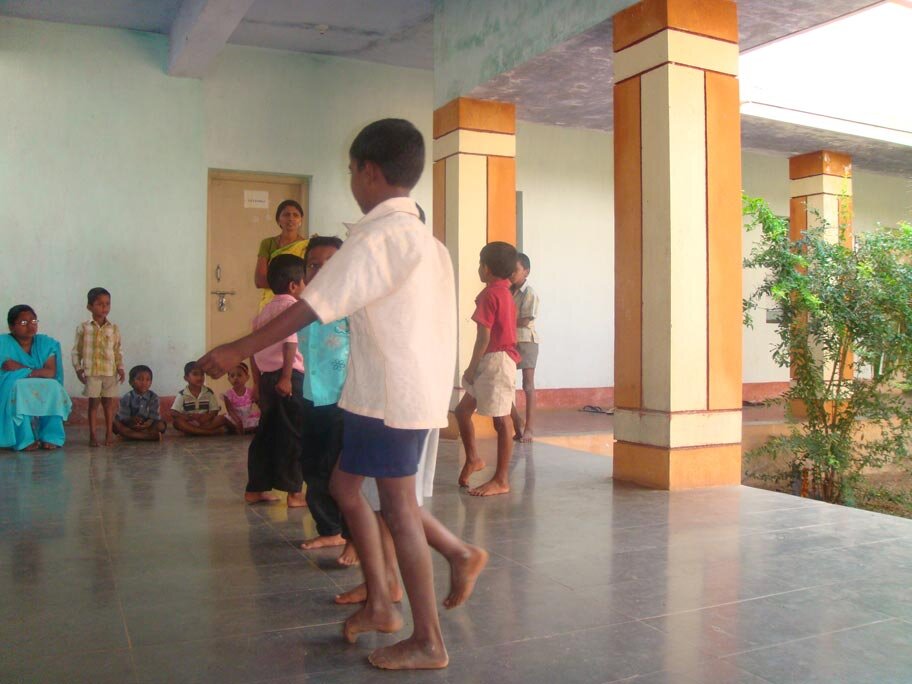
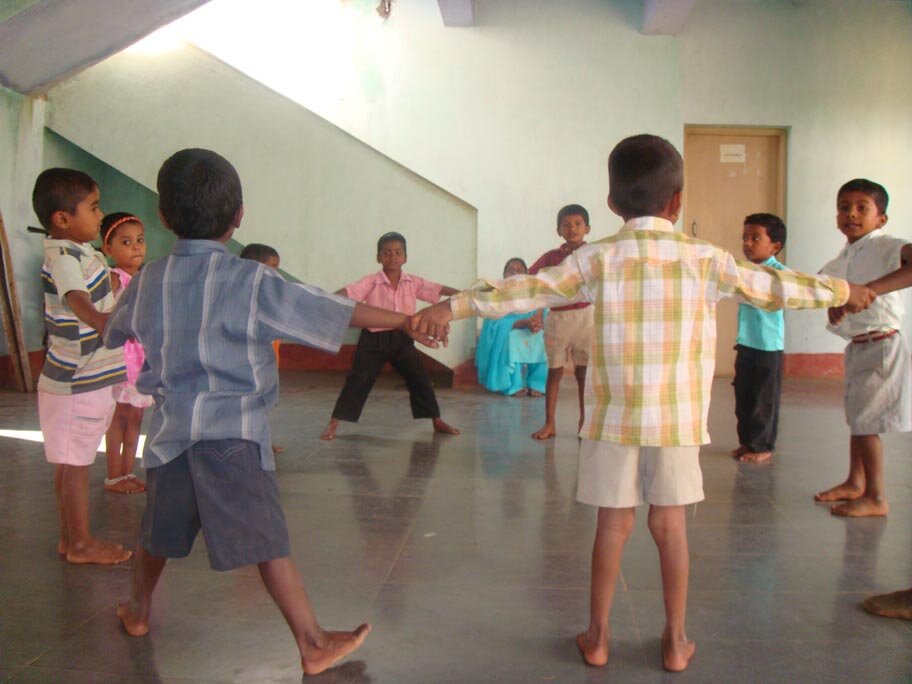
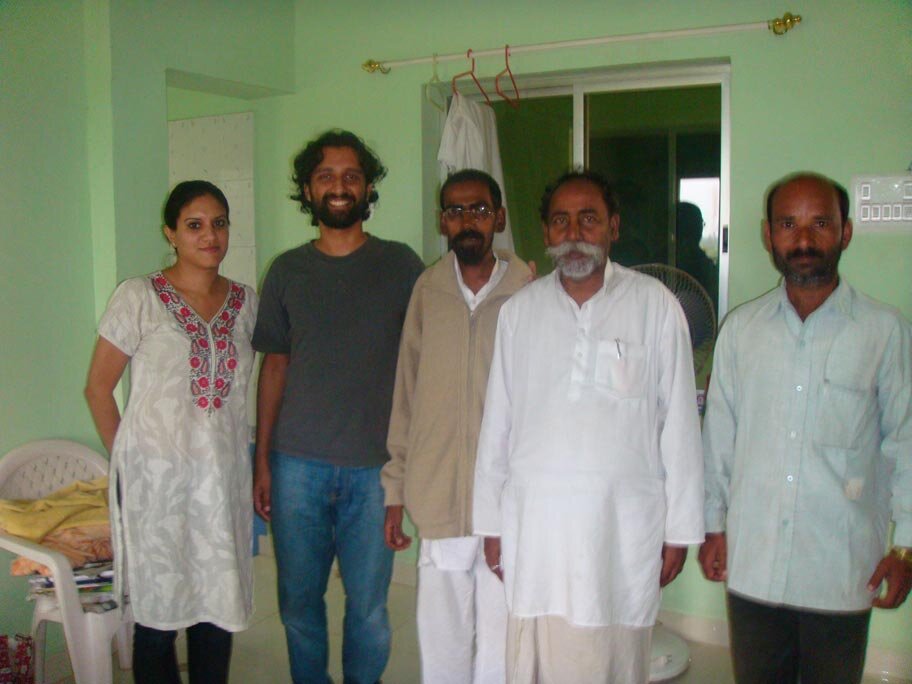
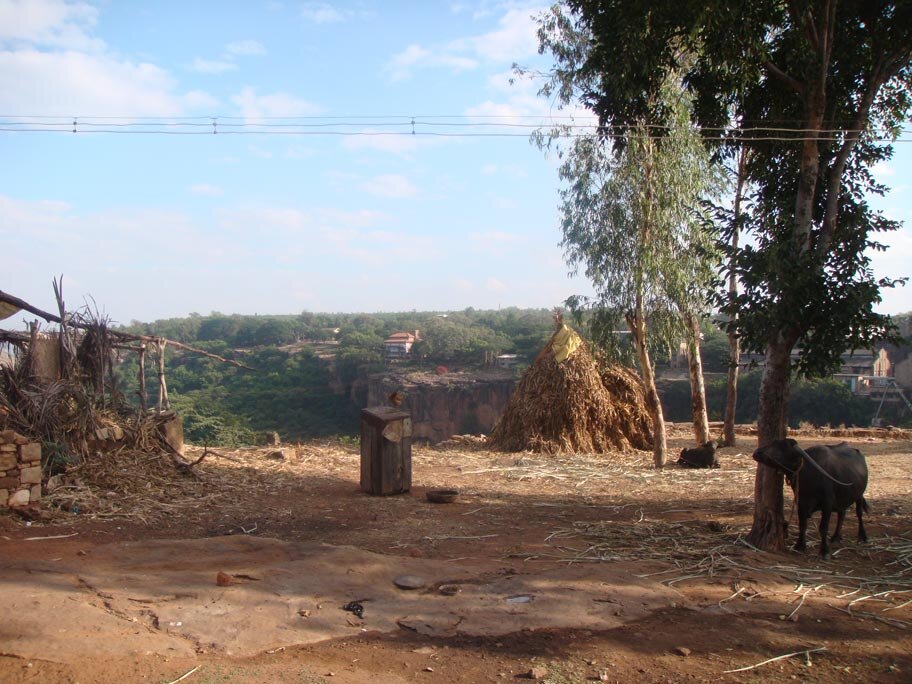
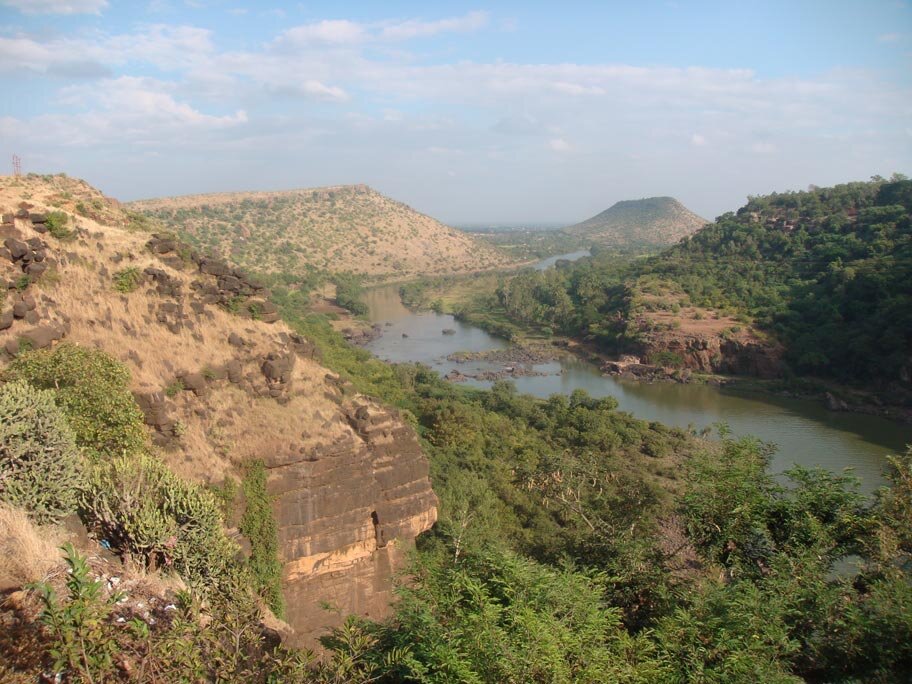
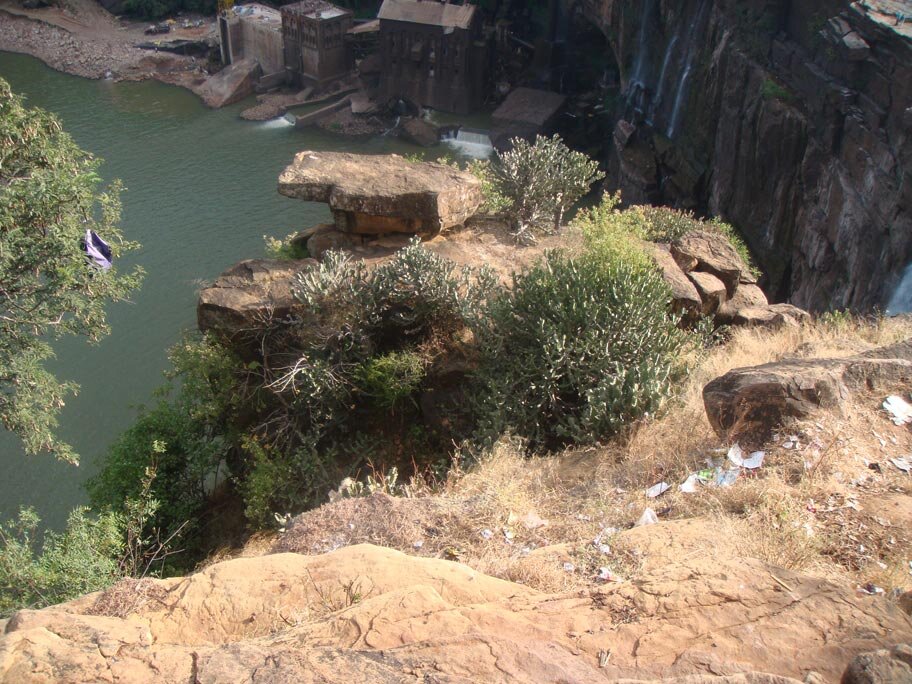
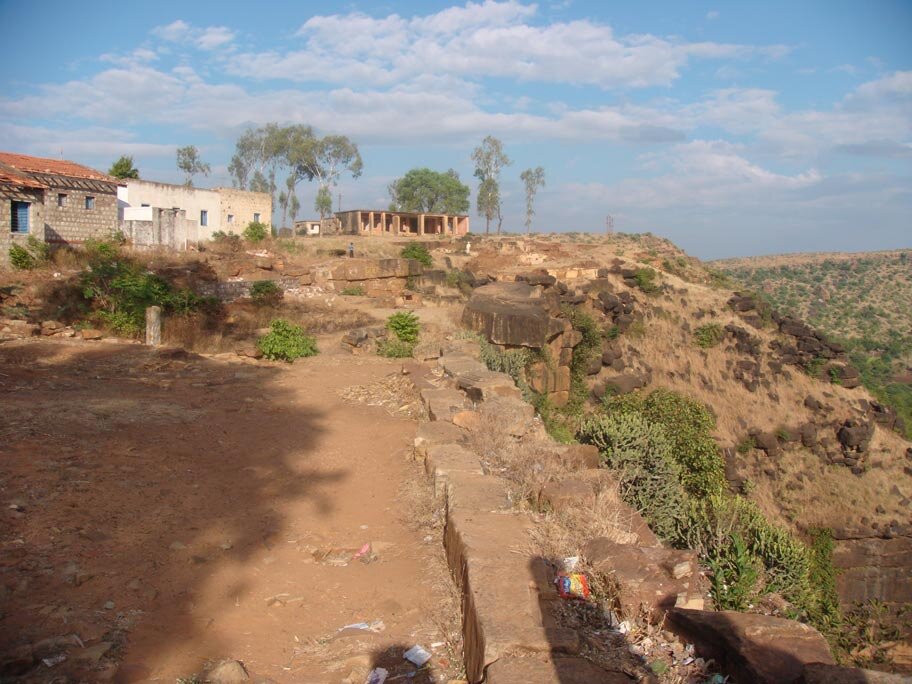
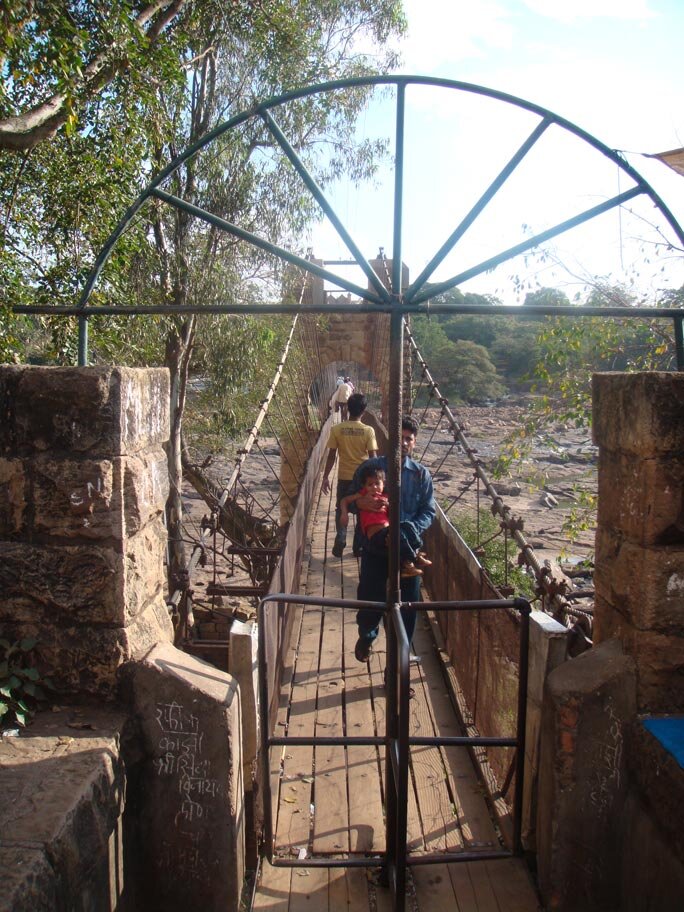
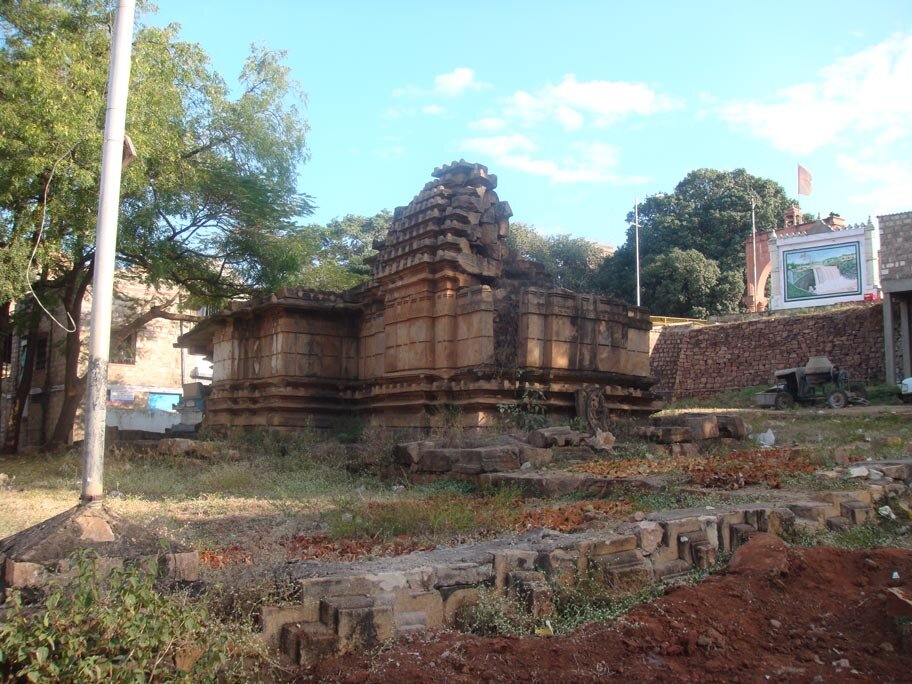
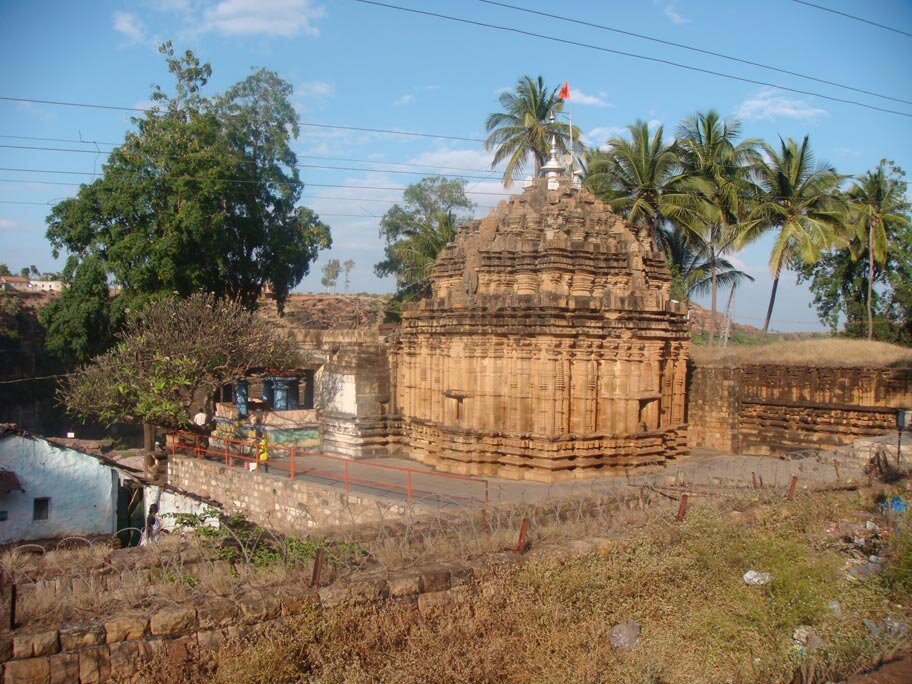
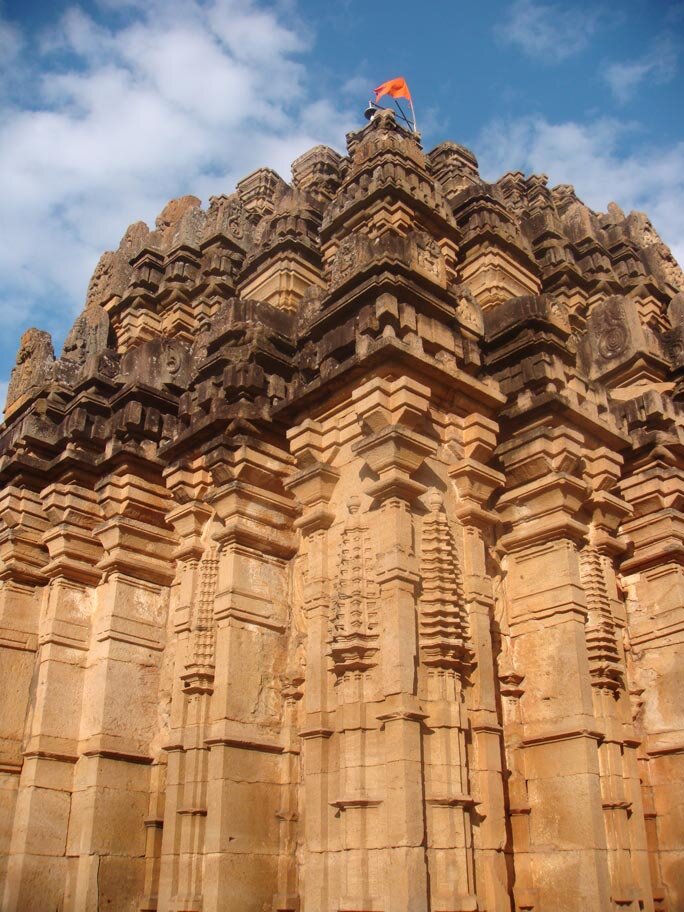
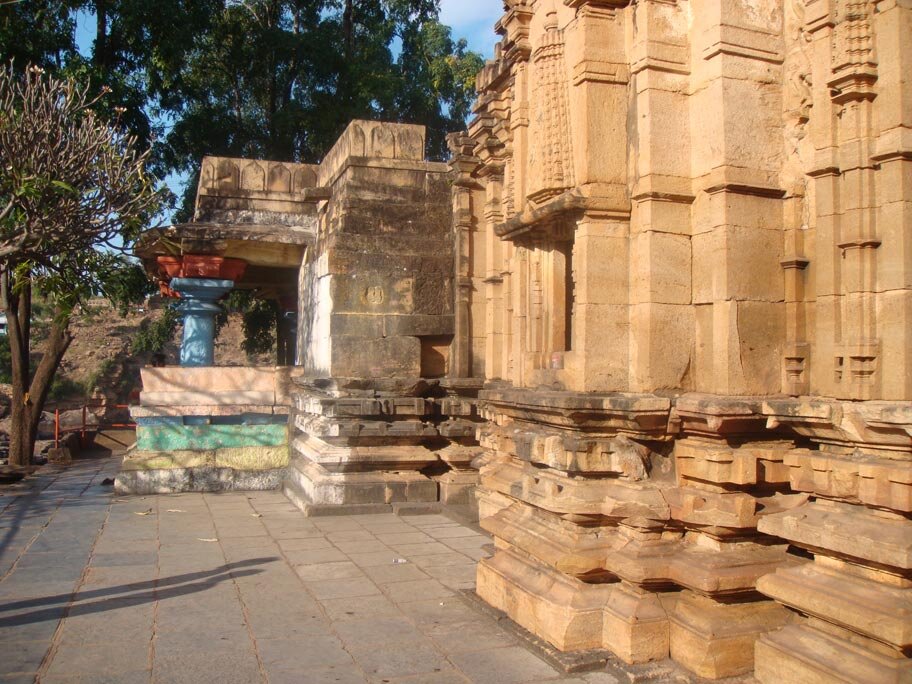
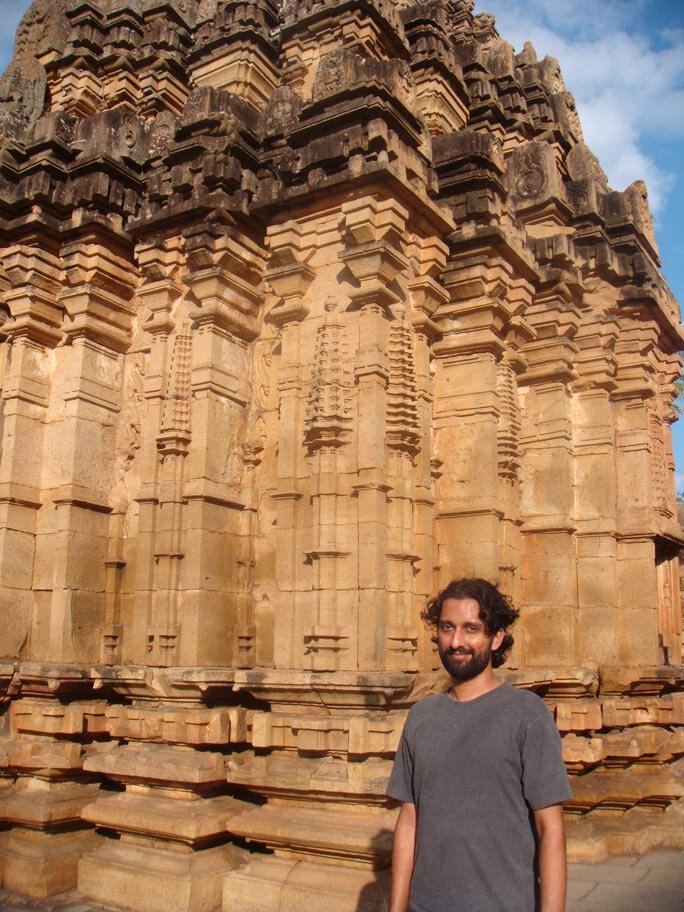
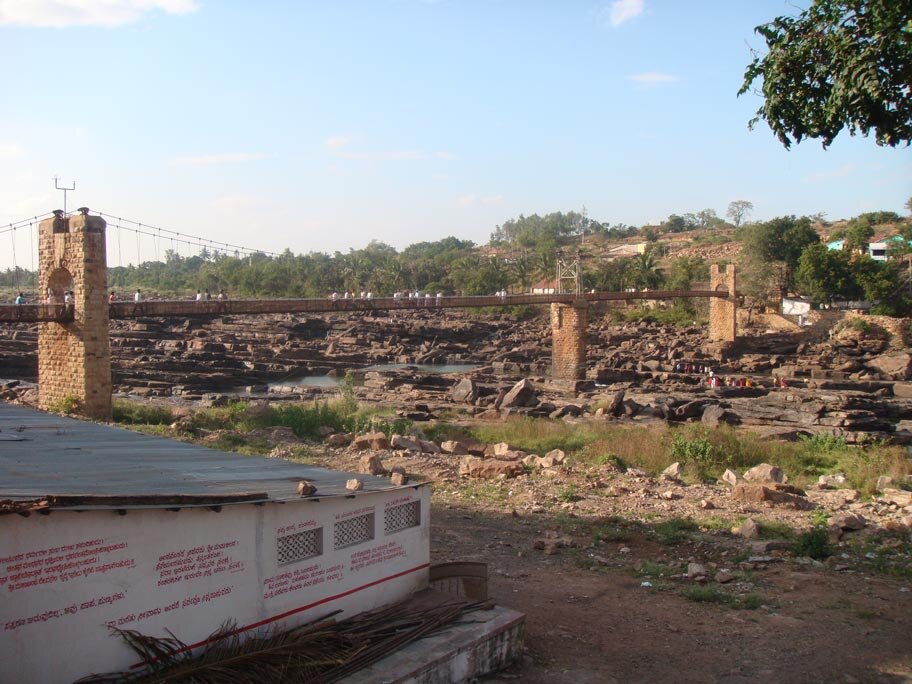
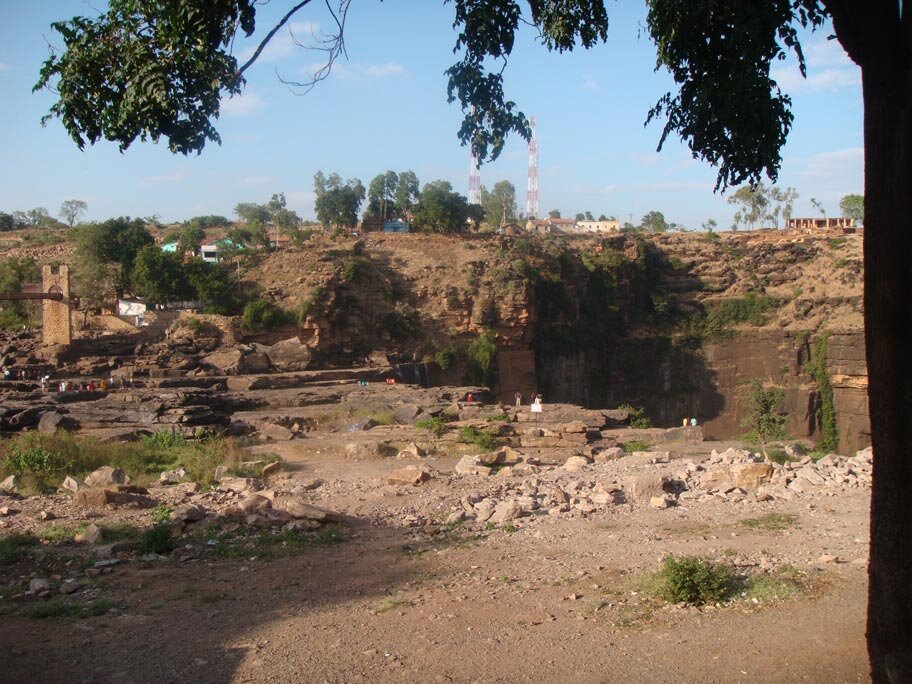
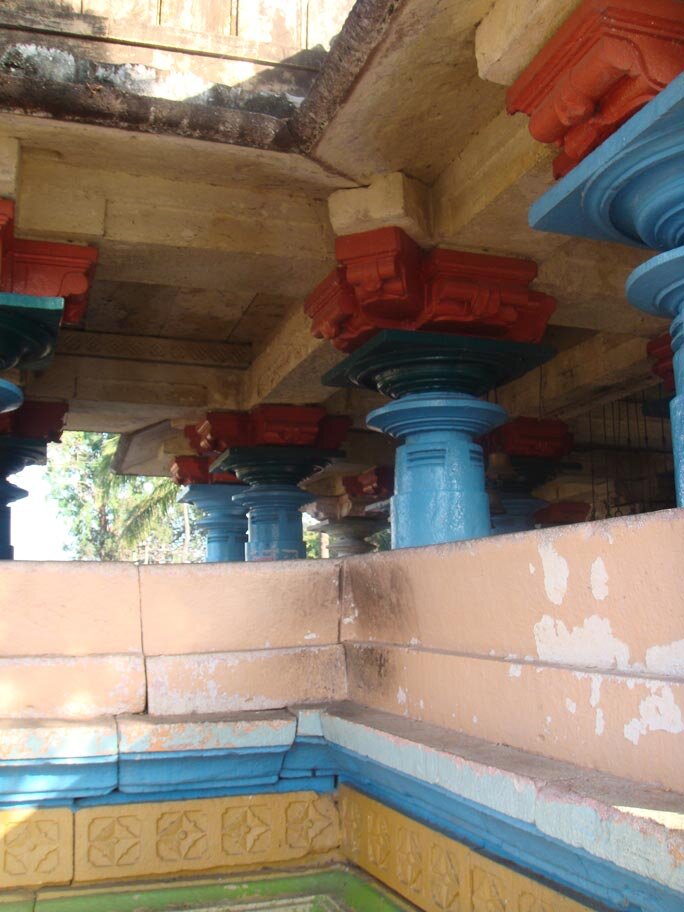
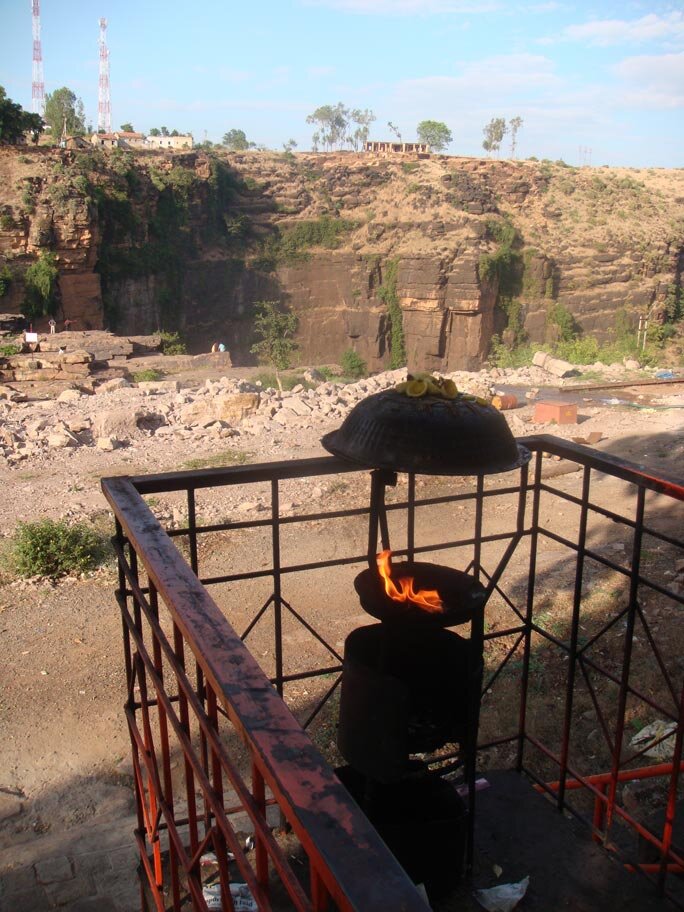
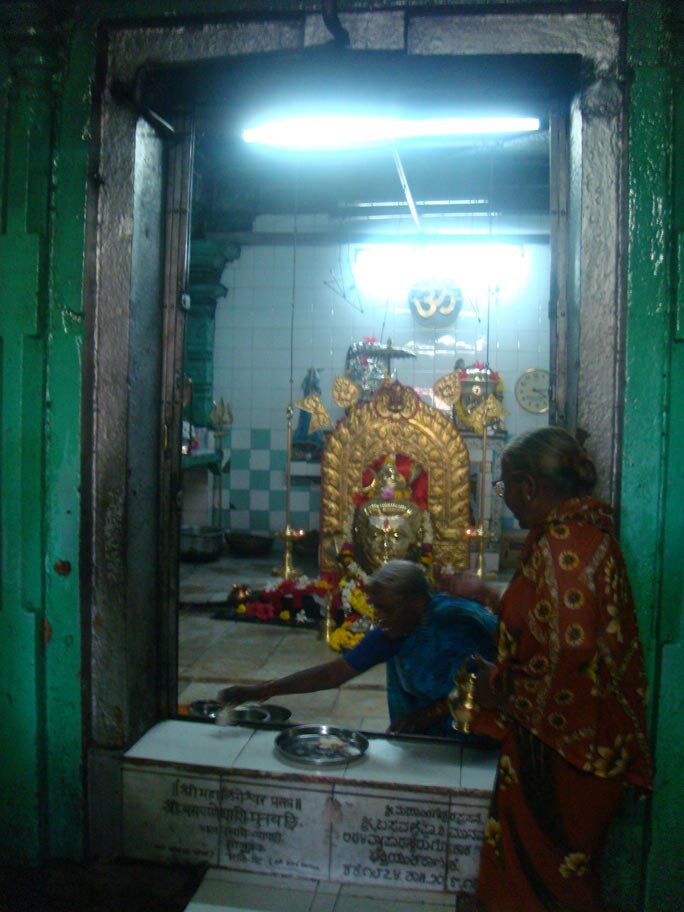
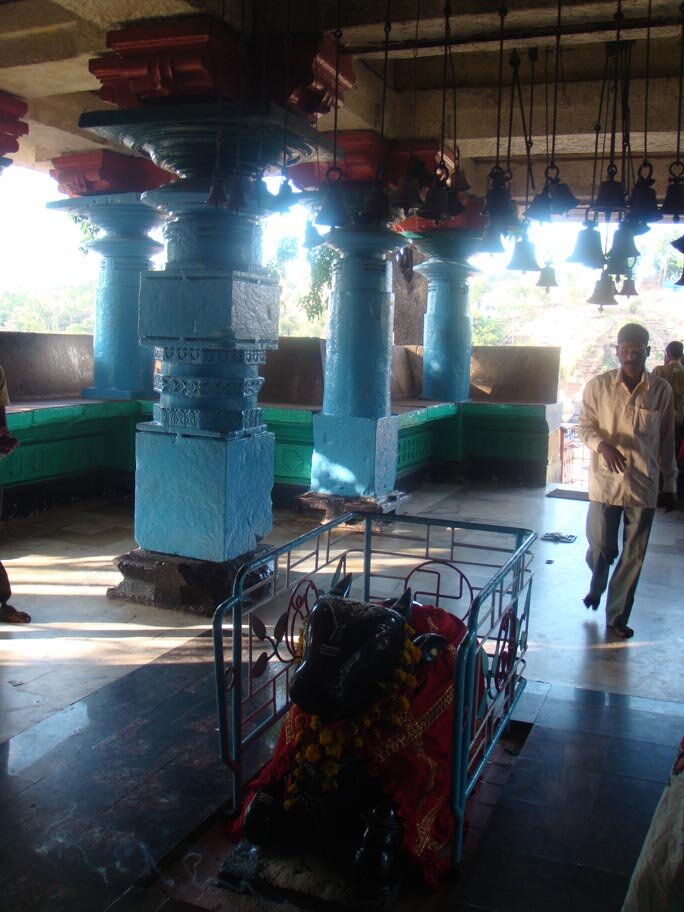
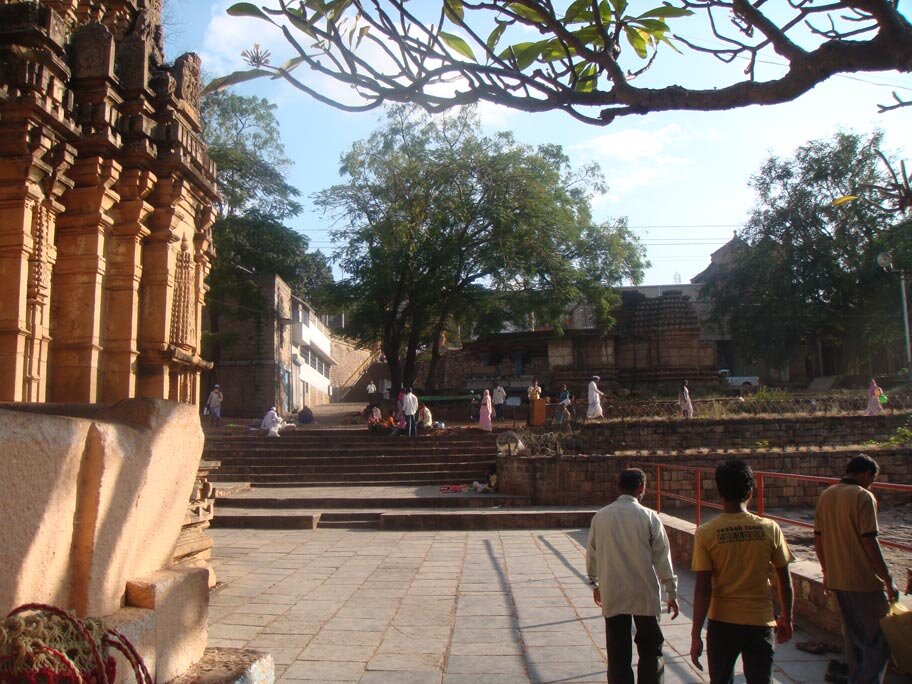
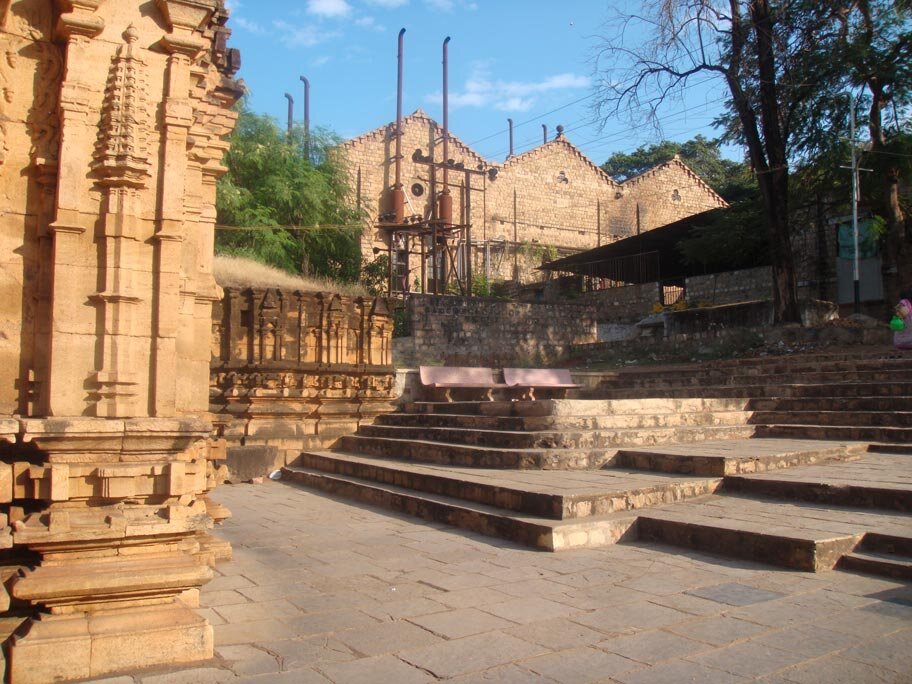
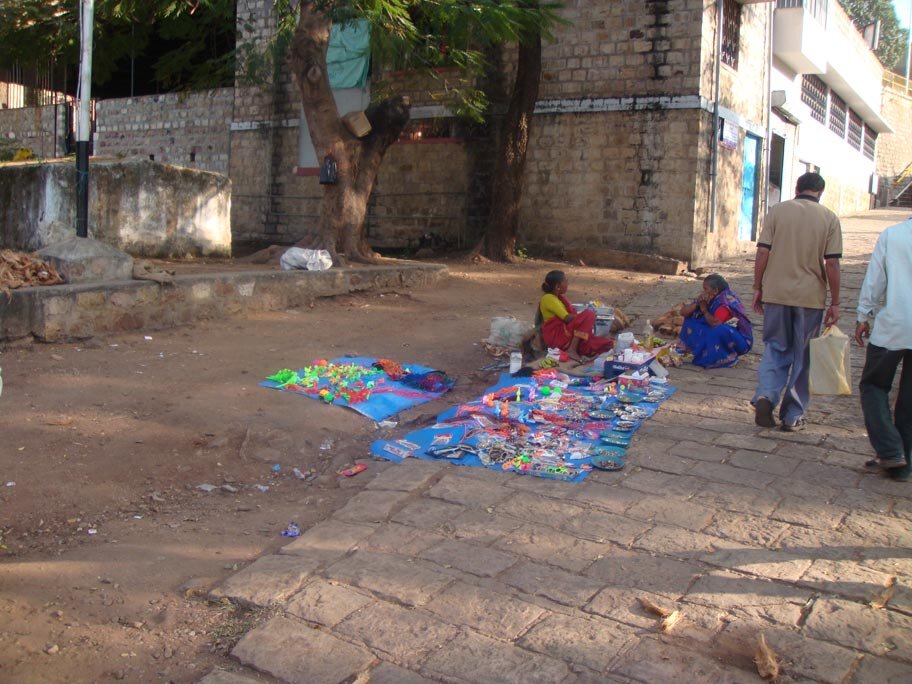
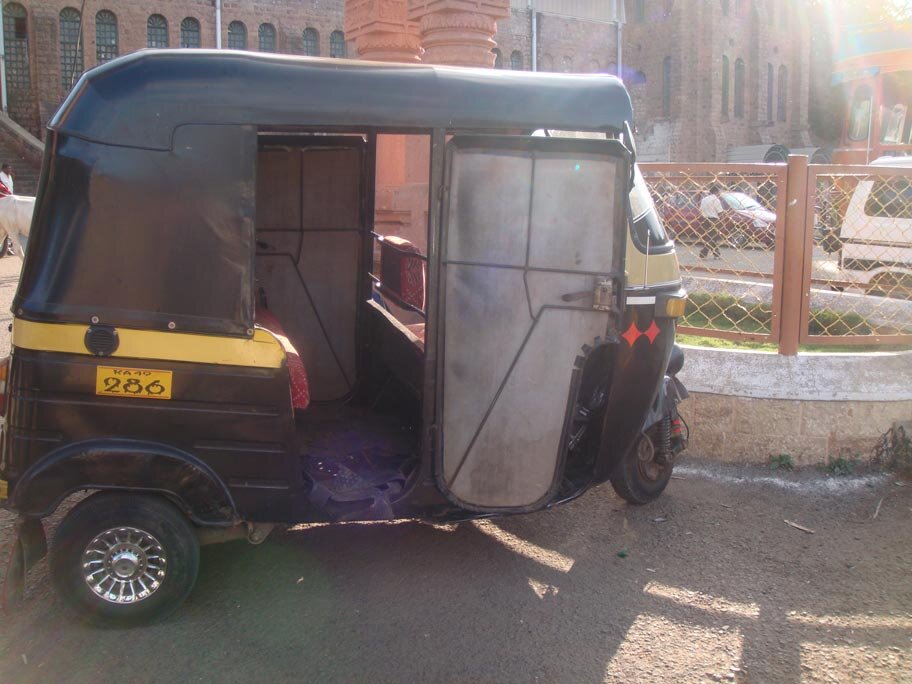
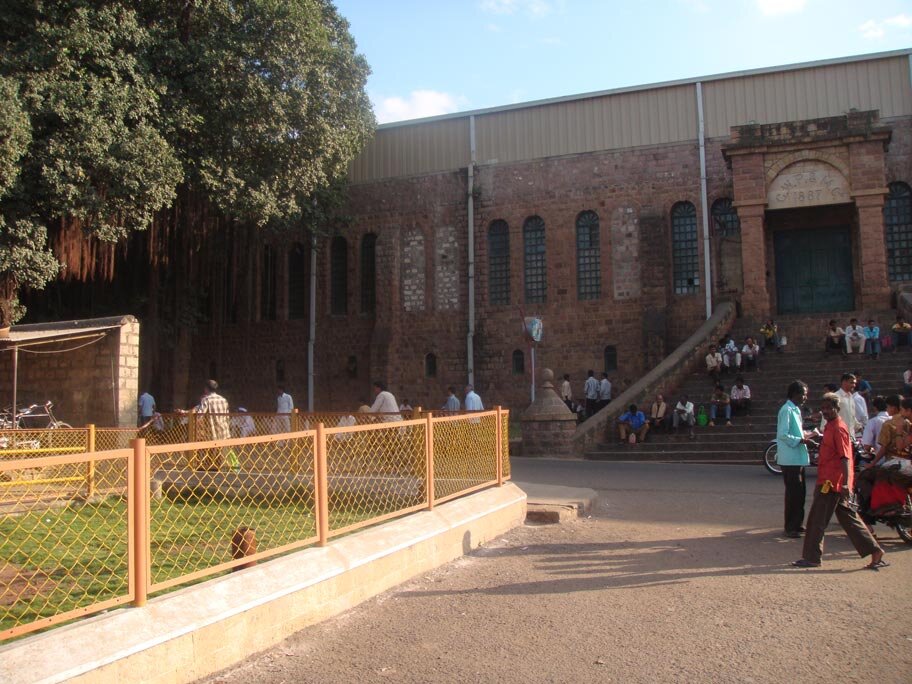
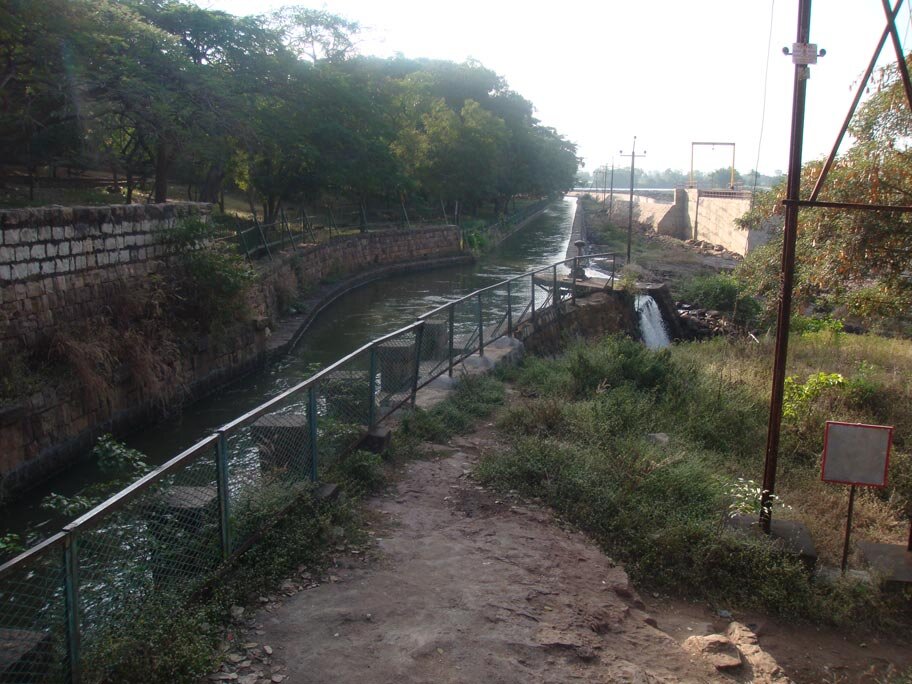
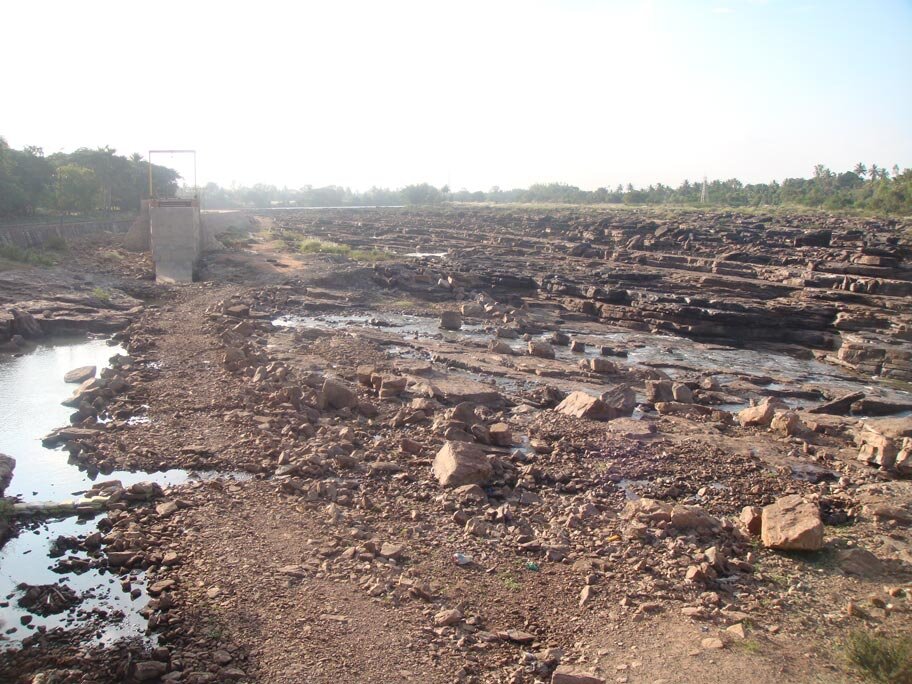
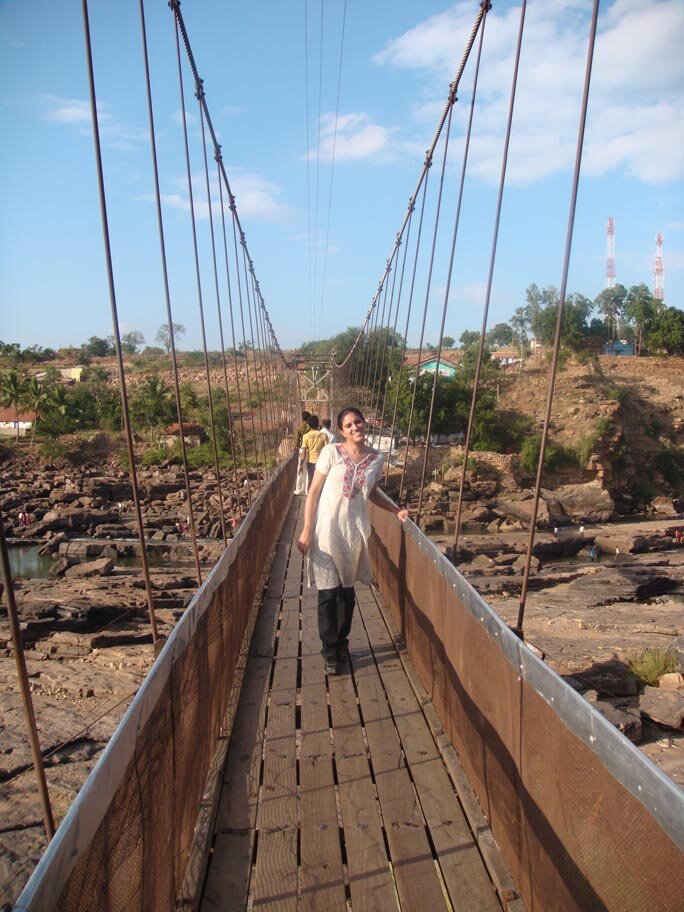
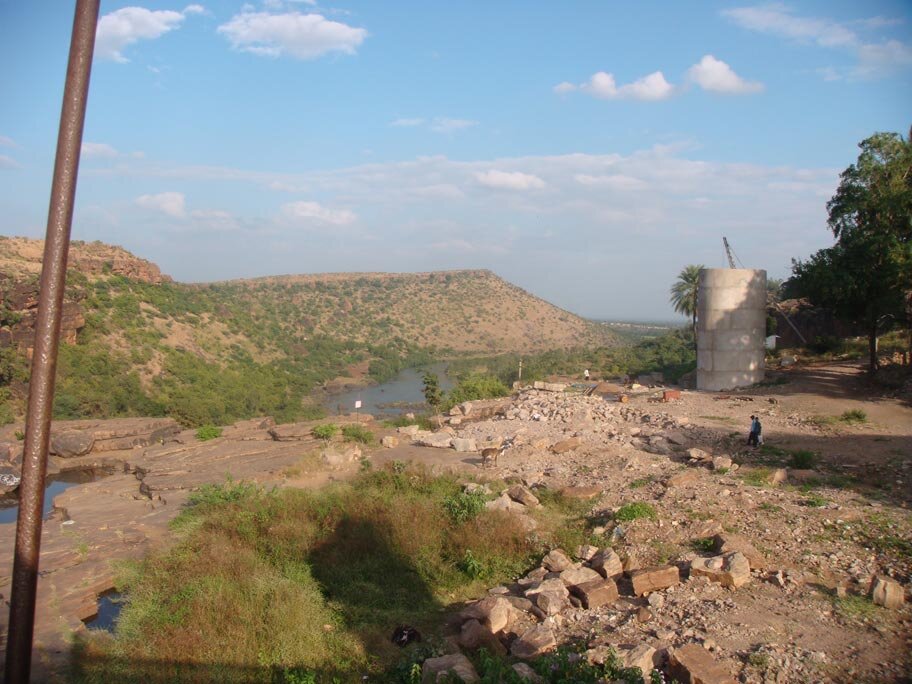
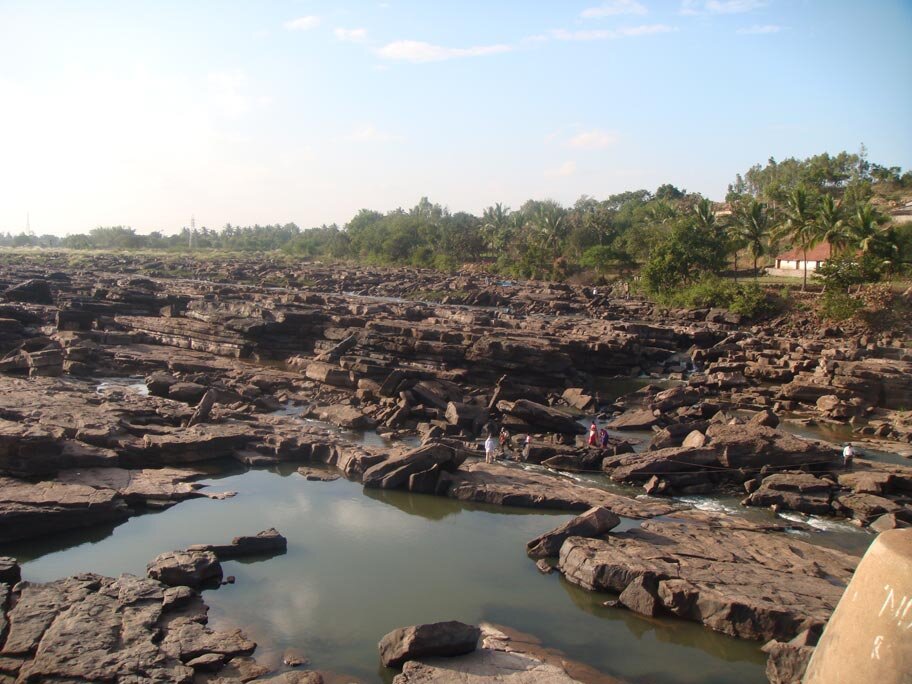
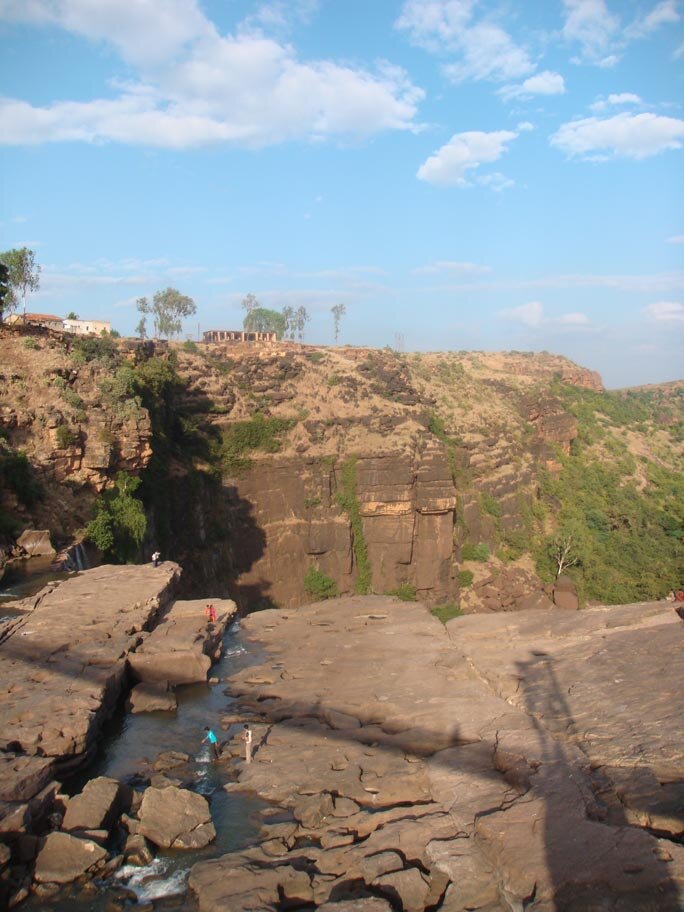
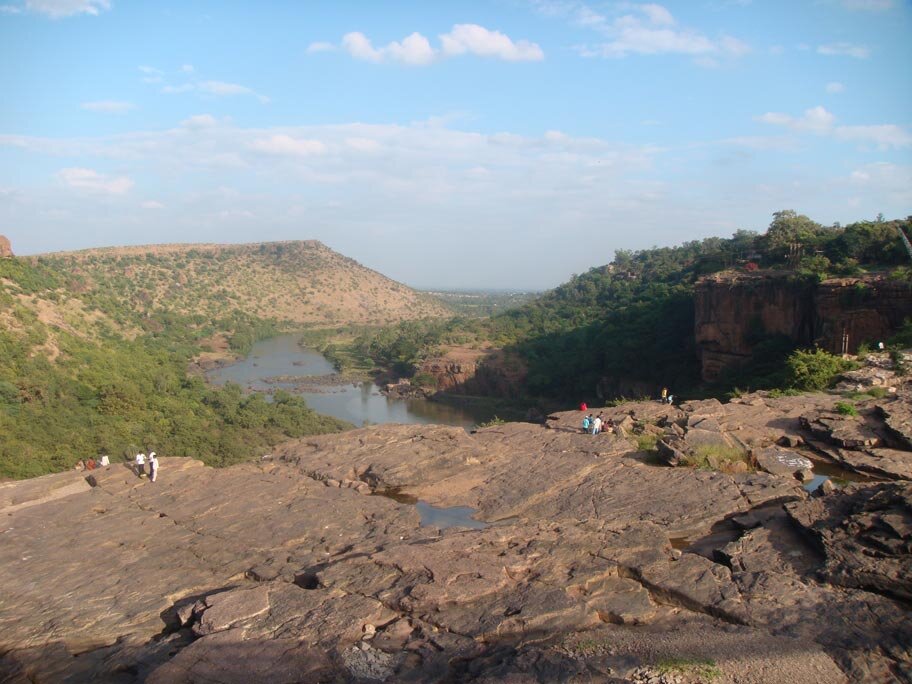
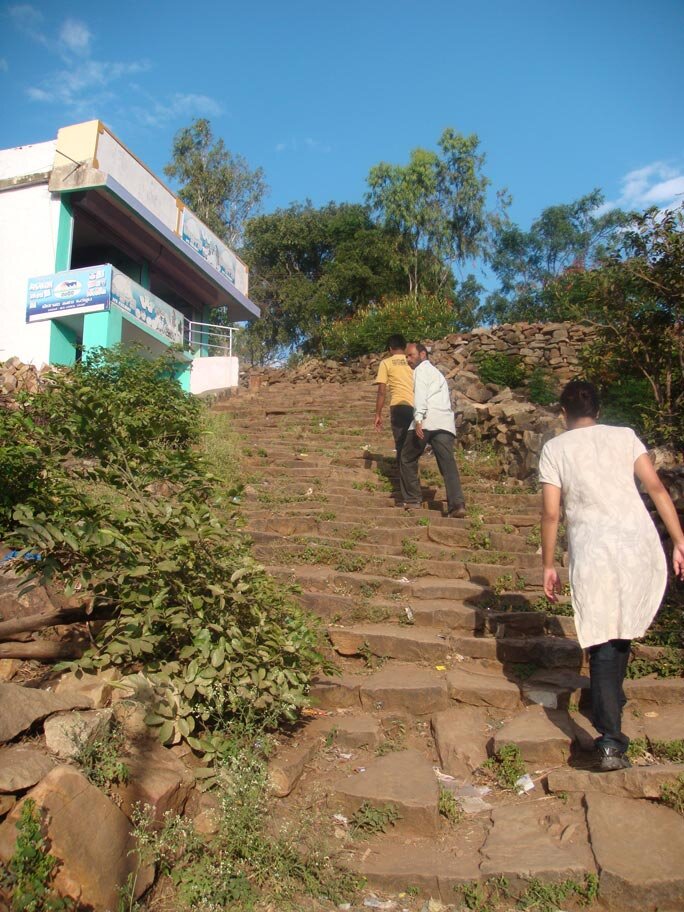
The next day we visited the principal of the social work college and his wife at their home on campus and learned why he loved the work he did. More than anything, what struck me about BIRDs was a sense that A. R. Patilji, who had served as a provincial minister and came from an agricultural background, had started his work in the 70's and genuinely worked to create programs where there was a lot of independence. Staff were given support and guidance, but also the free will to make decisions, mistakes and programs. To give support and guidance where needed and to empower the people who work with you, is to be a true leader. While Patilji did not know how to do every single task, but he knew to create an atmosphere where people could grow and create programs while he provided invaluable support, without interfering. I can't really say enough good about all that the Patils and the staff at BIRDs. I'm an artist, and don't pretend to be an expert at that or anything else, certainly not all that we saw and learned of the programs at BIRDs, but the Patils really made an effort to share the vast work the people have done and continue to do.The next place we visited was perhaps the most incredible of all. We walked over to the nursery school to pay the kids a visit. Children sat and played around the classroom. The teacher had several come up and recite nursery rhymes. There are few things cooler than hearing a little kid recite a nursery rhyme in English with the cutest heaviest accent, mixed with little cute kid talk, such that you almost can't tell they are speaking English. Seriously cute. Kristeen tossed a ball back and forth with a little girl and heard a squeaking sound. She shook the ball, but there was no sound, finally she figured out that the girl had little squeaking slippers that squeaked every time she stepped like a little toy. I played blocks with some very serious looking tots, then Kristeen came up with the idea to teach them duck duck goose.So we all head out to the courtyard of the girl's dorm, which was right outside, with teachers and children and started playing. It's really hard to describe how magical it is to become a kid and play, but if you don't know what I'm talking about, you really need to do it! We sat in a circle and the teachers would translate our instructions into Kannada. My cheeks hurt from smiling and laughing so much. These little ones were so sweet and sometimes confused, and excited and happy, then sad and more happy. Kristeen was a popular goose in the game as child after child would pick her, certainly not because they had the best chance of outrunning her. The teachers didn't join the game, but sat on one side and guided the kids. Kristeen and I played along with the kids. Some kids caught on quick, while others would sit there confused when someone touched their head and said "Goose!" Even some of the kids would start giggling, but they were actually quite nice to each other.The little girl who squeaked was so cute when she ran, generally confused and and with a blank look, never sad, never happy, just calm and collected, even when she chased after me and fell flat and broke some tiny bangles. Two of the youngest children had a hard time. Kristeen tagged one of them goose. He got up to run, but before his little legs could take him far, Kristeen reached over and tagged him. He froze as Kristeen laughed, then started crying uncontrollably. We all laughed and a teacher consoled, but he was never the same after that. If anyone tagged him goose, he would start crying, so all the kids let him be, and just tagged him duck as they went around. Another little guy was in the same boat and it was cute how the kids would smile at how funny it was, but still be sweet and not tag them, without needing to be told. They would even help the confused kids and run as fast as they could. Sometimes I would run around a few times and purposely and also accidently miss my open spot to sit as I came around. It's hard to run in a little circle. We played many cute little games with the kids, and got a great workout.It was time to say our goodbyes. We thanked the staff and Patils for their amazing warmth and the knowledge they had shared. On the way to the train station we stopped by the beautiful Gokak falls, before heading out and ending our time at BIRDs.
BIRDS NGO 4
I decided that I could teach the class to make the drawings I had made, and then use that as a tool to teach younger children about cleanliness and hygiene. I hope that learning to draw would interest them and the idea that they too could teach others the lessons they have learned could be very helpful as most of the children are strictly in a teacher teaches, student memorizes and regurgitates mindset.
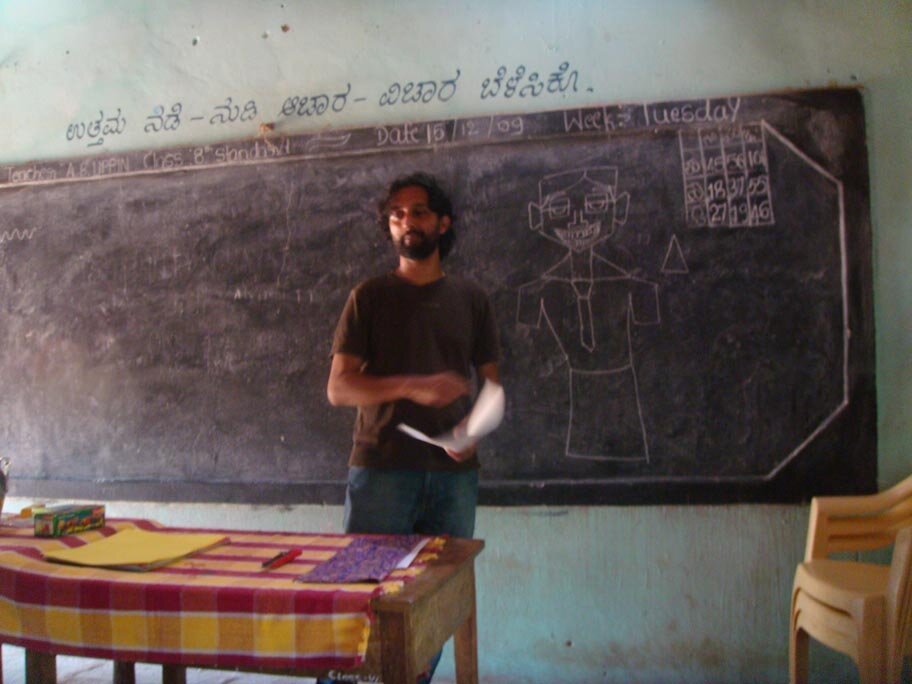

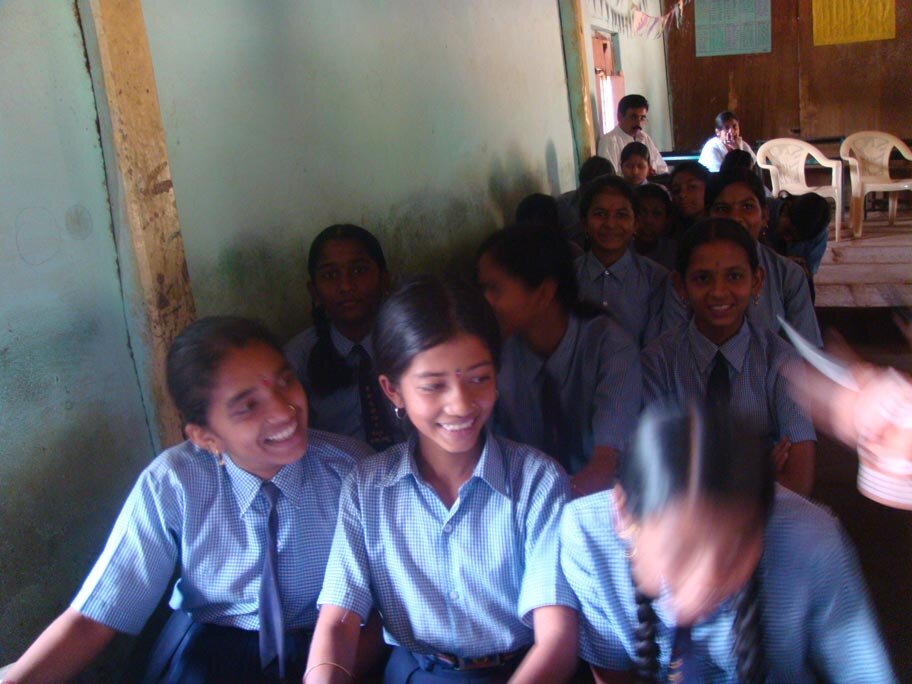
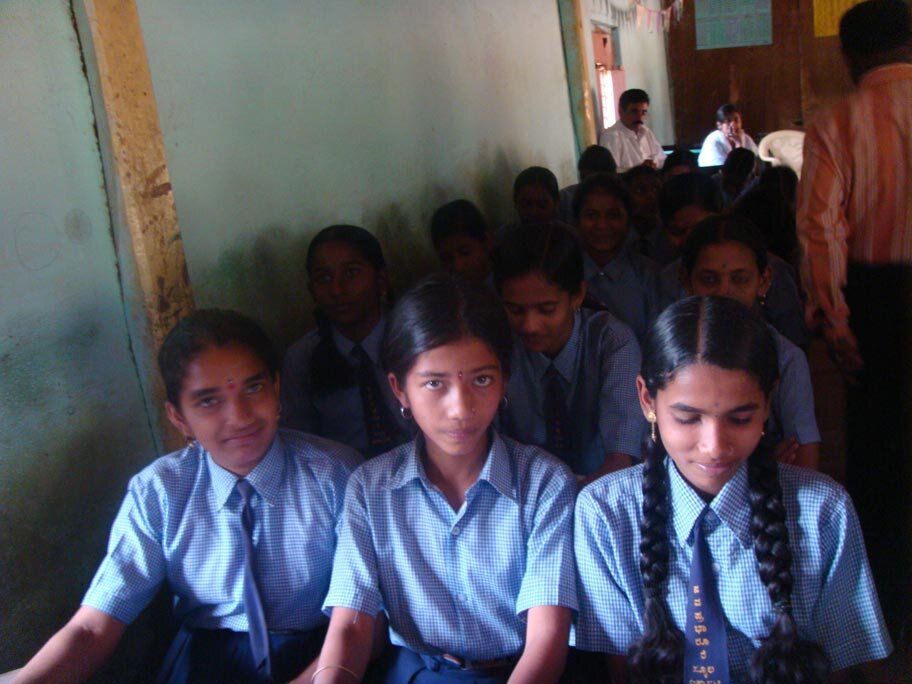
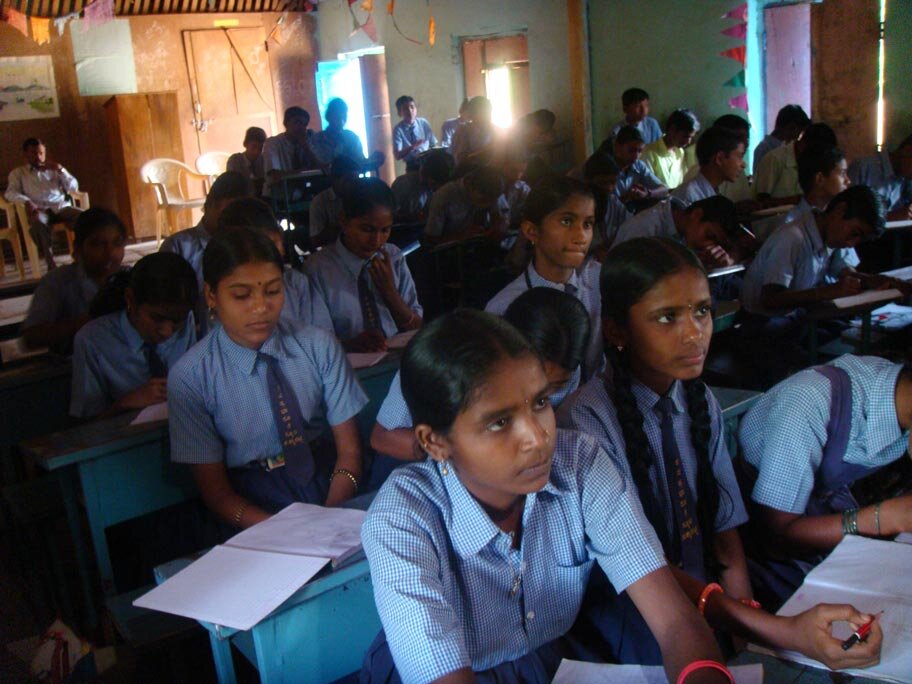
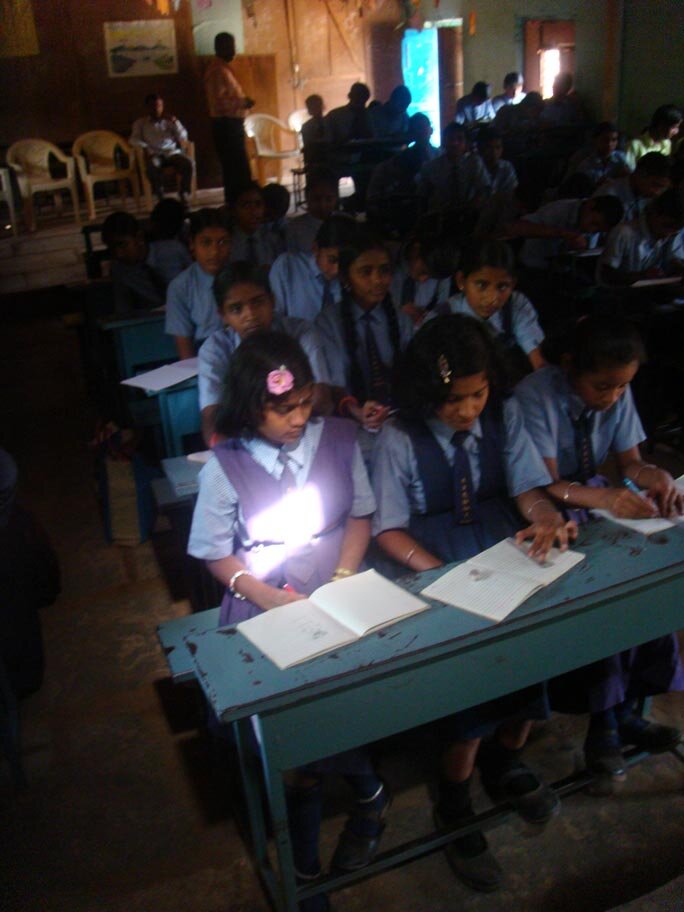
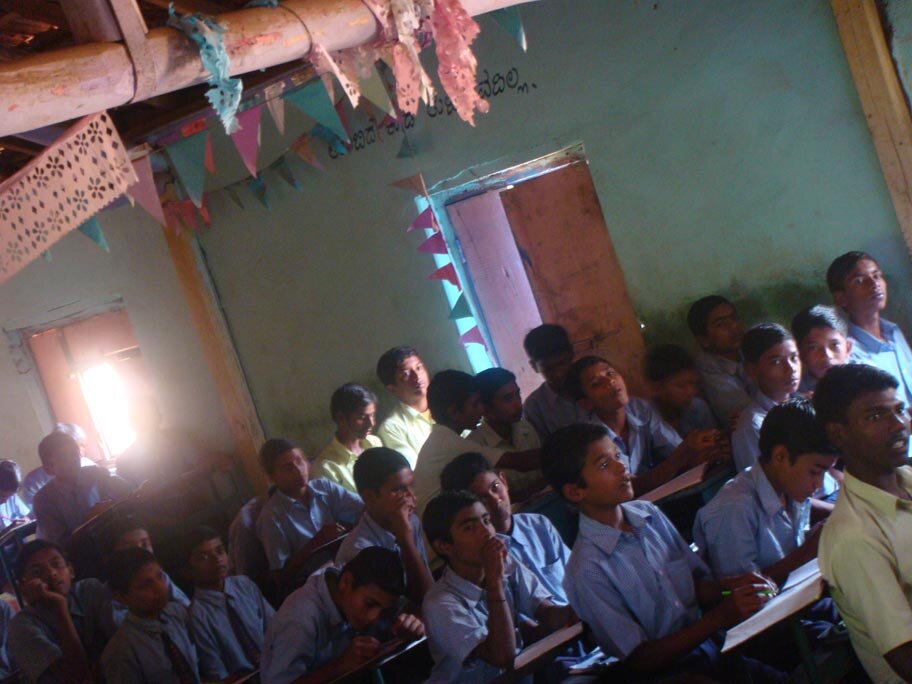
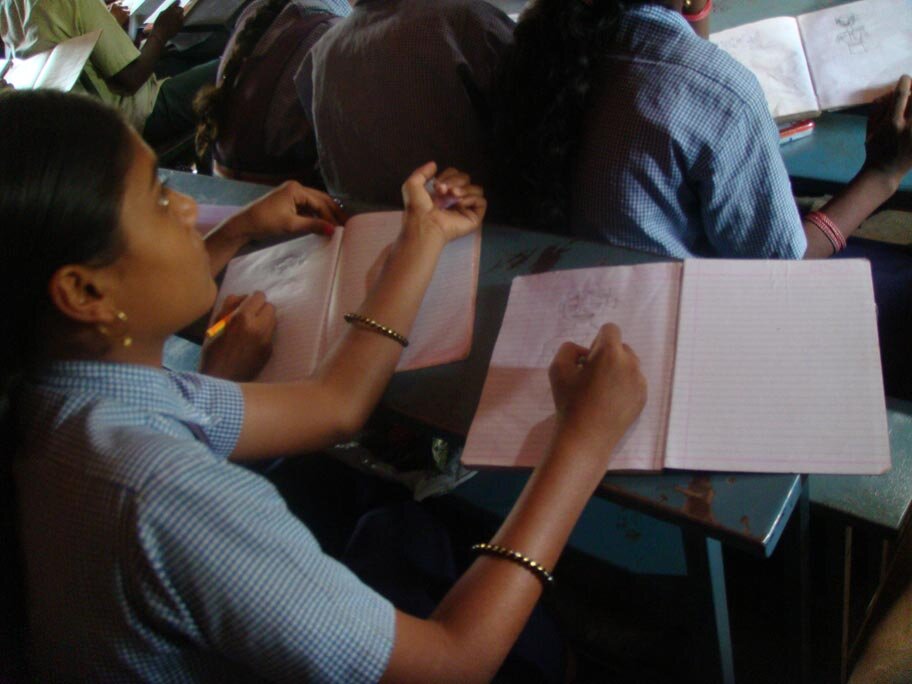
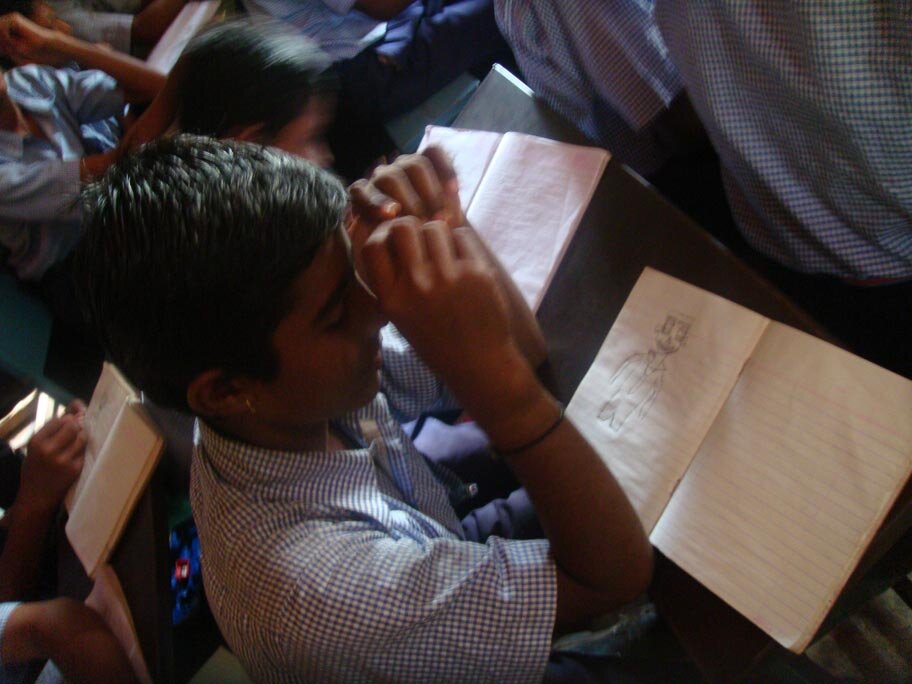
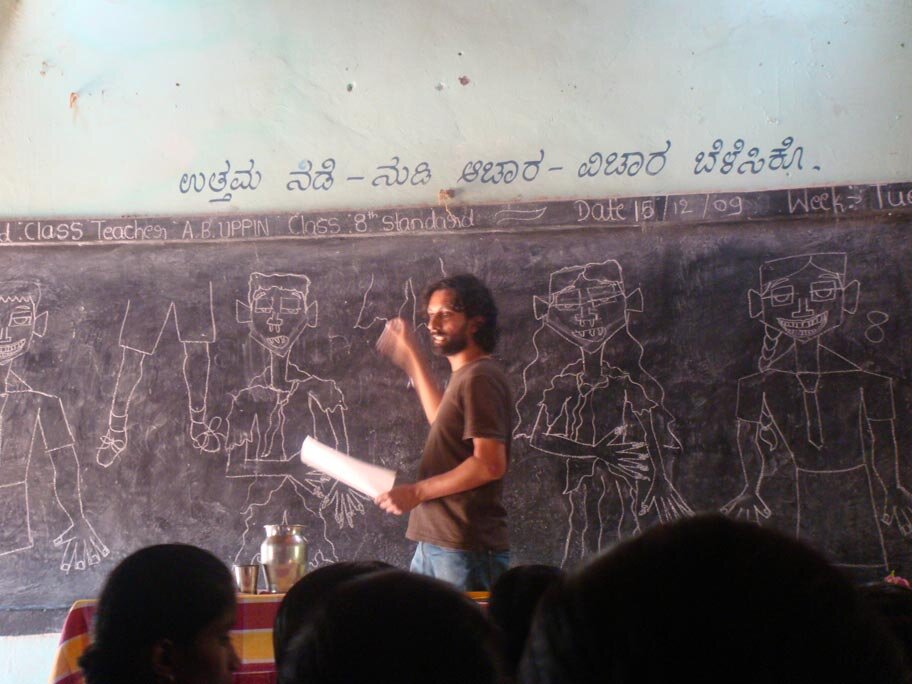
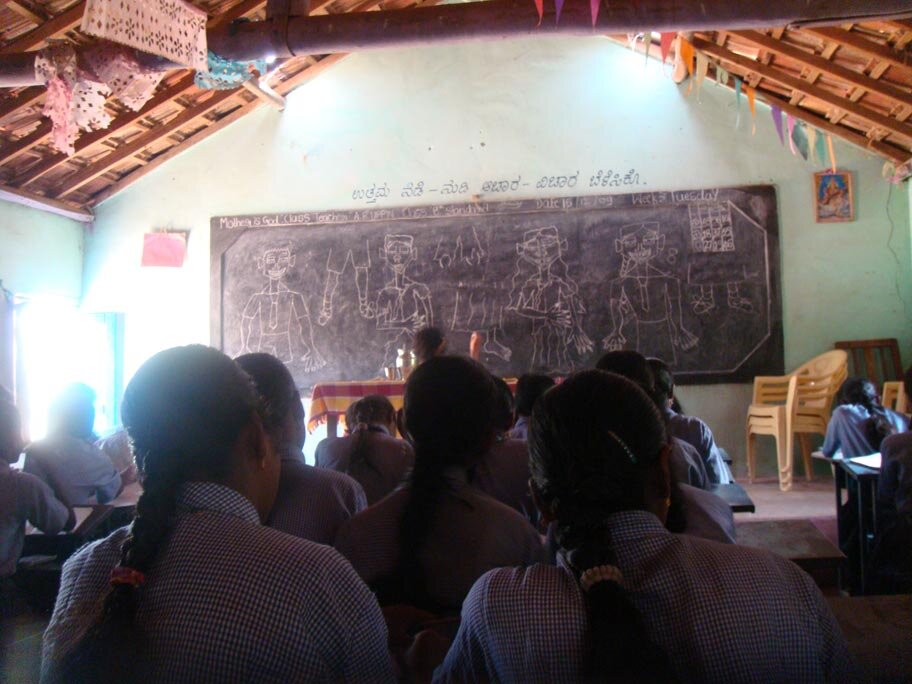
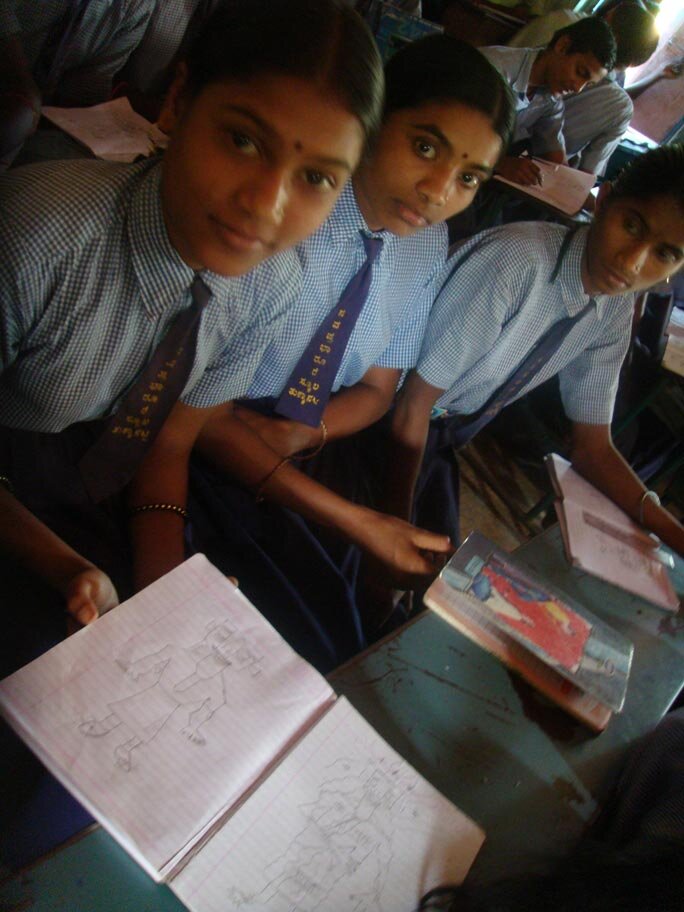
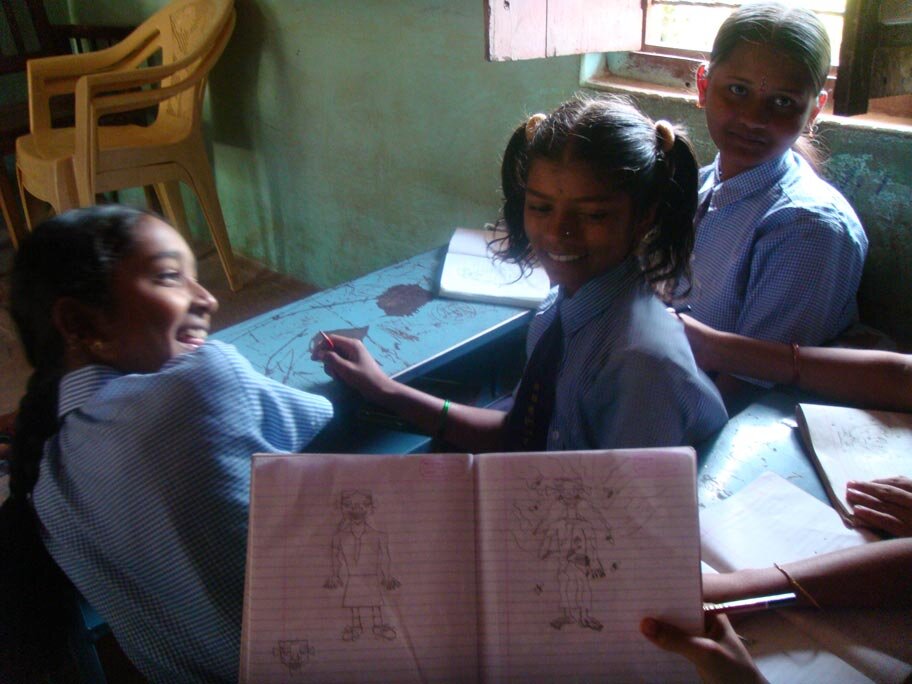
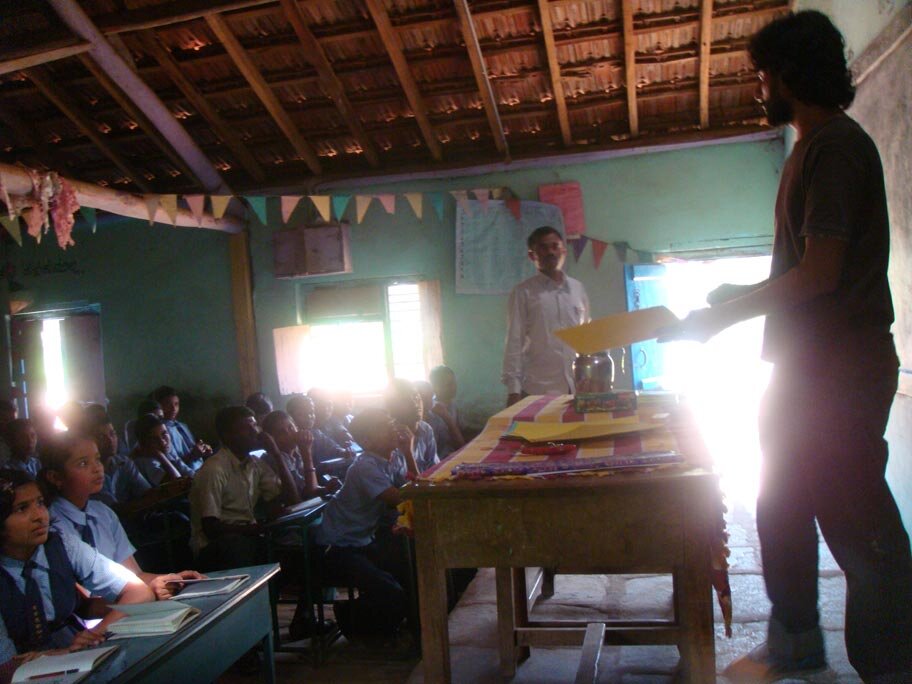
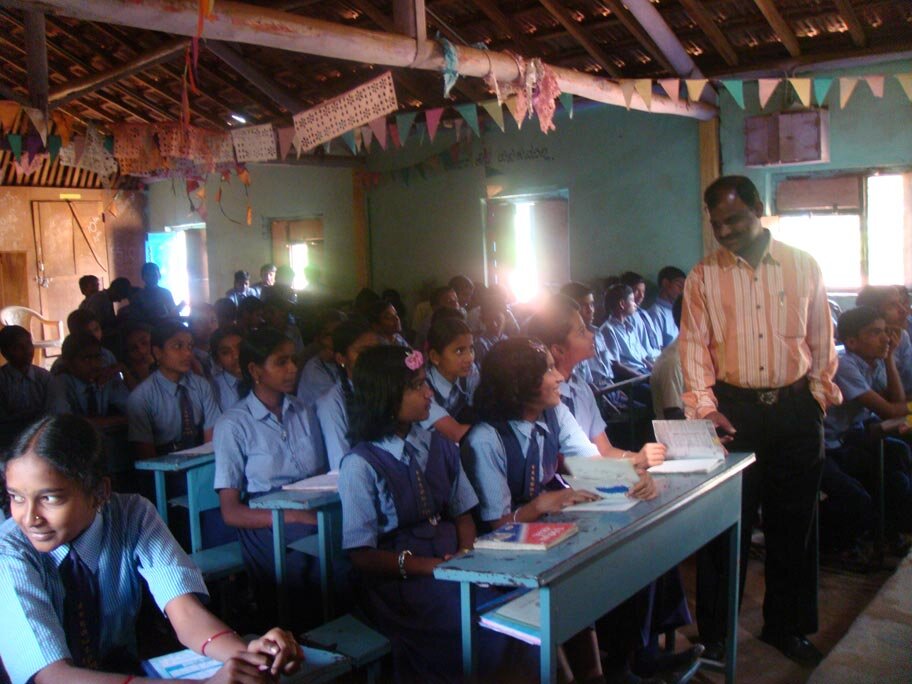
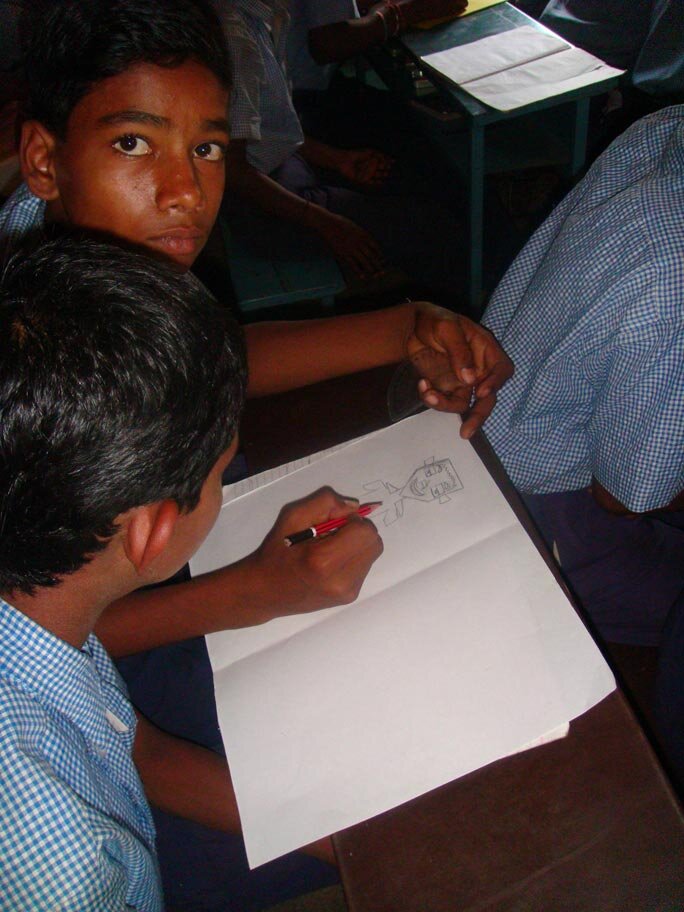
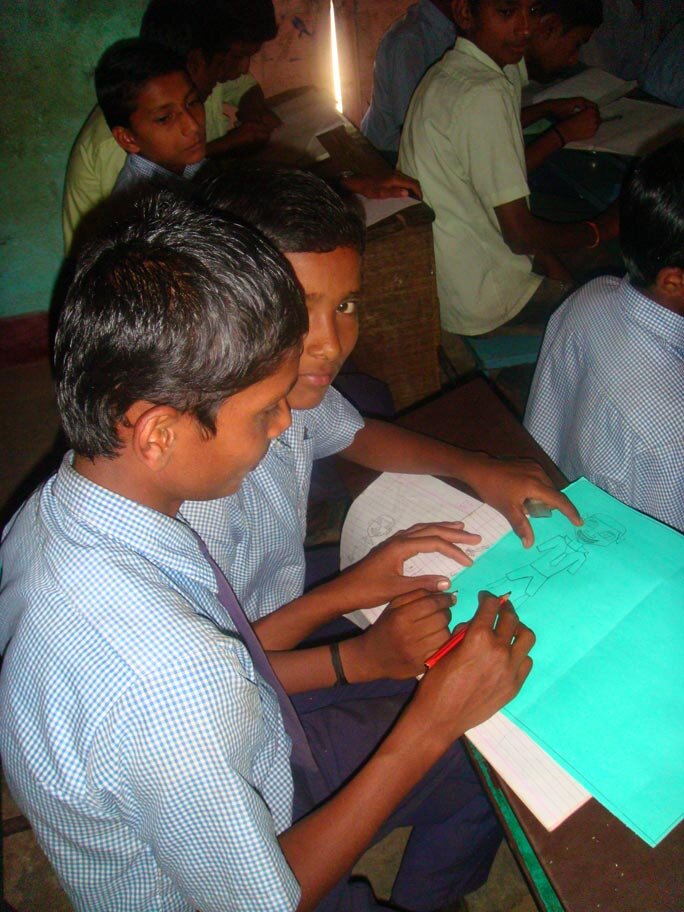
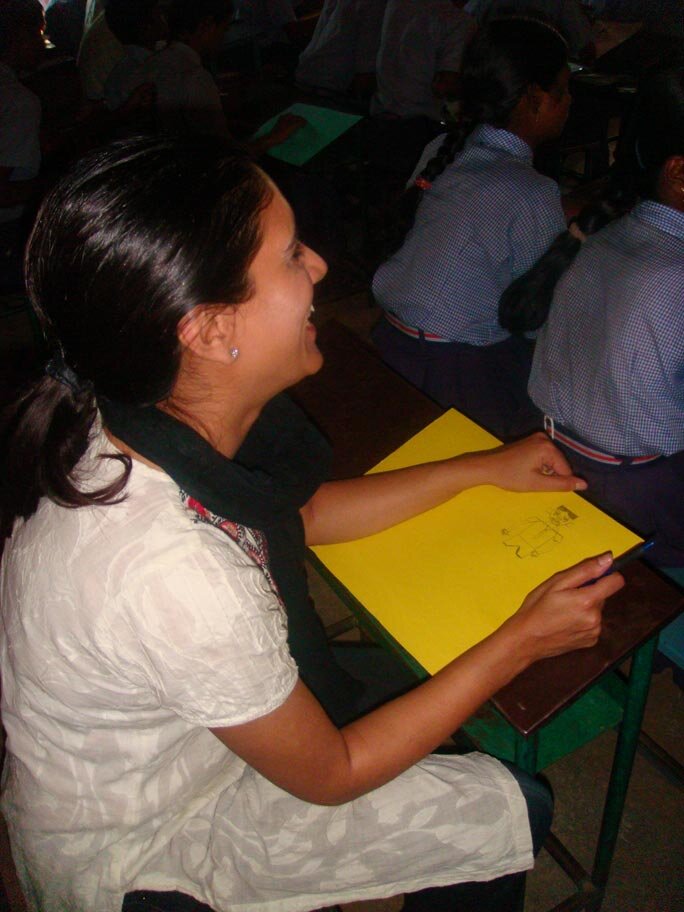
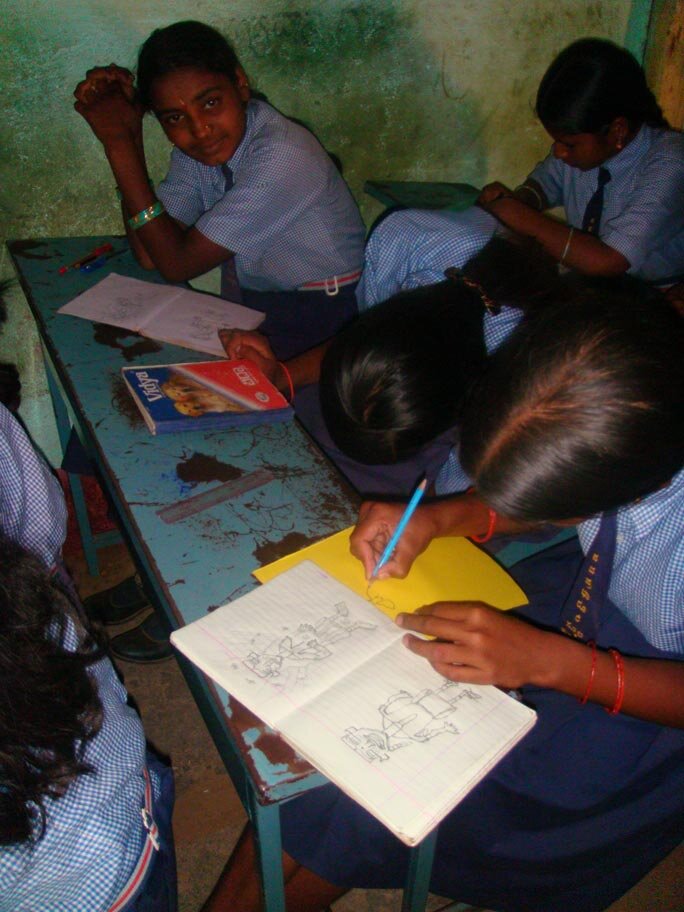
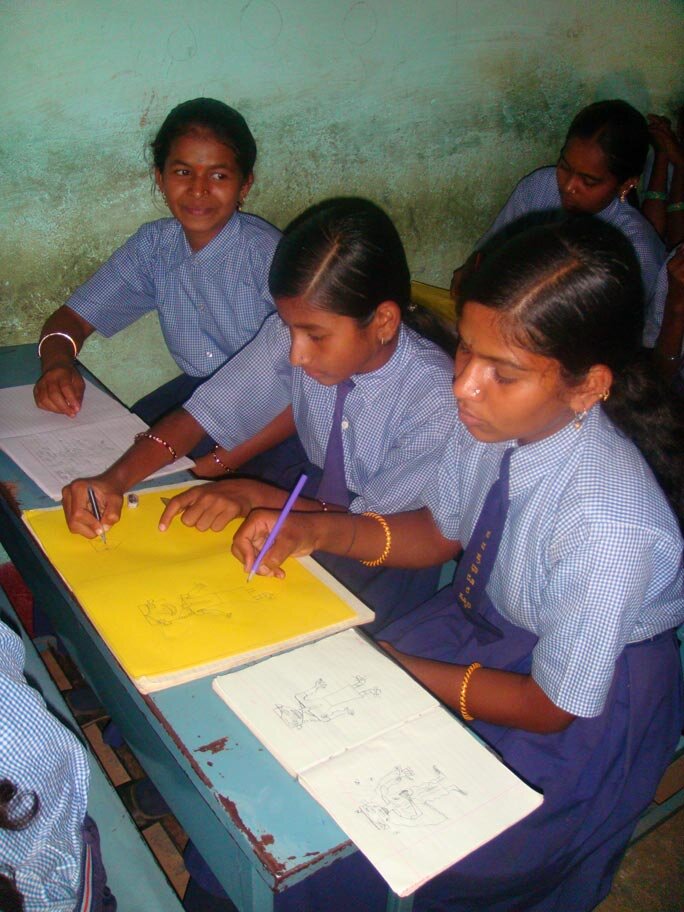
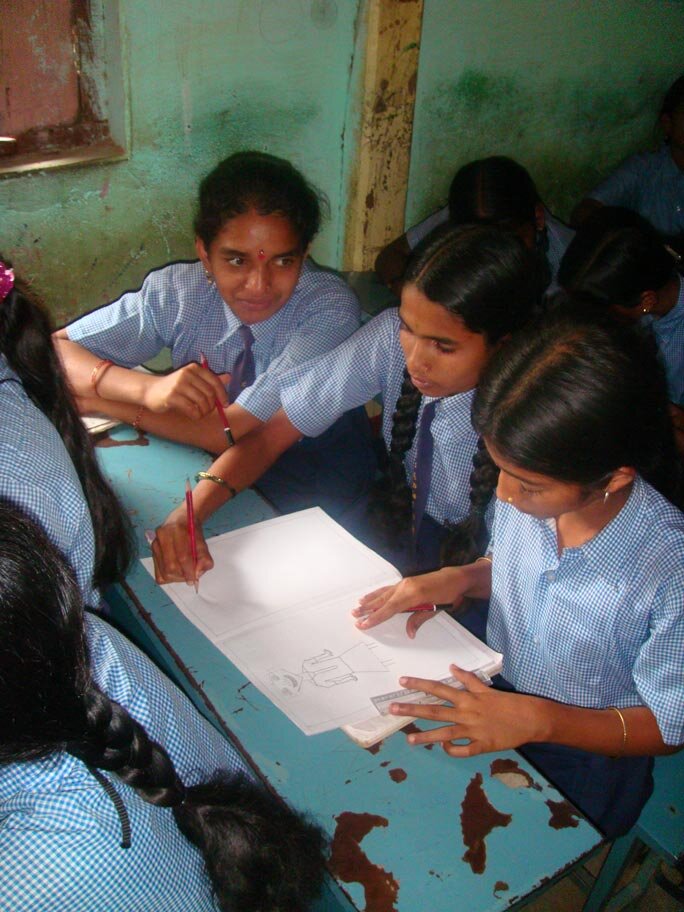
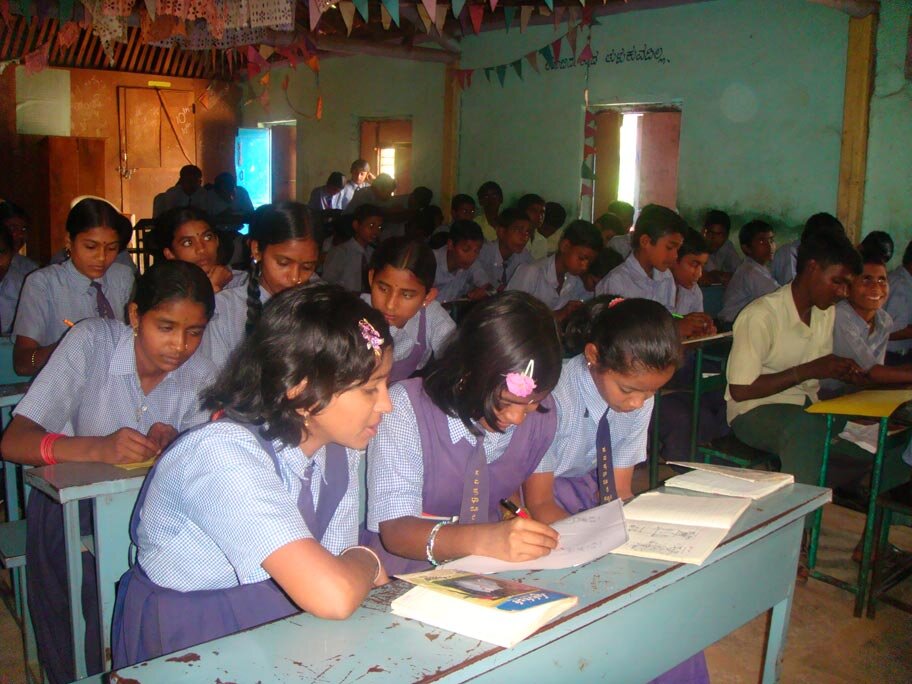
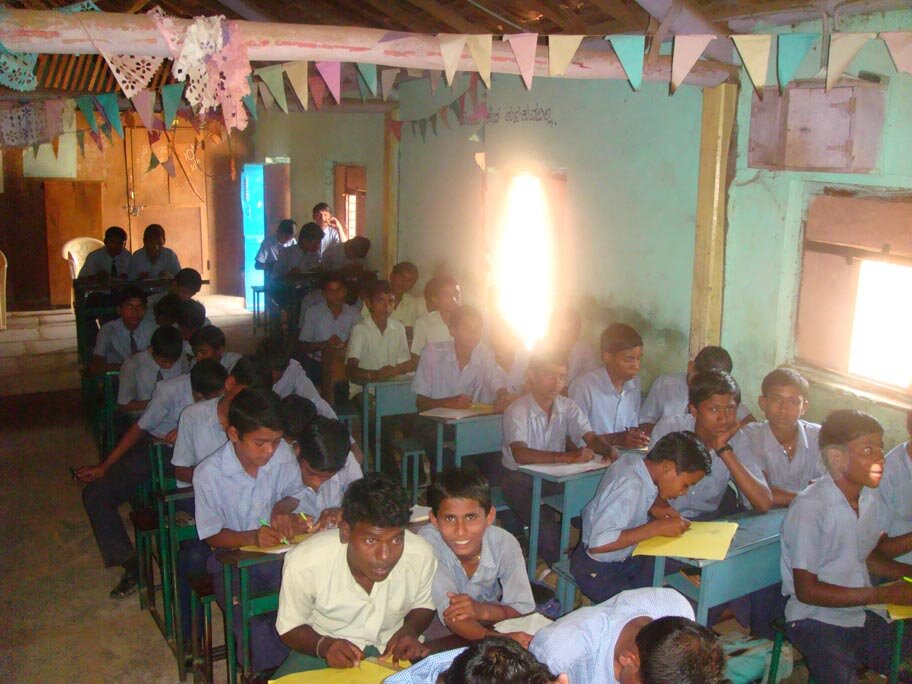
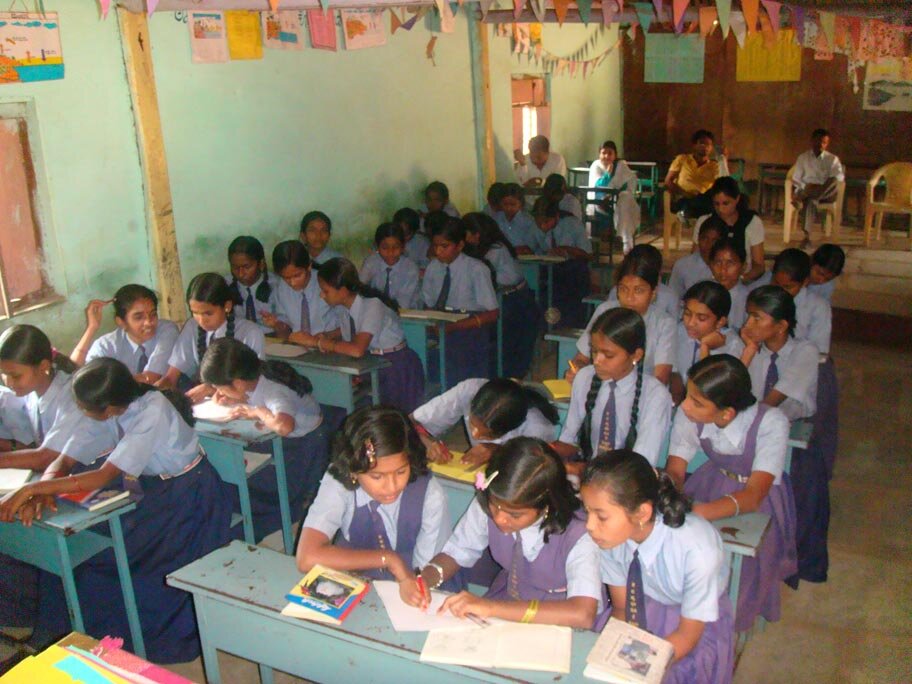
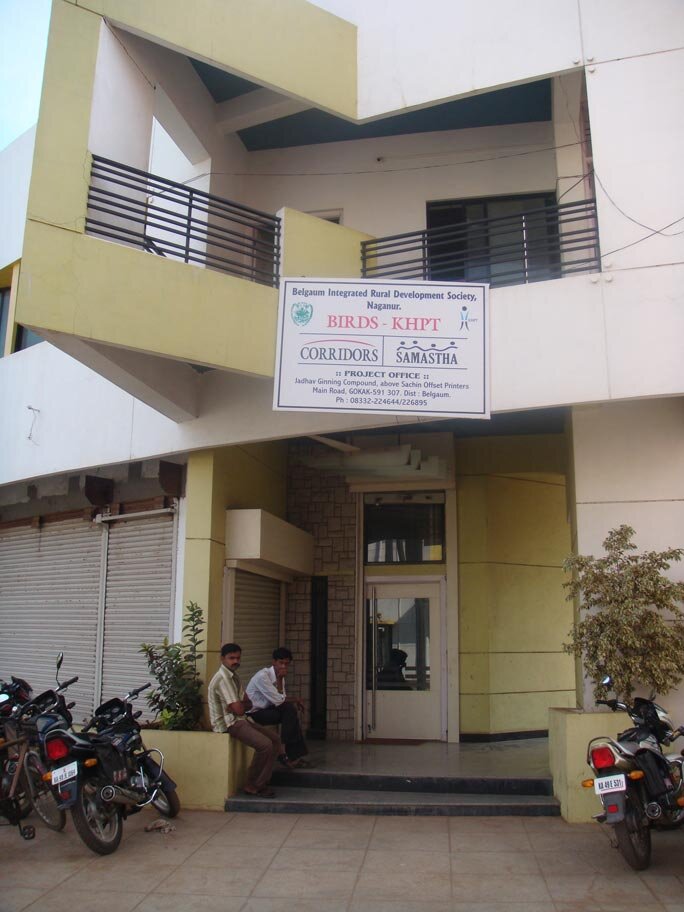
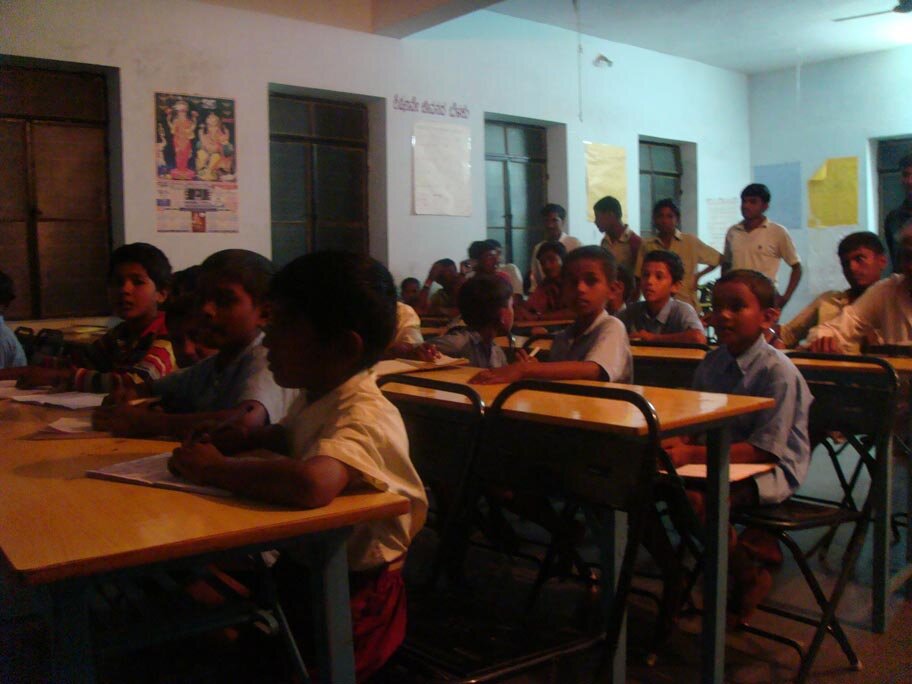
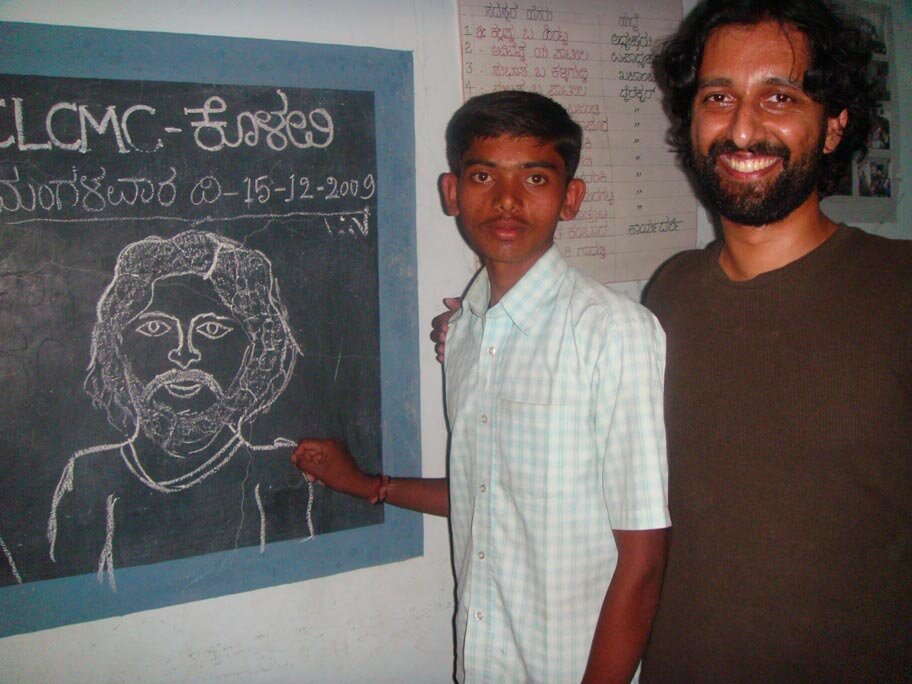
It was finally time to give the kids an art workshop. We were under the impression that the workshop would be for the younger children in the BIRDs school. So Kristeen and I prepared a lesson on hygiene. She researched basics like how to wash hands, clip nails and etc. I incorporated this into a set of four drawings. A clean and dirty boy and girl. I draw them in a more basic sort of a way so that the kids could be taught to draw them. Drawing something, much like writing notes is a great way to remember things.At the last minute it turned out we were with some older kids. So there we stood with a lesson plan prepared for small children. So I asked them to show me the correct way to wash hands, and one of the boys did. Then I asked them to talk about issues of hygiene and they all knew the lesson well. I stood there for a moment wondering what I would do to make the time worth their while as their bored faces stared back at me.Then I decided that I could teach the class to make the drawings I had made, and then use that as a tool to teach younger children about cleanliness and hygiene. I hope that learning to draw would interest them and the idea that they too could teach others the lessons they have learned could be very helpful as most of the children are strictly in a teacher teaches, student memorizes and regurgitates mindset.The boys sat on one side of the classroom and the girls on the other, so I started drawing the clean boy on the boy side of the blackboard and the clean girl on the girl side of the class. I started very slow, describing each shape as a basic shape, such as being like a square, or a triangle, or a circle etc. I would talk about each part, draw a little bit on the board, then walk around the class to see how they were doing. The girls were hilariously shy. Many would cover their notebooks as I came around, but there were smiles everywhere and I felt relieved that I could give them something they could hopefully learn from and enjoy.Kristeen walked around the room and took photos and helped the kids out. The kids are really cute. Each one wanted to know if what they had done was right. The beauty of this lesson was that everyone was able to do it "right". Some kids would add their own little innovations, or change things around, and that was great. I joked around a lot with the kids as I drew, like describing the monkey like ears, being just like theirs, which made them happy.After finishing the clean boy and girl, I continued with the dirty boy and girl, who looked the same, but had messy hair, dirt all over, boogers coming out of their noses, messy clothes, long, black, broken toe and finger nails etc. I loved watching the kids get excited and laugh and have a great time while learning. After the finished that, we passed out larger sheets of paper, one per table and had the kids redraw the two children as they had in their notebooks on this paper, side by side as a learning tool they should use with small children. They started drawing and coloring and it was a lot of fun.The bell rang for lunch and no one wanted to leave. It was very humbling. The Hindi teacher who had helped translate my Hindi into Kannada for the kids at the beginning thanked us and we thanked him and the kids after I told the children they could keep their drawings, finish coloring at home and then their homework was to teach 3 small children a hygiene lesson with these posters. We slowly said our goodbyes and left for lunch.For lunch we met up with some of our friends at BIRDS and one of the teachers and his new wife. She had made lunch and the two of them served us some delicious thalis.Later we went to the HIV/AIDS clinic run by BIRDs where we were given an indepth presentation on the work they are doing in awareness prevention, safer practices education for sex workers, minority gender communities, and much more. Aftwerwards we visited one of the community centers in a village and sat in on a session where kids were getting after school help with their homework. It was pretty amazing how genuinely enthusiastic these kids were, so late in the evening, after a day of chores and school, to sit and continue with math etc. The teacher was great too as he was warm and encouraging and after a child would excitedly solve a problem on the board he would explain to the class how that answer was arrived upon. We spoke to the kids after their class, and I drew one of the boys on the board and in turn another kid came up and drew me. It was fun to try and answer questions about the U.S. and share some experiences etc.
BIRDS NGO 3
I visited BIRDS, a non profit in Belgam, Karnatika, India and learned about the ayurvedic medicine producing plants, enjoyed lunch with local farmers and attended a local dairy collective meeting.
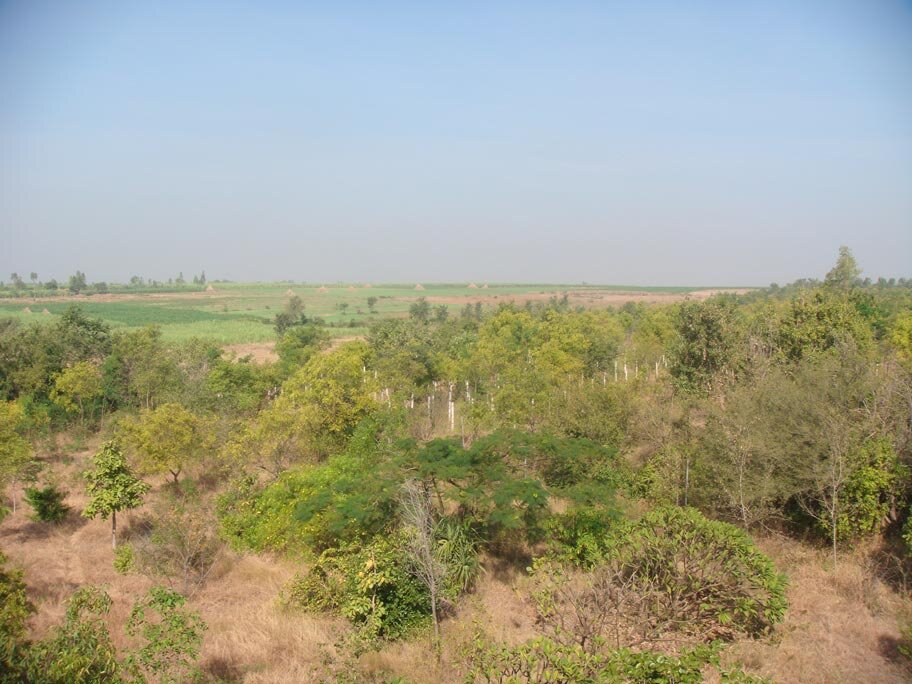


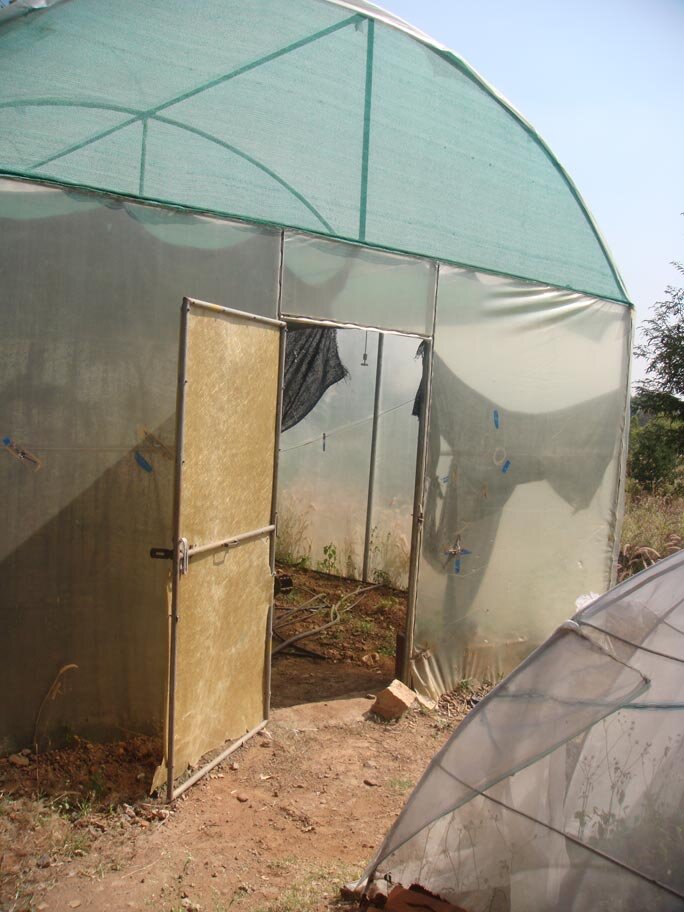

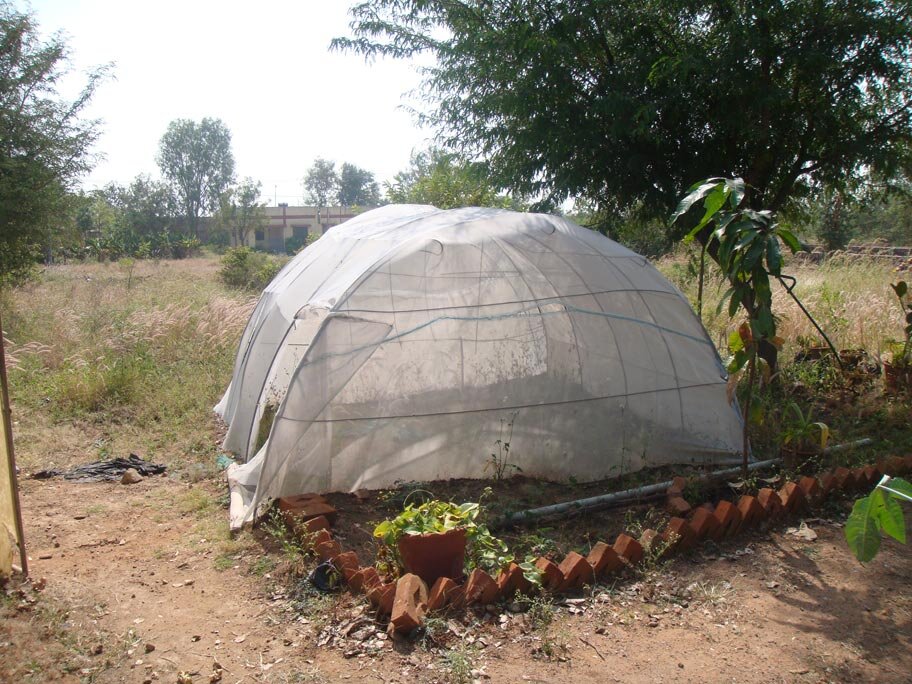
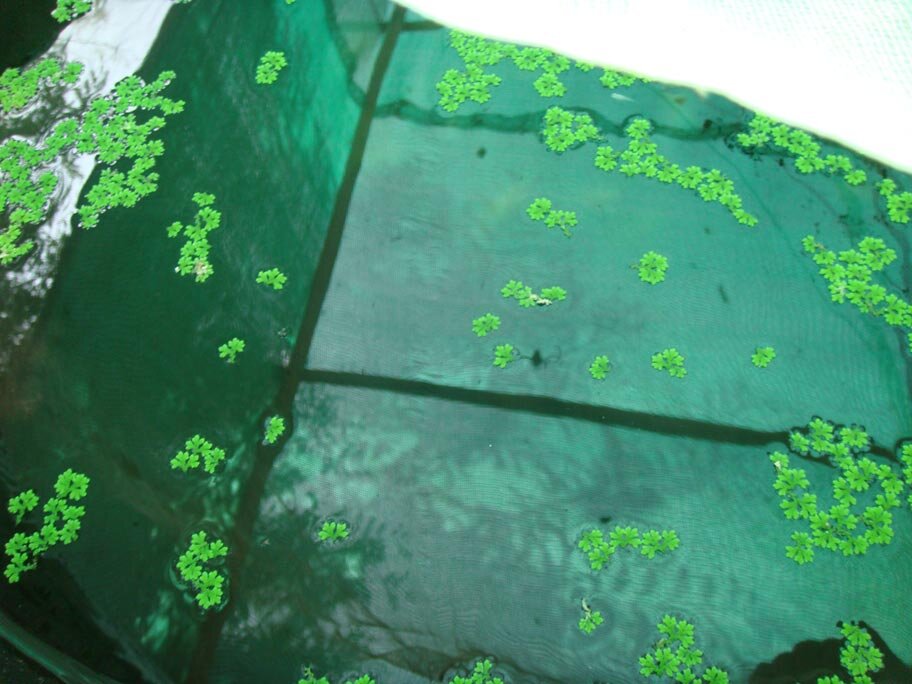
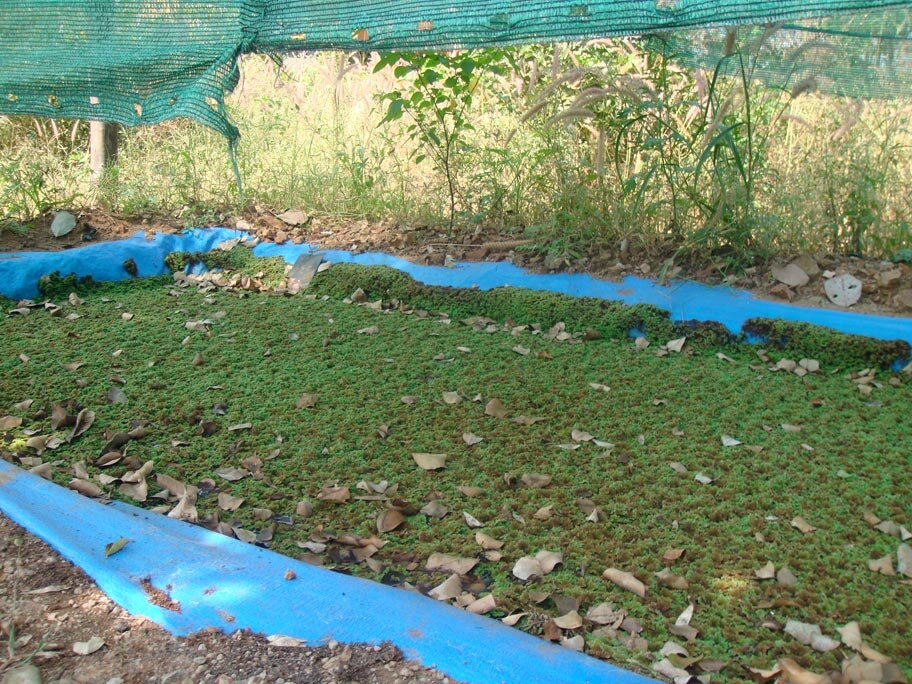

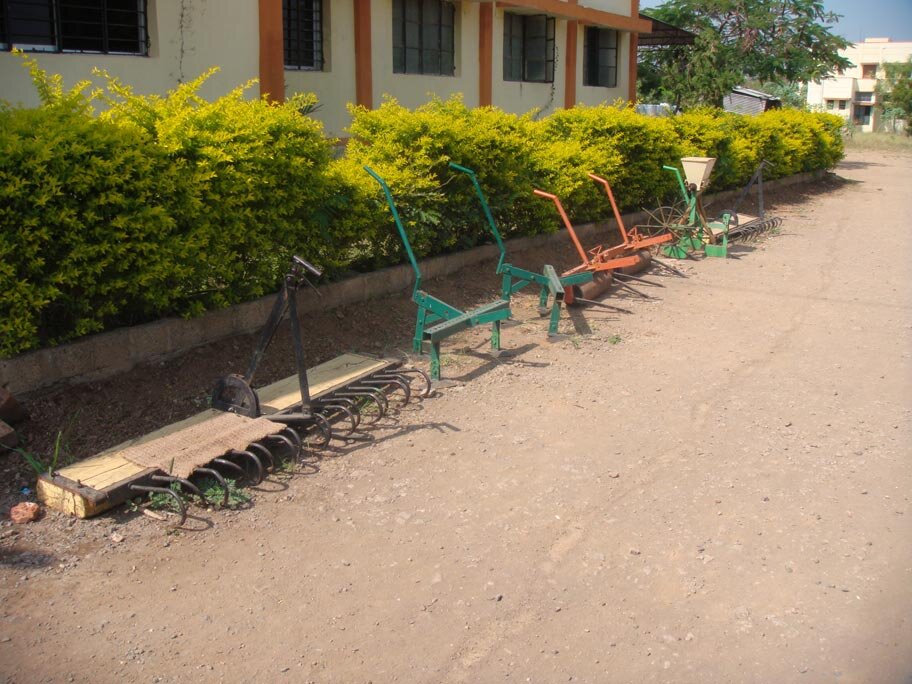


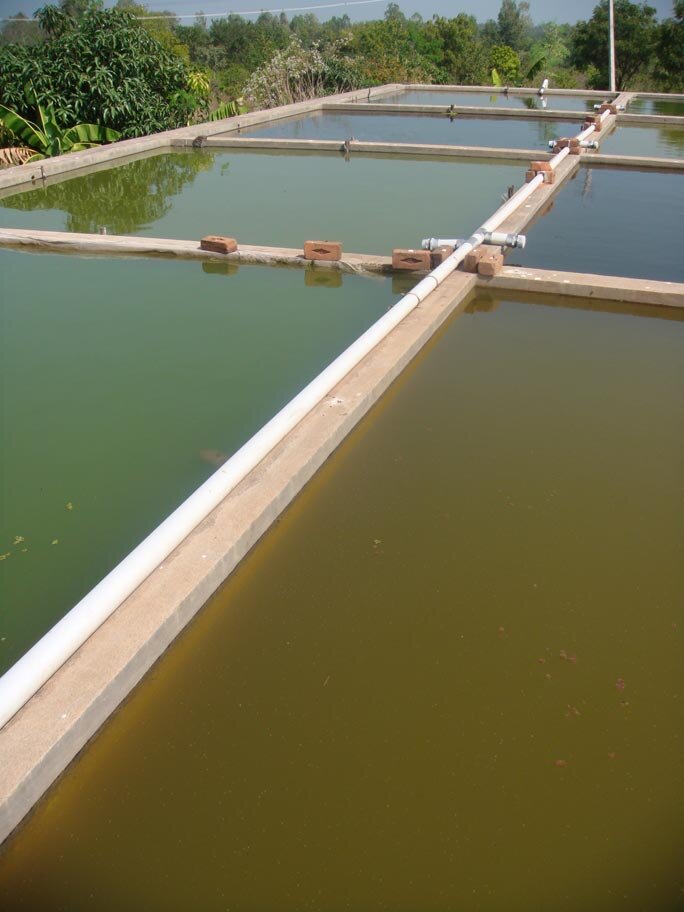
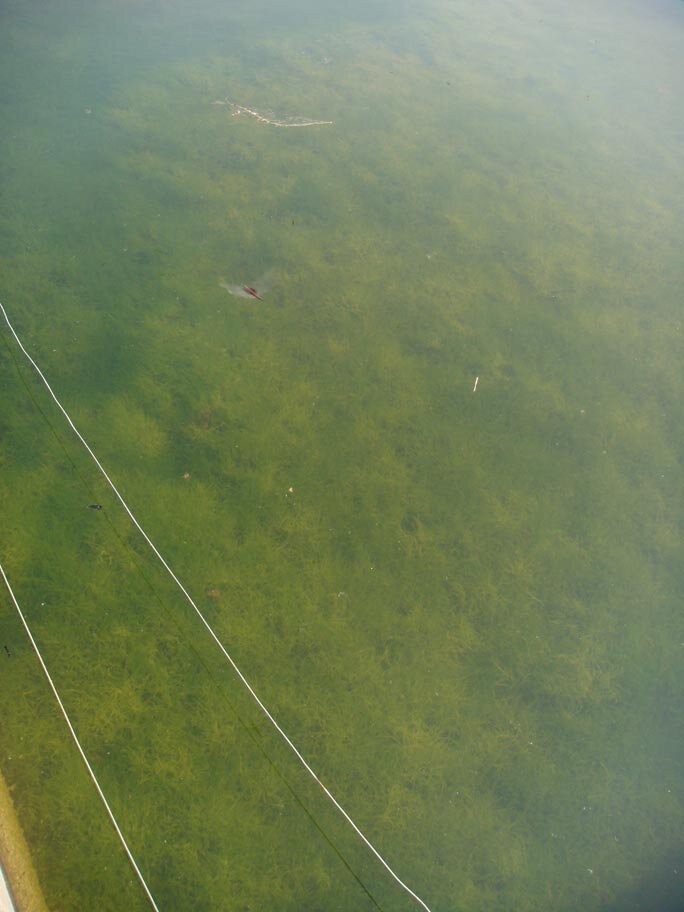
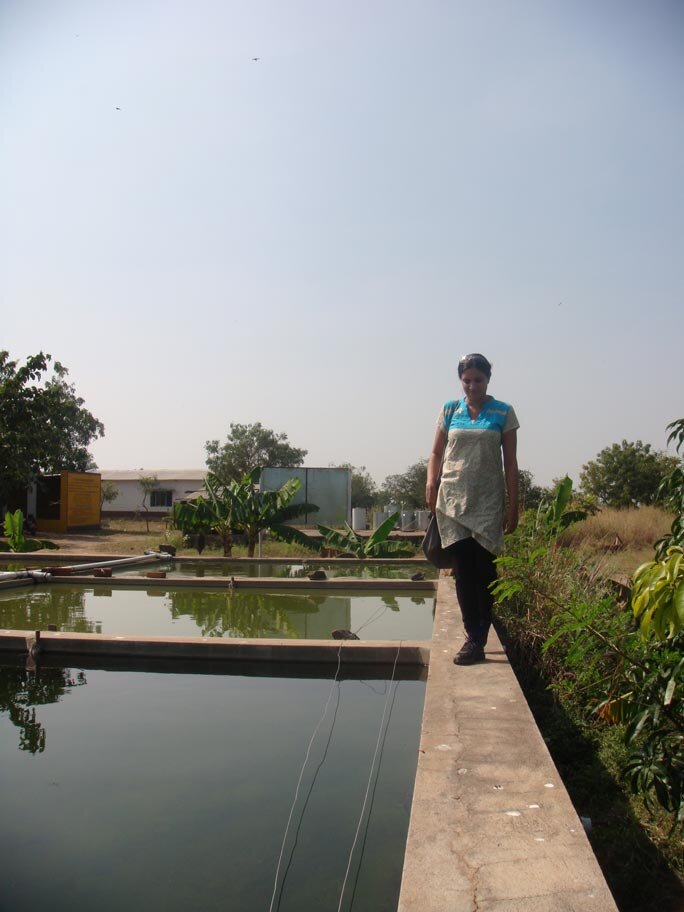
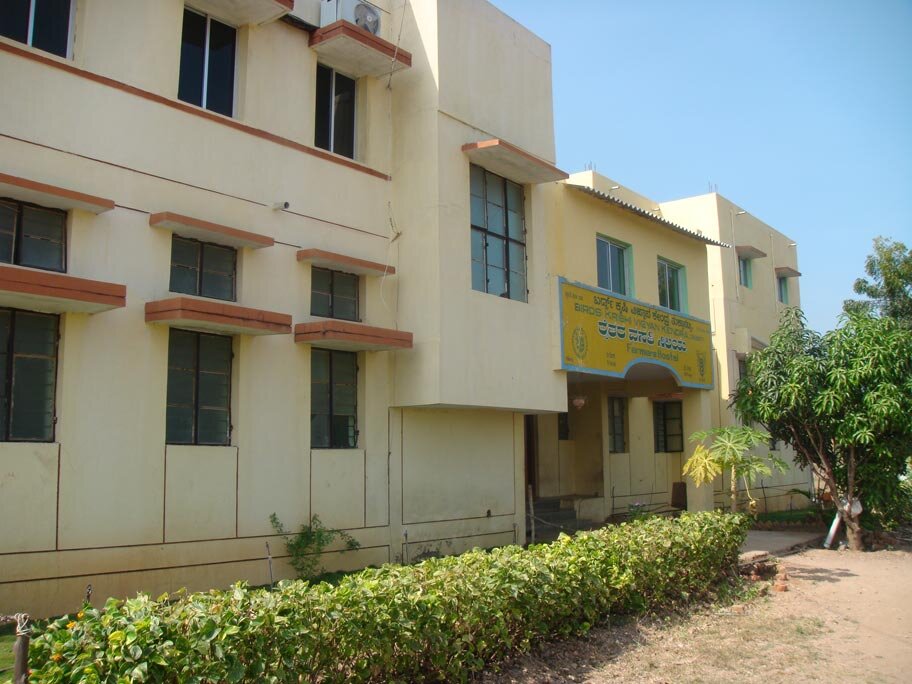
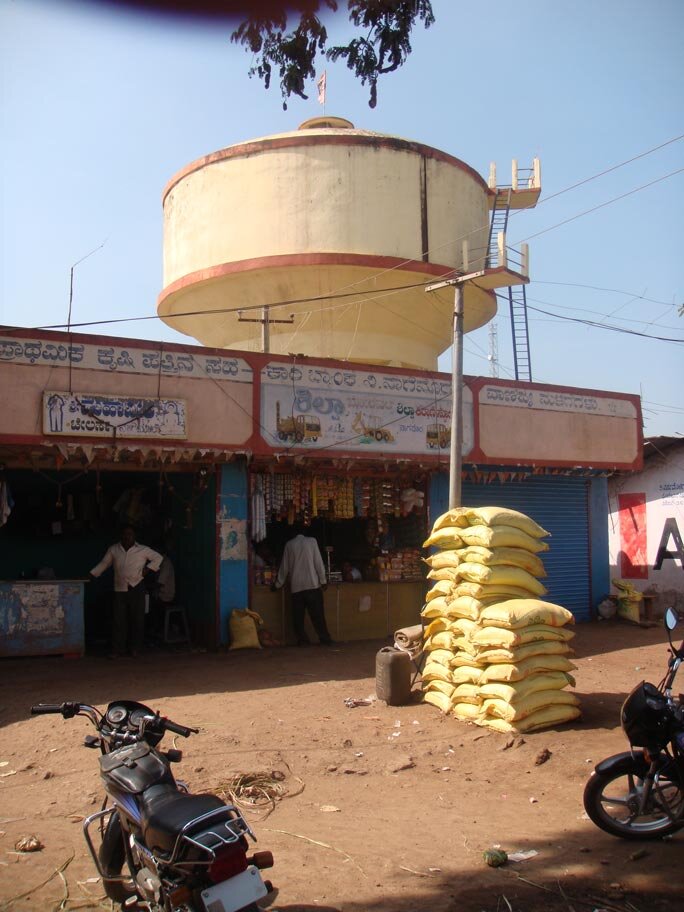
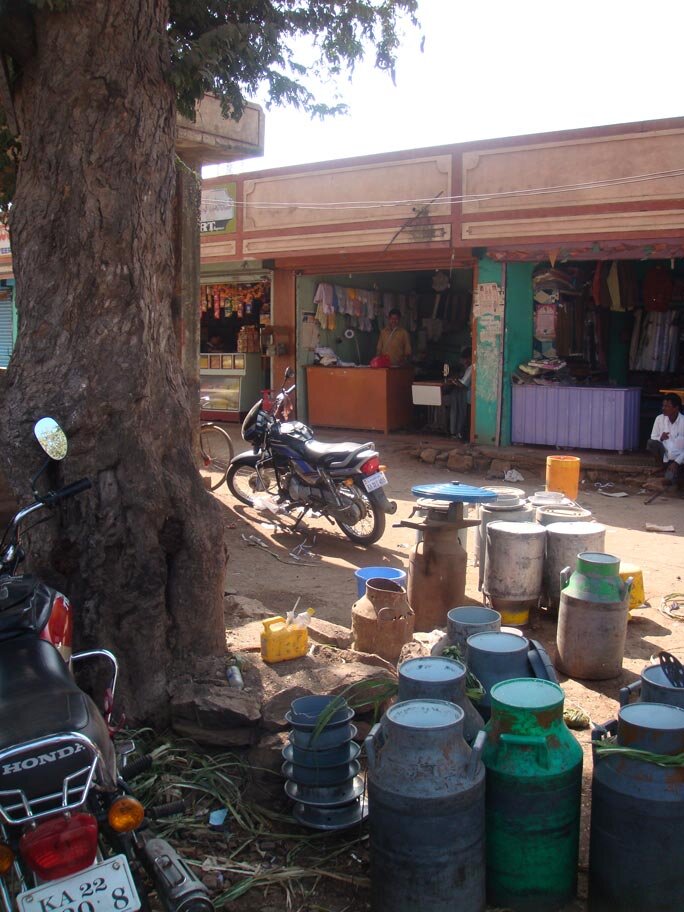
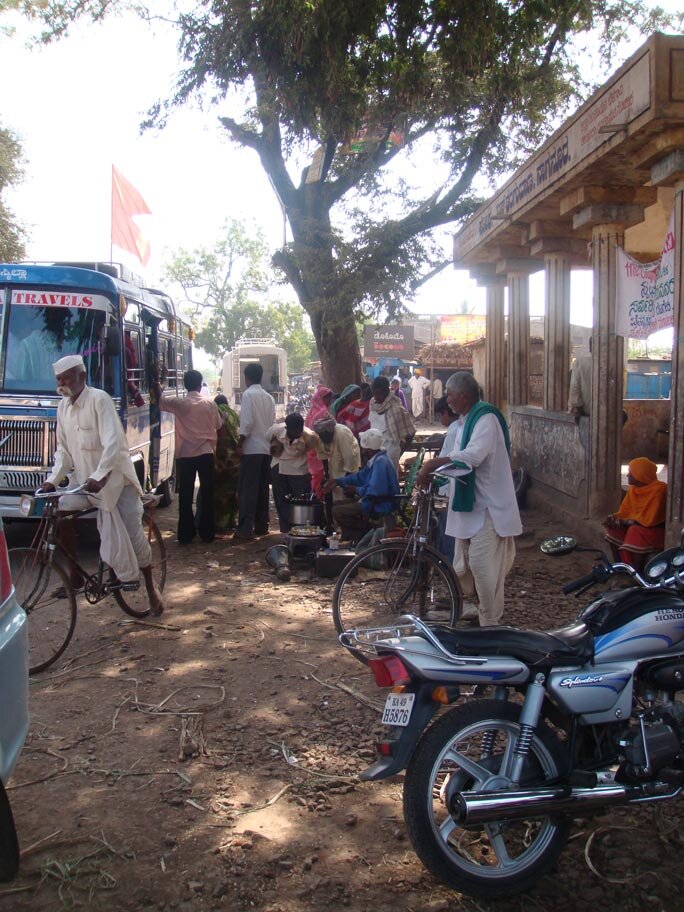


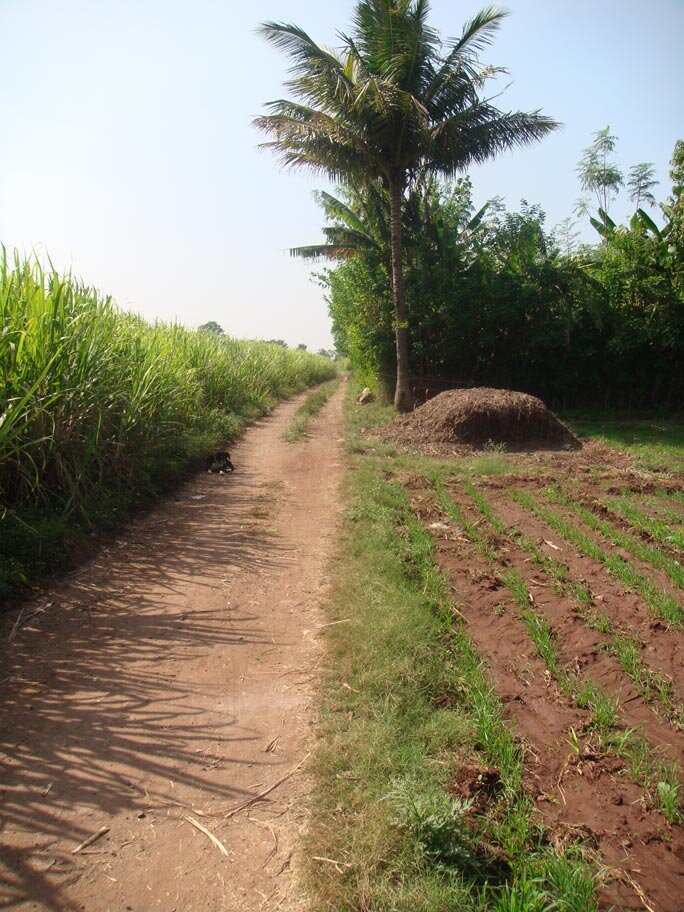


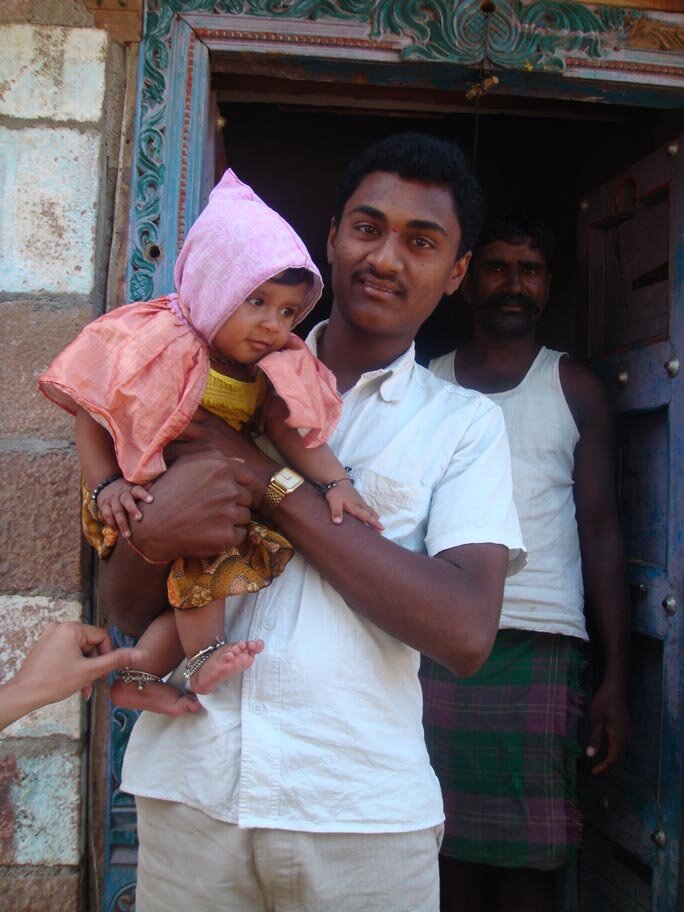
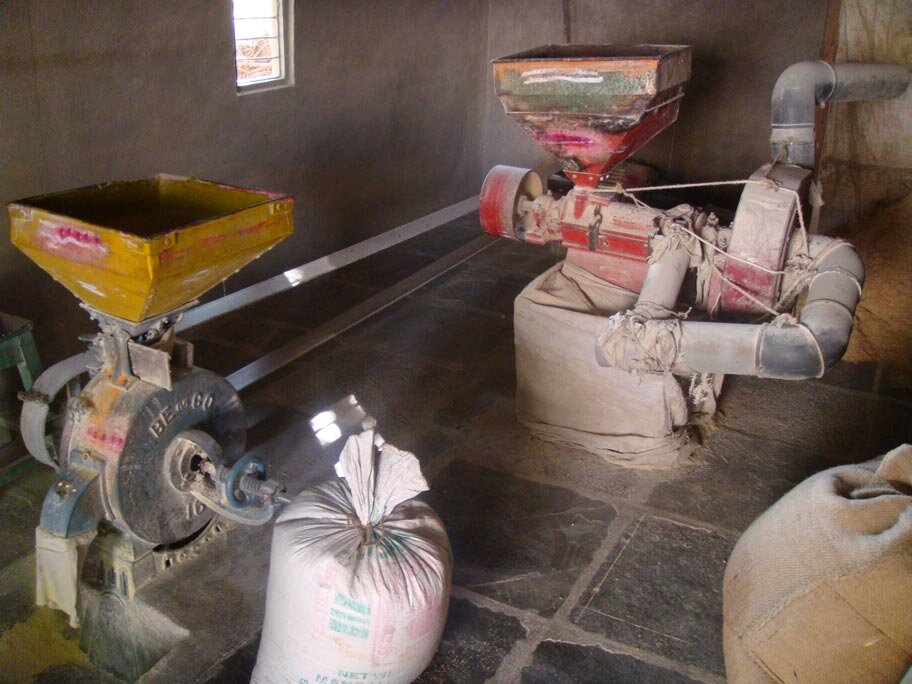

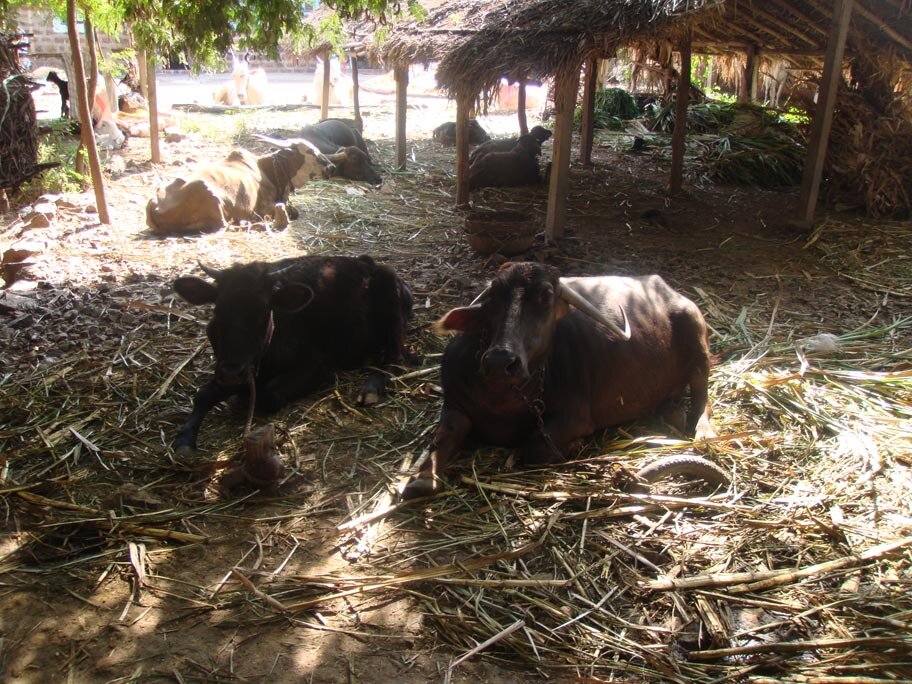


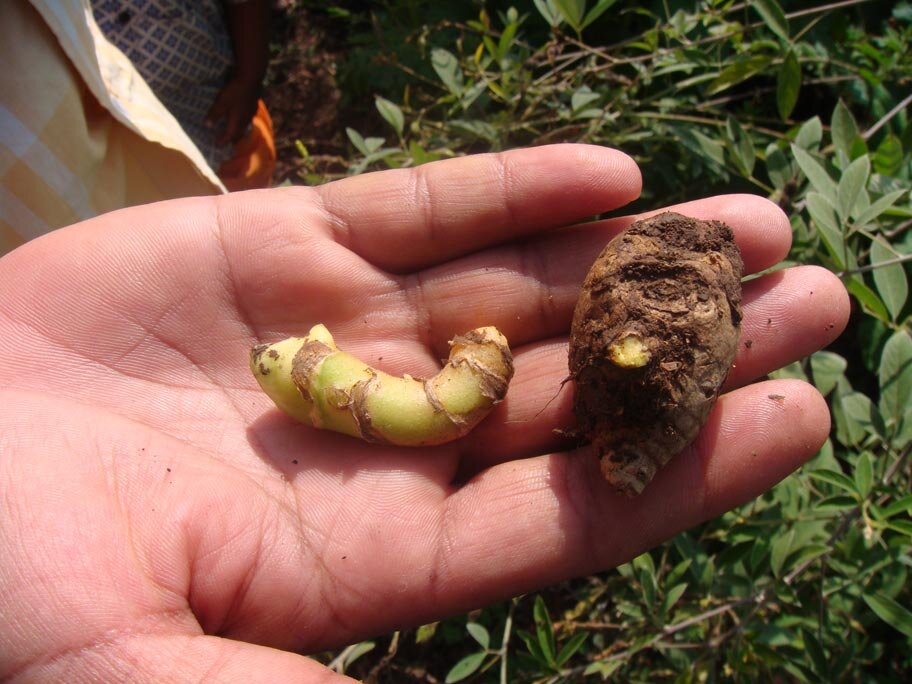
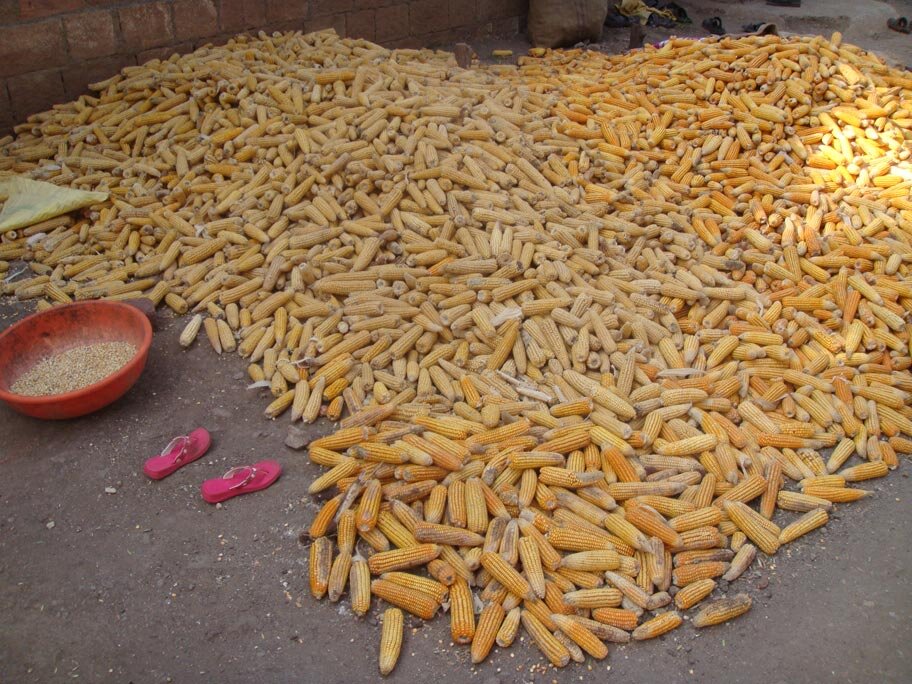
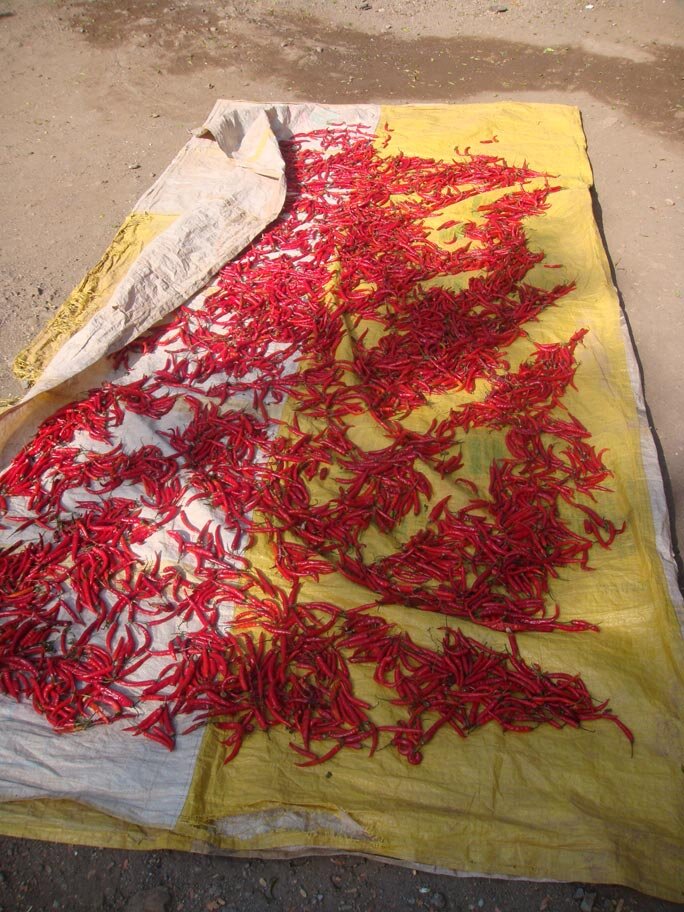
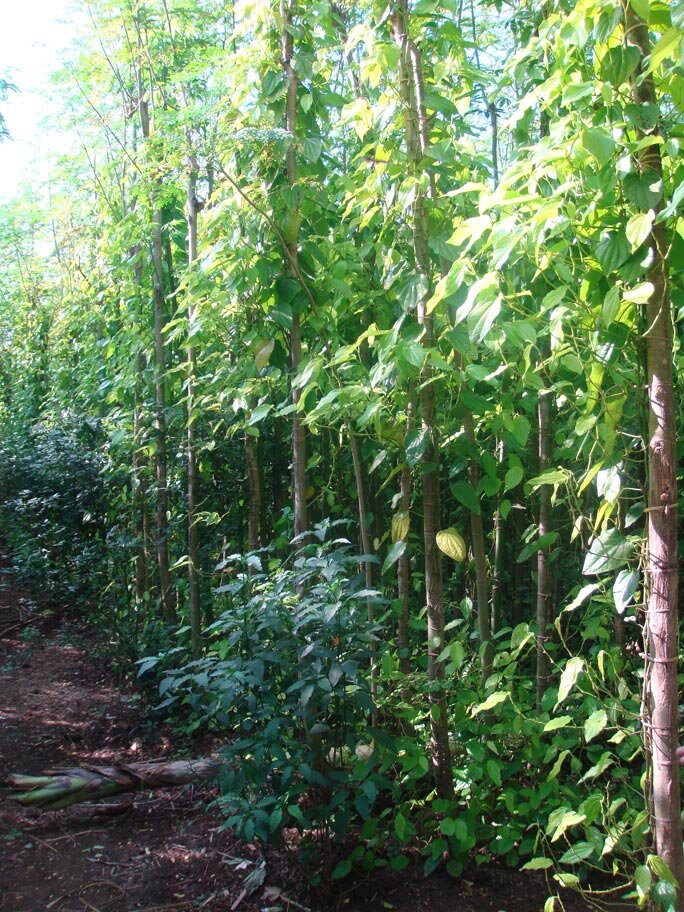


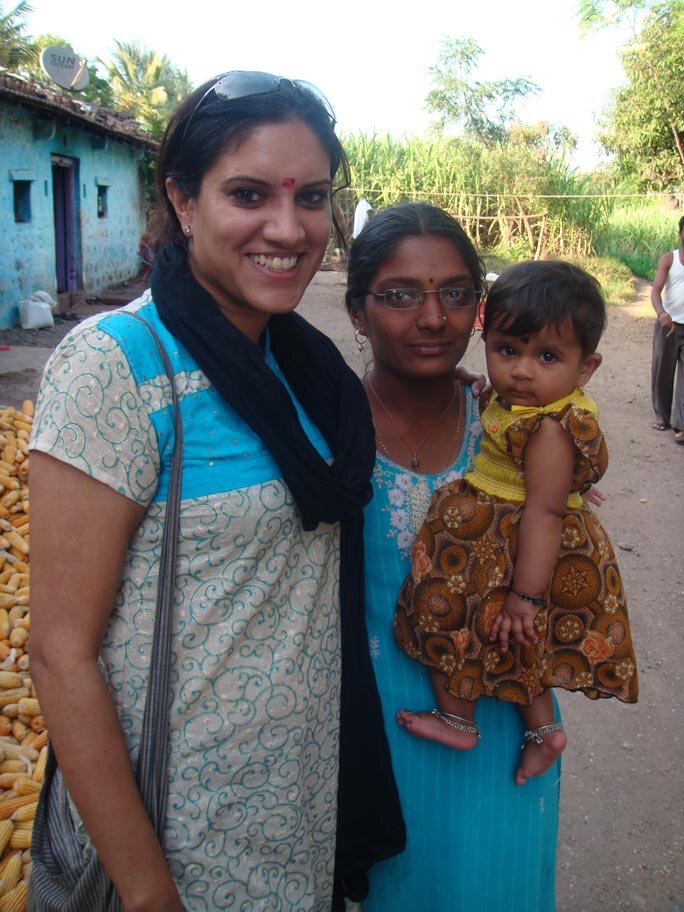
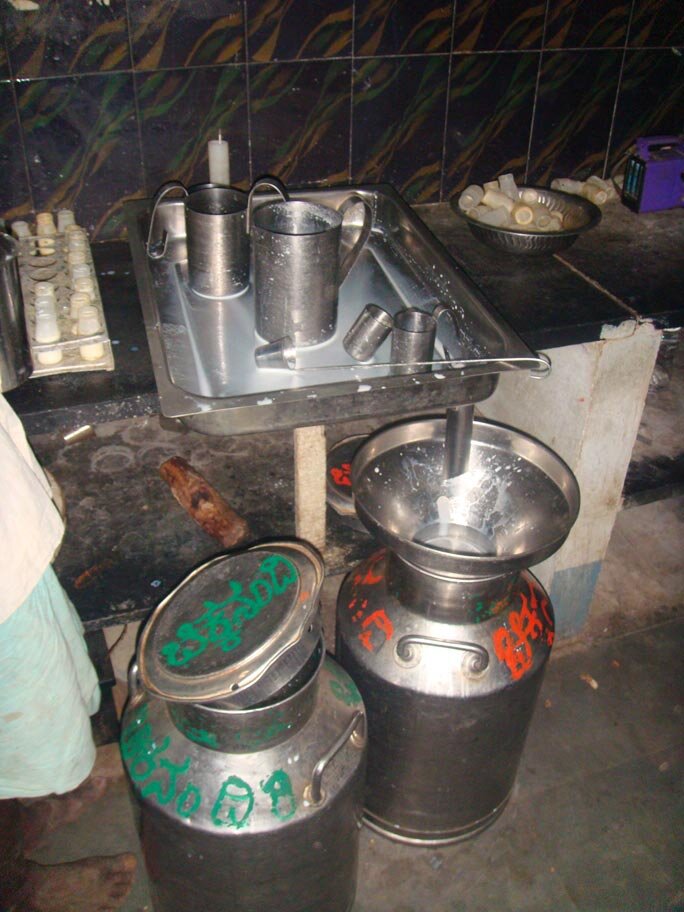
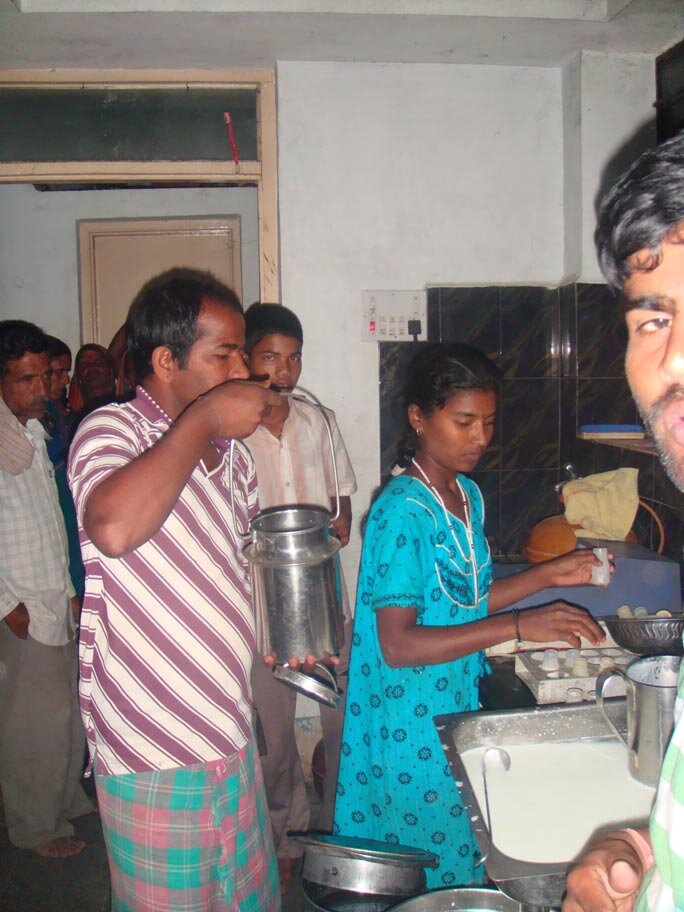


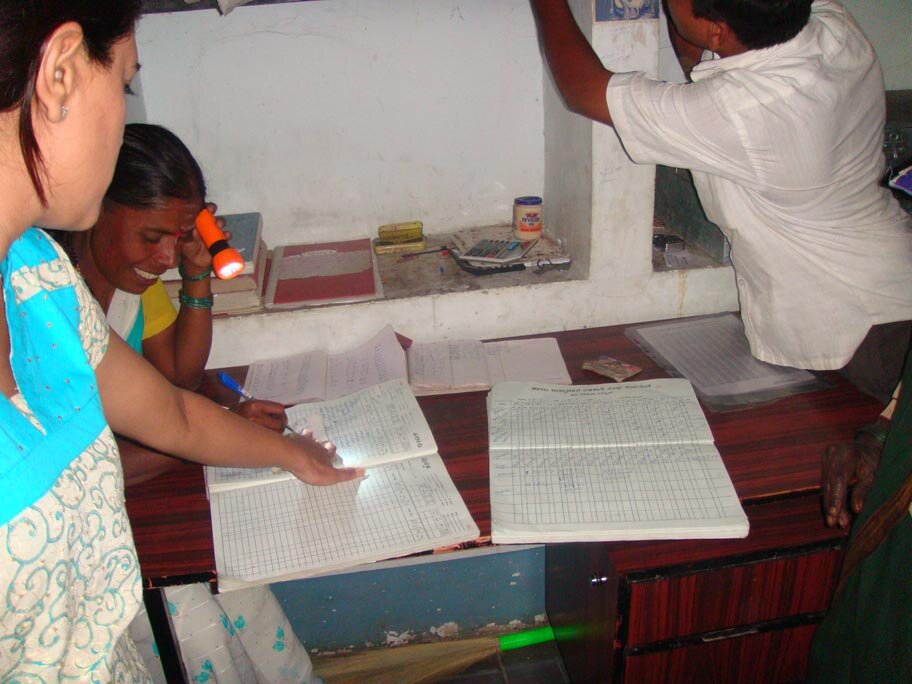
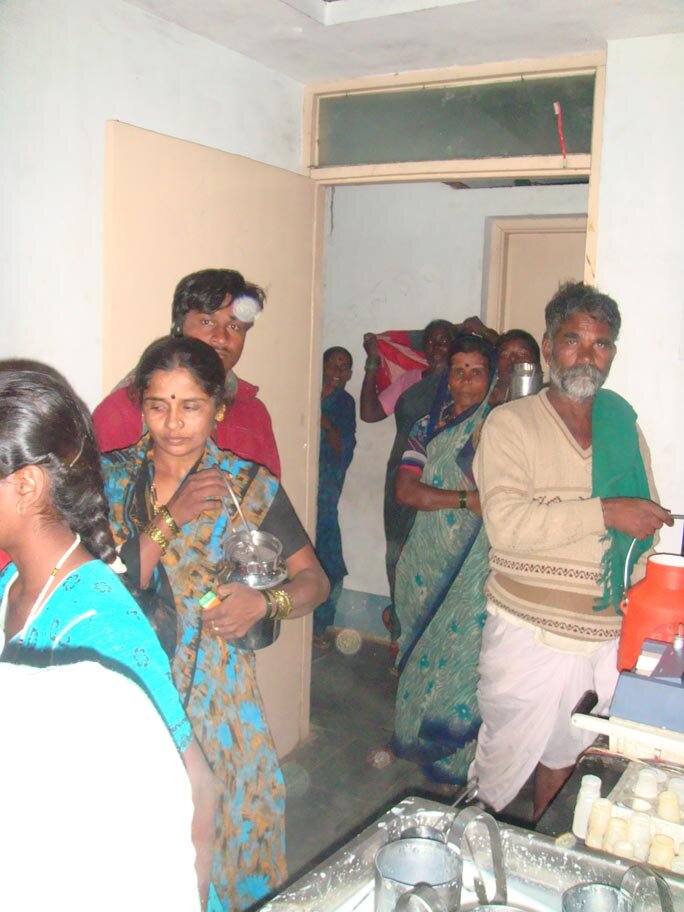
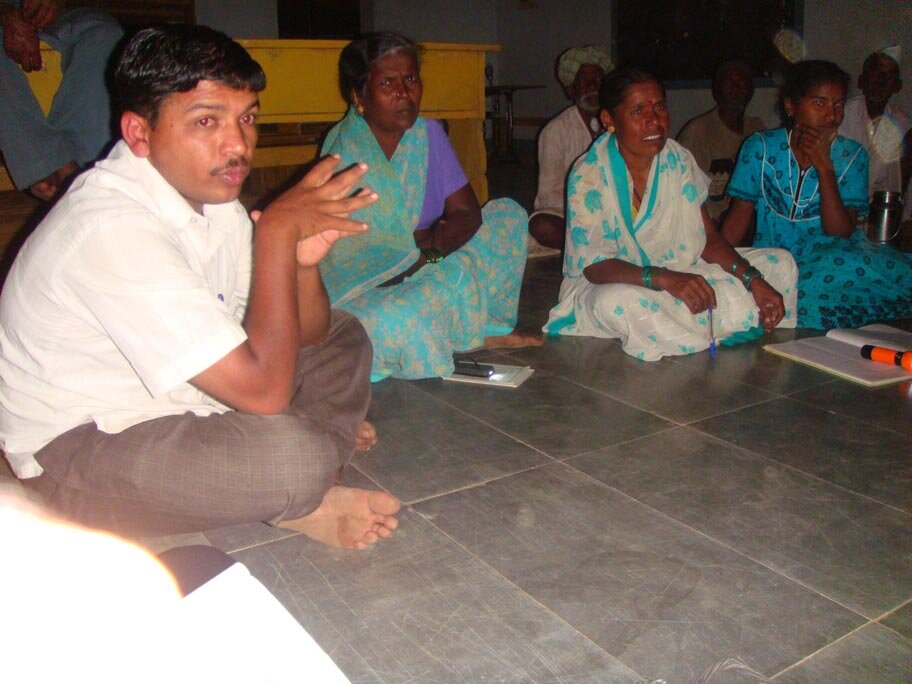
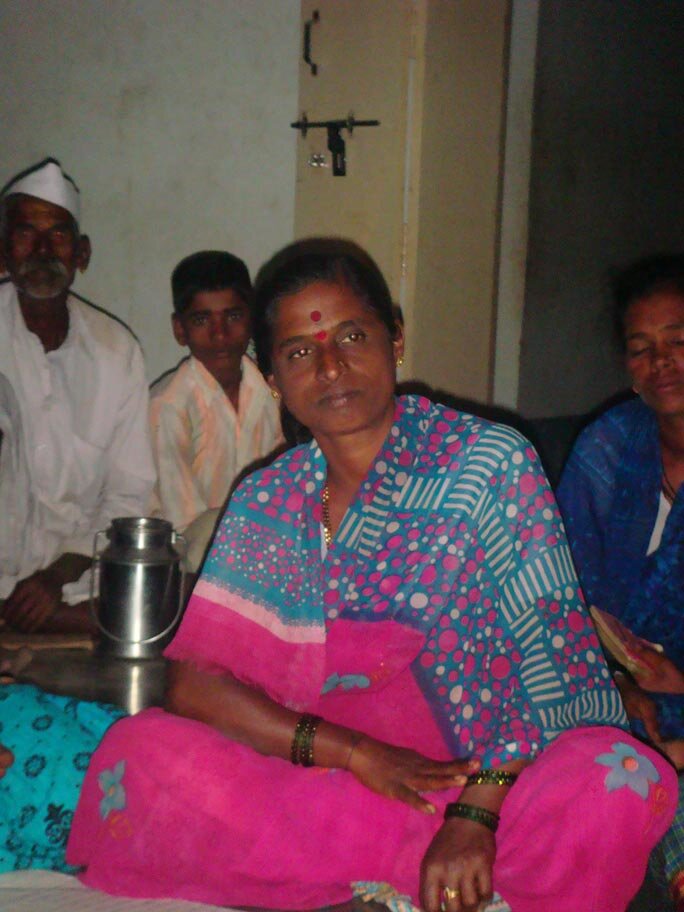

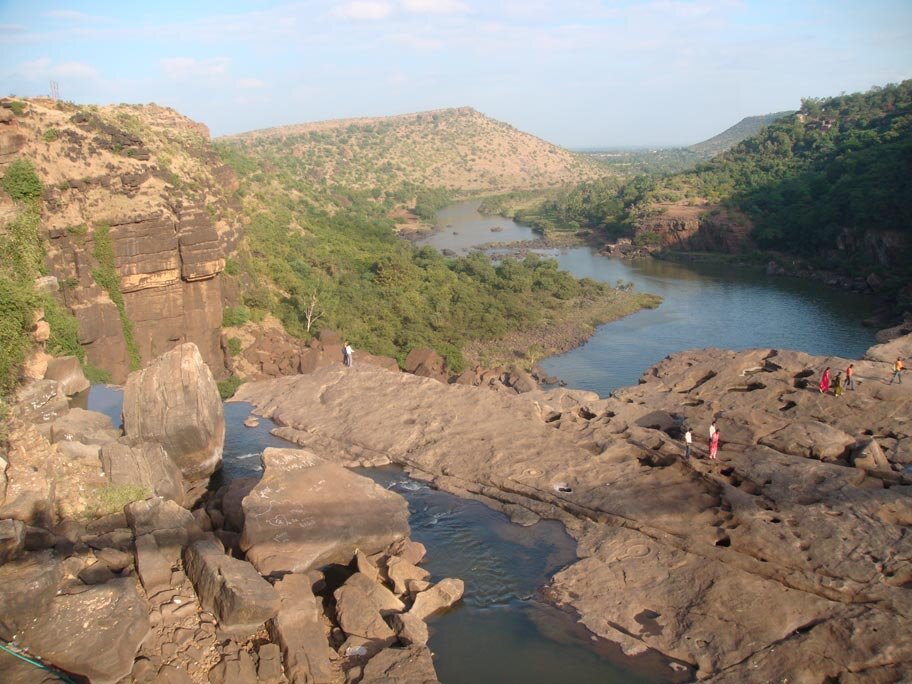
In the morning we went to the medicinal plants building where we were given a tour of their compilations of plant samples and recording of ayurvedic medicinal properties of indiginous plants into a countrywide database. Oustide there was an area of land where many of those plants are grown to be used for collecting samples and just to keep many species of plants from becoming extinct.We checked out the fish farm and then head to lunch at the home of the local farmer who went with us to the music show the day before. In Karnataka we could not communicate with everyone as easily because many people did not understand Hindi or English. So I had not spoken much except smiling and nodding that we really enjoyed the music when "speaking" to him the day before, but he had communicated to Patilji that he really wanted us to come join him and his family for lunch. In a place where food can be difficult to afford for your own family, much less guests, I hoped they would enjoy the experience too.It was a lot of fun. One of Patilji's relatives who was nice enough to take us to the areas we went to that morning took us there with the driver of the jeep we had been riding in. We visited the beautiful farm, and the farmer and his family. His extended family was there and we tried to speak via our two friends who spoke Hindi and Kannada. They asked about farming in he U.S. and also about life. As usual we did our best to speak a little about farming and explained that we lived in cities, so could not answer those questions definitively. Still, it was good to just share. Sometimes sharing what you have or know the best you can is enough. We saw how they grind wheat and corn. There were mattes covered in fresh corn and red chilli peppers. We also say pan leaves being grown.In the home we sat with the family and enjoyed a wonderful meal. We went into the kitchen and met the mother and wife. The didn't have a chiminey or at least not an effective on, so the wood burning stove really created a horrible black smoke filled atmosphere. My eyes burned immediately, and it made me think about these wonderful women working there every day. I tried to ask why they did not cook outside and how it was really terrible for the women to work in there. This is where you are at the mercy of your translators. Sometimes people will just do their best to convey your sentiments, while others, well meaning though they are, paraphrase or answer your questions for you and thus you can't really communicate as much as you'd like. Kristeen made friends with a small child with fancy footwear. While we drank tea outside the home, some more relatives came by and we talked again through our friends. An older man came by and invited us to his home after we had exchanged more smiles than words. We couldn't refuse so we had more tea. It was really great to try our best to share experiences and get to know people while letting them get to know out world too.That evening we went to visit another one of BIRDS' many projects. This one was a dairy where women who had purchased buffalos via their micro finance program brought the milk in twice a day to be tested, recorded and deposited for sale through the collective. I can't say enough good things about how kind and informative people were. Patilji Sr. and Jr. really welcomed us into their organization and everyone went to great lengths to share with us what they did, not with expectation, but with a desire to share. I truly hope that we can return that favor by telling others and connecting good resources and volunteers to them. Being in a rural area, though they have done a great deal, there is always a hunger for outside knowledge to continue. I feel people interested in agriculture and social work can gain a great deal by spending time here and giving back to the community in BIRDS.We spoke to some of the women, particularly those in leadership roles at the center after they had finished with the evening milk aquisition. These are illiterate women, who run entire households and obviously always had the ability to do a lot, and now made good use of the opportunity and showed others. We spoke to them again through translation and learned a bit about how they were impacted by the programs. These were not public speakers or mouth pieces for the org. They live this, so unlike someone trying to sell you on the idea, they just talk about it matter of fact and don't consider themselves all that incredible. It was fun to share some of what women deal with in the U.S. with them, good and bad, to kind of connect them, if only a little. I was also glad to tell them that we read about the work of women like themselves in other parts of the world like the U.S. and are inspired by what they are doing.
Latest Posts
- animals
- animation short film concept art
- california
- china
- condo
- costa rica
- culver city
- dance
- dance performance
- data darbar
- desert
- downtown
- festival
- figure drawing
- film festivals
- ger
- hasan abdal
- hate crime
- human rights
- humanrights palestine israel conflict activism
- India
- jamshoro
- kyrgyzstan
- la zoo
- lahore
- landscape
- landspcape
- life drawing
- live music
- live music performance watercolor sketch
- los angeles
- los angeles forest
- mogolia
- mongolia
- montezuma
- motel
- music
- music show
- musicians
- naadam
- nadam
- nankana sahib
- Orange County
- painting
- pakistan
- palestine
- panja sahib
- photo
- photography lahore pakistan travel people
- photos
- post natyam
- protest
- risalo
- sindh
- sketch
- sketches
- students
- sufi
- travel
- ucla
- USA
- uzbekistan
- uzbekistan people travel photography
- venice beach
- volunteer
- watercolor
- watercolors
- wrestling
- Yorba Linda
- zoo